15 Christmas Songs That Sparked Major Controversies
Christmas music usually brings people together, creating warm feelings and shared memories across generations. But some holiday songs have done exactly the opposite — sparking heated debates, legal battles, and cultural divides that continue to this day. These controversial tracks reveal how even the most innocent-seeming melodies can become lightning rods for social issues, political tensions, and generational conflicts.
From accusations of inappropriate content to copyright disputes that lasted decades, these songs prove that holiday cheer isn’t always guaranteed. Here is a list of 15 Christmas songs that sparked major controversies.
‘Baby, It’s Cold Outside’

This 1944 duet has become the most debated Christmas song of modern times. Critics argue the lyrics depict coercion and inappropriate pressure, while defenders insist it’s a playful conversation between consenting adults — reflecting the social norms of its era. Radio stations have banned it, brought it back, then banned it again, creating a yearly cycle of controversy that shows no signs of ending.
‘White Christmas’
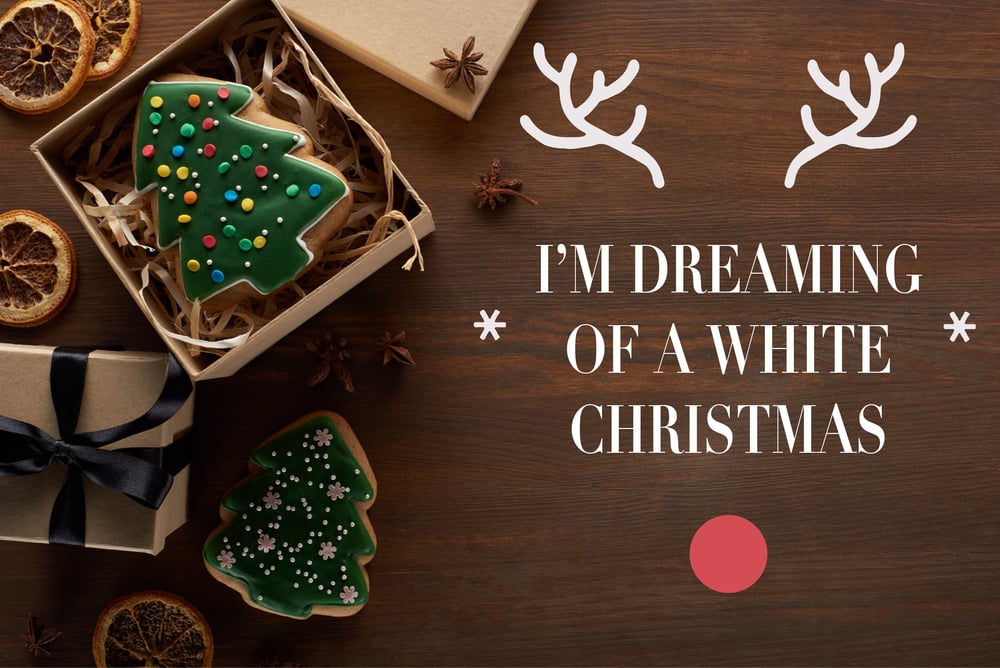
Irving Berlin’s beloved classic faced accusations of promoting racial exclusivity when civil rights activists questioned whether ‘white’ referred to snow or something more troubling. The song was also criticized for being too commercial and undermining the religious aspects of Christmas — ironic considering it became one of the best-selling singles of all time. Some radio stations in diverse communities still debate whether to play it during December programming.
‘Rudolph the Red-Nosed Reindeer’

This cheerful children’s song triggered unexpected backlash from parents who claimed it promoted bullying and exclusion. Critics argued that the other reindeer only accepted Rudolph after he became useful — teaching kids that acceptance depends on what you can provide rather than who you are. Educational psychologists have written extensive analyses about the song’s potentially harmful messages about peer pressure and conditional friendship.
‘Christmas Shoes’

This tear-jerking ballad about a boy buying shoes for his dying mother sparked fierce debates about emotional manipulation in music. Critics called it shameless grief exploitation designed to guilt people into feeling festive — while defenders argued it captured genuine holiday spirit and charitable giving. The song became so divisive that parody versions and critical essays appeared almost immediately after its release.
‘Grandma Got Run Over by a Reindeer’

This darkly comedic novelty song caused outrage among family advocacy groups who felt it made light of elderly abuse and domestic violence. Radio stations received complaints from listeners who found the lyrics disturbing rather than funny — particularly the cavalier attitude toward grandma’s death. The song’s popularity only grew with the controversy, proving that bad publicity sometimes works perfectly.
‘I Want a Hippopotamus for Christmas’

Parents’ groups targeted this whimsical song for promoting unrealistic expectations and materialistic attitudes in children. Child psychologists warned that the song encouraged kids to make impossible demands during Christmas — potentially setting them up for disappointment and tantrums. Some schools banned it from holiday performances, though the prohibition only made it more popular among rebellious students.
‘Blue Christmas’

Elvis Presley’s melancholy holiday classic faced criticism from religious leaders who felt it undermined the joyful spirit of Christmas celebration. Conservative groups argued that promoting sadness during the holiday season was inappropriate and potentially harmful to people struggling with depression — though mental health advocates praised its acknowledgment that not everyone feels happy during the holidays. The debate highlighted growing awareness about seasonal affective disorders and holiday-related mental health issues.
‘Mary, Did You Know?’
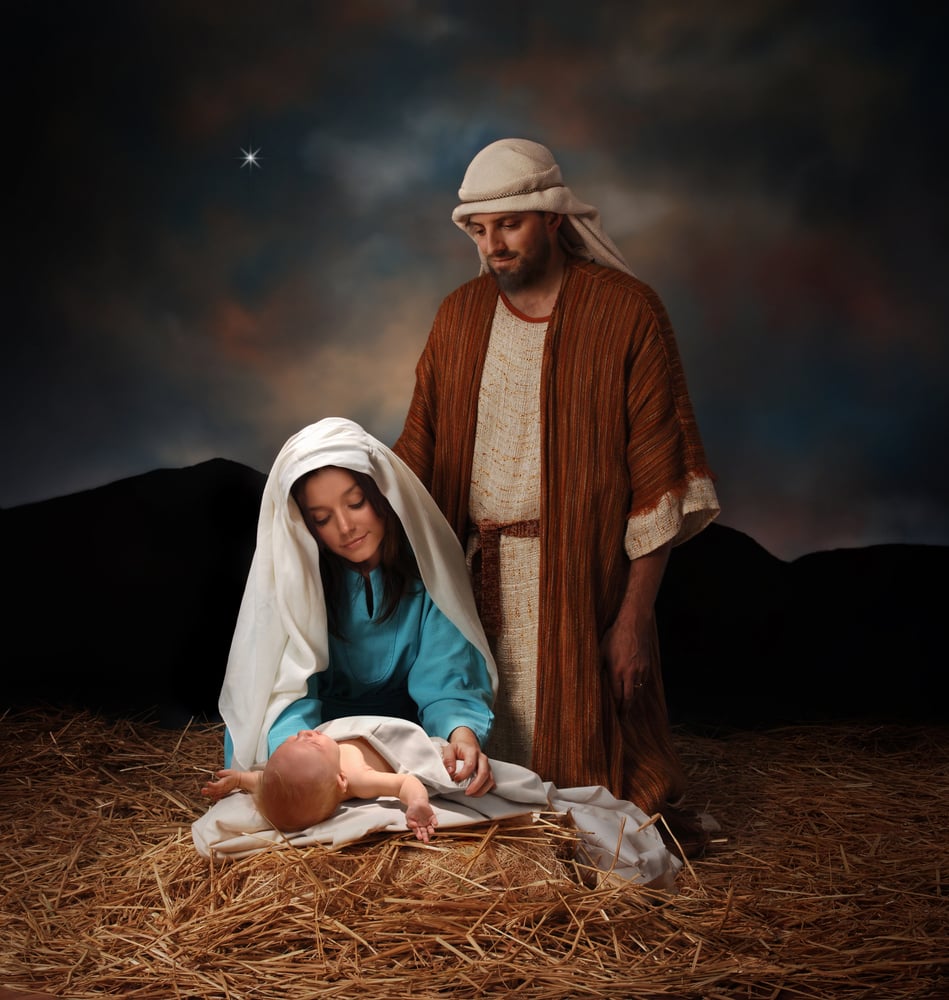
This modern Christian song sparked theological debates within religious communities about the nature of Christ’s divinity and Mary’s knowledge. Some denominational leaders argued the lyrics promoted incorrect doctrine by suggesting Mary was unaware of Jesus’s divine nature — while others defended it as a legitimate artistic interpretation of biblical events. The controversy split congregations and led to heated discussions in seminary classrooms across multiple denominations.
‘Fairytale of New York’

The Pogues’ gritty Christmas duet faced censorship attempts due to its explicit language and references to addiction, domestic conflict, and urban decay. Radio stations struggled with whether to play censored versions or avoid the song entirely — despite its critical acclaim and cult following among alternative music fans. The song’s raw portrayal of holiday realities clashed with traditional Christmas imagery, creating ongoing debates about artistic freedom versus broadcast standards.
‘Last Christmas’

Wham!’s synth-pop holiday hit encountered unexpected controversy when mental health advocates argued its themes of romantic rejection and emotional vulnerability could trigger holiday depression in vulnerable listeners. Critics claimed the song’s massive radio play during December created a soundtrack of heartbreak during what should be celebratory times — though supporters argued it provided comfort to people experiencing relationship difficulties during the holidays. The debate reflected growing awareness of how music affects mental health during emotionally charged seasons.
‘Christmas Don’t Be Late’

— Illustration by s_bukley
The Chipmunks’ high-pitched holiday classic faced criticism from audio engineers and child development experts who argued the sped-up vocals could damage young listeners’ hearing and speech development. Medical professionals warned that children might attempt to imitate the unnatural vocal patterns, potentially causing vocal cord strain or breathing problems. Some pediatricians recommended limiting exposure to the song, though parents largely ignored the warnings.
‘Do They Know It’s Christmas?’

Band Aid’s charity single sparked heated debates about cultural imperialism and stereotypical portrayals of African poverty. Critics argued the lyrics perpetuated harmful misconceptions about Africa while promoting a savior complex among Western listeners — despite raising millions for famine relief. The controversy highlighted tensions between charitable intentions and cultural sensitivity that continue to influence humanitarian efforts today.
‘Happy Xmas (War Is Over)’

John Lennon’s peace anthem faced backlash from military families and patriotic groups who felt it undermined troop morale during active conflicts. Critics argued that releasing an anti-war song during wartime was unpatriotic and potentially harmful to military families trying to maintain hope during deployments — while peace activists praised its message of unity and reconciliation. The song’s political nature made it a lightning rod for broader debates about celebrity activism and artistic responsibility.
‘Santa Baby’

This sultry holiday song sparked feminist debates about female empowerment versus objectification in Christmas music. Critics argued it promoted materialistic relationships and reduced women to gift-seeking stereotypes — while defenders claimed it showcased female agency and playful confidence in romantic negotiations. The song’s provocative nature made it a frequent target for both censorship attempts and feminist reclamation efforts.
‘Little Drummer Boy’

This traditional carol faced unexpected criticism from historians who questioned its biblical accuracy and cultural appropriation of Middle Eastern musical traditions. Scholars argued the song promoted Western misconceptions about ancient musical practices while potentially trivializing the nativity story through oversimplification — though religious educators defended its accessibility and emotional resonance. The controversy reflected broader academic debates about historical accuracy in popular religious music.
The Sound of Seasonal Discord
These controversies reveal how deeply personal and cultural Christmas music really is. What sounds like innocent holiday cheer to one generation becomes problematic content to another, while songs meant to unite communities often expose their deepest divisions instead. The debates surrounding these tracks aren’t really about music — they’re about values, traditions, and the constant negotiation between preserving cultural heritage and adapting to changing social awareness. Perhaps the most remarkable thing about Christmas song controversies is how they demonstrate that even during the season of peace and goodwill, people will find something to argue about.
More from Go2Tutors!

- 16 Historical Figures Who Were Nothing Like You Think
- 12 Things Sold in the 80s That Are Now Illegal
- 15 VHS Tapes That Could Be Worth Thousands
- 17 Historical “What Ifs” That Would Have Changed Everything
- 18 TV Shows That Vanished Without a Finale
Like Go2Tutors’s content? Follow us on MSN.



