15 Classic Cars That Ruled the Racing World
Some racing cars are fast, some are beautiful, and a few are memorable. But then there are those legendary machines that didn’t just compete—they completely dominated their competition and changed motorsport forever.
These aren’t just cars that won a few races; these are the vehicles that rewrote the record books and made their rivals look like they were standing still. From Formula 1 circuits to endurance races, rally stages to touring car championships, certain machines have achieved a level of dominance that seems almost unfair.
McLaren MP4/4

With Ayrton Senna and Alain Prost at the wheel, the MP4/4 was nearly unbeatable in 1988. It placed first in 15 of the 16 races that year, with Senna even going on a streak where he won four in a row.
This Honda-powered Formula 1 machine represents perhaps the most dominant season in F1 history. The car’s combination of advanced aerodynamics and turbocharged power made it virtually untouchable, proving that sometimes perfection is actually achievable.
Ford GT40
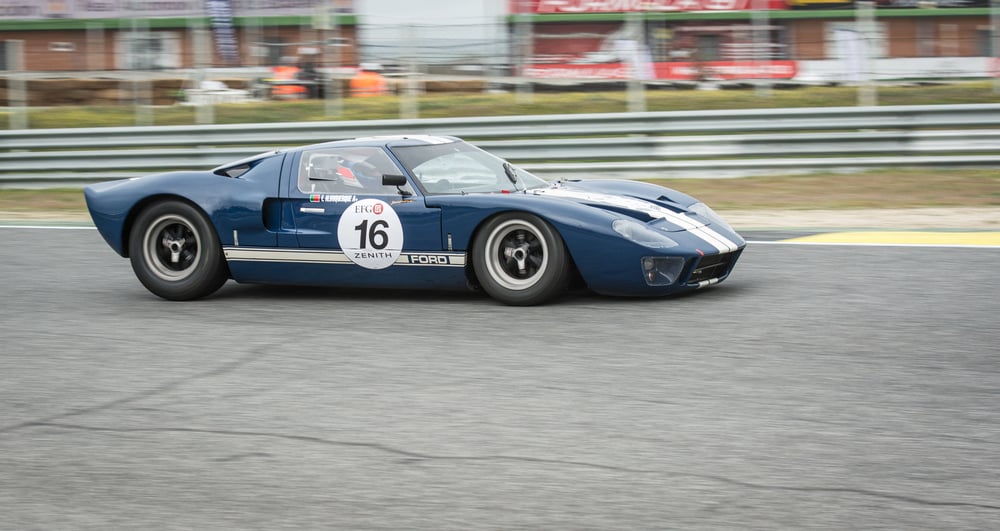
Ford is currently the only American manufacturer to reach the top step on the overall podium, winning four times from 1966 to 1969 with various versions of the same car. Born from Henry Ford II’s fury after Ferrari rejected his buyout offer, the GT40 was America’s revenge served ice cold.
Then came the sensational 1-2-3 win at Le Mans, for which Ford’s preparation included running a development engine on a dyno for 48 hours of simulated laps at La Sarthe, gearchanges and all, while a further 12 engines were race-prepared.
Ferrari 250 GTO
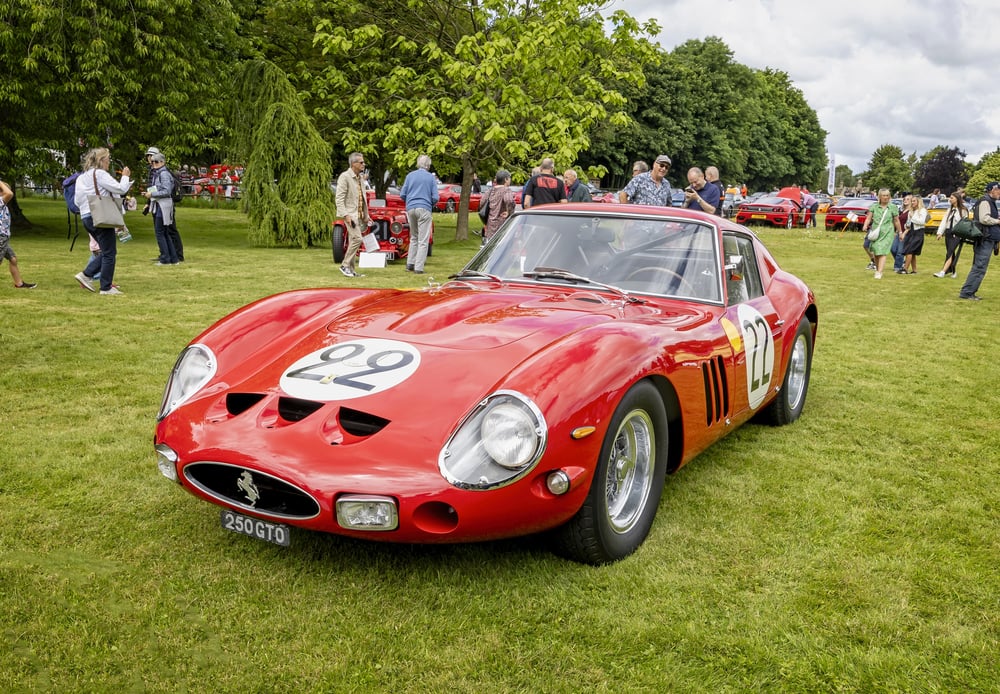
Placing first in its class, the Ferrari won over 300 races worldwide during its time on the track. Ferrari built only 36 examples of this masterpiece between 1962 and 1964, and every single one became a racing legend.
The 250 GTO delivered three world championships to Maranello from 1962 to 1964, plus many victories in the most prestigious races. It was arguably the last great front-engined race car to dominate at the highest levels.
Porsche 956/962
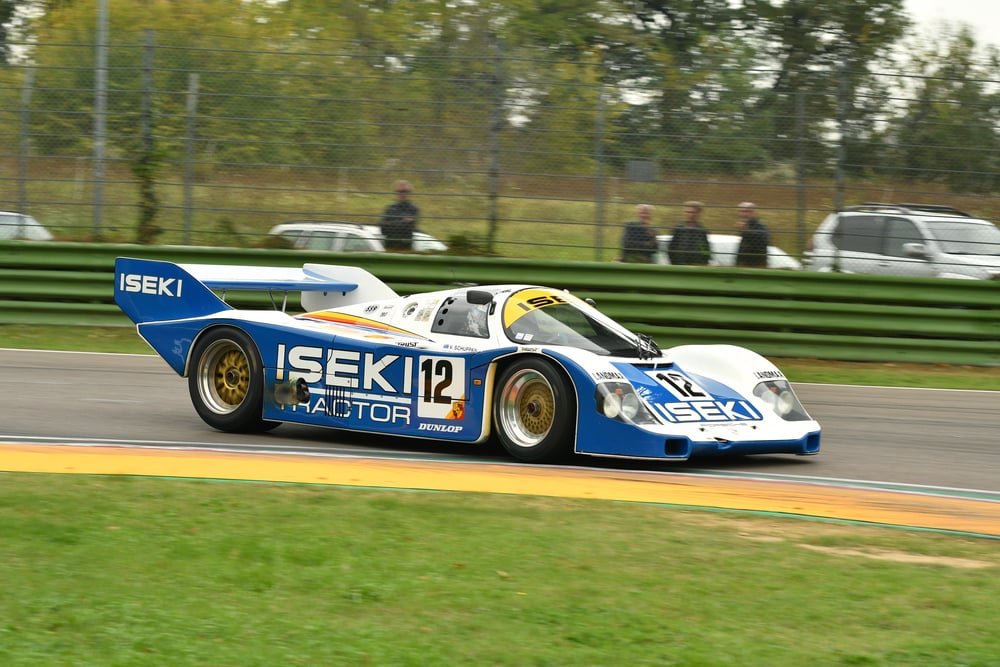
The 956 and its 962 successor not only won the 24 Hours more times than any other design, they also provided the backbone of the grid thanks to the hordes of privateer cars that chased – and occasionally beat – the works entries. From 1982 to 1994, these ground-effect Porsches turned Le Mans into their personal playground.
Over this epic 10 year dynasty, the Porsche 956 secured 132 prototype victories, making it the most successful prototype race car in motorsport history.
Lotus 72
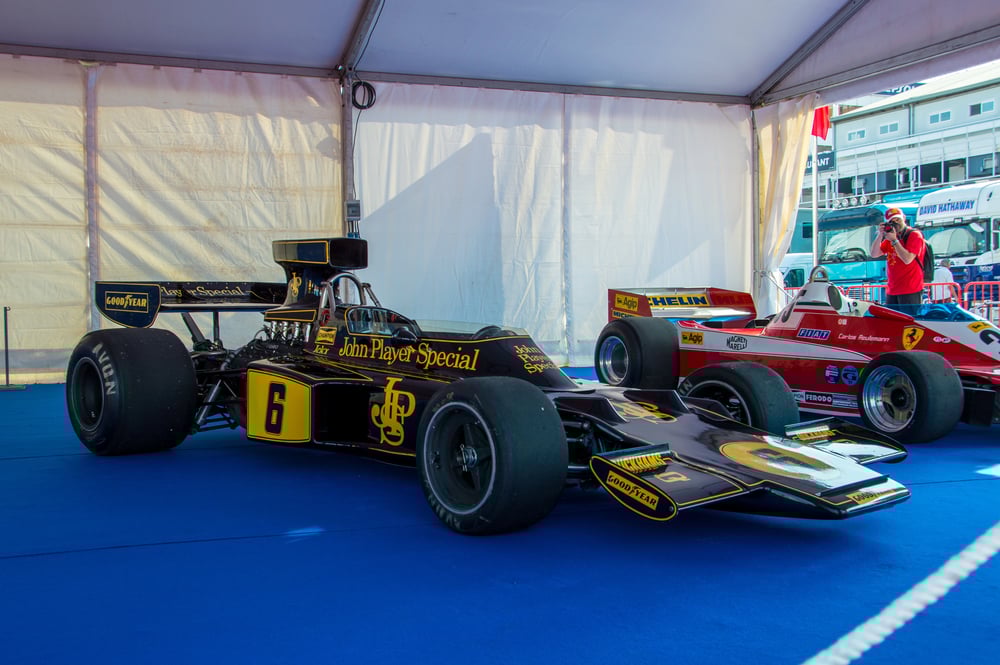
From 1970-1975, the Lotus 72 competed in a staggering 75 Grand Prix races and won 20 of them. Its drivers had to step up onto the podium 39 times.
What makes the Lotus 72 truly remarkable is that it dominated for five years with minimal modifications. The most amazing part about the Lotus 72 is that it was barely modified during its run. The original design was that good.
Porsche 917
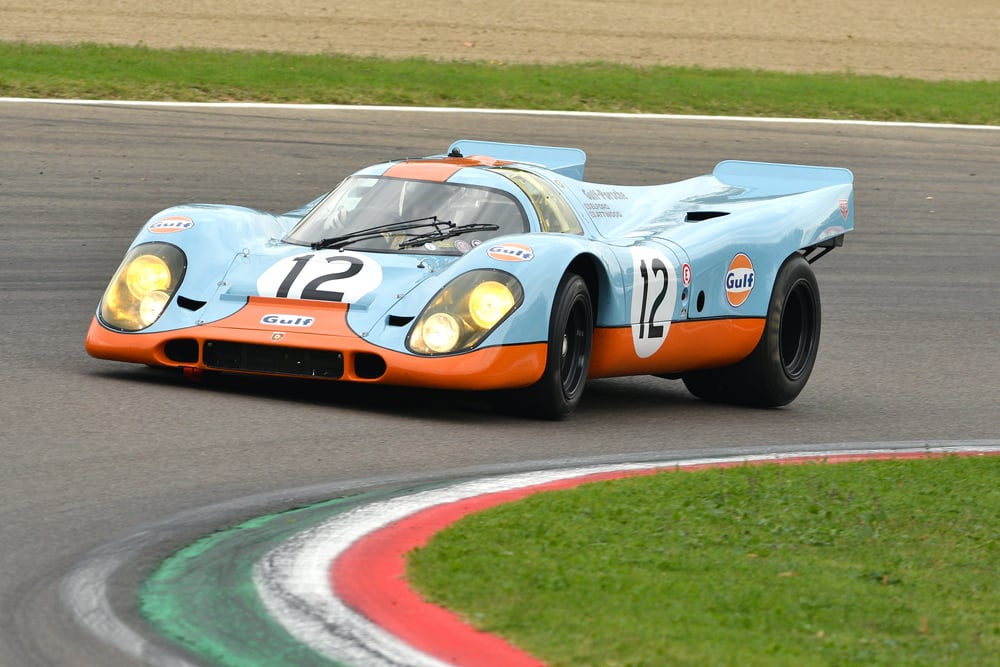
The 917 didn’t just win races—it created legends. It ‘only’ won Le Mans twice, but the 917 had a huge impact on the race and motorsport in general – and it provided the first two Le Mans wins for the greatest endurance-racing marque.
Its distinctive long-tail design and Gulf Oil livery became iconic thanks to Steve McQueen’s ‘Le Mans’ film, but the car’s real legacy lies in how it pushed aerodynamic understanding and speed barriers that wouldn’t be approached again for decades.
Lancia Stratos
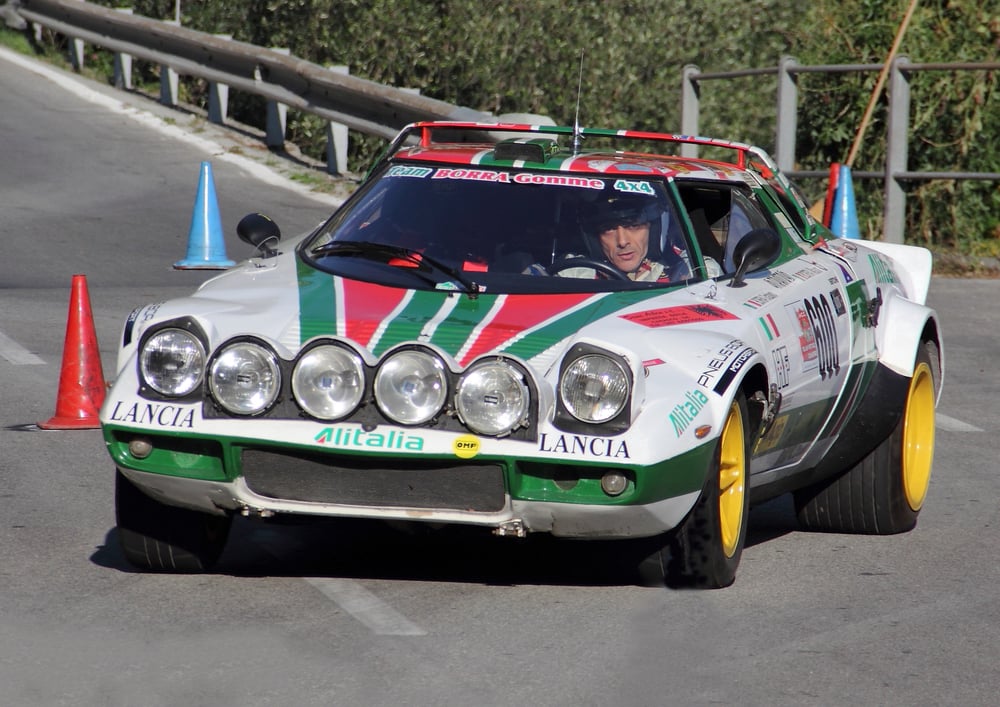
Before the 1970s, rally cars weren’t built specifically for rally duty. Existing cars were modified to become rally cars.
That changed with the Lancia Stratos. The Stratos won 18 WRC races and took the World Rally Championship three years in a row. This mid-engined masterpiece proved that purpose-built rally cars could demolish the competition, setting a template that every manufacturer would eventually follow.
Audi Quattro
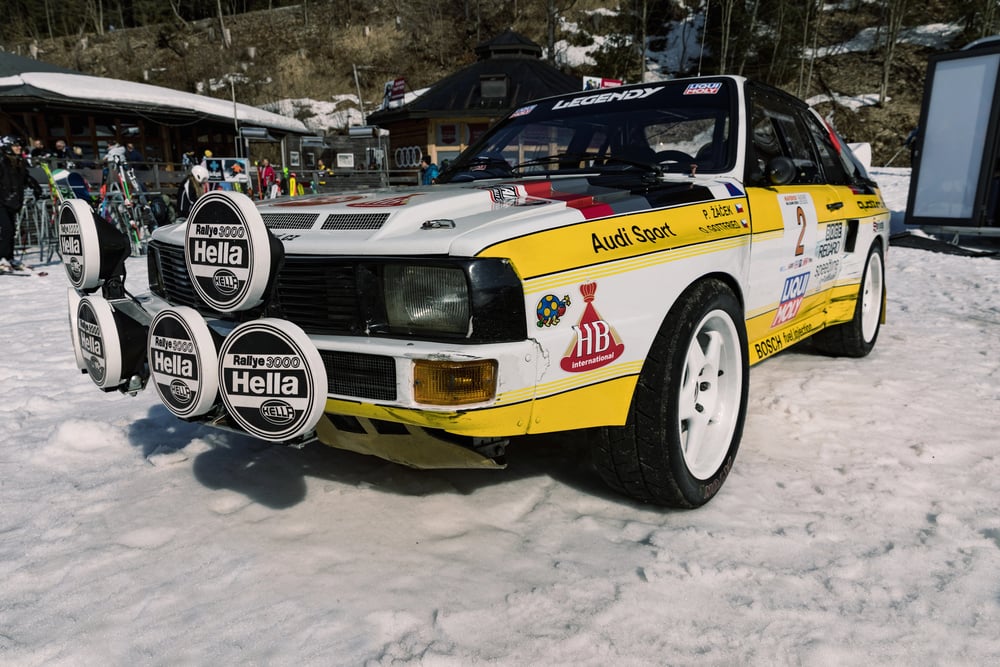
Between 1981 and 1987 it won two constructors’ titles, two drivers’ championships, 23 rallies and even Pikes Peak. Running against cars with more displacement, more cylinders, and more power, it didn’t look like the Audi 200 Quattro had a chance.
But what those cars didn’t have was all-wheel drive. The Quattro single-handedly revolutionized rallying by proving that grip mattered more than just raw power.
Nissan Skyline GT-R R32
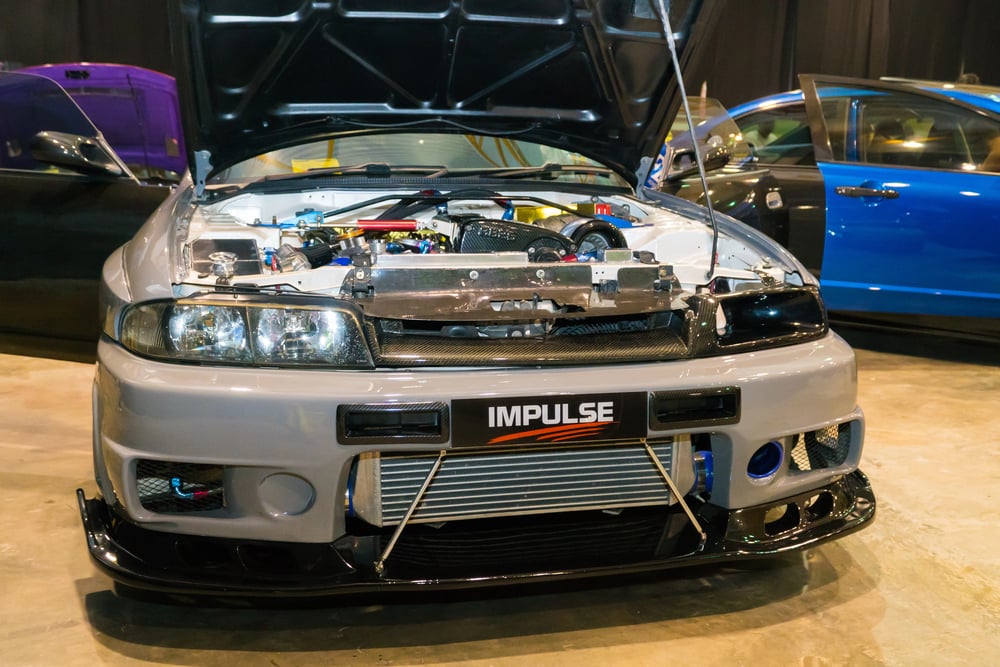
It repeated the astonishing feat in 1991, 1992, and 1993. In total, the legendary race car won 29 consecutive JTCC races (every single one it entered), effectively killing off the Group A.
The R32’s dominance was so complete that it earned the nickname ‘Godzilla’ and forced racing organizers to change regulations just to give other cars a fighting chance. In addition, it also won the 24 Hours of Spa endurance race in 1991, the Bathurst 1,000 in 1991 and 1992, as well as the Australian Touring Car Championship in 1991 and 1992, earning the nickname “Godzilla” in the process.
BMW M3 E30
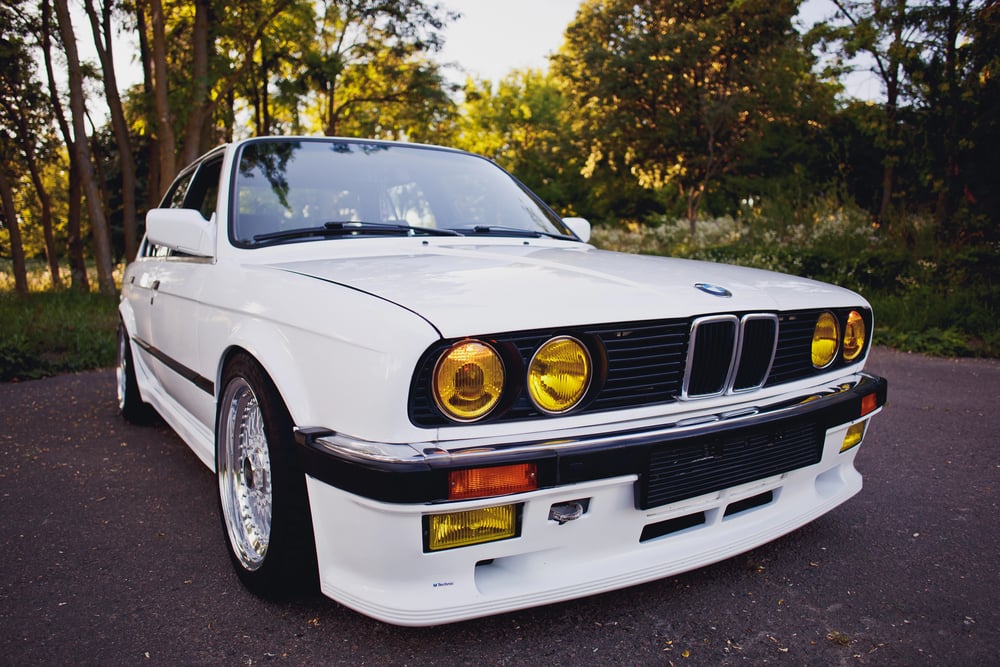
The E30 generation M3 was popular from the mid-80s through to the early 90s. During this time, it won numerous prizes, particularly in touring car championships.
It won one world championship, two European championships, two British championships, four Italian championships and a whole lot more. This boxy Bavarian became the template for what a proper touring car should be, proving that German engineering could translate into track dominance.
Mazda 787B
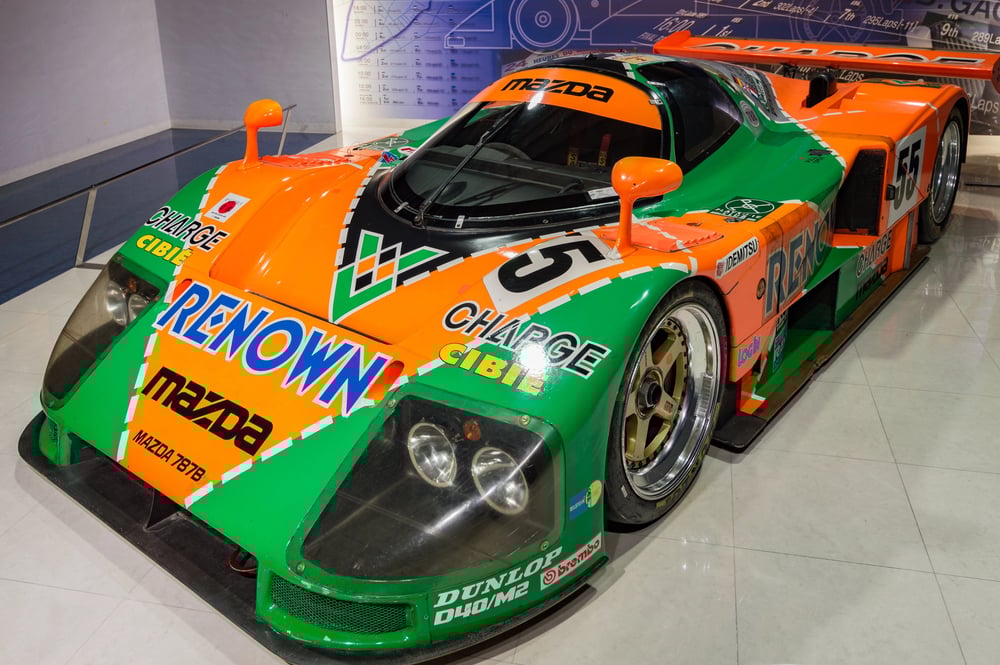
In 1991, it ended up winning 24 Hours of LeMans, making it the only Japanese car to ever do so. It’s also the only rotary-engined car to ever win, as well.
The 787B’s victory was built on reliability rather than raw speed, but its distinctive four-rotor engine note remains one of the most beautiful sounds in motorsport history. A blown headlamp bulb. That is allegedly the only fault incurred by Mazda’s Le Mans-winning 787B in 1991.
Williams FW14B
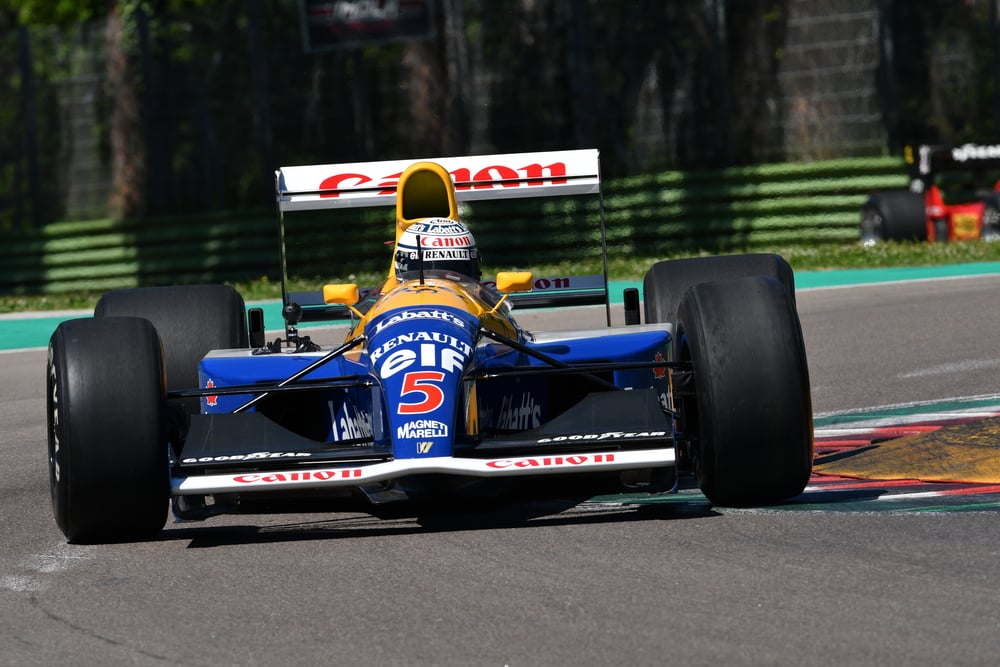
The FW14’s dominance came to a head in 1992, when it was equipped with a highly advanced active suspension system. It also had a semi-automatic gearbox and a traction control system, which, when combined with the suspension, made for a car that was nearly two seconds faster than the rest of the field.
This Formula 1 car was so technologically advanced that most of its innovations were immediately banned from the sport, proving that sometimes you can be too good for your own good.
Tyrrell P34
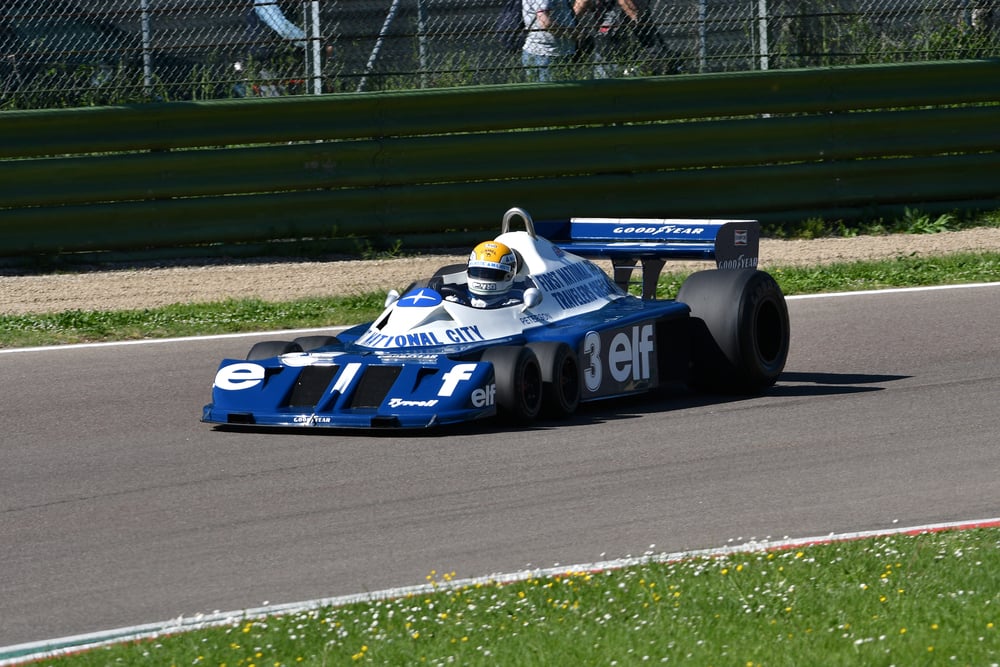
The Tyrrell P34 only ever won one race, the 1976 Swedish Grand Prix. But with six wheels, it’s still one of the most radical designs in motorsport history.
While it wasn’t the most successful car on this list, the P34 proved that unconventional thinking could work in motorsport. The idea was to use smaller front wheels to reduce drag and improve braking, and it actually worked—briefly.
Jaguar D-Type

It won the event three years in a row and became Jaguar’s most successful race car. The D-Type’s sleek, aircraft-inspired design wasn’t just beautiful—it was devastatingly effective at Le Mans from 1955 to 1957.
Its distinctive fin and aerodynamic body helped establish Jaguar as a serious endurance racing manufacturer, and the road-going XKSS version became one of the most desirable sports cars ever built.
Lotus 79
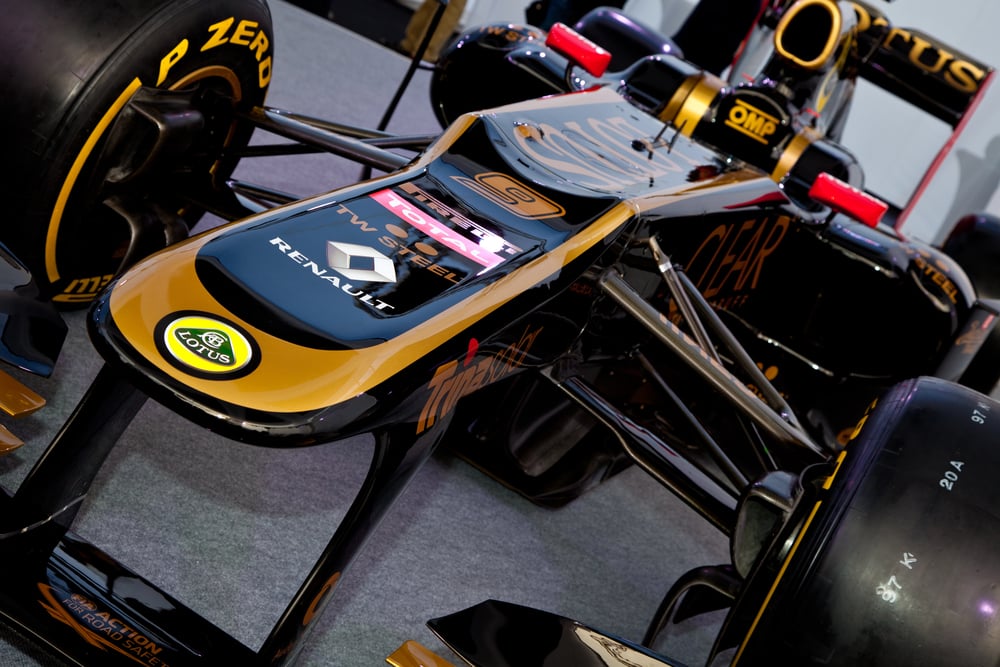
Its successor the Lotus 79 took what the 78 started and advanced it even further, making it the first car to truly use ground effects. The iconic black and gold car was the first to take full advantage of ground effect aerodynamics in F1, pioneered in its predecessor, the Lotus 78.
It changed the sport and was pretty successful too, taking seven wins, 10 pole positions, one drivers’ title (Mario Andretti) and one constructors’ championship.
Legacy of Lightning
These machines didn’t just win races—they redefined what was possible on four wheels. Each car on this list pushed boundaries in its own way, whether through revolutionary technology, superior engineering, or simply being driven by the right people at the right time.
The legacy of these racing legends lives on in every modern race car, from Formula 1 to NASCAR, as engineers continue to chase the perfect combination of speed, reliability, and innovation that these classics achieved decades ago. They remind us that sometimes the greatest victories come not from following the rules, but from rewriting them entirely.
More from Go2Tutors!

- The Romanov Crown Jewels and Their Tragic Fate
- 13 Historical Mysteries That Science Still Can’t Solve
- Famous Hoaxes That Fooled the World for Years
- 15 Child Stars with Tragic Adult Lives
- 16 Famous Jewelry Pieces in History
Like Go2Tutors’s content? Follow us on MSN.