15 Insects with Strange Defenses
Being small in a large world requires ingenuity in order to survive. Birds, spiders, frogs, other insects, and innumerable other dangers are all potential predators of insects. They have evolved some incredibly strange defense mechanisms, ranging from chemical warfare to devious tactics, as a result of millions of years of evolutionary pressure.
Despite their remarkable effectiveness, these defenses frequently appear more bizarre than they actually are. Science fiction authors would be envious of the solutions that nature has created, from insects that shed their own limbs to explosive beetles. These 15 insects have defense mechanisms so bizarre that they will alter your perspective on the bug world.
Bombardier Beetles

These living chemical weapons store two harmless compounds separately until danger strikes, then mix them to create an explosive reaction reaching 100°C at the exit point of the abdomen. The spray cools rapidly as it travels, but the initial blast is hot enough to cause serious damage.
The beetle can aim its boiling spray with pinpoint accuracy, targeting specific legs or body segments of attackers. The chemical explosion happens so quickly that high-speed cameras recording at 2,000 frames per second can barely capture the process.
Some bombardier beetles can fire up to 20 shots before running out of ammunition, and the spray travels at 10 meters per second with enough force to kill small predators like ants.
Stick Insects
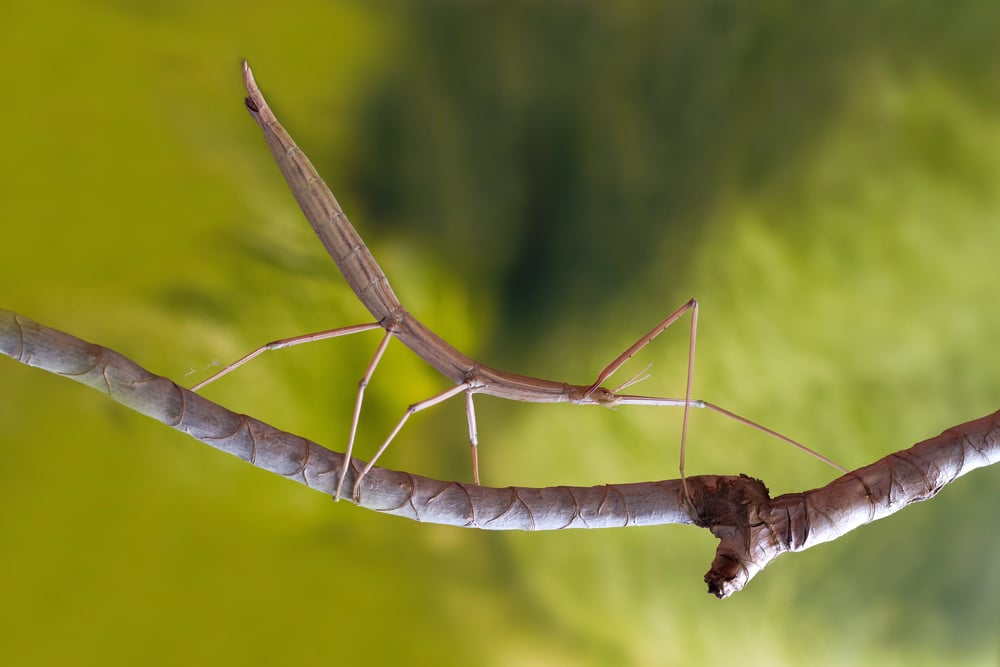
When grabbed by a predator, stick insects can deliberately shed their legs through a process called autotomy — and they’re the only insects that can regenerate them. The lost leg breaks off at a predetermined fracture line, allowing the insect to escape while the predator is left holding just a twitching appendage.
Complete leg regeneration takes three molts, with each new version growing larger. Interestingly, studies show they lose legs to molting complications about as often as predator attacks, suggesting their long thin legs are both an advantage and a vulnerability.
Ironclad Beetles
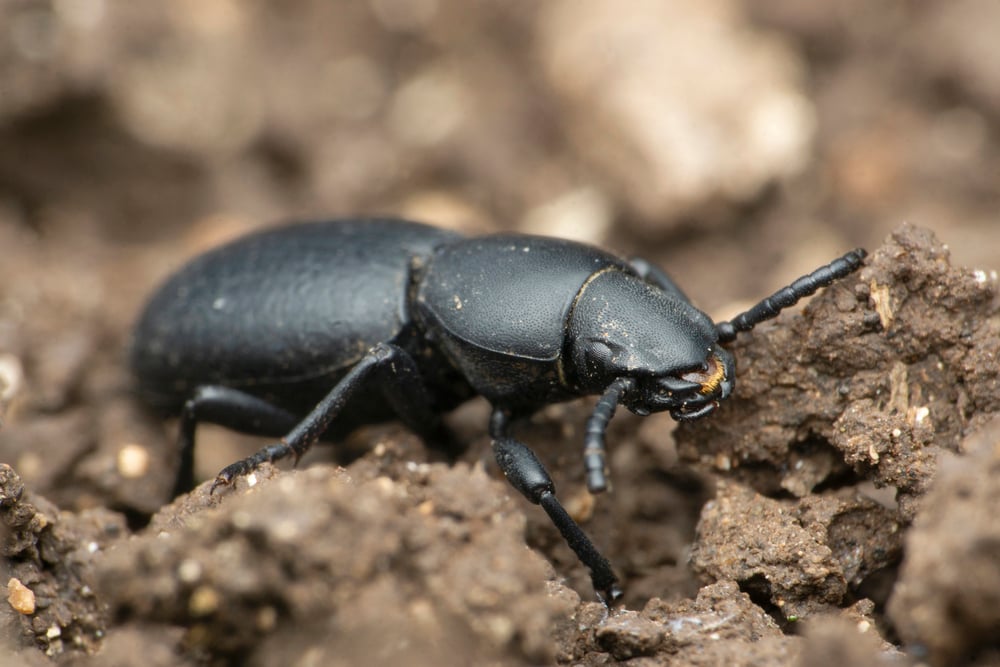
Living up to their name, these beetles possess exoskeletons so tough they can survive extreme compression forces — lab tests show they can withstand pressure equivalent to being run over by cars under controlled conditions. Their shells are so hard that scientists need drills to penetrate them for specimen mounting — regular insect pins simply bend.
The secret lies in their unique protein structure that creates an almost unbreakable armor. Even when stepped on by animals many times their size, ironclad beetles emerge completely unharmed, making them virtually invulnerable to physical attacks.
Puss Moth Caterpillars
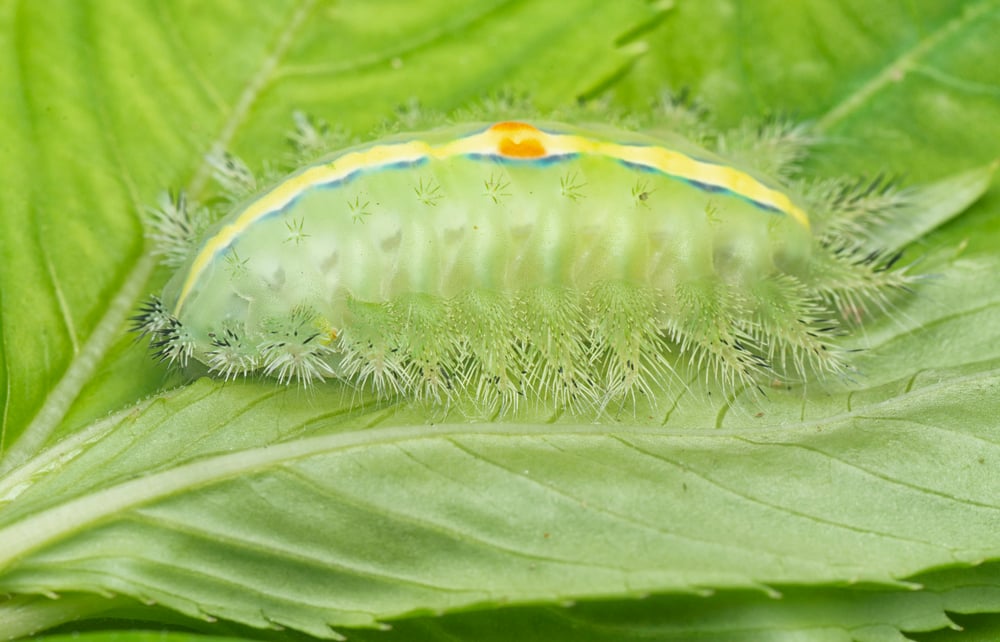
Despite their fuzzy, harmless appearance, puss moth caterpillars pack a surprise defense — they can spray foul-smelling liquid from their bodies when threatened. This British native looks like a cute, furry creature, but the chemical cocktail it releases creates such an unpleasant experience that predators quickly learn to avoid them.
The smell is so potent it can deter even large predators, proving that sometimes the best defense is making yourself completely unappetizing.
Blister Beetles

These beetles practice ‘reflex oozing,’ releasing toxic blood from their leg joints when disturbed. The blood contains cantharidin, a powerful blistering agent that effectively deters birds, mammals, and other predators in nature, while also causing severe skin irritation in humans who handle them.
The chemical is so potent that it circulates throughout their entire circulatory system, making every part of the beetle dangerous to eat. Some species can literally poison predators that try to consume them, turning their own blood into a lethal weapon.
Wheel Bugs

Named for the distinctive cog-like wheel on their backs, these assassin bugs inject their victims with toxic saliva that liquefies internal organs. While they primarily hunt other insects, they rarely bite humans unless handled, though when they do, the bite can be extremely painful and potentially dangerous to small predators.
They use their wheel-shaped structure as both a warning display and a defensive mechanism, making themselves appear larger and more intimidating to potential threats.
Leaf Insects

These masters of disguise don’t just look like leaves — they’ve perfected every detail down to fake bite marks and leaf veins. Some species can even change color to match their surroundings as seasons change.
Their camouflage is so complete that they remain motionless for hours, swaying gently to mimic leaves moving in the breeze. When this incredible disguise fails, they can shed limbs like their stick insect relatives, though they’re the only insects that mimic plant parts so perfectly.
Brazilian Treehoppers

These bizarre insects sport helmet-like structures covered in tiny projections that look like alien architecture. They use these strange formations both as defensive warnings and as sound-producing devices to communicate with other treehoppers.
The elaborate headgear makes them appear much larger and more threatening than they actually are, while also providing protection from predators trying to attack their heads. The diversity of these helmet structures across species suggests they serve multiple defensive functions.
Like Go2Tutors’s content? Follow us on MSN.
Flower Mantises

Rather than hiding from predators, flower mantises hide in plain sight by perfectly mimicking the flowers they hunt on. Their camouflage is so convincing that they can catch prey insects that land on them thinking they’re visiting actual flowers.
Different species mimic different flower types, with some resembling orchids while others look like daisies or other blooms. This dual-purpose defense protects them from predators while making them incredibly effective ambush hunters.
Caterpillars with Hollow Hairs

Some caterpillars have developed hollow body hairs that contain painful irritants — touch them and the hairs break, releasing chemicals that cause intense burning sensations. The toxins can remain active on skin for hours, creating a memorable experience that teaches predators to avoid fuzzy caterpillars in the future.
These defense hairs are so effective that some species incorporate them into their cocoons, providing protection even during their vulnerable pupal stage.
Death-Feigning Beetles

When threatened, these beetles become masters of theatrical performance, flipping onto their backs and remaining completely motionless for extended periods. This behavior, called thanatosis, takes advantage of the fact that many predators prefer live prey over carrion.
The beetles can maintain their death-like pose for several minutes, sometimes even continuing the act when poked or prodded. Their commitment to the performance is so complete that they’ll stay ‘dead’ until they’re absolutely certain the threat has passed.
Acid-Spraying Insects
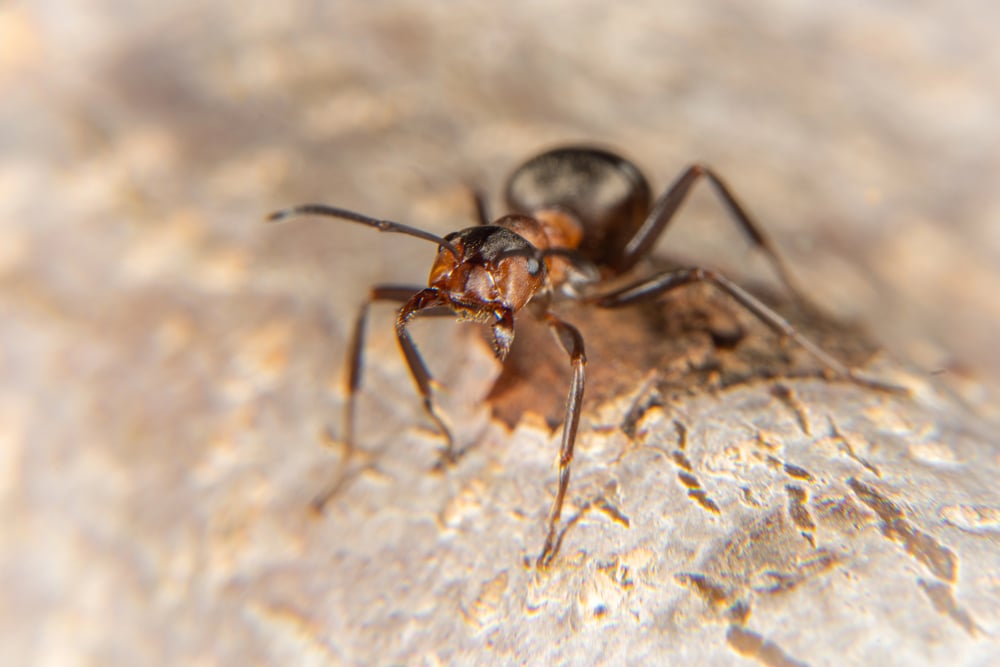
Various insects have evolved the ability to spray formic acid or other corrosive chemicals at attackers. Some ants can spray acid several times their body length, while certain beetles and termites have developed specialized glands for chemical warfare.
The acid not only causes immediate pain and tissue damage but also serves as a warning pheromone to alert other colony members of danger. These living chemical weapons have turned simple insects into formidable opponents for much larger predators.
Snake-Mimicking Caterpillars

When threatened, some caterpillars can transform their appearance to look like dangerous snakes, complete with realistic eyespots and threatening postures. The sphinx moth caterpillar Hemeroplanes triptolemus provides an excellent example — it dangles from branches and reveals snake-like patterns on its underside, fooling predators into thinking they’ve encountered a venomous serpent.
This remarkable transformation happens in seconds, turning a helpless caterpillar into a convincing replica of a creature many times more dangerous.
Ant-Mimicking Insects

Young stick insect nymphs curve their abdomens over their heads to mimic ants or scorpions, taking advantage of predators’ learned avoidance of these dangerous creatures. The mimicry is so convincing that it includes behavioral elements — they move with the jerky, aggressive motions typical of ants rather than the slow, swaying movements of adult stick insects.
This early-life defense strategy protects them during their most vulnerable developmental stages.
Like Go2Tutors’s content? Follow us on MSN.
Spiny Shield Bugs

These insects have evolved elaborate spines and armor-like projections that make them extremely difficult to swallow or handle. Their spiky exterior serves as both a physical deterrent and a warning signal to potential predators.
When threatened, they can lock their legs and spines into defensive positions, creating an almost impregnable fortress of sharp points. The spines are positioned strategically to protect vital body parts while making the insect as unpalatable as possible to any creature attempting to eat it.
Evolution’s Creative Solutions
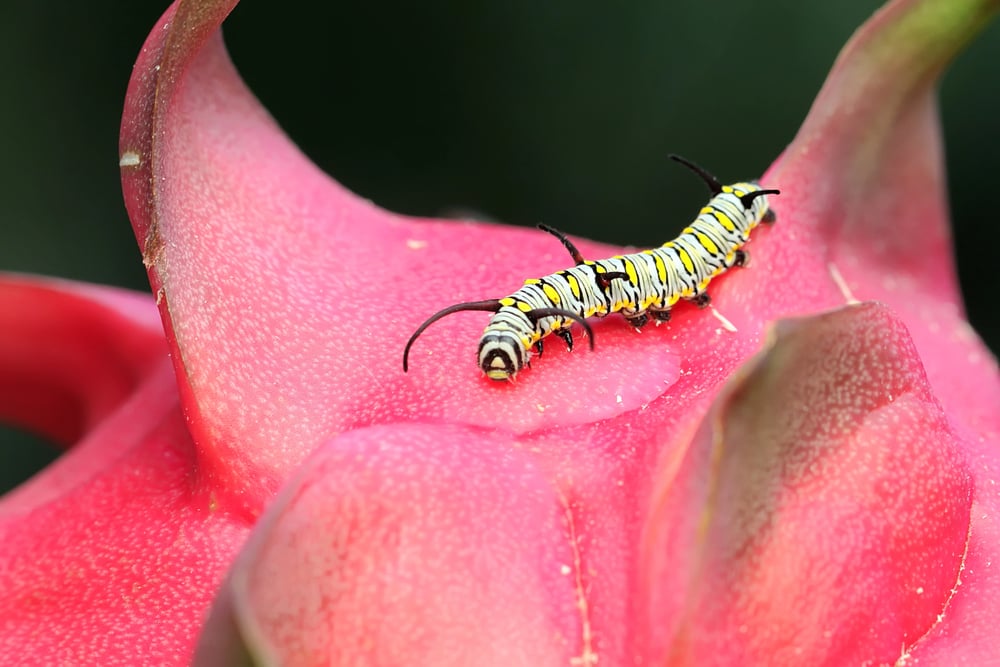
When survival is at stake, these amazing defense mechanisms demonstrate how inventive evolution can be. Only the most successful defenses have survived to be passed down through the generations, and each strategy is the result of millions of years of trial and error.
Insects have created solutions that frequently outperform human engineering in terms of elegance and efficacy, ranging from chemical explosions to clever disguises. These microscopic organisms demonstrate that in the natural world, the most bizarre concepts frequently work best and that, when millions of years of evolution support your survival strategy, being small does not equate to being helpless.
More from Go2Tutors!

- The Romanov Crown Jewels and Their Tragic Fate
- 13 Historical Mysteries That Science Still Can’t Solve
- Famous Hoaxes That Fooled the World for Years
- 15 Child Stars with Tragic Adult Lives
- 16 Famous Jewelry Pieces in History
Like Go2Tutors’s content? Follow us on MSN.



