15 Natural Phenomena That Seem Impossible Until You See the Numbers
Our planet and universe are filled with wonders that defy everyday intuition. Many natural occurrences sound like exaggerations or science fiction until you examine the actual measurements and statistics behind them. These phenomena remind us that reality often surpasses what our imagination considers possible.
Here is a list of 15 natural phenomena whose true scale and properties become even more astonishing when quantified.
Lightning Temperature
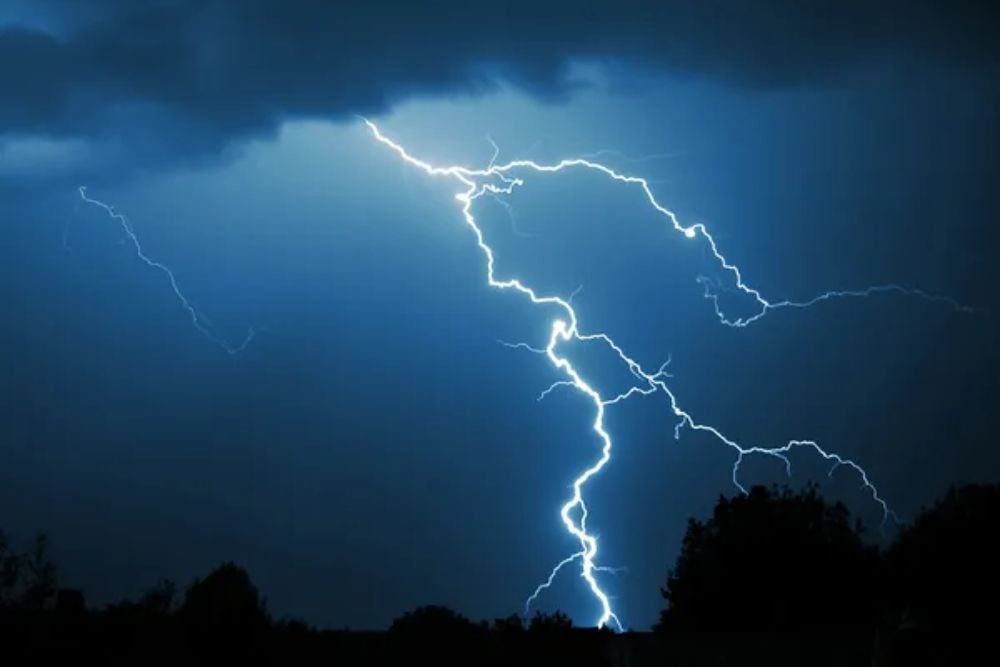
Lightning appears as a brilliant flash in the sky, but its temperature reaches approximately 50,000°F, roughly five times hotter than the surface of the sun. Each bolt can contain up to one billion volts of electricity and travels at speeds of 270,000 mph.
These extreme temperatures allow lightning to instantly vaporize water in the surrounding air and split oxygen molecules, creating the distinctive smell sometimes described as ‘clean air’ after storms.
Monarch Butterfly Migration

Monarch butterflies, weighing less than a paper clip (0.0095 ounces), undertake a migration spanning up to 3,000 miles. These insects navigate with remarkable precision to specific mountains in Mexico where their great-grandparents originated.
More impressive still, they accomplish this multi-generational journey with brains weighing just 0.0002 ounces, proving that complex navigational abilities don’t require large neural structures.
Sunlight Age
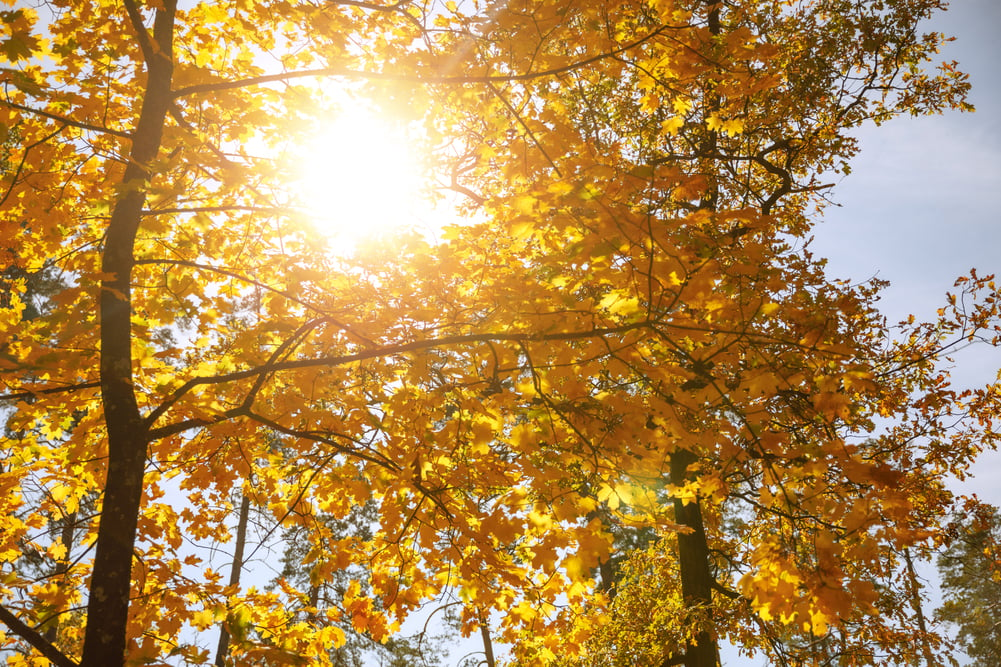
The light we see from the sun began its journey from the solar core approximately 170,000 years ago, not the 8 minutes commonly cited. Photons created in fusion reactions bounce around the dense solar interior in a random walk, taking nearly two hundred millennia to reach the surface.
The sunshine illuminating your daily activities started its voyage during the last ice age when early humans were creating cave paintings in Europe.
Mantis Shrimp Strike
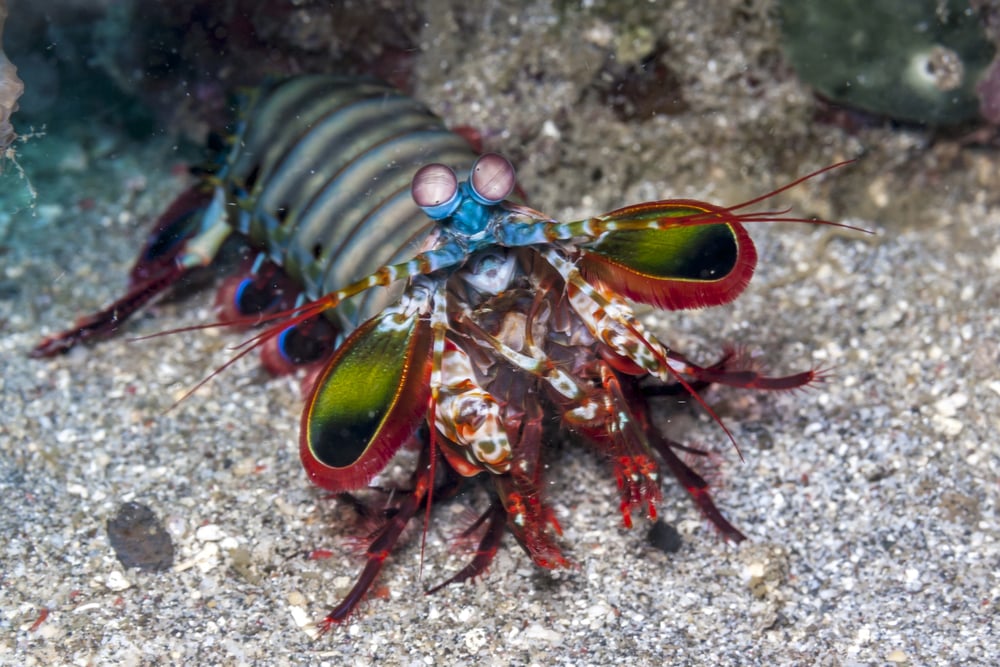
The peacock mantis shrimp throws a punch that accelerates faster than a .22 caliber bullet, reaching speeds of 50 mph in just three-thousandths of a second. This underwater creature generates forces exceeding 1,500 newtons, enough to smash aquarium glass and crack open mollusk shells instantly.
The punch moves so rapidly that it creates cavitation bubbles that collapse with temperatures reaching nearly 8,000°F, almost as hot as the sun’s surface.
Antarctic Blood Falls
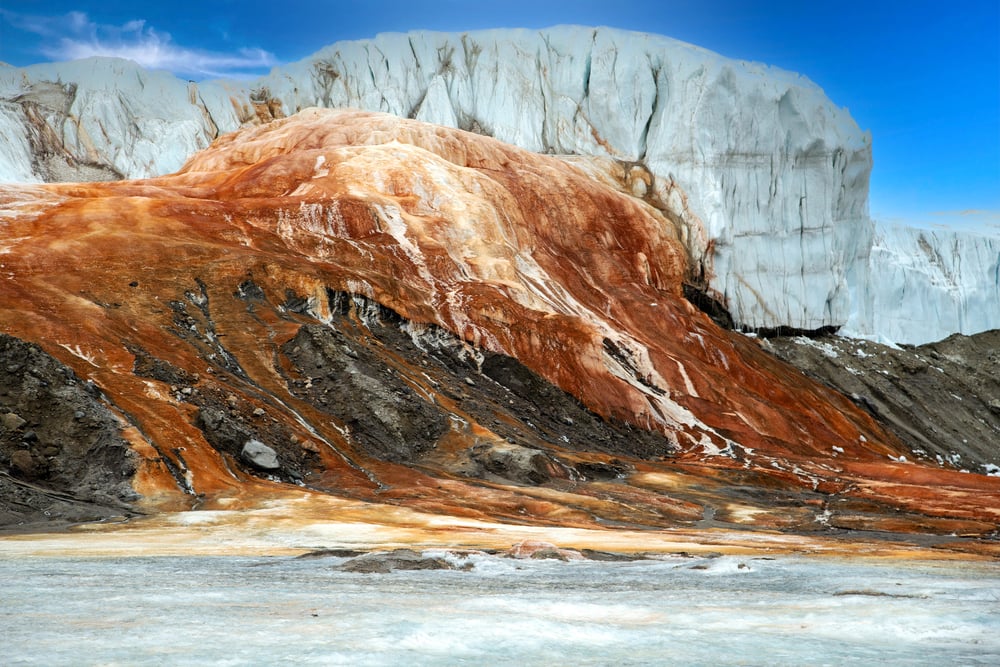
At Antarctica’s Taylor Glacier, a blood-red waterfall flows from beneath the ice, appearing like an open wound on the white landscape. The water contains iron-rich saltwater trapped beneath the glacier for an estimated 1.5 million years, over 400 times longer than human civilization has existed.
When this ancient liquid comes into contact with atmospheric oxygen, the iron oxidizes to create the striking crimson color that has flowed continuously since its discovery in 1911.
Redwood Water Absorption
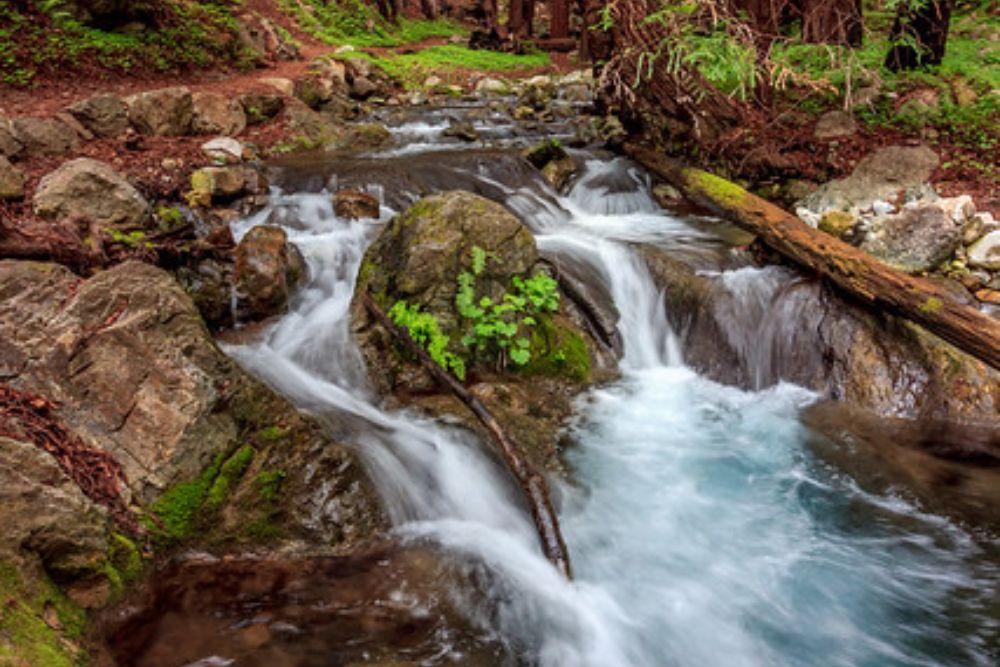
From their roots to their highest leaves, California’s coastal redwoods can extract up to 500 gallons of water every day—roughly ten ordinary bathtubs. These trees use capillary action and evaporation at the leaf surface to transfer this water instead of mechanical pumps.
Up to 1,000 gallons of water can be added daily to the forest environment by a single adult redwood condensing extra moisture from fog throughout the summer.
Antarcticite Crystal Growth
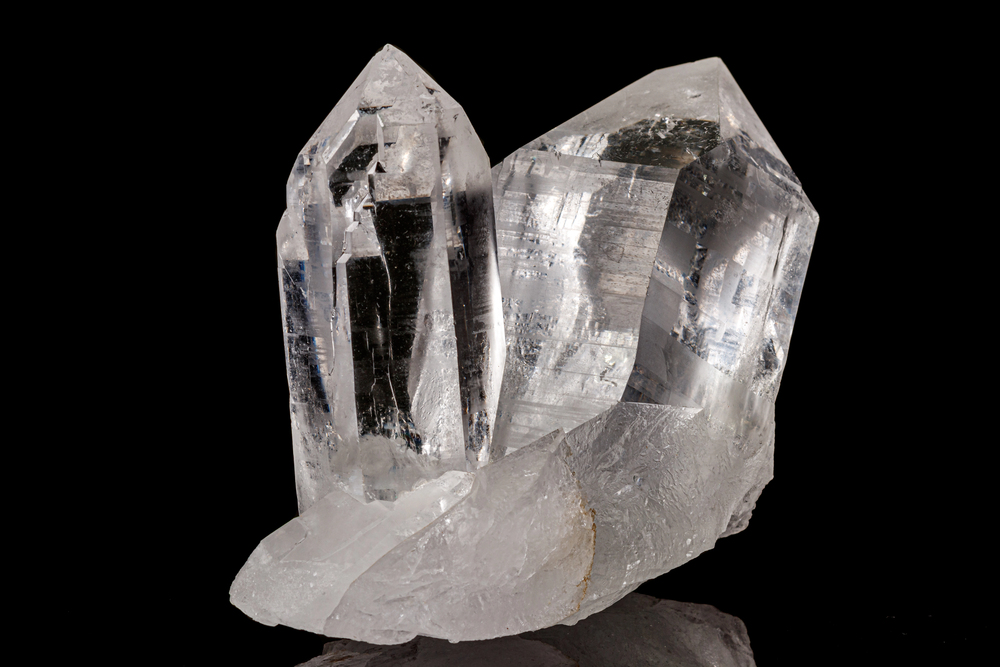
Rare antarcticite crystals grow up to three feet in a single season to form underwater columns in Antarctica’s hypersaline Don Juan Pond. Because of its high 40% salt content, this fragile structure forms in water that stays liquid at temperatures as low as -58°F.
Every year, the crystals dissolve and re-form, forming an underwater forest of crystalline forms that are unique to Earth.
Diamond Rain on Gas Giants
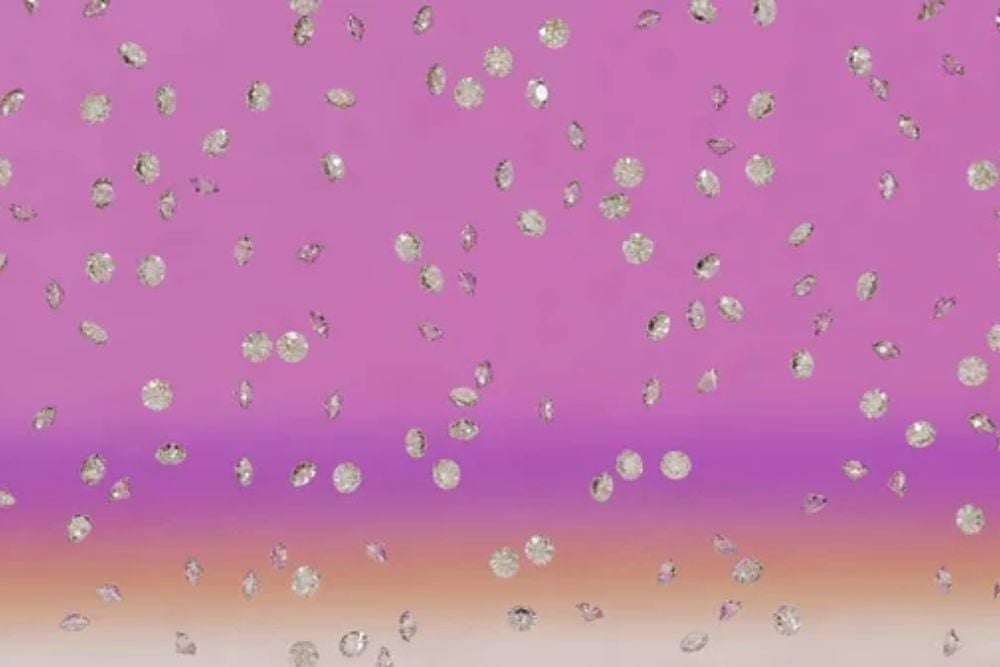
Deep within Neptune and Uranus, carbon atoms are compressed by atmospheric pressures exceeding 100,000 times Earth’s surface pressure, creating literal diamond precipitation. Scientists estimate that each year, over 1,000 tons of diamonds form in these planets’ atmospheres, with some potentially growing to hundreds of pounds before reaching deeper layers.
These diamond downpours have likely been occurring for billions of years, creating vast diamond deposits thousands of miles below the visible cloud tops.
Neutrino Bombardment
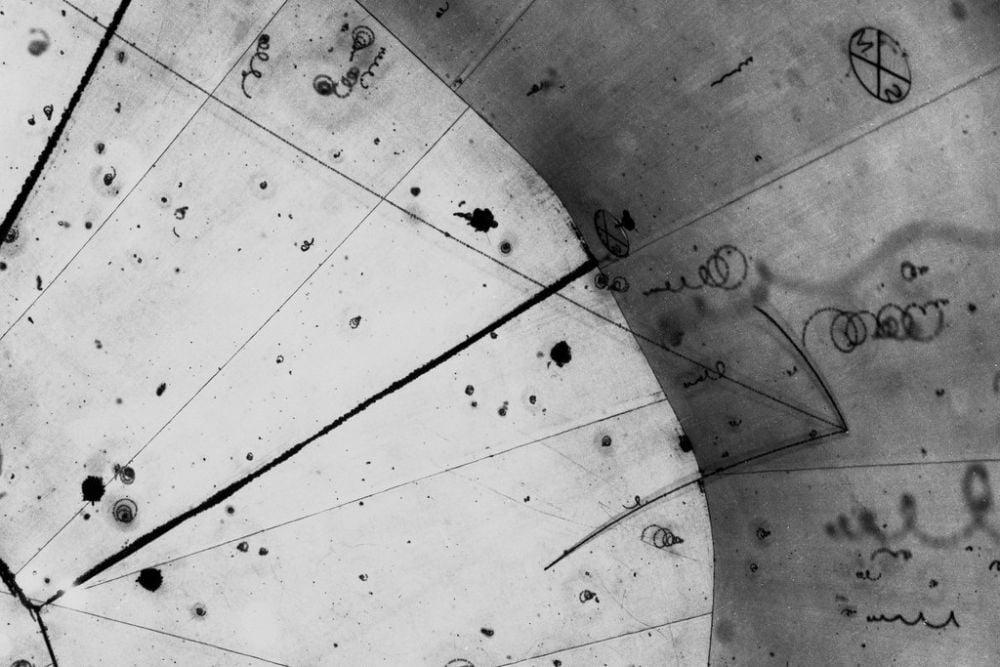
Every second, approximately 100 trillion neutrinos pass through each square inch of your body without you noticing. These subatomic particles travel at nearly the speed of light and originate primarily from nuclear reactions within the sun.
Despite this incredible number, the average person might only experience meaningful interaction with a single neutrino in their entire lifetime due to the particles’ minimal mass and reluctance to interact with other matter.
Tardigrade Survival
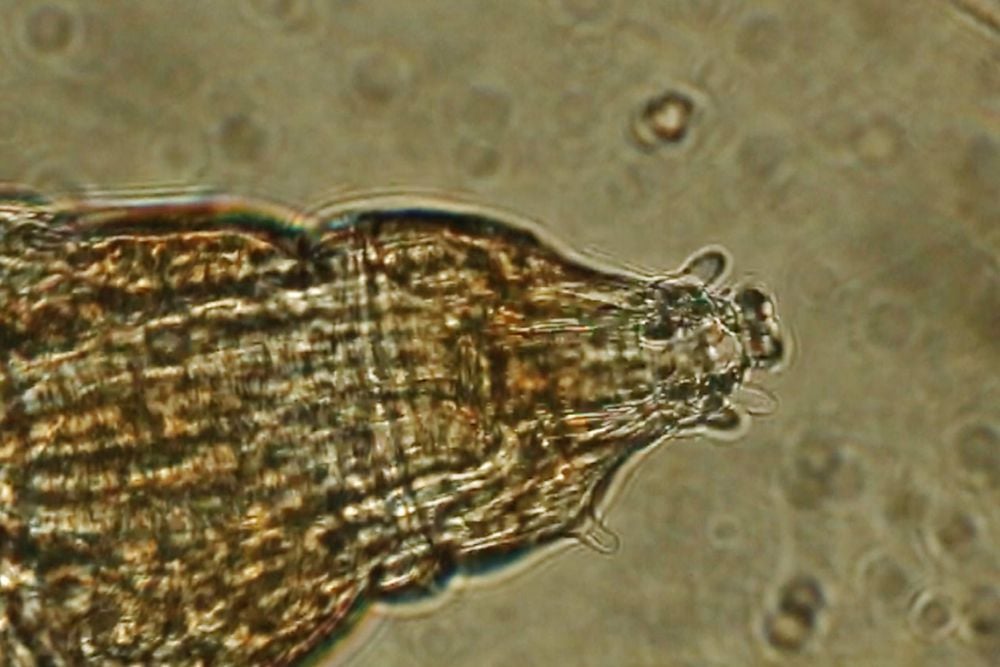
Tardigrades, microscopic creatures less than 0.02 inches long, can survive without water for 30 years by replacing cell moisture with protective proteins and entering a dehydrated state. These tiny animals have endured the vacuum of space for 10 days and temperatures from near absolute zero (-458°F) to 300°F.
Their remarkable durability allows them to revive after exposure to 1,000 times the radiation that would kill a human, making them the most resilient known multicellular organisms.
Volcanic Lightning
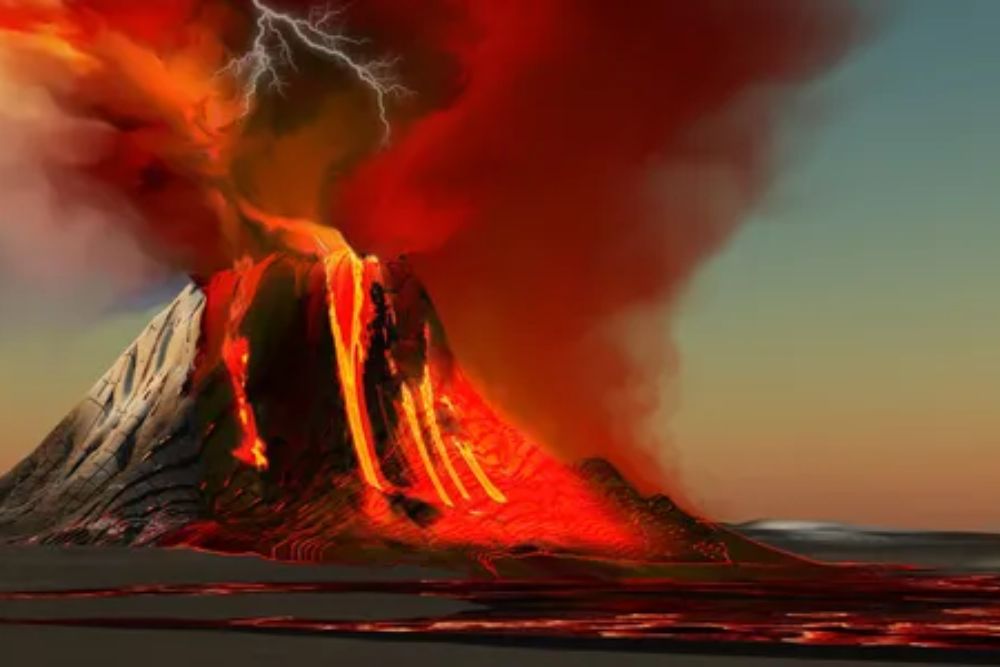
During major eruptions, volcanoes can generate up to 30 lightning strikes per minute within their ash clouds, creating spectacular electrical storms above ongoing lava flows. This phenomenon occurs when ash particles collide and generate static electricity in concentrations up to 1,000 times greater than in regular thunderstorms.
Mount Vesuvius’s famous eruption in 79 AD likely featured this dramatic effect, adding terrifying lightning to the already apocalyptic scene witnessed by ancient Romans.
Tree Communication Network

A single acre of forest contains approximately 150,000 miles of fungal connections between trees, roughly six times the Earth’s circumference. These mycorrhizal networks transfer carbon, nitrogen, and phosphorus between trees at rates up to 280 square feet per year.
Through this underground system, a forest functions as a single superorganism, with older ‘mother trees’ supporting younger saplings and trees under attack by pests warning others by sending chemical signals through the network.
Saharan Dust Journey

Each year, the Sahara Desert exports approximately 182 million tons of dust across the Atlantic Ocean, enough to fill 689,000 semi-trucks. These microscopic particles travel over 5,000 miles on atmospheric currents to fertilize the Amazon rainforest with much-needed phosphorus.
Without this intercontinental nutrient exchange that has occurred for thousands of years, the Amazon would lack sufficient minerals to maintain its extraordinary biodiversity.
Blue Whale Heartbeat
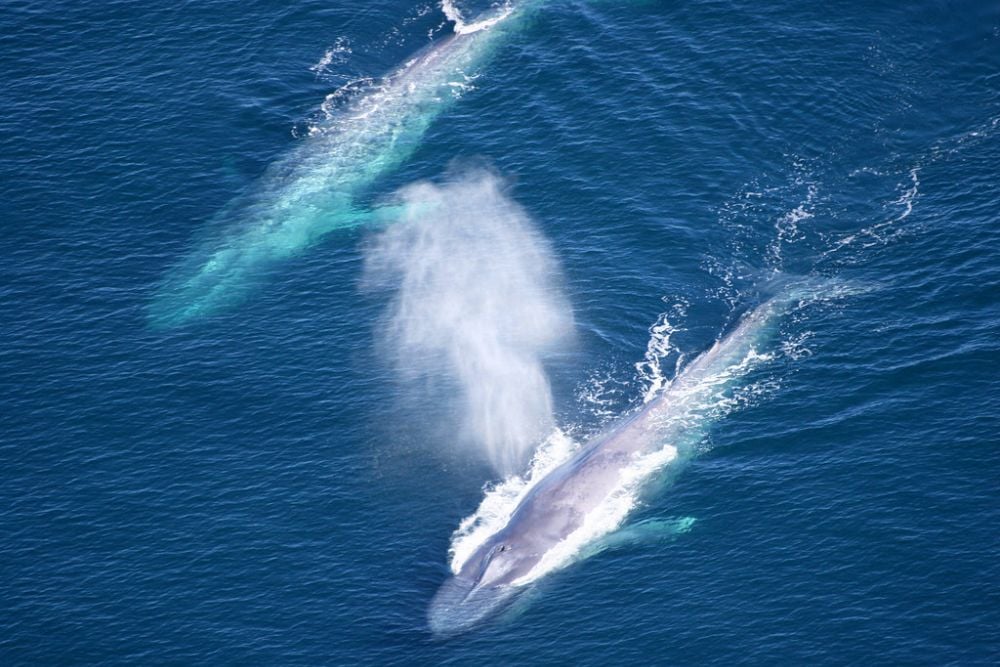
The blue whale’s heart beats just 8 to 10 times per minute compared to a human’s 60-100, yet it pumps 58 gallons of blood with each contraction. During deep dives, this enormous organ can slow to only 2 beats per minute, the slowest heart rate recorded in any mammal.
The whale’s major arteries are large enough for a small child to swim through, creating a circulatory system that moves approximately 10 tons of blood through a body weighing up to 200 tons.
Brain Synapse Connections
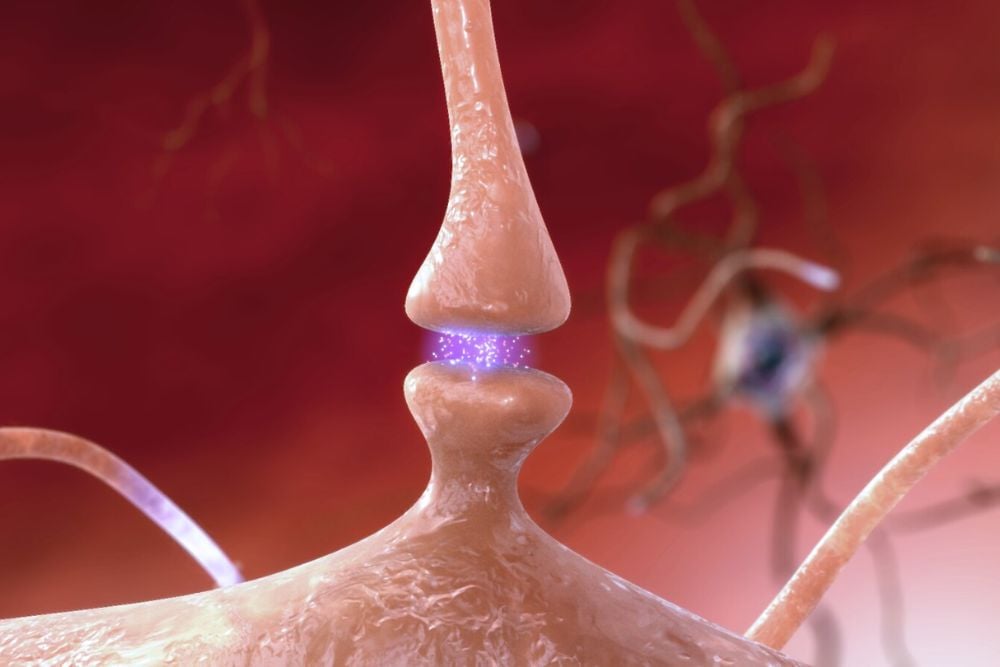
The human brain forms approximately 1.8 million new neural connections every second during the first few years of life, creating a network of 86 billion neurons with 100 trillion synapses by adulthood. If mapped as electrical pathways, the connections in a single human brain would stretch nearly 100,000 miles, enough to circle the Earth four times.
This incomprehensibly complex network operates while consuming just 20 watts of power, roughly equivalent to an energy-efficient light bulb.
Nature by the Numbers

These fifteen phenomena illustrate that reality often exceeds what seems possible when we quantify the natural world. From microscopic resilience to planetary-scale processes, the actual measurements behind these events provide a window into nature’s extraordinary capabilities.
By examining these numbers, we gain a deeper appreciation for a universe operating at scales and extremes far beyond our everyday experience—reminding us that nature’s most astounding achievements are not exaggerations but precisely calculated realities.
More from Go2Tutors!

- The Romanov Crown Jewels and Their Tragic Fate
- 13 Historical Mysteries That Science Still Can’t Solve
- Famous Hoaxes That Fooled the World for Years
- 15 Child Stars with Tragic Adult Lives
- 16 Famous Jewelry Pieces in History
Like Go2Tutors’s content? Follow us on MSN.



