Most Dangerous Roads to Drive
Every road tells a story. Some stories are beautiful, winding through mountains and forests, giving drivers a sense of freedom they can’t find anywhere else.
But some roads tell a very different kind of story, one filled with danger, tight turns, unstable ground, and conditions that test even the most experienced drivers. So buckle up, because this list covers some of the most terrifying stretches of pavement and dirt that exist on the planet.
These are roads that demand respect. Skippers Canyon Road sits about 16 miles outside Queenstown, and it is not for the faint-hearted.
Skippers Canyon Road, New Zealand
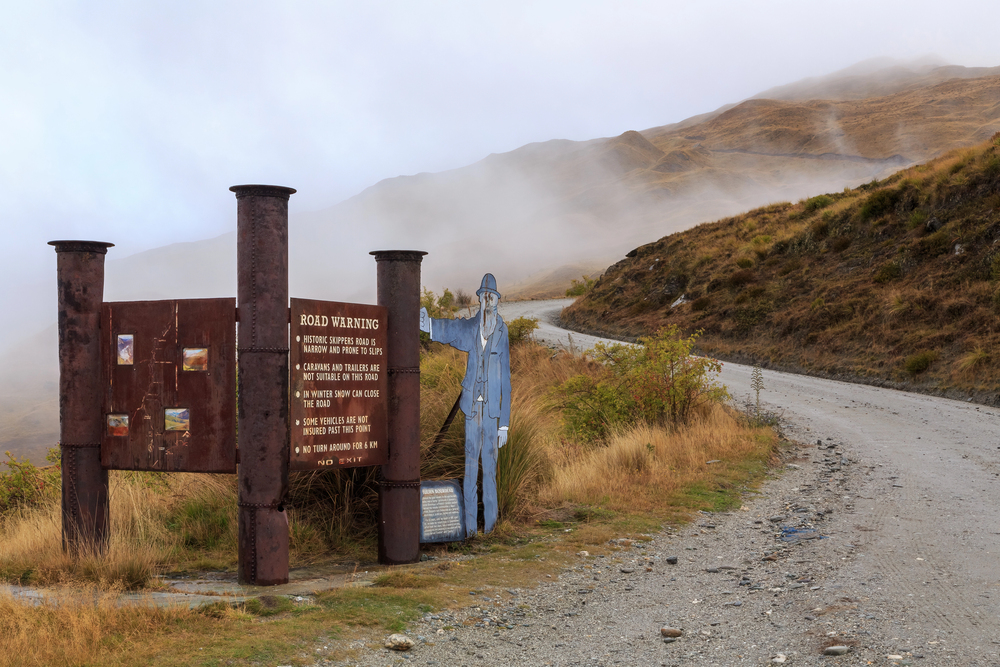
The road was carved into the side of a cliff in the 1800s by gold miners, and it has barely changed since then. It is so narrow in places that two vehicles cannot pass each other, and the drop on one side is hundreds of feet straight down.
Many rental car companies in New Zealand actually void their insurance coverage if a driver takes this road without permission.
Stelvio Pass, Italy
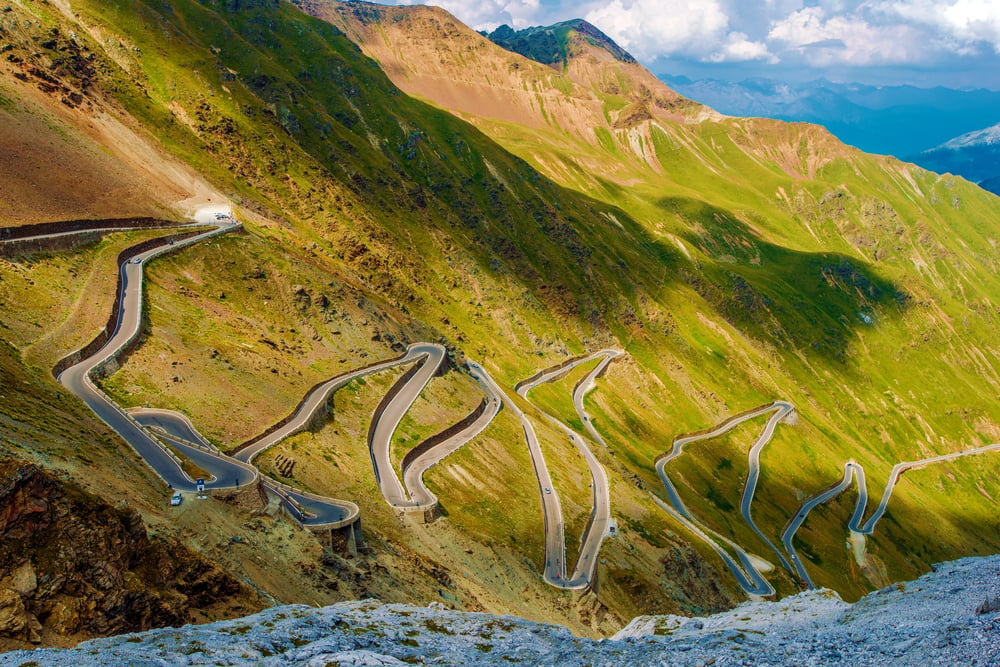
The Stelvio Pass in the Italian Alps reaches an elevation of over 9,000 feet and features 48 sharp hairpin turns packed tightly together. Drivers who attempt this road get a front-row view of the Alps, but they also face sudden weather changes, ice patches, and very little room for error.
It has been called one of the greatest driving roads in the world, but ‘great’ and ‘safe’ are not the same thing. One wrong move can send a vehicle over the edge.
Zoji La Pass, India
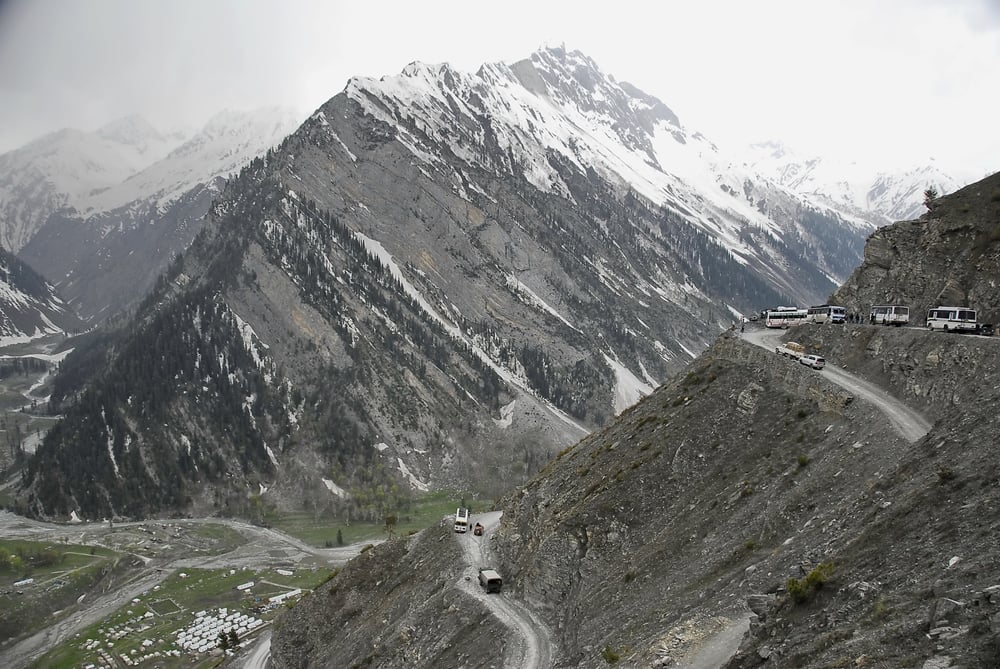
Zoji La sits in the Kashmir region of India and connects two areas that would otherwise be completely cut off from each other during winter. The road is unpaved, frequently icy, and barely wide enough for a single vehicle.
Rockslides are common, and fog rolls in without warning. Despite all this, heavy trucks use it daily because it is the only link between Srinagar and Leh.
It sits at over 11,500 feet above sea level, and every trip across it is a gamble with the weather.
Taroko Gorge Road, Taiwan
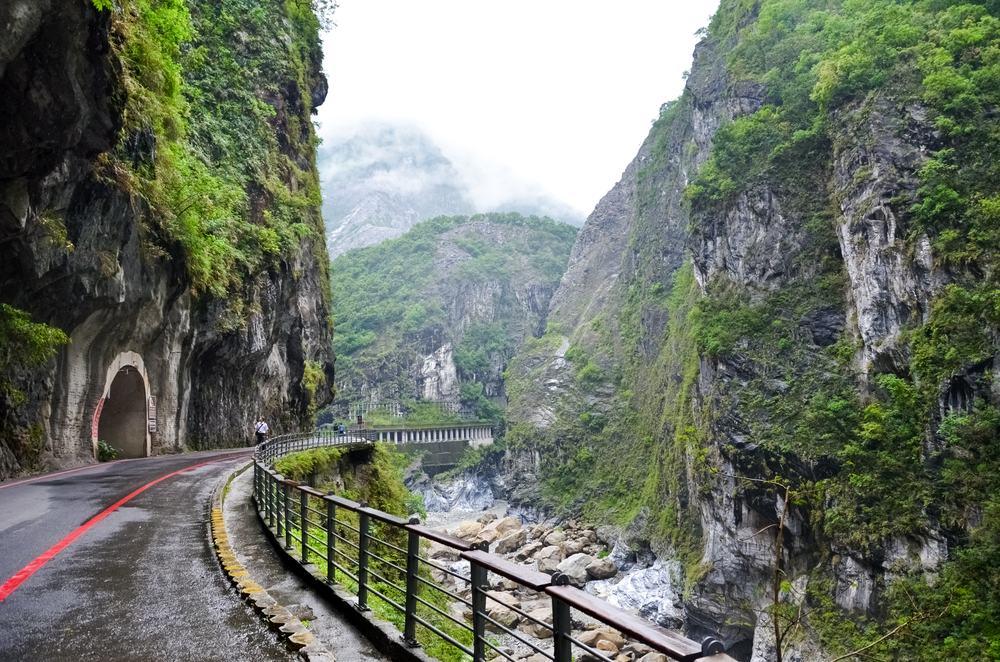
Taroko Gorge cuts through the mountains of eastern Taiwan, and the road that runs through it is genuinely frightening to drive. Falling rocks are such a regular problem that workers continuously clear debris off the route.
Typhoon season makes things significantly worse, sometimes washing out entire sections of the road overnight. The gorge itself is breathtaking to look at, but drivers need to keep their eyes on the road, not the scenery.
BR-116, Brazil
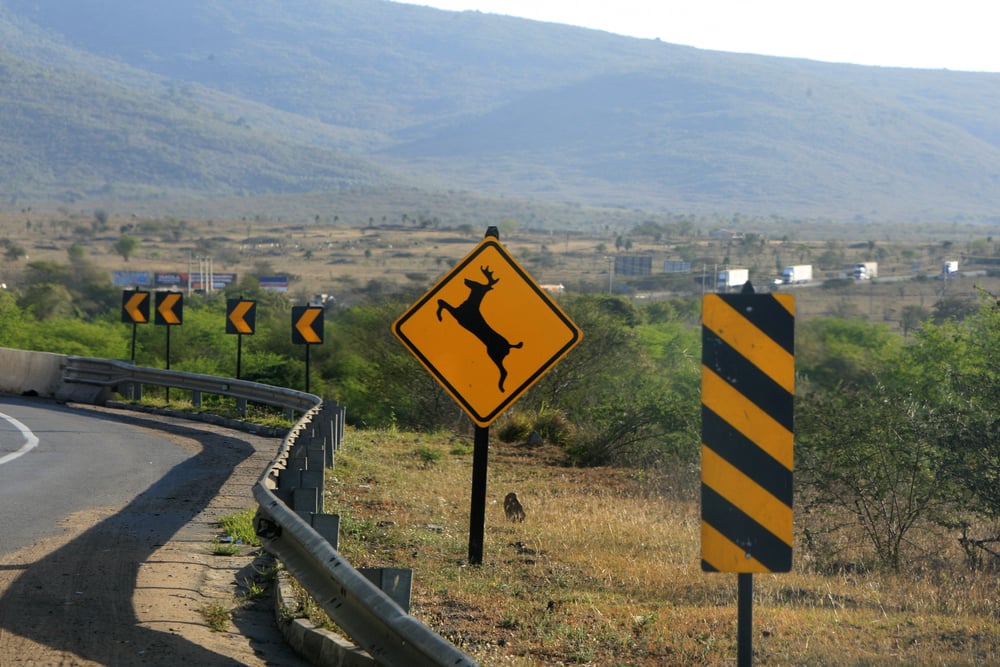
BR-116 runs nearly 3,000 miles through Brazil and is often called the ‘Highway of Death.’ The road passes through remote regions where emergency services can take hours to arrive.
Truck drivers cover enormous distances on this route, often pushing through fatigue and poor visibility. The combination of heavy rain, poorly maintained stretches, and high-speed freight traffic makes it one of the deadliest roads in South America.
Karakoram Highway, Pakistan And China
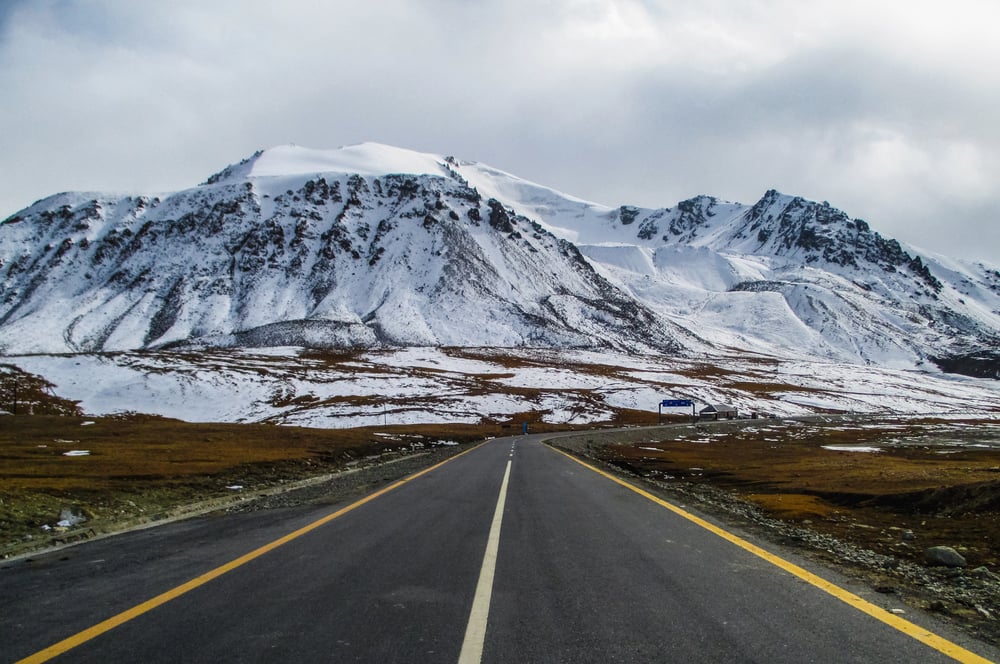
The Karakoram Highway stretches over 800 miles and connects Pakistan to China through some of the most extreme mountain terrain on earth. It sits at elevations above 15,000 feet in some sections, and the road is constantly threatened by landslides, floods, and avalanches.
The surface is rough, the altitude causes physical strain, and cell service disappears for long stretches. It took over 20 years to build, and more than 800 workers lost their lives during construction.
Death Road, Bolivia
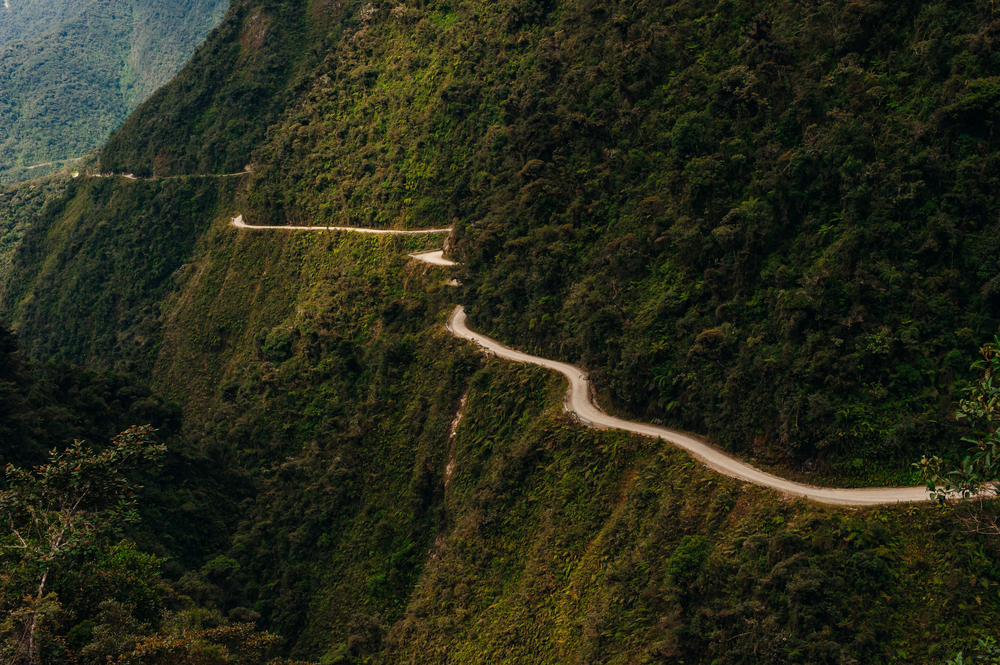
Bolivia’s Yungas Road earned the nickname ‘Death Road’ long before it became a tourist destination for thrill-seeking cyclists. The road drops nearly 11,000 feet over a short distance, features sheer cliffs with no guardrails, and is only about 10 feet wide in some places.
Waterfalls pour directly onto the road during the wet season, making the surface slick and reducing visibility. Crosses and memorials line the route, marking where vehicles went over the edge.
Fairy Meadows Road, Pakistan
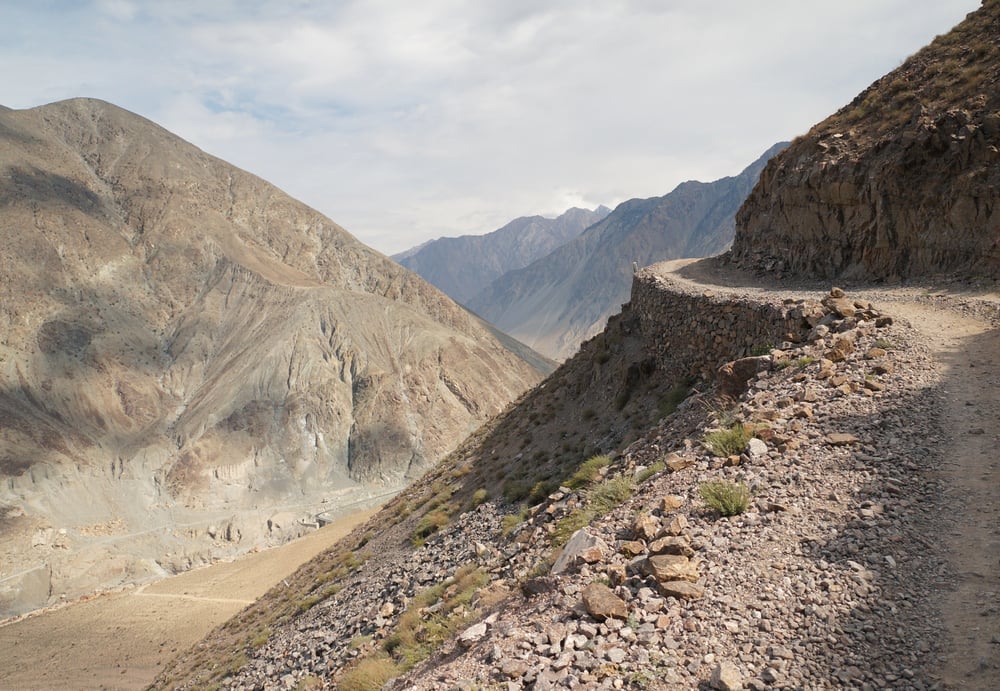
Fairy Meadows Road leads to the base camp of Nanga Parbat, the ninth-highest mountain in the world. The road is unpaved, extremely steep, and has no barriers between the vehicle and a drop of thousands of feet.
It is only accessible by four-wheel-drive jeeps, and even then, drivers need serious experience to navigate it. Many people abandon their vehicles partway and continue on foot because the road becomes too narrow and unstable.
Commonwealth Avenue, Philippines
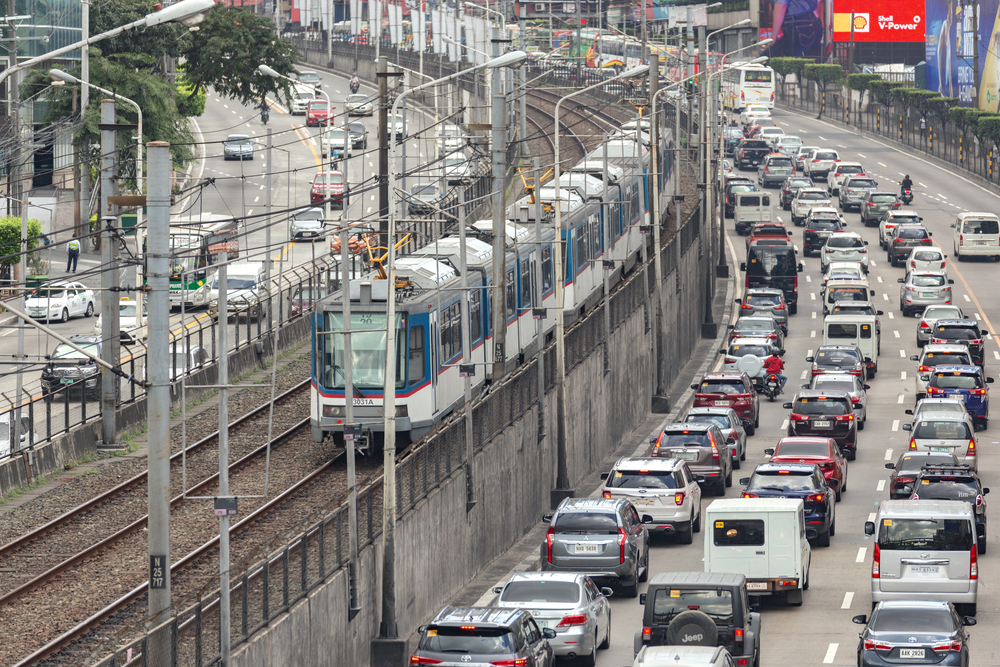
Commonwealth Avenue in Metro Manila is not a mountain pass or a jungle route. It is a wide, urban road that has earned a deadly reputation simply because of how fast people drive on it.
The road stretches about 7 miles through the city and has seen a staggering number of fatal accidents over the years. Poor lane discipline, speeding buses, and an overwhelming number of vehicles sharing the same space make it one of the most accident-prone urban roads in Southeast Asia.
Guoliang Tunnel Road, China
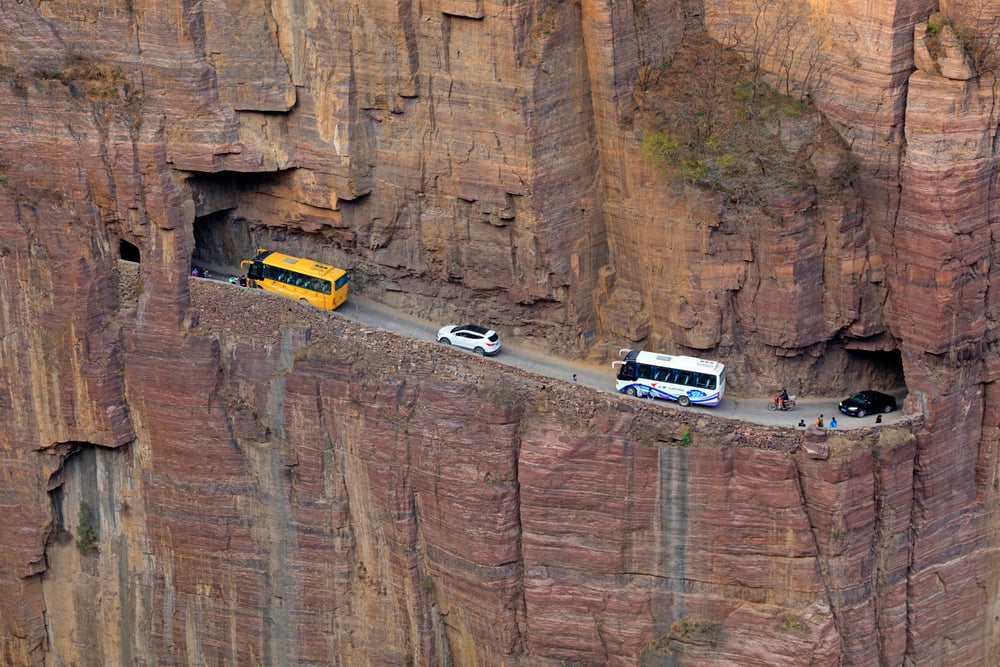
The Guoliang Tunnel Road in China’s Henan province was not built by engineers. Villagers carved it by hand through a solid mountain cliff in the 1970s because no road had ever been built to connect their village to the outside world.
The tunnel is barely wide enough for one vehicle, the ceiling is low, and the ‘windows’ cut into the cliff wall reveal a straight drop to the valley floor. It is just over half a mile long, but navigating it takes full concentration the entire way.
Passage Du Gois, France
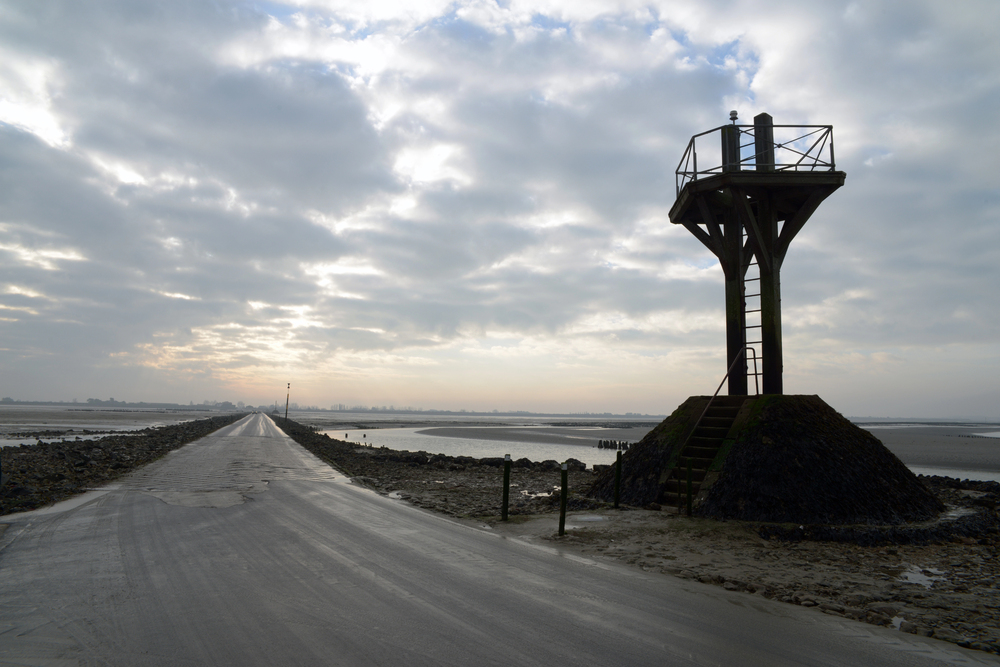
Passage du Gois is a tidal causeway in France that connects the mainland to the island of Noirmoutier. The road disappears completely under water twice a day as the tide comes in.
Drivers who misjudge the timing get stranded, and vehicles left on the road can be fully submerged within minutes. Warning signs and refuge towers are placed along the route, but people still underestimate how fast the water rises.
It is about 2.5 miles long and demands that drivers pay attention to tide schedules, not just traffic.
Ruta 40, Argentina
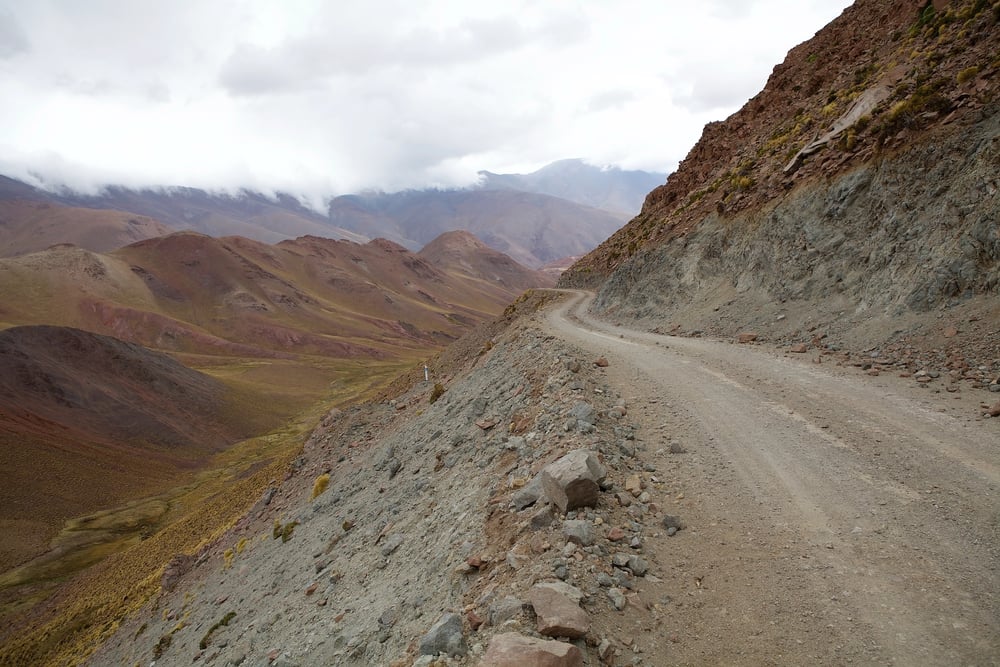
Stretching beyond three thousand miles through Argentina, Ruta 40 traces the rugged backbone of the Andes like a thread pulled across wild terrain. Though some stretches have pavement, many remain raw earth, beaten by weather and time.
Services pop up only after long gaps – hundreds of miles without shelter or supplies. Because of how fierce the Patagonian winds blow, cars sometimes skid sideways despite careful steering.
Gas comes so rarely that travelers pack secondary fuel containers, strapped down against uncertainty. What makes this road demanding isn’t just distance – it’s being far from anyone if something goes wrong.
When trouble strikes in those empty zones, rescue might take hours, maybe longer, while silence settles in around broken machines.
Dalton Highway, Alaska
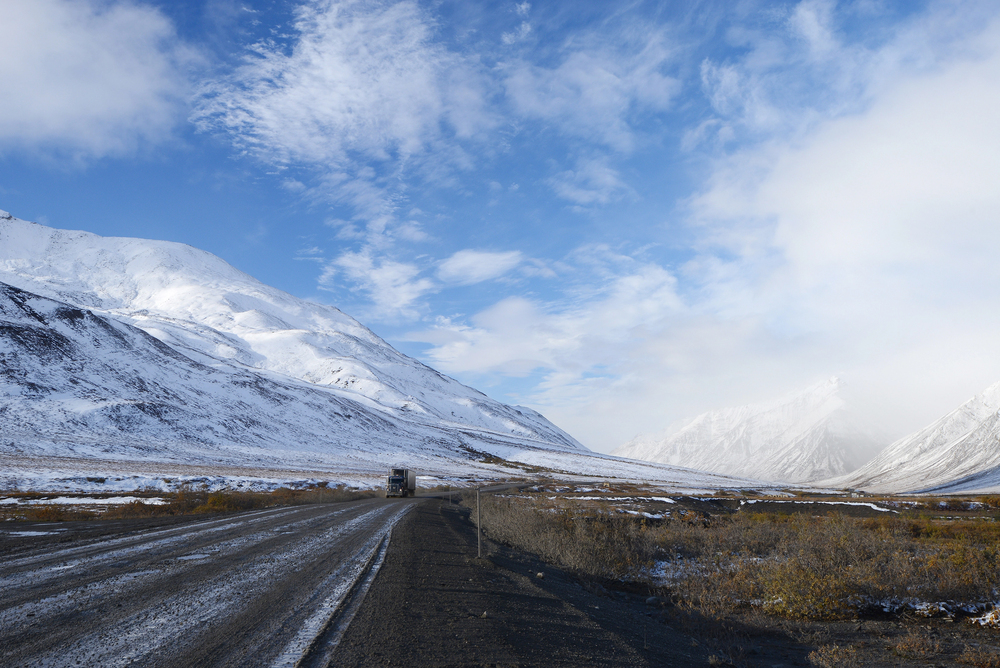
Out here, the Dalton Highway runs 414 miles – beginning near Fairbanks and ending far north at Prudhoe Bay – it ranks among the loneliest routes on the continent. Much of it stays unsealed, just rough gravel under tires.
Heavy haulers rumble through daily, sending sharp stones flying; those pebbles smash glass without warning. Cold arrives hard in winter, dipping to −70°F, freezing everything solid for weeks straight.
Then the highway turns slick, a long sheet of danger beneath the wheels. Phones go quiet across these lands, signals lost between ridges.
Only three tiny spots break the journey: places where people pause, refuel, maybe breathe. A blown tire?
That moment shifts quickly – one mistake out here pulls you deep before help ever shows.
Los Caracoles Pass Chile
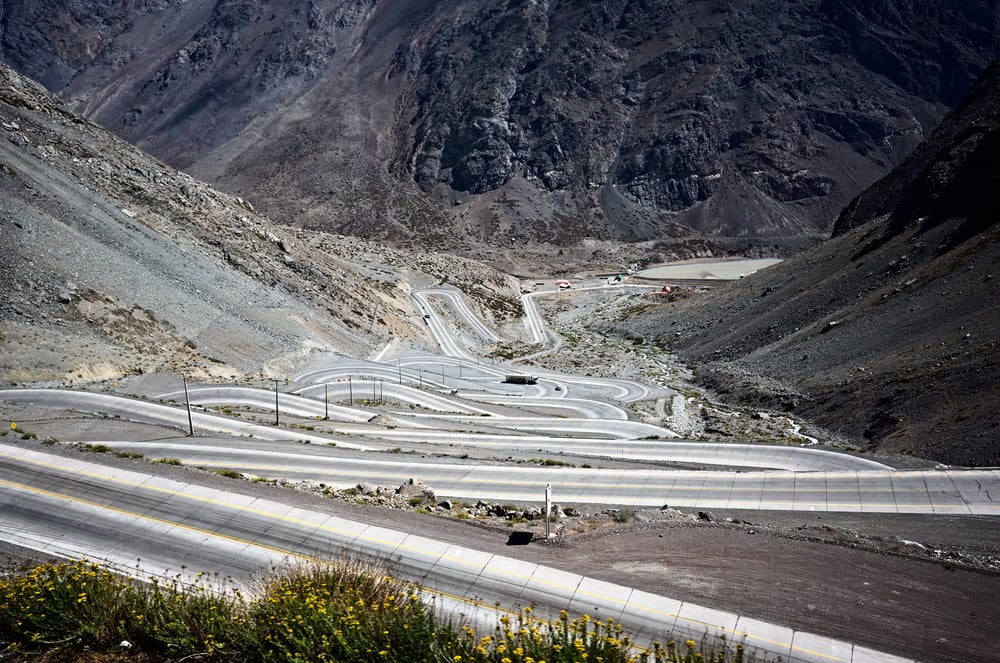
Up high in the Andes, Los Caracoles Pass links Argentina with Chile through tight zigzag turns that seem to drop straight down when viewed from afar. Though anyone can drive it, big rigs and coaches struggle sharply around the bends.
When snow falls, the route shuts – often without warning – and there are hardly any safe spots if a storm hits fast. Crossing between countries means more vehicles squeeze through, while thin air and slim roads keep tension steady behind the wheel.
Eyre Highway, Australia
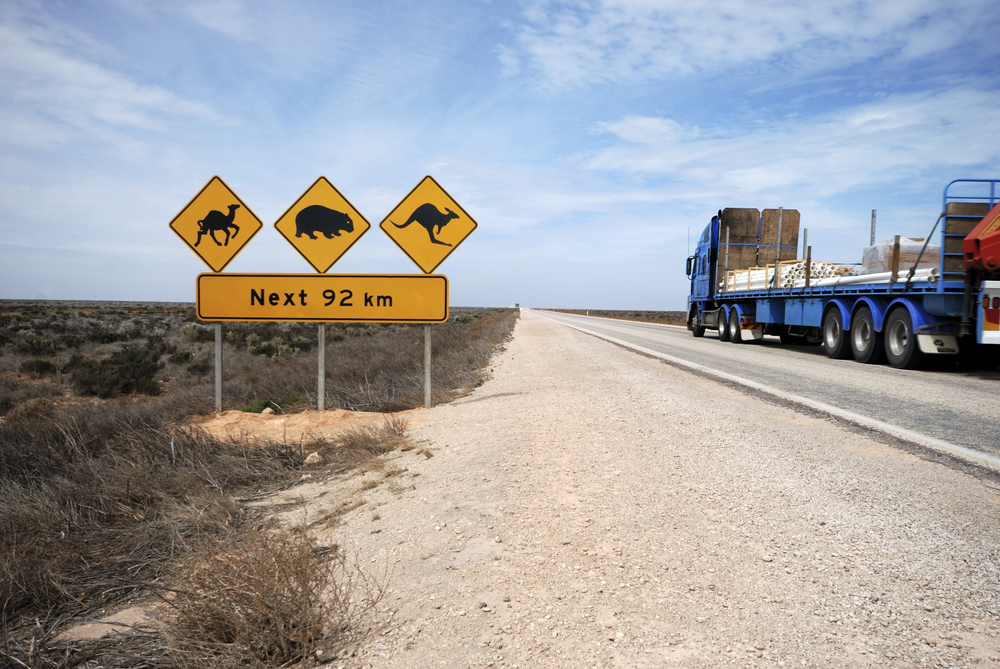
Out there, the Eyre Highway cuts through Australia’s Nullarbor Plain – a landscape so bare and wide it seems unreal. Flatness stretches on until the horizon blurs with sky.
Even though the pavement holds up well under tires, real trouble hides in stillness, long hours, animals, space between stops. One unbroken stretch rolls forward for nearly ninety miles, no turn, nothing to shift the view – eyes glaze, attention slips away.
After dark, movement appears: kangaroos, wombats creeping toward asphalt warmth, leaping into headlights too late. Hitting one at full speed?
Metal bends, lives shatter. Help might be hundreds of kilometers off, fuel stations few.
When heat builds in summer months, thermometers climb past 104 degrees, turning cabins into ovens.
Roads Needing More Than Fuel

Not every journey from start to finish goes smoothly – these paths make that clear. Beyond some of Earth’s wildest spots lie tracks hardly meant for vehicles at all.
Often, the scariest stretches deliver travelers straight into moments they will never forget. On such terrain, ignoring caution means risking disaster instead of returning with tales worth telling.
More from Go2Tutors!

- The Romanov Crown Jewels and Their Tragic Fate
- 13 Historical Mysteries That Science Still Can’t Solve
- Famous Hoaxes That Fooled the World for Years
- 15 Child Stars with Tragic Adult Lives
- 16 Famous Jewelry Pieces in History
Like Go2Tutors’s content? Follow us on MSN.



