15 Creatures People Thought Were Just Myths
For centuries, explorers and storytellers returned from distant lands carrying tales of incredible beasts that seemed far too strange to be real. The scientific community — along with most everyone else — dismissed many of these accounts as folklore, exaggeration, or complete fantasy.
Yet time and again, these so-called mythical creatures have stepped right out of legend and into documented reality. Here’s a list of 15 creatures that people once thought were pure imagination until science proved they actually exist.
Giant Squid
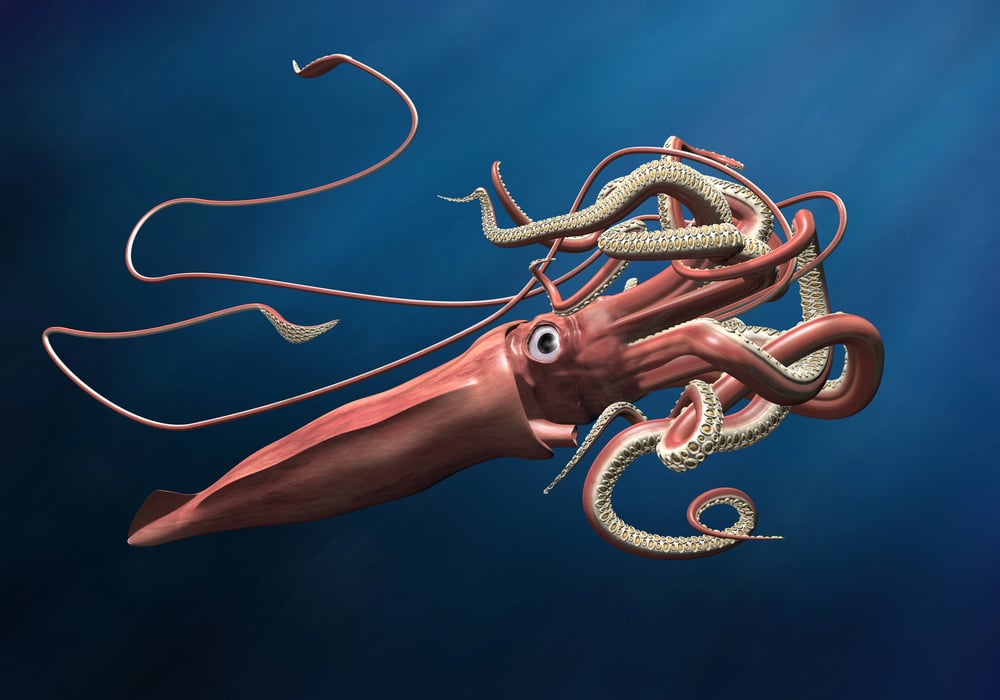
Sailors spun yarns about massive sea monsters with tentacles longer than ship masts, though generations of people considered them nothing more than tall tales. The legendary kraken of Norse mythology seemed like pure fantasy until 2004 — that’s when researchers finally captured the first photographs of a living giant squid in its natural habitat.
These incredible creatures can grow up to 43 feet long while possessing eyes the size of dinner plates.
Mountain Gorilla
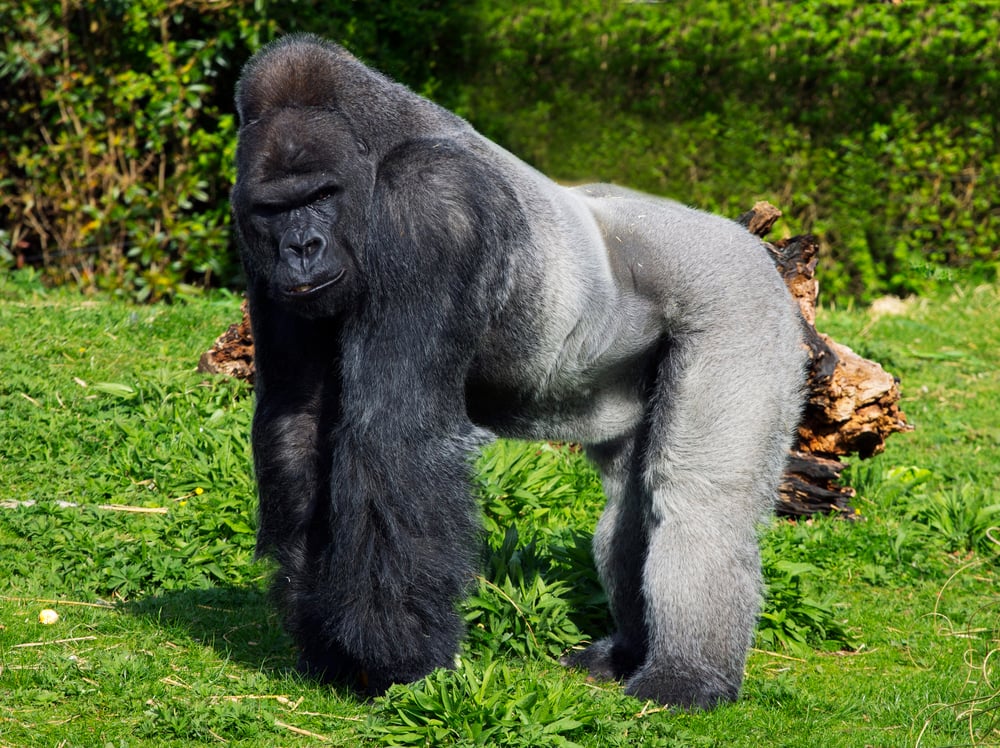
European explorers in the 1800s brought back stories of enormous, upright-walking apes living in African mountains, but scientists dismissed these accounts as local superstition mixed with imagination. The mountain gorilla wasn’t officially recognized until 1902, when German officer Robert von Beringe shot two of them on Mount Sabinyo.
Fewer than 1,000 of these gentle giants remain in the wild today.
Platypus
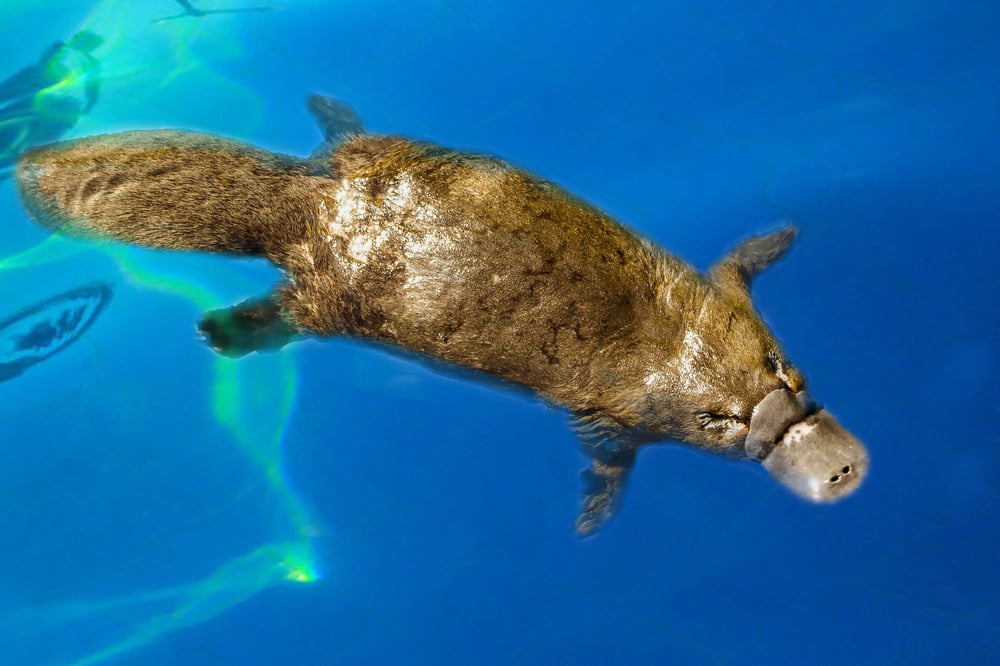
When European scientists first examined a platypus specimen in 1798, they genuinely thought it was an elaborate hoax — someone had clearly sewn a duck’s bill onto a beaver’s body. The idea of a mammal that laid eggs, had venomous spurs, and used electroreception to hunt seemed completely impossible.
It took decades before the scientific community would accept that this odd Australian creature was actually genuine.
Komodo Dragon

Indonesian locals had long spoken of giant lizards that could kill water buffalo and devour entire goats, yet Western scientists considered these stories pure mythology. The Komodo dragon remained firmly in the realm of legend until 1910 — when Dutch Lieutenant van Steyn van Hensbroek captured photographic evidence.
These massive lizards can grow over 10 feet long and possess a bite loaded with deadly bacteria.
Okapi

European explorers in the Congo heard native stories about a ‘forest giraffe’ or ‘African unicorn’ for decades, though nobody took the reports seriously. The okapi — with its chocolate-brown body and zebra-striped legs — seemed like a creature straight from a fairy tale.
British explorer Harry Johnston finally proved its existence in 1901, even though the animal had been known to local Pygmy tribes for centuries.
Colossal Squid
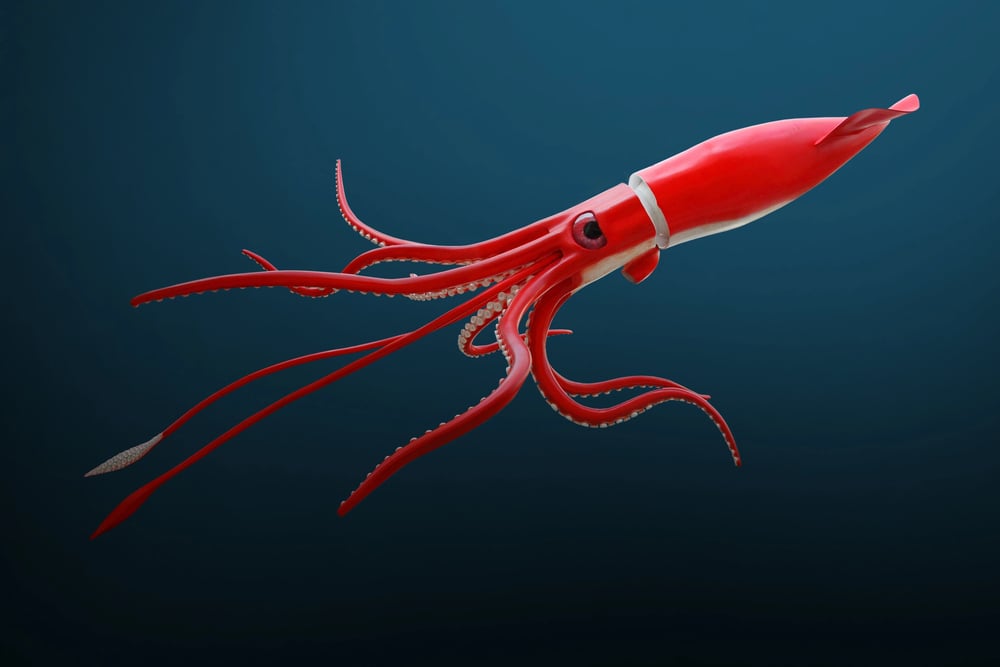
Even after giant squids were confirmed, tales of even larger cousins with rotating hooks on their tentacles sounded like pure fantasy — who’d believe that? The colossal squid remained theoretical until 2003, when researchers caught a juvenile specimen near Antarctica.
These creatures may actually grow larger than giant squids, with some estimates suggesting they could reach 50 feet in length.
Blobfish
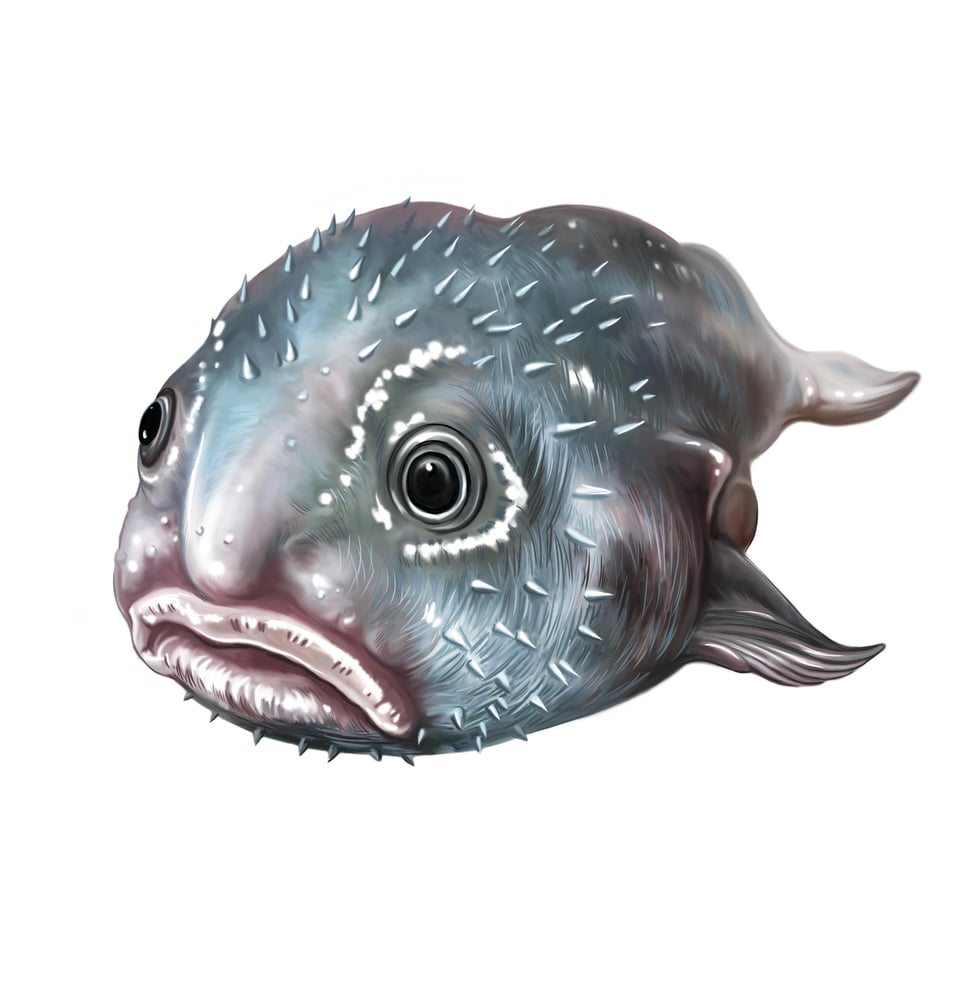
Deep-sea fishermen occasionally pulled up gelatinous, shapeless creatures that looked more like melted wax than living animals — pretty weird stuff. Scientists initially thought these reports described decomposed fish or elaborate hoaxes until they began studying deep ocean environments more seriously.
The blobfish looks completely normal under crushing deep-sea pressure but only becomes blob-like when brought to the surface.
Vampire Squid
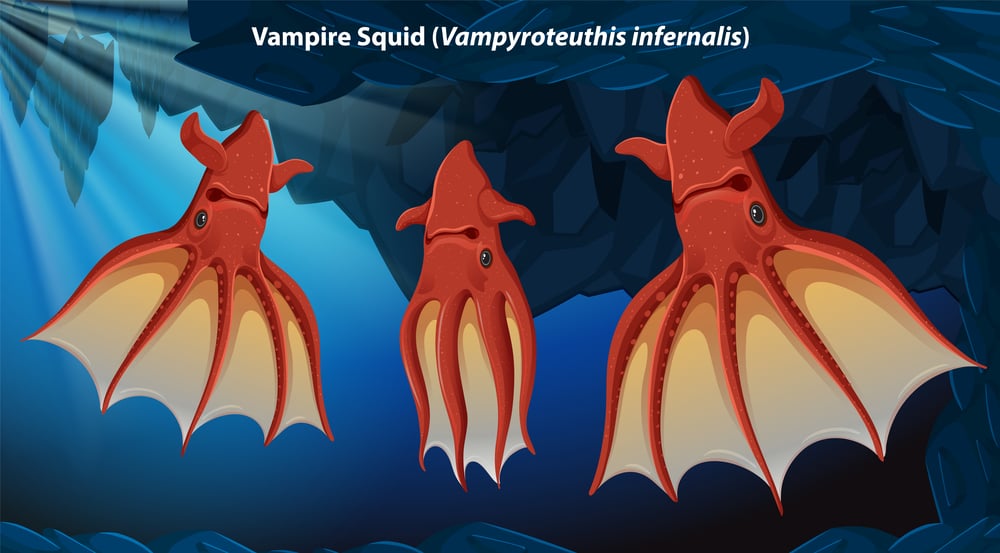
The name alone made this creature sound like something from a horror novel rather than an actual animal swimming around in the ocean. Early descriptions of a squid that could turn itself inside out and had bioluminescent capabilities seemed too bizarre to be factual.
The vampire squid — discovered in 1903 — actually doesn’t suck blood but feeds on marine snow in the deep ocean’s oxygen minimum zones.
Shoebill Stork
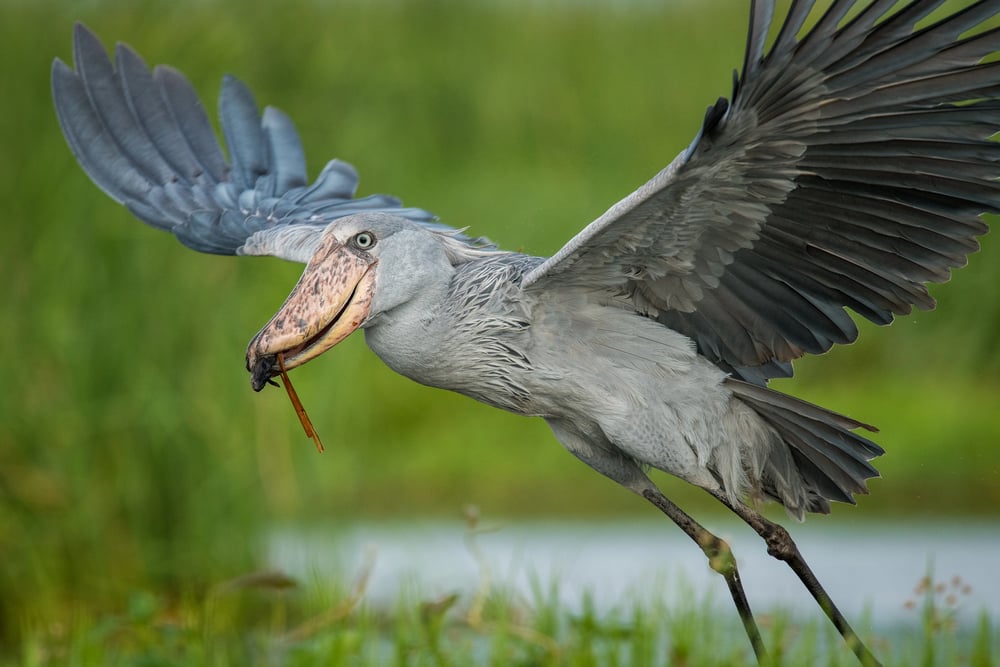
African locals described a massive bird with a shoe-shaped bill that stood motionless like a statue before exploding into violent action — sounds made up, right? European naturalists considered these accounts exaggerated folklore until explorers began bringing back actual specimens in the 1800s.
The shoebill can stand five feet tall while producing machine-gun-like sounds that seem almost mechanical.
Yeti Crab

Deep-sea researchers thought they were seeing things when they first spotted crabs covered in what looked like white fur near underwater volcanic vents — talk about unexpected. The idea of furry crustaceans living in one of Earth’s most extreme environments seemed like science fiction material.
These crabs, discovered in 2005, use the hair-like filaments on their claws to filter toxins from the water around volcanic vents.
Leafy Sea Dragon

Australian fishermen occasionally described seahorse-like creatures that looked exactly like floating seaweed, but marine biologists assumed these were cases of mistaken identity. The leafy sea dragon’s incredible camouflage made it nearly impossible to spot until researchers knew exactly what to look for.
These masters of disguise are so well-camouflaged that they can be almost invisible even in aquarium tanks.
Goblin Shark

Japanese fishermen’s accounts of prehistoric-looking sharks with extendable jaws that shot out to catch prey sounded like monster movie material. The goblin shark, sometimes called a ‘living fossil,’ wasn’t scientifically documented until 1898, and remains one of the most rarely seen sharks in the world.
Its ability to rapidly project its jaws forward makes it look like something from an alien planet.
Pangolin
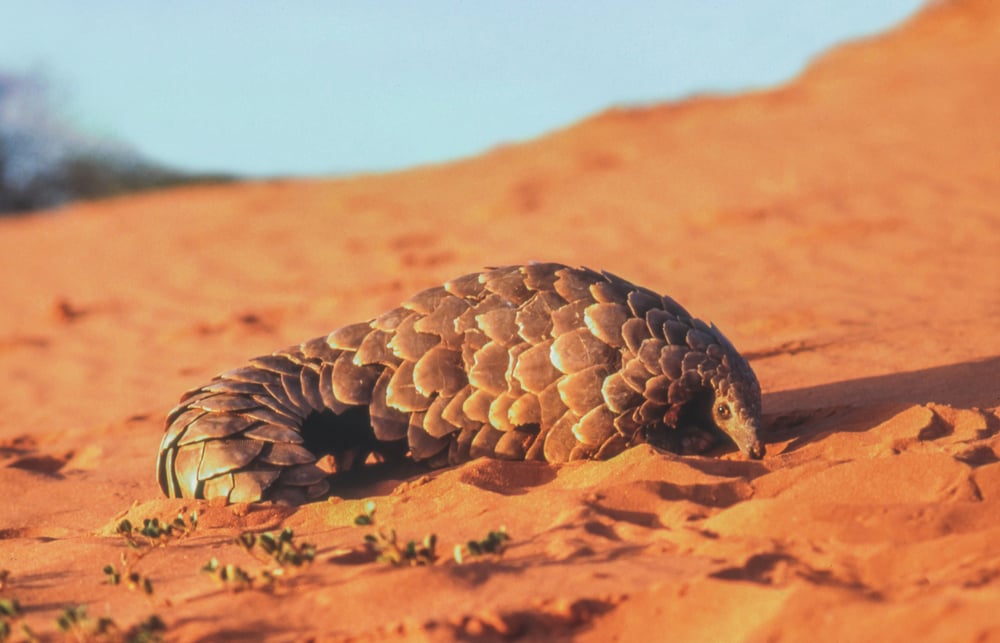
Early European explorers in Africa and Asia described armored mammals that could roll into perfect spheres when threatened, but these accounts were often mixed with local folklore about magical creatures. Pangolins seemed too unusual to be real, with their overlapping scales, long tongues, and ability to walk upright on their hind legs.
These unique mammals are now critically endangered due to illegal trafficking.
Frilled Shark
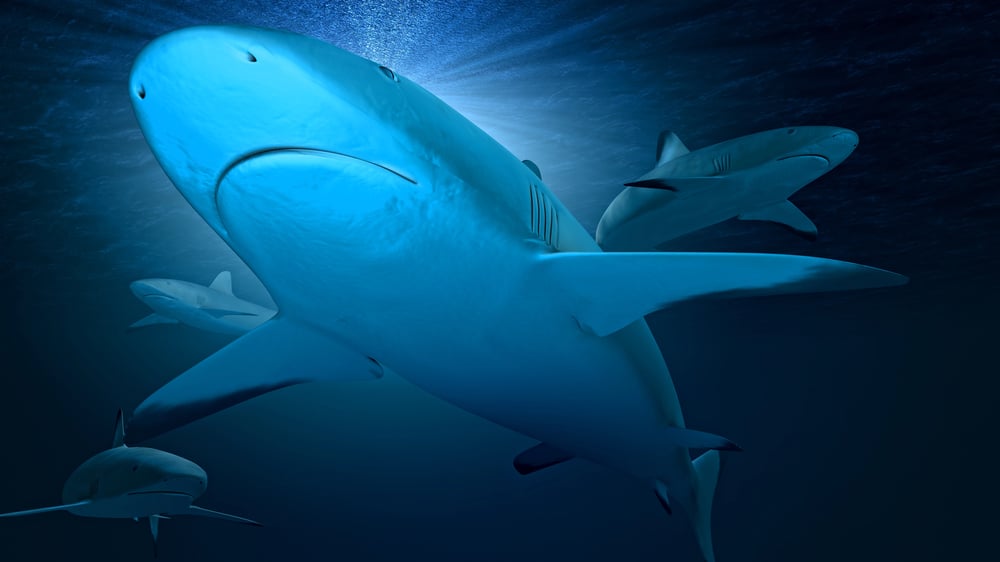
Marine biologists dismissed early reports of eel-like sharks with primitive gill slits as confused sightings of other species. The frilled shark’s ancient appearance and rarity made it seem more like a creature that should have been extinct for millions of years.
This ‘living fossil’ can live at depths of over 5,000 feet and has remained virtually unchanged for 80 million years.
Saiga Antelope
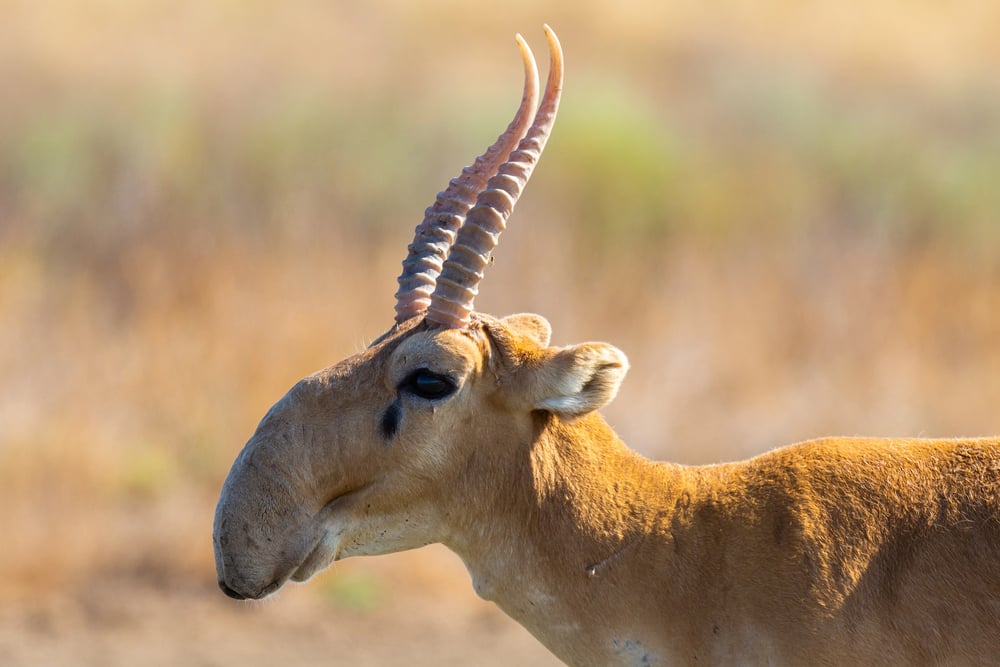
Travelers through Central Asian steppes described antelopes with inflated, trunk-like noses that seemed too ridiculous to be real. The saiga’s distinctive inflated nostrils help filter dust in summer and warm frigid air in winter, but early accounts made them sound like cartoon characters.
These ancient animals survived the ice age but now face critical endangerment due to hunting and habitat loss.
When Myth Meets Reality
The pattern repeats throughout history: local knowledge gets dismissed by outsiders, fantastic accounts get labeled as impossible, and eventual scientific validation proves what seemed too strange to believe. These creatures remind us that our planet still holds incredible surprises, and that the line between myth and reality is often much thinner than we imagine.
The next time someone tells you about an impossible animal they’ve heard about, it might be worth keeping an open mind.
More from Go2Tutors!

- The Romanov Crown Jewels and Their Tragic Fate
- 13 Historical Mysteries That Science Still Can’t Solve
- Famous Hoaxes That Fooled the World for Years
- 15 Child Stars with Tragic Adult Lives
- 16 Famous Jewelry Pieces in History
Like Go2Tutors’s content? Follow us on MSN.