Greatest Men in Tennis
Arguing about tennis greatness never gets old. Every generation produces players who redefine what seems possible on court, and comparing them across eras feels both impossible and irresistible.
Some dominated grass, others owned clay, and a few mastered every surface they touched. The statistics tell part of the story, but the way these athletes changed the game itself matters just as much.
The Swiss Maestro Who Made It Look Easy

Roger Federer turned professional tennis into an art form. His movement across the court looked effortless, almost lazy at times, yet he’d arrive at the perfect position to hit shots that most players couldn’t even attempt.
The one-handed backhand became his signature, especially when he’d slice it low and sharp or whip it down the line.
Federer won 20 Grand Slam titles between 2003 and 2018, claiming eight at Wimbledon alone. Those grass court performances showcased everything beautiful about his game—the serve-and-volley sequences, the half-volley pickups at his feet, the way he’d glide into net and punch away volleys.
But beyond the numbers, he changed how people thought about longevity in professional tennis. Playing at the highest level past age 35 seemed impossible until he did it, reaching Grand Slam finals at 36 and 37.
The Warrior From Mallorca

Rafael Nadal built his reputation on clay courts in a way nobody had before or has since. The French Open became his personal domain—14 titles there speak for themselves.
But calling him just a clay court specialist misses the point entirely. He won titles on every surface, claimed 22 Grand Slams total, and spent years ranked number one.
What set Nadal apart wasn’t just his topspin forehand, though that shot terrorized opponents for two decades. His mental approach to each point—the intensity, the refusal to concede anything—wore down players who were his equal in pure skill.
You could be up a set and a break against him and still feel like you were losing. That forehand would start landing deeper, the returns would get more aggressive, and suddenly the match had shifted.
The Serbian Machine

Novak Djokovic’s career numbers now surpass everyone. He’s won 24 Grand Slam titles and counting, held the world number one ranking for more weeks than anyone else, and completed the career Grand Slam multiple times.
His return of serve changed the game—players with dominant serves found their biggest weapon suddenly neutralized.
Djokovic’s flexibility lets him defend court positions that other players simply can’t hold. He slides on hardcourt, something that looked impossible before he started doing it regularly.
The two-handed backhand down the line became one of tennis’s most dangerous shots when he struck it, and his ability to absorb pace and redirect it made aggressive players rethink their strategies.
The mental toughness shows up most in his record in finals—he wins them at a rate that dwarfs almost everyone else.
The Rocket Who Owned Two Eras

Rod Laver won the Grand Slam twice—all four majors in a single year—which nobody else has managed since. The first came in 1962 as an amateur, the second in 1969 as a professional.
That second achievement carries more weight because he faced the best players in the world, no restrictions.
But here’s what makes Laver’s story remarkable: he missed five years of Grand Slam eligibility in his prime because professionals weren’t allowed to compete. Take away those years, and his 11 major titles probably double.
His left-handed serve kicked wickedly wide on the deuce court, and he could hit topspin with both hands when most players still used flat or sliced shots.
The Australian remained competitive into his mid-30s, an age when most players had already retired.
The American Who Set the Standard

Pete Sampras held the Grand Slam record at 14 titles for years after he retired in 2002. Seven Wimbledon championships marked his dominance on grass, and his serve might have been the most feared weapon in tennis history.
The motion looked simple, no wasted movement, but the placement and power combined to create something almost unreturnable.
Sampras played a serve-and-volley game that was already going out of style, yet he kept winning with it against baseliners who were supposed to have the advantage.
The running forehand he’d hit when stretched wide became a signature—he’d somehow generate pace and accuracy while moving at full sprint.
His rivalry with Andre Agassi defined an era of American tennis.
The Ice Man From Sweden
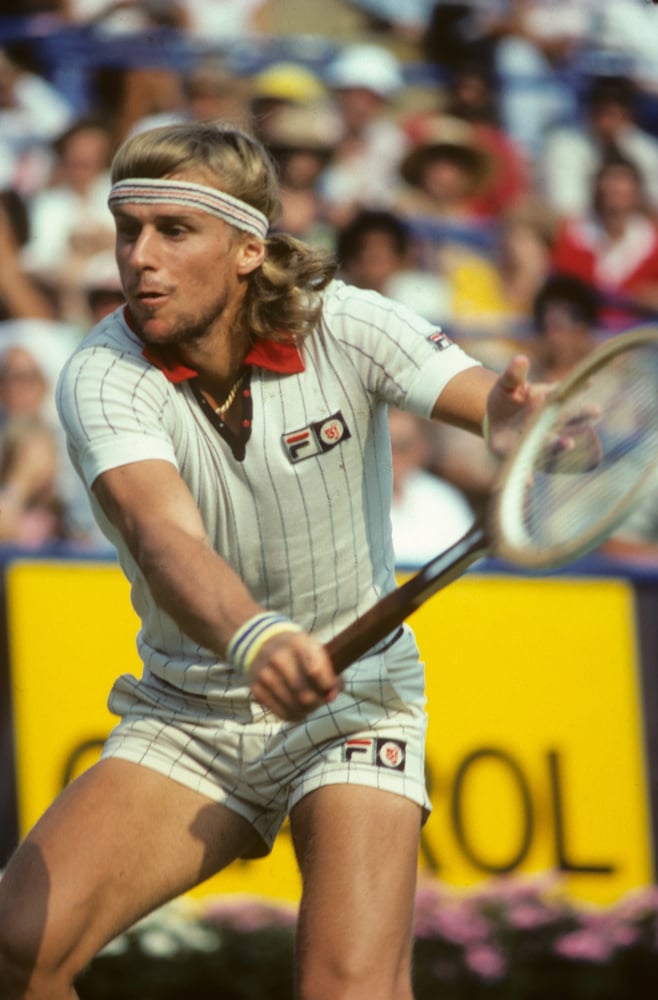
Bjorn Borg won 11 Grand Slam titles between ages 18 and 25, then walked away from tennis entirely. Six French Open titles and five consecutive Wimbledon championships from 1976 to 1980 made him the first player to truly dominate both surfaces.
The two-handed backhand was unusual then, and his heavy topspin forehand changed how players thought about shot selection.
Borg’s composure on court earned him his nickname. He showed no emotion, no frustration, just kept grinding down opponents with consistency and conditioning.
The baseline game he played required fitness levels that were new to tennis, and he trained differently than his peers.
His retirement at 26 remains one of sports’ great mysteries—he had years of prime tennis ahead of him.
The Bulldog From Illinois

Jimmy Connors played professional tennis for over two decades and won eight Grand Slam titles. The left-handed return of serve he hit flat and hard made him dangerous against any opponent.
That two-handed backhand, struck with no backswing, generated surprising pace.
But Connors’ attitude defined him as much as his shots. He’d argue with umpires, pump up crowds, and generally create chaos on court.
The competitiveness never dimmed, even in his late 30s when he was still reaching semifinals of major tournaments.
His longevity at the top—holding the number one ranking across different years and eras—showed adaptability that few players match.
The New York Artist
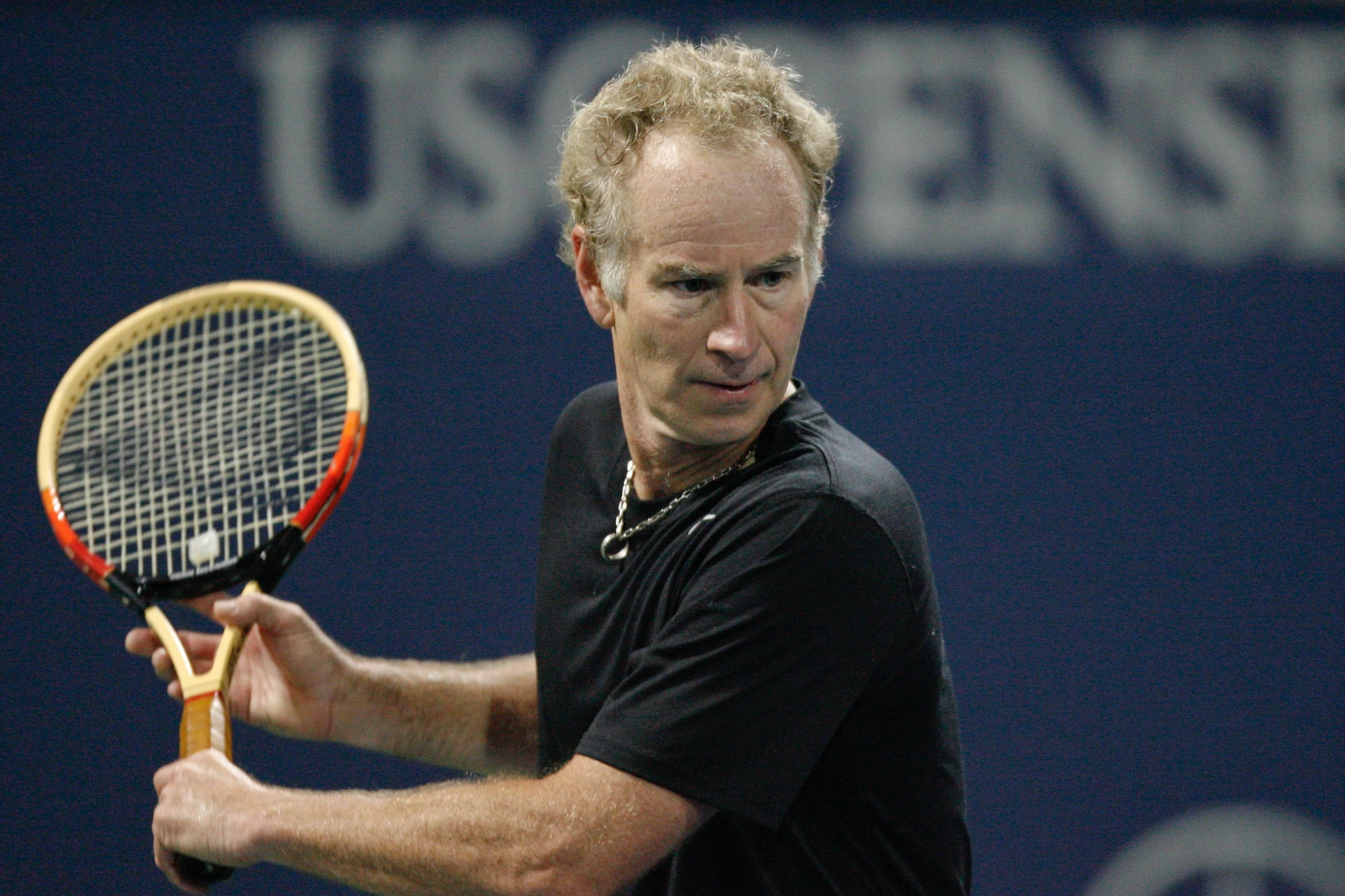
John McEnroe’s serve-and-volley game featured the most creative shot-making tennis had seen. The touch volleys, the angles, the drop shots—all of it looked improvised, like he was making it up as he went along.
Seven Grand Slam singles titles don’t capture how much he changed the sport’s aesthetic.
The temper tantrums made him famous, or infamous, depending on your perspective. But that volatility came from a perfectionist streak that demanded more from himself than anyone else could.
The left-handed serve had so much spin that it’d curve away from opponents in ways they couldn’t anticipate.
His doubles record—77 titles—remains one of tennis’s most dominant achievements in any category.
The Baseline Grinder

Ivan Lendl won eight Grand Slam titles and spent 270 weeks ranked number one, yet somehow never quite got the credit he deserved. The forehand he hit was massive, struck with a Western grip that was unusual for his era.
His serve, while not the fastest, landed with precision that set up the rest of his game.
Lendl’s fitness and work ethic changed professional tennis. He trained harder than anyone, lifted weights when that was considered counterproductive for tennis, and approached the sport like a science.
The mental game was his weakness early—he lost his first four Grand Slam finals—but he figured it out through sheer determination.
His coaching later helped players like Andy Murray finally win majors.
The Showman From Las Vegas

Andre Agassi’s career had two distinct phases. The first featured long hair, flashy clothes, and a return of serve that could break down any opponent.
The second, after personal struggles and a ranking outside the top 100, saw him become a different player—bald, focused, and even more dangerous from the baseline.
Agassi won eight Grand Slam titles across both phases and claimed all four majors, a rare achievement. The return position he took, standing inside the baseline, gave him time to set up his forehand.
That shot, struck with incredible timing, could change a match in three points. His rivalry with Sampras gave American tennis two contrasting styles and personalities at the top of the game simultaneously.
The Australian Master

Ken Rosewall’s career spanned from the amateur era through the Open Era, winning majors in three different decades. His backhand slice remains one of tennis’s most beautiful shots—disguised, precise, and impossible to attack.
Eight Grand Slam titles don’t reflect his true dominance because, like Laver, he missed years of major tournaments during his prime.
Rosewall won his last Grand Slam at age 37, proving that fitness and technique could overcome youth. The serve was his one weakness, relatively gentle compared to his peers, yet he compensated with positioning and anticipation.
His longevity at the top—competing for majors from his early 20s into his 40s—set a standard few have matched.
The Australian Champion

Roy Emerson won 12 Grand Slam singles titles and 16 in doubles, numbers that stood as records for years. All those singles titles came before the Open Era, which diminishes them slightly in modern eyes, but he beat the best players available to him.
The athleticism and conditioning set him apart from most players in the 1960s.
Emerson’s serve-and-volley game dominated grass and fast courts, and he could play long matches without tiring. The Australian Davis Cup teams he led won multiple championships, and his doubles success showed versatility that pure singles specialists often lack.
His record of winning each Grand Slam at least twice demonstrated consistency across different surfaces.
The Pioneer From the 1920s

Bill Tilden dominated tennis in the 1920s with a completeness that few players have matched. Ten Grand Slam titles and seven straight U.S. Championships from 1920 to 1926 marked his peak.
The flat serve came with pace and placement that overwhelmed opponents on the fast courts of that era.
Tilden could play from the baseline or rush the net, adapting his style to opponents in ways that were sophisticated for his time. His understanding of tennis strategy influenced players for generations after he retired.
The competitive longevity impressed—he kept winning major titles into his late 30s when that was almost unheard of.
The American Who Couldn’t Play Majors

That Pancho Gonzales could’ve topped everyone in the 1950s isn’t outlandish – yet those years found him touring as a pro, locked out of majors. Since only amateurs competed back then, his early wins at the U.S. Championships whisper what might’ve bloomed.
Not many saw how big his serve truly was, launched through an arc built for speed and biting rotation.
Outlasting many rivals, Gonzales faced elite opponents on pro circuits where stats tell a story bigger than major trophies suggest. Well past typical retirement years, he still took sets off younger athletes during the sport’s transitional phase.
Matches against Laver, though unseen by wide audiences back then, became legendary among those who watched closely. Long before open competition began, their battles shaped what high-level tennis could be.
Where Greatness Lives
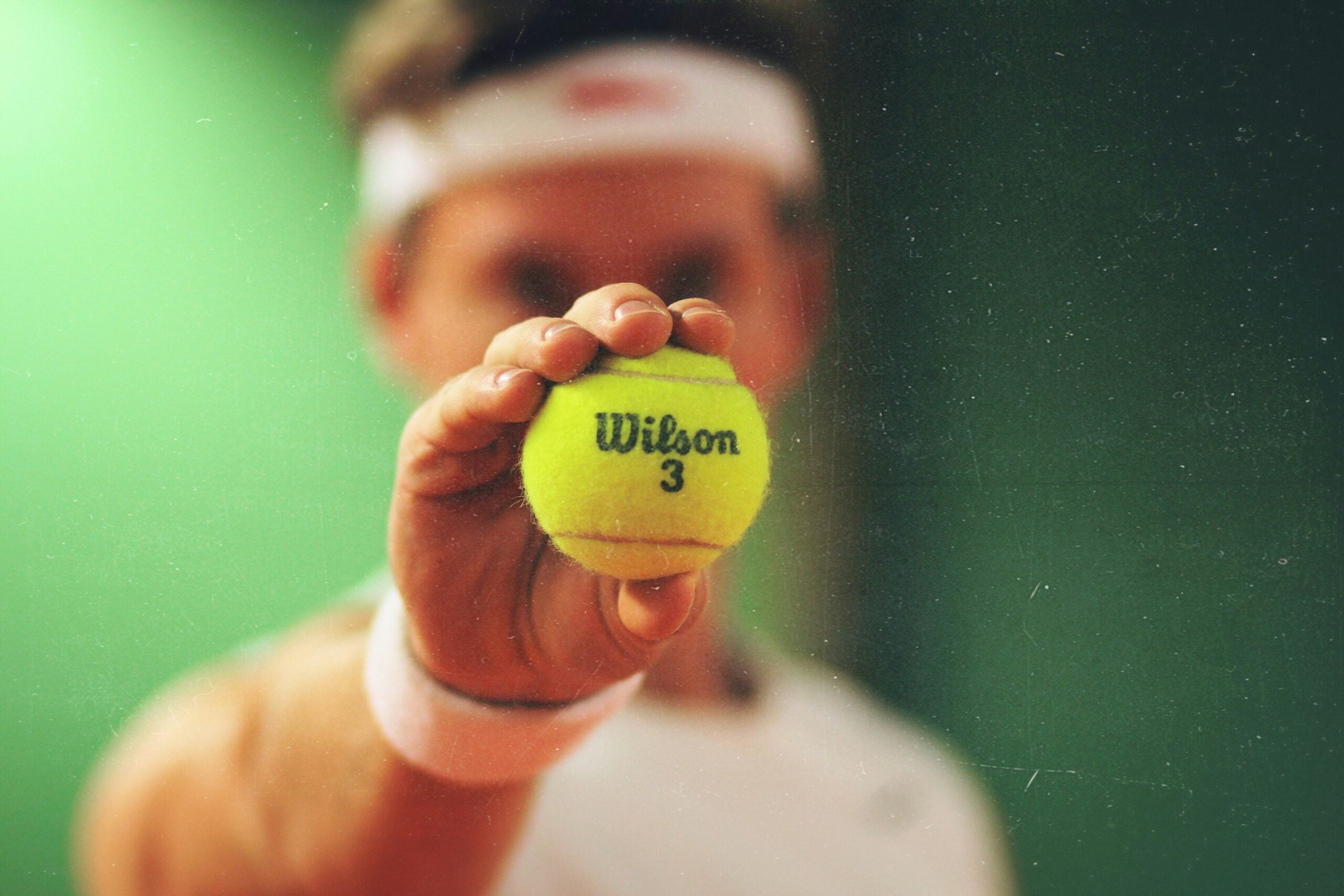
Tennis never stays still, yet those who rise tomorrow might do what we now think is out of reach. Still, certain athletes laid down a level others follow – their precision, stamina, how they hold steady when everything weighs in.
Decades later, old footage shows rallies that feel fresh, moves that carry grace even now. What lasts isn’t measured by numbers on a board but by presence that won’t fade.
Talk over who ranks highest goes on, which feels right – never meant to settle.
More from Go2Tutors!

- The Romanov Crown Jewels and Their Tragic Fate
- 13 Historical Mysteries That Science Still Can’t Solve
- Famous Hoaxes That Fooled the World for Years
- 15 Child Stars with Tragic Adult Lives
- 16 Famous Jewelry Pieces in History
Like Go2Tutors’s content? Follow us on MSN.



