15 Cultures With Unusual Coming-of-Age Rituals
Growing up is universal, but how we mark the transition from childhood to adulthood varies dramatically across the world. While many Western teenagers celebrate with birthday parties or graduation ceremonies, other cultures have developed remarkably different traditions to welcome young people into adult society.
Here is a list of 15 cultures where coming-of-age rituals might surprise you, showing just how diverse our approaches to this universal milestone can be.
Hamar Cattle Jumping
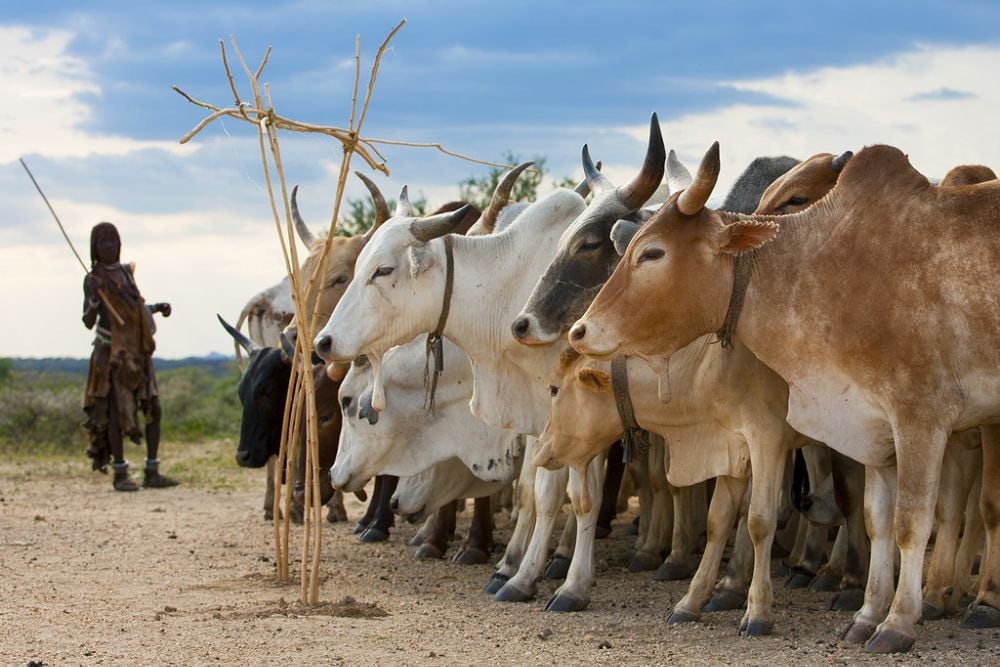
To prove they’re ready for manhood, young men in the Hamar tribe of Ethiopia must run across the backs of several cattle lined up side by side. The initiate must make four successful passes without falling to be declared a man eligible for marriage.
Female relatives show their support in a painful way—they request to be whipped by men who have already completed the ritual, proudly bearing the scars as symbols of their sacrifice. The entire village celebrates afterward with feasting and dancing that can last several days.
Bullet Ant Gloves

Boys of the Satere-Mawe tribe in Brazil endure one of the most painful initiations imaginable—wearing gloves filled with bullet ants, whose sting is rated among the most excruciating in the world. These special ceremonial gloves contain dozens of ants with their stingers pointing inward.
The boy must wear them for ten minutes while dancing and maintaining composure despite the overwhelming pain. Even more impressively, they must repeat this ritual up to 20 times over several months before being considered full men of the tribe.
Like Go2Tutors’s content? Follow us on MSN.
Land Diving
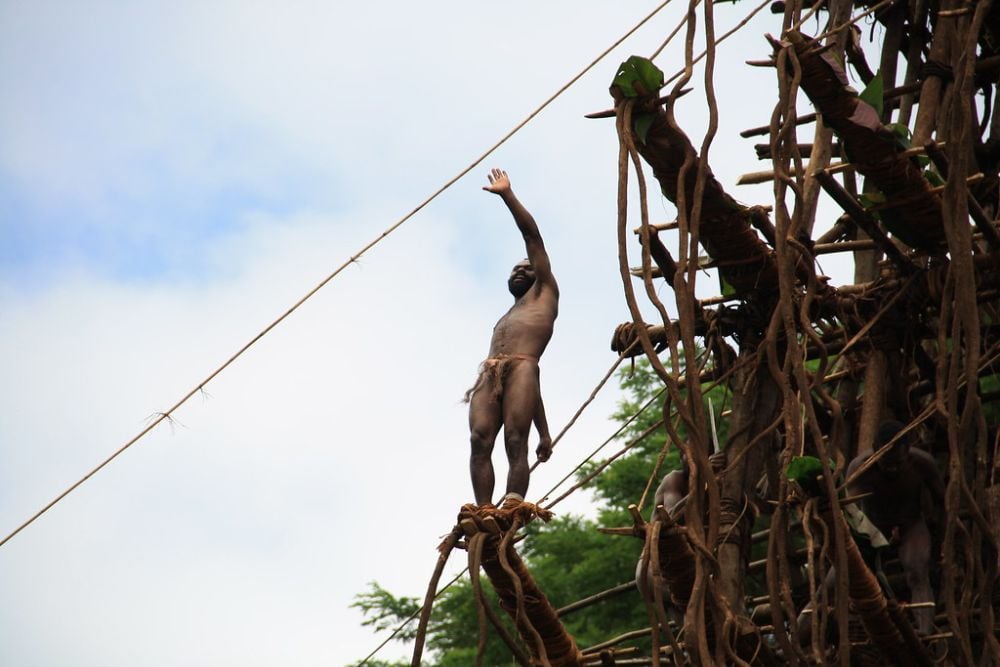
On Pentecost Island in Vanuatu, young men prove their courage through a ritual that inspired modern bungee jumping. They climb wooden towers up to 100 feet tall, tie vines around their ankles, and leap headfirst toward the ground.
The goal is to get close enough to brush their shoulders or head against the soil without injury. The vine’s length must be calculated perfectly—too long means serious injury or death, while too short means missing the all-important ground touch.
This dangerous practice serves as both a coming-of-age ritual and a ceremonial way to ensure a good yam harvest.
Mentawai Teeth Sharpening
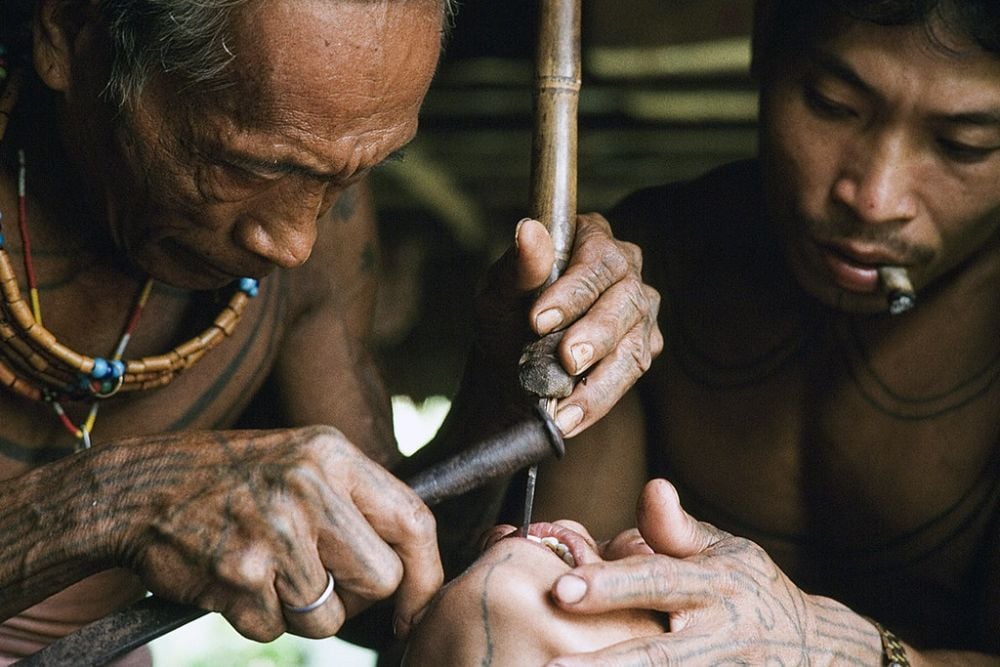
On the Mentawai Islands of Indonesia, both boys and girls have their teeth chiseled to sharp points as part of reaching adulthood. Using basic tools like a hammer and chisel, the ritual is performed without anesthesia and is considered essential for spiritual harmony.
The pointed teeth are seen as beautiful and distinguished from animals, connecting the person more closely with human ancestors. The painful procedure often takes place during a celebration where many adolescents are transformed together, with elders supervising the process.
Amish Rumspringa
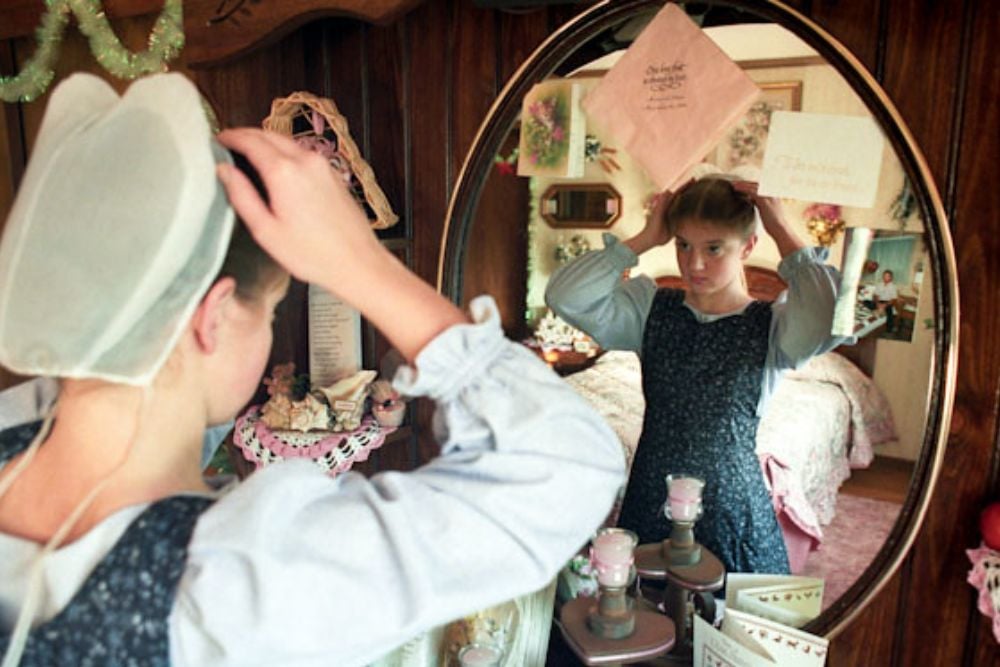
Amish teenagers in North America experience a period called Rumspringa beginning around age 16, when they’re allowed to experience the outside world before deciding whether to commit to the Amish way of life. During this time, they may drive cars, use electricity, wear non-traditional clothing, and even experiment with alcohol or other forbidden activities.
The practice gives young people freedom to make an informed choice about baptism and a lifelong commitment to their community. Contrary to popular belief, about 80-90% of Amish youth choose to return and join the church permanently.
Like Go2Tutors’s content? Follow us on MSN.
Maasai Lion Hunt
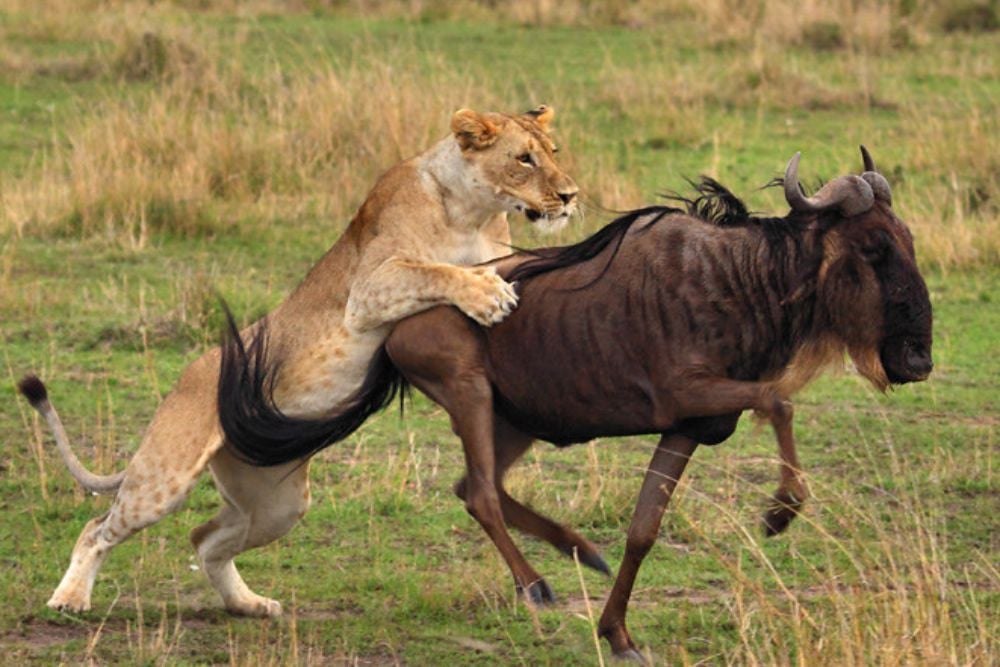
Traditionally, young Maasai men in Kenya and Tanzania had to hunt and kill a lion with a spear to prove their bravery and readiness for manhood. This dangerous ritual demonstrated courage and protective abilities considered essential for safeguarding the community and its cattle.
Today, conservation concerns have largely transformed this practice into alternative demonstrations of bravery and skill, such as competitive athletics or endurance trials. Many Maasai communities now work as lion protectors rather than hunters, though the symbolic importance of lion courage remains central to their cultural identity.
Matis Hunting Trials

In the Amazon rainforest, boys from the Matis tribe of Brazil endure multiple painful ordeals to become hunters. They receive dozens of frog poison injections that cause violent vomiting and temporary paralysis, meant to cleanse and strengthen their bodies.
Their elders also whip them, burn their skin with sticks, and place bitter plant extracts in their eyes to improve their vision and stamina. The boys cannot show pain during these trials, which they undergo repeatedly over several years. The Matis believe these practices transfer the specific skills of animals to the young hunters.
Jewish Bar and Bat Mitzvah

Jewish children traditionally mark their transition to religious adulthood at age 13 for boys (Bar Mitzvah) or 12-13 for girls (Bat Mitzvah). The centerpiece of this milestone is reading from the Torah in Hebrew before the congregation, often after months of preparation.
The young person is declared responsible for following Jewish law and can now participate in all aspects of community worship. While the religious ceremony remains similar to ancient traditions, modern celebrations afterward often include elaborate parties with food, music, and dancing.
Some families choose social justice projects instead of lavish celebrations to mark the occasion.
Like Go2Tutors’s content? Follow us on MSN.
Fulani Sharo

Young men of the Fulani people across West Africa participate in a ritual called Sharo, where they compete to absorb the most pain without showing distress. Participants take turns flogging each other with switches while maintaining facial composure and even smiling through the ordeal.
The community gathers to watch these contests, which serve to demonstrate readiness for the hardships of adult responsibility. The winner isn’t necessarily the one who hits hardest, but rather who shows the greatest pain tolerance and self-control. Women often observe carefully to identify the strongest potential husbands.
Torajan Ma’nene Apprenticeship
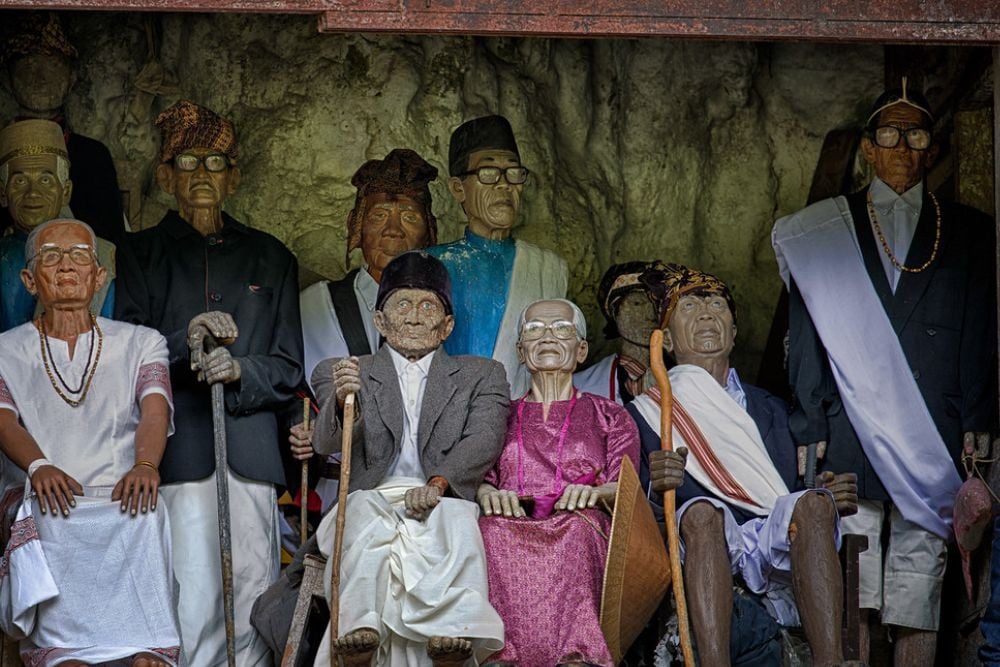
Among the Toraja people of Sulawesi, Indonesia, adolescents—especially boys—take part in the Ma’nene ritual, where they help exhume, clean, and redress the preserved bodies of ancestors. While the ritual itself is a community-wide tradition, for teens, assisting elders with this sacred duty marks a rite of passage.
They learn traditional embalming techniques, ceremonial prayers, and how to care for ancestral spirits. Participating in Ma’nene teaches them respect for lineage, responsibility, and the belief that death is not an end, but a continued relationship with the living.
Apache Sunrise Ceremony
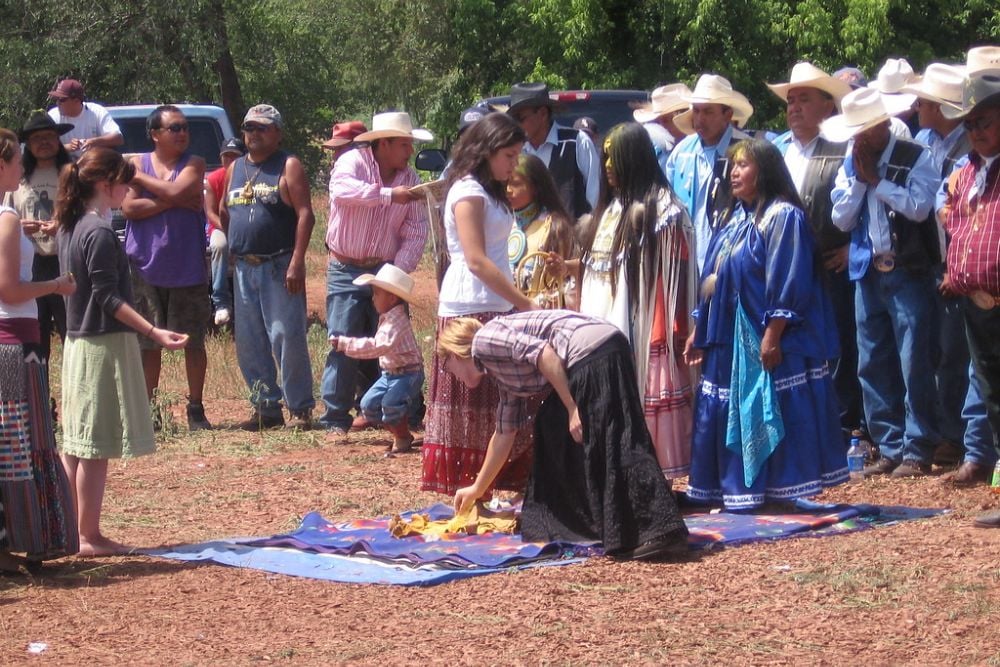
When Apache girls of the southwestern United States reach puberty, they undergo a four-day ceremony called Na’ii’ees or Sunrise Ceremony. The girl runs toward the four directions at dawn each day, symbolizing the power of the changing seasons and the journey of life.
Throughout the ceremony, she embodies White Painted Woman, a powerful deity, bringing blessings to everyone who attends. Physical endurance plays a key role, with the girl dancing for hours while barely resting.
Family members prepare for a year for this expensive ceremony, which strengthens the entire community’s cultural bonds.
Like Go2Tutors’s content? Follow us on MSN.
Xhosa Circumcision Ritual
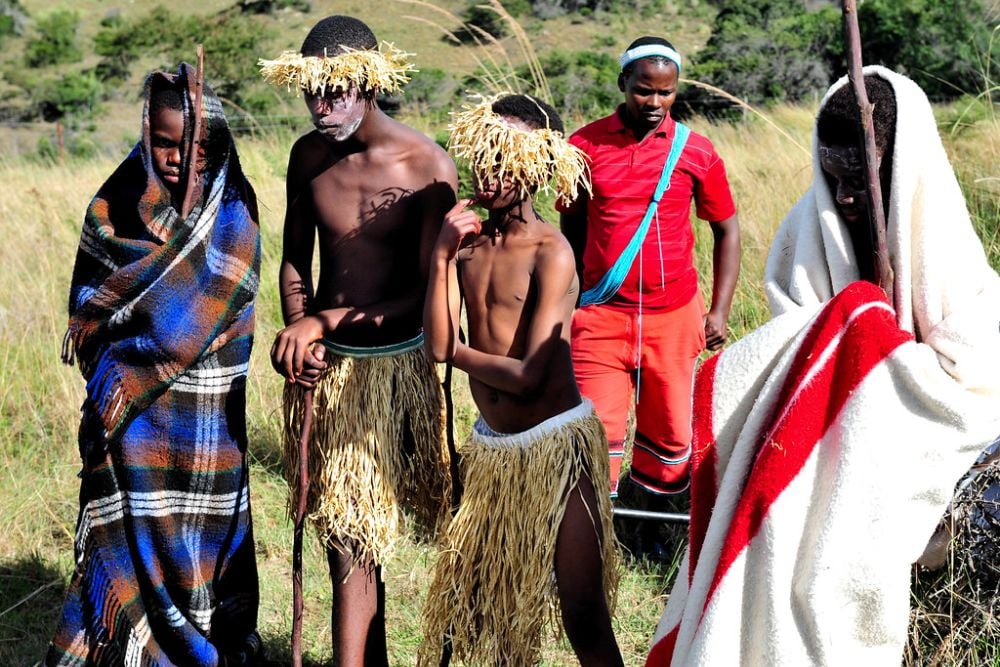
Boys from the Xhosa tribe in South Africa are initiated through a secretive circumcision ritual called Ulwaluko. Around age 16, initiates are circumcised without anesthesia and then secluded in temporary shelters for several weeks while their wounds heal.
During this period, they learn tribal history, ethical codes, and the responsibilities of Xhosa manhood from elder men. The initiates dress their wounds with natural herbs and are forbidden from drinking water during the early healing period to minimize urination.
Following successful completion, they’re reintroduced to the community as men, burning their temporary shelters and all boyhood possessions.
Hadiqa Among Algerian Tuareg

Young women in certain Tuareg communities of Algeria undergo a coming-of-age ritual focused on beauty and cultural knowledge called Hadiqa. The process includes learning complex weaving techniques, traditional medicine, and the tribe’s oral history from elder women.
Special tattoos using traditional designs are applied to the girl’s hands, arms, and face over several days. The physical transformation culminates in an elaborate hairstyle that can only be worn by mature women, requiring hours of careful braiding and decoration.
A feast celebrating her new status includes special foods that she has learned to prepare during her training.
Tibetan Sky Burial Training

In certain remote Himalayan communities, young men traditionally apprentice in the sacred but gruesome practice of sky burial. Selected adolescents learn to prepare human corpses for this funeral ritual, where bodies are cut into pieces and left on mountaintops for vultures—considered a final act of generosity to feed other living beings.
The training includes extensive spiritual guidance to understand proper rituals, anatomical knowledge, and specific cutting techniques. This apprenticeship marks their transition into a respected role as caretakers of the dead, holding important religious and community significance.
Like Go2Tutors’s content? Follow us on MSN.
Ainu Bear Ceremony Participation

Among the Indigenous Ainu people of northern Japan, children nearing adolescence take on ceremonial roles in the Iyomante bear-sending ritual. While adult men conduct the core sacrifice and rites, young initiates learn songs, dances, and rituals that connect them to their cultural identity and the spirit world.
They help prepare the bear for ceremonial offerings and learn the deep respect the Ainu hold for animals. For boys and girls alike, participating in Iyomante marks a spiritual coming-of-age, linking them to the responsibilities of cultural preservation.
Traditions That Shape Identity

These coming-of-age rituals may seem unusual to outsiders, but they serve crucial purposes in their cultural contexts—building resilience, teaching essential skills, preserving traditions, and clearly marking the boundary between childhood and adulthood. While some of these practices are evolving due to modernization and safety concerns, many communities work hard to maintain these meaningful transitions.
In our rapidly changing world, these ceremonies remind us that becoming an adult isn’t just about reaching a certain age, but about being recognized and welcomed into the responsibilities and privileges of grown-up society.
Like Go2Tutors’s content? Follow us on MSN.
More from Go2Tutors!

- 18 Unexpectedly Valuable Collectibles You Might Have Lying Around
- 20 Little-Known Historical Battles That Had Huge Consequences
- 20 Historical Artifacts That Scientists Can’t Explain
- 15 Inventions That Were Immediately Banned After Being Created
- 20 Actors Who Were Almost Cast in Iconic Roles
Like Go2Tutors’s content? Follow us on MSN.



