13 Forgotten Ways People Used to Travel
Before highways filled with cars and skies buzzing with planes, people moved across landscapes in ways that might seem strange or surprisingly inventive today. Our ancestors were remarkably resourceful when it came to getting from point A to point B, using methods that balanced practicality with the technology available at the time.
Here is a list of 13 forgotten transportation methods that once helped humans navigate their world, many of which have disappeared from common use.
Canal Boats
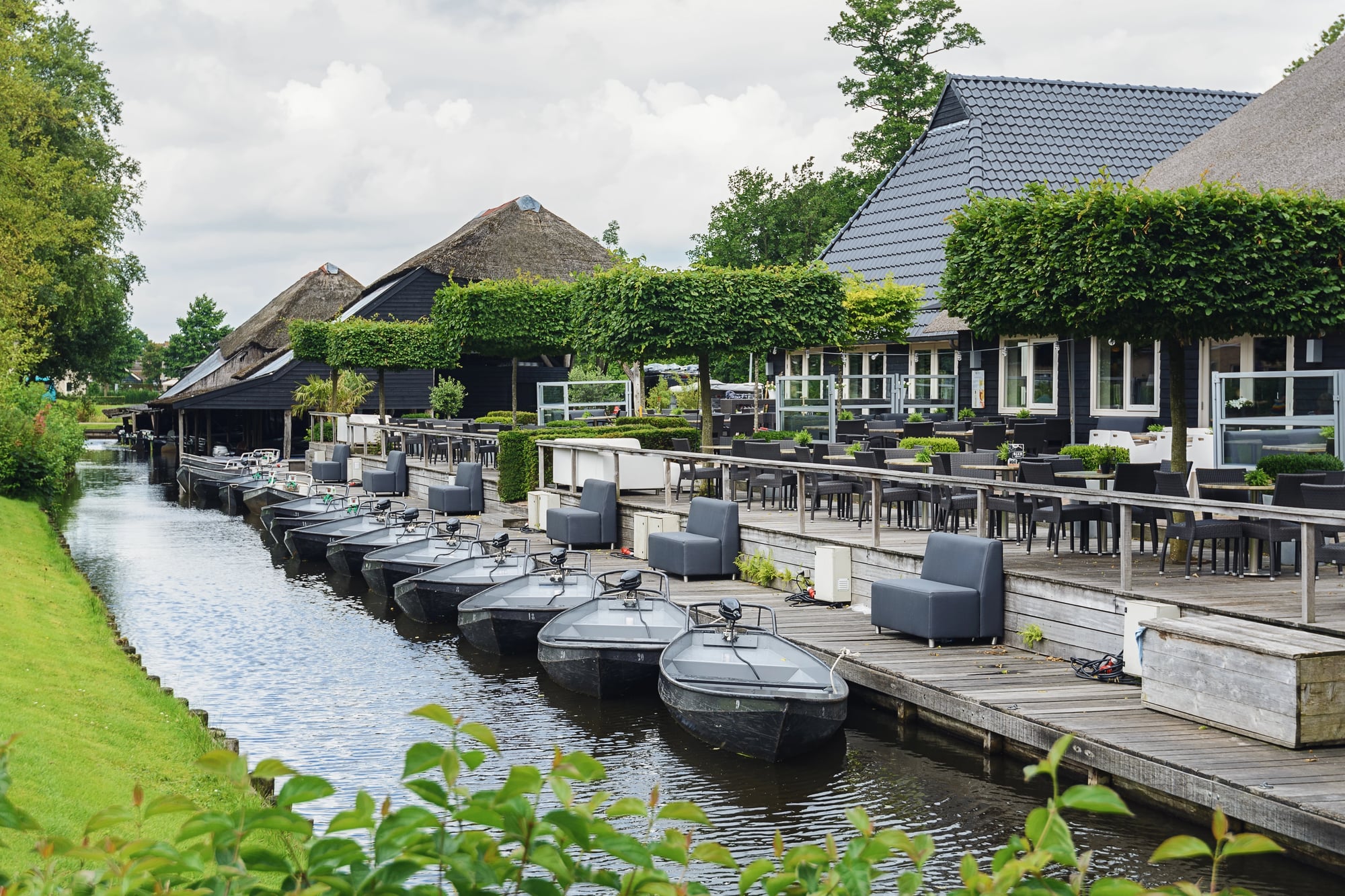
Long before interstate highways, America’s arteries of commerce were its canals. Families lived aboard these floating homes, using mules or horses walking alongside on towpaths to pull their vessels through calm waters.
The Erie Canal alone transformed New York’s economy in the 1800s, creating a vital shipping route that connected the Great Lakes to the Atlantic. These slow but steady journeys typically moved at around 4 miles per hour—literally a snail’s pace by today’s standards.
Penny-Farthings
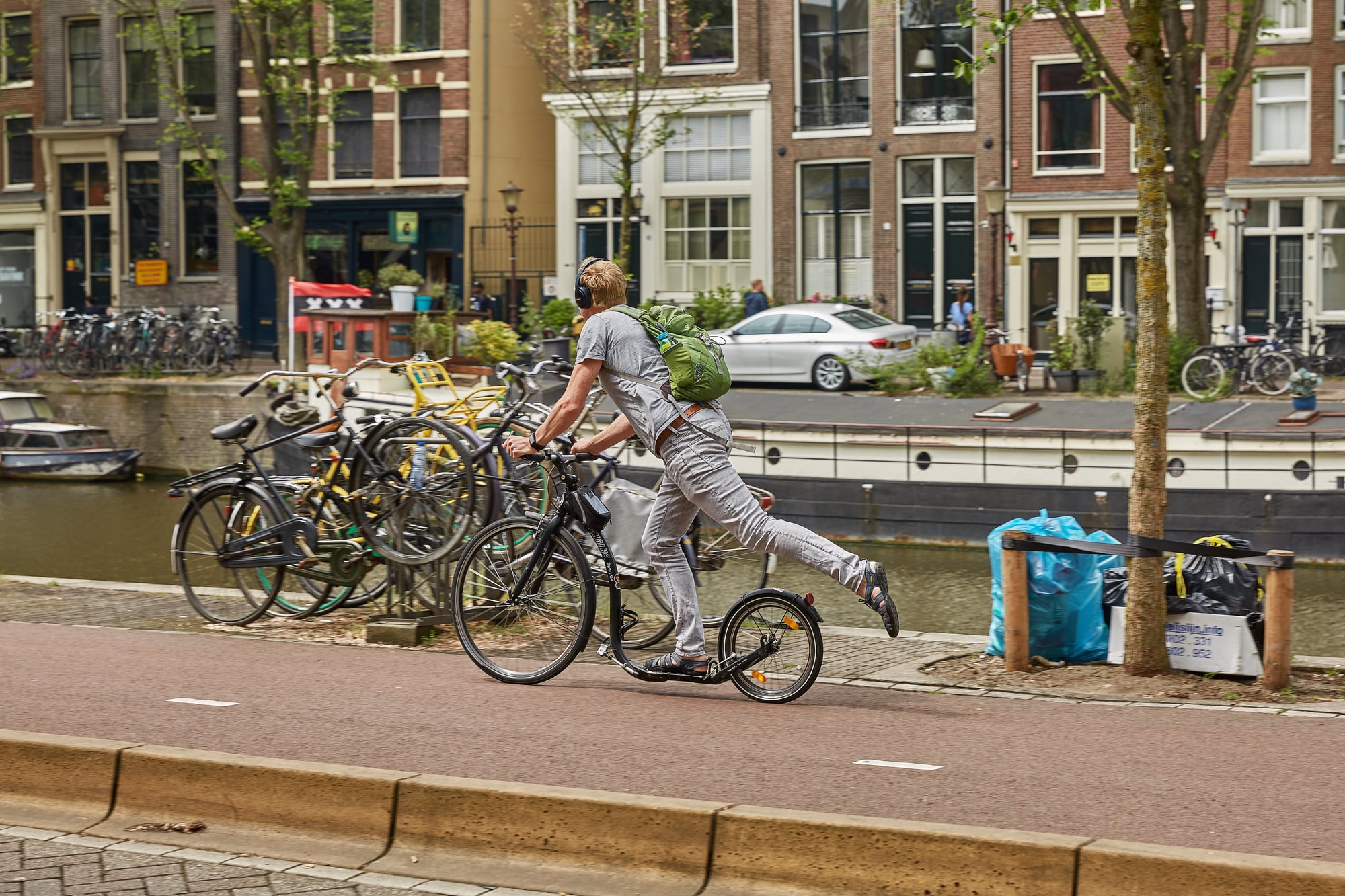
These iconic bicycles with their massive front wheels weren’t just a fashion statement. The large wheel allowed riders to travel farther with each pedal rotation, making them surprisingly efficient for their time.
Riding one required considerable skill, as the seat positioned riders nearly six feet off the ground. A tumble from these precarious perches was so common it earned its own name—“taking a header”—yet these remained popular until the 1880s when safer bicycle designs emerged.
Stagecoaches
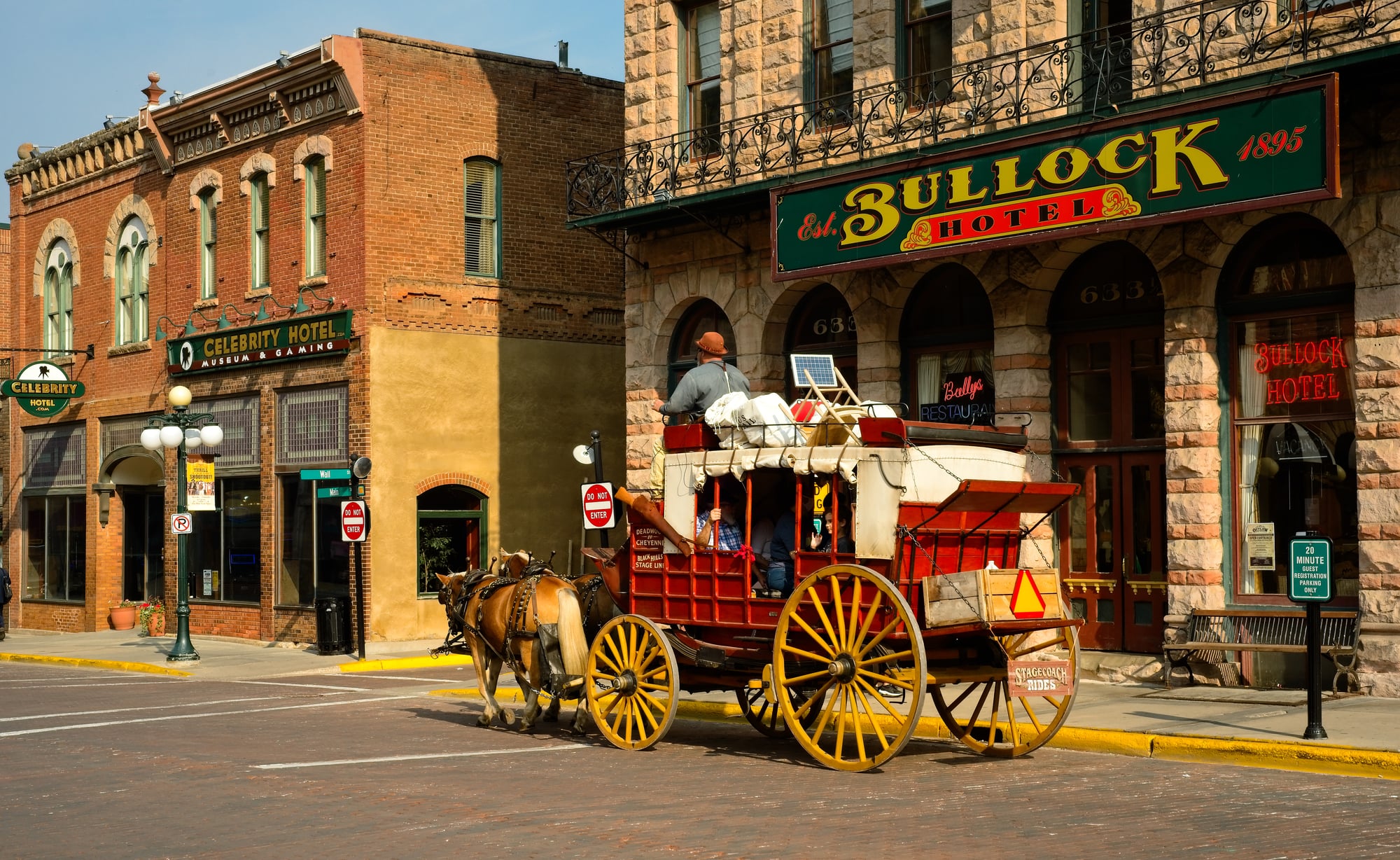
These horse-drawn vehicles served as America’s first public transportation network. Passengers would book passage on established routes, sitting shoulder-to-shoulder with strangers while bouncing over rutted dirt roads.
The name came from the “stages” of the journey where horses would be exchanged for fresh teams. Contrary to romantic Western films, most trips were uncomfortable affairs with strict rules against singing, spitting, or excessive talking.
Sedan Chairs
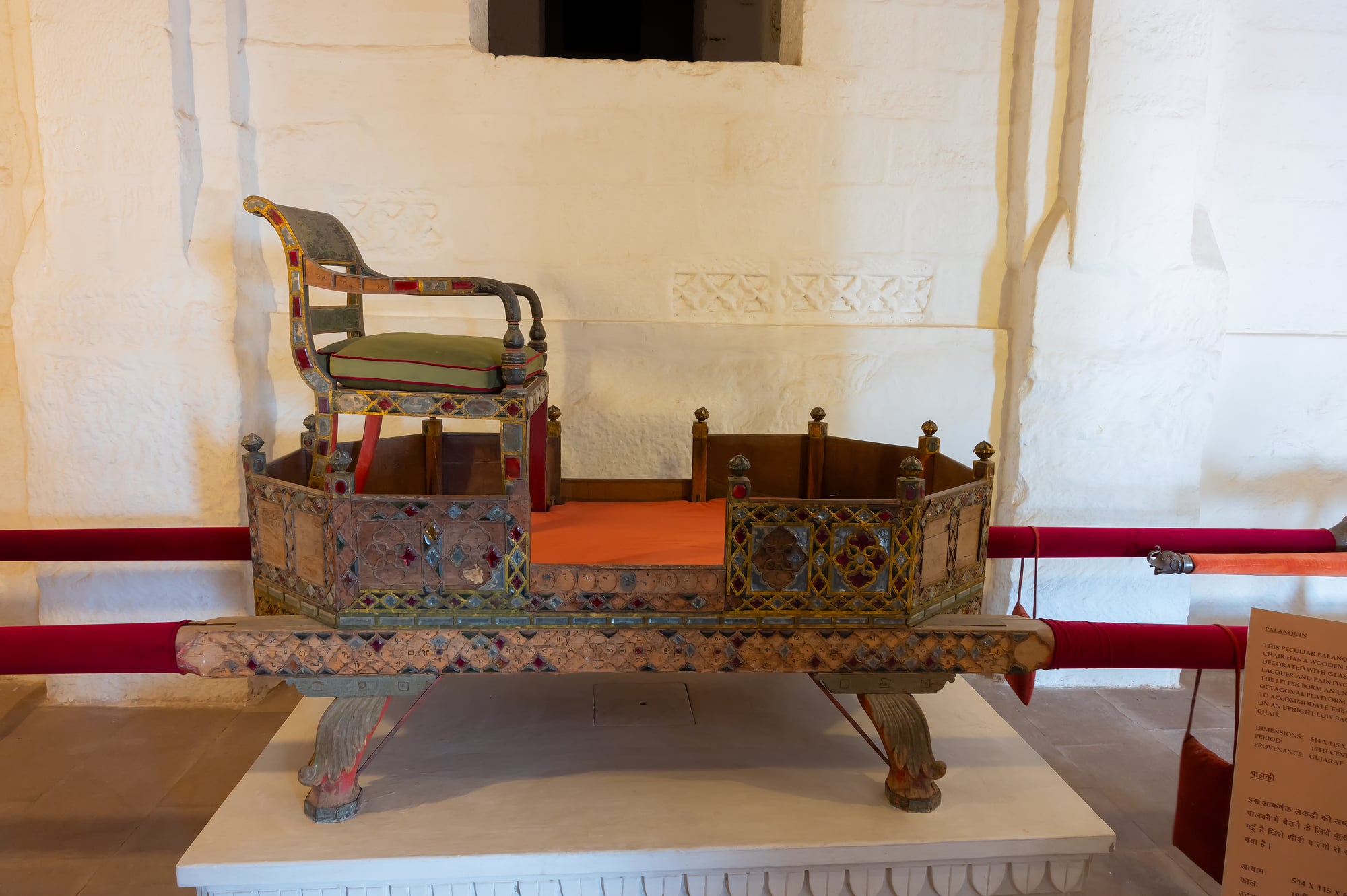
Sedan chairs provided a refined solution to filthy streets for the elite in congested pre-industrial towns. A single person would be carried in a chair within a tiny cabin by two or four powerful bearers.
For decades, these human-powered taxis ruled cities from Beijing to London. For short excursions around town, more basic models might be rented like contemporary taxis, while wealthier clients could possess ornately upholstered private chairs.
Ice Boats
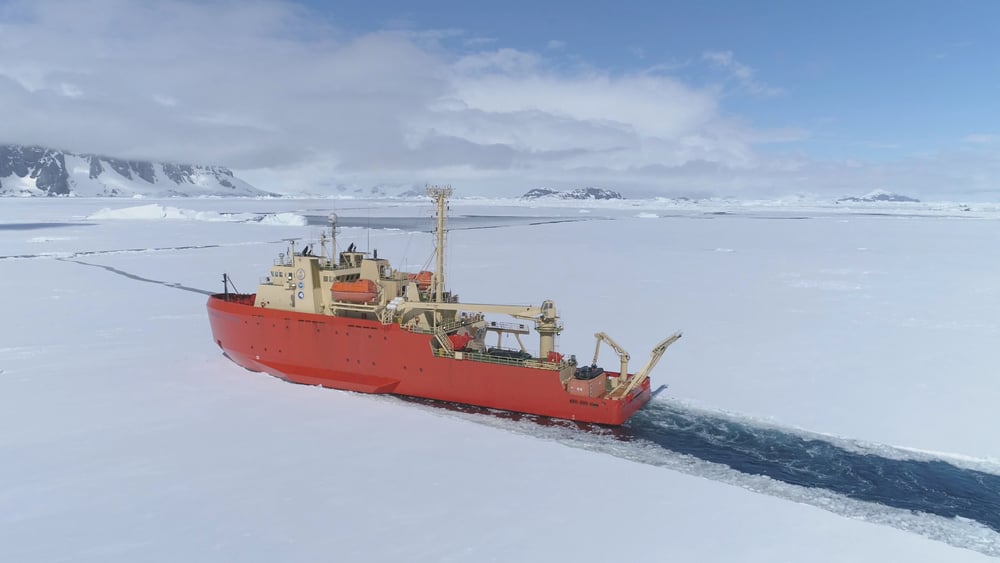
Winter didn’t stop travel in northern regions—it often enhanced it. Ice boats mounted runners similar to ice skates beneath wooden boats equipped with sails.
These vessels could reach astonishing speeds over frozen lakes and rivers, often moving faster than their water-bound counterparts. Some ice boats could reportedly reach speeds of 40 miles per hour in good conditions, making them among the fastest vehicles of their era.
Horse Ferries
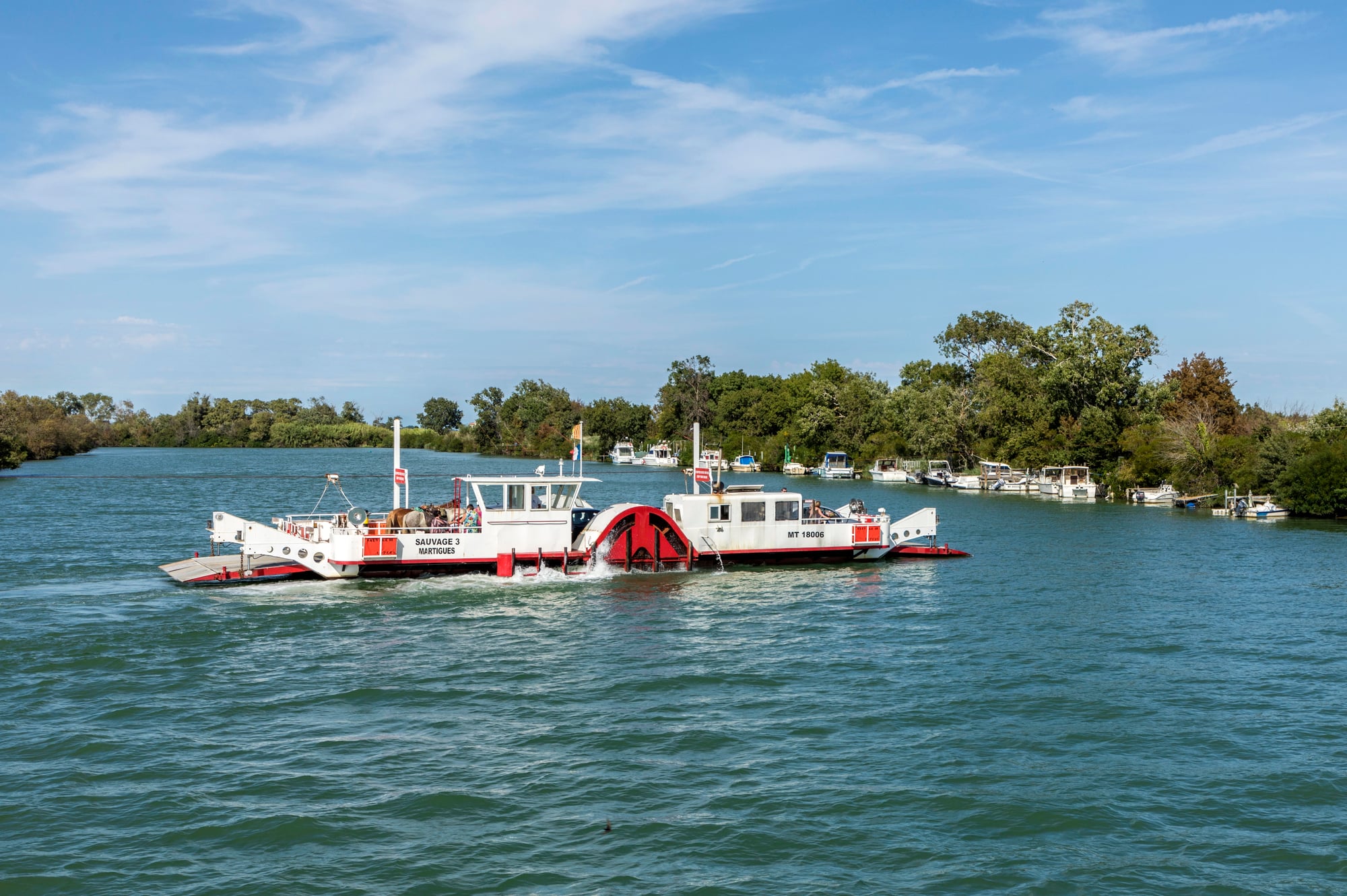
Prior to the invention of steam power, ingenious engineers created horse-drawn ferries in which the animals turned paddle wheels by walking in circles or on treadmills.
These clever boats traversed bays and rivers too wide for bridges by using animal power. In order to maintain constant movement, some designs had up to eight horses working in shifts. Long before mechanical engines were dependable, animals were effectively live engines that turned hay into horsepower.
Dog Sleds
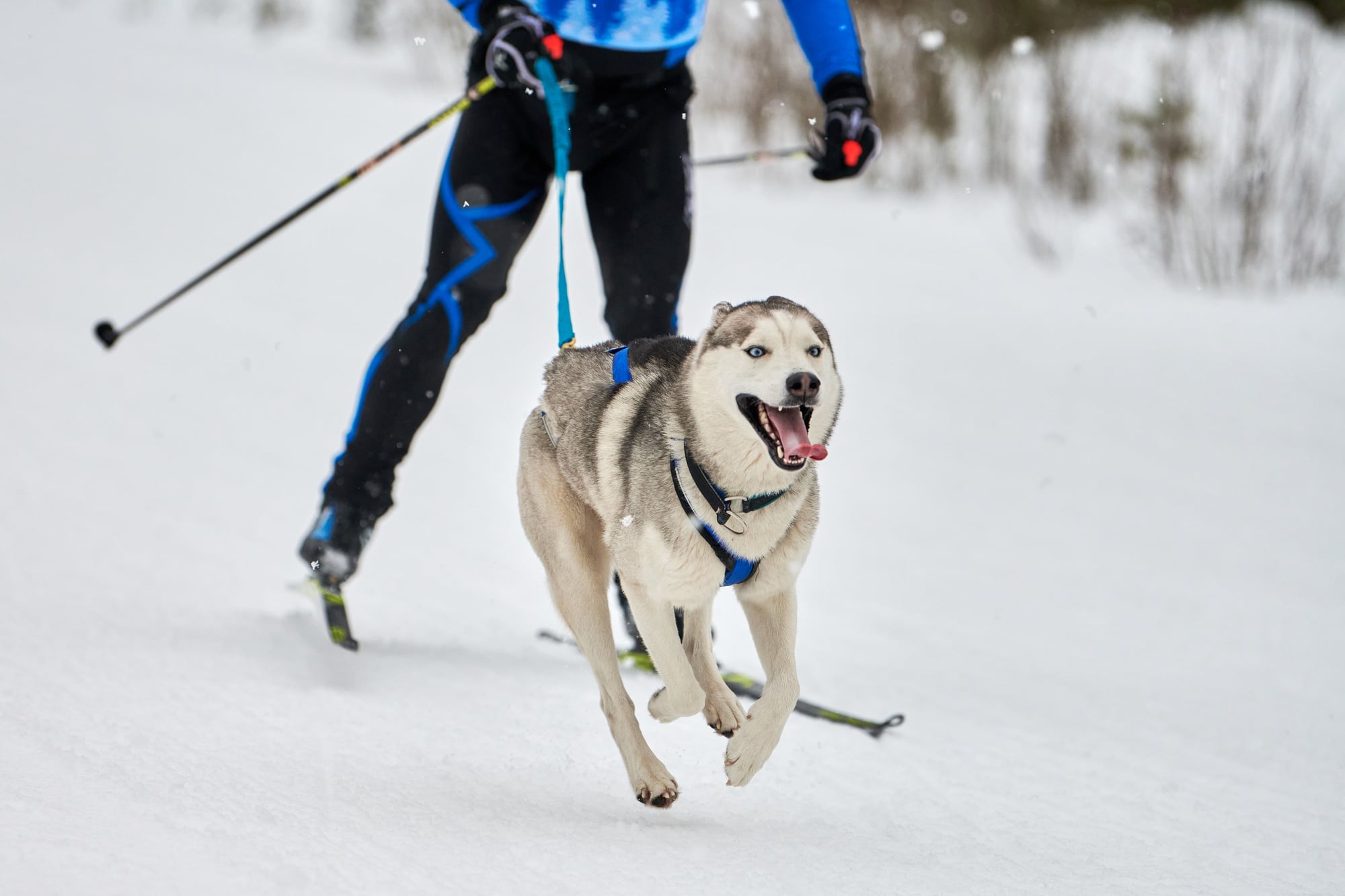
Far more than just a sport or novelty, dog sledding was the primary winter transportation method across much of Alaska, Canada, and other northern regions for centuries.
Mail carriers relied on dog teams to deliver the mail through snow-covered landscapes where no other vehicle could travel. A good team covered 50–60 miles daily in conditions that would stop modern vehicles, with the lead dogs showing remarkable navigational intelligence even in whiteout conditions.
Walking Stilts
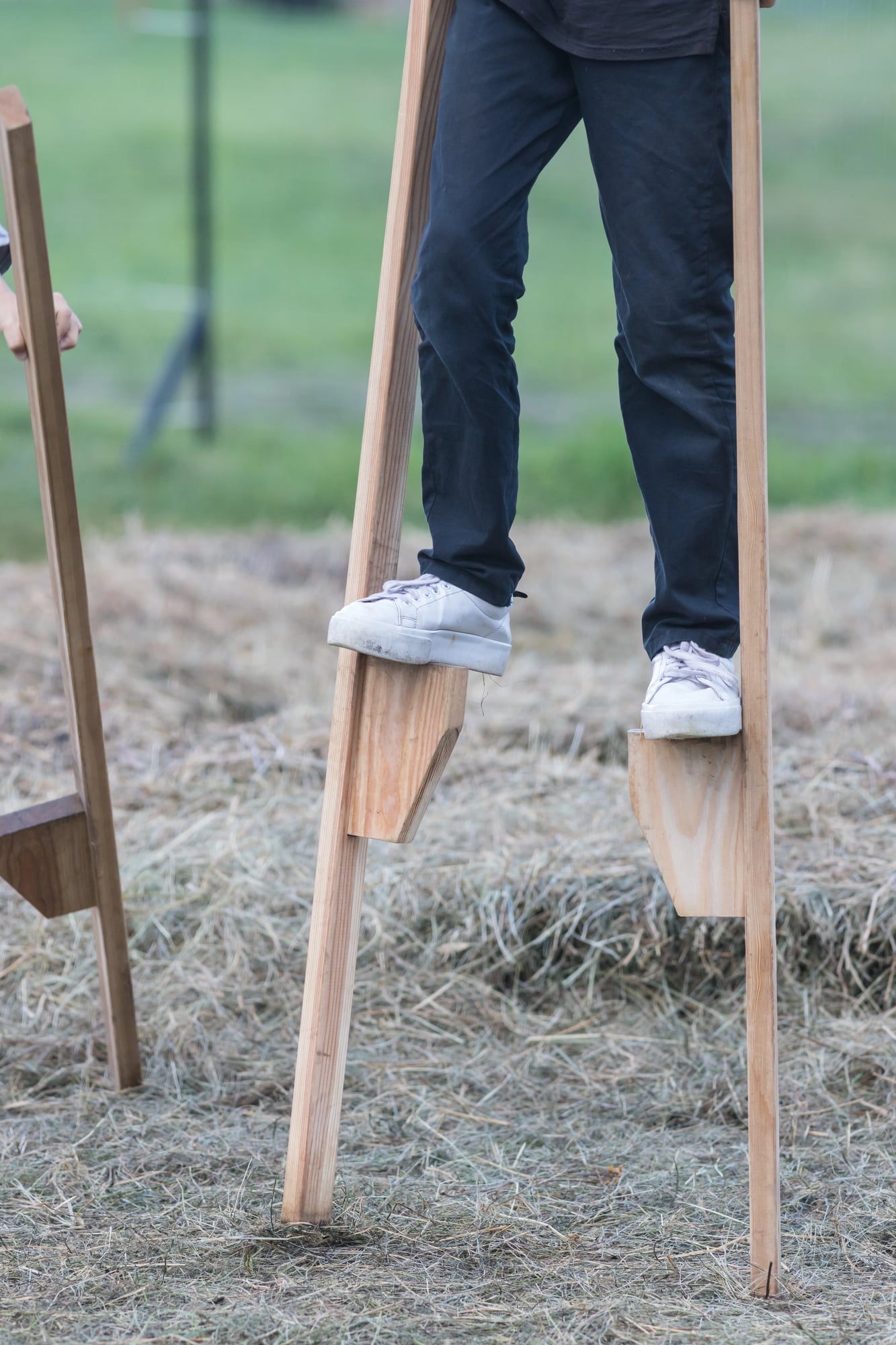
In France’s marshy Landes region, shepherds developed a surprising method of travel—walking on stilts up to five feet tall.
This practical solution allowed them to move above wet ground while maintaining sight of their flocks across flat terrain. These shepherds became so skilled that they could run at speeds up to 8 miles per hour on their wooden extensions, turning necessity into an impressive cultural tradition that tourists would later travel to witness.
Camel Caravans

The original cross-desert transportation networks connected Asia, Africa, and the Middle East through organized camel caravans. These resilient animals could travel up to 100 miles without drinking while carrying 600 pounds of cargo.
Caravans often included hundreds of camels moving in a single file through hostile terrain. The regular routes of these trading expeditions established many of the world’s oldest international highways that modern roads later followed.
Human Rickshaws

Hand-pulled rickshaws emerged in Japan during the 1800s and quickly spread throughout Asia. These two-wheeled carts pulled by a single runner provided affordable transportation before motorized vehicles became common.
The name comes from the Japanese words for “human powered vehicle,” though modern sensibilities have largely retired these conveyances due to concerns about human dignity. Many tourist areas now feature bicycle or electric versions instead.
Packet Ships
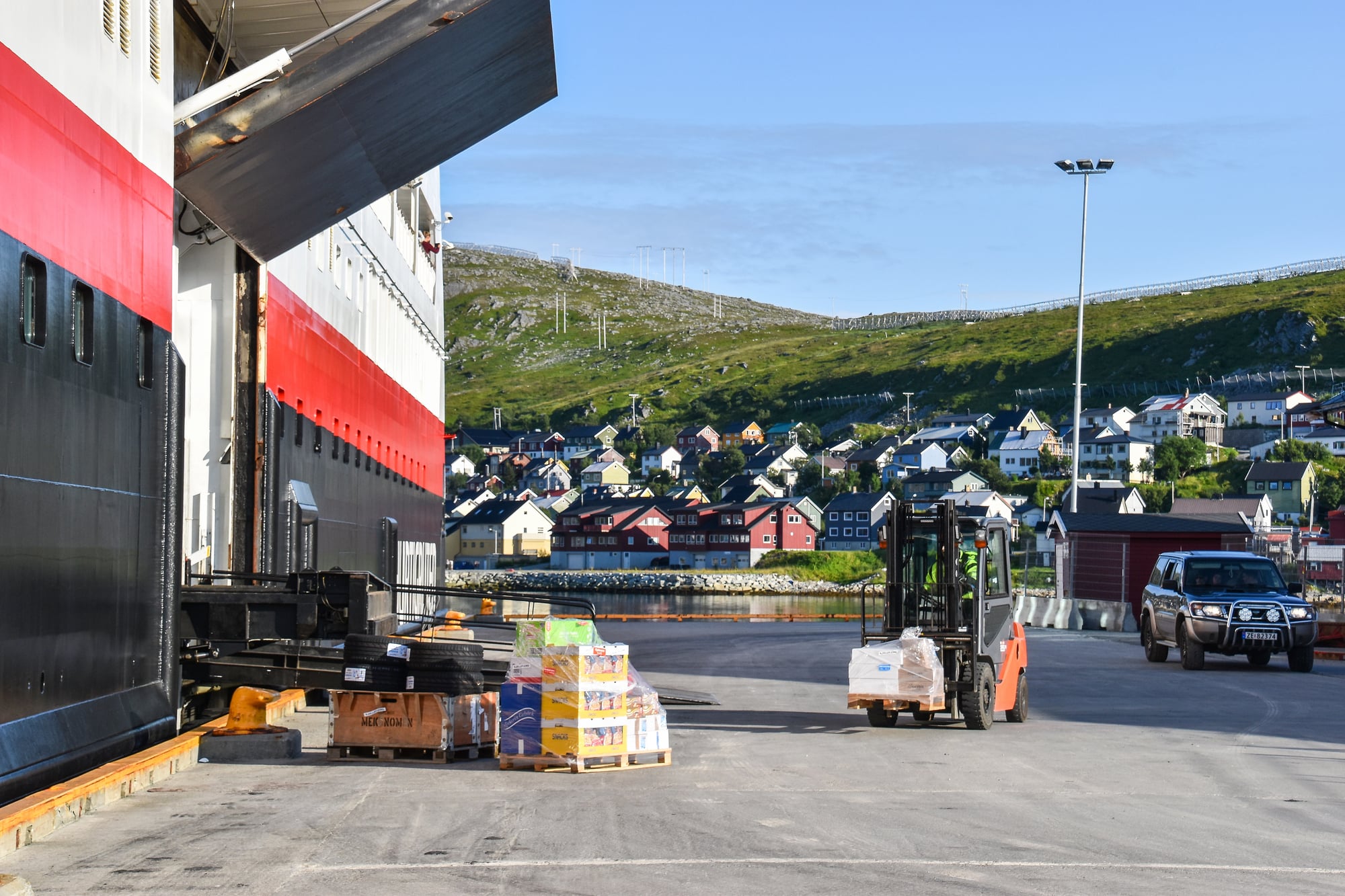
Regularly scheduled sailing vessels called packet ships created the first reliable ocean crossing service. Unlike merchant ships that waited for full cargo, packets departed on fixed schedules regardless of passenger count or cargo space filled.
These sailing ships established predictable service across the Atlantic, often sailing once a month from major ports. Travel remained slow by modern standards—a crossing from Liverpool to New York typically took around a month in the early 1800s.
Funiculars

These clever cable railways conquered steep mountain slopes using counterbalanced cars. As one car descended, it helped pull the other upward, making efficient use of gravity and minimal power.
These specialized railways flourished in mountainous regions worldwide, providing access to previously isolated communities. San Francisco’s famous cable cars represent one of the few remaining urban funicular systems still in everyday use.
Roman Post Houses
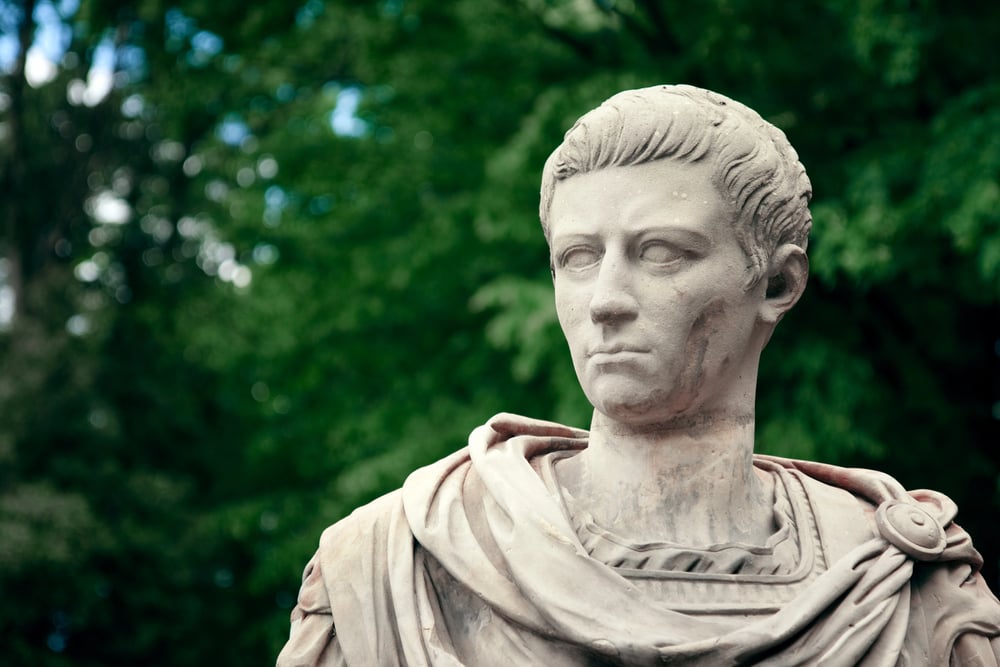
The ancient world’s fastest communication system also served as its premier travel network. The cursus publicus established by Emperor Augustus placed post houses every 10 miles along major Roman roads.
Official travelers could exchange tired horses for fresh mounts at each station, allowing messengers to cover impressive distances. During emergencies, imperial couriers could travel up to 170 miles daily by changing horses frequently—a speed record that wouldn’t be broken until the invention of steam power.
The Legacy of Movement

These forgotten transportation methods remind us how human ingenuity has always found ways to overcome distance.
While modern vehicles prioritize speed and convenience, these historical travel modes often created deeper connections with landscapes and communities along the way. The journey itself mattered as much as the destination—a perspective worth remembering in our era of instant arrivals and overlooked middle spaces.
More from Go2Tutors!

- The Romanov Crown Jewels and Their Tragic Fate
- 13 Historical Mysteries That Science Still Can’t Solve
- Famous Hoaxes That Fooled the World for Years
- 15 Child Stars with Tragic Adult Lives
- 16 Famous Jewelry Pieces in History
Like Go2Tutors’s content? Follow us on MSN.



