15 Dangerous Trails With Death Warnings
Some hiking trails offer breathtaking views and unforgettable adventures, while others come with genuine warnings that hikers might not return home. These aren’t your typical weekend nature walks — they’re routes where a single misstep can mean the difference between an epic story and a tragic headline. Yet thousands of thrill-seekers still attempt these treacherous paths each year, drawn by the ultimate adrenaline rush.
Here is a list of 15 dangerous trails around the world where authorities have posted official death warnings due to their extreme hazards.
Mount Huashan Plank Walk
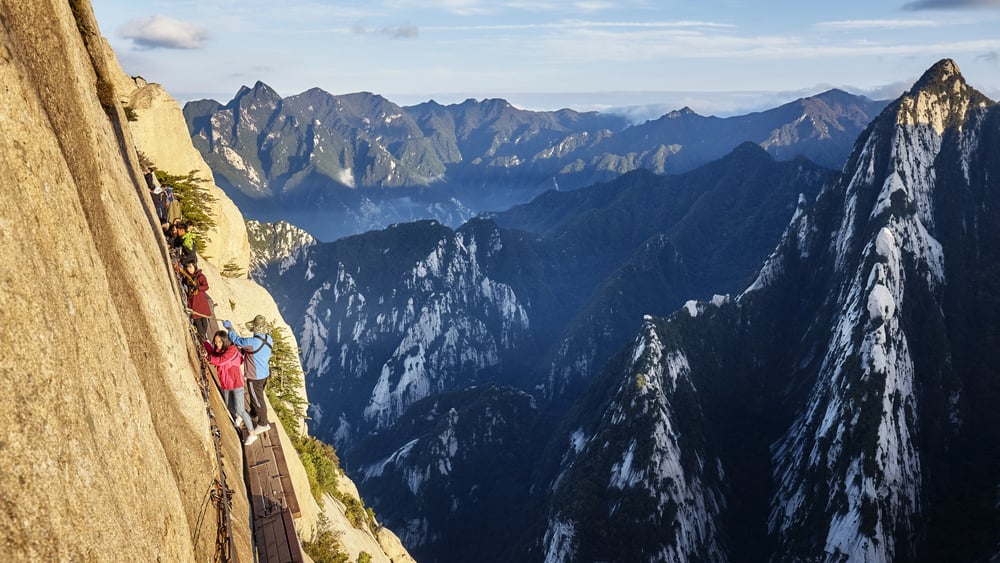
This narrow wooden walkway clings to the vertical face of Mount Huashan in China, offering hikers a terrifying traverse 7,000 feet above the ground. The planks are barely wide enough for one person, while rusty chains provide the only safety barrier between hikers and a fatal plunge.
Though exact fatality numbers remain disputed, the Chinese government requires hikers to sign death waivers before attempting this notorious route.
Angel’s Landing
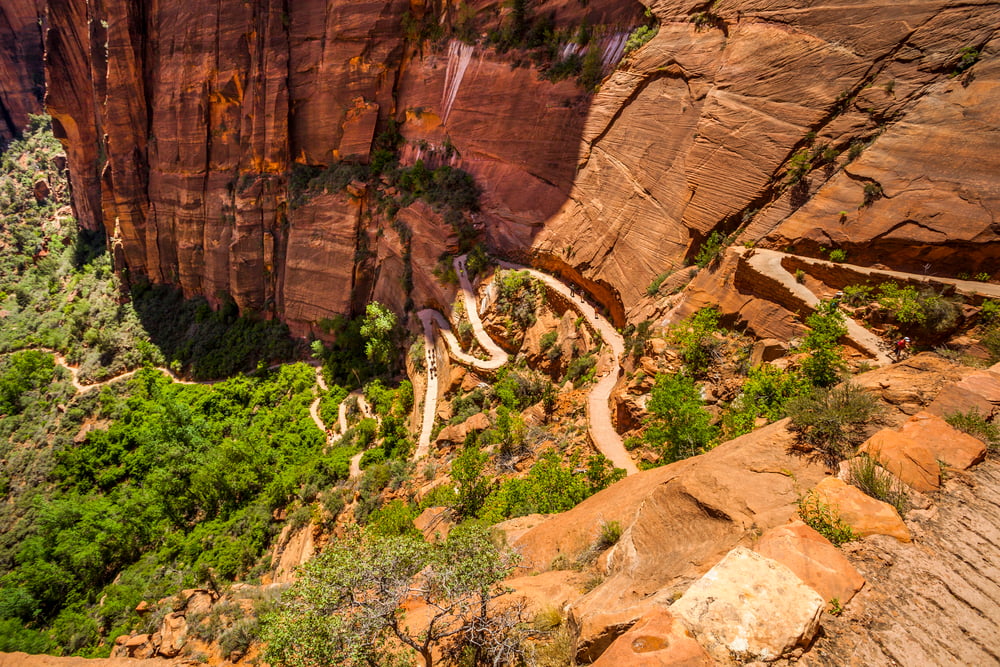
Zion National Park’s most famous trail ends with a knife-edge ridge where hikers must grip chains while navigating exposed rock faces with 1,000-foot drops on both sides. The final half-mile section has claimed multiple lives, prompting park officials to install a permit system in 2022.
Wind gusts can knock hikers off balance, making this Utah trail particularly dangerous during storms.
Like Go2Tutors’s content? Follow us on MSN.
GR20 Corsica
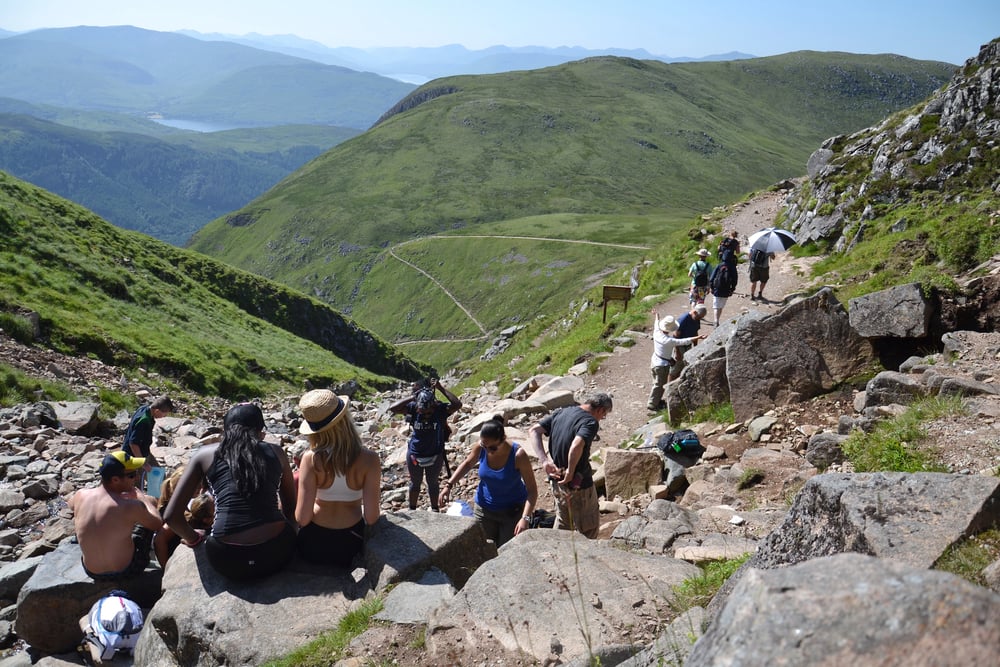
France’s GR20 traverse across Corsica is considered Europe’s most difficult long-distance hiking trail, featuring 112 miles of relentless terrain through granite peaks and treacherous scrambles. The route demands technical rock climbing skills, yet many hikers attempt it unprepared for the extreme challenges.
Weather changes rapidly in the mountains, turning manageable sections into deadly obstacles within hours.
Half Dome Cables
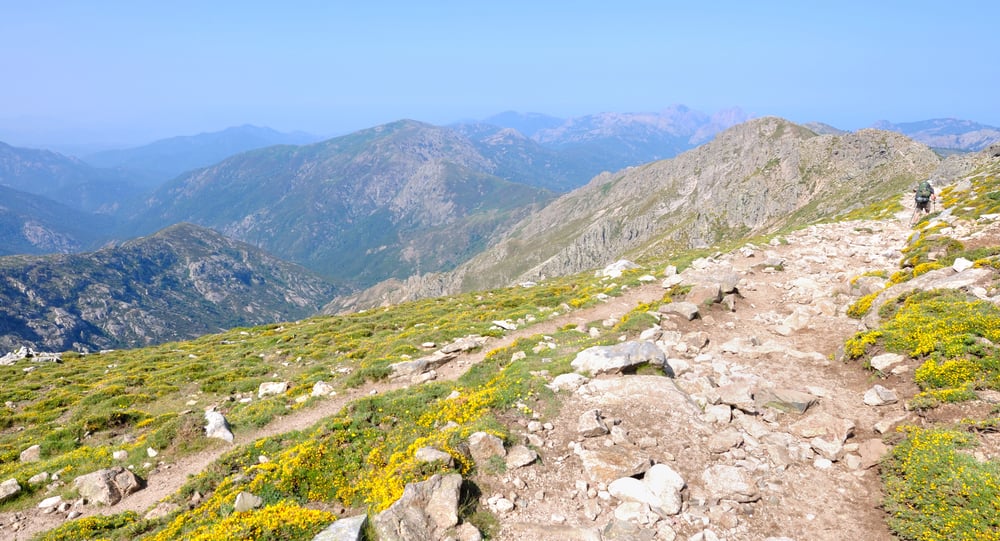
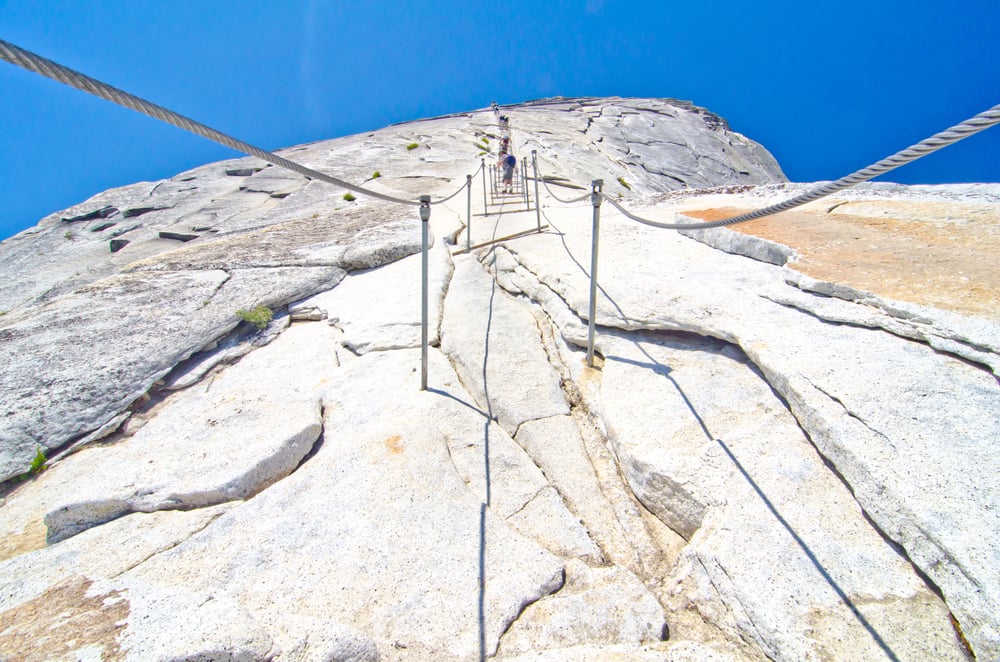
Yosemite’s iconic Half Dome requires hikers to ascend the final 400 feet using steel cables on bare granite slopes angled at 60 degrees. The cables become incredibly slippery when wet, creating conditions where hikers have lost their grip and fallen to their deaths.
Park rangers now require permits and strongly advise against attempting the cables during thunderstorms or when granite surfaces are damp.
Via Ferrata delle Trincee
This World War I-era route through Italy’s Dolomites follows old military trenches carved into vertical cliff faces, where soldiers once fought battles thousands of feet above valleys below. Modern hikers navigate exposed ledges using steel cables, though rockfall and sudden weather changes pose constant threats.
The combination of historical significance and extreme danger makes this trail both fascinating and deadly.
Like Go2Tutors’s content? Follow us on MSN.
Caminito del Rey
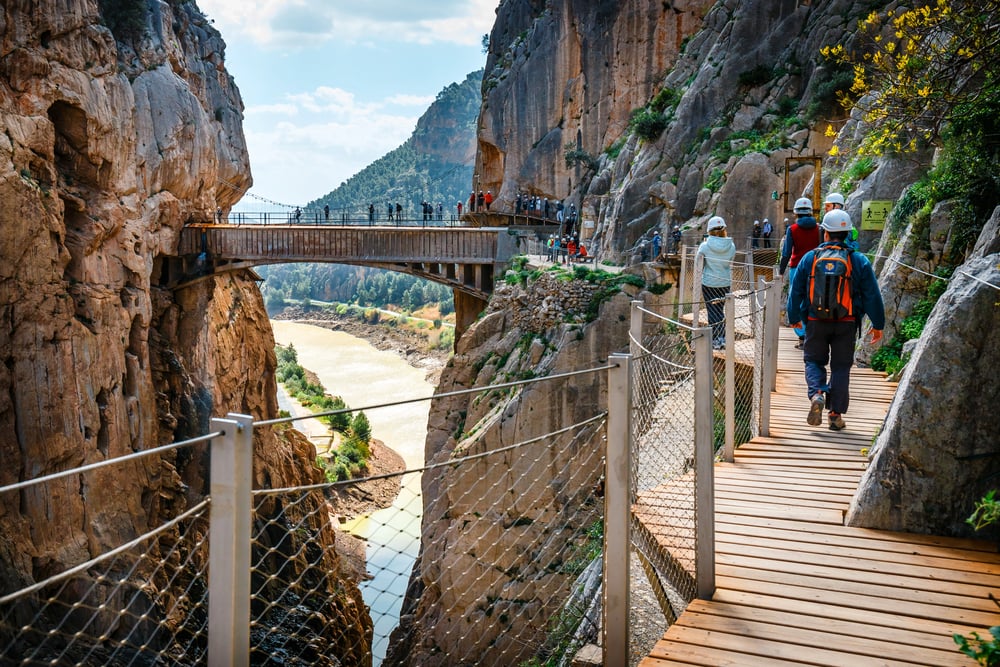
Spain’s “King’s Little Pathway” clings to gorge walls 350 feet above the Guadalhorce River, earning its reputation as one of the world’s most dangerous walkways. The original concrete path had deteriorated so badly that chunks would crumble under hikers’ feet, leading to multiple fatalities before major renovations.
Even the rebuilt version requires safety harnesses and careful navigation through wind-swept sections.
Mount Washington’s Alpine Garden Trail
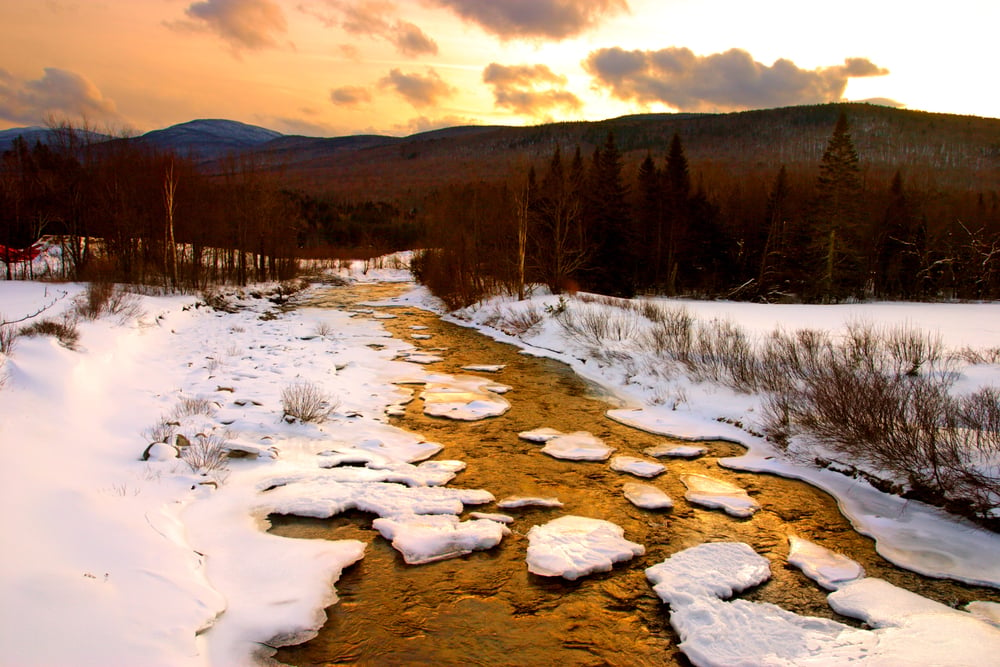
New Hampshire’s Mount Washington holds the world record for strongest recorded wind speed at 231 mph, making its exposed alpine sections incredibly dangerous even during seemingly calm conditions. The mountain’s weather can change from pleasant hiking conditions to life-threatening storms within minutes.
Hypothermia and exposure have claimed more than 150 lives on Mount Washington, earning it the nickname “America’s deadliest small mountain.”
Bright Angel Trail to Phantom Ranch
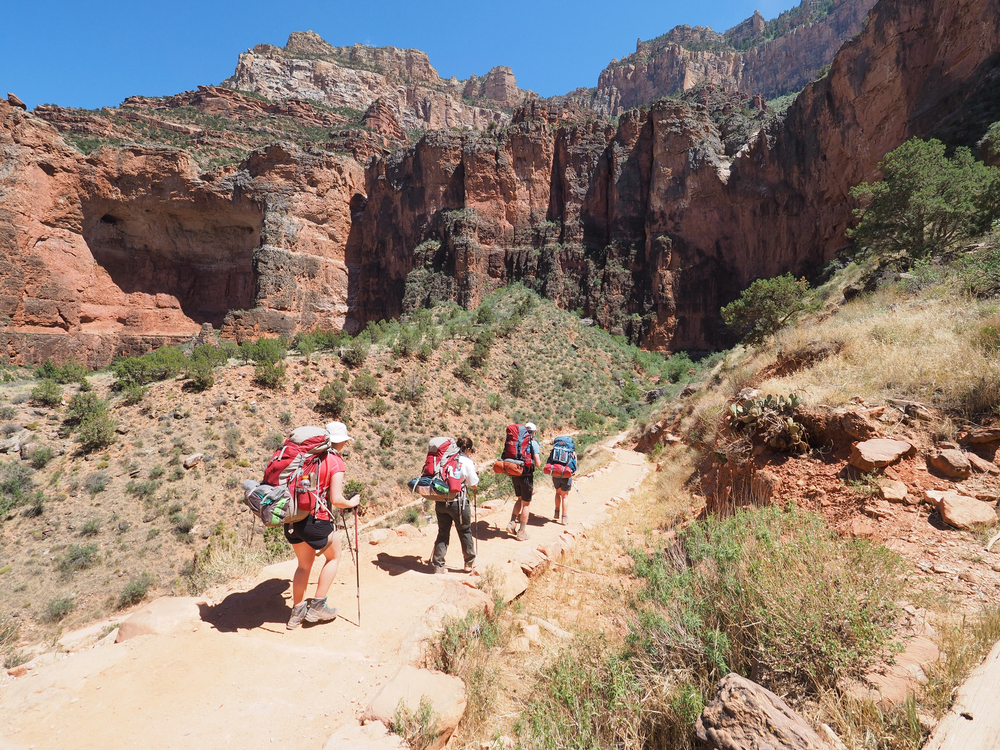
Grand Canyon’s most popular trail lures unprepared hikers into a deadly trap — the deceptively easy descent becomes a grueling uphill battle in extreme heat. Each year, the National Park Service conducts hundreds of rescues as hikers underestimate the 14-mile round trip and Arizona’s brutal summer temperatures.
Dehydration and heat exhaustion turn this seemingly manageable trail into a potential death sentence for the unprepared.
Like Go2Tutors’s content? Follow us on MSN.
Mount Katahdin’s Knife Edge
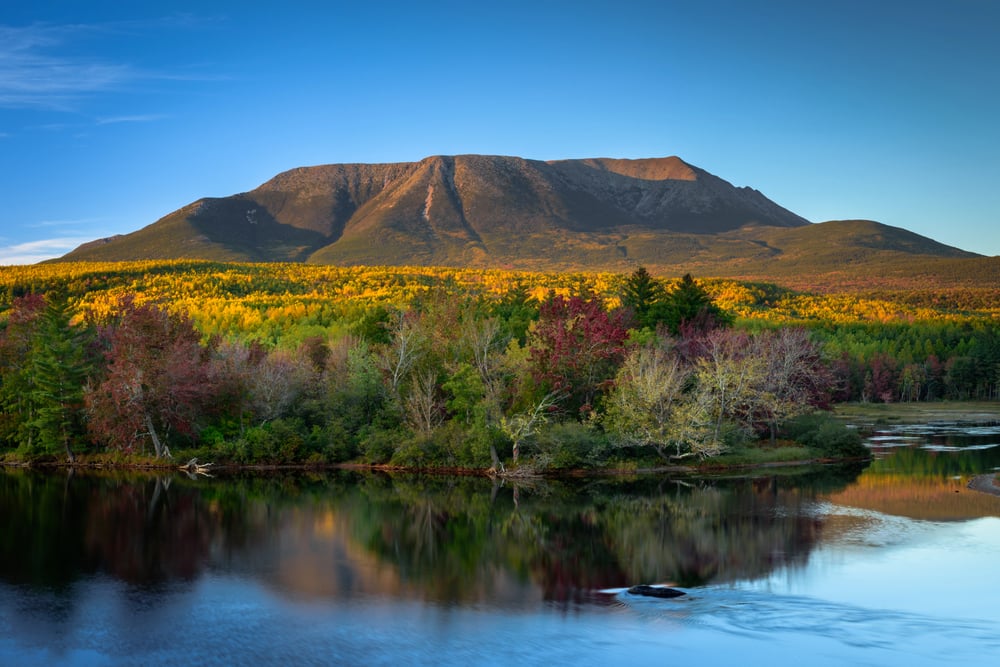
Maine’s highest peak features a narrow granite ridge where hikers must traverse a knife-edge section with precipitous drops on both sides during high winds and unpredictable weather. The Appalachian Trail’s northern terminus sits atop this challenging mountain, though many thru-hikers find Katahdin more dangerous than anything they’ve encountered during their 2,000-mile journey.
Baxter State Park closes the trail during severe weather, but conditions can deteriorate rapidly even on clear days.
Torres del Paine ‘W’ Circuit
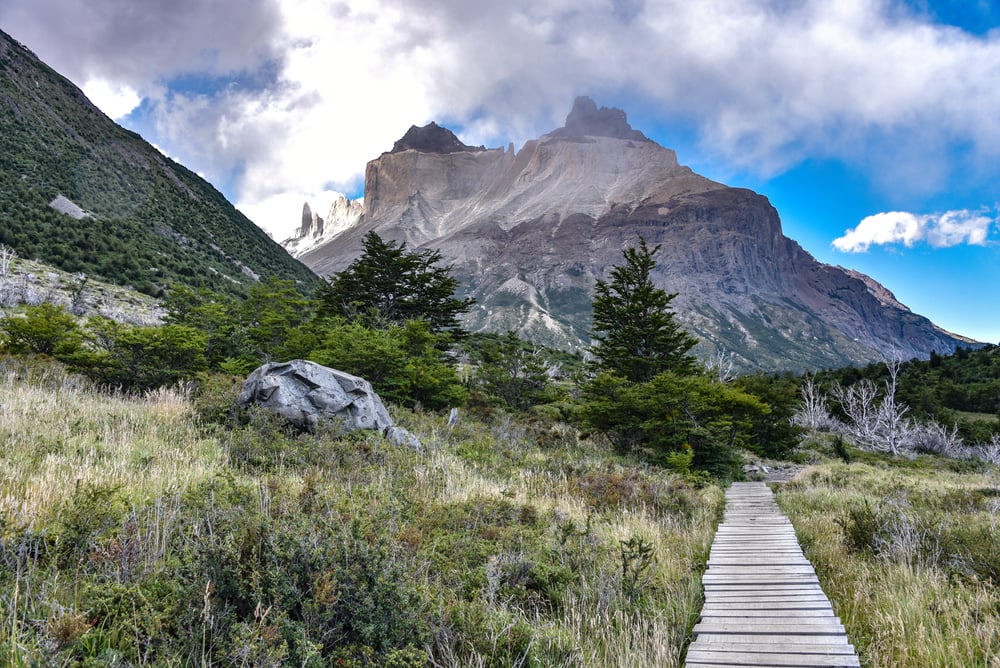
Patagonia’s signature trekking route subjects hikers to some of the world’s most violent winds, with gusts regularly exceeding 100 mph that can literally blow people off cliffs. The weather in this remote Chilean park changes without warning, creating whiteout conditions where hikers become disoriented and lost.
Rescue operations are complicated by the park’s isolation, making prevention the only realistic safety strategy.
Laugavegur Trail
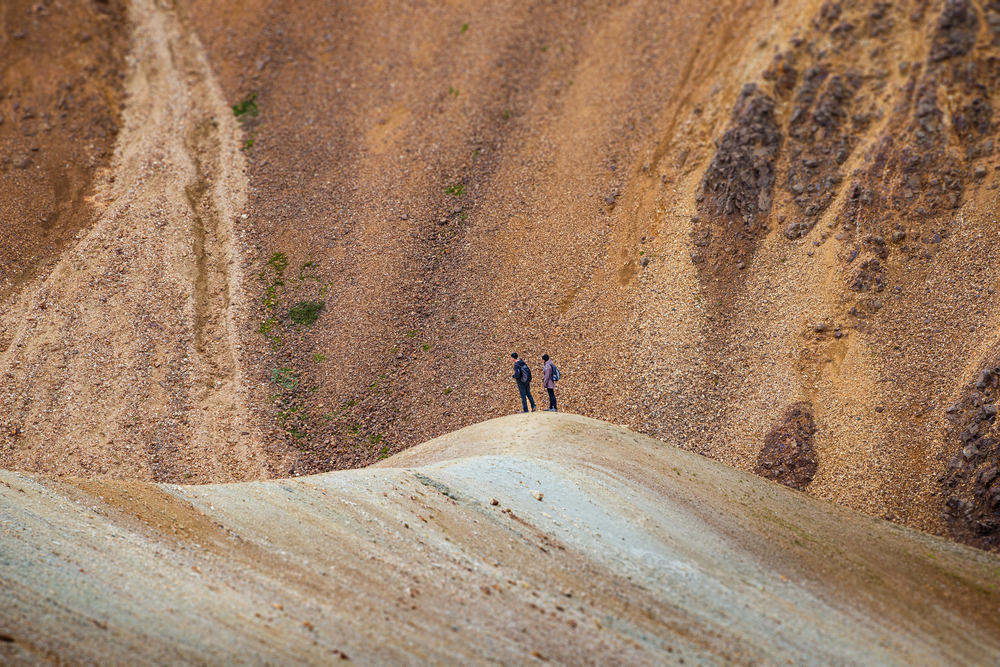
Iceland’s premier hiking route crosses unstable volcanic terrain where hikers risk falling through thin crust into boiling geothermal features or getting caught in sudden volcanic activity. River crossings become deadly torrents during storms, while Iceland’s notoriously unpredictable weather can trap hikers in life-threatening conditions.
The trail’s remote location means rescue operations are often delayed or impossible during severe weather events.
Like Go2Tutors’s content? Follow us on MSN.
Mount Elbert East Ridge
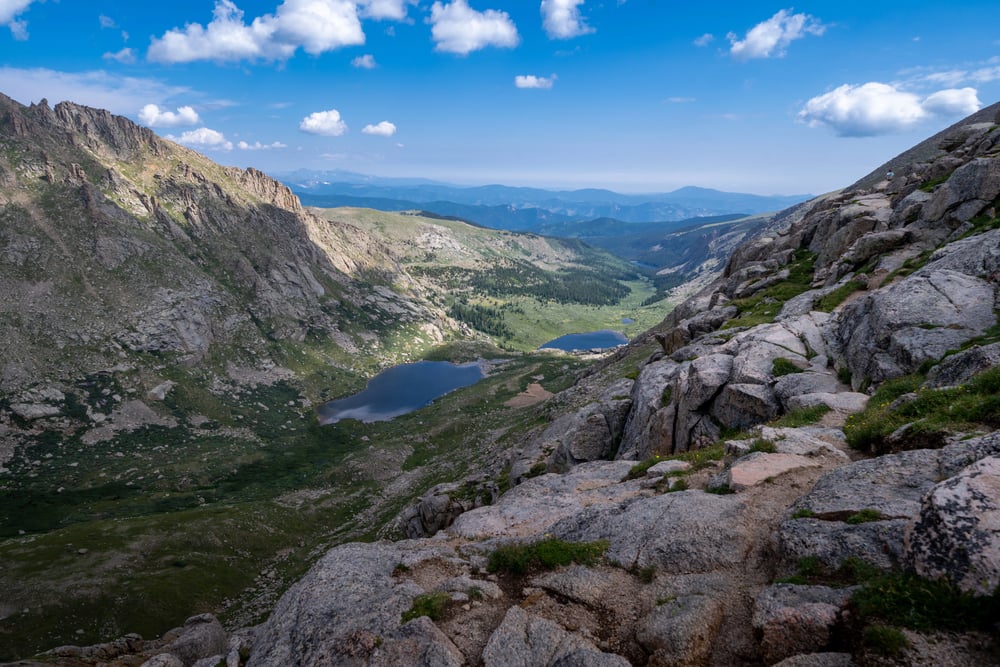
Colorado’s highest peak claims lives through altitude sickness and sudden thunderstorms that create lightning hazards above treeline. At 14,440 feet, the thin air affects even experienced hikers, while afternoon thunderstorms develop rapidly during summer months.
Lightning strikes are a serious concern on the exposed summit, where hikers have little protection from electrical storms.
Dientes de Navarino
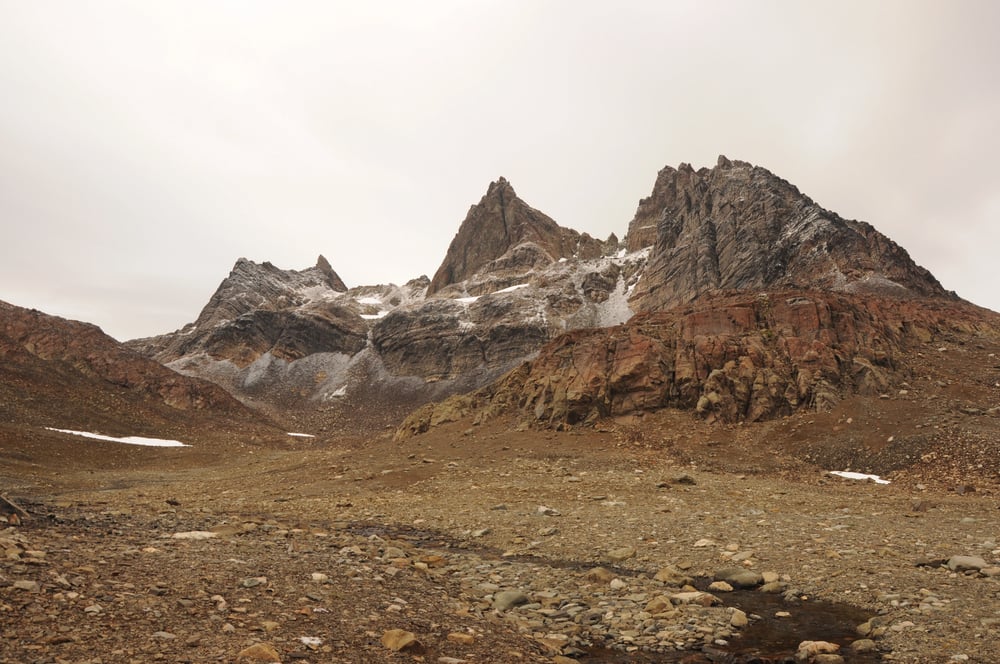
This remote circuit on Chile’s Navarino Island takes hikers through some of the world’s most hostile terrain, where rescue operations are nearly impossible due to extreme isolation. The trail crosses unstable peat bogs, navigates knife-edge ridges, and subjects hikers to Patagonian storms that can last for days.
Weather conditions are so severe that even experienced mountaineers consider this route among the most challenging in South America.
Mount Mitchell
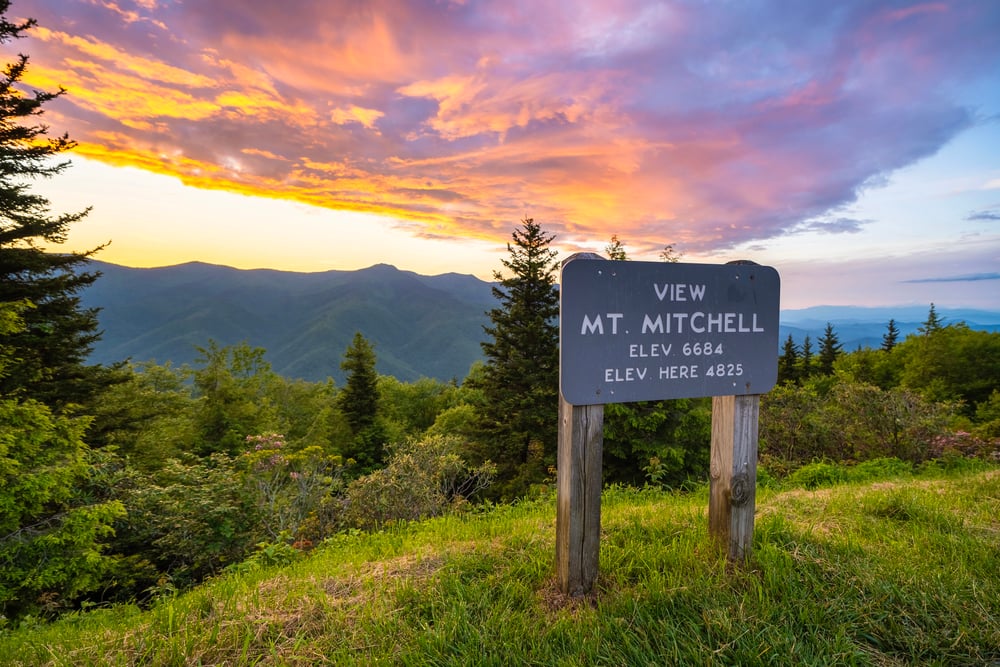
North Carolina’s highest peak experiences weather more similar to Canada than the southeastern United States, with temperatures dropping below freezing even during summer months. The mountain’s exposed summit attracts lightning during thunderstorms, while hypothermia remains a year-round threat due to rapid weather changes.
Dense fog can reduce visibility to just a few feet, causing hikers to become disoriented and lost on what should be straightforward trails.
Like Go2Tutors’s content? Follow us on MSN.
Ben Nevis Tourist Path
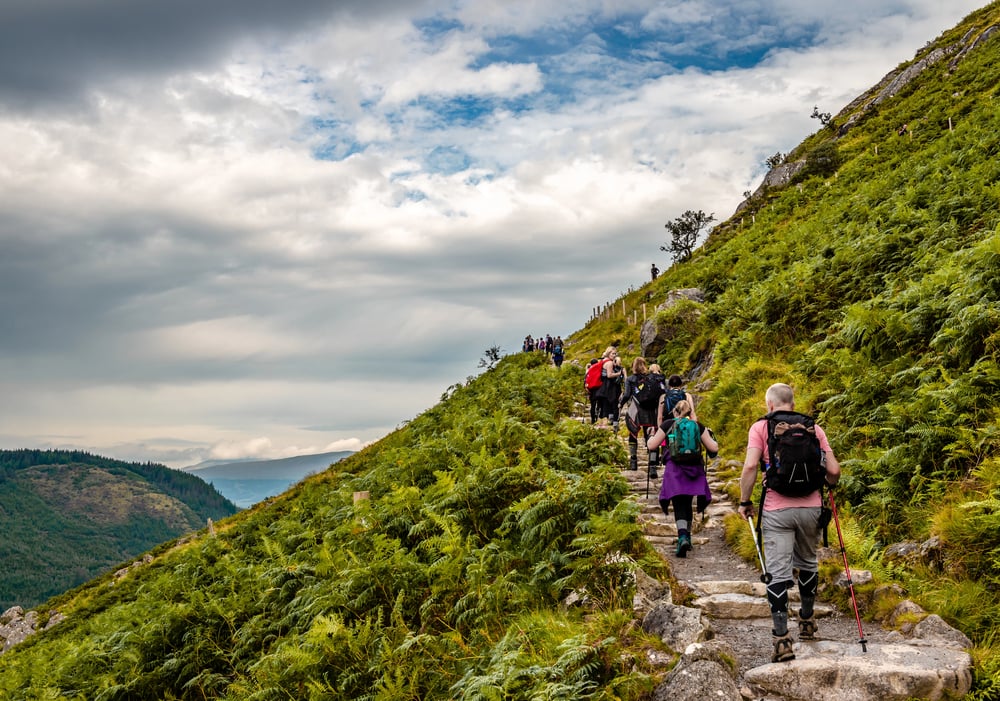
Scotland’s highest mountain appears deceptively manageable, yet claims more lives than many technically difficult peaks due to hikers underestimating its dangers. The “tourist path” becomes treacherous in winter conditions that can occur from October through May, with whiteout conditions and navigation challenges.
Many casualties result from inadequate preparation for Scotland’s harsh mountain weather and the route’s surprisingly technical terrain.
Where Adventure Meets Reality
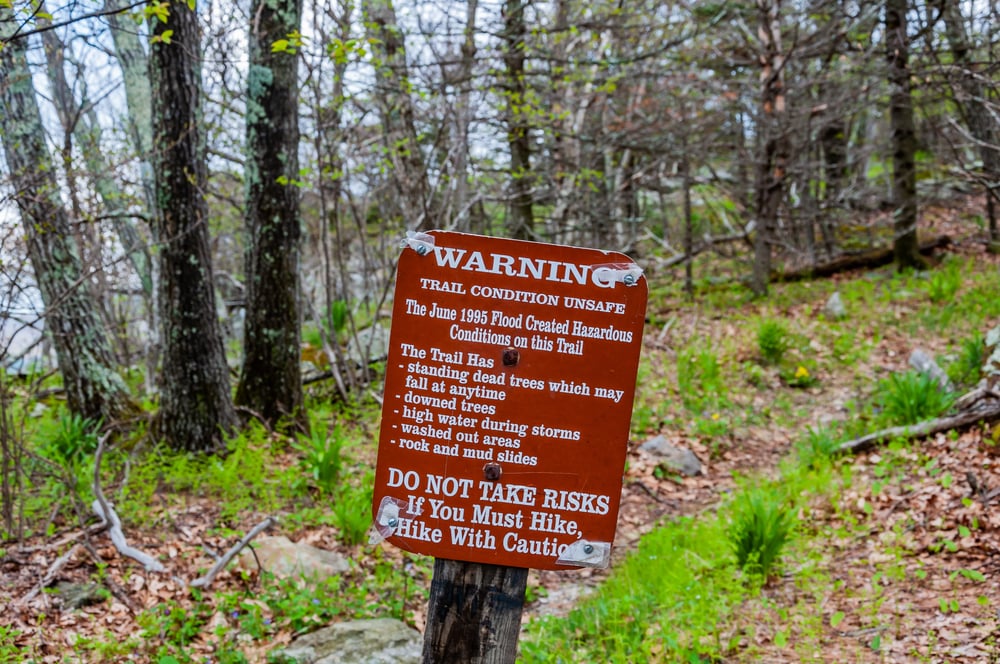
These trails represent the thin line between exhilarating adventure and genuine peril, reminding us that nature doesn’t distinguish between experienced mountaineers and weekend warriors. Each route demands respect, proper preparation, and honest assessment of personal abilities before attempting the challenge.
Though the warnings are real and the dangers substantial, thousands of hikers successfully complete these trails each year by taking precautions seriously and turning back when conditions deteriorate beyond their skill level.
More from Go2Tutors!

- 16 Historical Figures Who Were Nothing Like You Think
- 12 Things Sold in the 80s That Are Now Illegal
- 15 VHS Tapes That Could Be Worth Thousands
- 17 Historical “What Ifs” That Would Have Changed Everything
- 18 TV Shows That Vanished Without a Finale
Like Go2Tutors’s content? Follow us on MSN.