15 Defunct Items Only Millennials And Older Recall
Fast forward a bit – time zips by, yet tech races ahead without looking back. Yesterday’s essentials? They gather dust behind glass now.
Stuff we used daily just vanished, slipped off store displays and out of routines. Back then, childhood unfolded without smartphones around every corner.
Kids these days would barely recognize that version of normal. Step back in time, then notice how certain things once common are now gone.
Some objects just faded out, yet they shaped days long past.
Vhs Rewinders
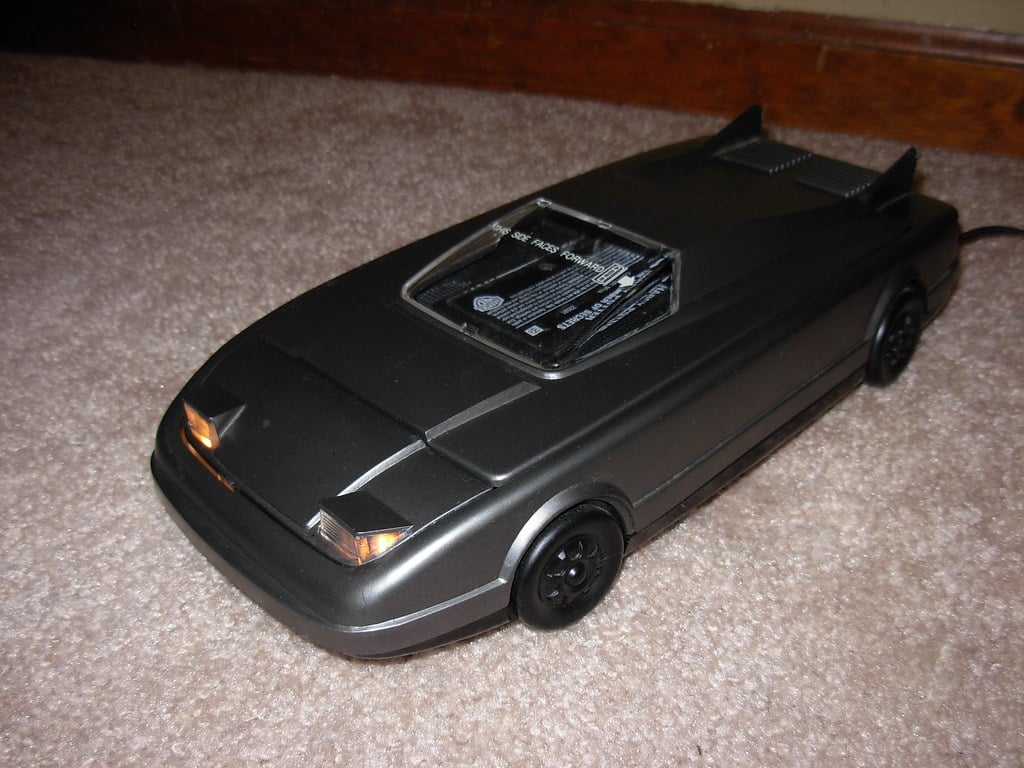
Back when movies lived on tapes, finishing a film left you with a tangled mess inside a plastic shell. Spinning it back took time – unless you had a gadget built just for that task.
Some looked like race cars, others mimicked wild shapes, but all they ever did was turn reels in reverse. Owning one meant less strain on the machine hooked to your TV.
Rental shops added fines for tapes handed in still unspooled. A small label stuck to each case said it plainly: return things how you found them.
Floppy Disks
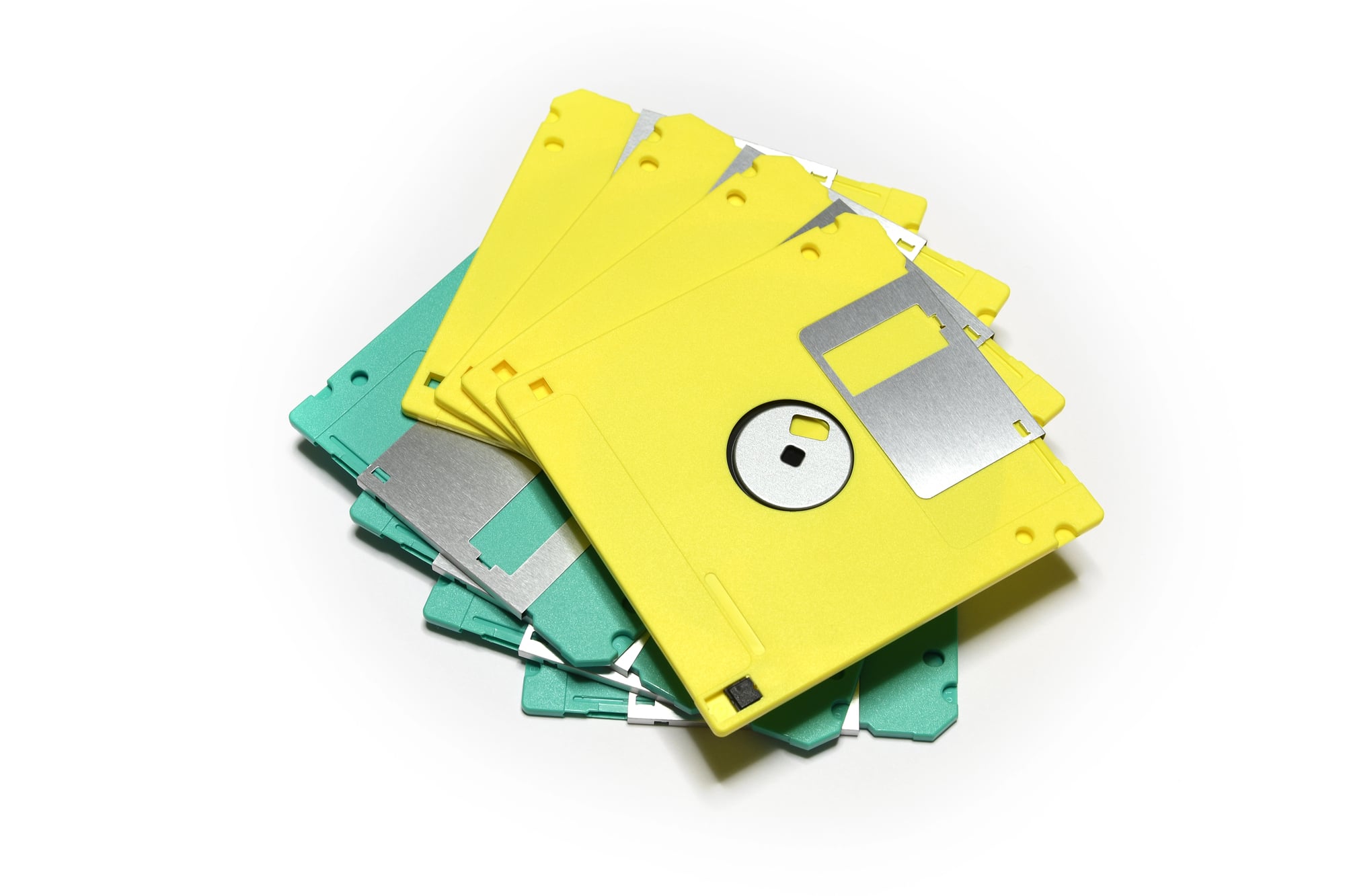
Tiny flat squares made of plastic could store just 1.44 megabytes, yet they carried schoolwork, games, and files without fail. Back then, children tucked them into bags as if guarding something precious, always worried the inner magnet might spoil everything.
That sharp click upon sliding it into the drive – followed by the whirring noise while things moved around – is stuck deep in memory for many. Even now, that old symbol on screens means “save,” although few under twenty know what it originally stood for.
Blockbuster Membership Cards
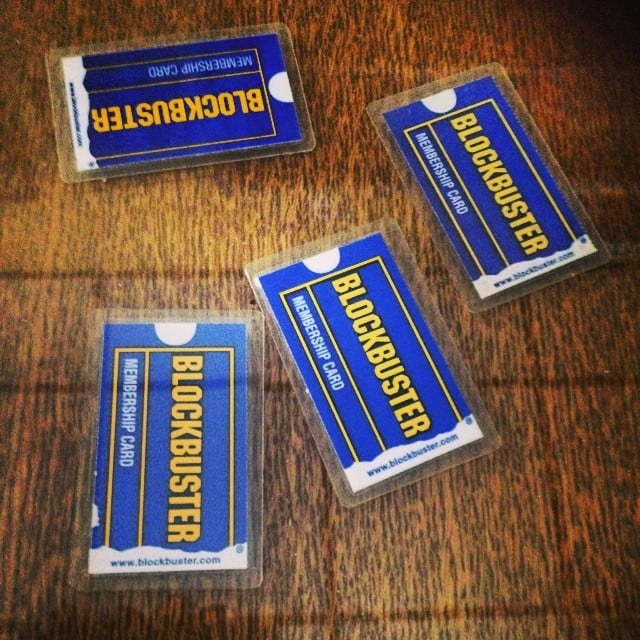
Weekend evenings used to mean a trip out to a brightly lit shop painted in bold blue and yellow. That little plastic card from Blockbuster? It wasn’t just membership – it opened doors to Friday night adventures.
Tucked beside your license or bank cards, it lived in pockets and purses like something essential. But then came those dreaded late charges – ouch – often pricier than the film you’d brought home.
When the last one shut down, it didn’t just close doors; it closed chapters on how families spent their nights together.
Phonebooks
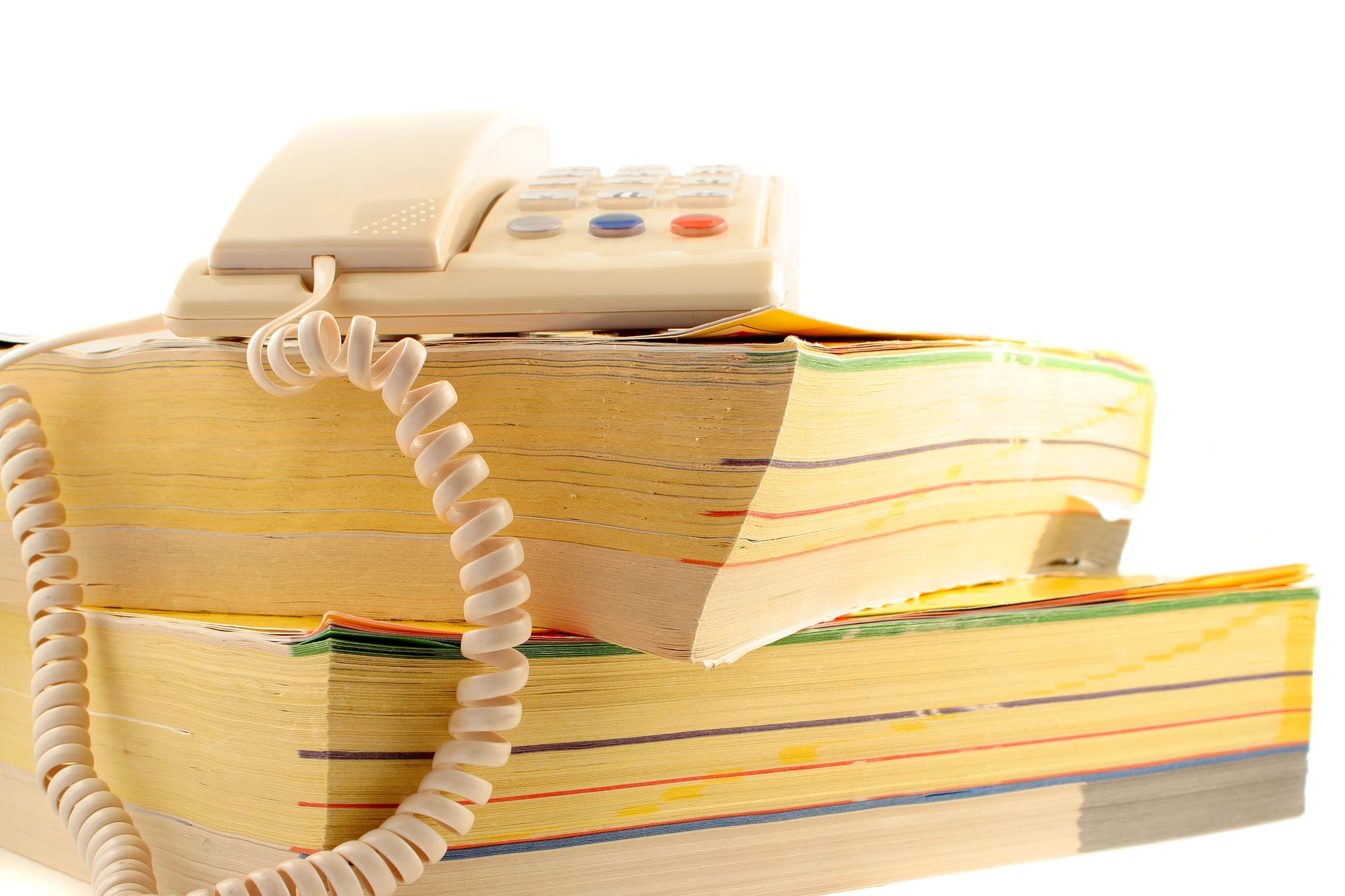
Each year, thick yellow volumes appeared on porches, packed with every local phone number and street location. Finding a shop meant flipping through pages instead of tapping a screen.
Neighbors got looked up just as often as plumbers or electricians. Some families even stacked them under little kids so they could reach their meal.
Tearing one down the middle once impressed guests at gatherings – proof of raw power. Today, digital searches make these paper heaps irrelevant.
To younger folks, they feel like relics from another century.
Dial-Up Internet
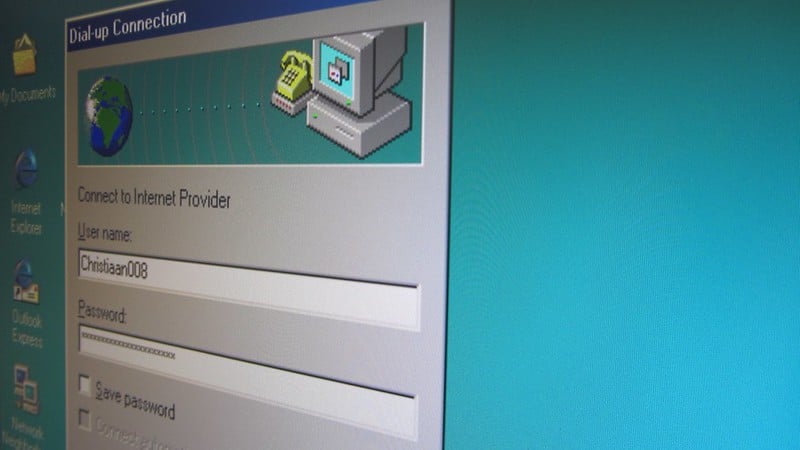
Hooking up to the web meant jamming a telephone line into your machine, then sitting through chirps and squeals. While someone browsed, the household phone went dead – arguments followed without fail.
Grabbing just one tune might eat up half an hour, page parts trickling in like cold syrup. That jarring handshake tone? It thrilled, it grated – it owned those dial-up days.
Connection lived in that racket.
Pagers
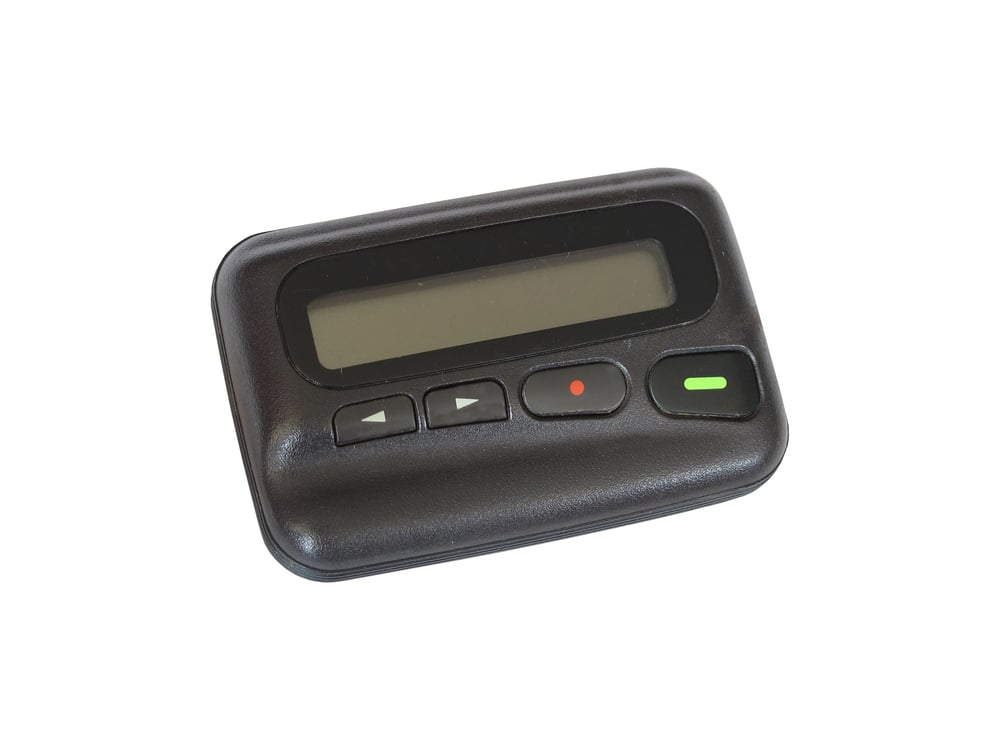
Before cell phones became affordable, professionals and teenagers carried small devices that beeped when someone wanted to reach them. Users had to find a payphone to call back the number displayed on the tiny screen.
Some people developed elaborate numeric codes to communicate messages like ‘143’ for ‘I love you’ or ‘911’ for emergencies. Doctors, drug dealers, and busy parents all relied on these gadgets until mobile phones made them obsolete practically overnight.
Overhead Projectors
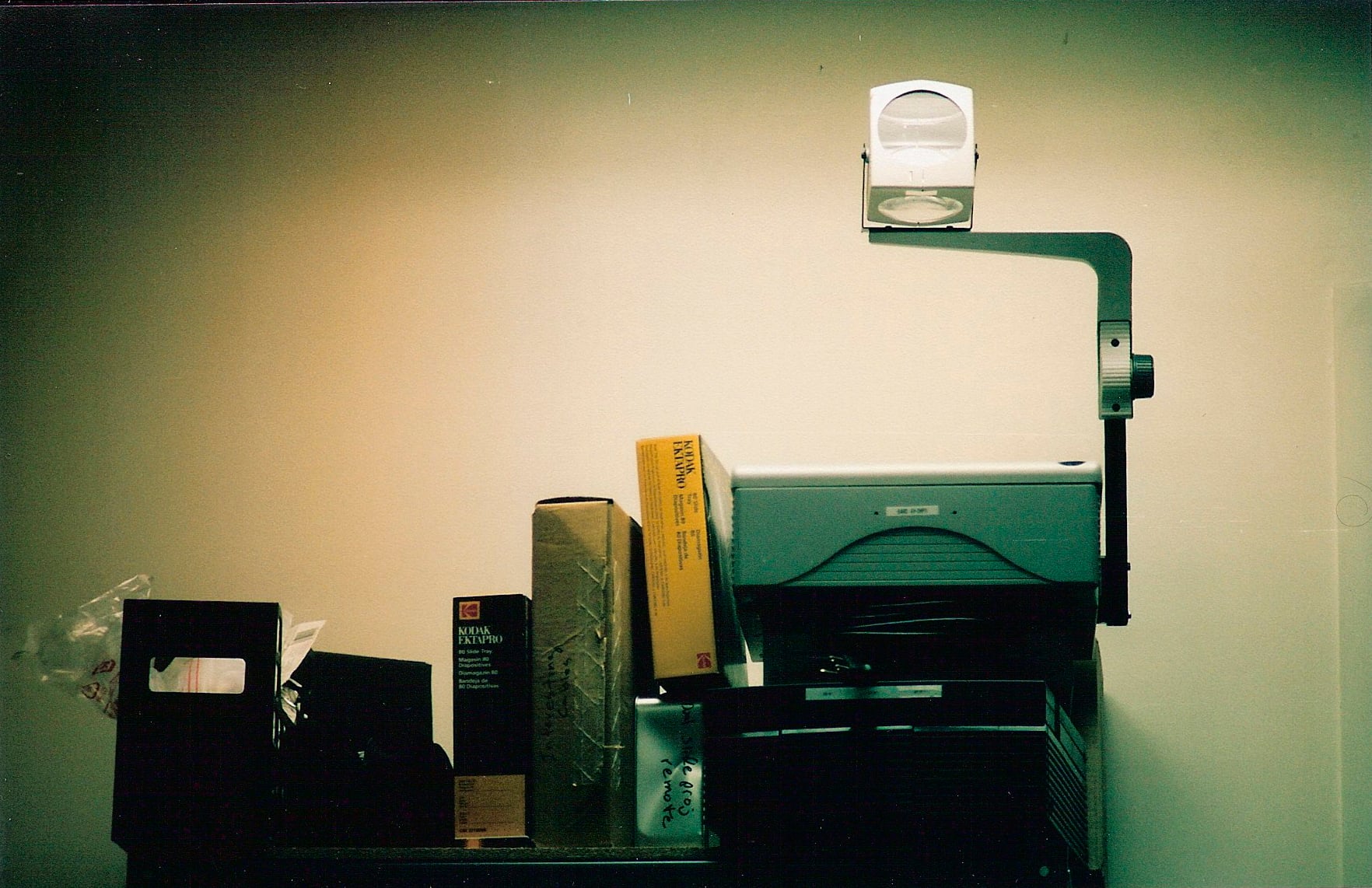
Teachers wheeled these bulky machines into classrooms to display transparent sheets on the wall. The bright light would heat up the plastic, sometimes warping it mid-lesson, and teachers would write on the sheets with special markers.
Students in the back row would squint at blurry text while the projector’s noisy fan hummed constantly. Modern smartboards and digital displays have completely replaced this technology, but the memory of that hot, bright square of light remains vivid.
Cassette Tape Adapters
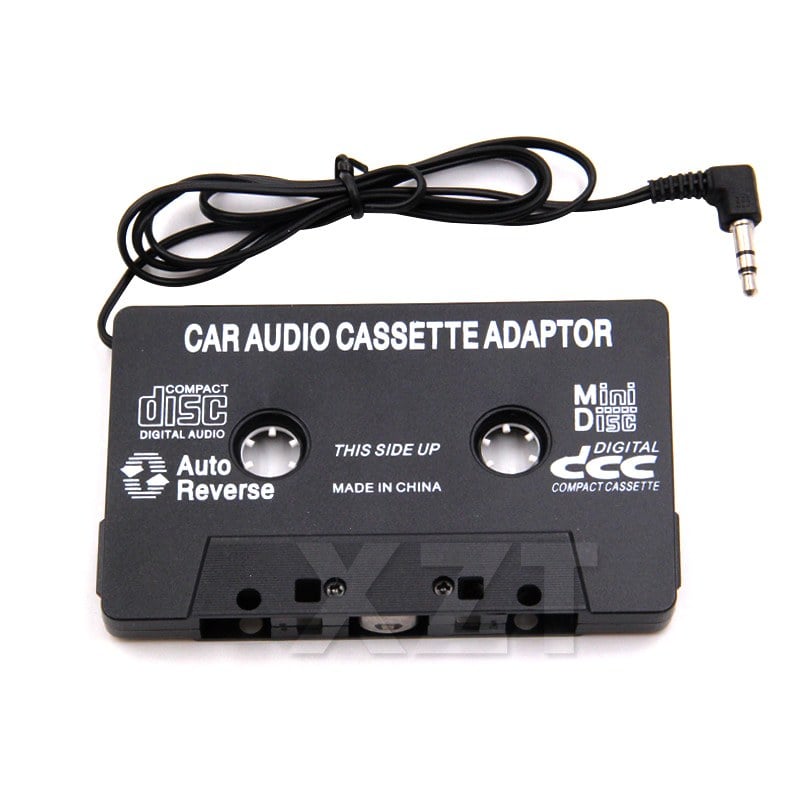
When car stereos only had tape decks but personal music had moved to CDs or MP3 players, these adapters saved the day. A fake cassette with a wire hanging out would plug into a portable device, letting drivers play their own music through the car speakers.
The sound quality was mediocre at best, and the wire would tangle constantly, but it beat listening to the same radio stations on repeat. This workaround disappeared when aux cords and Bluetooth became standard in vehicles.
Disposable Cameras
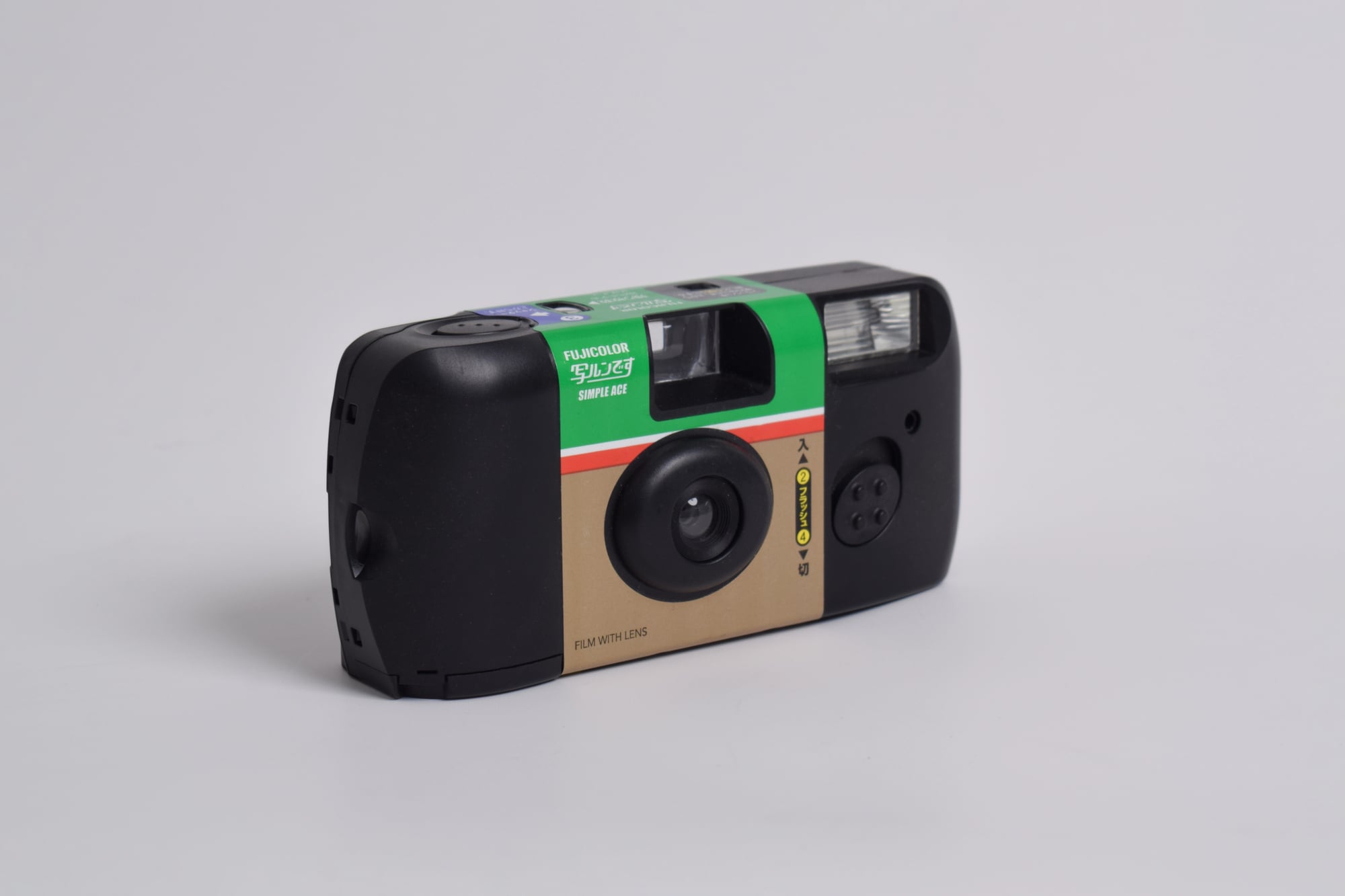
These lightweight plastic rectangles came pre-loaded with film for a set number of photos, usually twenty-four or twenty-seven shots. People brought them to weddings, vacations, and parties, then dropped them off at pharmacies to be developed days later.
The anticipation of waiting to see how pictures turned out added excitement, and bad shots couldn’t be deleted. Waterproof versions were summer staples at pools and beaches, capturing grainy but treasured memories.
Mapquest Directions
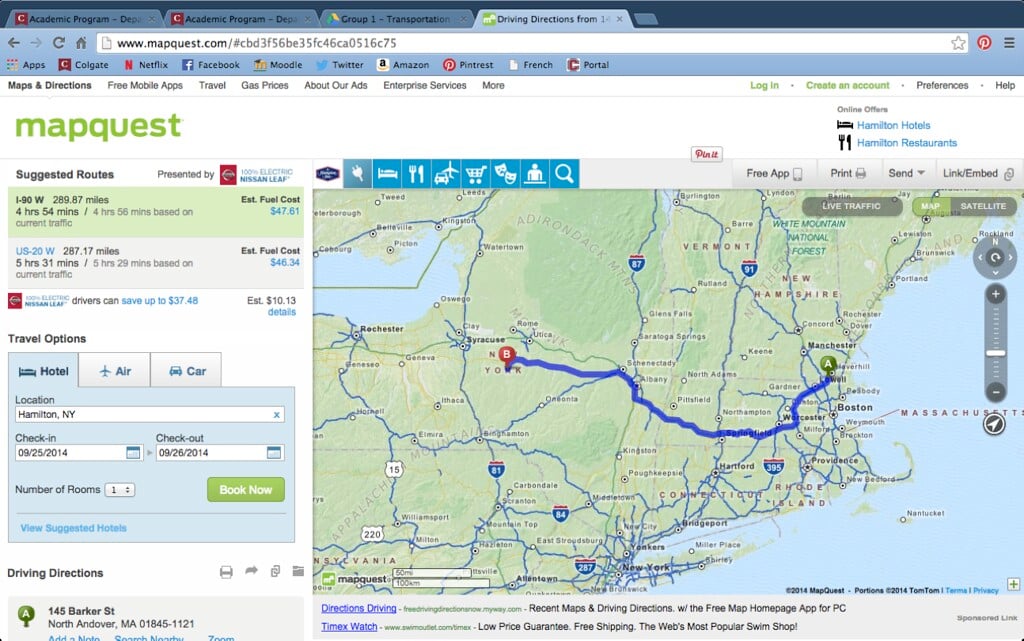
Planning a road trip meant printing out turn-by-turn directions from a website before leaving the house. These multi-page printouts would sit in the passenger seat, and missing a turn meant pulling over to figure out where things went wrong.
There was no rerouting, no traffic updates, and no satellite view to help visualize intersections. GPS and smartphone maps have made getting lost far less common, though some argue they’ve also made people worse at natural navigation.
Encyclopedias

Families would buy expensive sets of hardcover books that sat on shelves and provided information on thousands of topics. Students doing research had to flip through alphabetized volumes, take notes by hand, and cite page numbers.
Some salespeople went door-to-door selling these collections as educational investments. The internet has replaced them entirely, offering updated information instantly instead of facts frozen in time from whenever the books were published.
Answering Machines
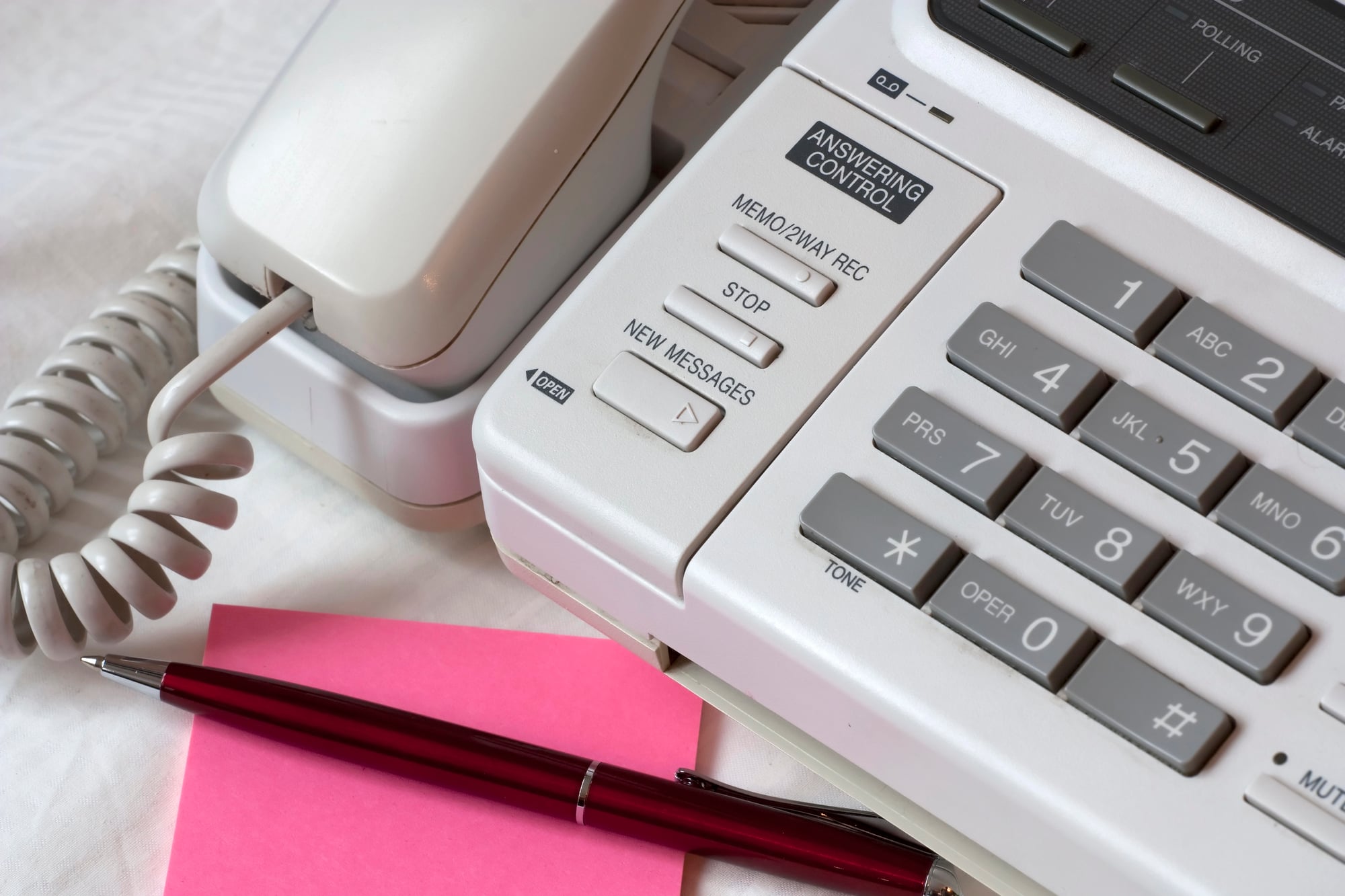
These devices recorded messages when no one was home to pick up the phone, with a blinking light indicating new recordings. People would screen calls by listening to who was talking before deciding whether to grab the receiver.
Some families had personalized outgoing messages recorded by children or set to music. Checking messages after a long day created suspense, unlike today’s immediate text notifications that remove all mystery.
Cd Towers
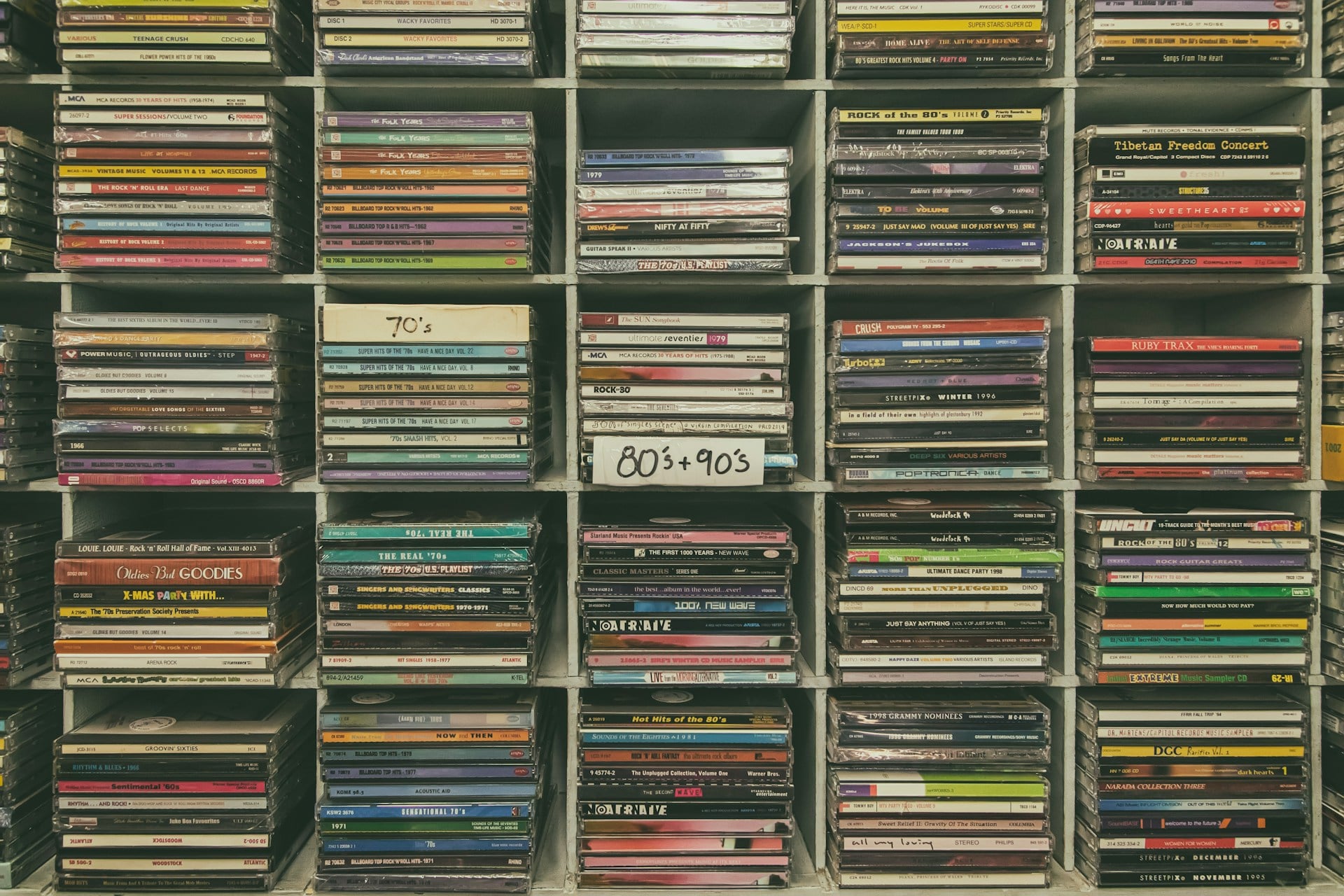
Music lovers displayed their CD collections in tall rotating racks or shelf units that held hundreds of discs. Organizing them alphabetically or by genre was a personal project, and lending a CD to a friend was a gesture of trust.
Scratched discs would skip during favorite songs, causing genuine frustration. Streaming services have made these physical collections feel quaint, though some people still keep them for nostalgia or the album artwork.
Film Canisters
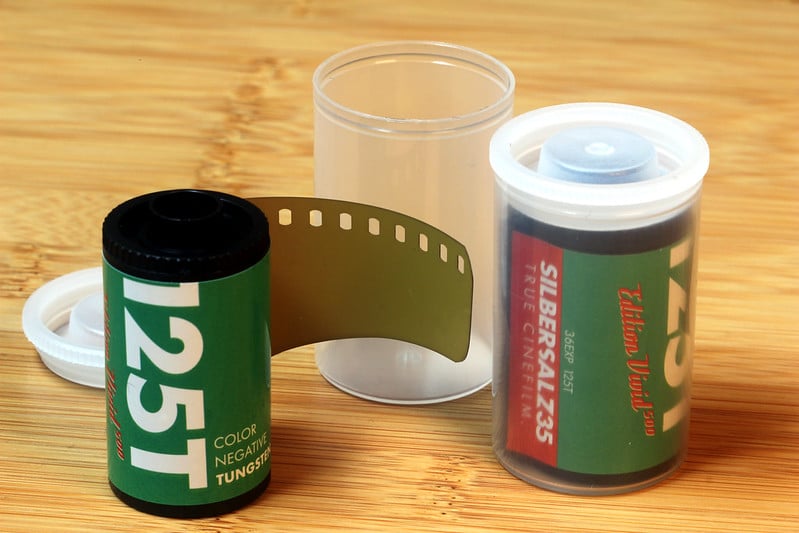
After taking photos, people would hand over small cylindrical containers of exposed film to be developed at photo labs. The negatives would come back in paper sleeves, and doubles cost extra.
Photographers kept these canisters around for storing small items like coins, pins, or craft supplies. The entire ritual of film photography, from loading cameras to organizing printed pictures in albums, has been replaced by digital convenience.
Tv Antennas With Aluminum Foil
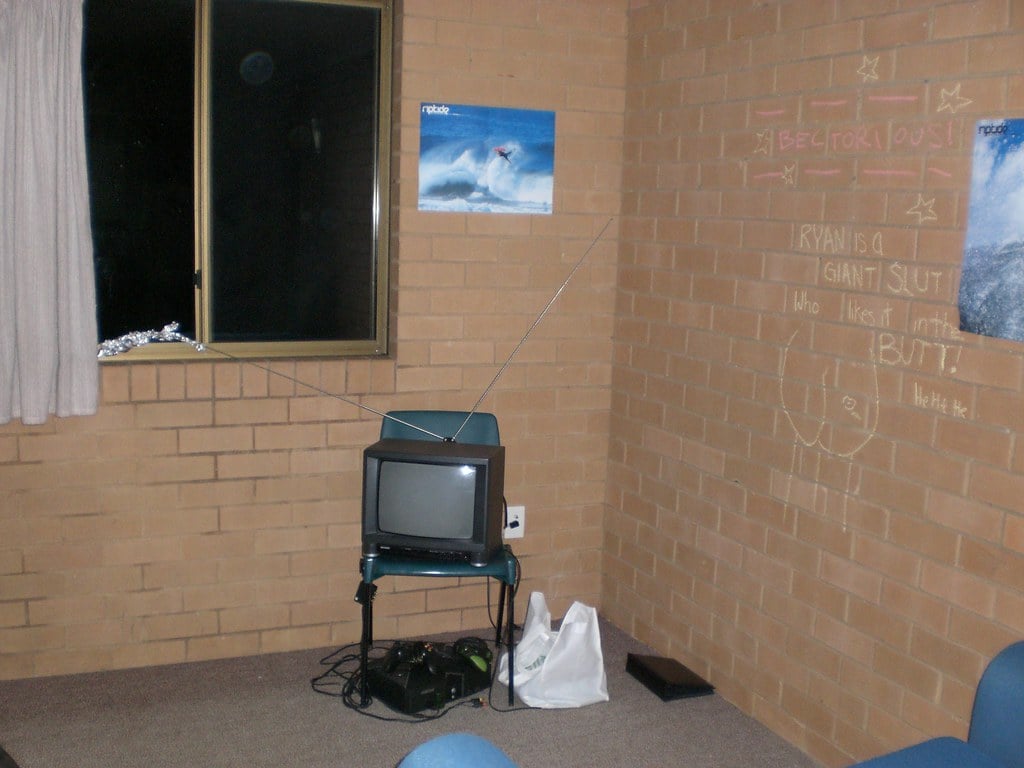
Rabbit ear antennas sat atop televisions, requiring constant adjustment to improve reception. Wrapping them in aluminum foil or having someone stand in a specific spot were common tricks to reduce static.
Local channels were free but limited, and bad weather meant fuzzy screens or complete signal loss. Cable and satellite TV made these antennas less necessary, and streaming has nearly eliminated broadcast television from many homes entirely.
Remembering Without Google
Life before search engines meant actually memorizing phone numbers, addresses, and random facts. Arguments about trivia would go unresolved for days until someone could check an encyclopedia or call a knowledgeable relative.
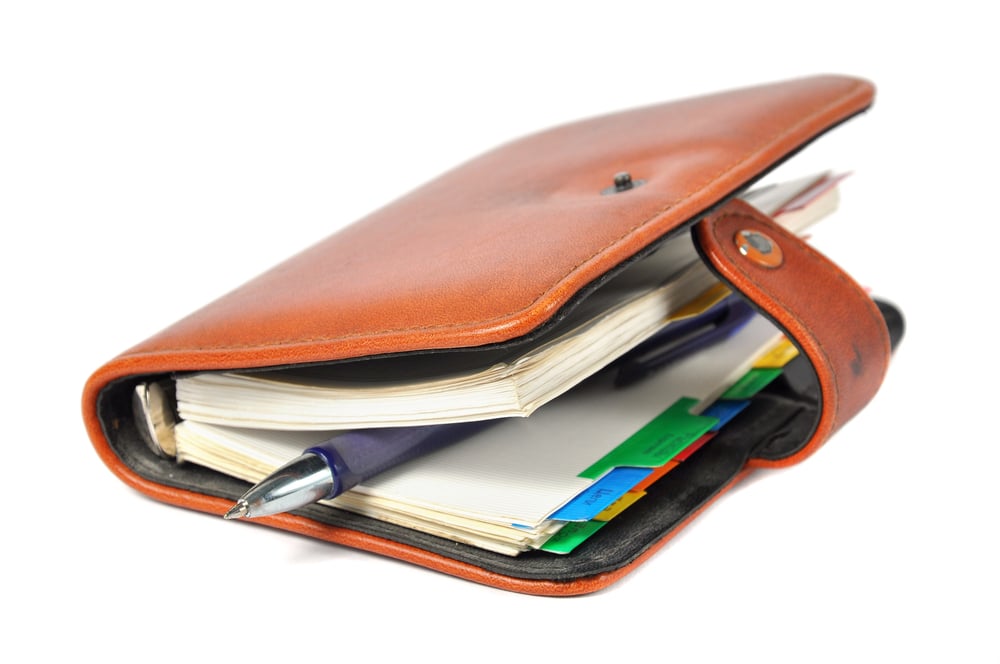
People kept address books with handwritten contact information and had to remember directions to places they visited regularly. The ability to instantly look up anything has fundamentally changed how brains store and retrieve information.
More from Go2Tutors!

- The Romanov Crown Jewels and Their Tragic Fate
- 13 Historical Mysteries That Science Still Can’t Solve
- Famous Hoaxes That Fooled the World for Years
- 15 Child Stars with Tragic Adult Lives
- 16 Famous Jewelry Pieces in History
Like Go2Tutors’s content? Follow us on MSN.