15 Desert Facts That Defy Expectations
Deserts often conjure images of endless sand dunes, scorching temperatures, and barren landscapes devoid of life. Yet these remarkable environments harbor extraordinary secrets and surprising realities that challenge our common perceptions. From unexpected biodiversity to extreme weather phenomena, desert ecosystems represent some of Earth’s most fascinating and misunderstood territories.
Here is a list of 15 desert facts that contradict what many people assume about these seemingly empty landscapes, revealing the complex and often counterintuitive nature of arid regions around the world.
Cold Deserts Exist

Not all deserts scorch with heat – in fact, Antarctica qualifies as the world’s largest desert despite being frozen. The technical definition concerns precipitation rather than temperature, with regions receiving less than 10 inches of annual rainfall earning a desert classification.
The McMurdo Dry Valleys of Antarctica haven’t seen rainfall in nearly 2 million years and maintain average temperatures around -20°F, creating an environment so harsh that NASA studies it as an analog for Mars conditions.
Desert Biodiversity Rivals Forests

Contrary to appearing lifeless, many deserts contain remarkable biodiversity – the Sonoran Desert alone hosts over 2,000 plant species and 550 vertebrate animal species. These harsh environments have driven extraordinary evolutionary adaptations like specialized water storage tissues and nocturnal lifestyles.
The Atacama Desert in Chile – despite being the driest non-polar desert on Earth – experiences periodic flowering events where dormant seeds burst into spectacular blooms across otherwise barren landscapes.
Like Go2Tutors’s content? Follow us on MSN.
Flash Floods Kill More Than Heat
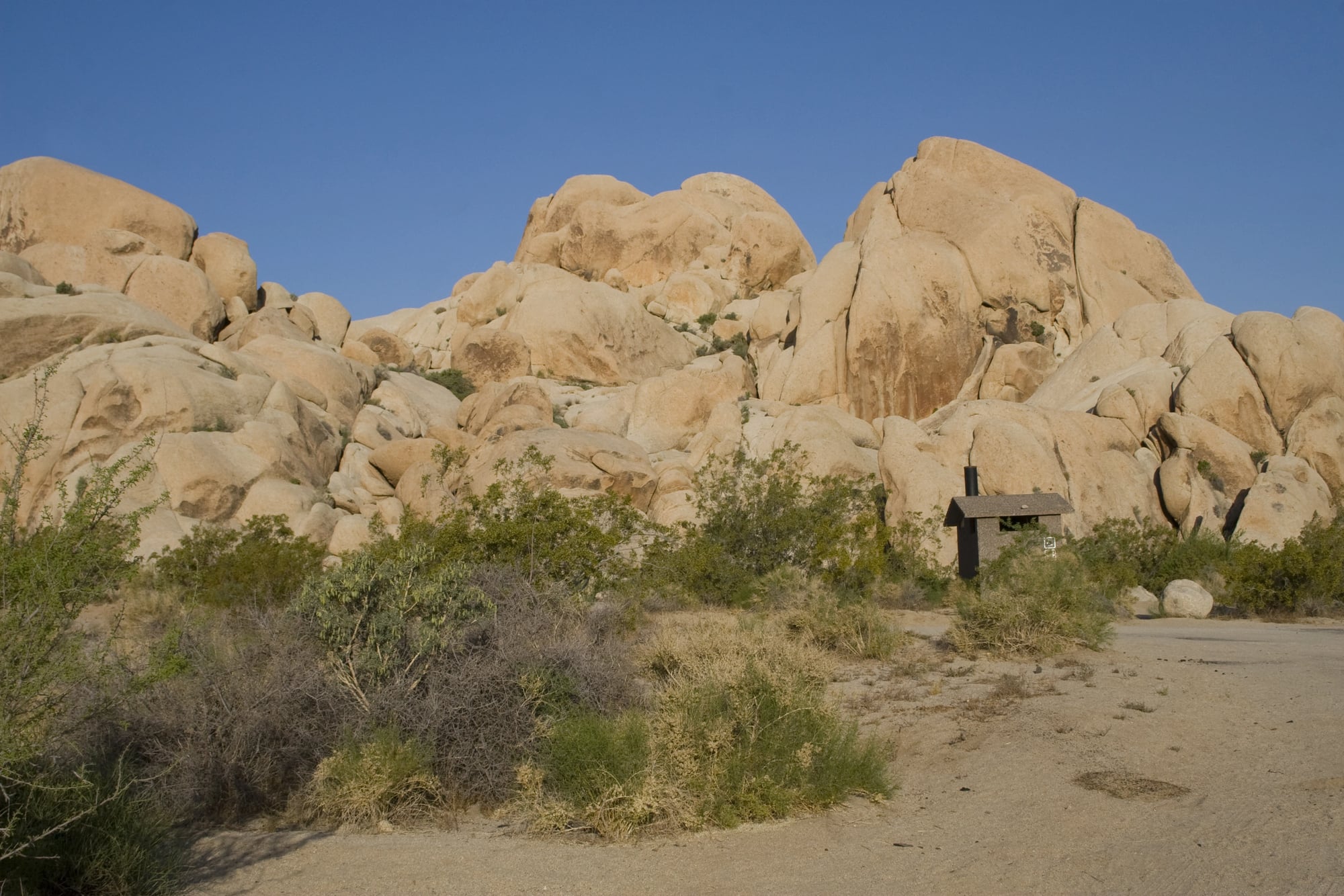
The leading cause of death in North American deserts isn’t dehydration or heatstroke – it’s drowning in flash floods. Desert soil typically contains high clay content and minimal organic material – creating nearly impermeable surfaces during rainfall events.
Water rushing off mountains can generate walls of water reaching 30 feet high through narrow canyons with minimal warning. These sudden floods transform bone-dry washes into raging torrents within minutes, catching hikers completely unprepared.
Desert Rain Evaporates Mid-Air
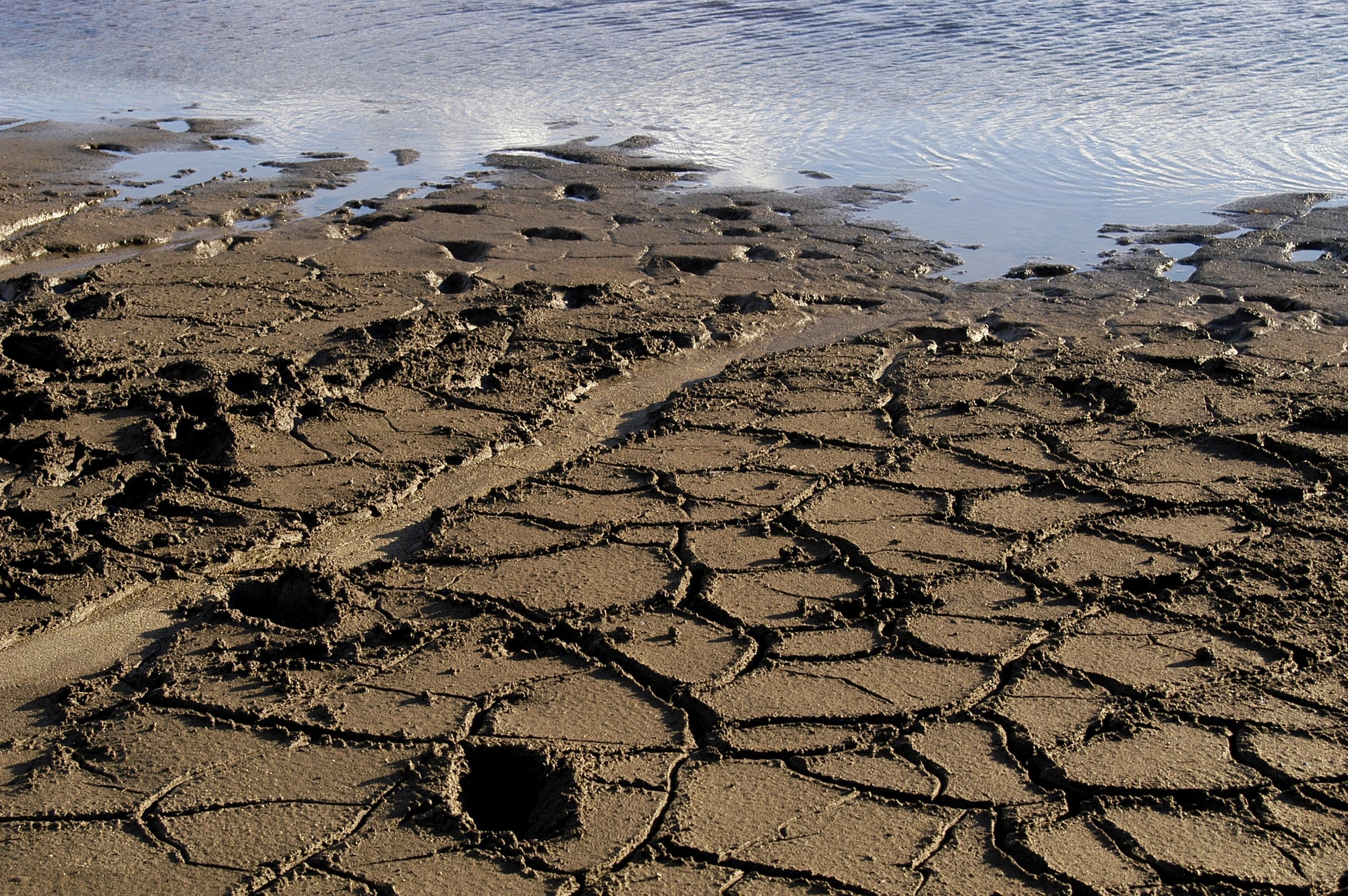
In desert areas, where rainwater evaporates before it reaches the ground, a phenomenon known as virga frequently occurs. As a result, clouds produce breathtaking curtains of precipitation that never bring moisture to the arid terrain below.
Water droplets go straight from a liquid to a vapor state due to the tremendous heat emanating from arid surfaces and the incredibly low humidity. As desert floors stay absolutely dry, this atmospheric peculiarity manifests as spectral sheets hanging from thunderclouds.
Desert Plants Reverse Photosynthesis

CAM photosynthesis is an adaptation that some desert plants, such as ocotillo, have developed that allows them to stop and reverse regular photosynthesis processes. Desert specialists open their stomata at night to absorb carbon dioxide while reducing water loss, in contrast to regular plants that open their pores during the day.
These plants can survive in environments where traditional photosynthesis would quickly result in lethal dehydration since they effectively function in reverse to that of typical vegetation.
Like Go2Tutors’s content? Follow us on MSN.
Desert Varnish Preserves Ancient Art

Mysterious dark coatings called desert varnish form on rock surfaces throughout arid regions – composed of clay minerals combined with iron and manganese oxides. These slow-growing patinas accumulate at rates of merely a few nanometers per year – meaning substantial coatings represent thousands of years of development.
Ancient peoples created petroglyphs by etching through this varnish to reveal lighter rock beneath, producing artwork that remains visible thousands of years later despite exposure to extreme conditions.
Moving Stones Phenomenon

Death Valley’s Racetrack Playa features a perplexing phenomenon – hundreds of rocks that appear to move across the desert floor independently, leaving long trails behind them. Scientists finally solved this mystery in 2014 after decades of speculation – discovering that rare conditions create thin sheets of ice that allow winds to push even heavy stones across the slick surface.
The stones only move every few years when precise temperature, moisture, and wind conditions align – explaining why the phenomenon proved so difficult to document.
Desert Soil Lives

What appears to be empty desert ground often contains biological soil crusts – living communities of cyanobacteria, algae, fungi, lichens, and mosses that form a vital ecosystem foundation. These living crusts capture nitrogen from the atmosphere – manufacture organic compounds from sunlight – and stabilize soil against erosion.
A single footstep can destroy crusts that required decades to develop, making them exceptionally vulnerable to human disturbance despite their critical ecological role.
Like Go2Tutors’s content? Follow us on MSN.
Desert Cities Outgrow Water Supplies
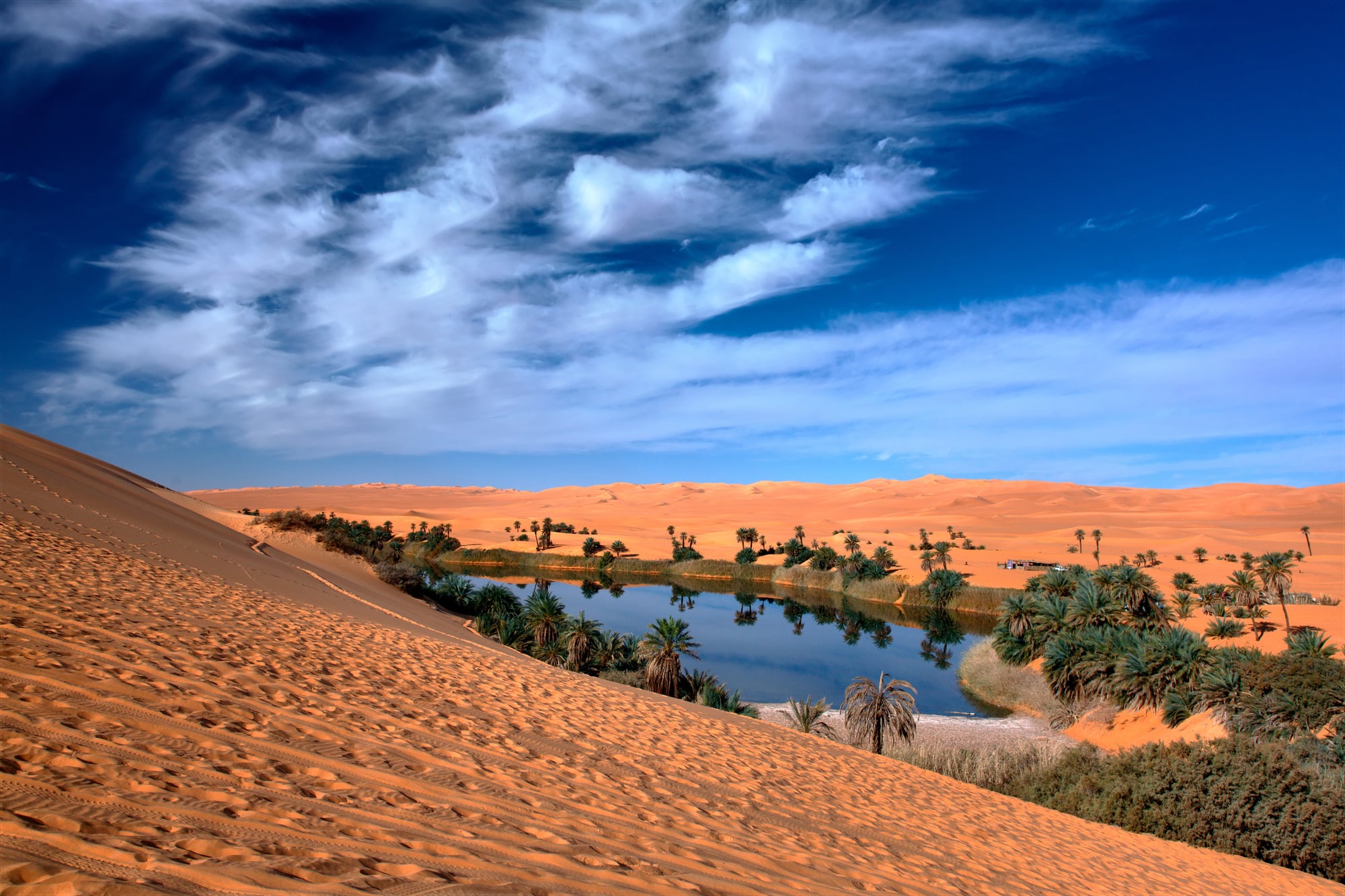
Some of America’s fastest-growing metropolitan areas sit in severe desert environments – creating unprecedented water management challenges. Phoenix receives roughly 8 inches of annual rainfall yet averages 300 gallons of daily water consumption per household.
The city’s population has expanded twentyfold since 1950 while relying primarily on finite groundwater and distant river sources. This growth model represents one of the most ambitious attempts to transform natural desert limitations through technology and infrastructure.
Deserts Expand Yearly

Desertification claims approximately 30 million acres of formerly productive land annually – an area equivalent to Maine disappearing every year. This process occurs through complex interactions of climate change, unsustainable agriculture, deforestation, and overgrazing.
Once vegetation diminishes beyond critical thresholds, soil erosion accelerates, and temperature extremes intensify – creating feedback loops that accelerate the transformation. Nearly two billion people currently live in areas experiencing active desertification processes.
Desert Gold Rushes Continue

Modern mining operations extract billions in mineral wealth from desert regions – continuing centuries-old patterns of resource exploitation in arid lands. The Australian outback produces over 40% of the world’s iron ore despite extreme isolation and harsh conditions.
Contemporary desert mining extends beyond traditional resources to include rare earth elements crucial for modern technologies. These operations often face extraordinary logistical challenges while balancing economic opportunities against environmental impacts in fragile ecosystems.
Like Go2Tutors’s content? Follow us on MSN.
Desert Night Skies Outshine Cities
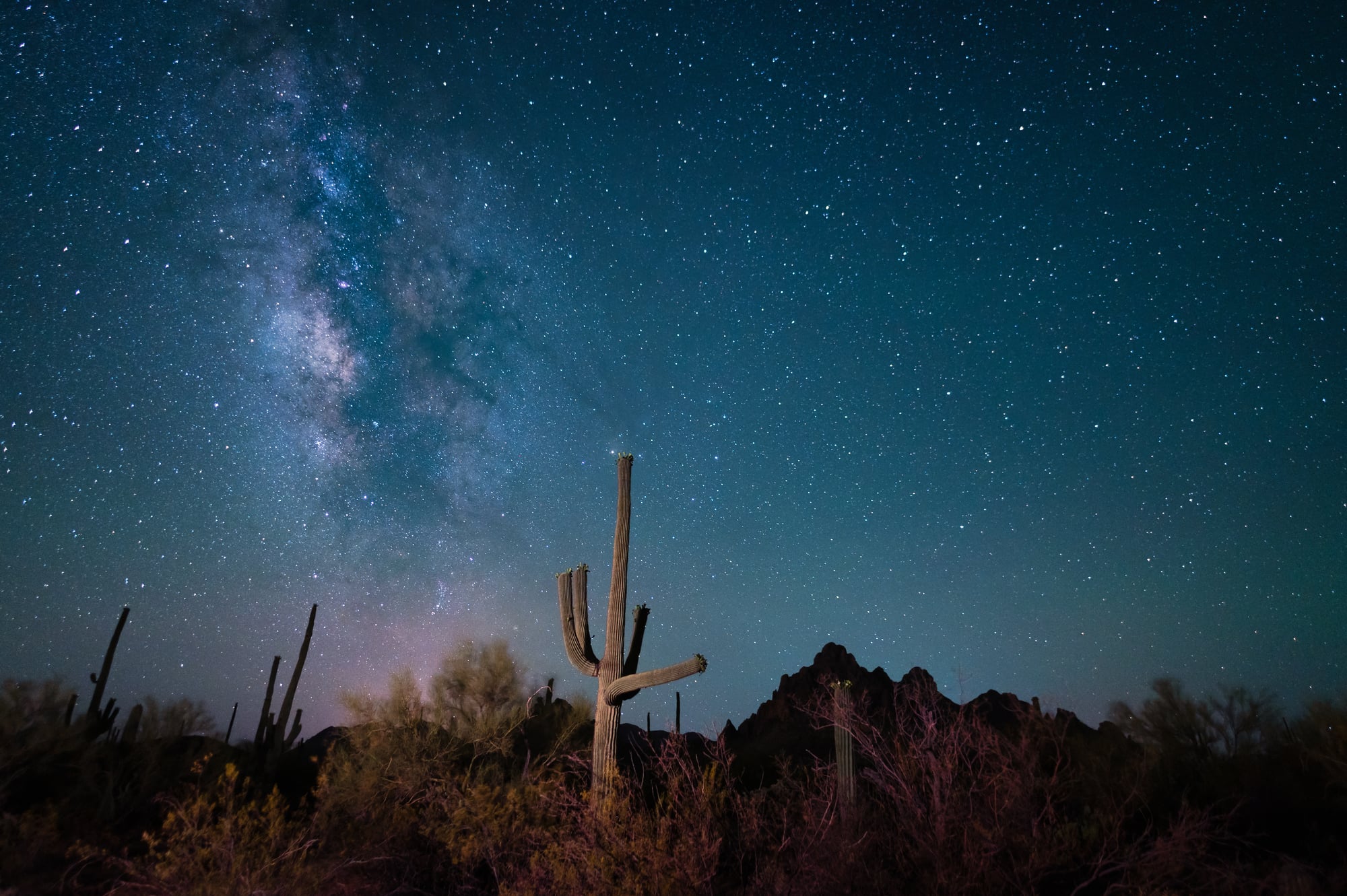
Dark sky preserves in desert regions provide astronomical viewing conditions unmatched anywhere else on Earth. The combination of high elevations, minimal atmospheric moisture, and distance from light pollution creates perfect stargazing environments.
Professional observatories cluster in desert regions precisely because these conditions allow telescopes to function at maximum effectiveness. Natural Bridges National Monument in Utah became the world’s first certified International Dark Sky Park due to its extraordinary nighttime visibility
Desert Temperatures Fluctuate Extremely
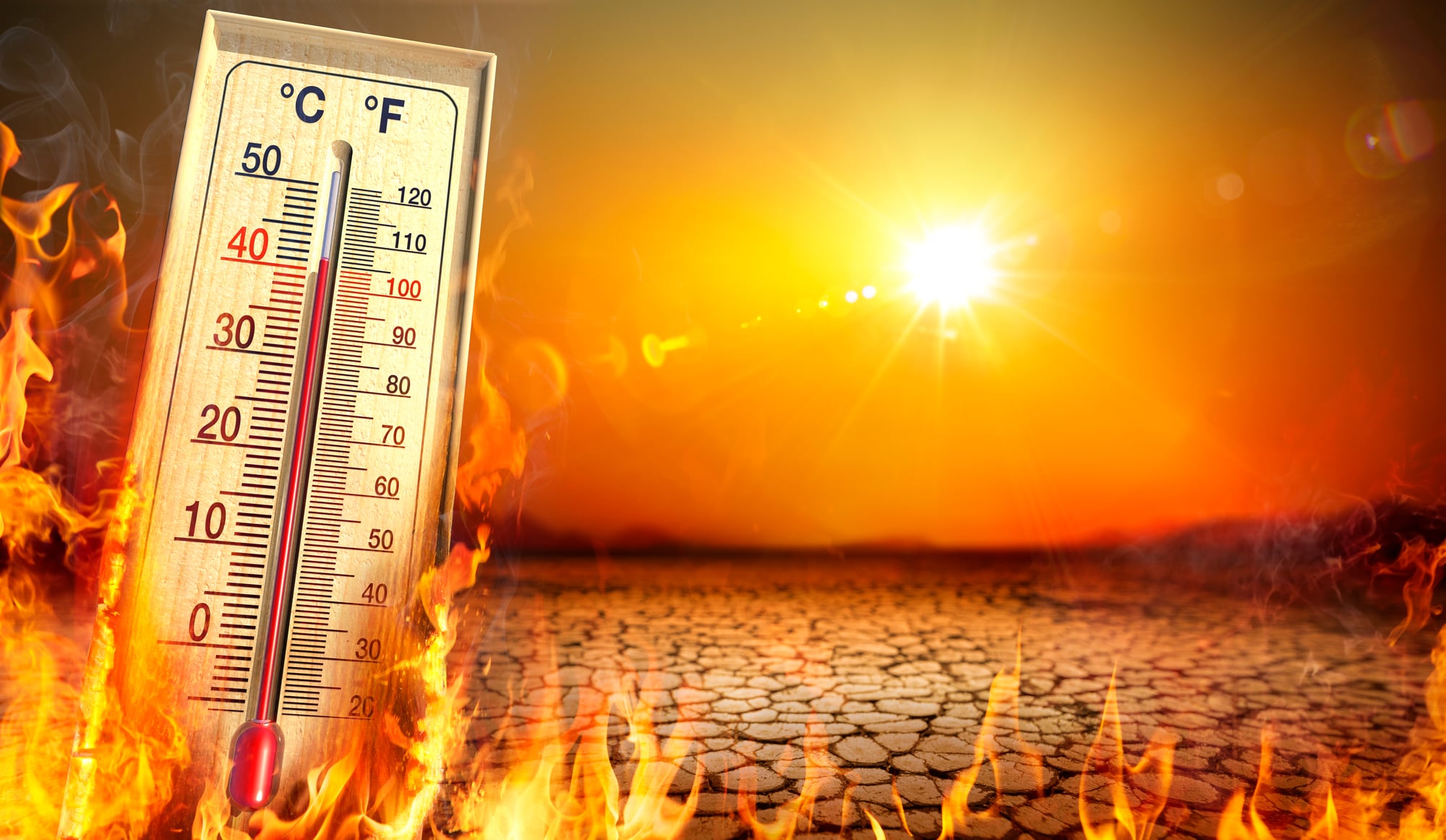
Daily temperature swings in deserts regularly exceed 50 degrees within 24 hours – forcing organisms to cope with both freezing and scorching conditions in a single day. The absence of insulating cloud cover allows intense solar radiation during daylight while permitting rapid heat loss after sunset.
The Sahara Desert commonly reaches 120°F during afternoon hours before plummeting below freezing overnight. These dramatic fluctuations create specialized adaptation requirements beyond mere heat tolerance.
Desert Water Ecosystems Thrive

Oases and desert springs support astonishingly diverse aquatic communities despite their isolation amid hostile surroundings. The limestone formations at Ash Meadows in Nevada harbor the greatest concentration of endemic species in the United States – including creatures found nowhere else on Earth.
These desert water systems often contain ancient lineages that have evolved in isolation for millions of years. Their fragility makes them particularly vulnerable to groundwater depletion from human activities.
Like Go2Tutors’s content? Follow us on MSN.
Desert Agriculture Feeds Millions

Advanced irrigation techniques transform desert regions into agricultural powerhouses that supply fresh produce year-round to distant markets. California’s Imperial Valley converted a harsh desert into farmland that produces over $2 billion annually in crops despite receiving just 3 inches of yearly rainfall.
Similar transformations occur across global deserts from Israel’s Negev to Peru’s coastal desert. These agricultural systems remain highly productive while raising complex questions about water sustainability and ecosystem modification.
Shifting Perceptions

The contradictions within desert environments challenge conventional assumptions about what constitutes harshness versus abundance in natural systems. These extreme landscapes demonstrate extraordinary resilience through specialized adaptations rather than overwhelming productivity.
Understanding desert complexity becomes increasingly important as climate change expands arid conditions into previously temperate regions worldwide.
The surprising realities of desert ecosystems remind us to question simplified narratives about any natural environment. What initially appears empty often contains complex systems operating by unfamiliar rules.
These remarkable landscapes demand reconsideration not as wastelands but as specialized environments with unique ecological solutions to environmental challenges.
More from Go2Tutors!

- 18 Unexpectedly Valuable Collectibles You Might Have Lying Around
- 20 Little-Known Historical Battles That Had Huge Consequences
- 20 Historical Artifacts That Scientists Can’t Explain
- 15 Inventions That Were Immediately Banned After Being Created
- 20 Actors Who Were Almost Cast in Iconic Roles
Like Go2Tutors’s content? Follow us on MSN.