14 Massive Openings in the Earth That Are Terrifying
Standing at the edge of something vast and bottomless changes you. The earth beneath your feet suddenly feels less solid, less permanent.
These massive chasms and craters scattered across our planet remind us that the ground we walk on isn’t as stable as we’d like to believe. Some formed naturally over thousands of years, while others appeared overnight.
Each one tells a different story about the raw power lurking just below the surface.
The Door to Hell Burns Without End

Turkmenistan’s Darvaza Gas Crater has been burning since 1971. Soviet geologists were drilling for natural gas when the ground collapsed beneath their equipment, creating a crater about 230 feet wide.
They set it on fire thinking the gas would burn out in a few weeks. That was over 50 years ago.
The flames never stop. Day and night, fire shoots up from hundreds of points across the crater floor. The heat is so intense that you can’t get close to the edge without feeling your face burn.
Local residents call it the Door to Hell, and when you see it glowing orange against the desert night, the name makes perfect sense. The methane keeps feeding the flames from deep underground.
Nobody knows when or if it will ever stop burning.
Guatemala City’s Sinkhole Swallowed Buildings Whole

In 2010, a perfect cylinder opened up in Guatemala City and swallowed a three-story building. The sinkhole measured about 60 feet wide and dropped 300 feet straight down.
One minute the street was there, the next minute it wasn’t. This wasn’t the city’s first sinkhole.
Another one had appeared in 2007, also perfectly round, also terrifyingly deep. The geology beneath Guatemala City combines soft volcanic rock with underground water systems that carve out hidden cavities.
When those cavities get too large, the surface just collapses. People in that neighborhood now walk their streets wondering what’s hollowed out beneath them.
The ground could open up anywhere, anytime.
Dean’s Blue Cave Drops 663 Feet Into Darkness

The Bahamas hold the world’s deepest blue pit, and it sits just offshore from Long Island. Dean’s Blue Cave starts as a shallow lagoon, then plunges straight down into an underwater abyss that reaches 663 feet deep.
Free divers love this place, but it’s killed several people. The walls are nearly vertical, and the depth creates strange pressure effects that disorient even experienced divers.
At a certain depth, the water turns from bright turquoise to deep indigo, then to black. That transition marks the point where many divers have made fatal mistakes.
The cave keeps going deeper than anyone has fully explored. What’s down there in the darkness remains unknown.
Xiaozhai Tiankeng Is a 2,000-Foot Drop

China’s Chongqing region contains the deepest sinkhole on earth. Xiaozhai Tiankeng measures over 2,000 feet from rim to floor, with nearly vertical walls. A small river disappears into the bottom, feeding an underground system that extends for miles.
The scale makes it hard to comprehend until you’re standing at the edge. Trees growing at the bottom look like tiny shrubs from above.
The walls support their own distinct ecosystems at different depths, with species that exist nowhere else on earth. Local legends say the sinkhole leads to the underworld.
When clouds roll in and fill the pit with mist, you can understand why people believed that.
The Great Blue Pit of Belize Goes Straight Down

This perfectly circular formation sits off the coast of Belize, visible from space as a dark blue circle in the lighter turquoise waters. The Great Blue Cave drops 407 feet through limestone formations that were once dry land thousands of years ago.
Divers who descend past 130 feet enter a layer of toxic hydrogen sulfide that looks like a false bottom. Below that layer, the cave opens into massive chambers filled with ancient stalactites.
The formations hang at strange angles because the entire structure tilted when sea levels rose. Jacques Cousteau called it one of the top diving sites in the world, but he also noted how many divers had died there.
The depth, the darkness, and the maze of chambers below the main pit create a lethal combination.
The Kimberley Mine Dug Into Money and Death

South Africa’s Big Pit started as a diamond find in 1871 and turned into the largest hand-dug excavation in history. Miners with picks and shovels carved out a pit that eventually reached 790 feet deep and 1,500 feet wide.
50,000 miners worked this pit over the years, and many never left. Cave-ins, falls, and mining accidents killed hundreds.
The work conditions were brutal, but the diamonds kept men digging deeper. They stopped digging in 1914, but the pit remains.
Now filled partially with water, it sits as a reminder of how far humans will go for wealth. The town of Kimberley grew around this crater, a city built on the edge of a chasm.
Kola Superdeep Borehole Reached Toward the Center

The Soviet Union wanted to drill deeper than anyone had ever gone. The Kola Superdeep Borehole project started in 1970 on Russia’s Kola Peninsula, and the drill kept going down for over 20 years.
They reached 40,230 feet before stopping. That’s deeper than the deepest part of the ocean. At that depth, the rocks were 356 degrees Fahrenheit, far hotter than predicted.
The drill bit would melt after just a few hours of work. The borehole is only nine inches wide, but it drops through seven miles of rock.
Scientists found microscopic fossils at depths where nothing should survive. They recorded sounds that some described as “screaming,” though it was just the noise of rocks grinding under enormous pressure.
The project ended in 1992, but the borehole remains, sealed with a heavy metal cap. Nobody knows what might eventually seep up from those depths.
Mirny Diamond Mine Carved Out a Crater City

Another Soviet mining project, this one in Siberia, created a pit so large that helicopters can’t fly over it safely. The Mirny Mine reaches 1,722 feet deep and over half a mile wide.
The downdrafts created by the pit’s shape have sucked aircraft down into the crater. Mining trucks took two hours to drive from the bottom to the top on the spiral road carved into the walls.
Winter temperatures at the bottom of the pit could hit minus 60 degrees, cold enough to freeze diesel fuel in the trucks’ tanks. They stopped digging in 2004, but the pit remains as the center of a city built around mining.
Mirny exists because of this crater, and the town seems small compared to the massive excavation beside it.
The Sarlacc Pit of Turkmenistan Opened Without Warning

In 2014, shepherds near Darvaza in Turkmenistan woke to find a new crater that hadn’t existed the day before. This crater didn’t catch fire like the nearby Door to Hell.
Instead, it just sat there, about 200 feet wide and perfectly round, like something had punched through from below. The formation happened silently in the night.
No earthquake, no warning signs. The ground just collapsed, leaving a perfectly circular depression with vertical walls.
Scientists think underground gas pockets created a cavity that finally gave way. The shepherds named it after the monster pit from Star Wars because the walls look like they’re lined with teeth.
The crater sits empty now, but everyone knows more could open up at any time in this region.
Montserrat’s Exclusion Zone Contains a Dead Capital
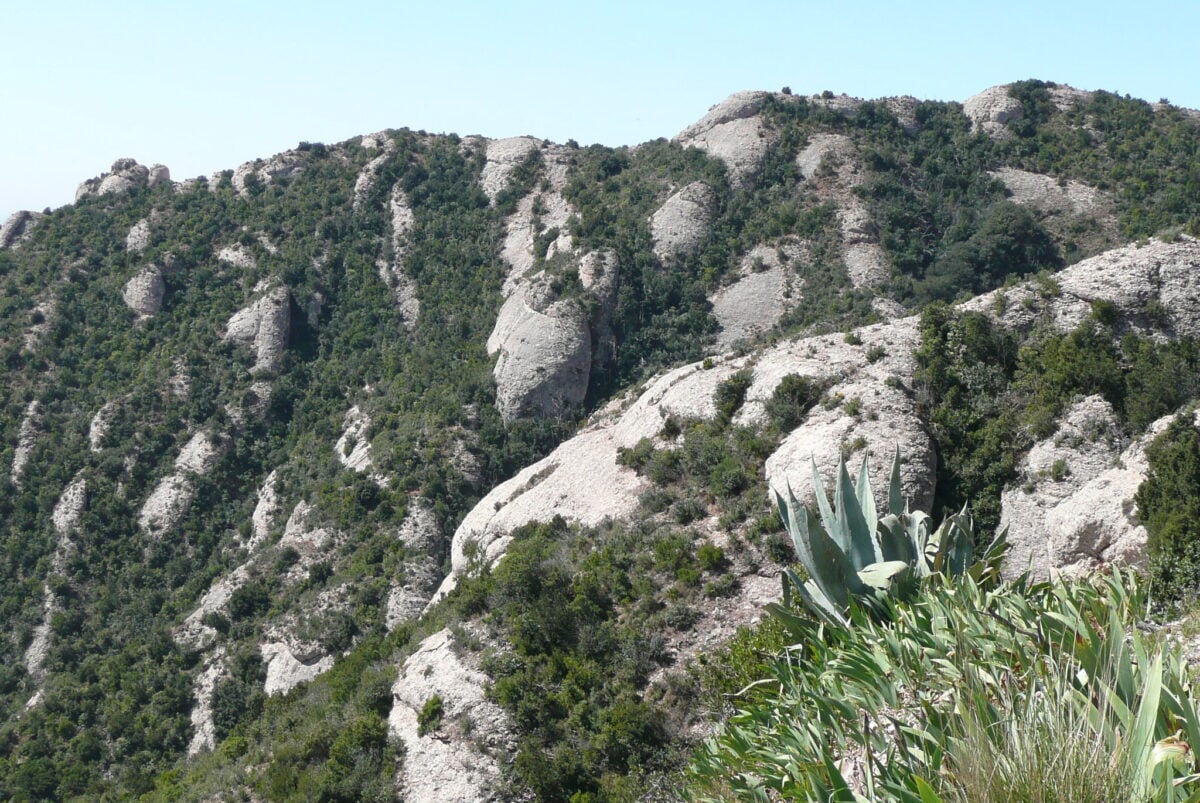
When the Soufrière Hills volcano erupted in 1995, it buried the capital city of Plymouth in volcanic debris. But the disaster created more than just destruction.
The pyroclastic flows carved out massive chasms and created deep rifts throughout the southern part of the island. The exclusion zone remains off-limits today. Buildings still stand, partially buried in ash and mud.
The volcanic activity hollowed out sections of the island, creating unstable ground that could collapse at any moment. You can visit the edge of the exclusion zone and look across at the abandoned city. But you can’t enter.
The ground is too unstable, the volcanic gases too toxic. The chasms carved by the eruption are still growing.
Bingham Canyon Mine Removes Mountains One Truck at a Time

Utah’s Bingham Canyon copper mine is the largest human-made excavation on earth. The pit measures over 2.5 miles wide and three-quarters of a mile deep.
You can see it from space, a massive spiral carved into the mountains. Every day, trucks the size of houses carry 450,000 tons of rock out of this pit.
They’ve been mining here since 1906, and the pit keeps getting bigger. In 2013, one of the walls collapsed in the largest non-volcanic landslide in North America’s history. 165 million tons of rock slid into the pit.
The mine will eventually stop expanding, but that won’t happen for decades. Until then, the pit grows deeper and wider every single day.
The Sarychev Peak Crater Punches Through the Clouds

The Kuril Islands contain dozens of volcanic craters, but Sarychev Peak stands out. When this volcano erupts, the crater vents with such force that it punches through weather systems.
Satellite photos captured an eruption in 2009 that created a clear circle in the clouds above the volcano. The crater itself drops hundreds of feet into the volcanic cone, with a small lava lake at the bottom that rises and falls with the volcano’s activity.
Steam vents constantly, and the sulfur deposits paint the crater walls yellow and orange. This volcano erupts regularly, usually without warning.
The crater grows a bit deeper with each eruption as the explosion blasts away more rock.
Devil’s Sinkhole Hosts Millions of Bats

Texas Hill Country hides a vertical cave that drops 400 feet straight down into darkness. The Devil’s Sinkhole measures 40 feet wide at the surface but expands into a massive chamber below.
The opening looks small until you realize how far down it goes. Three million Mexican free-tailed bats live in the cave.
Every evening at sunset, they spiral up and out in a tornado-like formation that lasts for hours. The bats fly up through the narrow opening in a streaming column that looks like smoke rising from the earth.
The cave continues deeper than the main chamber, but the passages become too dangerous to explore. The ecosystem in that darkness remains mostly unknown.
Mount Tambora’s Crater Changed History
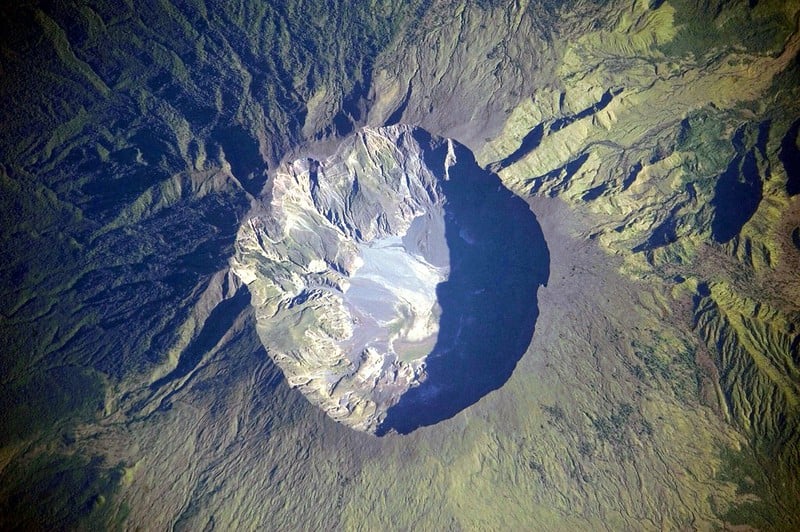
The 1815 eruption of Mount Tambora in Indonesia was the most powerful volcanic explosion in recorded history. The eruption killed over 70,000 people directly and changed global weather patterns for years.
It created “The Year Without a Summer” in 1816, causing crop failures and famine worldwide. The explosion blew 4,000 feet off the mountain’s peak and created a crater four miles wide.
The crater is deep enough that it now contains a lake, but the walls drop so steeply that climbing them is deadly. The volcano is still active.
The crater continues to vent gases, and scientists monitor it constantly for signs of another major eruption. Nobody knows when Tambora might blow again, but when it does, the crater will get even deeper.
The Weight of Empty Space
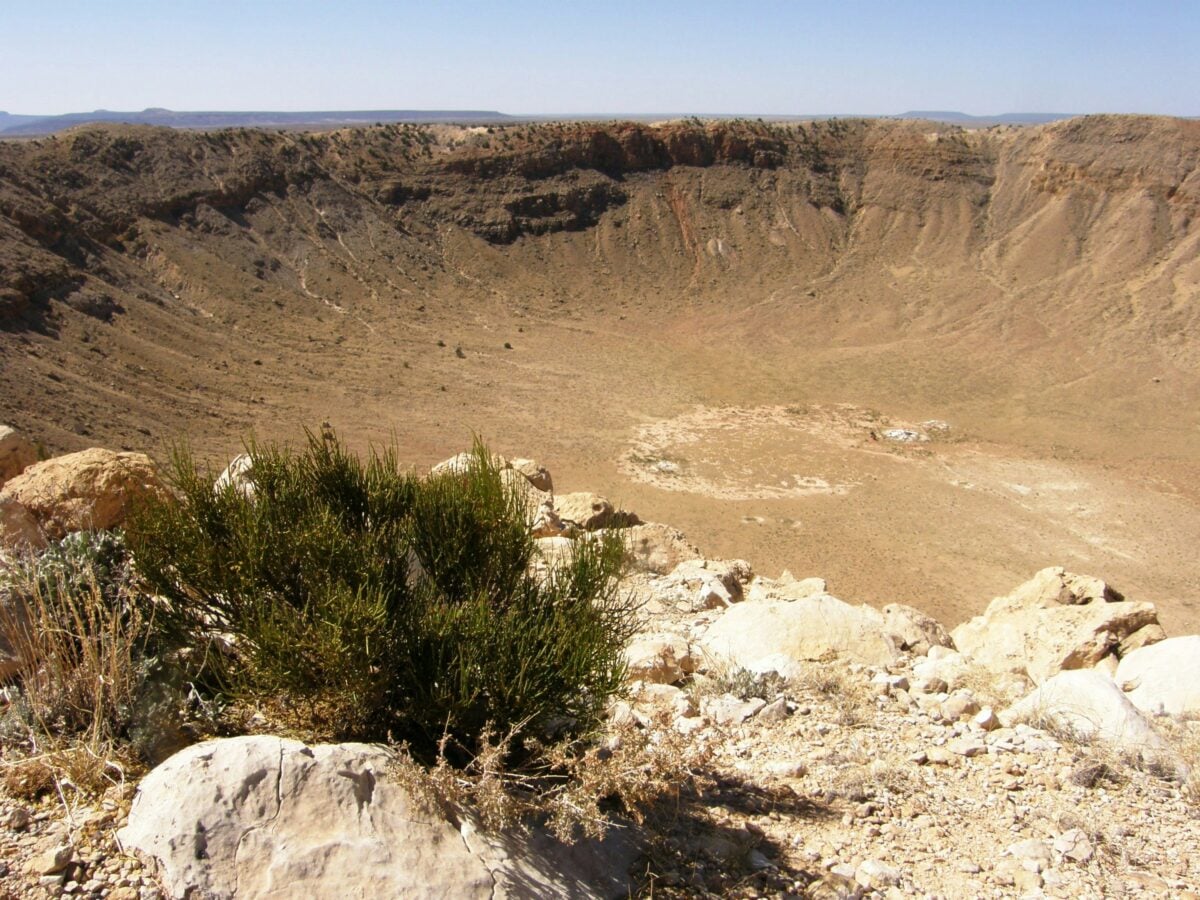
These formations scattered across the planet share something beyond their size. They all represent absence, void spaces carved into or opened up from the earth.
Standing at their edges forces a confrontation with scale that makes you feel impossibly small. The terrifying part isn’t just their depth or their sudden appearance.
It’s what they represent about the world we live in. The solid ground beneath your feet is temporary, breakable, hollowed out by forces we barely understand.
Every one of these chasms started as stable ground once. Now they’re dropping into darkness that could swallow entire cities.
You walk away from these places changed, more aware that the earth isn’t the solid, permanent foundation we pretend it is. It’s dynamic, volatile, and full of empty spaces waiting to open.
More from Go2Tutors!

- The Romanov Crown Jewels and Their Tragic Fate
- 13 Historical Mysteries That Science Still Can’t Solve
- Famous Hoaxes That Fooled the World for Years
- 15 Child Stars with Tragic Adult Lives
- 16 Famous Jewelry Pieces in History
Like Go2Tutors’s content? Follow us on MSN.



