Monumental Failures in Space Exploration
Space exploration has always pushed the boundaries of human achievement, but the journey hasn’t been without its share of spectacular setbacks.
From rockets exploding on launch pads to spacecraft missing their targets by millions of miles, these failures have taught us invaluable lessons about the complexities of venturing beyond Earth.
Some resulted in tragic loss of life, while others were expensive embarrassments that reshaped how we approach space missions.
Here is a list of monumental failures that have marked the history of space exploration.
Apollo 1 Fire
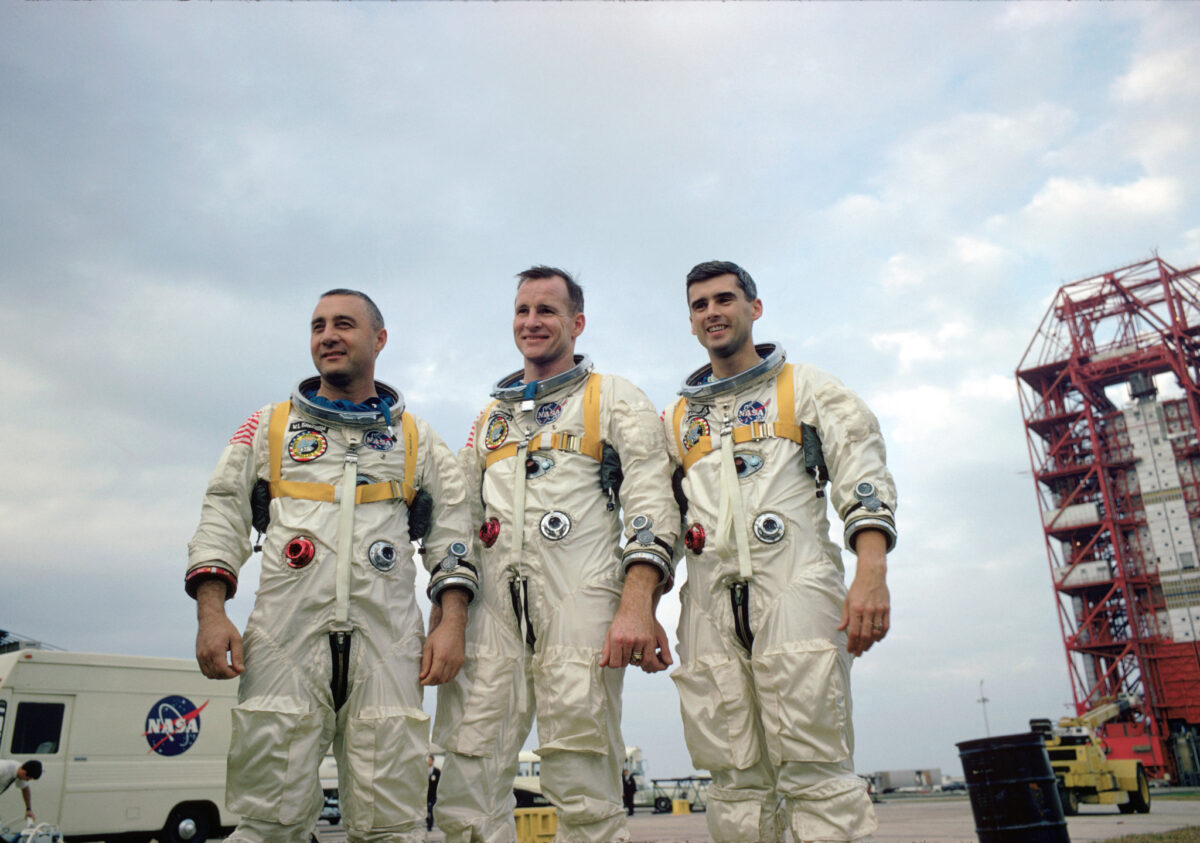
The Apollo program’s first fatal accident happened before anyone even left the ground.
During a routine launch rehearsal test on January 27, 1967, a flash fire erupted inside the command module at Cape Canaveral, killing astronauts Gus Grissom, Edward White, and Roger Chaffee within seconds.
The cabin was pressurized with pure oxygen, which turned a small spark into an inferno that the astronauts couldn’t escape due to a complicated inward-opening hatch design.
This tragedy forced NASA to completely redesign the Apollo spacecraft and implement rigorous new safety protocols that would ultimately make the moon landings possible.
Vanguard TV-3
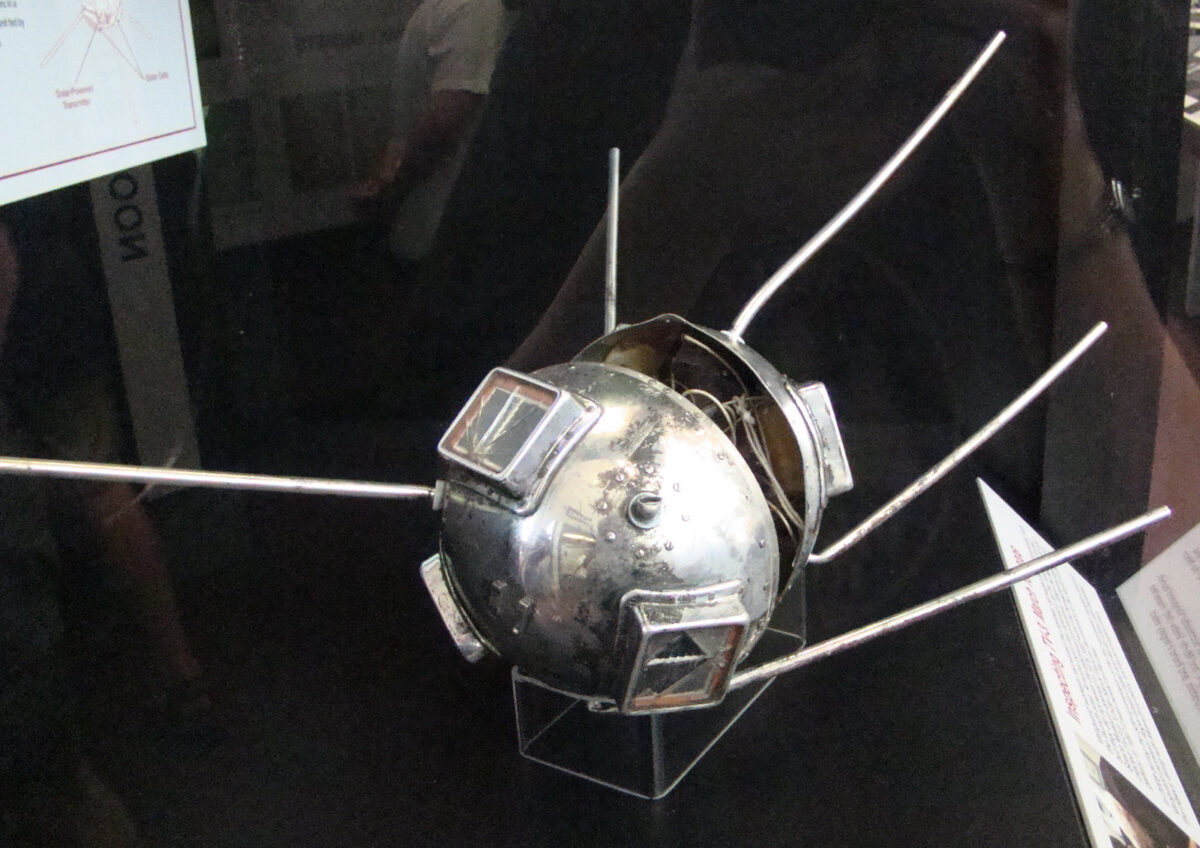
America’s first attempt to launch a satellite ended in humiliation on December 6, 1957, just two months after the Soviet Union shocked the world with Sputnik.
The Vanguard rocket rose about four feet off the launch pad before losing thrust and crashing back down in a massive explosion.
The tiny satellite was thrown clear and landed in nearby bushes, still beeping its radio signal as if nothing had happened.
The press had a field day, dubbing the failure ‘Flopnik’ and ‘Kaputnik,’ while a Soviet UN delegate mockingly offered American aid for ‘undeveloped countries.’
The disaster stemmed from inadequate fuel tank pressure that allowed hot exhaust gases to flow backward and destroy the engine.
Soyuz 1
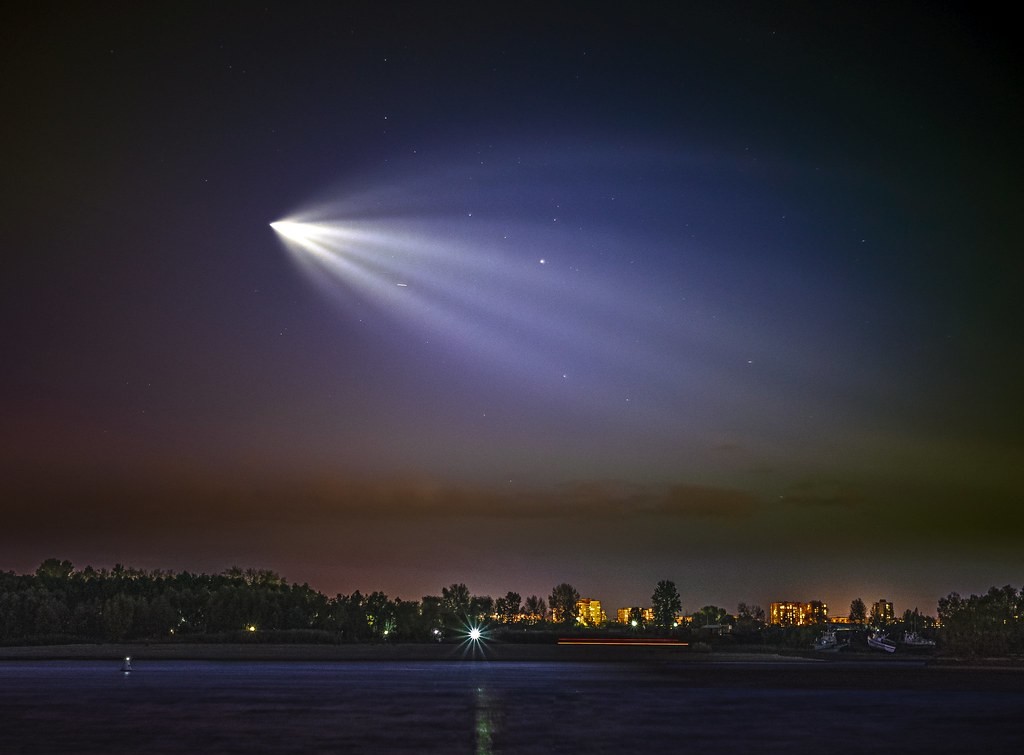
Soviet cosmonaut Vladimir Komarov became the first person to die during a space mission on April 24, 1967.
The Soyuz 1 spacecraft experienced problems almost immediately after reaching orbit, including a solar panel that failed to deploy and control issues that plagued the entire flight.
When Komarov attempted to return to Earth, the main parachute failed to deploy properly, and the backup parachute became tangled.
He reportedly cursed his superiors over the radio as the spacecraft plummeted toward Earth at full speed, killing him instantly on impact.
The mission had been rushed to launch despite known technical problems, a decision driven by Soviet pride and political pressure.
Nedelin Catastrophe

The deadliest disaster in space history occurred on October 24, 1960, at the Baikonur Cosmodrome in Kazakhstan, though it remained secret for decades.
Marshal Mitrofan Nedelin, head of the Soviet Strategic Rocket Forces, ignored safety protocols while rushing to complete an R-16 missile test before an important anniversary celebration.
When a technician accidentally triggered the second stage rocket while about 150 personnel remained near the launch pad, the resulting explosion and fireball killed at least 126 people, including Nedelin himself.
The Soviet government covered up the incident for years, claiming Nedelin died in a plane crash.
Soyuz 11
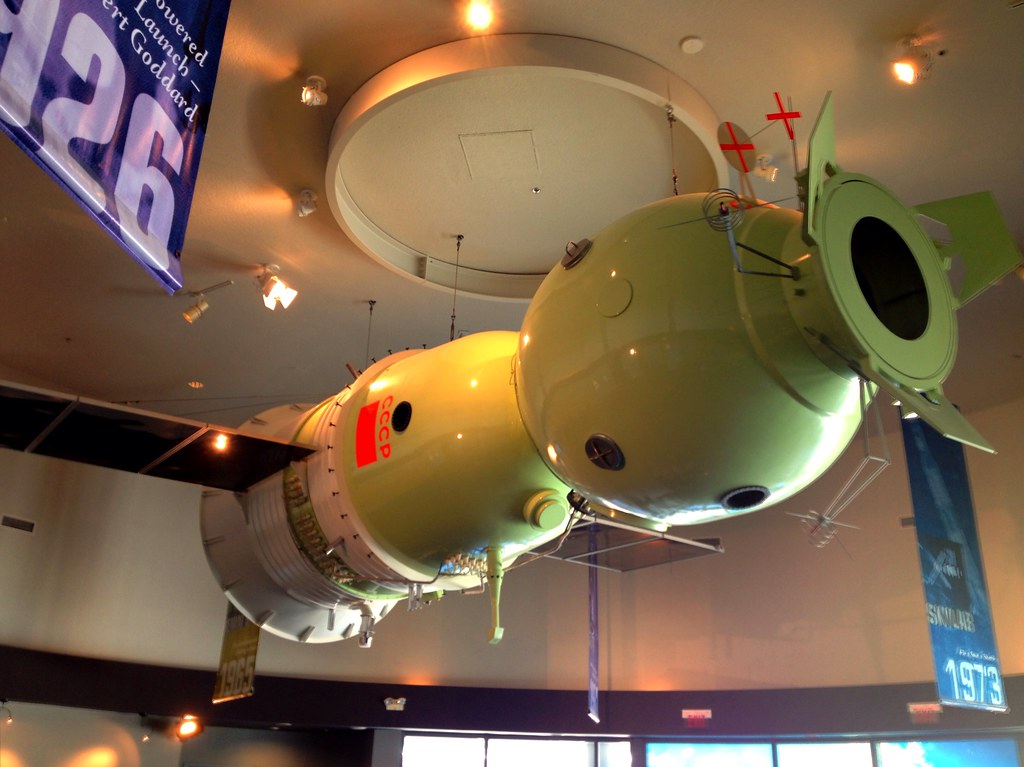
Three Soviet cosmonauts achieved a remarkable three-week stay aboard the Salyut 1 space station in June 1971, conducting experiments and earning hero status back home.
When their Soyuz 11 capsule made a perfect automated landing on June 30, ground crews rushed to congratulate them, only to find all three men dead inside.
A faulty air vent had opened during the separation of the orbital and descent modules, causing the cabin to depressurize at high altitude.
The crew, who weren’t wearing spacesuits, likely suffocated about 30 minutes before landing. They remain the only humans to have died in the vacuum of space itself.
Challenger Disaster
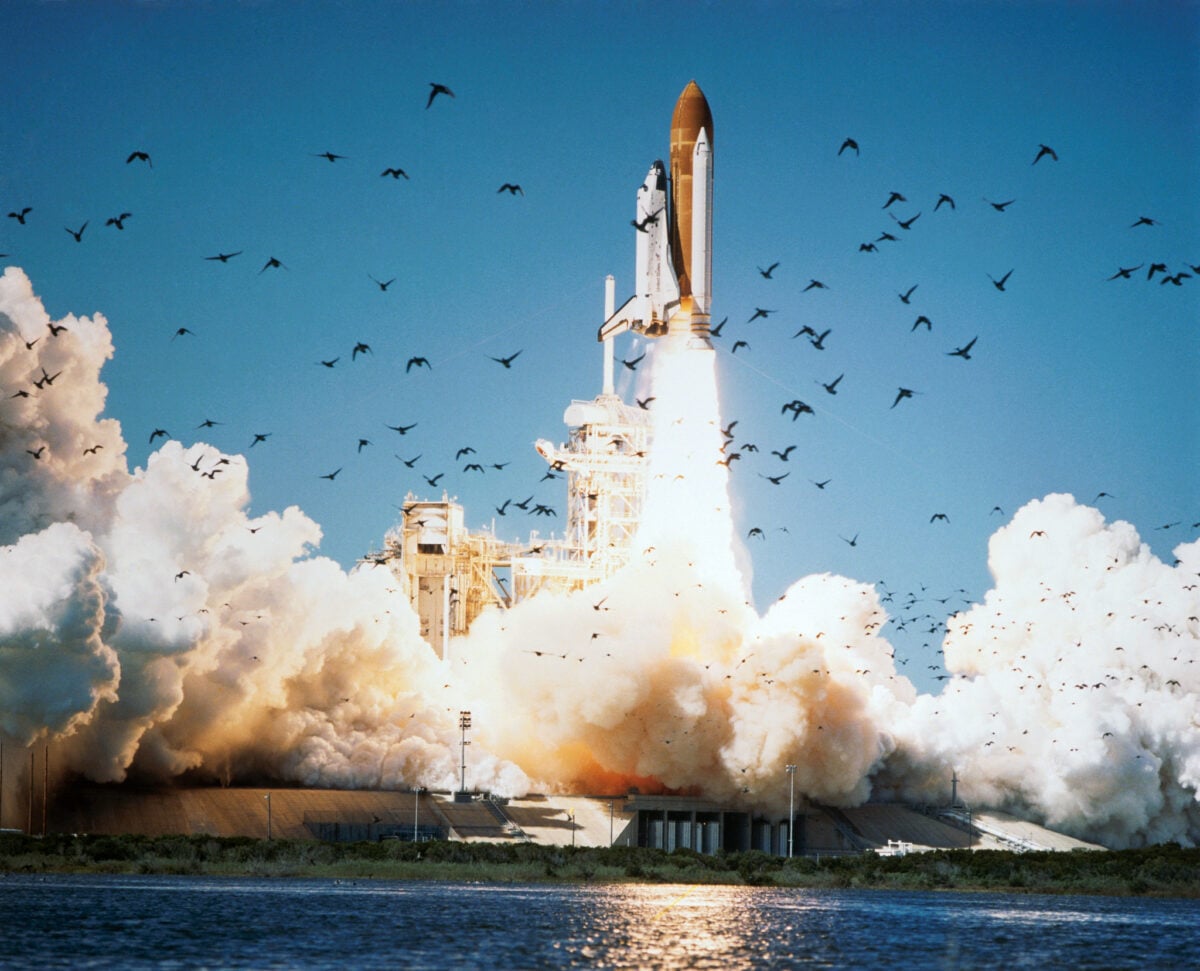
The morning of January 28, 1986, brought one of the darkest days in space exploration history.
The Space Shuttle Challenger broke apart just 73 seconds after launch, killing all seven crew members, including Christa McAuliffe, a teacher who was to be the first civilian in space.
The disaster occurred when an O-ring seal in one of the solid rocket boosters failed due to the unusually cold weather that morning, allowing hot gases to breach the external fuel tank.
Engineers had warned about the O-ring problems in cold temperatures, but their concerns were dismissed by management.
The tragedy led to a nearly three-year suspension of shuttle flights and fundamental changes in NASA’s decision-making culture.
Phobos 2
The Soviet Union’s ambitious mission to study Mars and its moon Phobos came agonizingly close to success in 1989.
After successfully reaching Mars orbit and conducting observations for two months, Phobos 2 was preparing to deploy two small landers onto the Martian moon when contact was suddenly lost on March 27.
The spacecraft had been just days away from attempting the first-ever landing on Phobos.
Investigators believe a faulty command or computer error caused the spacecraft to lose its orientation, preventing its solar panels from charging the batteries.
It was the last Soviet interplanetary mission before the collapse of the USSR.
Mars Climate Orbiter
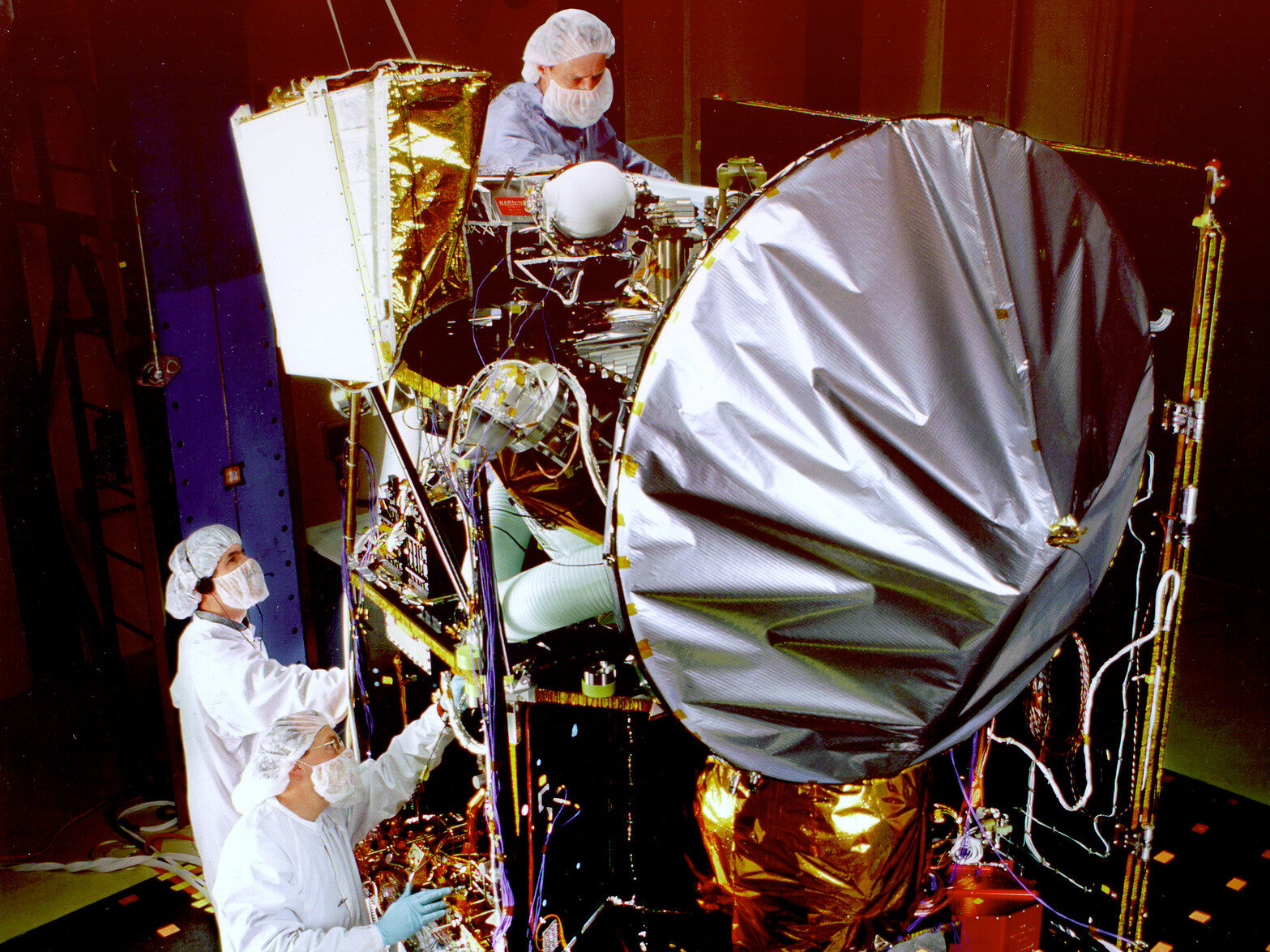
NASA suffered one of its most embarrassing failures in September 1999 when the Mars Climate Orbiter disintegrated in the Martian atmosphere instead of entering orbit.
The $125 million spacecraft came in too low because of a navigation error that seems almost unbelievable: one engineering team at Lockheed Martin was providing data in imperial units (pounds and feet), while the NASA team at the Jet Propulsion Laboratory expected metric units (newtons and meters).
Nobody caught the mismatch until it was too late.
The spacecraft either burned up in the atmosphere or skipped back into space, never to be heard from again.
Mars Polar Lander
Following close on the heels of the Climate Orbiter disaster, NASA lost contact with the Mars Polar Lander during its descent to the Martian surface on December 3, 1999.
The spacecraft was supposed to touch down near Mars’ south pole to study the polar ice caps and search for water.
It simply vanished without sending any data during landing.
The most likely explanation is that the spacecraft’s landing legs triggered a false signal when they deployed during descent, causing the onboard computer to shut down the engines while still about 130 feet above the surface.
The probe would have then fallen the rest of the way and crashed at high speed.
Columbia Disaster
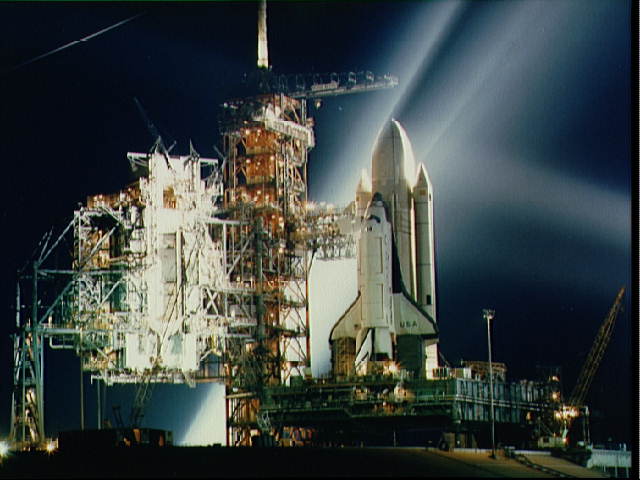
The Space Shuttle Columbia’s final mission ended in tragedy on February 1, 2003, when the orbiter disintegrated during reentry over Texas and Louisiana, killing all seven astronauts aboard.
A piece of foam insulation had broken off the external fuel tank during launch and struck Columbia’s left wing, creating a pit that went unnoticed by mission controllers.
Upon reentry, superheated gases penetrated through the damaged wing, causing the shuttle to break apart.
The loss of Columbia led to increased scrutiny of shuttle safety and ultimately contributed to the decision to retire the shuttle program in 2011.
Beagle 2

Europe’s attempt to land on Mars ended in mysterious silence on Christmas Day 2003.
The Beagle 2 lander, named after Charles Darwin’s famous ship, was supposed to touch down and begin searching for signs of past or present life on Mars.
Instead, it transmitted no signal after separating from its mother ship.
The mystery endured until 2015, when high-resolution images from NASA’s Mars Reconnaissance Orbiter finally spotted Beagle 2 on the Martian surface.
The photographs revealed that the lander had successfully touched down but failed to fully deploy its solar panels, preventing it from communicating with Earth.
Genesis Capsule
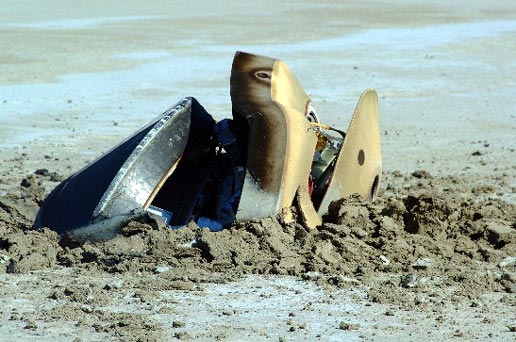
NASA’s Genesis mission successfully collected solar wind particles for two years in space, but bringing them home proved disastrous.
On September 8, 2004, the sample return capsule was supposed to deploy its parachute and be snagged mid-air by helicopter pilots over the Utah desert.
Instead, the parachute never opened, and the capsule slammed into the ground at 193 miles per hour.
The impact shattered many of the fragile sample collectors.
An investigation revealed that accelerometers had been installed upside down during assembly, preventing the parachute deployment mechanism from working.
Despite the crash, scientists managed to salvage some usable samples from the wreckage.
Phobos-Grunt
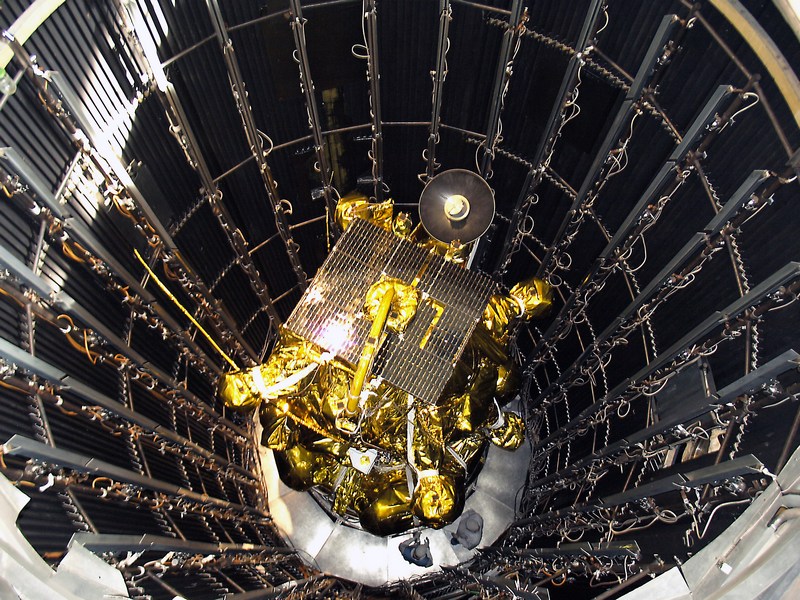
Russia’s return to interplanetary exploration after a 15-year hiatus ended in bitter disappointment in 2011.
The Phobos-Grunt spacecraft was designed to land on the Martian moon Phobos, collect soil samples, and return them to Earth.
After launching successfully on November 8, the spacecraft’s engines were supposed to fire and send it toward Mars.
That burn never happened, stranding the probe in Earth orbit.
Despite desperate attempts by Russian and European ground stations to regain control, the spacecraft never responded properly to commands.
It crashed back into the Pacific Ocean on January 15, 2012.
An investigation blamed cheap parts, inadequate testing, and possible cosmic ray damage to computer circuits.
Boeing Starliner
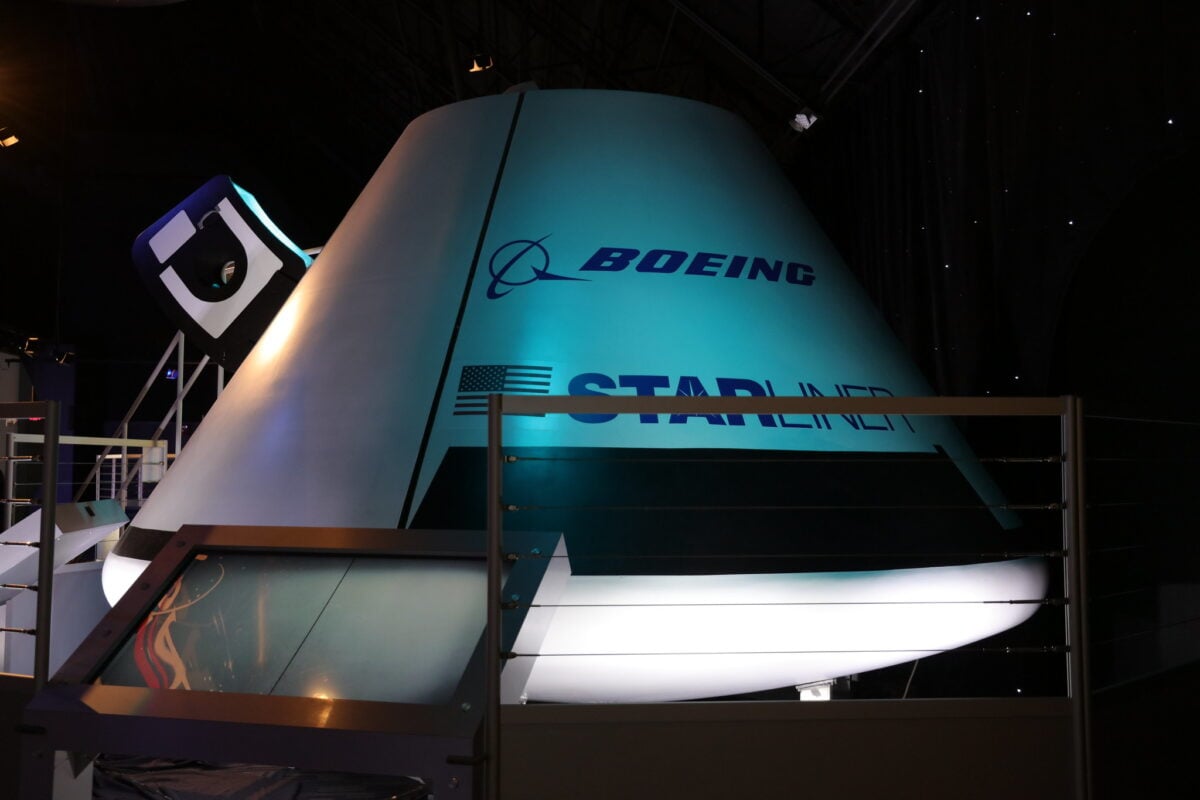
Boeing’s Starliner spacecraft turned what should have been an eight-day test mission into an extended ordeal for NASA astronauts Butch Wilmore and Suni Williams.
After launching in June 2024, the capsule experienced multiple thruster failures and helium leaks while docked at the International Space Station.
The problems were serious enough that NASA decided it was too risky to bring the astronauts home in the Starliner as planned.
Instead, the capsule returned to Earth empty in September, and the astronauts remained stranded on the ISS until a SpaceX mission could bring them home in 2025.
The incident raised serious questions about Boeing’s spacecraft development and testing procedures.
Lessons Carved in Metal and Memory

These failures share common threads that run through the entire history of space exploration: design flaws overlooked, budget pressures that compromised safety, communication breakdowns between teams, and the occasional stroke of bad luck that reminds us how unforgiving space can be.
Each disaster prompted investigations, reforms, and technological improvements that made subsequent missions safer and more reliable.
The spacecraft graveyard on Mars and the memorials at Cape Canaveral stand as a testament to the price of pushing boundaries, while the lessons learned from these failures continue to shape every mission that leaves Earth’s atmosphere today.
More from Go2Tutors!

- The Romanov Crown Jewels and Their Tragic Fate
- 17 Halloween Costumes Once Considered Taboo
- Famous Hoaxes That Fooled the World for Years
- 15 Child Stars with Tragic Adult Lives
- 16 Famous Jewelry Pieces in History
Like Go2Tutors’s content? Follow us on MSN.