Unusual Beverages People Drank In Times Past
When you pour yourself a glass of water or brew morning coffee, you’re participating in a ritual that feels timeless. But the drinks humans have consumed throughout history tell strange stories about survival, creativity, and taste preferences that would shock modern palates.
These weren’t experimental cocktails or novelty items—they were everyday beverages that sustained entire civilizations.
Vinegar Water As A Daily Drink
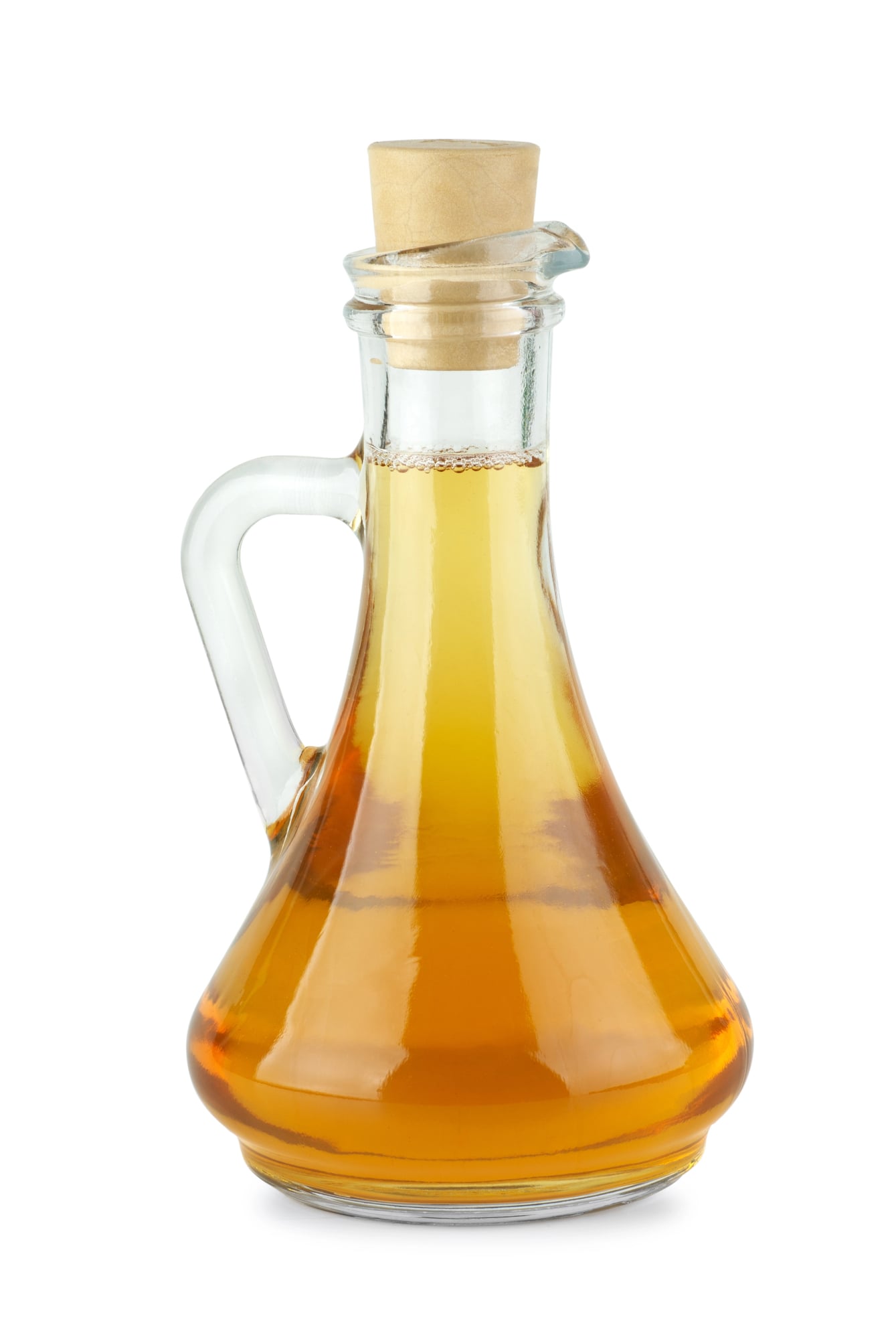
Romans marched across continents drinking posca, a mixture of water and sour wine or vinegar. Soldiers received it as part of their standard rations, and the drink served multiple purposes beyond simple hydration.
The acidity killed bacteria in questionable water sources, and the slight fermentation provided calories and a mild buzz. The taste? Imagine drinking watered-down salad dressing.
Civilians drank it too, especially the poor who couldn’t afford better wine.
Beer That Children Drank At Breakfast
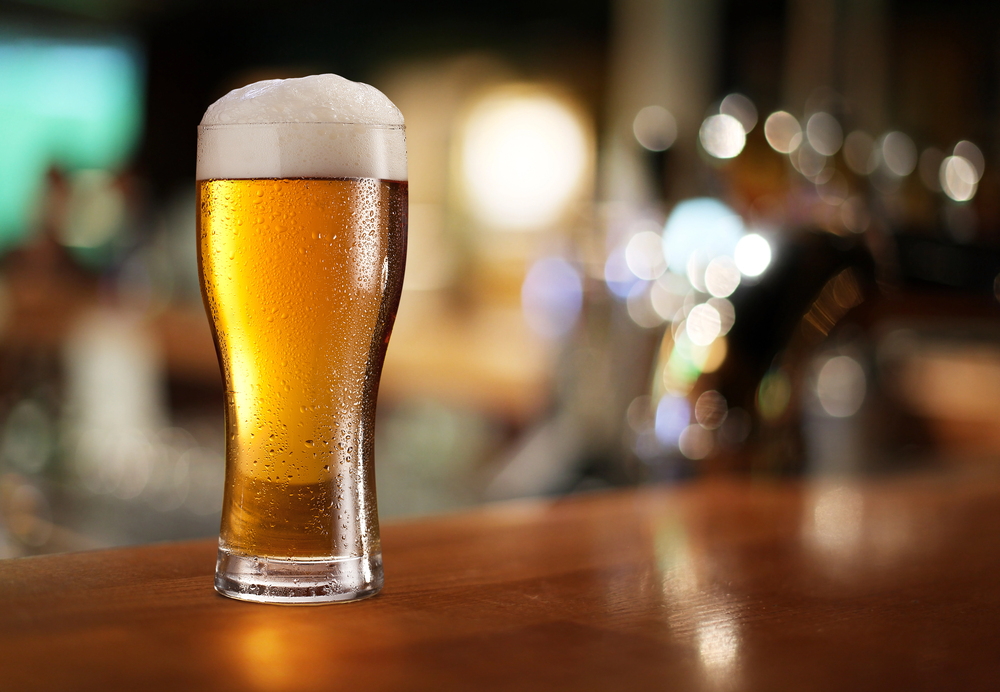
Medieval Europeans started their days with small beer, a low-alcohol brew so weak it barely qualified as alcoholic. Parents gave it to children.
Monks drank it during fasts. Workers sipped it throughout the day.
Water sources in cities were contaminated with waste, but the brewing process made beer relatively safe. Households brewed their own batches weekly, and the stuff tasted nothing like modern beer—flat, sour, and sometimes barely distinguishable from bread soup.
Hot Wine Mixed With Eggs
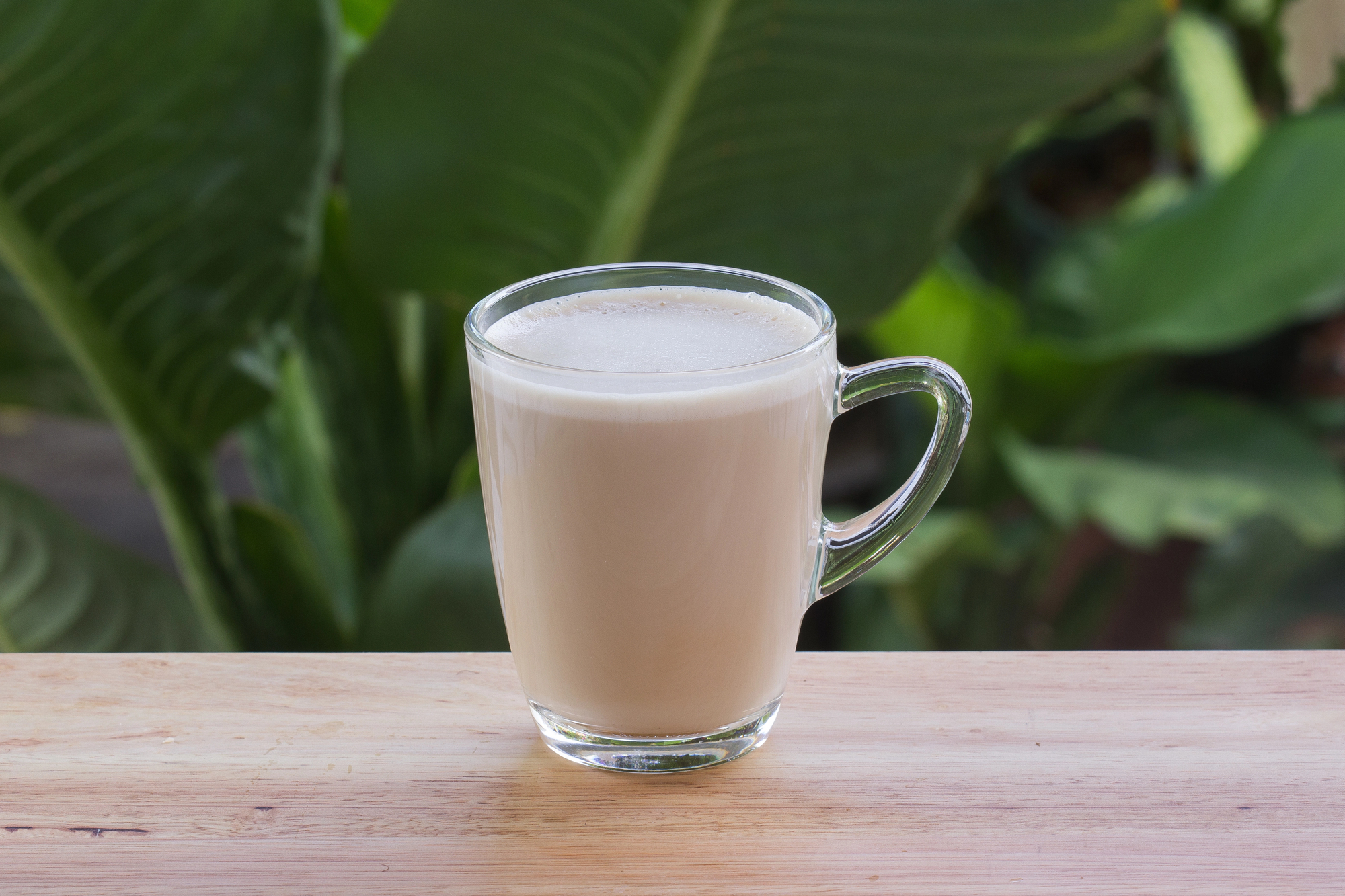
Caudle appeared on English tables for centuries as both beverage and medicine. You would heat wine or ale, whisk in egg yolks, add sugar and spices, then serve it warm to invalids, pregnant women, or anyone recovering from illness.
The texture landed somewhere between eggnog and thin custard. Some recipes called for oatmeal to thicken it further, creating what amounted to a drinkable gruel.
People considered it nourishing enough to replace entire meals.
The Farmer’s Thirst Quencher
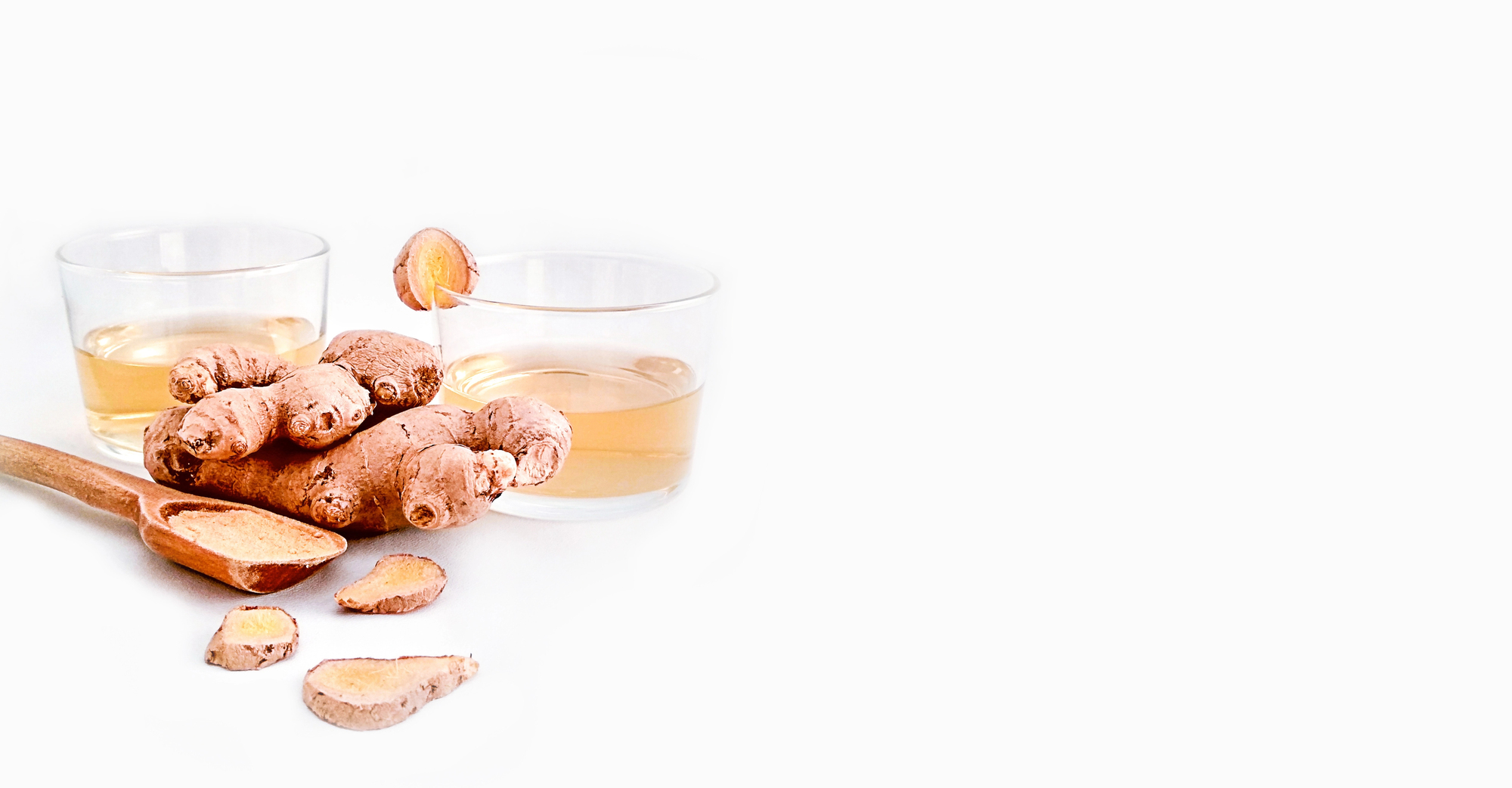
American colonists and farmers drank switchel throughout hot summer days in the fields. This beverage mixed water with vinegar, molasses or honey, and sometimes ginger.
The combination sounds revolting but actually works—the vinegar replaces lost electrolytes, the sweetener provides energy, and the whole thing tastes surprisingly refreshing when cold. Workers preferred it to water alone, and it kept better in the heat without spoiling.
Bread You Could Drink
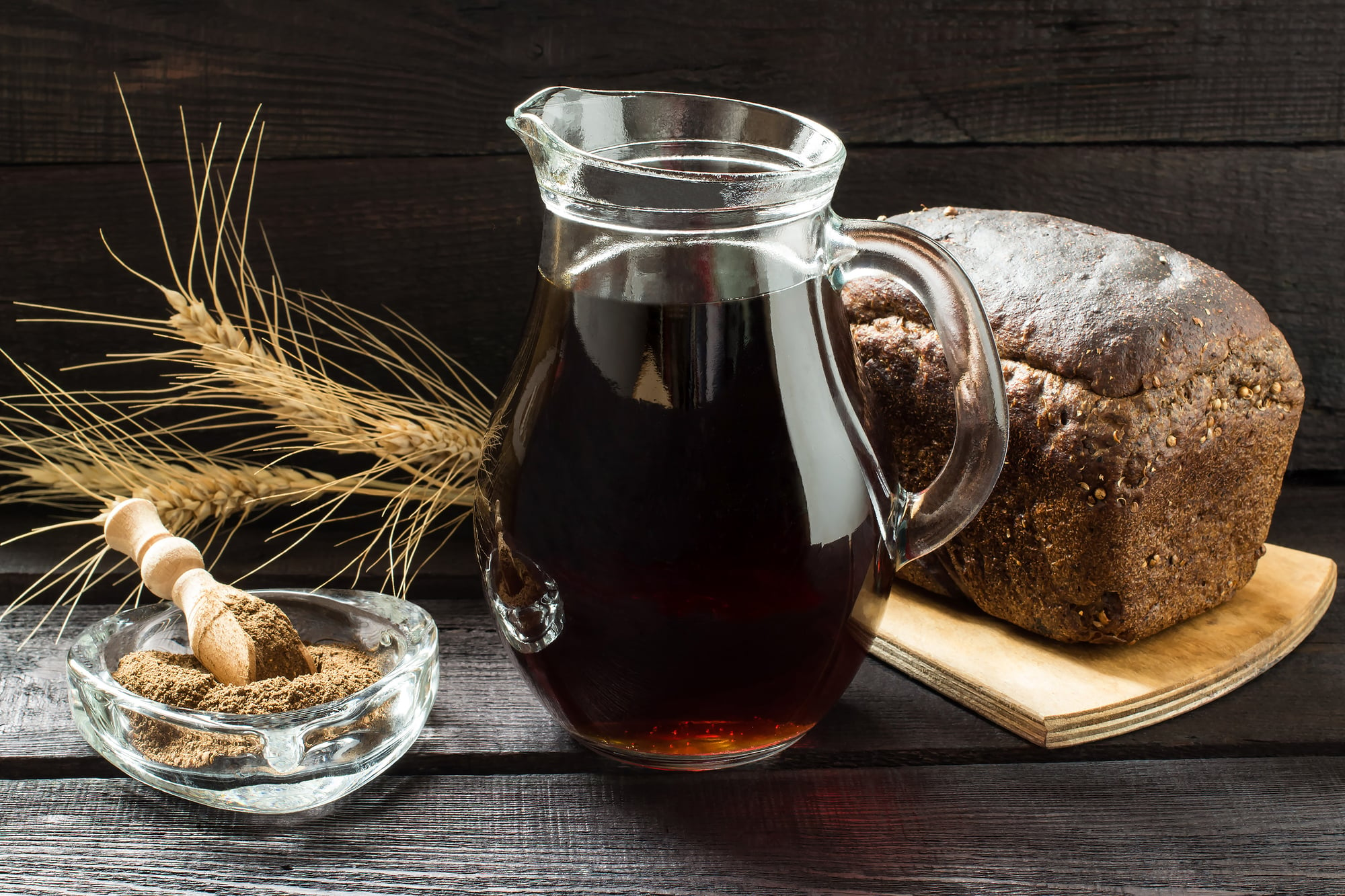
Russians fermented rye bread to create kvass, a fizzy, slightly sour beverage that filled mugs across Eastern Europe for over a thousand years. Bakers would let stale bread soak in water with sugar, add yeast, and wait for fermentation.
The result tasted vaguely like beer mixed with sourdough starter. Street vendors sold it from carts, and it came in versions ranging from nearly non-alcoholic to moderately strong.
Poor families made it because bread was cheap, and the fermentation stretched their food supply.
Cactus Milk That Got You Drunk
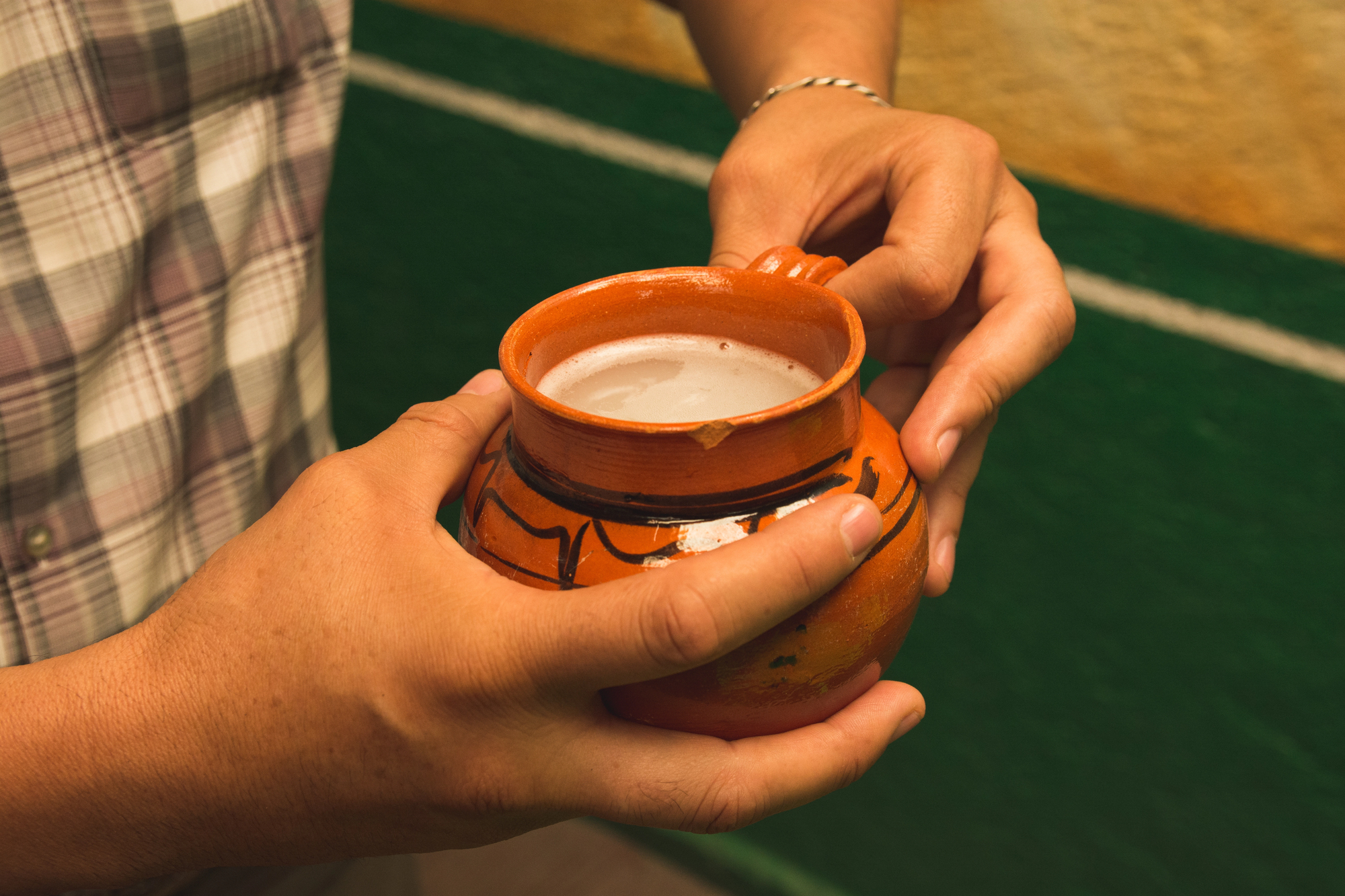
Long before distilled spirits reached the Americas, indigenous peoples in Mexico drank pulque, the fermented sap of agave plants. Harvesters would scrape out the plant’s heart and collect the thick, milky liquid that pooled inside.
Fresh pulque had to be consumed within days before it spoiled, and it tasted both sweet and funky, with a viscous texture that many found off-putting. The Aztecs restricted who could drink it—mostly priests, nobles, and the elderly—though by Spanish colonial times it had become a drink for the masses.
Corn Beer That Required Saliva
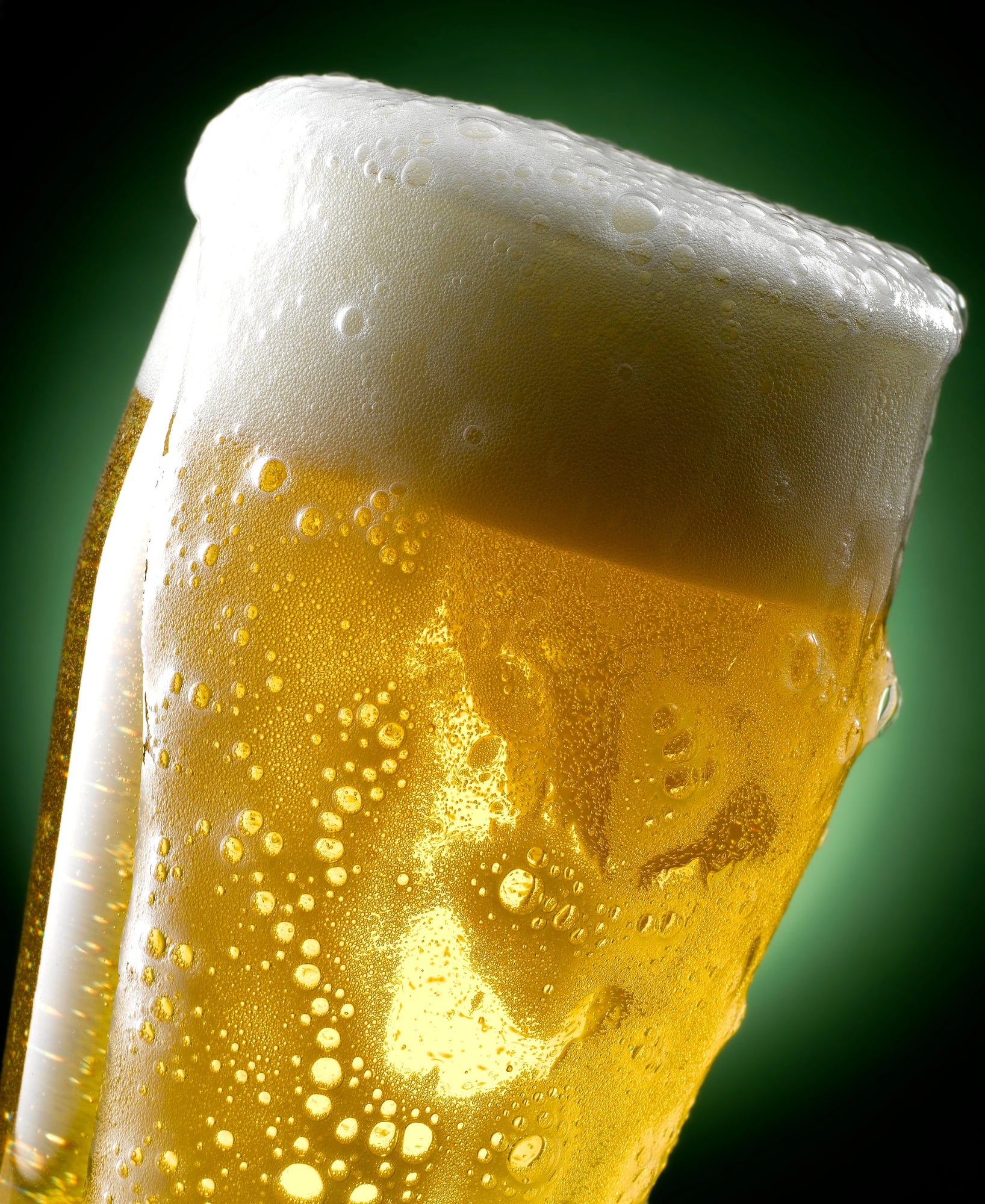
Chicha production across South America involved a step that modern drinkers would find disturbing. Women would chew cooked corn, then spit the mixture into large vessels for fermentation.
Enzymes in human saliva broke down the starches into sugars, which yeast could then convert to alcohol. The Inca considered chicha sacred, pouring it as offerings and serving it at every important ceremony.
Each household brewed its own, and the flavor varied from family to family—sometimes sweet, sometimes sour, always slightly cloudy.
Persian Vinegar Syrup
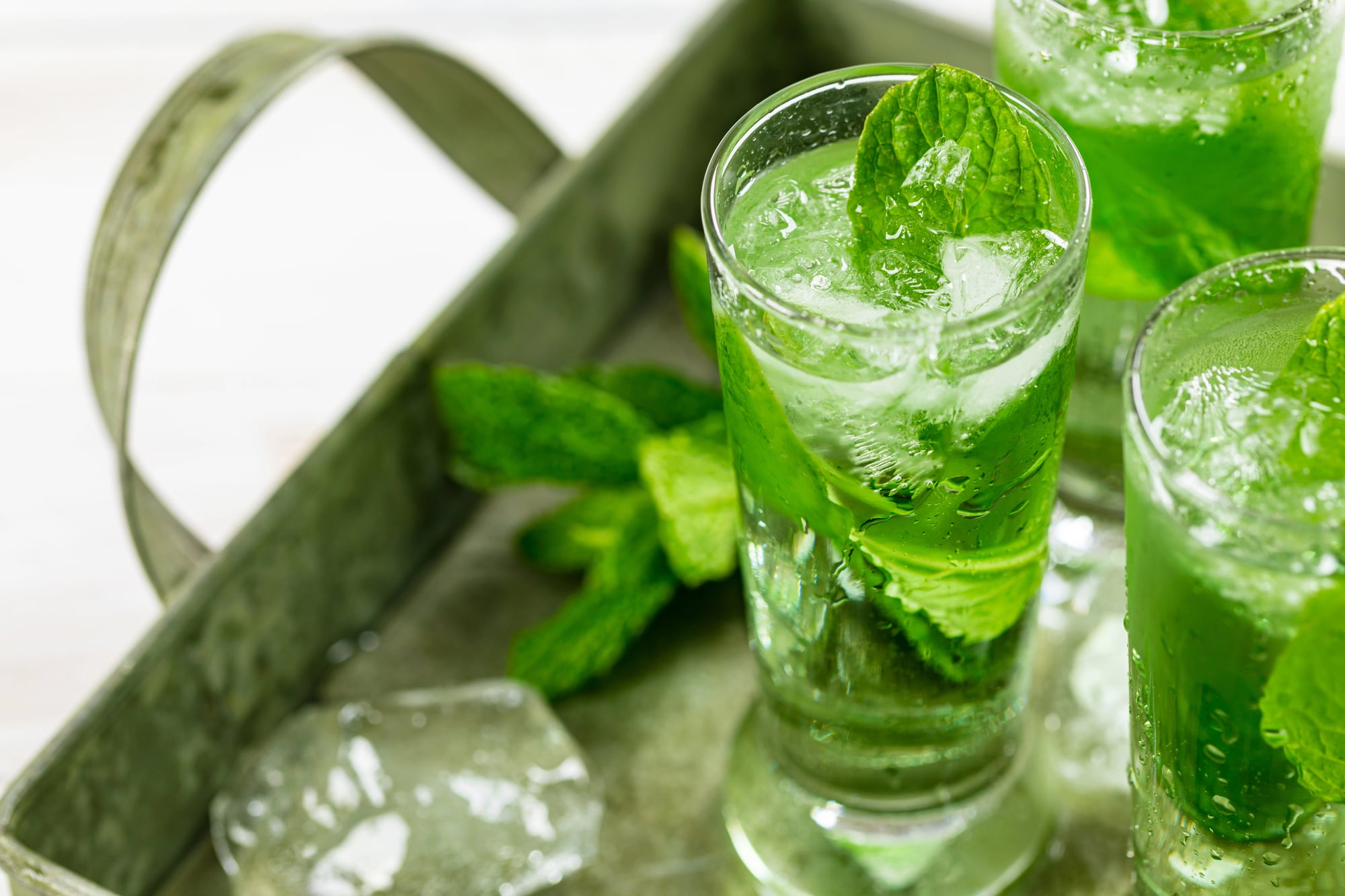
Sekanjabin, a drink that’s survived since ancient Persia, mixed vinegar with honey or sugar and mint. Served cold in summer, it acted as both refreshment and digestive aid.
The sharp sourness of vinegar hit first, followed by intense sweetness and cooling mint. You would drink it straight or diluted with water, and wealthy households served it in delicate glasses.
Medieval Arab physicians prescribed it for various ailments, claiming it cooled the blood and improved digestion.
Milk Curdled On Purpose
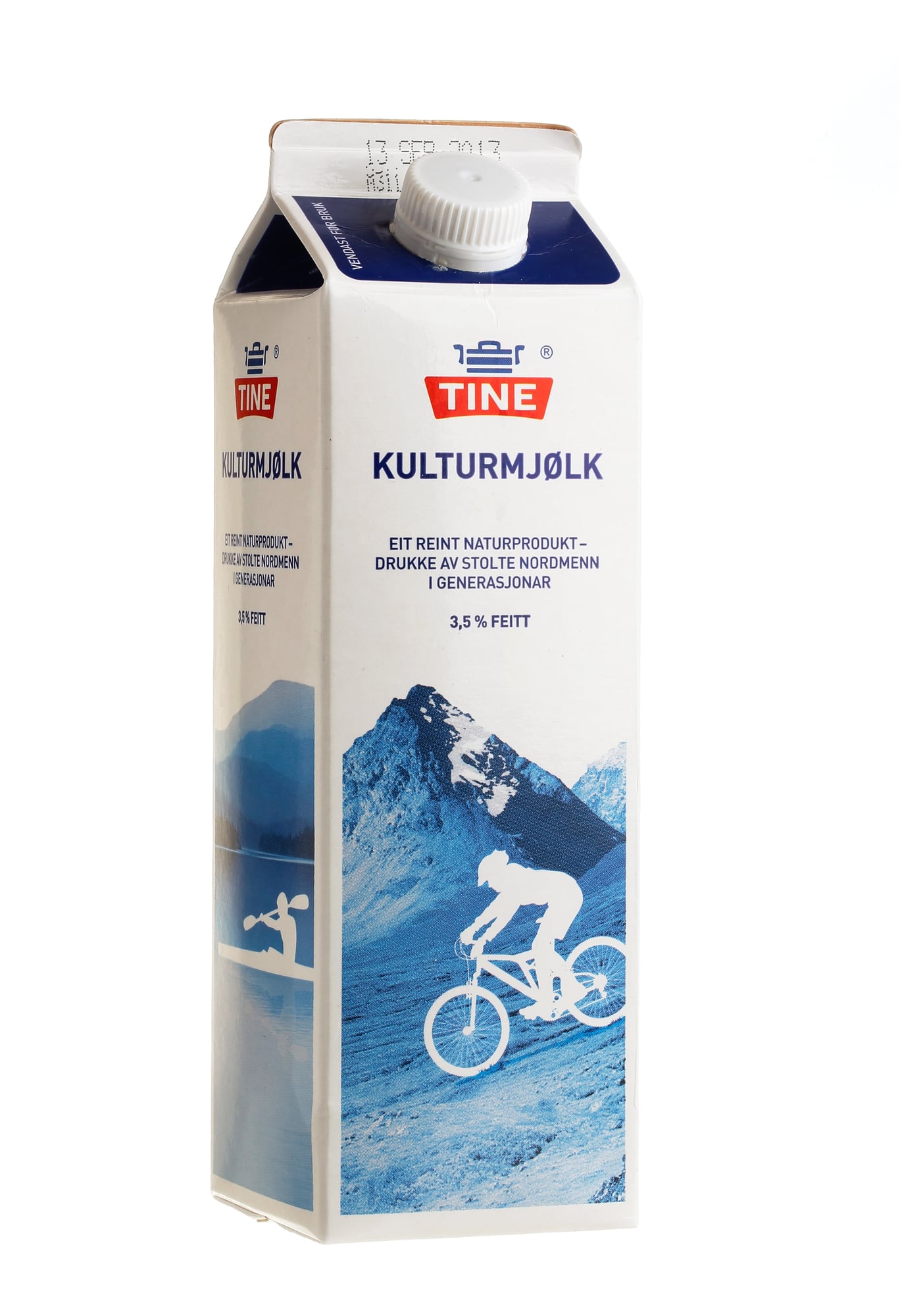
English nobility served sack posset at celebrations, a drink made by heating milk then curdling it with fortified wine or sherry. The mixture separated into a thick, custard-like top layer and a thin, boozy bottom layer.
Drinkers would consume both parts, sometimes eating the curds with spoons. The process required careful heating to avoid over-curdling, and skilled cooks took pride in achieving the right consistency.
Despite sounding like spoiled milk, it was considered a delicacy.
Whipped Cream That Was Actually A Drink
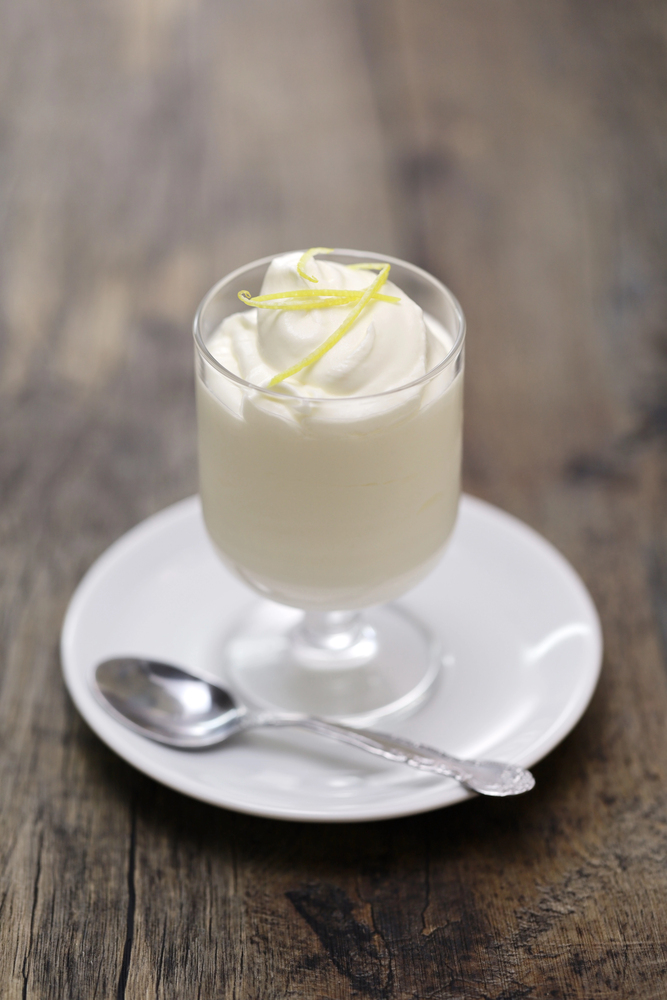
Syllabub took the concept of cream further by whisking it with wine, cider, or sherry until frothy, then adding sugar and lemon. The result was somewhere between a beverage and a dessert—you could drink the liquid part and eat the foam on top with a spoon.
English households served it at gatherings, and the preparation became a form of entertainment as cooks whipped it tableside. It had to be consumed quickly before the separation became unappetizing.
Drinking Vinegar For Pleasure
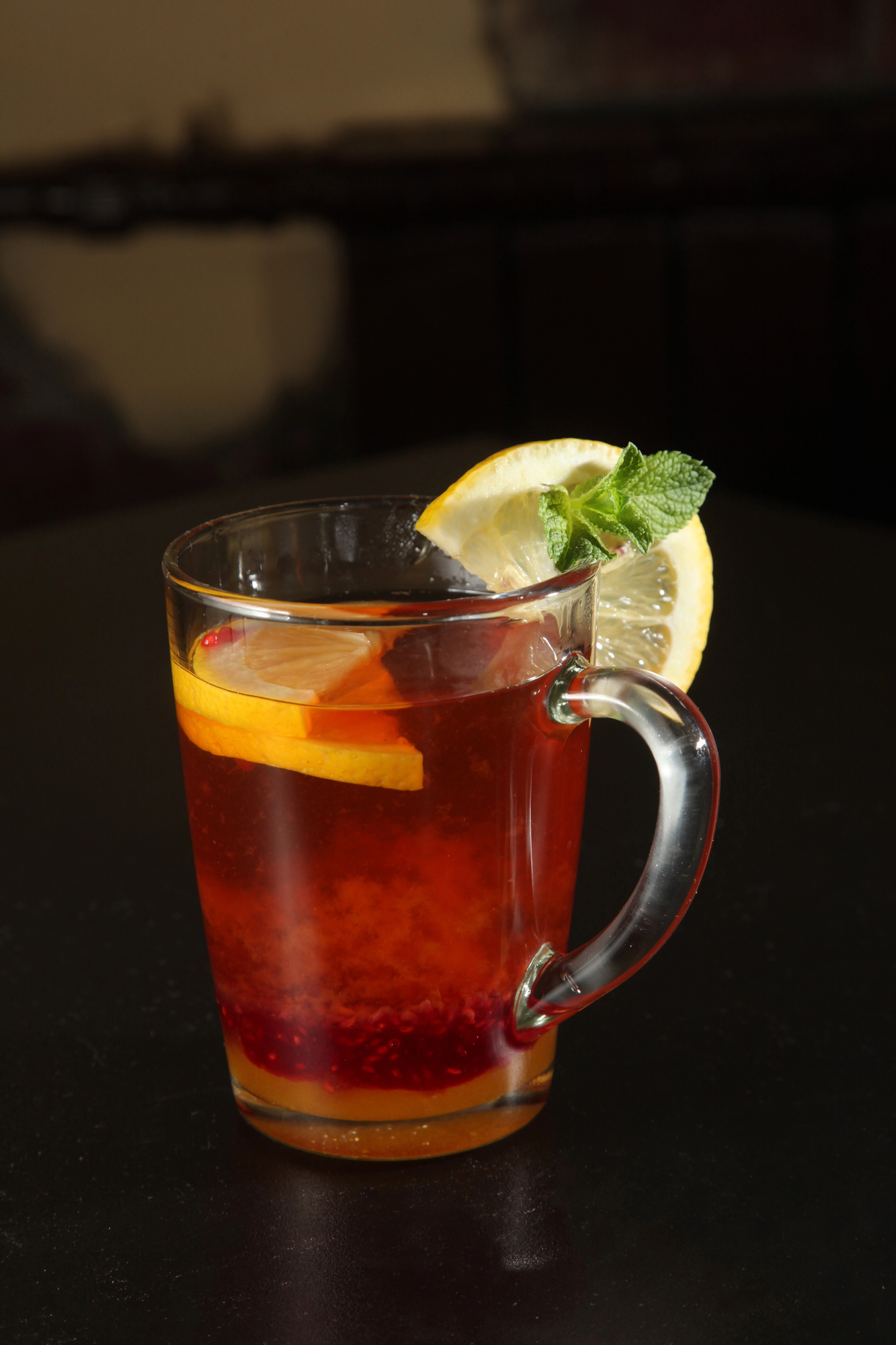
Colonial Americans drank shrubs, concentrated syrups made from fruit, sugar, and vinegar that were mixed with water or spirits. These preserved the summer harvest in drinkable form when refrigeration didn’t exist.
The vinegar acted as preservative while the fruit provided flavor. A good shrub walked the line between sweet, sour and smooth.
Households would make large batches, storing them in the cellar and mixing individual servings throughout the year.
Fermented Honey That Warriors Drank
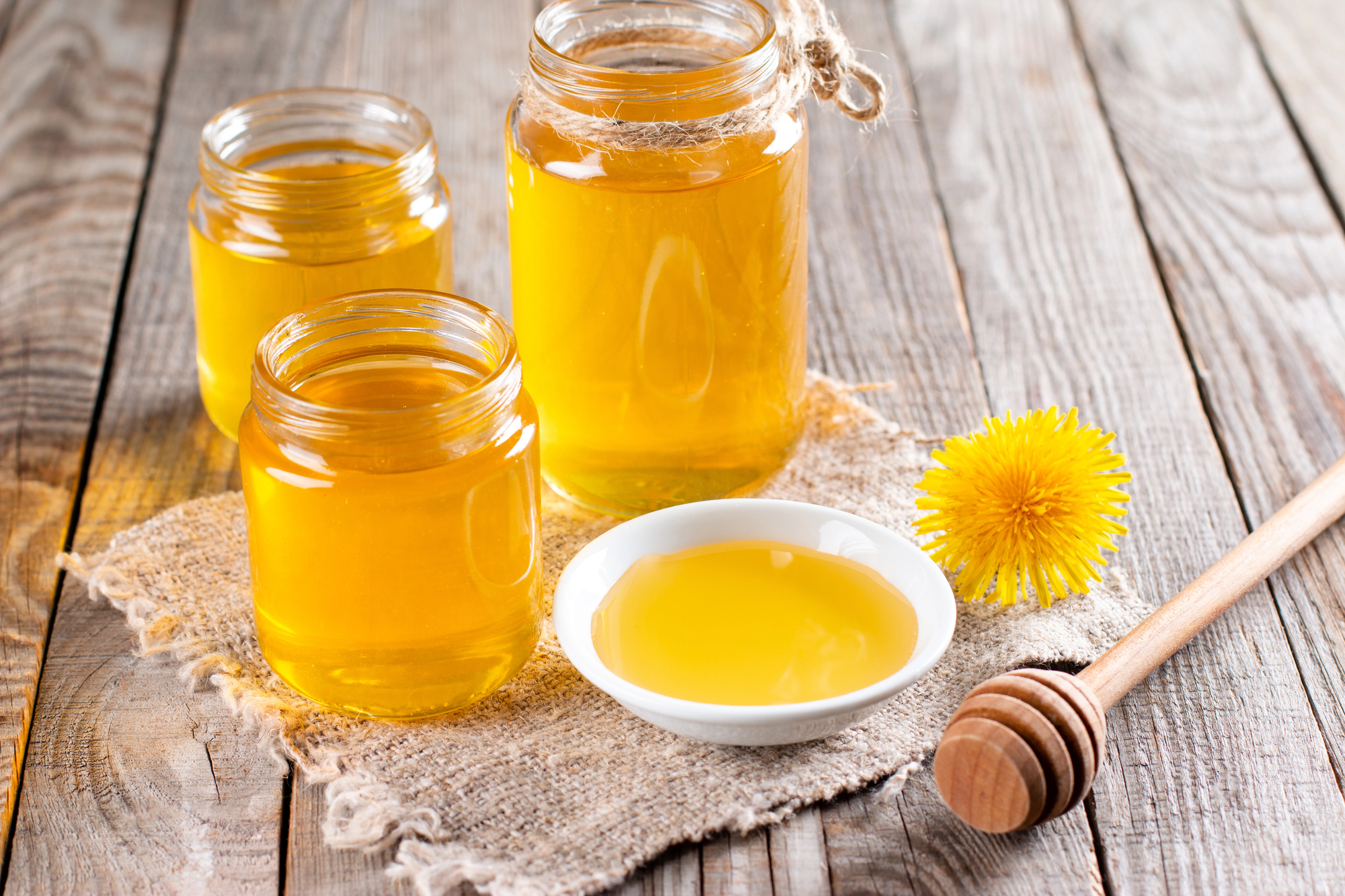
Mead predates recorded history, but some versions were stranger than the simple honey wine most people know. Norse cultures added herbs, spices, and sometimes blood to their batches.
Ethiopian tej includes a bitter herb called gesho that adds a medicinal bite. Medieval Europeans made braggot by mixing mead with beer, creating a hybrid drink that tasted like neither parent beverage.
Each culture developed its own variations, and the recipes often held ritual significance beyond mere refreshment.
Tea Bricks And Butter
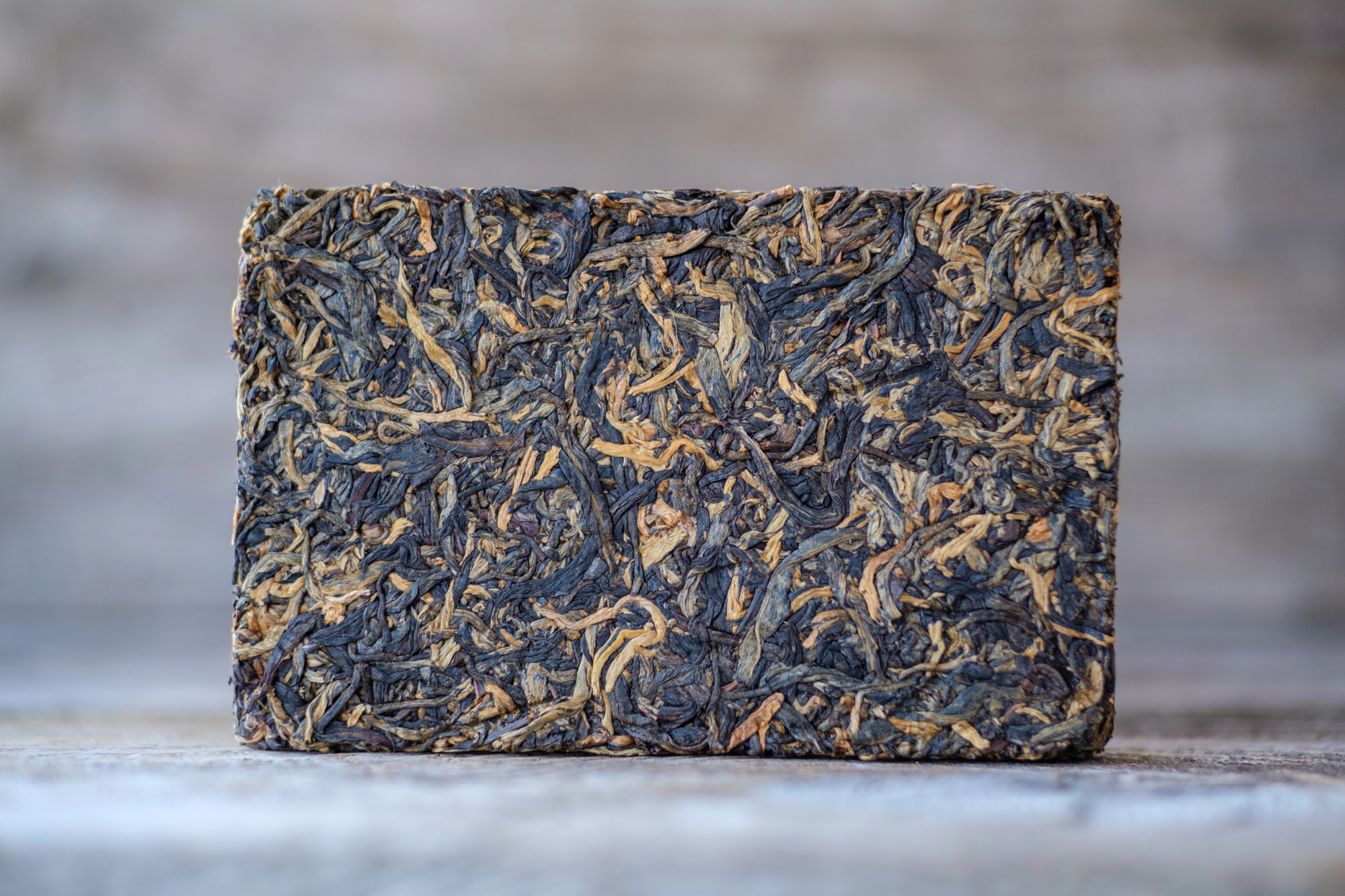
Tibetan and Mongolian peoples drank tea in a way that would baffle modern tea enthusiasts. They would shave pieces off compressed tea bricks, boil the leaves, then add yak butter and salt.
The resulting beverage tasted savory rather than sweet, oily rather than clear, and served as a calorie-dense food source in harsh climates. The butter formed a slick layer on top that you would sip through, coating your mouth with fat.
Nomadic people drank it throughout the day, using it to replace meals.
Soda Fountains Without The Soda
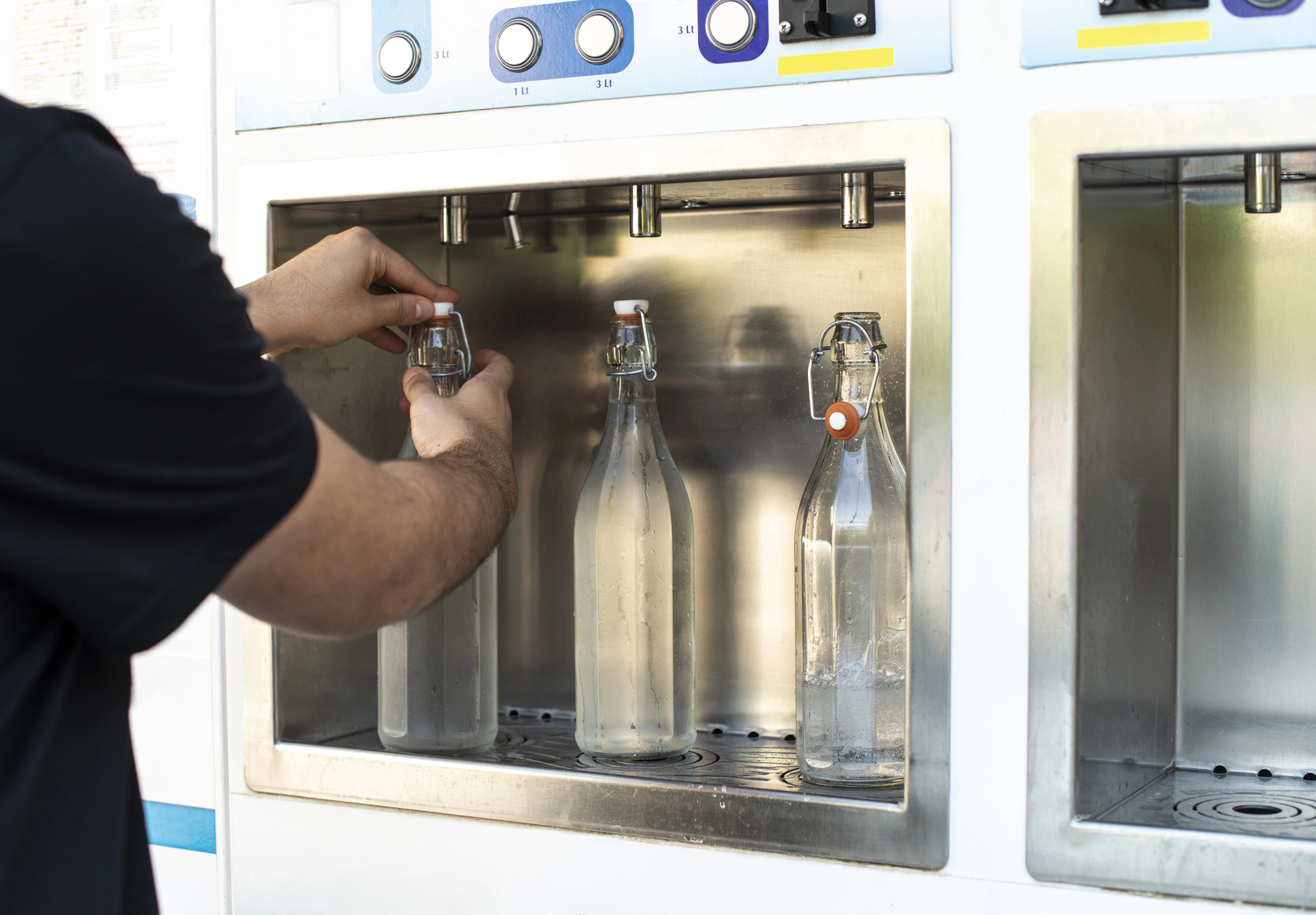
Early American soda fountains served egg creams, despite the name containing neither eggs nor cream. This New York creation mixed chocolate syrup with milk and seltzer water, producing a frothy, fizzy drink that tasted like a melted ice cream float.
The head of foam resembled whipped egg whites, which likely inspired the confusing name. Different neighborhoods had fierce debates over the proper ratios and techniques, with families loyal to specific drugstore recipes.
Broth As A Breakfast Drink
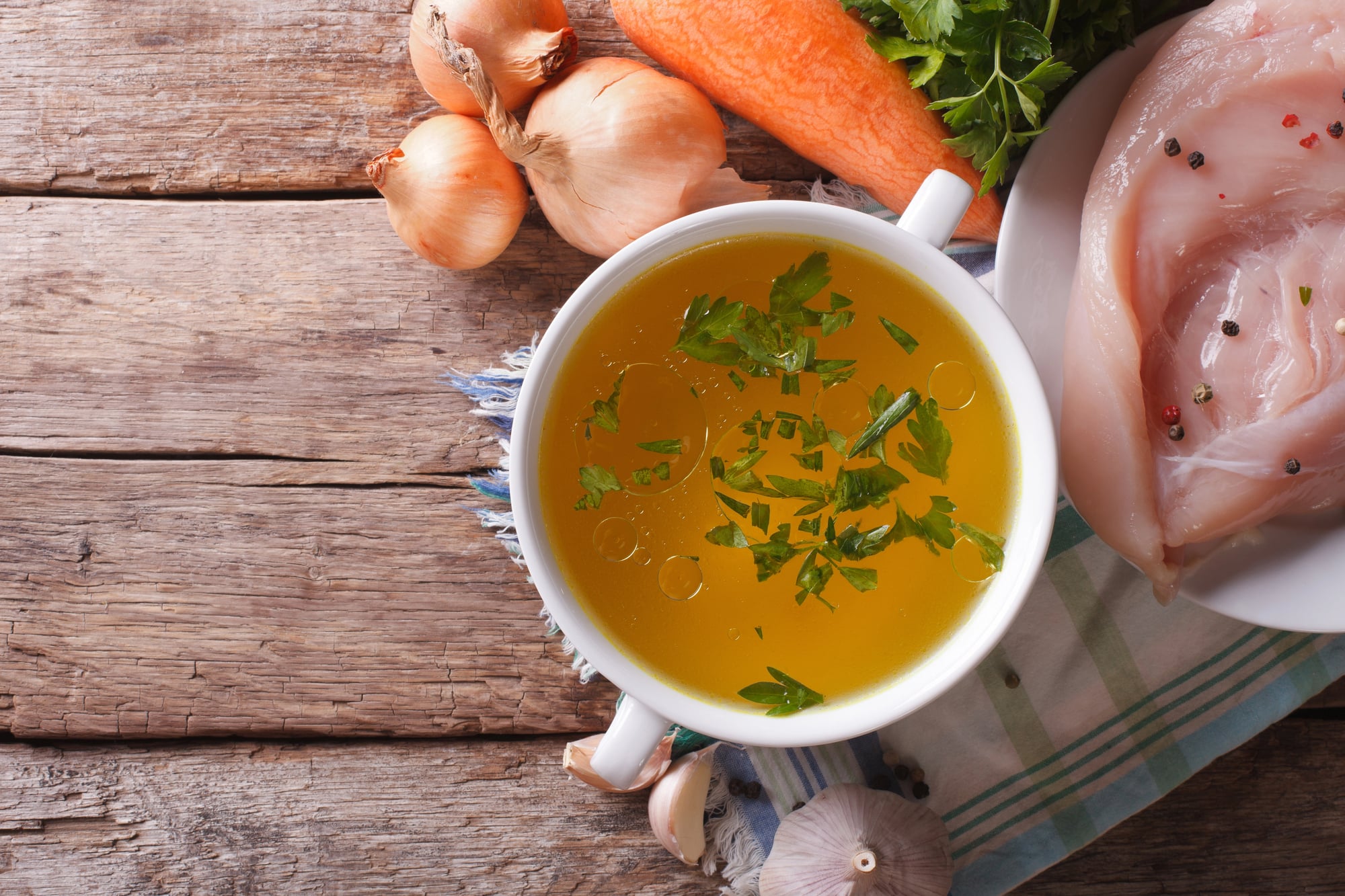
Long before coffee took over, mornings began differently across regions – bone broth poured into mugs instead of tea or cocoa. Not ladled gently like stew, it was swallowed fast, one deep pull after another.
Hot and salty – that’s how folks in medieval Europe preferred it. Meanwhile, in parts of Asia, they stirred in roots, greens, and even aged ferments for tang.
Thickened by natural gelatin, it slid slowly, leaving a film behind on the tongue. Strength came from that sticky liquid, people said, fuel against long hours of work.
Even when factories rose, some still reached for the steaming cup at dawn.
What We Decide To Keep In Mind
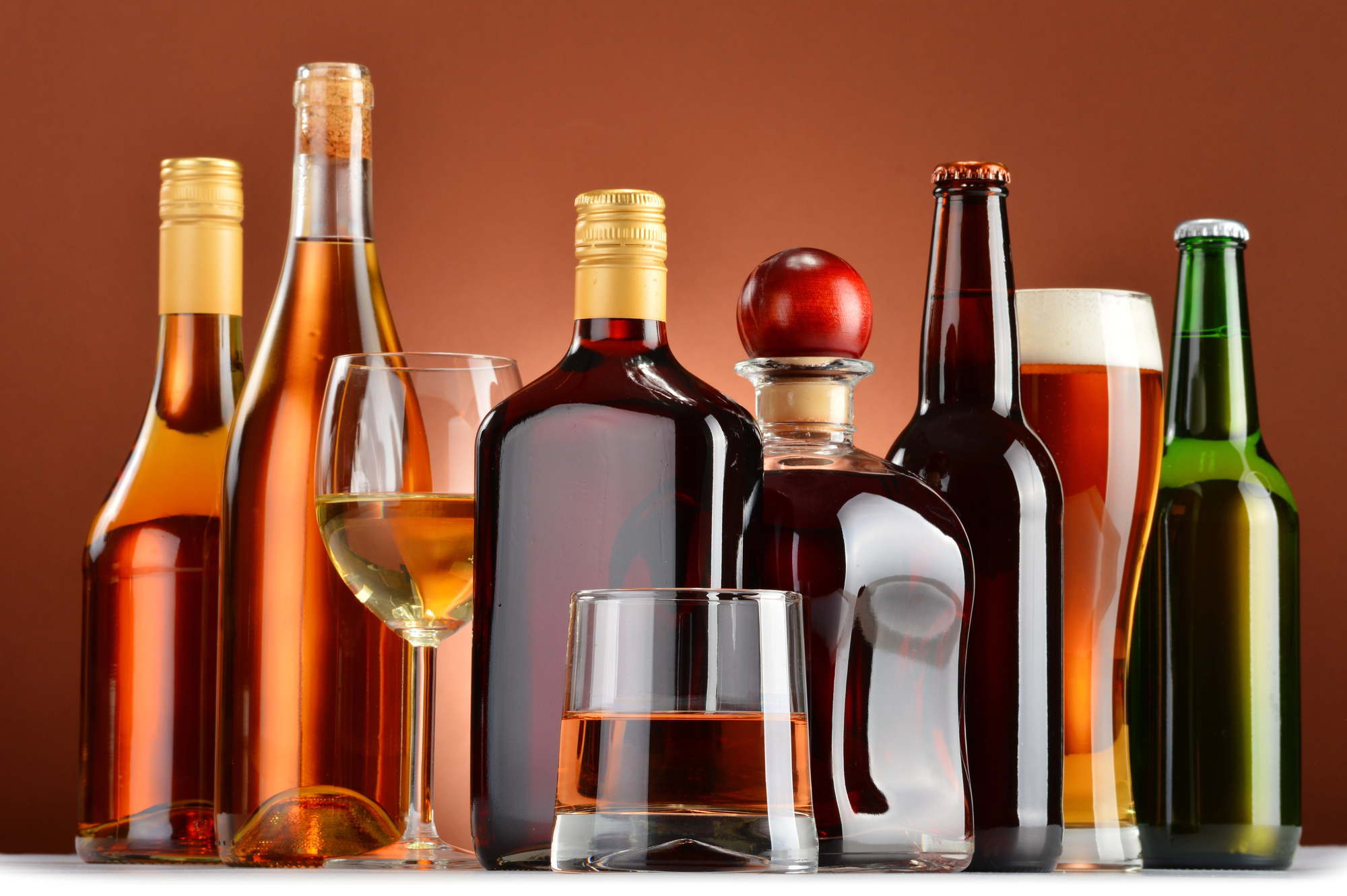
Gone are most of those drinks – not because they failed, but because newer ones took their spot. What folks drank says more about trade-offs: safety mattered more than flavor, energy counted above enjoyment, grabbing what existed beat waiting for something better.
Today’s drinks give us any option we want, every time tasting just the same – but missing roots, tied to no land or harvest, stripped of odd tangs and sharp zing. People used to sip things that kept them going, even if it made their faces twist.
Each new wave of drinkers stares at old habits like they’re half-wild, baffled by past palates. Chances are, future sippers will wrinkle noses at our current cups too.
More from Go2Tutors!

- The Romanov Crown Jewels and Their Tragic Fate
- 13 Historical Mysteries That Science Still Can’t Solve
- Famous Hoaxes That Fooled the World for Years
- 15 Child Stars with Tragic Adult Lives
- 16 Famous Jewelry Pieces in History
Like Go2Tutors’s content? Follow us on MSN.



