15 Electronics That Once Cost a Fortune
From smartphones that cost less than a week’s wages to laptops with enough power to edit movies, we now take inexpensive electronics for granted. However, the story was entirely different if you went back a few decades.
The devices that our parents and grandparents purchased frequently amounted to enormous financial outlays that would make modern consumers faint. These were luxury goods that only the wealthy could afford; they frequently cost more than cars or equivalent to months’ worth of wages for the typical worker.
These 15 devices were once extremely expensive.
Color Television Sets
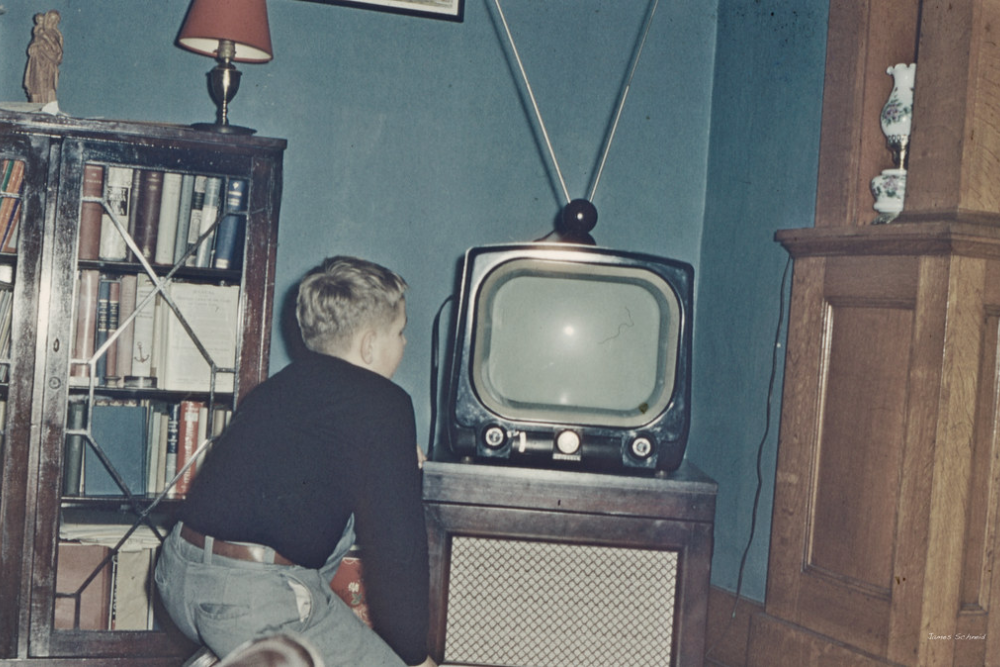
When Westinghouse introduced one of the first color TV sets in 1954, they slapped a $1,295 price tag on it—equivalent to $12,351 in today’s money. That’s more than many people spend on a used car today.
The hefty price included installation of special antennae, but reportedly, not a single unit sold at that price point. Even by the mid-1960s, a large color TV still cost $300, which translates to $2,490 today.
The average worker would have needed to save for months just to bring one home.
Cabinet Radios
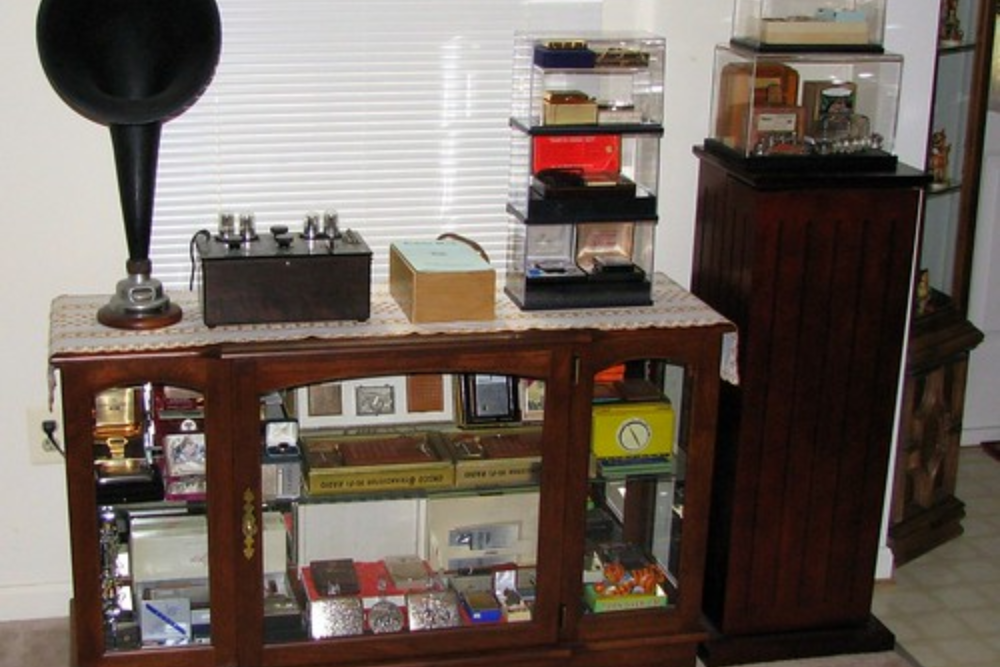
Before television dominated living rooms, ornate radio sets were the entertainment centerpiece of American homes. A Silvertone radio in a carved wooden cabinet from Sears cost $110 in 1929—that’s $1,650 in today’s purchasing power.
These weren’t just electronic devices; they were furniture pieces designed to last for years. Even modest radio models cost around $70, equivalent to $1,050 today.
When you consider that many families were struggling during the Great Depression, owning a radio was truly a luxury.
Like Go2Tutors’s content? Follow us on MSN.
Early Personal Computers
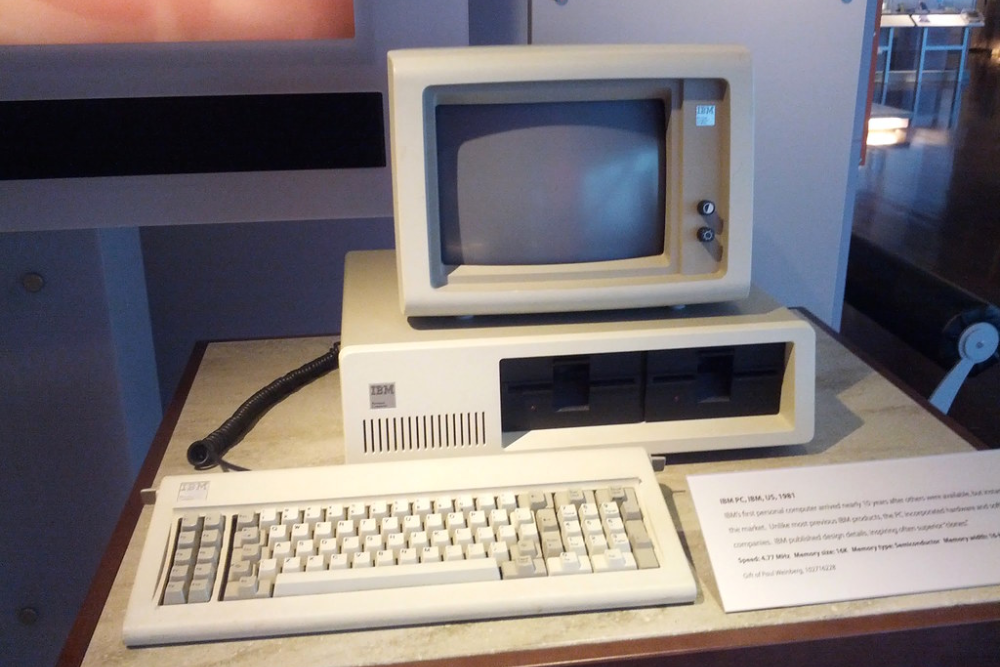
The dawn of personal computing came with eye-watering price tags that put these machines out of reach for most households. IBM’s 5100 Portable Computer launched in 1975 for $8,975, which equals a staggering $45,207 today.
Despite weighing 50 pounds, IBM marketed it as ‘portable’ because similar machines previously weighed half a ton. The famous Apple Lisa, introduced in 1983, cost $9,995—equivalent to $27,314 in current dollars.
Even the beloved Apple II from 1977 commanded $1,298, or $5,809 adjusted for inflation.
Programmable Calculators
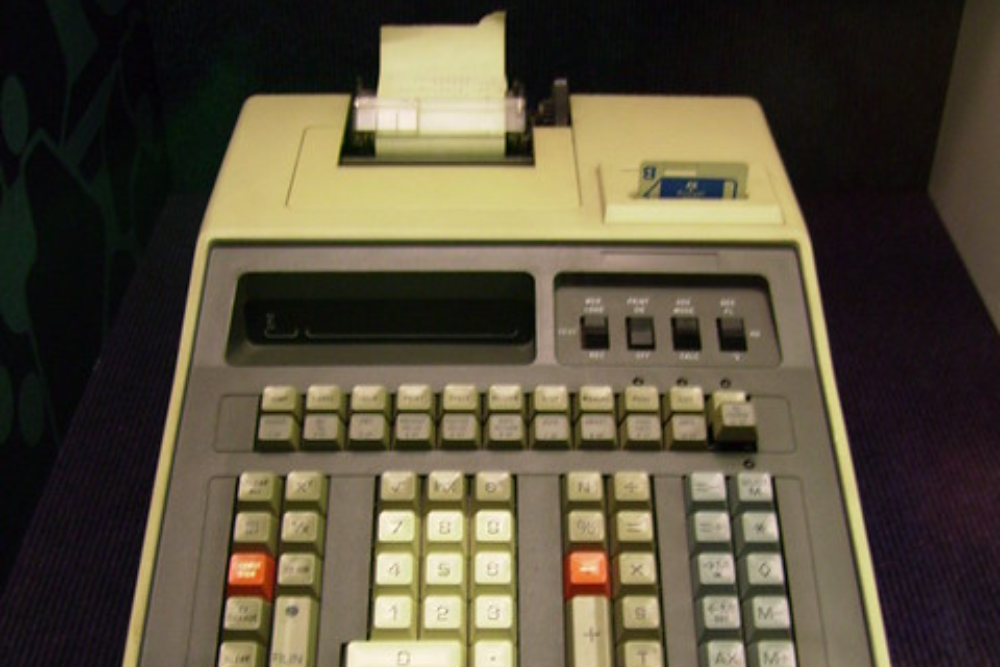
Long before smartphones put calculators in everyone’s pocket, electronic calculators were precision instruments that cost serious money. The HP-35, introduced in 1972 as the world’s first handheld scientific calculator, sold for $395—that’s $2,432 in today’s dollars.
A JCE model ALK-1 calculator from the 1970s with a red LED display recently sold for $365 on eBay, and working calculators from that era routinely fetch $100 or more from collectors.
Transistor Radios
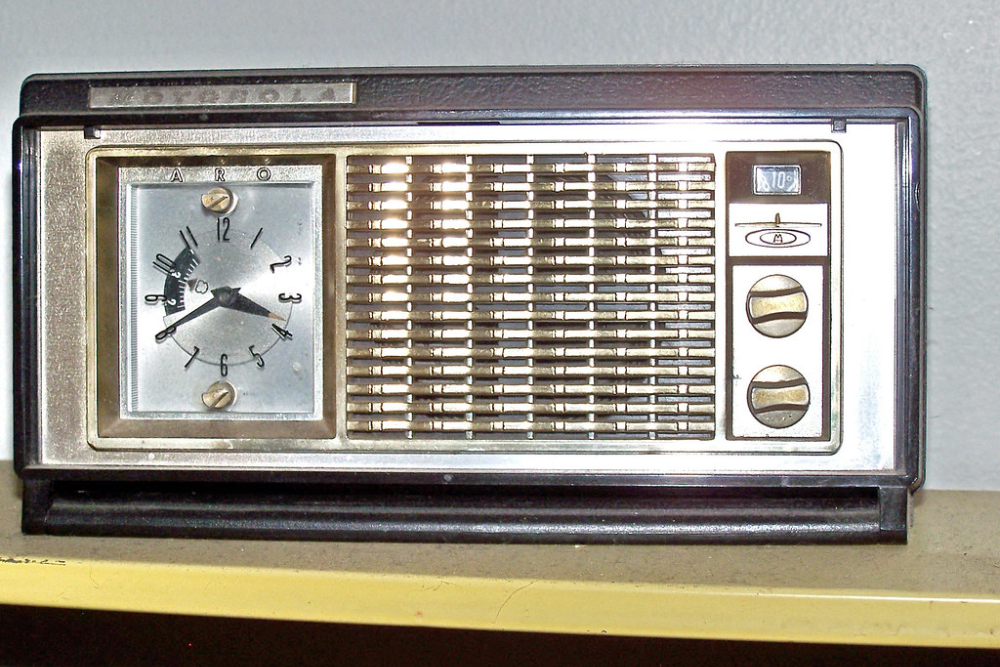
Portable music seems cheap today, but Sony’s 8-channel transistor radio cost $49.95 in the 1960s—equivalent to $418.79 in current money. These pocket-sized marvels represented cutting-edge technology and were must-have accessories for teenagers.
The Sony TR-63, known as the original pocket radio, was a status symbol that today commands upwards of $500 from vintage electronics collectors.
Like Go2Tutors’s content? Follow us on MSN.
Mobile Phones
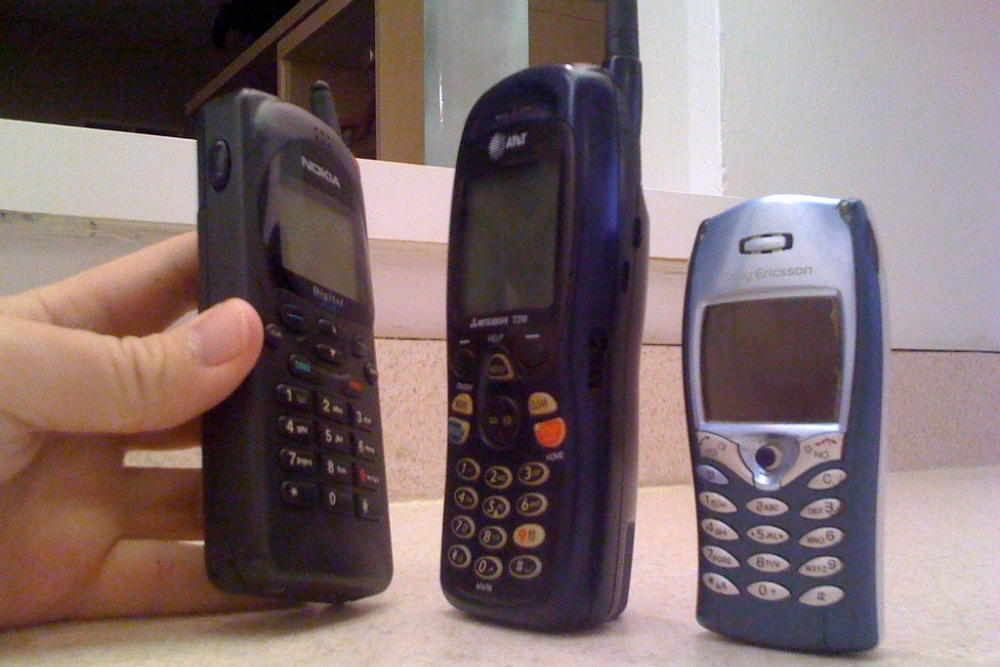
The first commercially available mobile phones weren’t just expensive—they were absurdly so. The Radio Shack CT-200 ‘car phone’ launched in 1988 for $1,199, equal to $2,494 today.
The more compact CT-300 cost even more at $1,499, or $3,118 in current dollars. These brick-sized devices were primarily marketing tools for business executives who wanted to project success and importance.
Early Refrigerators
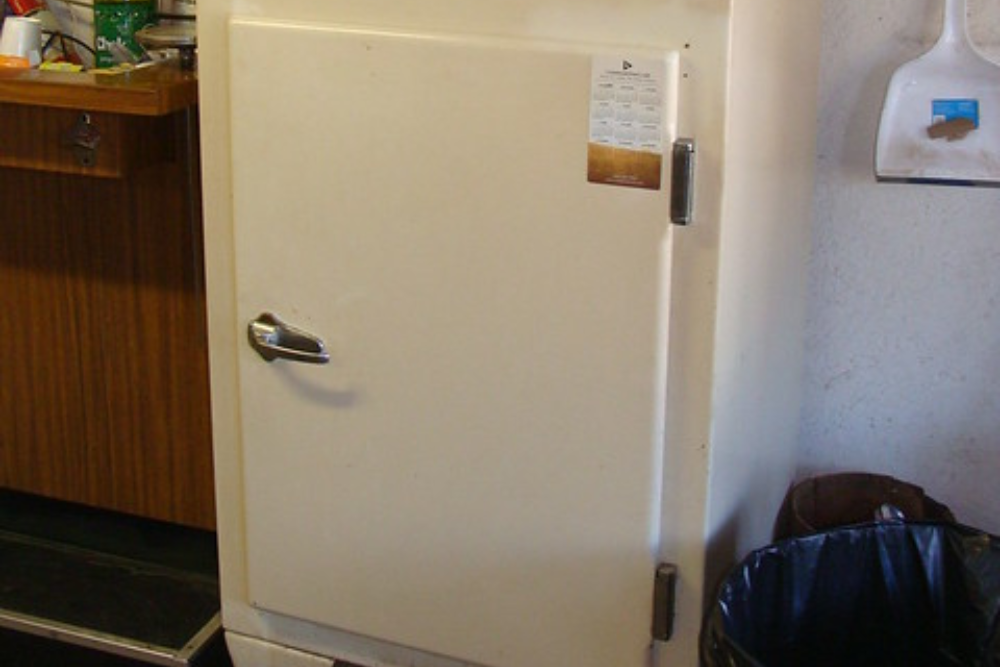
When refrigerators first hit the market in 1920, they cost around $1,000—an astronomical $13,293 in today’s money. Only the wealthiest families could afford to replace their iceboxes with these electric marvels.
Even by 1952, a Coldpoint refrigerator cost $329, equivalent to $3,185 today. The technology was revolutionary, but the price put it out of reach for most middle-class families for decades.
Microwave Ovens
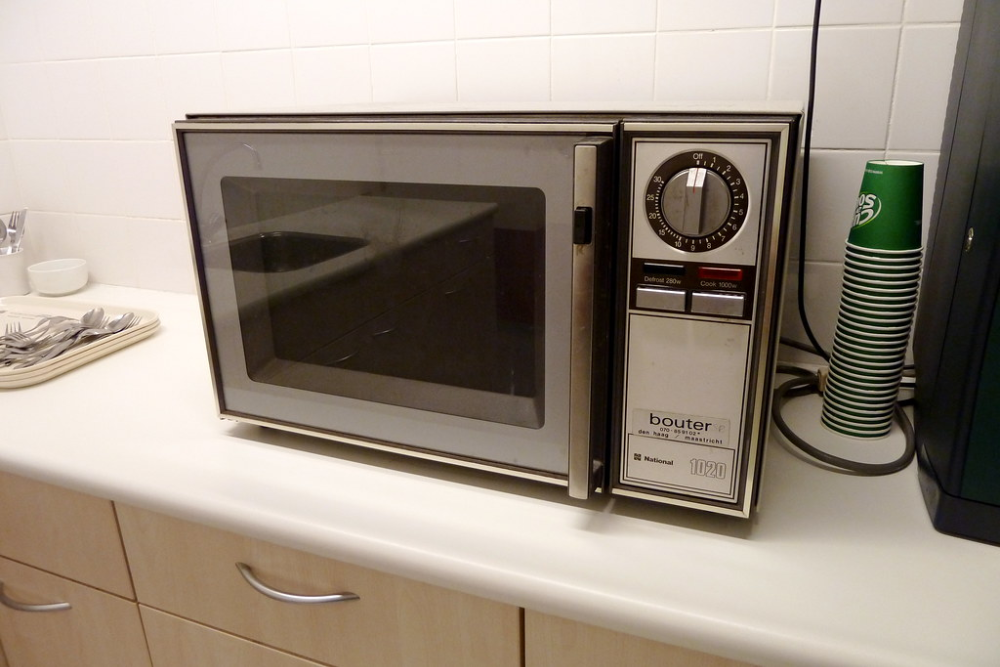
The convenience of reheating leftovers came at a premium in 1985, when a 0.8-cubic-foot microwave from Sears cost about $240—equivalent to $585 today. These early countertop models were considered luxury appliances that dramatically changed how families approached cooking.
The technology seemed almost magical, but the price meant many households waited years before buying one.
Like Go2Tutors’s content? Follow us on MSN.
Video Game Consoles
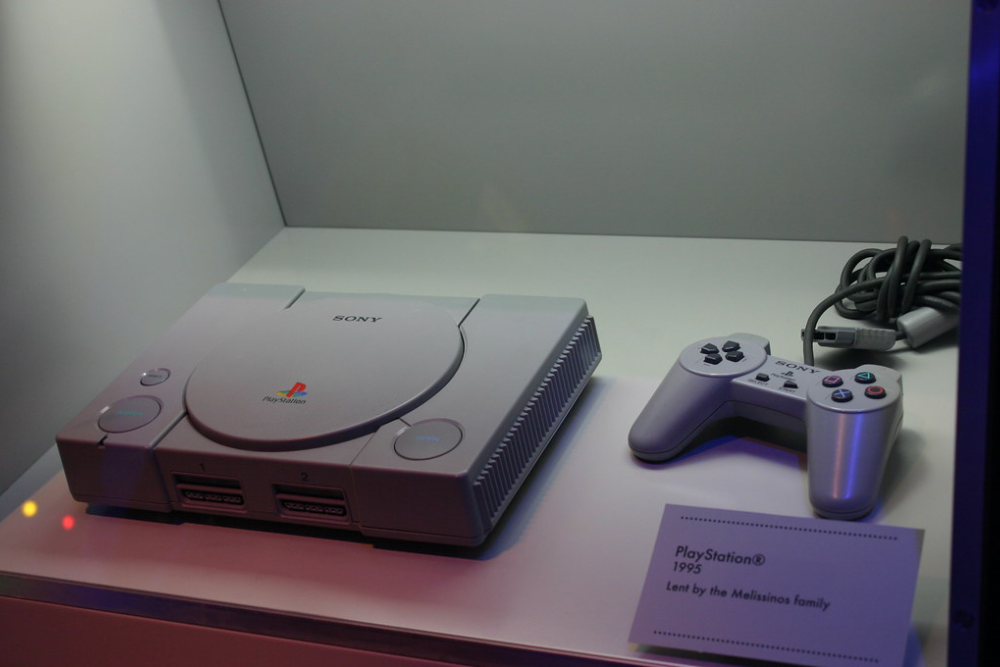
Early gaming consoles required serious financial commitment from families. The original Atari 2600 launched in 1977 for $199, equal to $891 today.
More advanced systems commanded even higher prices—the SNK Neo Geo holds the record as the most expensive console ever, costing $649 in 1990, which translates to $1,552 in current dollars. Even the beloved Nintendo Entertainment System cost $179 in 1985, equivalent to $438 today.
Stereo Systems
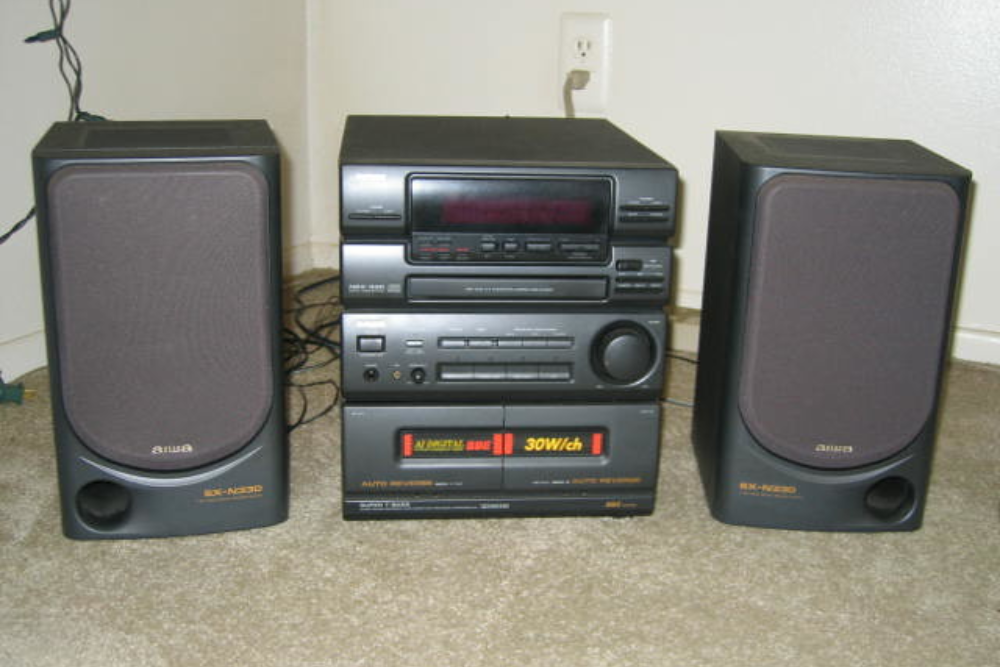
High-fidelity audio equipment represented major investments for music lovers. The Fisher 500-C receiver, praised for its exceptional tube-based sound quality, cost several hundred dollars in the 1960s.
Well-maintained models now sell for over $1,000, with unopened sets commanding even higher prices. The Dynaco Stereo 70 amplifier has become such a cult classic that used models regularly sell for upwards of $2,000.
IBM Personal Computer
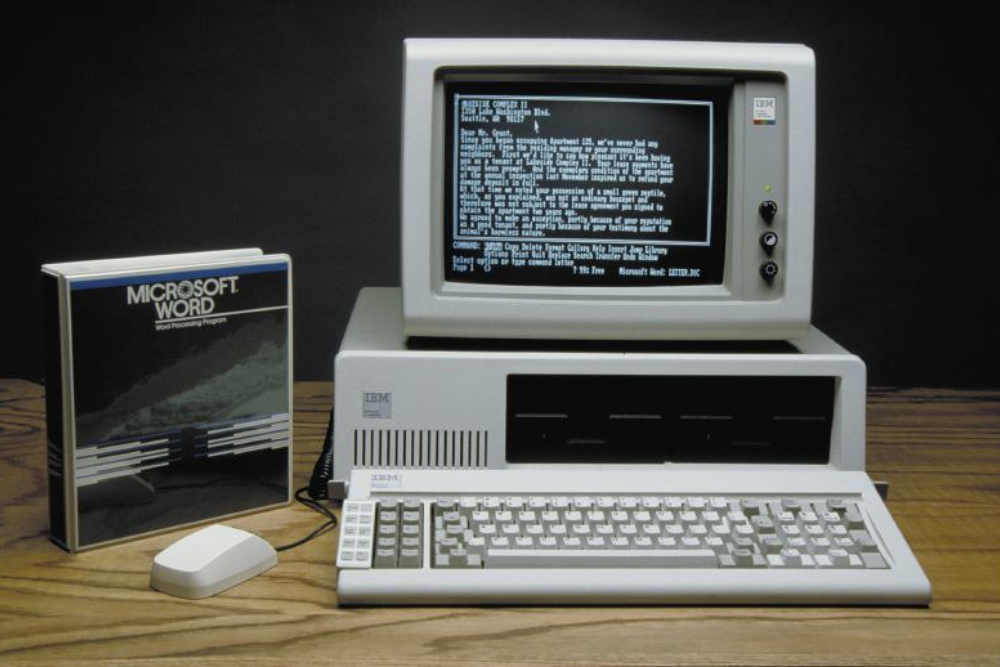
The machine that essentially created the PC standard came with a hefty price tag. IBM’s Personal Computer 5150, launched in 1981, cost $1,565 for the basic model—equivalent to $4,664 today. The fully loaded version pushed the price to $3,000, making it a significant investment for businesses and well-off consumers.
This machine established the template for personal computers but remained out of reach for average families.
Like Go2Tutors’s content? Follow us on MSN.
Commodore Computers
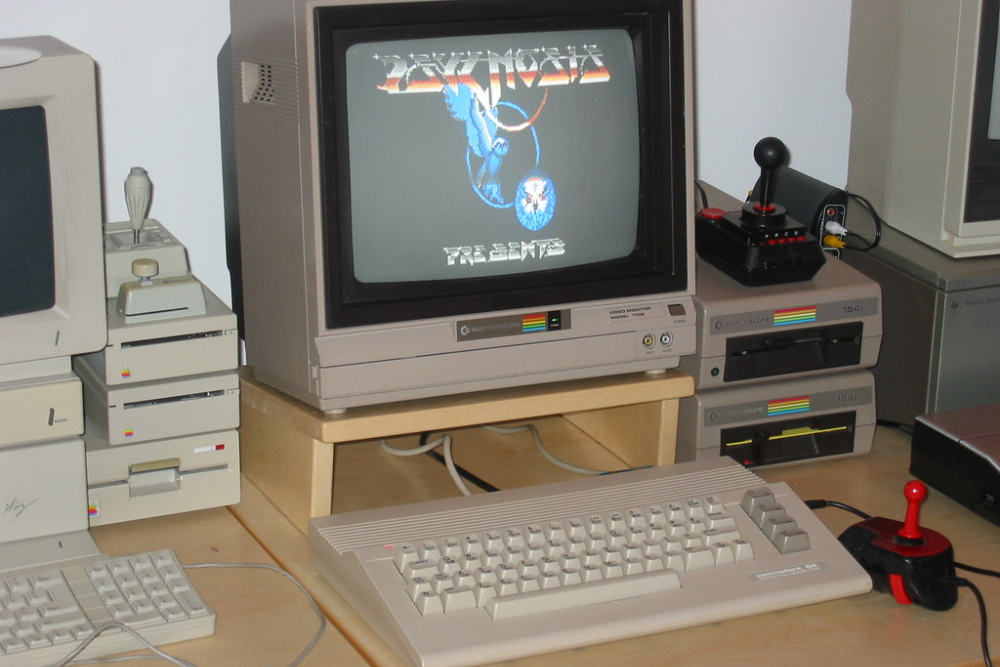
Even more affordable computer options carried substantial price tags by today’s standards. The Commodore 64, despite being one of the best-selling computers in history, launched in 1982 for $595—equal to $1,666 today.
The earlier Commodore VIC-20 cost $299 in 1980, while the more advanced Amiga 1000 commanded $1,295 in 1985, equivalent to $3,280 in current dollars.
Professional Audio Equipment
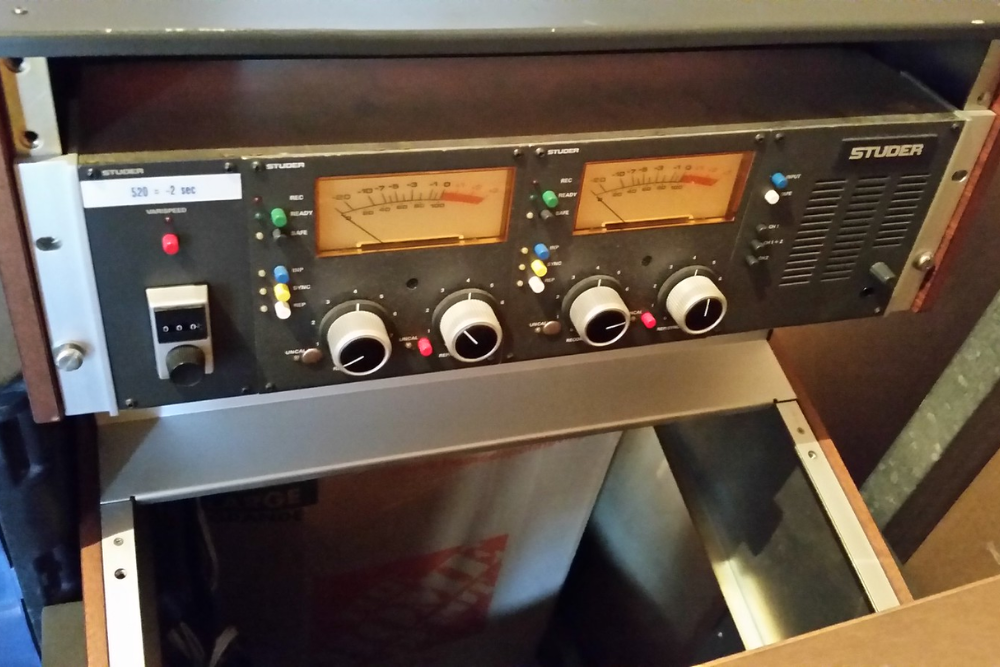
Recording and playback equipment designed for serious audiophiles carried premium prices that reflected their precision engineering. Professional-grade turntables, amplifiers, and speakers from companies like Marantz and McIntosh cost thousands of dollars in the 1970s and 1980s.
These weren’t mass-market consumer goods but specialized equipment for those who demanded the absolute best in sound reproduction.
Early Laptop Computers
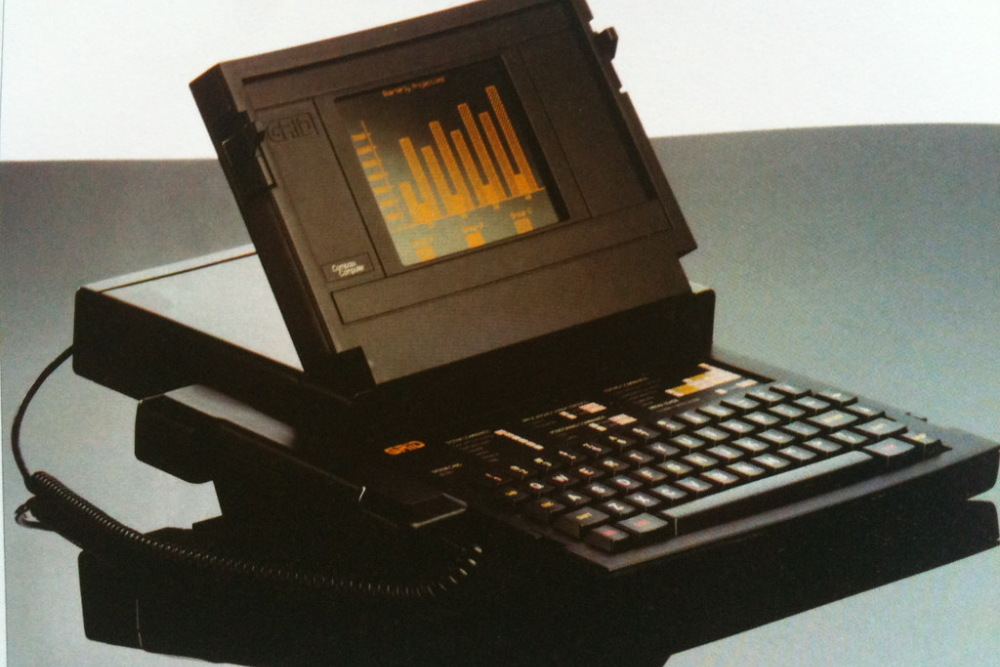
Portable computing came at an extreme premium in the late 1980s and early 1990s. The Macintosh Portable M5120, introduced in 1989, cost $7,300—equivalent to $16,020 today.
IBM’s ThinkPad 755CD from 1994 carried a $7,599 price tag, equal to $13,979 in current dollars. These machines weighed as much as desktop computers but offered the revolutionary ability to compute anywhere.
Like Go2Tutors’s content? Follow us on MSN.
Cordless Phones
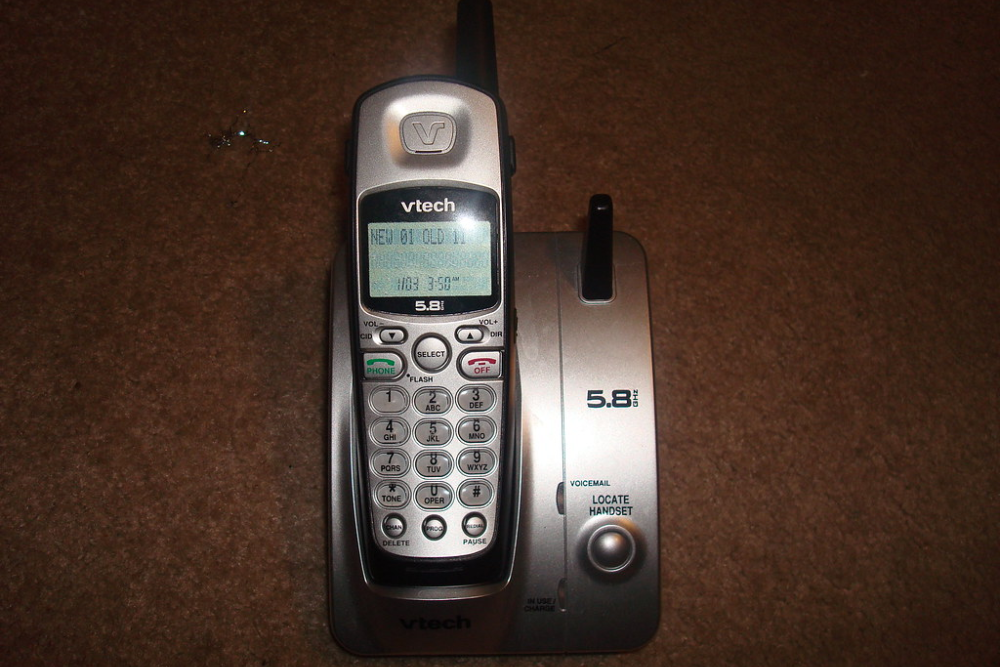
The freedom to walk around while talking on the phone came at a significant cost before cell phones became ubiquitous. Early cordless phones in the 1980s cost between $100 and $300, depending on features like range and battery life.
When you adjust for inflation, these prices translate to $244 to $732 today. For many families, a cordless phone represented a luxury purchase that seemed almost futuristic.
From Luxury to Everyday
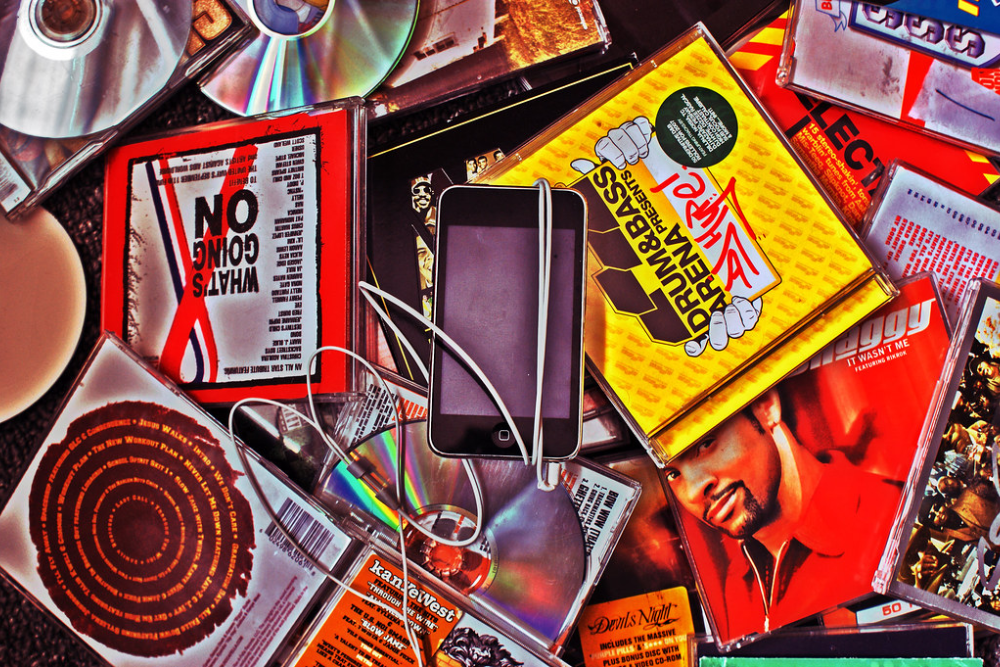
Looking back at these prices, it’s remarkable how technology that once required major financial planning is now considered disposable. A smartphone today contains more computing power than machines that cost tens of thousands of dollars just decades ago.
What once took months of saving can now be purchased with pocket change, demonstrating how mass production and technological advancement have democratized access to electronic marvels that were once the exclusive domain of the wealthy.
More from Go2Tutors!

- 16 Historical Figures Who Were Nothing Like You Think
- 12 Things Sold in the 80s That Are Now Illegal
- 15 VHS Tapes That Could Be Worth Thousands
- 17 Historical “What Ifs” That Would Have Changed Everything
- 18 TV Shows That Vanished Without a Finale
Like Go2Tutors’s content? Follow us on MSN.



