15 Energy Facts That Will Completely Change How You View the World
Energy surrounds us in ways most people never stop to consider. It’s not just the electricity powering your phone or the gasoline in your car tank.
Every breath you take, every thought you think, every star burning in the night sky operates on principles that would sound like science fiction if they weren’t absolutely real. These facts don’t just explain how the world works — they reveal that the world works in ways far stranger and more interconnected than most of us realize.
The Sun Delivers More Energy to Earth in One Hour Than Humanity Uses in a Year

The math is staggering. Done. No debate needed.
Every hour, about 430 quintillion joules of solar energy hit Earth. Humanity’s entire annual energy consumption clocks in at around 580 million terajoules. The sun delivers nearly 3,000 times that amount before lunch.
A Single Bolt of Lightning Contains Enough Energy to Power a Home for Weeks
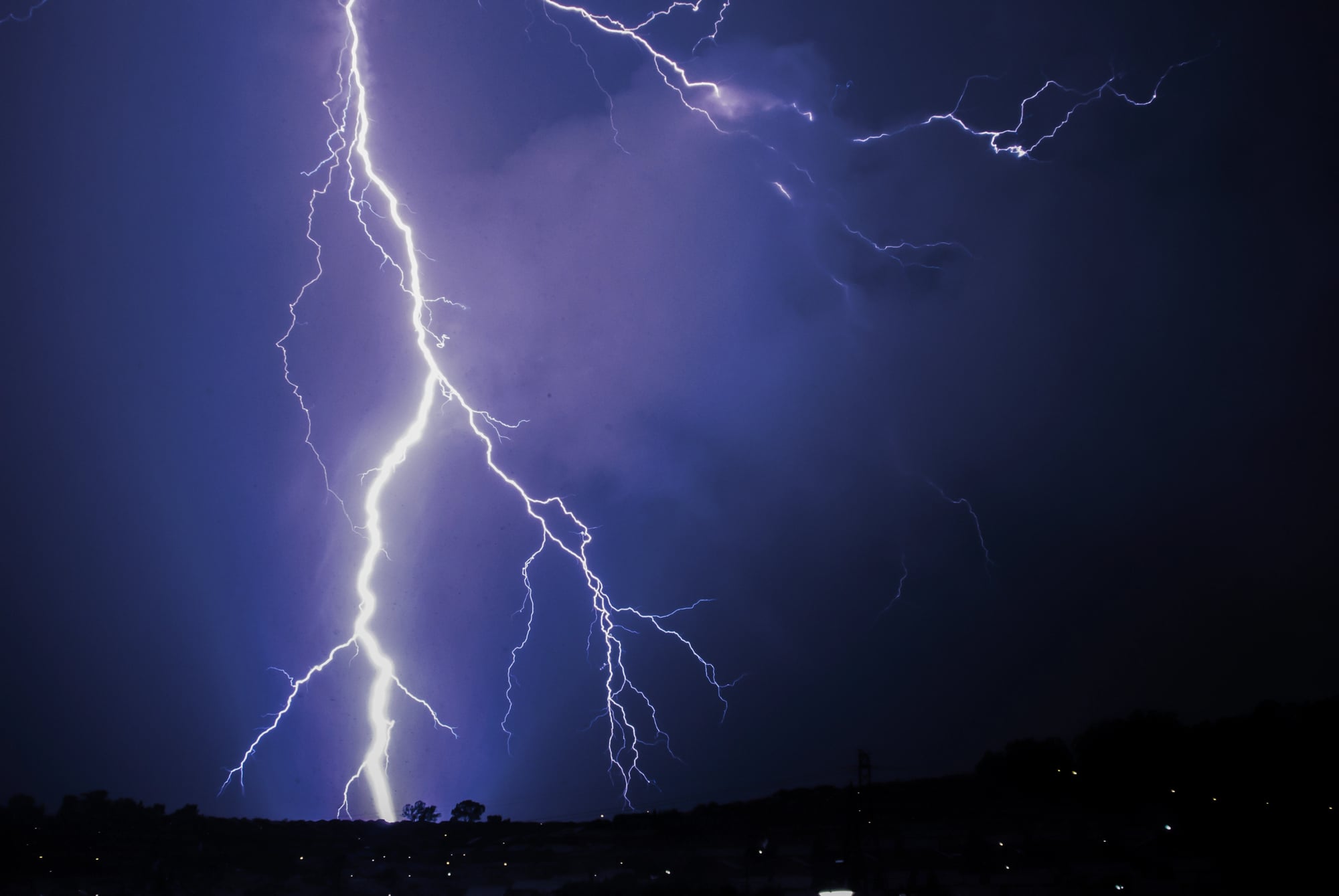
Lightning operates on a scale that makes ordinary electrical systems look quaint — and yet (because nature enjoys irony more than efficiency) most of that raw power dissipates before anyone could harness it, which is probably for the best considering that capturing something that reaches 50,000 degrees Fahrenheit and carries billions of volts would require infrastructure that doesn’t exist and safety protocols that would make nuclear power plants look casual. The energy is there for roughly 200 microseconds, long enough to briefly outshine the sun in terms of electrical output but not nearly long enough for any human system to grab it.
So lightning remains what it has always been: a reminder that the atmosphere casually generates more power in a split second than most cities use in a day, then lets it all scatter into the ground like loose change.
Your Body Generates About 100 Watts of Power at Rest

Think of your body as a compact power plant that never shuts down. Even while you sleep, your cells are burning fuel, pumping blood, and maintaining the electrical grid that keeps your brain thinking and your heart beating.
The heat you generate sitting still could power a bright light bulb — your metabolism is essentially a controlled fire that runs on food instead of wood.
A Gallon of Gasoline Contains the Energy Equivalent of 500 People Working for 8 Hours

Gasoline is concentrated ancient sunlight. Millions of years of stored solar energy, compressed and refined into liquid form.
When you casually fill up your tank, you’re purchasing the equivalent of 10,000 hours of human labor. That 15-gallon fill-up represents the work output of 7,500 people laboring for a full day. And you burn through it in a few hundred miles of driving.
Nuclear Energy Releases 2 Million Times More Power Than Chemical Reactions
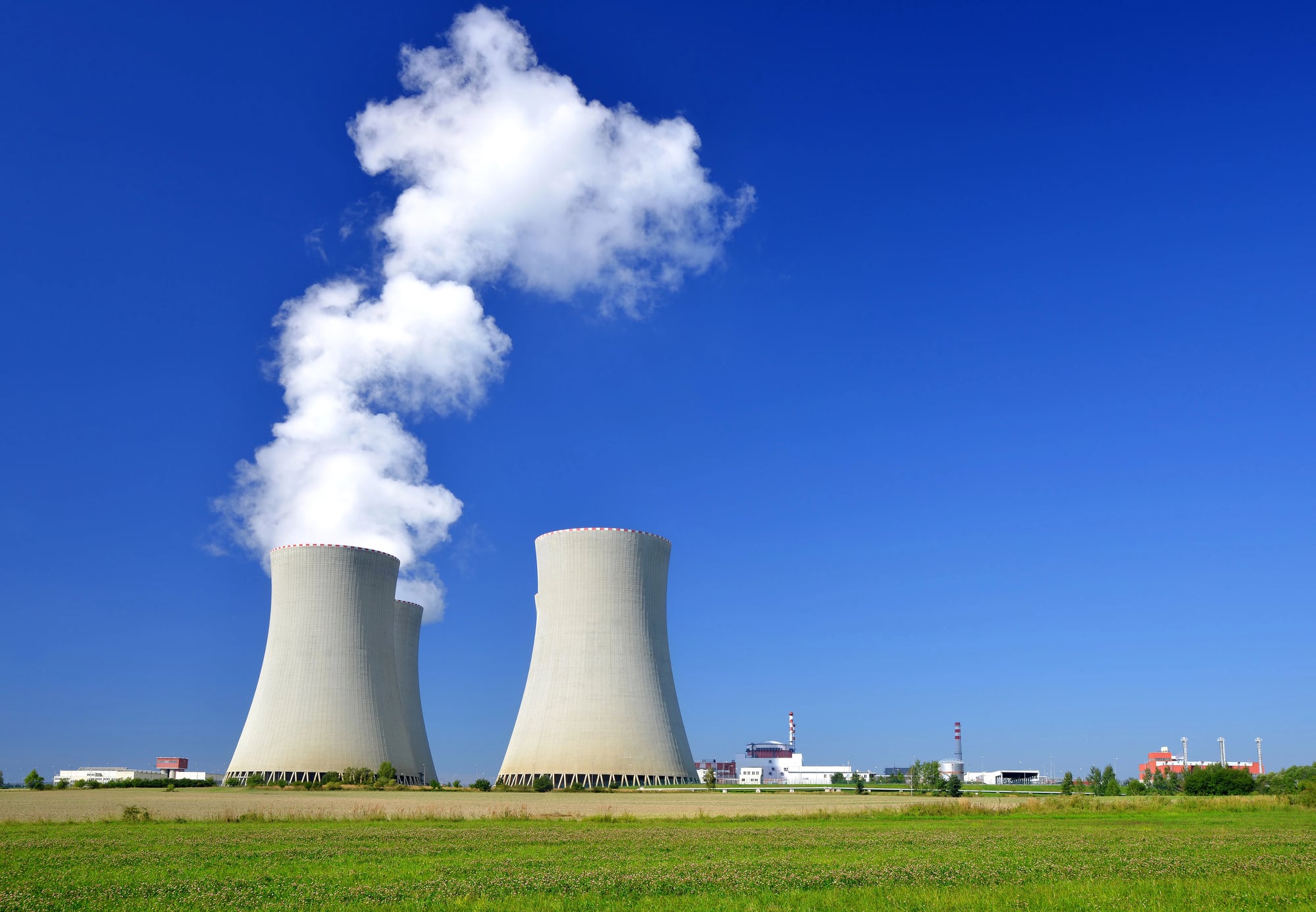
There are reactions that rearrange molecules, and then there are reactions that rearrange the universe. Nuclear fission doesn’t just break chemical bonds — it reaches into the heart of atoms and splits them apart, releasing forces that held matter together since the elements first formed in dying stars. A uranium pellet the size of a fingertip contains as much energy as a ton of coal, not because the uranium is special but because nuclear reactions operate on an entirely different level of reality than burning things.
The gap between chemical and nuclear energy is like comparing a campfire to the sun. Both involve energy release, but the mechanisms are so fundamentally different that they might as well be separate sciences. Chemical reactions shuffle electrons around between atoms. Nuclear reactions tear the atoms themselves apart.
The Earth’s Core is as Hot as the Sun’s Surface
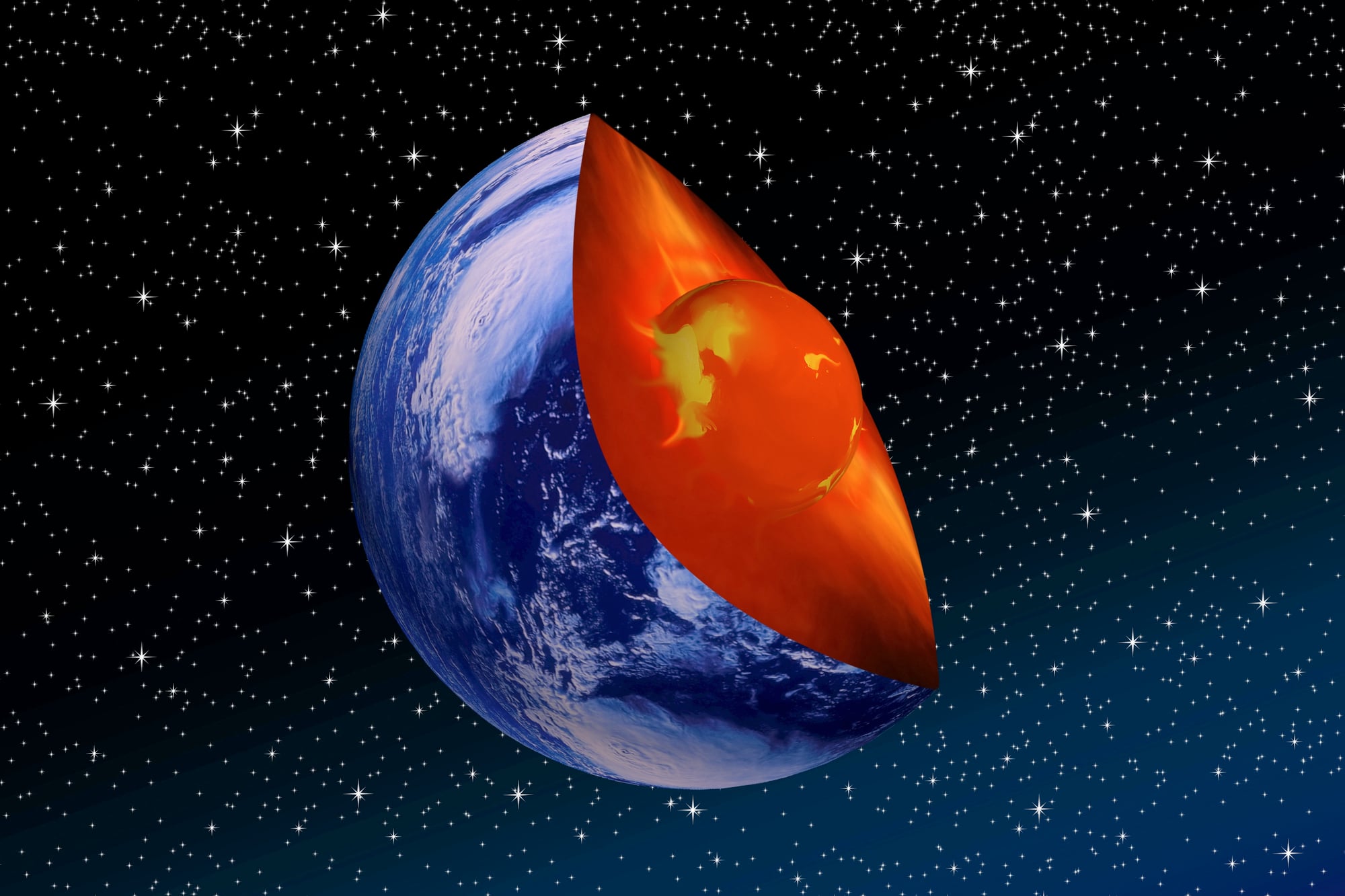
The ground beneath your feet isn’t solid and cool. Six thousand degrees Fahrenheit burns about 4,000 miles below, roughly the same temperature as the sun’s surface.
This heat comes from leftover energy from Earth’s formation 4.5 billion years ago, plus radioactive decay that’s been generating warmth ever since. The planet is essentially a giant heat battery that loses only tiny amounts of thermal energy to space each year.
Iceland figured this out early and now heats most of its buildings by drilling down and borrowing some of that planetary heat. The rest of the world mostly ignores the massive furnace spinning beneath them.
A Hurricane Releases the Energy of 10,000 Nuclear Bombs Per Day
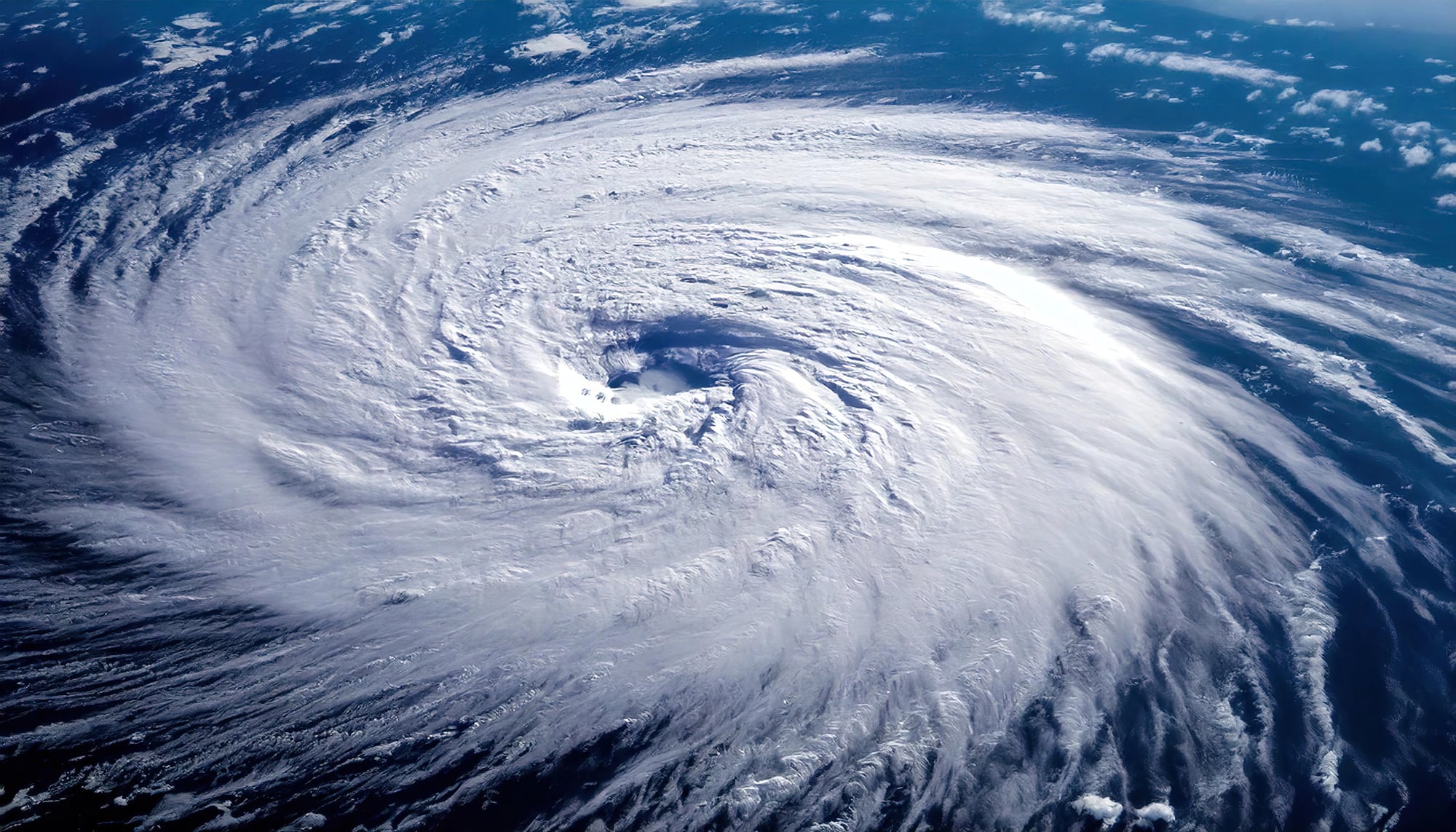
Hurricanes are atmospheric heat engines that dwarf every human power source combined — and they build themselves from warm ocean water and spinning air, no fuel required, no engineers needed, just physics doing what physics does when water evaporates at scale and the Earth rotates beneath it (which happens to generate forces that can level cities and reshape coastlines while barely registering as a weather event from space). The energy budget of a major hurricane makes every human power plant look like a toy, not because storms are particularly efficient but because they operate on the scale of entire ocean basins and draw their fuel from thermal differences that span thousands of miles.
But most of that energy goes into moving air and water around, not destroying things. The destructive part represents maybe 1% of the storm’s total energy output. Even the winds that knock down buildings are just a side effect of a much larger atmospheric engine doing atmospheric engine things.
Photosynthesis Converts More Solar Energy Than All Human Technology Combined

Plants figured out solar power billions of years before humans discovered electricity. Every leaf operates as a biological solar panel that converts sunlight, carbon dioxide, and water into stored chemical energy. The total energy conversion happening in forests, grasslands, and ocean algae dwarfs every solar farm and wind turbine humans have built.
The process isn’t even particularly efficient — most plants convert less than 1% of available sunlight into stored energy. But when you’re working with the entire surface of the planet, even small percentages add up to massive amounts of power.
And photosynthesis produces oxygen as a waste product, which turned out to be useful for everything else that wanted to evolve after that.
The Human Brain Uses 20% of Your Body’s Energy Despite Being 2% of Your Weight

Your brain is an energy hog that burns through glucose like a high-performance engine, demanding a disproportionate share of your body’s fuel even when you’re doing nothing more strenuous than reading these words. Three pounds of neural tissue consuming the same amount of power as major organs that weigh five times more — the brain treats energy efficiency like an optional feature it never bothered to install.
This isn’t a design flaw. Thinking requires massive amounts of electrical activity, and electrical activity requires constant fuel. Every memory you form, every decision you make, every word you recognize represents thousands of neurons firing in coordinated patterns. Consciousness, it turns out, is expensive.
Splitting Atoms Was Discovered by Accident While Looking for Something Else
Nuclear fission emerged from curiosity, not calculation — scientists in the 1930s were bombarding uranium with neutrons just to see what would happen, expecting maybe some radioactive decay or element transmutation, the kind of controlled laboratory chemistry that fills research journals and advances careers modestly. Instead they accidentally split the nucleus apart and released more energy than anyone thought possible from such a small sample, which led to hasty calculations, frantic letters between physicists, and the sudden realization that E=mc² wasn’t just an elegant equation but a recipe for unleashing forces that could power cities or destroy them.
The discovery happened during the worst possible decade for accidentally finding ways to release massive amounts of energy. Pure scientific curiosity had uncovered something that would reshape geopolitics within five years.
Geothermal Energy Could Power the World for Millions of Years
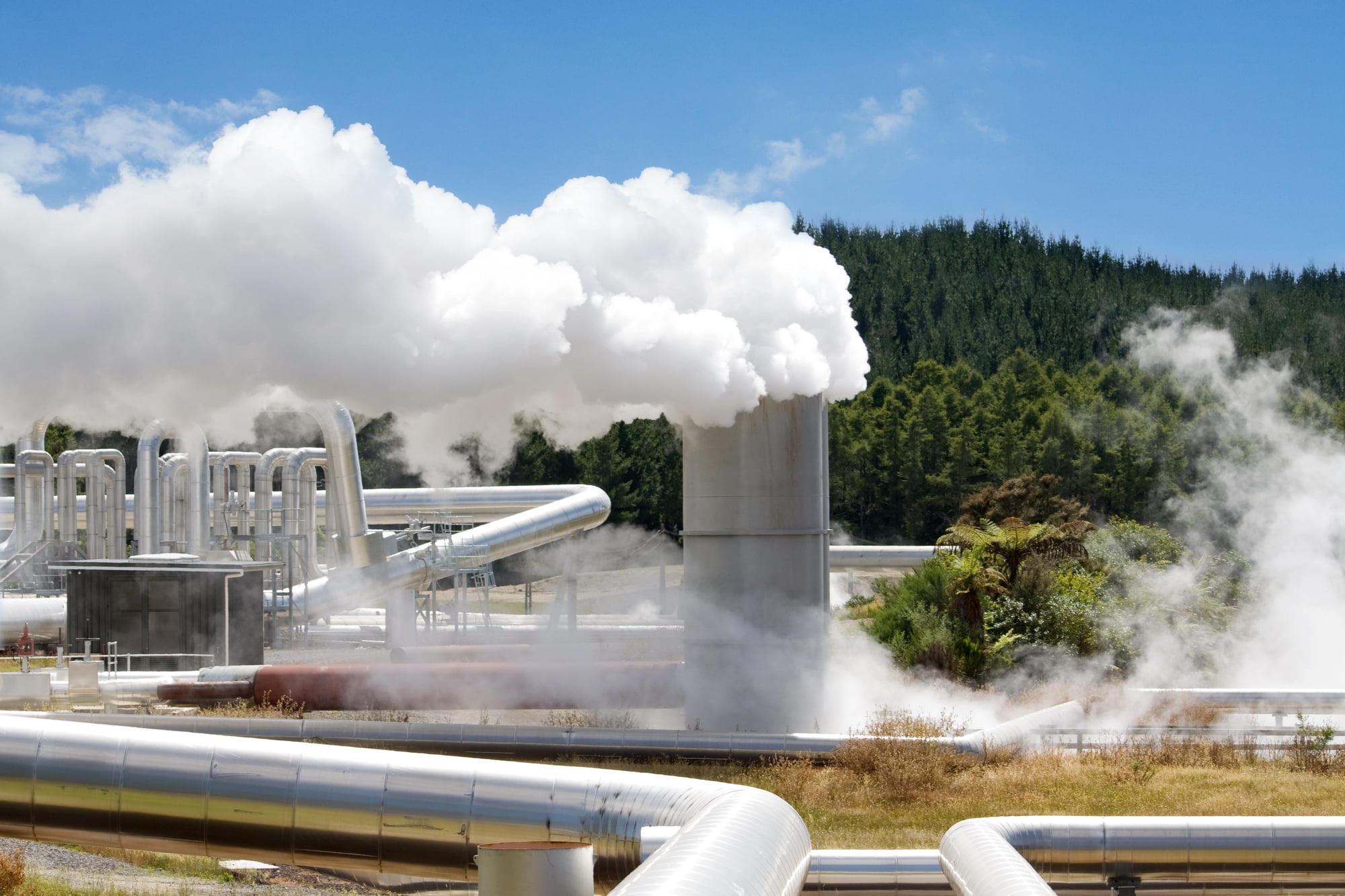
The Earth contains more thermal energy than humanity could consume across entire geological epochs. Deep geothermal resources exist nearly everywhere on the planet — you just have to drill far enough down to reach rock hot enough to generate steam.
Current geothermal technology only taps the easiest sources near tectonic plate boundaries. Enhanced geothermal systems could theoretically access the planetary heat battery from almost any location. The technology exists, but the upfront costs keep most projects focused on obvious volcanic regions.
The heat isn’t going anywhere. The Earth’s core will stay molten for billions of years whether we use that energy or not.
Food Energy Travels an Average of 1,500 Miles Before Reaching Your Plate

Your meals are fuel that burned fuel to get to you. The apple in your kitchen consumed solar energy to grow, then diesel fuel for harvesting, processing, and transport. The total energy embedded in food systems — from fertilizer production to refrigerated shipping — often exceeds the caloric energy the food provides.
This energy subsidy makes fresh produce available year-round regardless of local growing seasons. Your winter salad exists because of a complex energy network that spans continents and burns fossil fuels to move nutrients around the planet.
Local food systems reduce this energy overhead, but they also reduce variety and availability. Most people prefer energy-intensive diversity to efficient monotony.
Ocean Waves Contain Enough Energy to Power Half the World

Wave energy represents one of the largest untapped renewable resources on the planet — essentially solar and wind power converted into mechanical motion by ocean surface dynamics, then concentrated along coastlines where the water meets land and the waves break with predictable, measurable force that could theoretically drive generators 24 hours a day without depending on weather conditions or daily solar cycles (unlike wind and solar, which operate on nature’s schedule rather than human demand). The technical challenges are significant because ocean environments destroy most equipment humans put in them, but the resource itself dwarfs most other renewable options.
Portugal and Scotland have built working wave power systems that feed electricity into national grids. The technology works — it just doesn’t scale easily.
But the waves will keep coming whether anyone harnesses them or not. Might as well figure out how to catch some of that energy.
Antimatter Contains the Most Energy Dense Material Possible in the Universe
Antimatter makes nuclear energy look inefficient. When matter meets antimatter, both particles convert entirely into energy according to E=mc². No leftover mass, no waste products — just pure energy release at the theoretical maximum allowed by physics.
A single gram of antimatter reacting with a gram of regular matter would release the energy equivalent of 43 kilotons of TNT. For comparison, the nuclear bomb dropped on Nagasaki released 21 kilotons.
The challenge is creating and storing antimatter, which currently costs trillions of dollars per gram and requires particle accelerators the size of cities. Also, if the containment fails, the antimatter instantly annihilates with regular matter and releases all its energy at once.
So antimatter remains the ultimate theoretical fuel that’s completely impractical to use.
The Connected Web We Never See
Energy doesn’t follow the boundaries humans draw on maps or the categories we create in textbooks. It flows from nuclear reactions in the sun’s core to chemical reactions in plant leaves to electrical impulses in your brain, all part of the same continuous system that’s been running for billions of years. Every calorie you burn was once starlight. Every movement you make redistributes energy that originated in the Big Bang and has been cycling through different forms ever since.
This isn’t mystical — it’s physics. But physics, when you follow it far enough, reveals a world where everything connects to everything else through invisible threads of energy transfer that make the boundaries between self and environment seem arbitrary. The energy in your body right now has been part of stars, storms, and countless other living things. It’s on loan to you temporarily before moving on to power something else.
More from Go2Tutors!

- The Romanov Crown Jewels and Their Tragic Fate
- 13 Historical Mysteries That Science Still Can’t Solve
- Famous Hoaxes That Fooled the World for Years
- 15 Child Stars with Tragic Adult Lives
- 16 Famous Jewelry Pieces in History
Like Go2Tutors’s content? Follow us on MSN.



