Movies with Endings Hidden in Plain Sight
Some filmmakers love dropping hints throughout their movies that point directly to the ending, but they hide these clues so cleverly that most viewers miss them completely on first watch. These aren’t cheap tricks or last-minute decisions made in editing rooms.
Directors and writers plant careful breadcrumbs from the opening scenes that make perfect sense once you know where the story leads. Let’s look at films that showed us their endings right from the start, even though we didn’t realize it until the credits rolled.
The Sixth Sense
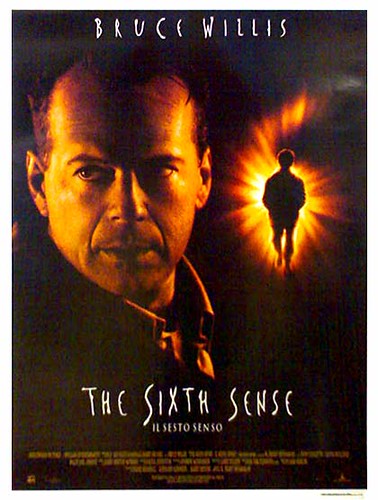
M. Night Shyamalan’s breakthrough film opens with a scene that literally shows the audience exactly what happened, but the editing makes viewers interpret it differently. Malcolm Crowe gets shot in his bathroom and the screen fades to black with the words ‘The Next Fall’ appearing.
The movie never actually shows Malcolm recovering or doing normal living-person activities after that night. He wears the same clothes throughout the film and nobody except Cole ever speaks directly to him.
Shyamalan plays completely fair with the audience by showing the truth in the very first scene, but the misdirection works so well that the ending still shocks people.
Fight Club
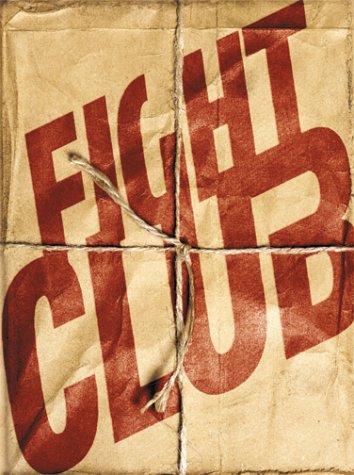
The unnamed narrator describes his insomnia and disconnection from reality in the opening minutes, mentioning that everything feels like a copy of a copy. Tyler Durden appears as single-frame flashes several times before the character officially enters the story.
The narrator even jokes about becoming schizophrenic when describing his mental state. David Fincher literally shows Tyler in the frame before viewers consciously register his presence.
Every clue about Tyler’s true nature sits right there on screen, but the film’s energy and style distract from what’s actually being shown.
The Prestige
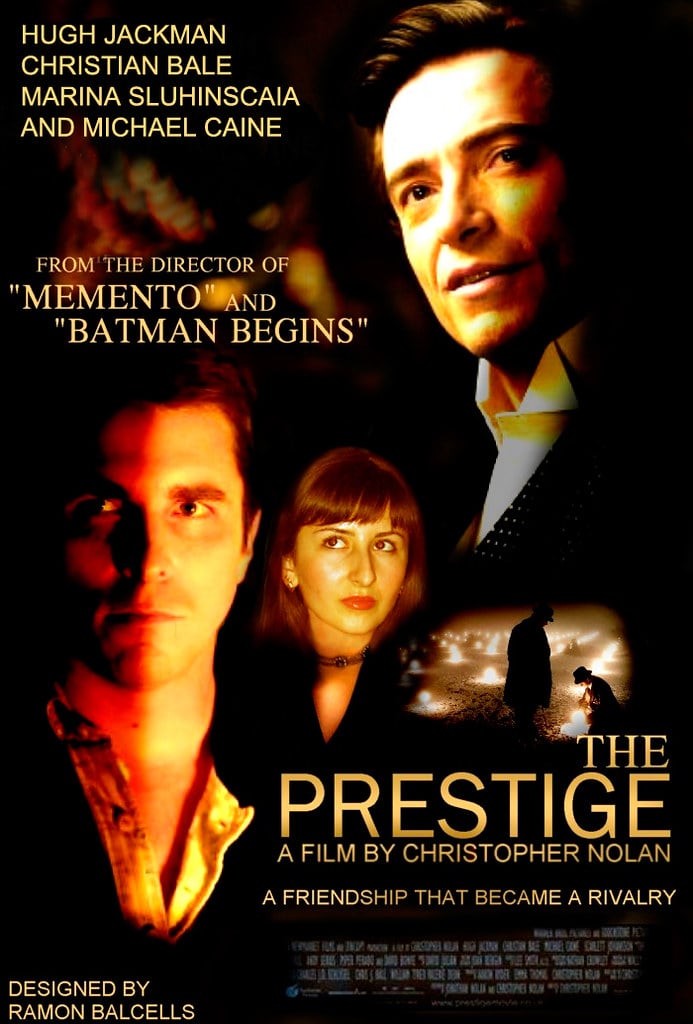
Alfred Borden tells the judge during his trial that the secret to his trick is that he lives his act completely, which is exactly what he’s been doing all along. The film opens with a voiceover explaining that magic tricks have three parts, and the explanation describes the movie’s own structure perfectly.
Michael Caine’s character spells out the entire plot when he says the audience doesn’t really want to know the secret because the reality is always disappointing. Every frame of Borden with his wife and daughter contains the truth about his sacrifice.
Christopher Nolan even shows both Borden twins in the same frame during certain scenes, though the staging makes it easy to miss.
Shutter Island
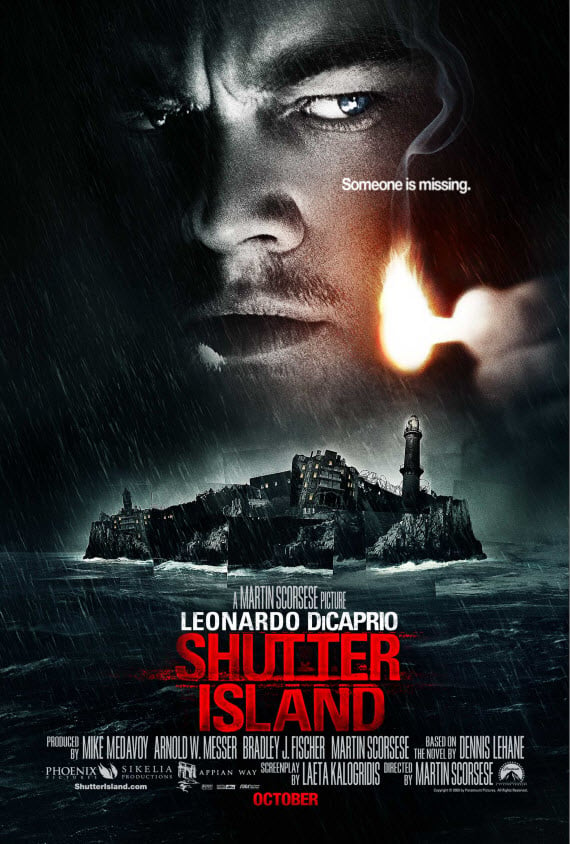
Leonardo DiCaprio’s character arrives on the island soaking wet and immediately looks sick, which makes sense given he’s supposedly seasick from the ferry ride. But he never actually gets better, and he keeps having episodes throughout the film.
The doctors and staff treat him with unusual patience and never restrain him even when he acts aggressive. His ‘partner’ Chuck never draws his gun in dangerous situations and defers to other people constantly.
Martin Scorsese fills the background with visual clues like patients mouthing ‘run’ to Teddy and staff members giving knowing looks. The truth hides in plain sight because viewers interpret everything through Teddy’s perspective.
The Village
M. Night Shyamalan drops modern references throughout this period thriller that audiences dismiss as mistakes or coincidences. Characters use phrases and speaking patterns that feel slightly off for the time period the film pretends to be set in.
The costumes look too clean and well-made for an isolated 19th-century village. Watch closely and you’ll spot a modern yellow raincoat in one scene before the big reveal.
The village square looks suspiciously well-maintained for a community supposedly cut off from civilization. Shyamalan trusts the period setting to provide enough cover for all these anachronisms until the ending makes them all make sense.
Arrival
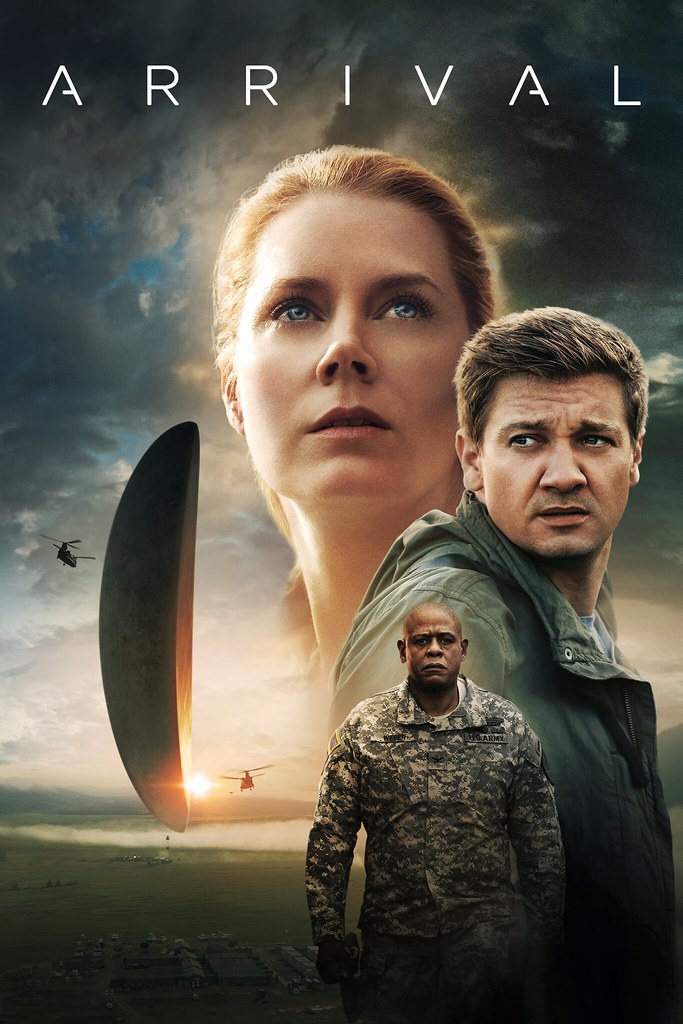
Louise Banks experiences visions of her daughter throughout the film, and viewers naturally assume these are flashbacks to memories that haunt her. The visions include moments that feel emotionally heavy with grief and loss.
But the film’s own explanation of how the alien language works completely explains what’s actually happening with these scenes. Amy Adams plays Louise with a specific kind of sadness that makes more sense as foreknowledge rather than memory.
Denis Villeneuve frames these visions differently than typical flashbacks, using light and color in ways that hint at their true nature.
The Usual Suspects
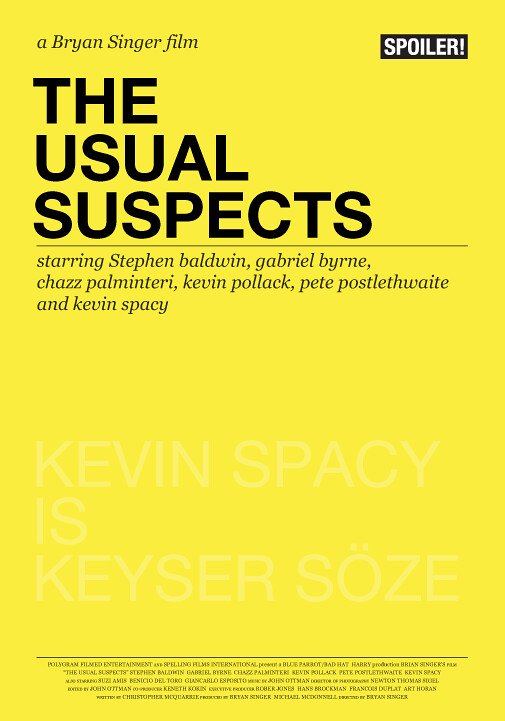
Verbal Kint sits in the police office surrounded by details that he incorporates into his story as he tells it. The camera pans across bulletin boards, coffee mugs, and papers on the desk throughout the interrogation.
Bryan Singer even frames shots to include these background elements while Verbal speaks. The entire elaborate tale comes from objects within arm’s reach of where Verbal sits.
Watch his eyes during the interrogation and you can catch him glancing at things before mentioning them in his story. The ending reveal works because most viewers focus on Verbal’s face rather than studying everything else in the frame.
Psycho
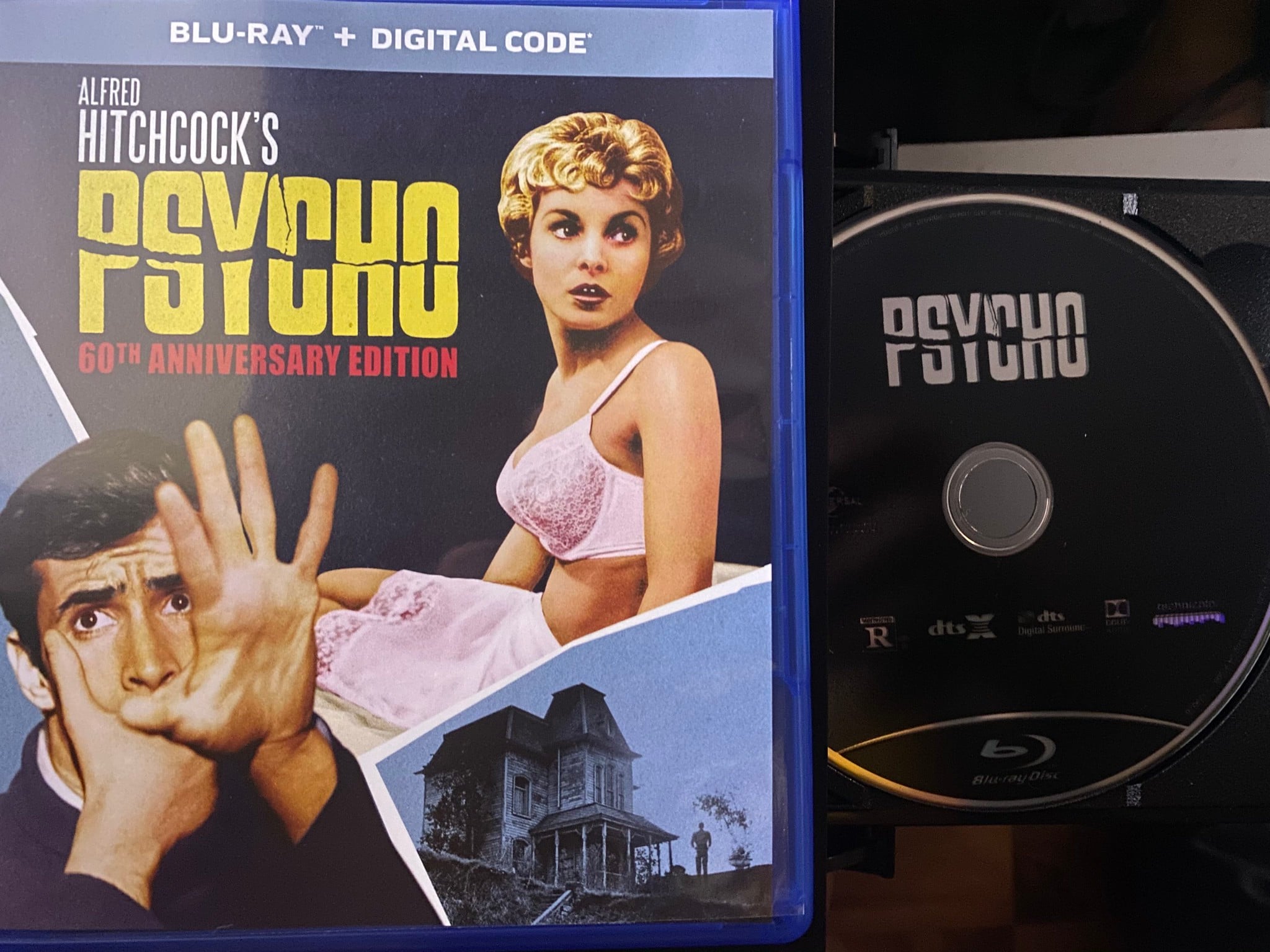
Alfred Hitchcock shows the audience Norman Bates talking to himself in different voices before the shower scene ever happens. Norman’s conversation with Marion includes him discussing his mother in ways that reveal the whole truth.
He says ‘a boy’s best friend is his mother’ with an intensity that goes beyond normal devotion. The taxidermy birds throughout the Bates house represent Norman’s preservation of dead things.
Mother never actually appears in the window as a real person despite several opportunities for Hitchcock to show her. Every conversation about Mother plays like someone describing themselves while pretending to discuss another person.
Denise Jans
Nicole Kidman’s character lives in a dark house with curtains drawn because of her children’s supposed light sensitivity. Nobody ever comes to visit and the servants appear out of nowhere with no clear origin story.
Grace constantly talks about her husband returning from the war with an odd certainty given how long he’s been gone. The fog surrounding the house never lifts and no neighbors ever appear despite Grace mentioning them.
Alejandro Amenábar shoots the entire film in dim light and shadow, which serves both the story’s surface needs and its hidden truth. The old photographs the servants show the children literally spell out what happened.
Inception
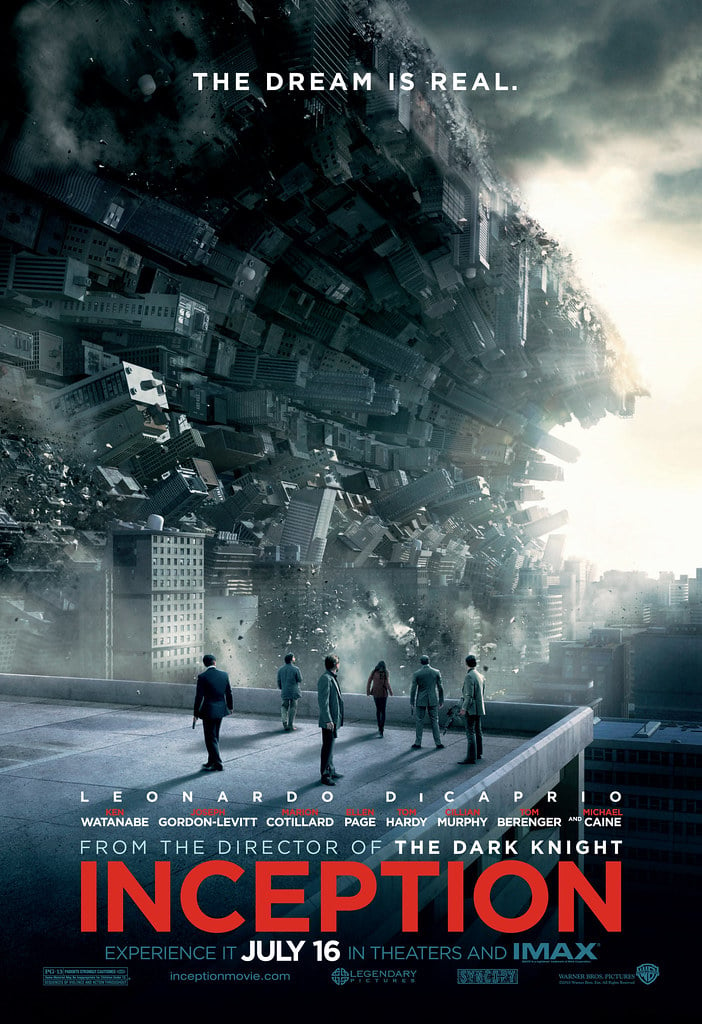
The totem wobbles during the opening scene in exactly the same way it does at the ending, suggesting Cobb might not be in reality even at the start. Ellen Page’s character learns about dream architecture at the same accelerated pace that trained dreamers teach subjects in extractions.
Cobb’s children wear the exact same clothes and appear the same age in every memory and dream sequence. Michael Caine said Christopher Nolan told him that any scene where his character appears represents reality, which clarifies the ending for people who know to apply that rule.
The movie’s title refers to planting an idea, and the entire film might be someone planting the idea of redemption in Cobb’s mind.
Se7en
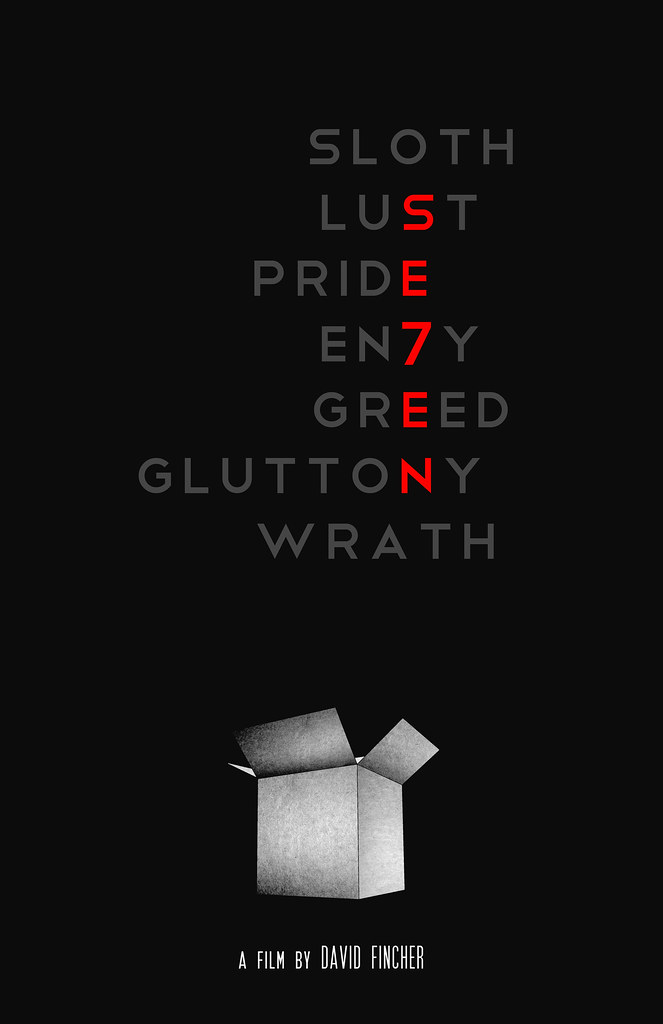
John Doe tells Detective Mills that he admires him specifically, not both detectives, during their first confrontation. Kevin Spacey’s character targets people for sins they’ve actually committed, which means his final victims must be guilty of something.
The film opens with Mills moving to the city and struggling to adjust, showing a man whose anger simmers just below the surface. David Fincher includes several moments where Mills overreacts violently to minor provocations.
The ending works because John Doe correctly identifies Mills’ true sin from their limited interactions. Every scene with Mills contains tiny explosions of barely controlled rage.
The Truman Show
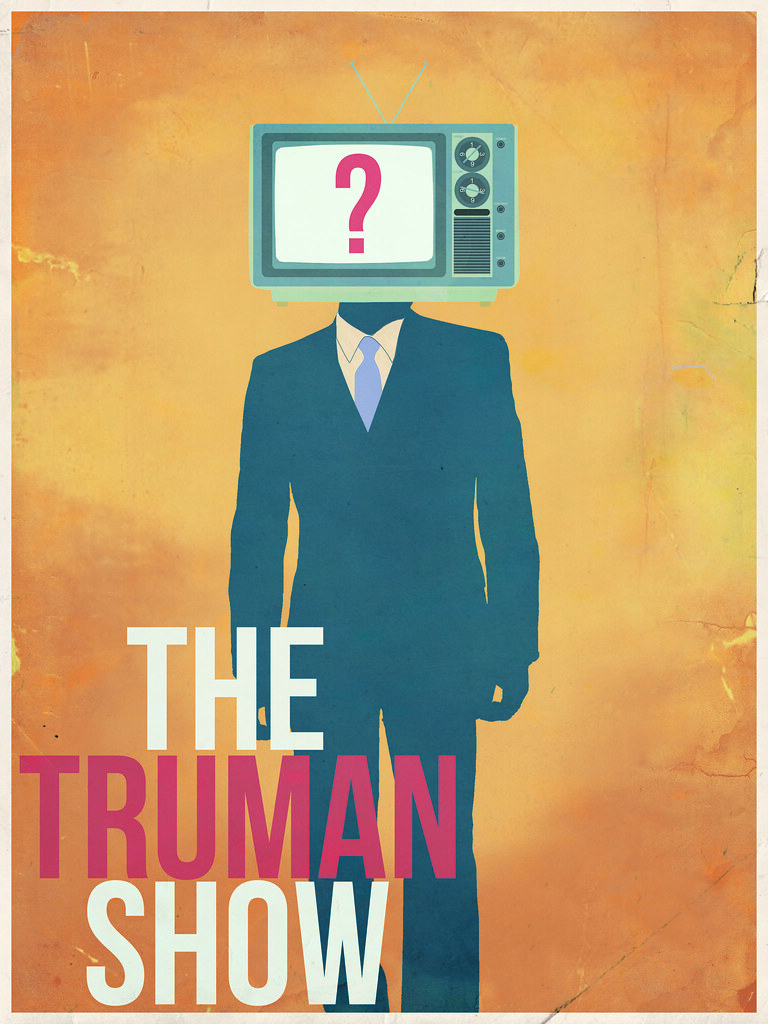
The film begins with Truman trying to leave the island and failing due to convenient obstacles, establishing the pattern before viewers understand why. Everyone in Truman’s life speaks in slightly unnatural ways, like they’re reading from scripts.
Products get displayed at odd angles facing the camera rather than positioned naturally. Weather changes happen instantly and conveniently based on what’s happening in Truman’s life.
Peter Weir frames shots to look like they’re from hidden cameras, with objects partially blocking the view or awkward angles that a cinematographer wouldn’t normally choose. The opening scene literally shows the creator explaining the entire concept to an interviewer.
The Wizard of Oz
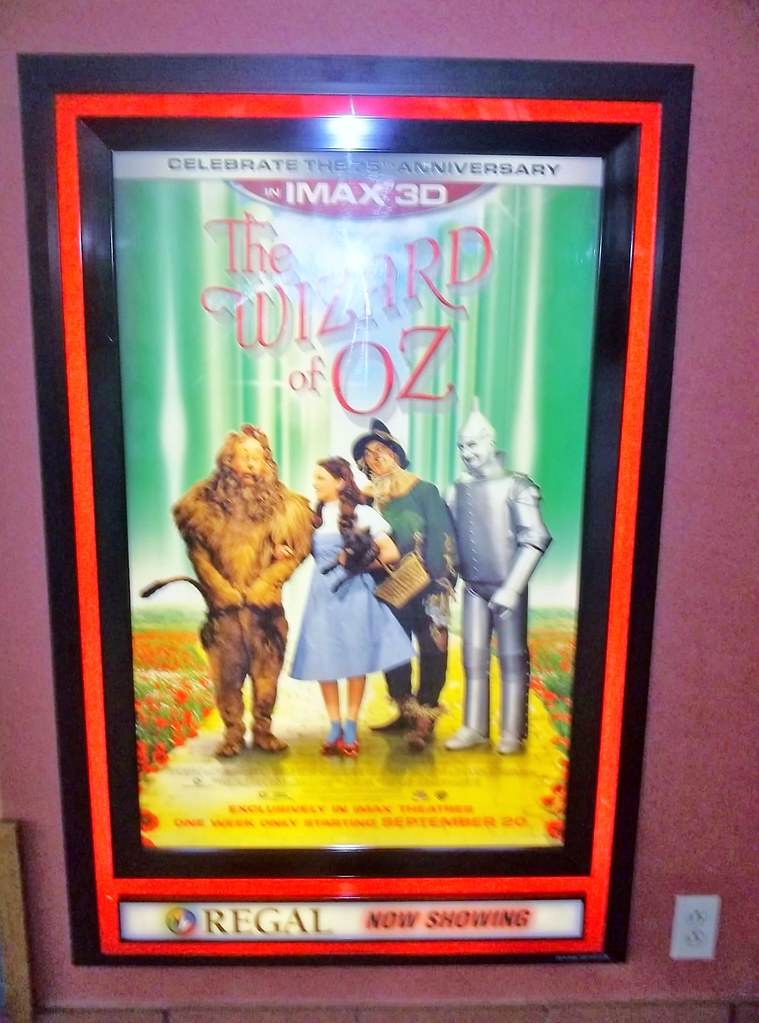
Every person Dorothy meets in Oz looks exactly like someone from her Kansas life, and the film doesn’t even try to hide this fact. Dorothy spends the entire movie trying to get home, and Glinda tells her at the end that she always had the power to leave.
The movie states outright that Dorothy hit her head during the tornado, providing a clear explanation for everything that follows. The transition from sepia-toned Kansas to colorful Oz happens while Dorothy is unconscious.
Victor Fleming lets the audience in on the truth from the beginning, but the story works so well that the mechanics don’t matter. Kids watching understand it’s a dream, but the emotional journey remains powerful anyway.
Planet of the Apes
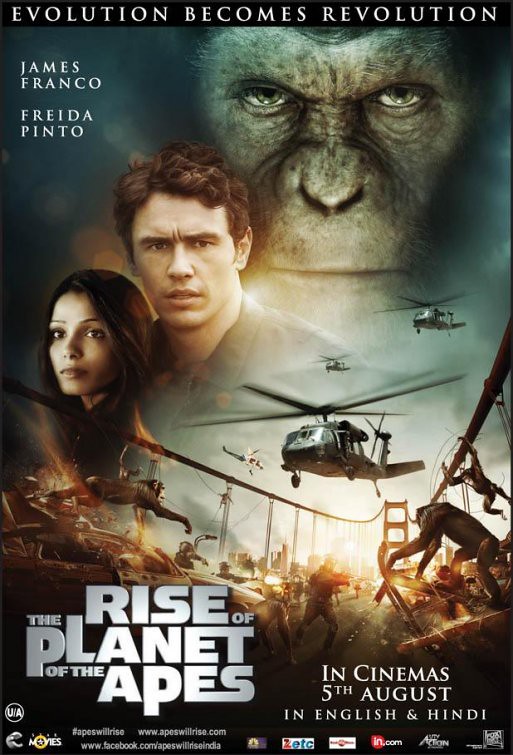
The apes speak English perfectly, which should immediately raise questions about how that’s possible. Artifacts and ruins appear throughout the forbidden zone that look suspiciously familiar.
The apes have a strongly developed culture with laws, religion, and social structures that mirror human civilization closely. Charlton Heston’s character keeps insisting the apes seem too human in their behavior and organization.
Franklin J. Schaffner includes the half-buried Statue of Liberty in promotional materials before the movie even premiered. The reveal works not because it’s hidden, but because viewers don’t want to accept the implications until the final scene forces them to confront it.
Memento
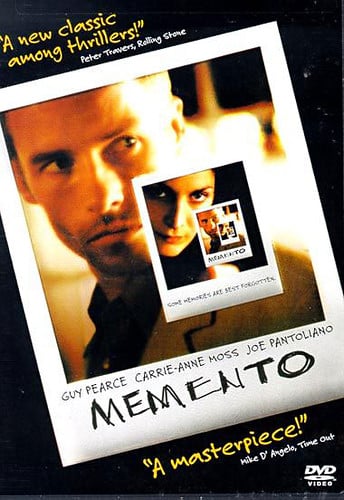
Right away, Leonard lays out exactly what’s going on with him, even pointing out that the photos and scribbles he keeps could mislead him. People around him say he has things mixed up – facts don’t match – but he brushes them off every time.
There’s something odd in how Carrie-Anne Moss’s character acts, like she sees through his confusion, almost too well. Joe Pantoliano’s role gives off a similar vibe, knowing bits he shouldn’t possibly know.
While the story in black and white moves ahead normally, the colored parts go backwards, piece by piece. That flip makes it clear: whatever Leonard thinks is real, it might not hold up.
Right from the start, the movie pulls you into Leonard’s tangled mind. Though Teddy lays out exactly how things went down with his wife, clarity slips away just as fast.
A decision follows – Leonard scribbles a lie on paper so memory will carry it forward. The moment truth appears, he turns and buries it under fiction.
Each scene tightens the knot of uncertainty like a loop without an end. What sticks isn’t fact, but the shape of denial drawn in real time.
Clue
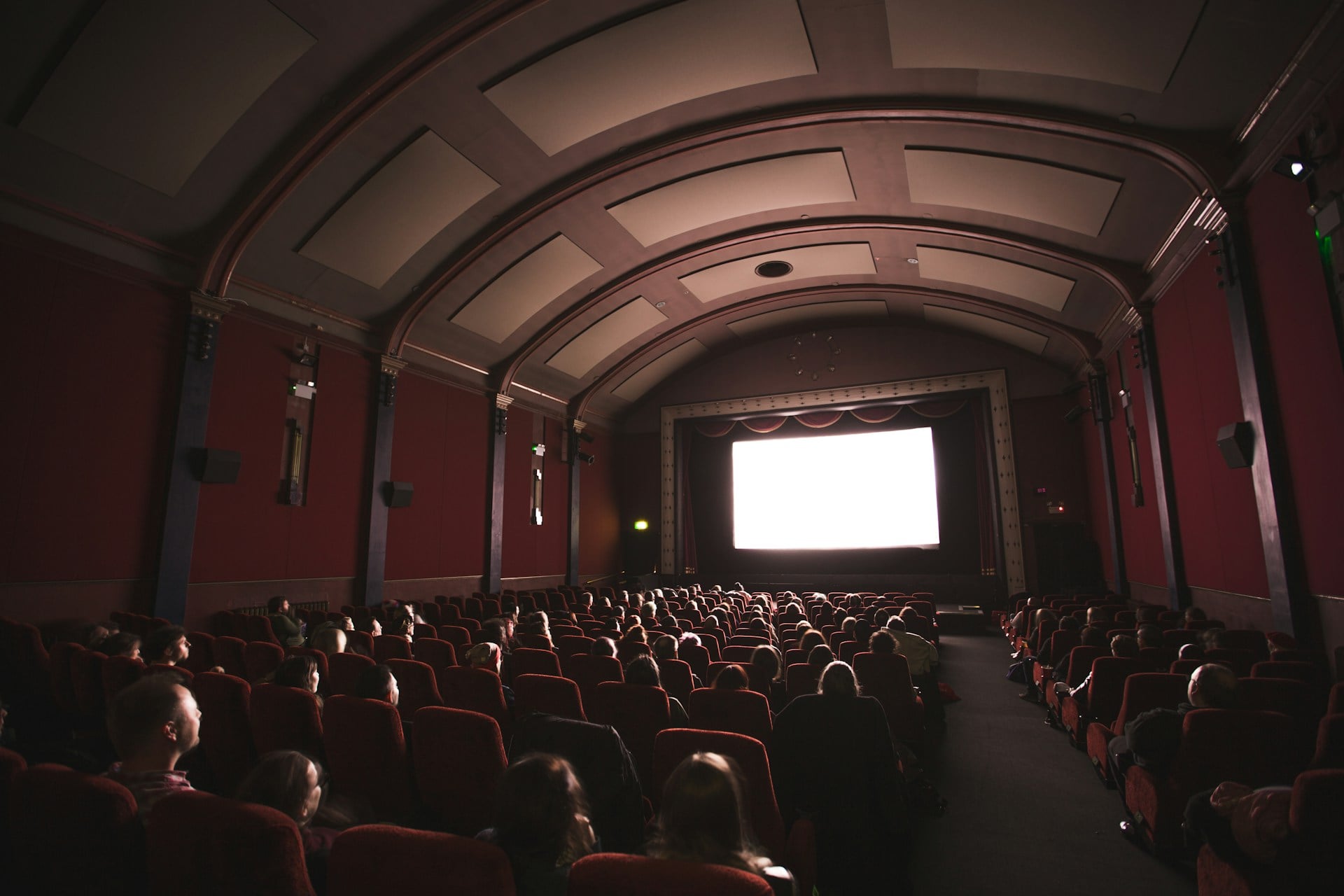
A guessing game on screen, built from a classic board game, serves up three possible conclusions. One showing, one outcome – that was the theater rule.
Tim Curry plays the servant who walks each guest through how the killings unfolded. Every answer lines up with what happened, thanks to Jonathan Lynn crafting clues that work more than one way.
Instead of hiding it, the film points at its tricky design by giving clear options, leaving choice to whoever watches. Starting off differently each time, the home version lines up every ending one after another.
This odd setup becomes its own kind of fun. Instead of following strict formulas, the movie plays loose with whodunit traditions.
Rules bend, not break, shaping something unpredictable by design.
Smart moves by the directors made the twists feel earned
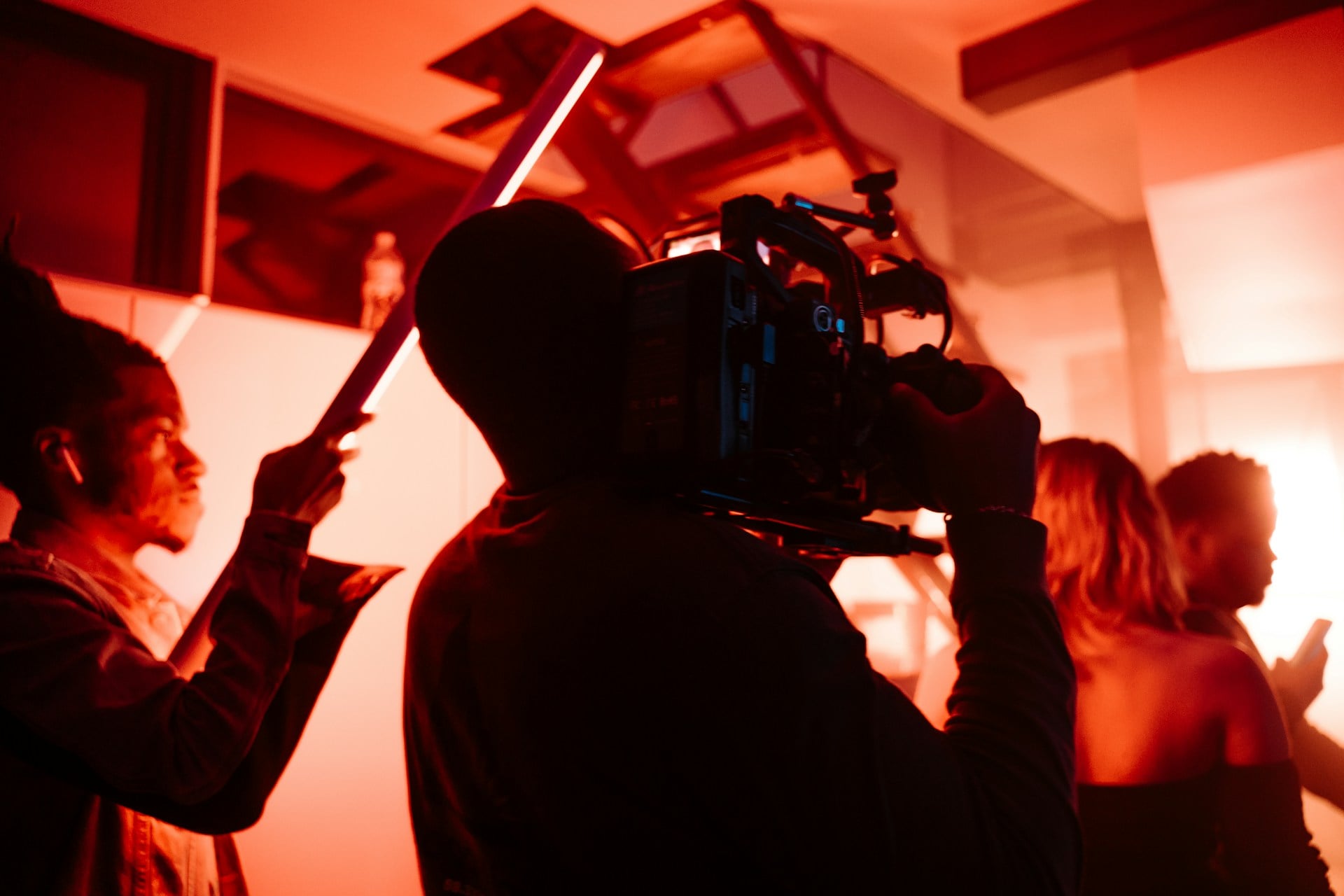
Some directors tuck the ending right into the first moments, expecting folks to notice – but realizing hardly anyone will. Rewatching feels different later, when tiny hints line up without warning.
Great twists do not hide facts or deceive; they show reality slanted just enough to pull your eyes elsewhere. Streaming changed how we watch, letting people hit replay fast to hunt what slipped past earlier.
Finding those quiet signs again beats the initial surprise more than expected.
More from Go2Tutors!

- The Romanov Crown Jewels and Their Tragic Fate
- 13 Historical Mysteries That Science Still Can’t Solve
- Famous Hoaxes That Fooled the World for Years
- 15 Child Stars with Tragic Adult Lives
- 16 Famous Jewelry Pieces in History
Like Go2Tutors’s content? Follow us on MSN.