Iconic TV Episodes That Shocked Audiences
Television has a particular power that film doesn’t quite replicate. When you’ve spent weeks or years with characters — welcomed them into your living room on a schedule, built habits around them — the stakes feel personal.
A shocking episode of a beloved show doesn’t just surprise you. It unsettles something you thought was safe.
Some of these episodes were controversial the moment they aired. Others revealed their full weight slowly, after the credits rolled and the conversation began.
All of them changed something about how people thought about what television could do.
The Red Wedding — Game of Thrones
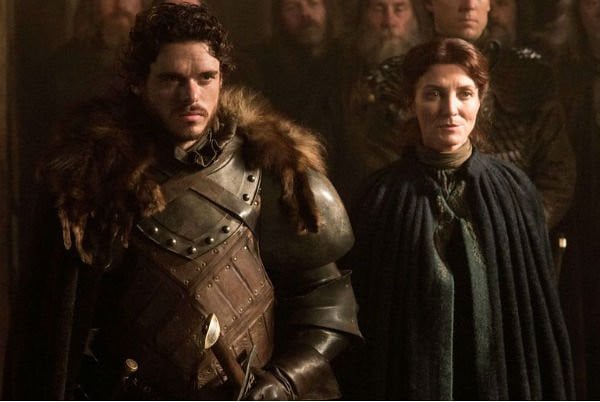
No single episode of television in the 2010s produced a collective reaction quite like “The Rains of Castamere” in season three of Game of Thrones. The mass killing of major characters at a wedding — characters the audience had followed and rooted for — violated an unspoken contract about how protagonists were supposed to be treated.
What made it genuinely shocking rather than just brutal was the setup. The scene was calm, even festive, before it turned.
Readers of George R.R. Martin’s books knew what was coming and watched the reactions of everyone else in real time. The videos of unprepared viewers experiencing the scene for the first time became their own cultural phenomenon.
“Ozymandias” — Breaking Bad
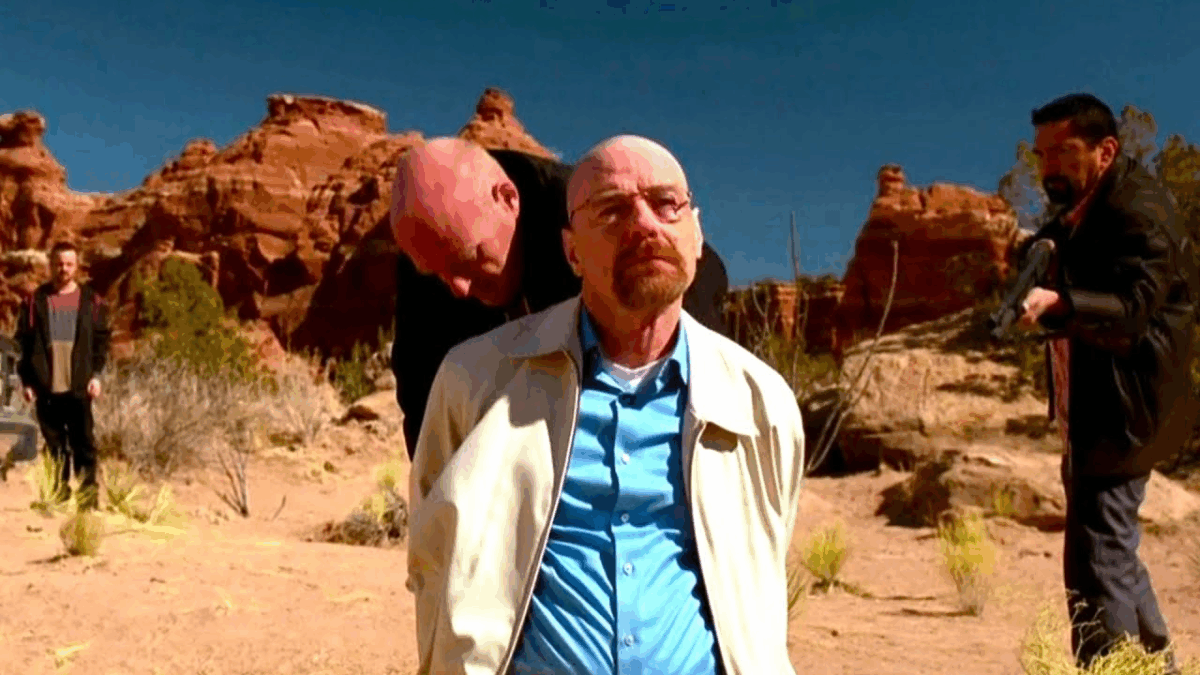
Many critics consider “Ozymandias” the greatest single episode of television ever produced. It arrived in the final stretch of Breaking Bad and delivered consequences that had been building for five seasons all at once — in the span of an hour.
What shocked audiences wasn’t just what happened but how complete the destruction was. By the end of the episode, almost nothing Walt had built or protected remained intact.
The episode earned its title from the Shelley poem about a fallen empire, and the parallel wasn’t subtle. Writer Moira Walley-Beckett and director Rian Johnson created something that felt less like a TV episode and more like a tragedy in the classical sense.
“Jugghead” Was Nothing Compared to the Pilot — Twin Peaks
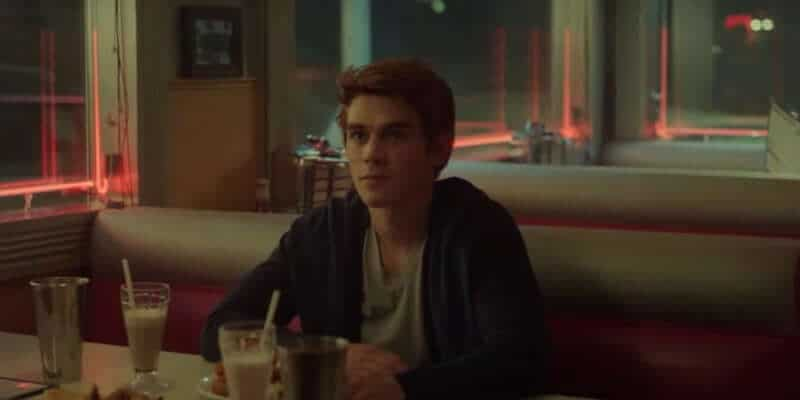
The pilot episode of Twin Peaks, which aired in April 1990, announced itself differently from anything else on network television. The discovery of Laura Palmer’s body, wrapped in plastic, the grief of her mother, the strange procedural details — it was simultaneously familiar and deeply wrong in a way that David Lynch made look effortless.
Audiences had seen murder mysteries before. They hadn’t seen one that felt like a waking dream.
The pilot drew 35 million viewers. It launched a cultural obsession and permanently expanded what prime-time drama was allowed to be.
“The Body” — Buffy the Vampire Slayer
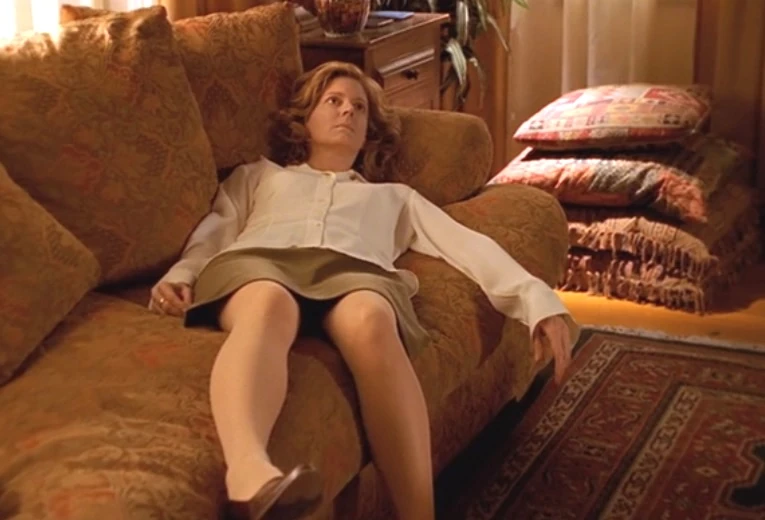
Joss Whedon’s “The Body,” which aired in season five of Buffy, is not a horror episode in the traditional sense. There is no villain.
No supernatural threat arrives. Buffy’s mother dies of a brain aneurysm — suddenly, without drama, in the first minutes of the episode — and the rest of the hour follows the characters processing an ordinary, devastating loss.
The episode has almost no musical score, which is an unusual choice that makes the silence feel enormous. It handles grief with a specificity and realism that felt jarring in a show built around monsters.
Many viewers consider it the most emotionally affecting episode of television they’ve ever watched.
“Pine Barrens” — The Sopranos
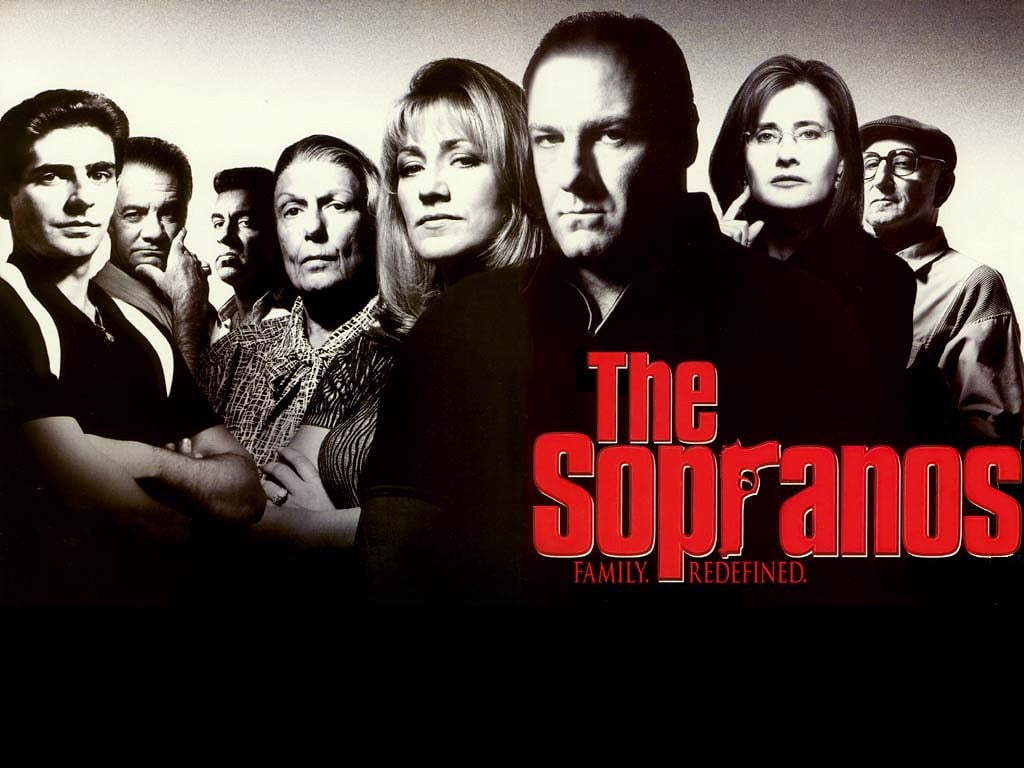
“Pine Barrens” shocked audiences in a different way — not with death or grief but with sustained, darkly comic dread. Christopher and Paulie chase a Russian mobster into a snowy New Jersey forest and spend most of the episode lost, freezing, and increasingly panicked.
The Russian is never found. The episode ends without resolution and without explanation.
In a show where loose ends were usually tied up violently, leaving that story thread permanently open unsettled the audience in ways that felt deliberate and pointed. It remains one of the most discussed and debated episodes in television history.
“Walkabout” — Lost
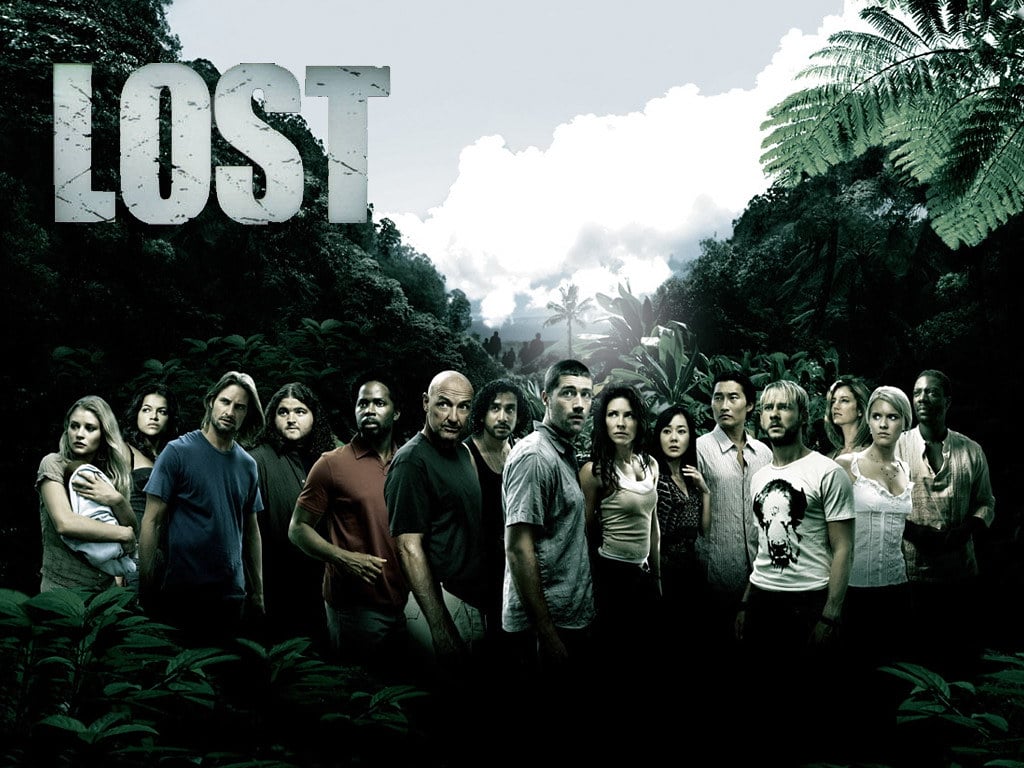
Lost’s fourth episode revealed that John Locke, who had been walking around the island since the crash, had been in a wheelchair before the plane went down. The reveal arrived quietly, in the final moments of a flashback sequence, and recontextualized everything audiences thought they understood about the character.
It was the episode that convinced many viewers that Lost was operating at a different level of ambition. The island wasn’t just a survival setting.
It was doing something stranger and more deliberate than that. “Walkabout” made the audience lean in for the rest of the series.
“The Constant” — Lost
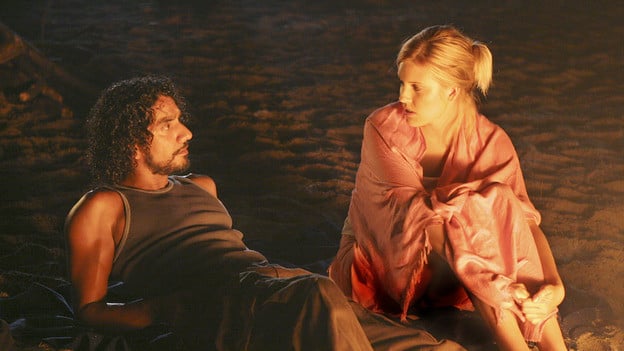
Lost returned to this list because “The Constant” is one of the few episodes that earned genuine praise from critics who had otherwise grown frustrated with the show’s longer narrative. Desmond becomes unstuck in time, moving between 1996 and 2004, and the episode resolves in a phone call between him and Penny that became one of the most emotionally resonant moments in the series.
The structural complexity of the episode — using time travel not for spectacle but for emotional payoff — demonstrated what the show could do when everything aligned. It aired in 2008 and is still cited regularly in conversations about the best episodes of television ever made.
“Fly” — Breaking Bad

“Fly” is the outlier episode on this list — shocking not through violence or revelation but through its deliberate, claustrophobic restraint. Set entirely in the superlab, it follows Walt and Jesse trying to kill a fly that Walt has convinced himself will contaminate their product.
The audience was divided sharply. Some found it boring.
Others recognized it as a quiet, suffocating portrait of guilt and anxiety — Walt hovering on the edge of confession, unable to say what he actually means, the fly becoming a stand-in for everything he can’t confront. Its reputation has only grown since the series ended.
“The Incident” — Grey’s Anatomy

The shooting episodes of Grey’s Anatomy in season six — specifically “Sanctuary” and its conclusion “Death and All His Friends” — put a gunman inside Seattle Grace and spent two hours forcing characters the audience had followed for six years into life-threatening situations, one after another.
The episodes aired in 2010 and drew some of the highest ratings in the show’s history. What unsettled audiences beyond the immediate drama was the choice to make the shooter a sympathetic figure — a grieving husband acting out of loss rather than malice.
It complicated the emotional experience in ways that a simpler threat wouldn’t have.
“Hush” — Buffy the Vampire Slayer
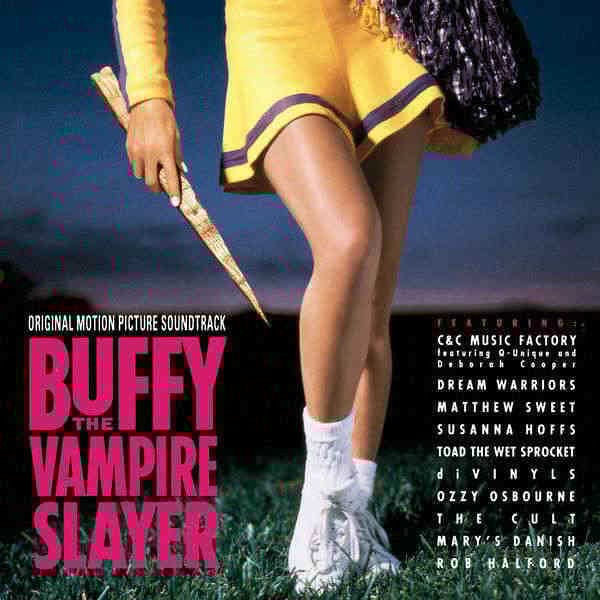
Buffy earns a second entry because “Hush” is an entirely different kind of achievement. Fairy tale villains called The Gentlemen steal the voices of everyone in Sunnydale, and the episode runs for roughly 27 minutes without dialogue.
It was Joss Whedon’s response to critics who said the show’s dialogue was its only real strength. The silence made the monsters more terrifying and the physical comedy sharper.
It was nominated for an Emmy for Outstanding Writing for a Drama Series — one of the few times a network genre show received that recognition. It demonstrated that television, like silent film, could communicate everything through image and sound alone.
“The Suitcase” — Mad Men
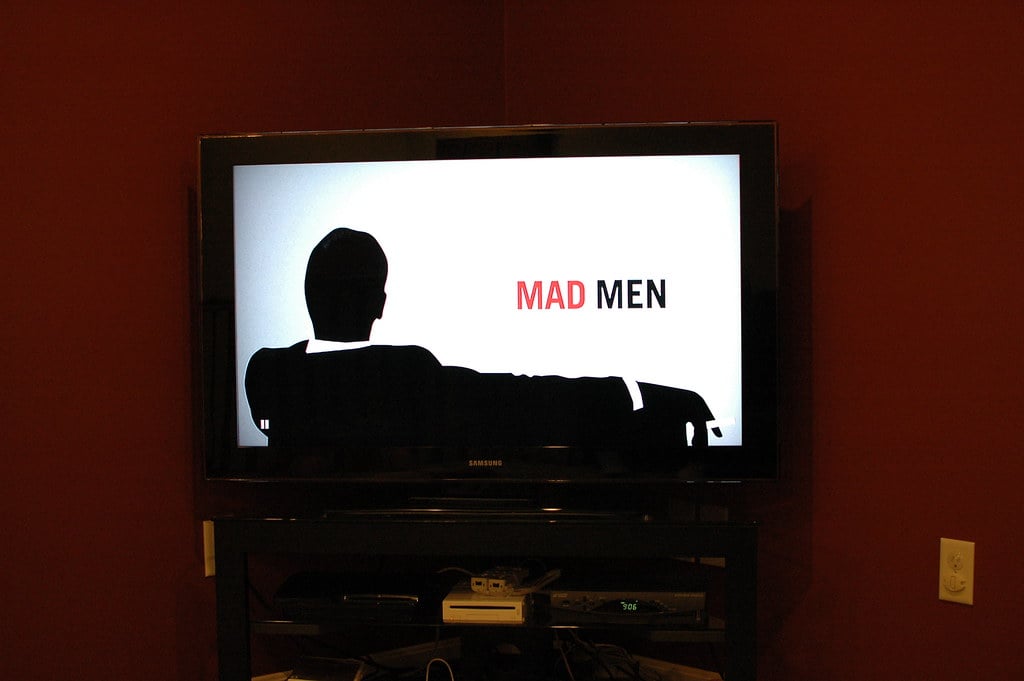
Mad Men operated at a slow, internal register for most of its run, which made “The Suitcase” all the more striking when it arrived in season four. The episode confines Don Draper and Peggy Olson to the office overnight around the Cassius Clay and Sonny Liston fight and peels back layers of both characters that had been carefully protected across three previous seasons.
No one dies. Nothing explodes. But audiences felt the episode as a turning point because the emotional stakes were finally made explicit after years of restraint.
Don breaks down. Peggy confronts him.
Something that couldn’t be unsaid gets said. It’s a quiet episode that hits like a freight train.
“Ozzie and Harriet No More” — Roseanne
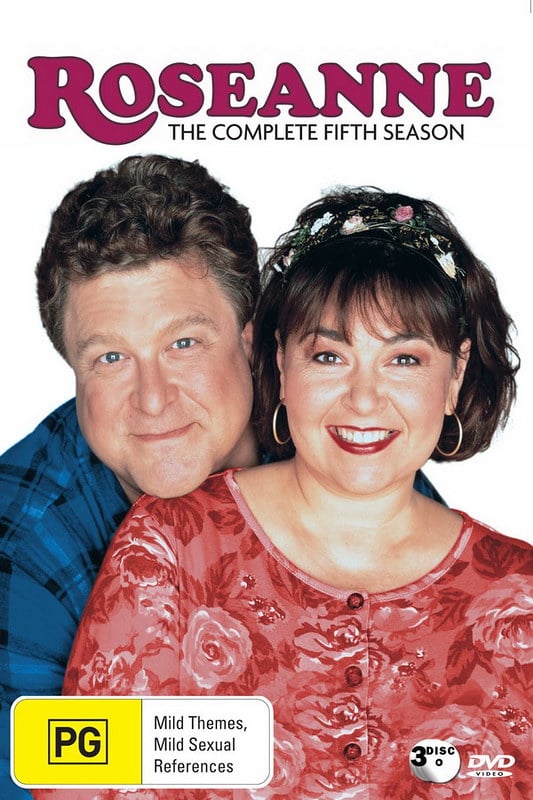
The 1997 episode in which Roseanne kissed a woman — played by Mariel Hemingway — at a gay bar aired to 31 million viewers and sparked immediate national conversation. For context, this was six years before the US Supreme Court decriminalized same-gender intimacy, and only two years after Ellen DeGeneres’s coming out episode on her own sitcom.
The Roseanne episode was part of a broader cultural shift, but its scale — the size of the audience, the mainstream network context — made it a significant moment. Television was being asked to reflect realities that much of mainstream culture was still arguing about.
“Alone” — MAS*H’s Finale
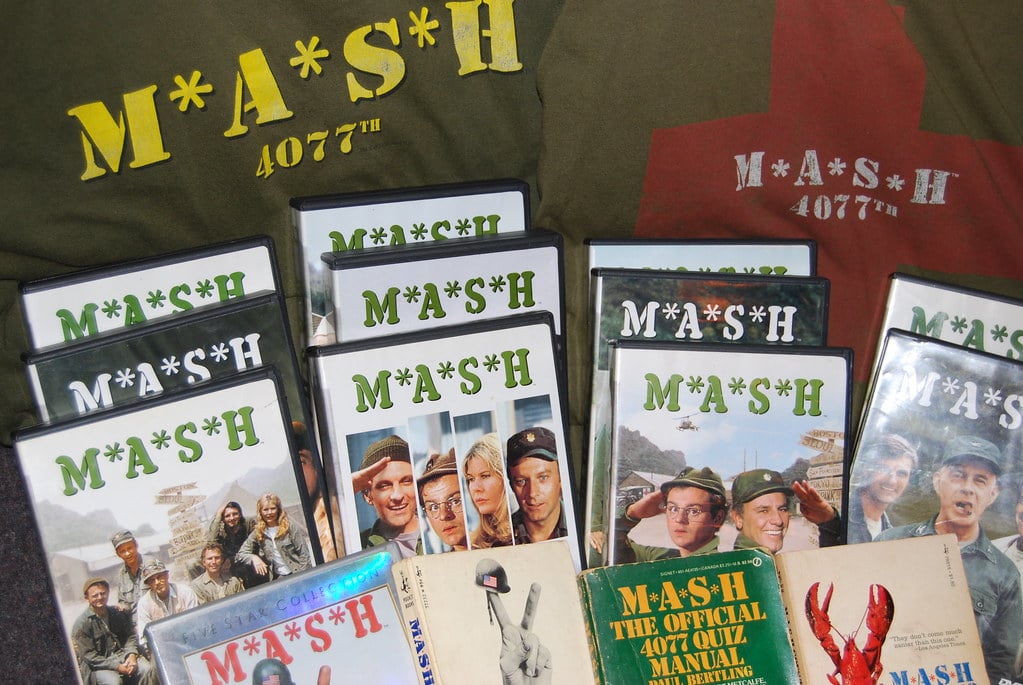
The finale of MAS*H, titled “Goodbye, Farewell and Amen,” aired in February 1983 and drew 106 million viewers — still the largest audience in American television history for a single scripted episode. The show had run for 11 seasons, longer than the actual Korean War, and its ending had been anticipated for years.
The episode was two and a half hours long and went to places the show had rarely gone before, including a deeply disturbing trauma flashback for Hawkeye that recontextualized a moment from earlier in the season. The tonal shift — from the show’s usual blend of comedy and pathos to something much darker — shocked audiences who thought they knew what MAS*H was.
“The National Anthem” — Black Mirror
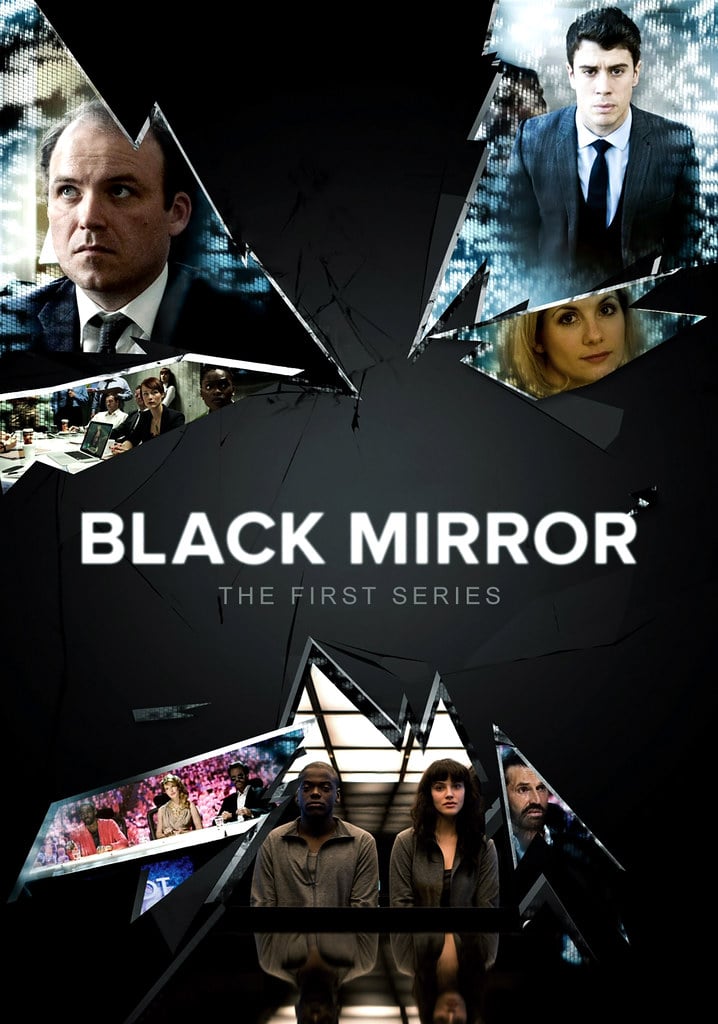
The first episode of Black Mirror, which aired in the UK in 2011, set a tone for the series immediately. A British Prime Minister is faced with an ultimatum: comply with an act of public humiliation broadcast live on television, or a kidnapped member of the royal family dies.
The episode is deliberately, almost uncomfortably, realistic. No science fiction elements appear. The horror is entirely human — the media, the public watching, the political calculus, the ultimate choice.
Audiences who expected a tech-thriller anthology series found something more bleak and more prescient. Many scenes that felt absurdist in 2011 became increasingly difficult to dismiss as the decade went on.
“The Last of the Starks” — Game of Thrones
Season eight of Game of Thrones disappointed so many people that “The Last of the Starks” has become the episode in which the disappointment got the worst. There were no slow buildups at all.
Decisions that came in a flash, and that conflicted with the characters’ behavior for many seasons were the ones chosen. Compared to “The Rains of Castamere” which is quite exciting with sadness, this one feels like a betrayal, a silent pain from having trusted something for too long.
Why did this episode cause such a discrepancy? Very easy. Not only did fans complain, they actually did something. Millions of people from all over the world, on screens and in the streets, signed petitions demanding a new version of the ending.
That uproar about where things fell apart, it extended for months, then years, continuously being louder than any TV meltdown is. All of it revealed something quiet but profound: how huge the show had appeared during the times it was still complete.
When the Screen Holds Still and the Room Goes Quiet
Real impact is rarely about the big bucks or sensational scenes. Fact tends to be revealed softly, for instance, when sorrow seems genuine rather than theatrical.
Someone tells the truth simply after a long period of suppression. Or silence takes over a place just at the moment when a loud argument was expected.
Those instances remain in one’s memory not because they are loud but because they are noticed. Something genuine on TV is revealed when they break away from the conventional boundaries.
Initially, a surprise grabs you. Then comes the discussion, re, watching, making memories that last for years this is how stories stay around.
Moments become a part of what everybody talks about later.
More from Go2Tutors!

- The Romanov Crown Jewels and Their Tragic Fate
- 13 Historical Mysteries That Science Still Can’t Solve
- Famous Hoaxes That Fooled the World for Years
- 15 Child Stars with Tragic Adult Lives
- 16 Famous Jewelry Pieces in History
Like Go2Tutors’s content? Follow us on MSN.