15 Everyday Inventions Created by Frustrated People
Innovation often springs from the most relatable human emotion: pure frustration. When something doesn’t work the way it should, when a daily task becomes unnecessarily difficult, or when existing solutions fall short, that’s when creative minds get to work.
The history of invention is packed with stories of people who got fed up with the status quo and decided to fix things themselves. Here’s a list of 15 everyday inventions that emerged from moments of genuine frustration, proving that annoyance can be the mother of invention.
Windshield Wipers

Mary Anderson was riding a streetcar through New York City on a snowy day in 1902 when she noticed the driver constantly stopping to manually clear snow and sleet from the windshield. The frequent stops frustrated her, and she realized there had to be a better way.
She designed a spring-loaded arm with a rubber blade that could be operated from inside the vehicle, creating the first windshield wiper system that would become standard on every car.
Post-it Notes

Spencer Silver, a 3M scientist, was trying to create a super-strong adhesive in 1968 but accidentally made a weak, reusable one instead. He was initially frustrated by his ‘failure,’ but his colleague Art Fry later found the perfect use for it.
Fry sang in his church choir and was annoyed that his bookmark kept falling out of his hymnal, so he used Silver’s weak adhesive to create removable bookmarks that eventually became Post-it Notes.
Like Go2Tutors’s content? Follow us on MSN.
Velcro
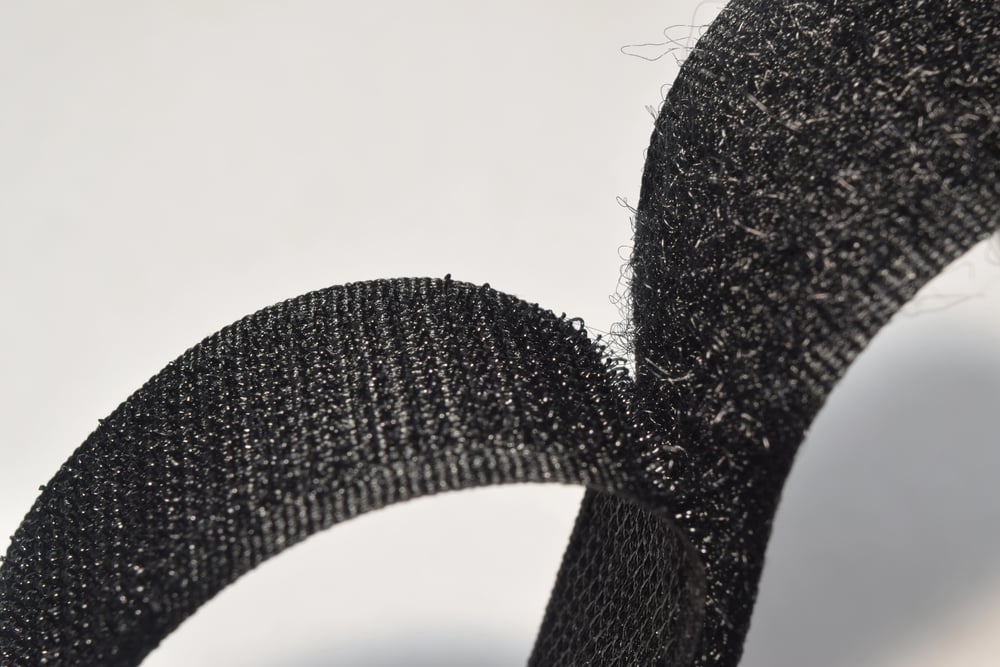
Swiss engineer Georges de Mestral returned from a hunting trip in 1941 extremely annoyed by the burrs stuck to his dog’s fur and his own clothes. Instead of just picking them off and forgetting about it, he examined them under a microscope and discovered their hook-like structure.
This frustrating cleanup experience led him to develop Velcro, mimicking nature’s own fastening system.
Bubble Wrap
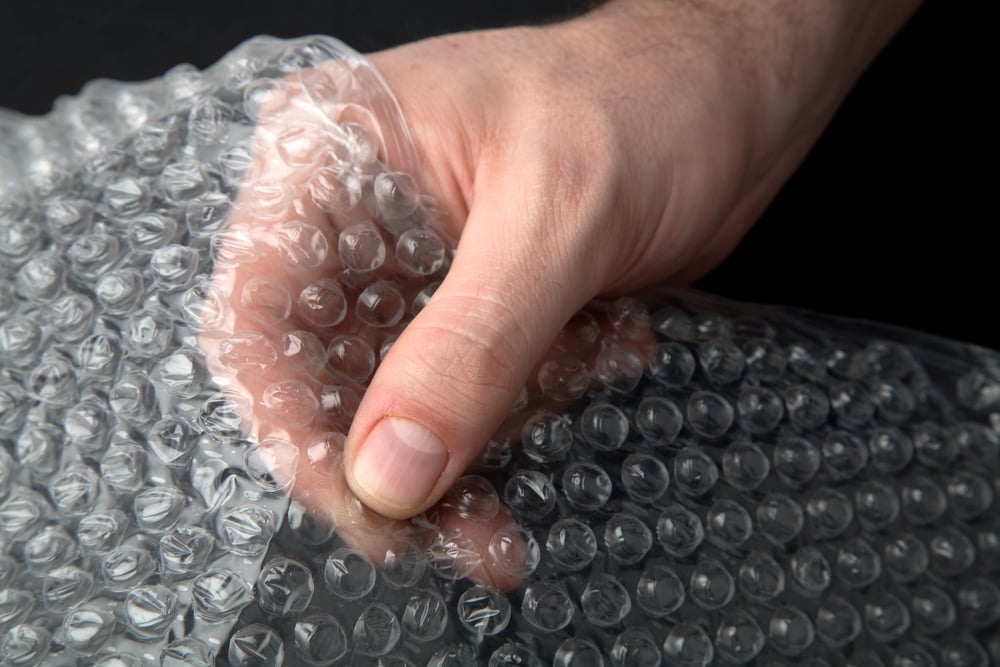
Alfred Fielding and Marc Chavannes weren’t trying to create packaging material in 1957—they were frustrated with existing wallpaper options and wanted to make something more interesting. Their attempt to create textured wallpaper by sealing two shower curtains together resulted in a product that failed as wall decoration but found its perfect purpose protecting fragile items during shipping.
The Shopping Cart

Sylvan Goldman owned a grocery store in Oklahoma and was frustrated watching customers struggle to carry their purchases in small hand baskets. Many shoppers would stop buying once their baskets got too heavy, which hurt his business.
In 1937, he modified a folding chair by adding wheels and baskets, creating the first shopping cart and revolutionizing the retail experience.
Like Go2Tutors’s content? Follow us on MSN.
Kleenex Tissues
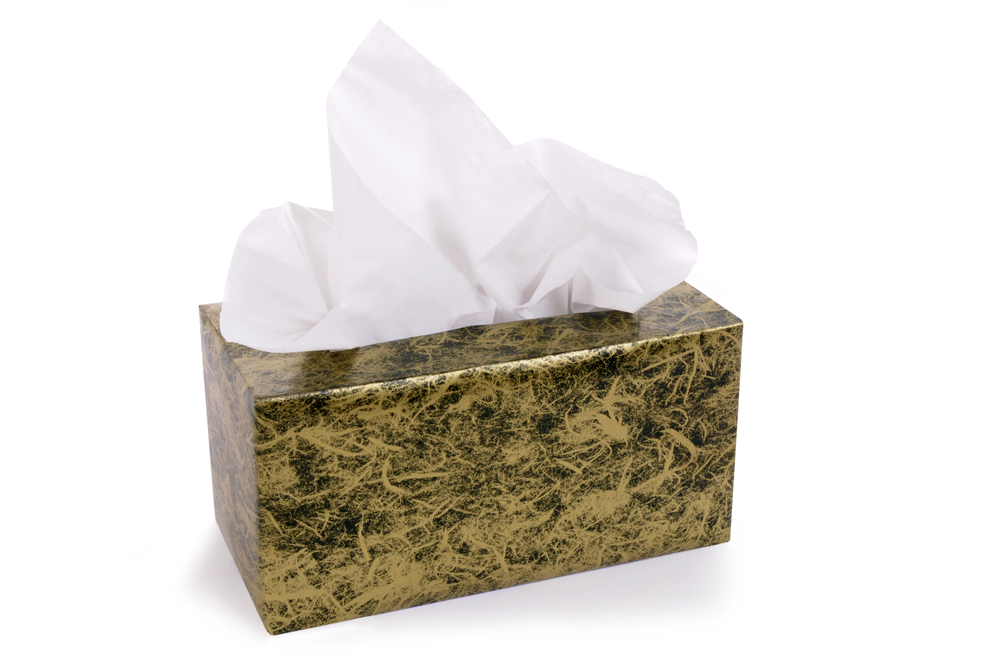
Kimberly-Clark originally created their soft paper product as a filter for gas masks during World War I, but after the war ended, they were frustrated with sluggish sales as cold cream remover tissues. However, they noticed customers were using them for runny noses instead, so they pivoted their marketing to create the facial tissue industry we know today.
The Popsicle

Eleven-year-old Frank Epperson left a mixture of powdered soda, water, and a stirring stick on his porch overnight in 1905. When he found it frozen solid the next morning, he was initially frustrated that his drink was ruined.
Instead of throwing it away, he tasted it and discovered he’d accidentally created the first Popsicle, though he didn’t patent it until 1923.
Scotchgard
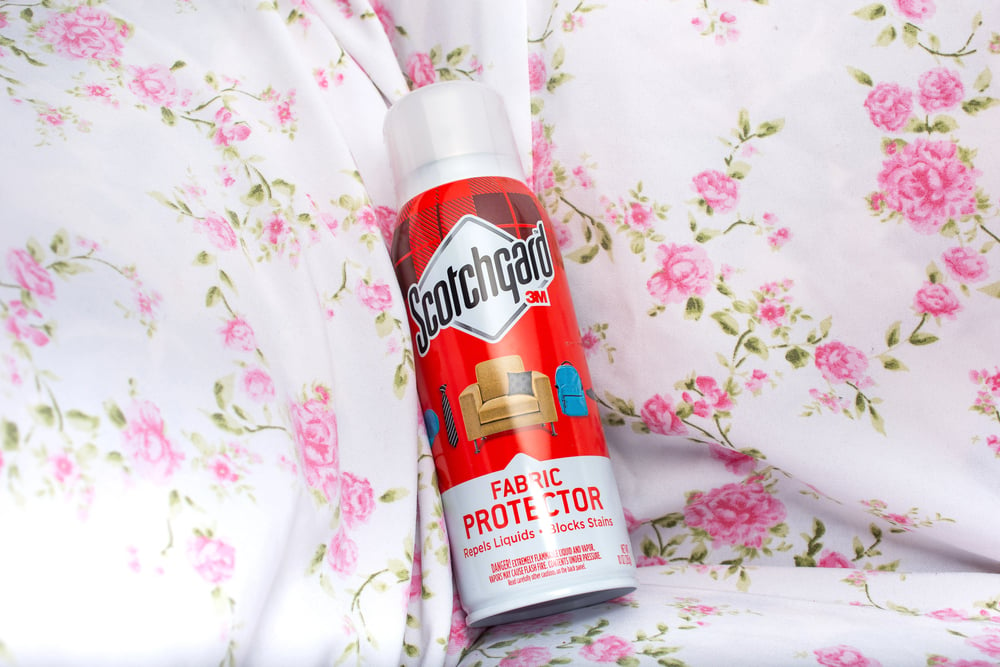
Patsy Sherman was a 3M chemist in 1952 who accidentally spilled a synthetic rubber mixture on her tennis shoe. She was frustrated when the stain wouldn’t come out, but she noticed that the area of the shoe repelled water and dirt while the rest got dirty normally.
This accidental spill led to the development of Scotchgard fabric protector.
Like Go2Tutors’s content? Follow us on MSN.
Tea Bags
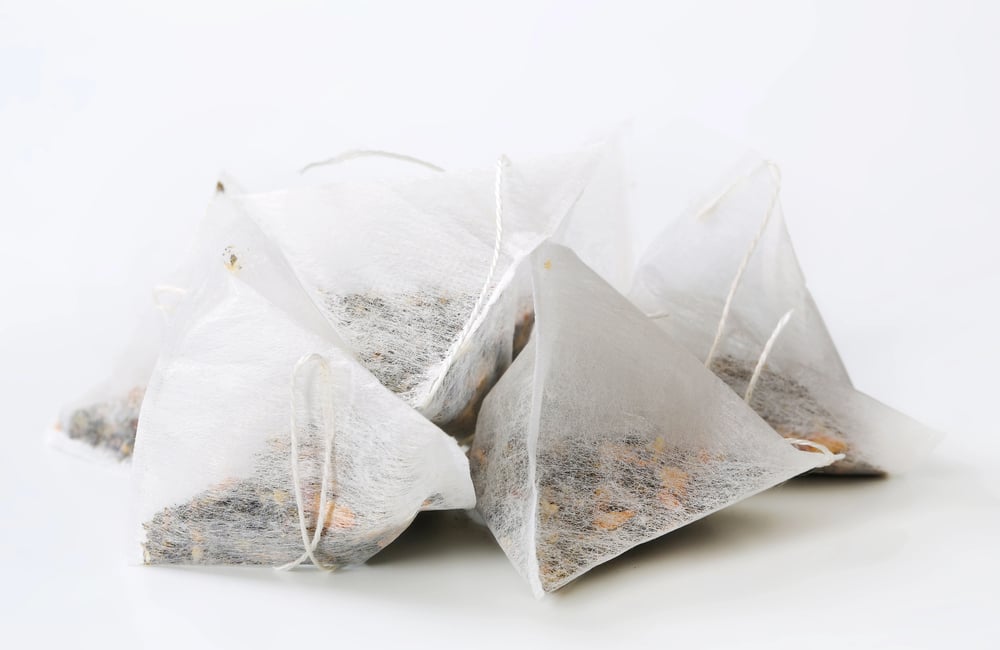
Thomas Sullivan was a tea merchant frustrated by the high cost of sending tea samples to customers in expensive tins. In 1908, he started sending small samples in silk pouches instead, intending for customers to remove the tea before brewing.
When customers started brewing the tea directly in the pouches for convenience, he realized he’d stumbled onto something much better than loose tea.
Corn Flakes
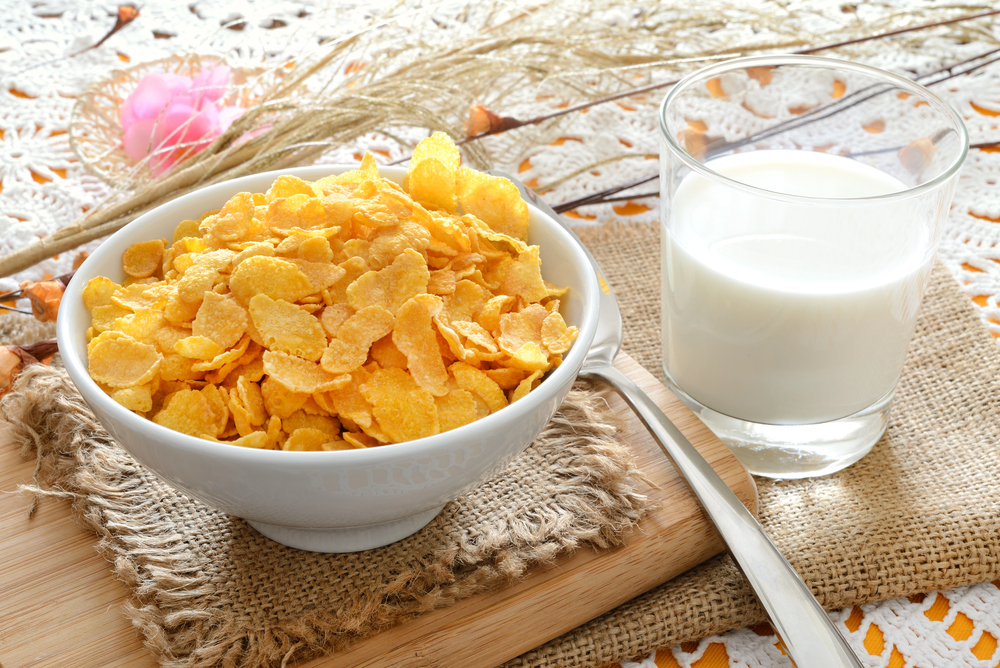
Dr. John Harvey Kellogg was trying to create a digestible bread substitute for his patients in 1894 when he accidentally left boiled wheat sitting out too long. He was initially frustrated by the ruined batch, but when he rolled it out anyway, it formed flakes instead of a sheet.
The accidental process became the foundation for breakfast cereal as we know it.
ChapStick
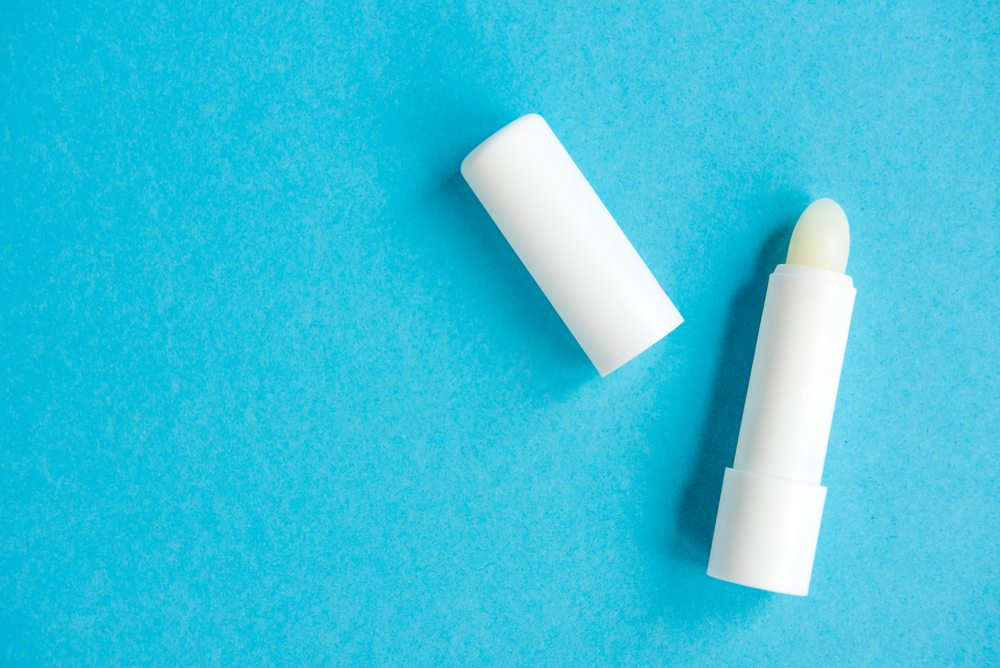
Dr. Charles Browne Fleet was tired of dealing with chapped lips in the early 1880s and couldn’t find an effective treatment that stayed put. He mixed together various waxes and oils in his kitchen until he found a combination that provided lasting relief.
He molded it into stick form for easy application, creating the first lip balm that could be applied without messy fingers.
Like Go2Tutors’s content? Follow us on MSN.
Band-Aids
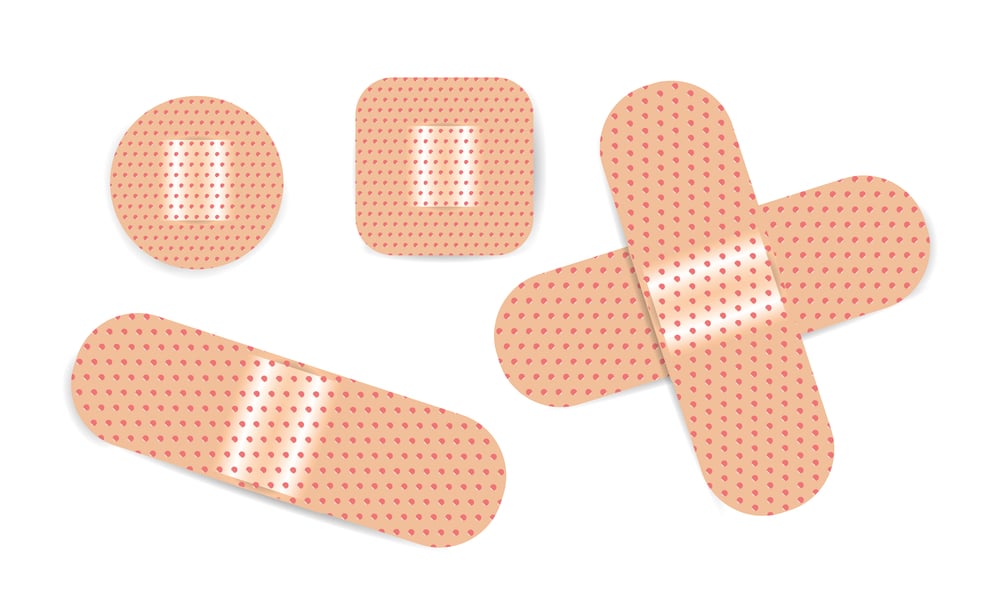
Earle Dickson worked for Johnson & Johnson and was frustrated watching his accident-prone wife struggle with traditional bandages. She frequently cut herself while cooking, and the large gauze bandages were impractical for small wounds.
In 1920, he created small, pre-made bandages by sticking gauze to adhesive tape, revolutionizing first aid for minor injuries.
Super Glue
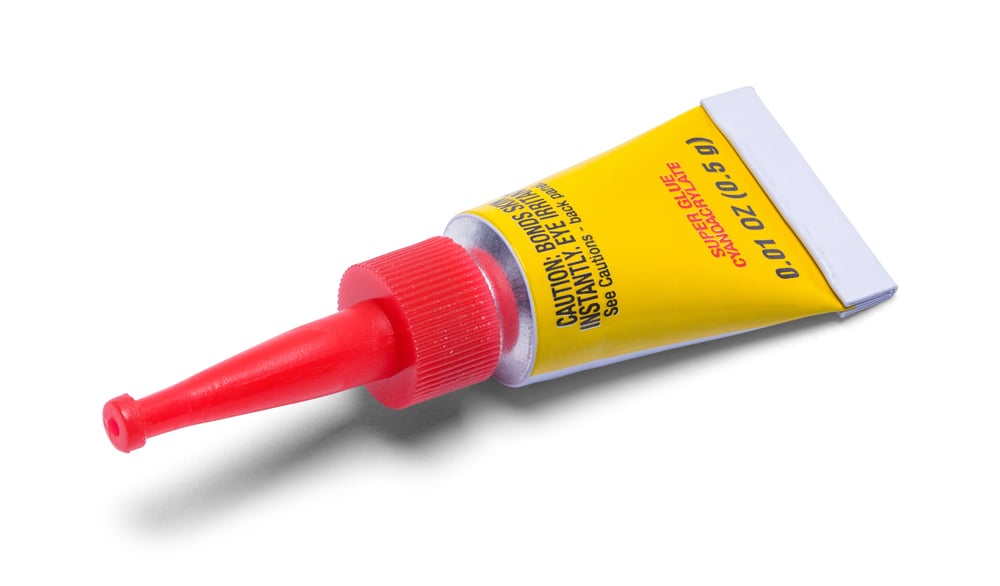
Harry Coover was trying to create clear plastic gun sights for the military in 1942 when he accidentally created a substance that stuck to everything it touched. He was initially frustrated by this ‘useless’ compound that ruined his equipment, but years later he realized its incredible bonding properties made it perfect for quick repairs and bonding applications.
The Slinky
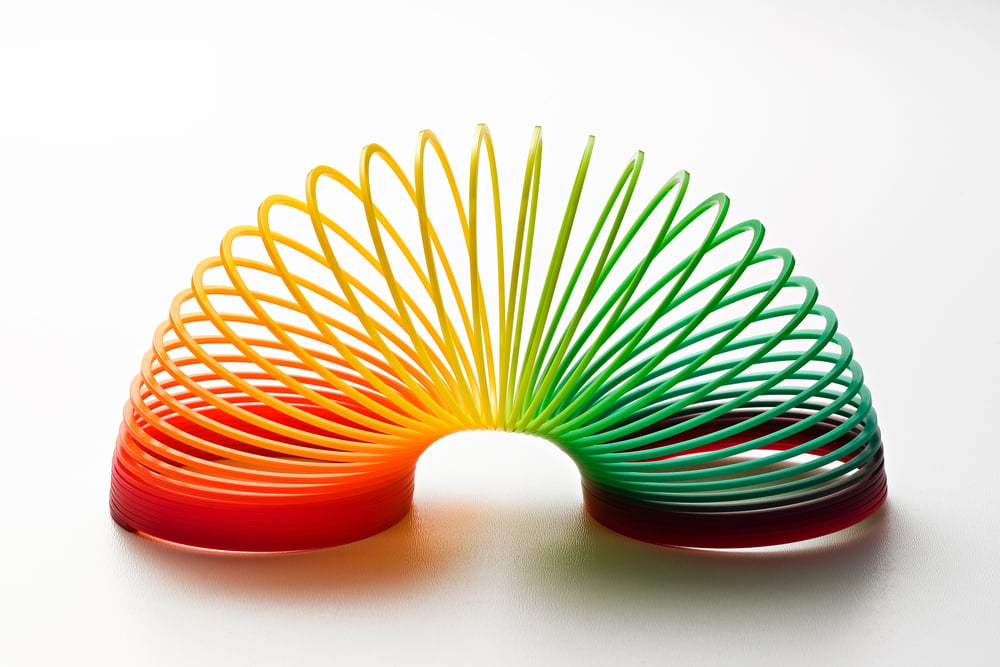
Naval engineer Richard James was working with tension springs in 1943 when one fell off his workbench and continued bouncing and ‘walking’ down surfaces. He was initially annoyed by the distraction, but he realized the spring’s movement was actually quite fascinating.
He and his wife Betty refined the design and created one of the most popular toys in history.
Like Go2Tutors’s content? Follow us on MSN.
Correction Fluid
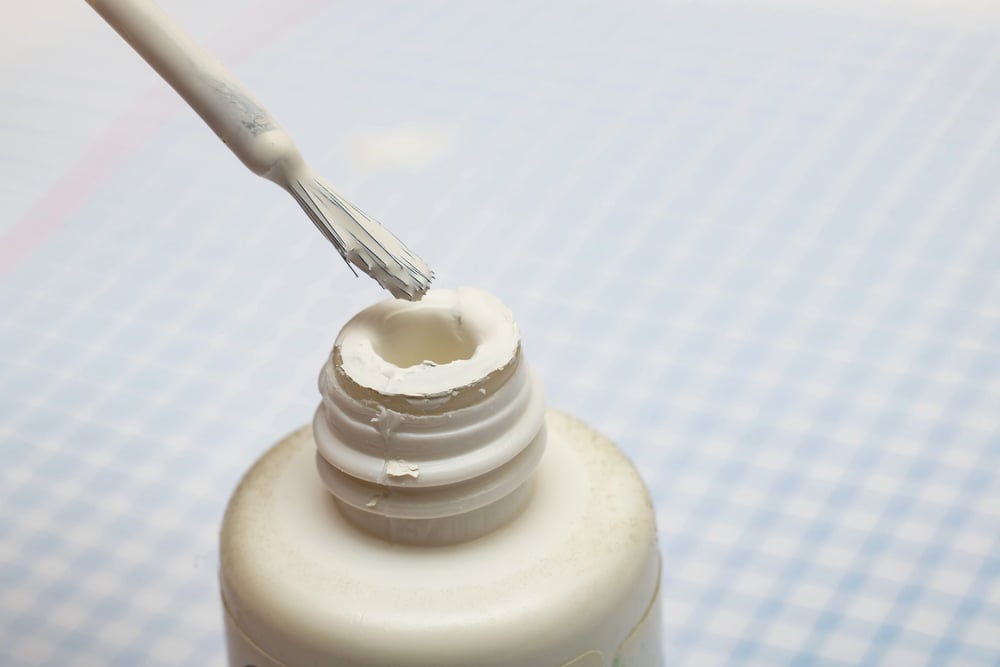
Bette Nesmith Graham was a typist who grew frustrated with having to retype entire pages when she made small mistakes. In the 1950s, she began mixing white tempera paint to match her office’s stationery and used a small brush to cover errors.
She refined her formula at home and eventually founded Liquid Paper, transforming office work before computers made typing errors less permanent.
From Annoyance to Innovation

These inventions remind us that frustration isn’t just an emotion to endure—it’s often the spark that lights the fire of innovation. Each of these creators faced the same choice we all face when something annoys us: accept it or change it.
They chose to change it, and in doing so, they made life a little easier for millions of people. The next time something frustrates you, remember that you might be holding the key to the next great invention that everyone will take for granted.
More from Go2Tutors!

- 16 Historical Figures Who Were Nothing Like You Think
- 12 Things Sold in the 80s That Are Now Illegal
- 15 VHS Tapes That Could Be Worth Thousands
- 17 Historical “What Ifs” That Would Have Changed Everything
- 18 TV Shows That Vanished Without a Finale
Like Go2Tutors’s content? Follow us on MSN.