15 Everyday Items Designed to Influence Your Behavior Without You Realizing It
We live surrounded by objects designed not just for function but to subtly guide our actions and decisions. From the shopping mall layout to the smartphone in your pocket, many everyday items incorporate psychological principles intended to influence how you think and behave—often without your conscious awareness.
Here is a list of 15 everyday items specifically engineered to shape your behavior through clever design psychology.
Supermarket Layouts
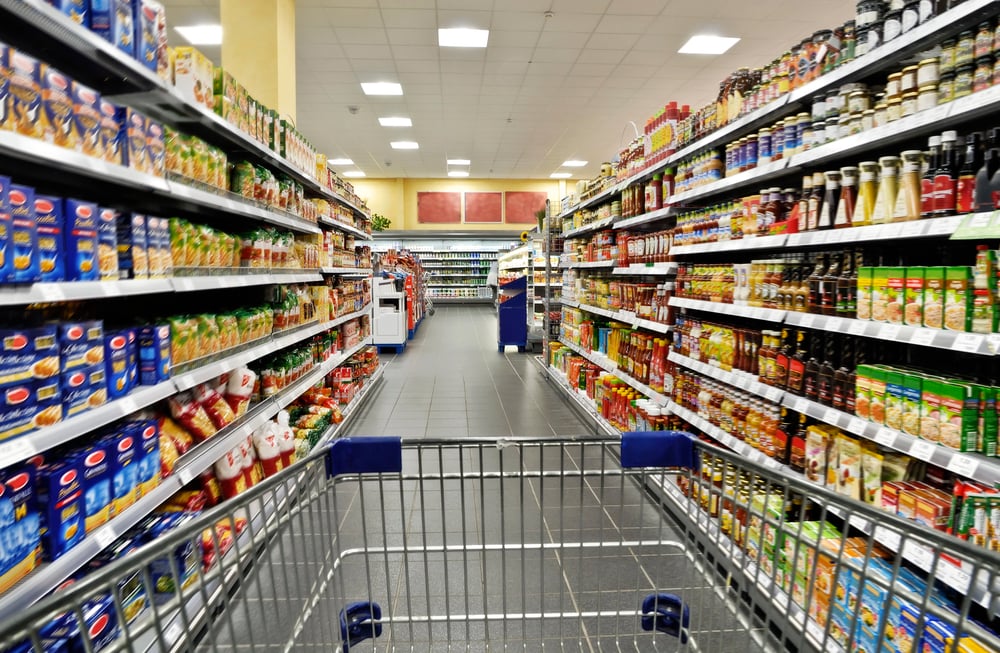
Supermarkets place essential items like milk and bread at the back of the store, forcing you to walk past countless other products. This design isn’t random—it maximizes your exposure to tempting impulse buys and increases the likelihood you’ll add unplanned items to your cart.
The checkout area features smaller, high-margin products perfectly positioned for last-minute purchases when your guard is down.
Social Media Apps
These platforms employ infinite scrolling features that eliminate natural stopping points, keeping users engaged far longer than intended. The notification systems use red, a color that triggers alertness and urgency, while variable reward mechanisms (similar to slot machines) create dopamine hits that keep you checking for new content.
Your ‘free’ social media apps are meticulously engineered attention traps.
Fast Food Menus
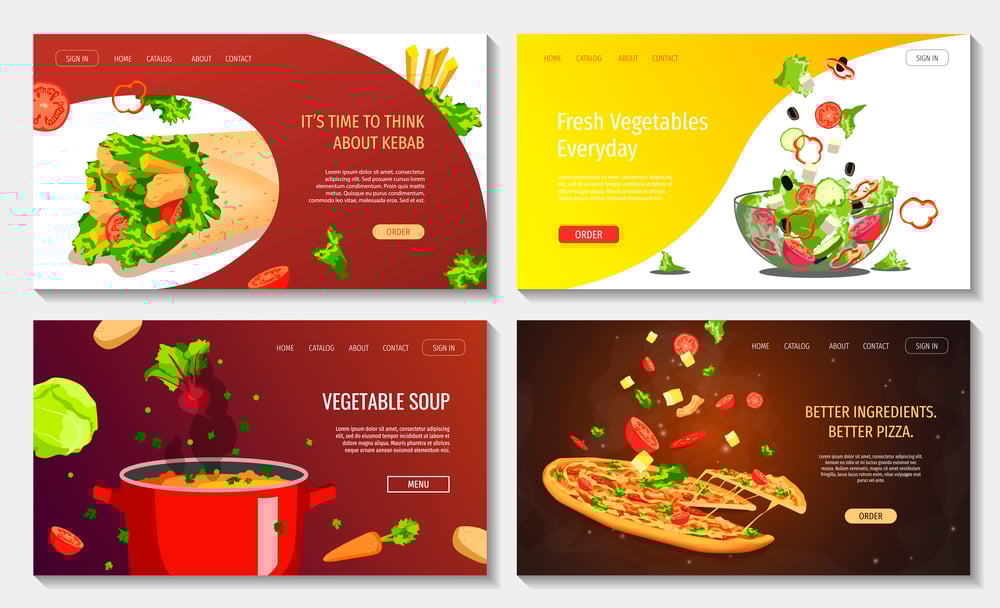
The menus use strategic price anchoring, placing expensive premium items prominently so other options seem reasonably priced by comparison. Many restaurants also use red and yellow color schemes, which have been shown to stimulate appetite and create a sense of urgency.
The combination of colors, placement, and pricing psychology works together to maximize your spending per visit.
Casino Design
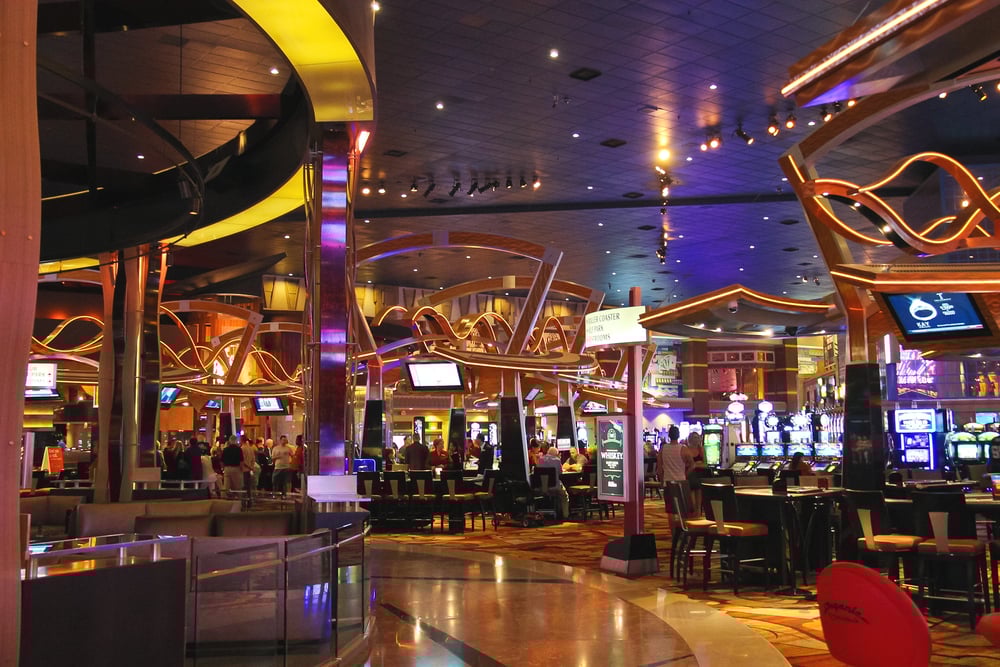
Casinos eliminate windows and clocks to destroy your sense of time passing, creating an environment where hours slip by unnoticed. The meandering layout forces you to pass other gambling opportunities when looking for specific games or exits.
The constant background noise of winning sounds creates an illusion that victory is common and just around the corner for you too.
Airplane Seats
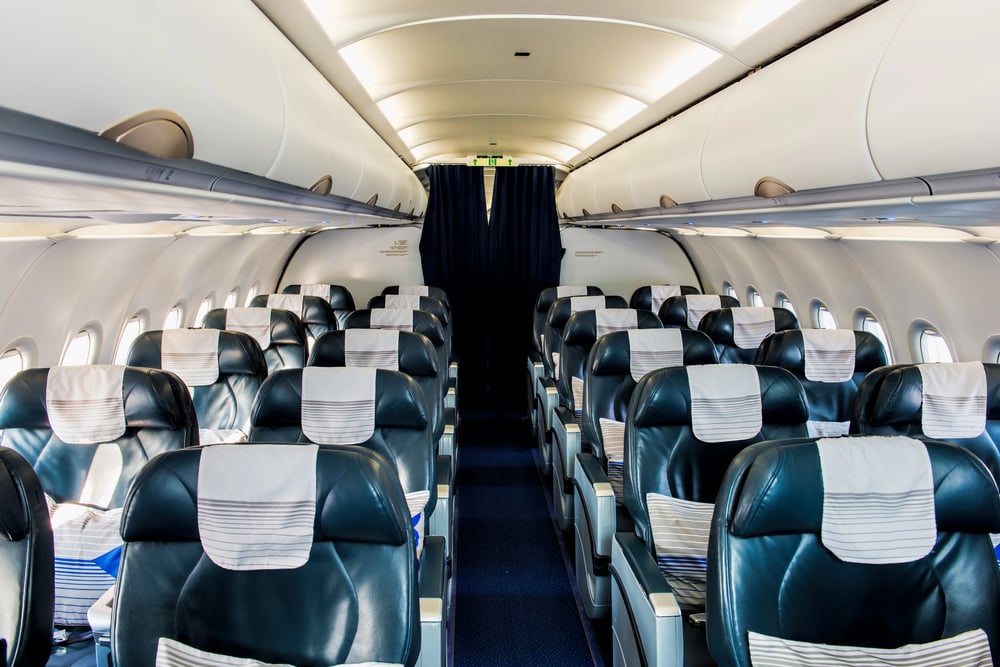
Airlines have gradually reduced seat pitch (the space between seats) to pack more passengers onto flights, but they’ve done it incrementally to avoid triggering strong backlash. The armrest design subtly encourages the middle passenger to sit back while allowing those in window and aisle seats to claim the armrest space.
This engineered discomfort makes premium seating options seem more attractive.
Hotel Room Keycards

Modern hotel keycards often require insertion into a slot to activate room electricity, ensuring lights and air conditioning turn off automatically when you leave. This design reduces energy costs while appearing as a convenience feature.
Some hotels also program these cards to expire exactly at checkout time, subtly pressuring guests to depart on schedule.
Shopping Carts
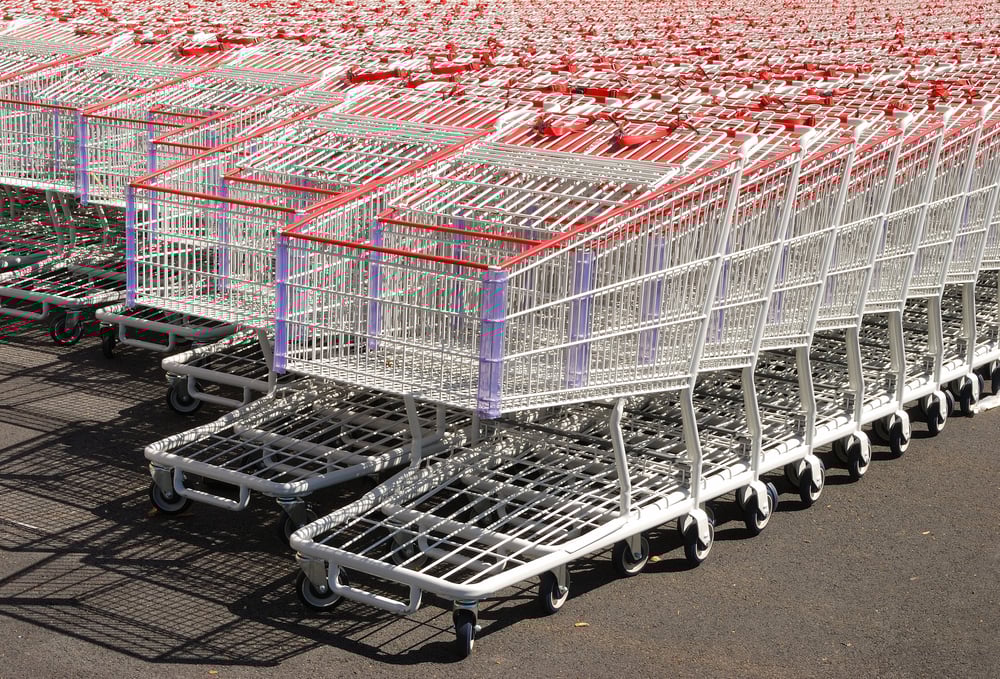
Shopping carts have grown nearly three times larger since their introduction, creating a psychological effect where a partially filled large cart feels like you’re not buying enough. The smooth-rolling design and ergonomic handles make it effortless to continue shopping.
Some stores even angle their floors slightly toward the back, making pushing into the store easier than returning to the front.
Freemium Games
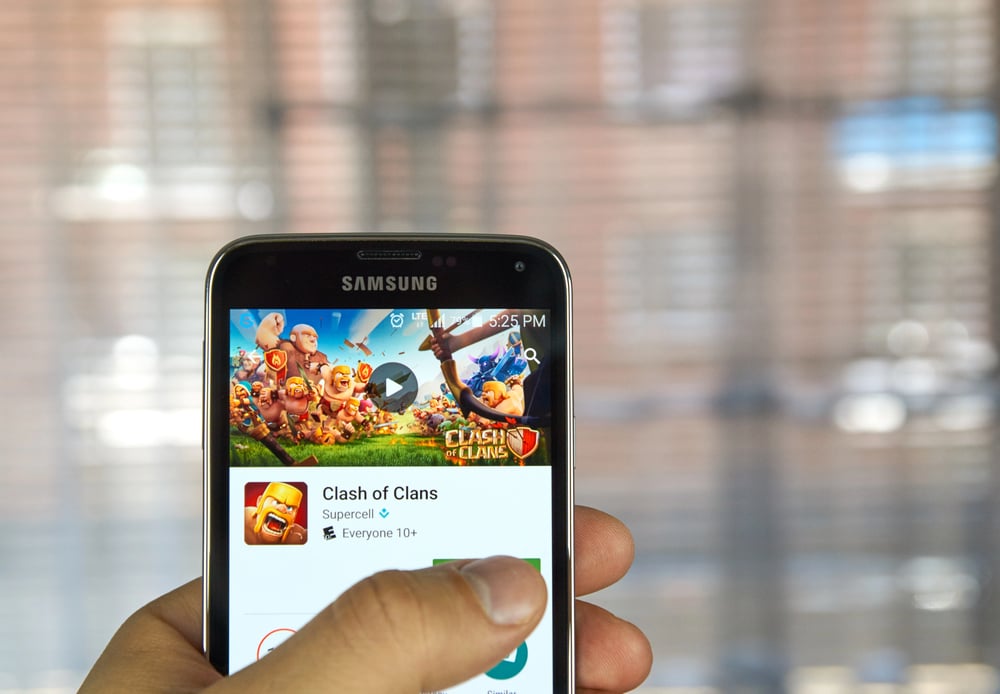
Mobile games use carefully calibrated difficulty curves that start easy but gradually increase challenges until paying for advantages becomes tempting. Many incorporate artificial waiting periods that can be bypassed with payment, exploiting impatience.
The games often use large price points for initial purchases, making subsequent smaller purchases feel insignificant by comparison.
Office Open Floor Plans
These spaces aren’t designed primarily for collaboration as often claimed, but to enable passive surveillance of employees and reduce real estate costs. The removal of privacy creates a subtle pressure to appear busy, even when productivity would benefit from focused, uninterrupted work.
Many designs incorporate glass walls and centrally located manager stations to maintain the feeling of being watched.
Streaming Services
Auto-play features eliminate the natural decision point between episodes, making it easier to continue watching than to stop. Personalized thumbnails might show different images for the same content based on your viewing history to increase click probability.
The interfaces deliberately make cancellation harder to find than subscription options, creating friction where it benefits the company.
Smart Speakers
These devices are designed to fade into the background of your home, becoming ambient and forgettable despite their constant listening capabilities. The friendly voice personas and helpful functions create a sense of reciprocity that makes users more willing to share private information.
Their always-on nature gradually normalizes surveillance as a standard part of domestic life.
Airport Security Lines
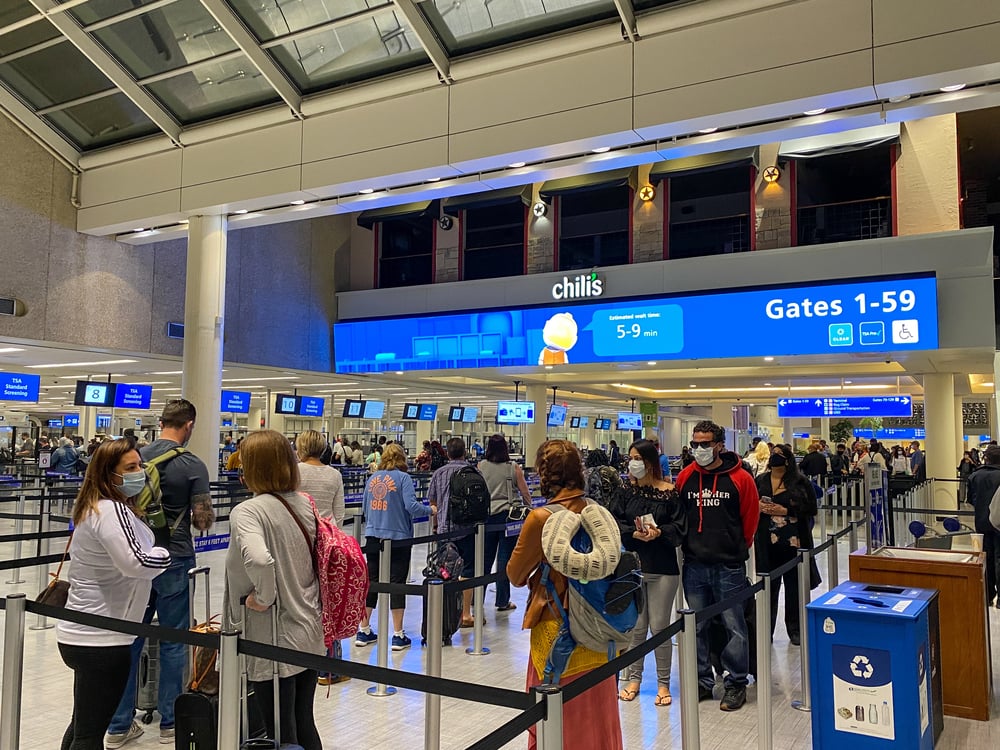
The serpentine layout prevents you from seeing the true length of the line, making wait times seem less daunting. The multiple steps of preparation (removing shoes, electronics, liquids) occupy your mind with tasks rather than focusing on the wait itself.
This design reduces perceived waiting time and complaints while processing large volumes of travelers.
Crosswalk Buttons
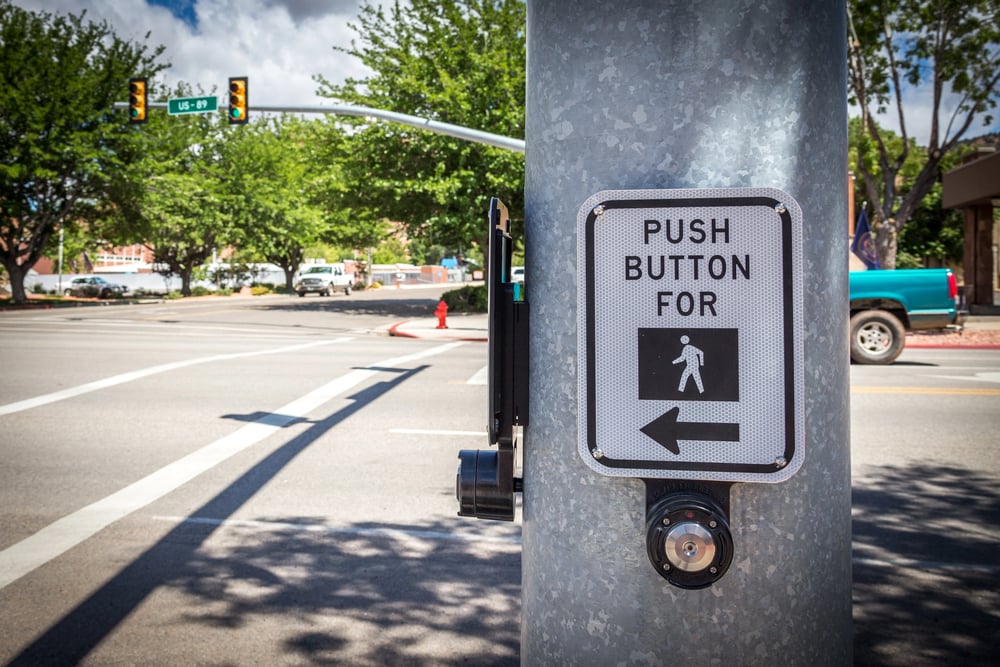
Many pedestrian crossing buttons in major cities are actually non-functional—they’re not connected to the traffic signal system, which operates on fixed timing. These placebo buttons give pedestrians a sense of control and engagement that reduces frustration while waiting.
The psychological satisfaction of pressing the button makes waiting feel more acceptable.
Coffee Shop Environments
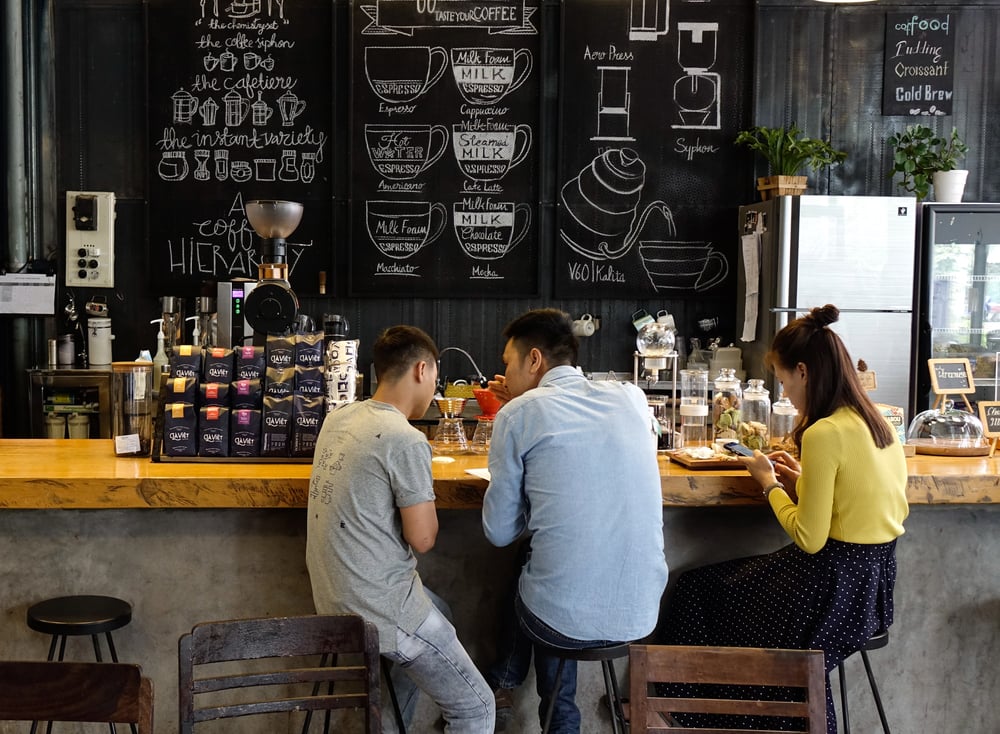
Premium coffee shops carefully design atmospheres with moderately uncomfortable seating to prevent extended stays that reduce table turnover. The background music is often played at volumes that discourage deep conversation while maintaining an energetic ambiance.
Many also strategically limit electrical outlets to discourage all-day laptop users who occupy tables while purchasing minimal items.
Subscription Cancellation Processes
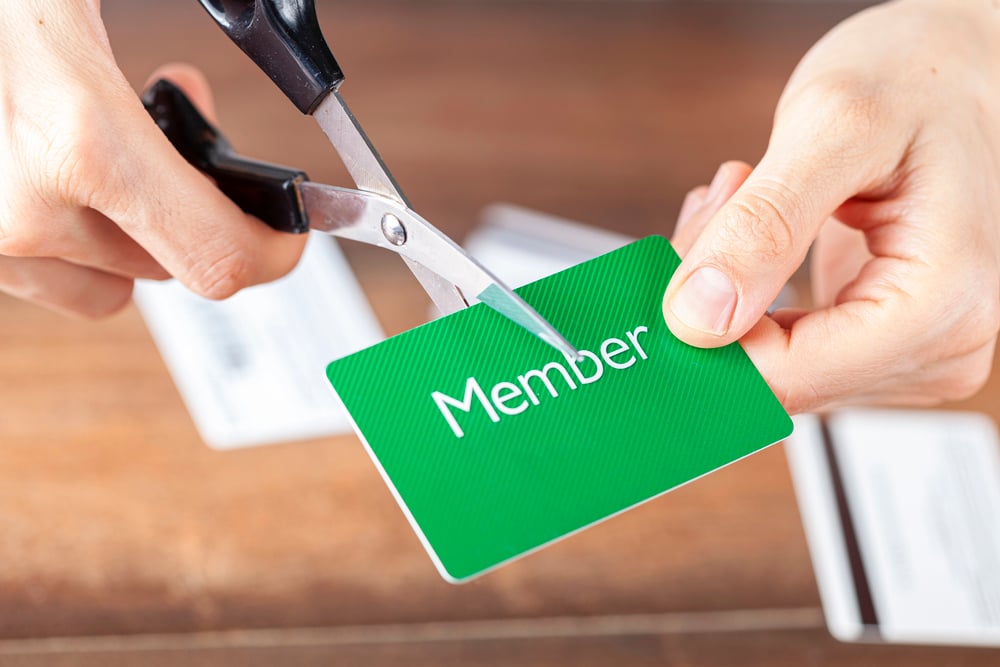
Companies design complicated, multi-step cancellation processes while making sign-up nearly instant, creating ‘dark patterns’ that exploit psychological fatigue. Many incorporate manipulative messaging suggesting you’ll miss out on special benefits by leaving.
Some even hide cancellation options behind friendly ‘customer retention specialists’ trained to persuade you to stay using prepared scripts targeting common objections.
The Invisible Hand
These design techniques represent just a fraction of the subtle psychological tools being deployed around us daily. The most effective behavioral design works invisibly—influencing decisions while leaving us feeling we’ve made independent choices.
By recognizing these mechanisms, we can approach our environment with greater awareness, making more deliberate decisions rather than unconsciously following the paths laid out for us.
More from Go2Tutors!

- 16 Historical Figures Who Were Nothing Like You Think
- 12 Things Sold in the 80s That Are Now Illegal
- 15 VHS Tapes That Could Be Worth Thousands
- 17 Historical “What Ifs” That Would Have Changed Everything
- 18 TV Shows That Vanished Without a Finale
Like Go2Tutors’s content? Follow us on MSN.