15 Things Only Teens in the ’90s Had to Deal With (and Survive)
Growing up as a teenager in the 1990s was a unique experience that today’s teens will never fully understand. It was a time when technology was evolving rapidly but hadn’t yet become the all-encompassing force it is today.
The struggles and entertainment were different, and the social dynamics operated on an entirely different wavelength. Here is a list of 15 things that only ’90s teens had to deal with and somehow managed to survive. These experiences shaped an entire generation that straddled the pre-digital and digital worlds.
Arranging Plans Without Cell Phones

Making plans with friends meant committing to a time and place days in advance with no way to update each other. You showed up at the mall food court at 7 PM Saturday because that’s what you agreed to on Wednesday at school.
If someone didn’t show up, you waited around wondering if they forgot or if something had happened. Parents would have to drive around looking for their kids when they were late coming home.
Busy Signals and Shared Phone Lines

Trying to call your crush meant first dealing with the possibility that someone else in your house was using the phone. The dreaded busy signal could mean hours of repeatedly dialing the same number hoping to get through.
Even worse was when someone’s parent answered and you had to explain who you were and why you were calling their son or daughter.
Like Go2Tutors’s content? Follow us on MSN.
Rewinding Rental Tapes

Friday night meant a trip to Blockbuster to rent movies for the weekend. But before returning them, you had the all-important task of rewinding each VHS tape to avoid the dreaded rewind fee.
Those who forgot faced both a surcharge and the social stigma of being ‘that person’ who didn’t rewind. The whirring sound of a tape rewinding became the soundtrack to closing out a weekend.
Recording Songs from the Radio

Making the ideal mixtape called on patience, timing, and some luck. Waiting for the DJ to play your favorite song, you’d sit for hours with your finger lingering over the record button. When the DJ spoke over the beginning or shortened the music, the annoyance was genuine. These handmade collections proved to be valued items that reflected hours of committed labor.
Dial-Up Internet Struggles
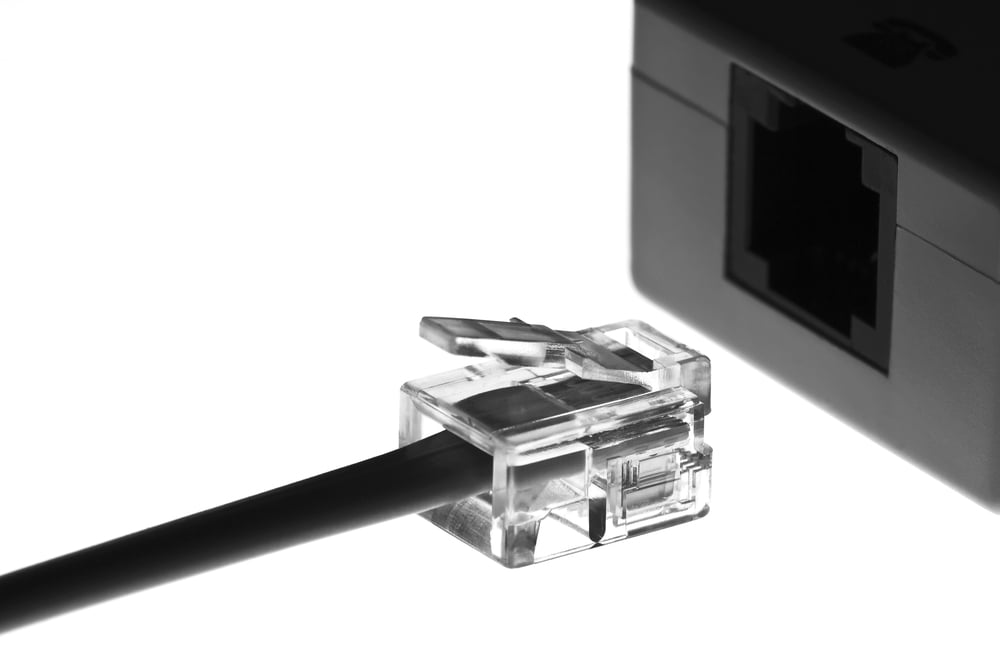
Getting online meant tying up the phone line with that iconic series of screeches and beeps. The process could take minutes, and someone picking up a phone elsewhere in the house would instantly disconnect you.
Downloads that now take seconds could literally run overnight, and if someone needed to make a call, your 95% complete download was toast.
Like Go2Tutors’s content? Follow us on MSN.
Printing MapQuest Directions
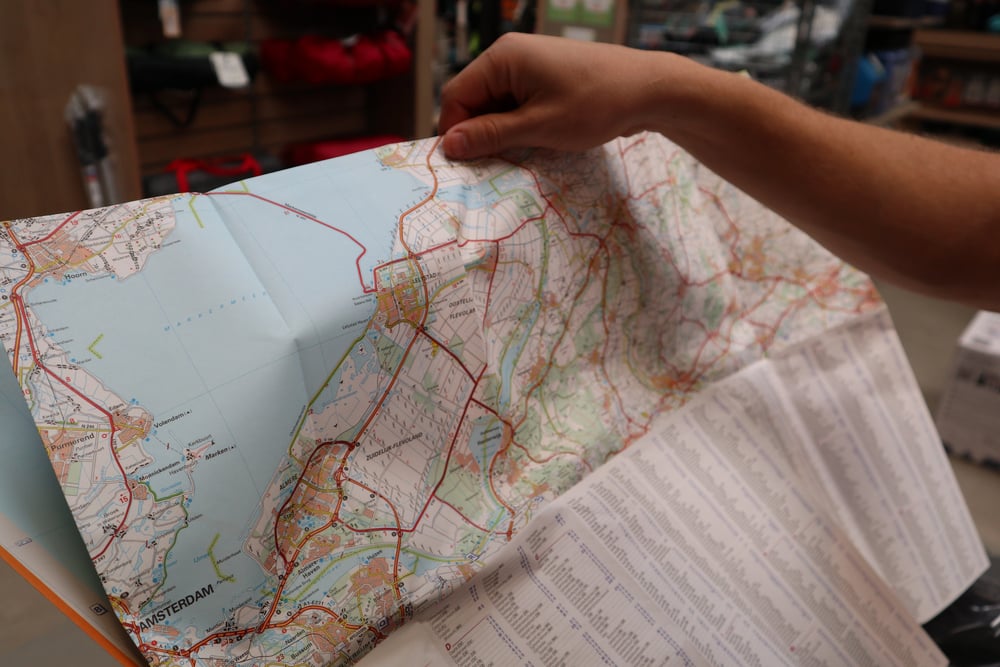
Before GPS navigation systems became standard, teens with driving privileges relied on printed MapQuest directions. Getting lost meant pulling over to unfold an actual paper map or stopping at a gas station to ask for directions.
Many ’90s teens became experts at navigating using landmarks and street names rather than turn-by-turn voice guidance.
Searching for Song Lyrics

Before Google gave us instant access to song lyrics, teens spent countless hours rewinding and playing songs repeatedly to figure out what their favorite artists were saying. Music magazines occasionally printed lyrics, making those issues especially valuable.
Friend groups would debate lyrics, often singing completely incorrect versions for years before learning the truth.
Pagers and Payphones

For the lucky teens who had pagers, communication still required finding a payphone and having quarters ready. Certain number combinations became code for different messages, and ’90s teens developed an entire language around these numerical limitations.
The sight of a payphone booth with a line of teenagers waiting to return pages was common at malls across America.
Like Go2Tutors’s content? Follow us on MSN.
Film Photography Limitations

Taking photos meant being selective since film rolls typically allowed just 24 or 36 exposures. There was no deleting bad shots or instantly reviewing what you’d captured.
Weeks might pass between taking photos and seeing the developed pictures, often leading to disappointment when you realize your finger was covering half the lens.
Expensive CDs and Limited Music Access
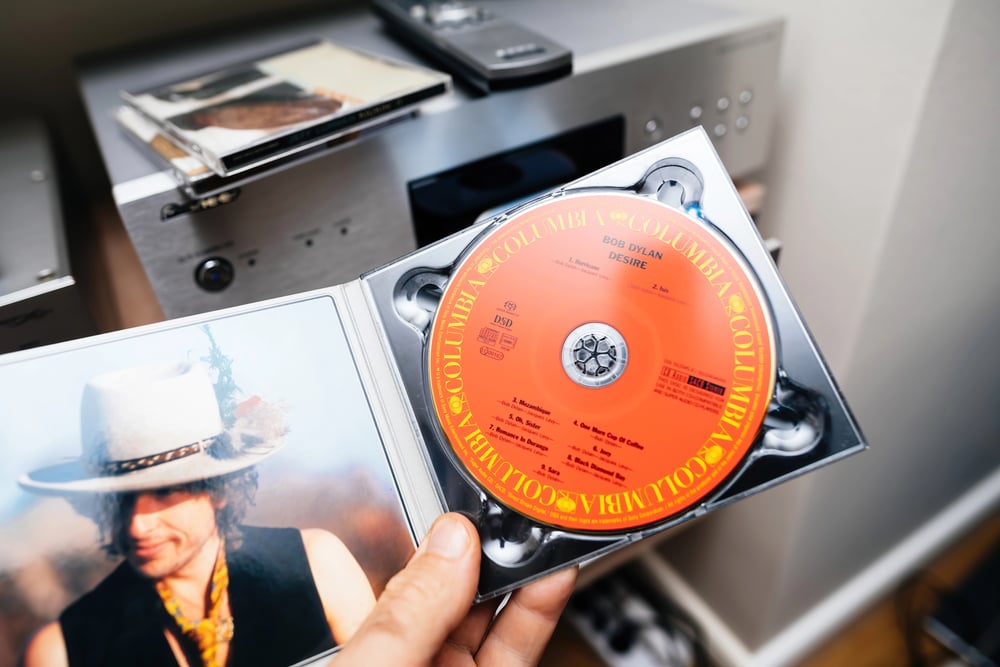
Building a music collection meant saving up to buy CDs at $15-20 each, often based solely on one hit single you heard on the radio. The disappointment of spending a week’s allowance on a CD with only one good track was universal.
Many teens became experts at carefully opening CD packaging to listen before committing to a purchase.
Primitive Video Games

Video games lacked save points and online capabilities, meaning marathon sessions to complete levels before bedtime. When games froze, your only option was blowing into cartridges or tapping the console in desperate attempts to make them work again.
Multiplayer gaming meant physically gathering in someone’s basement rather than connecting online.
Like Go2Tutors’s content? Follow us on MSN.
Chat Room Etiquette

Early internet communication happened in anonymous chat rooms with established but unwritten rules. A/S/L (age, sex, location) was the standard greeting, and conversations disappeared forever once you logged off.
The agonizingly slow revelation of a photo shared by your chat partner, loading one pixel line at a time, tested everyone’s patience.
Limited TV Options

Missing your favorite show meant actually missing it, possibly forever. Without DVR or streaming services, teens planned their schedules around TV programming.
Shows like ‘Friends’ or ‘Beverly Hills 90210’ became appointment viewing that everyone discussed the next day. TV Guide magazine was essential reading for planning your viewing schedule for the week.
Tamagotchi Responsibilities

These digital pets demanded attention at the most inconvenient times, often beeping during classes. Schools across America eventually banned these needy virtual creatures as they became increasingly distracting.
Many ’90s teens learned harsh lessons about responsibility when their digital companions ‘died’ from neglect during an important test or family dinner.
Like Go2Tutors’s content? Follow us on MSN.
Bulky Technology
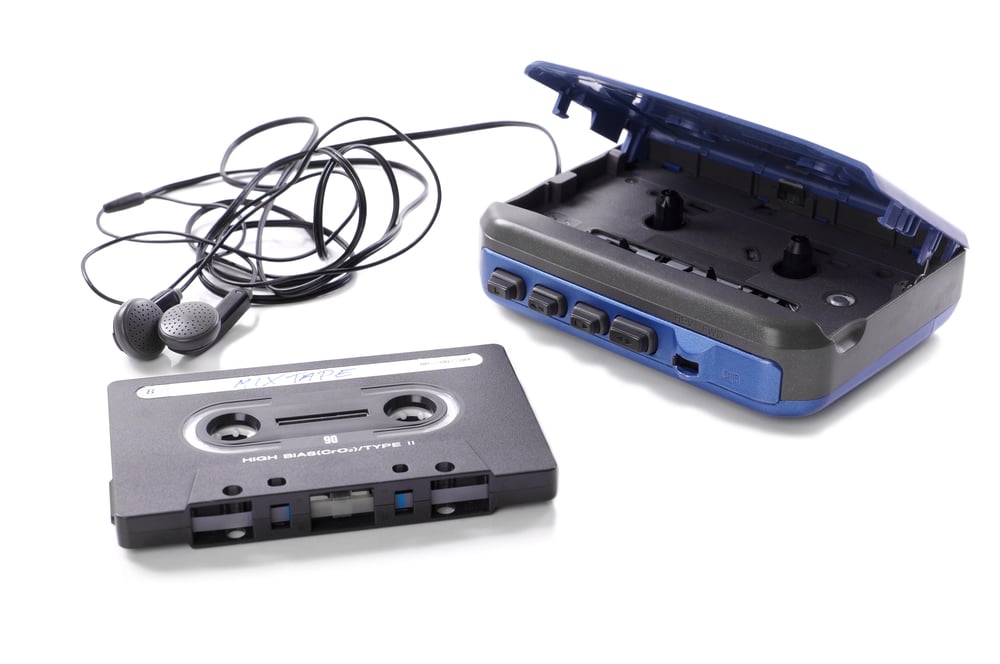
Portable technology meant lugging around Walkman players, giant headphones, and pockets full of batteries. The coolest teens upgraded to Discmans but faced the constant challenge of preventing their CDs from skipping while walking.
Car adapter cassettes with dangling wires connected to portable CD players represented the height of teenage tech innovation.
The Bridge Between Analog and Digital

Teenagers in the 1990s had to negotiate a world that was changing all the time, with technology developing at a rate that appears archaic by today’s standards. They acquired ingenuity, patience, and planning abilities that other generations haven’t need as much.
Even if the modern world is convenient and allows for immediate communication, people who experienced these particular ’90s difficulties developed a viewpoint that blends analog and digital perspectives. These encounters produced a generation that embraces the digital revolution that followed while recalling a time before the internet took over the world.
Teenagers today might find the hardships alien, yet they have shaped the world we live in today.
More from Go2Tutors!

- 18 Unexpectedly Valuable Collectibles You Might Have Lying Around
- 20 Little-Known Historical Battles That Had Huge Consequences
- 20 Historical Artifacts That Scientists Can’t Explain
- 15 Inventions That Were Immediately Banned After Being Created
- 20 Actors Who Were Almost Cast in Iconic Roles
Like Go2Tutors’s content? Follow us on MSN.



