15 Everyday Items First Made for Space
NASA engineers likely had no idea that they were transforming life on Earth when they set out to tackle the seemingly insurmountable problems of space exploration. Innovative solutions, such as lightweight materials, small designs, and technology that could function flawlessly millions of miles away from the closest repair shop, were required due to the harsh environment of space. However, these innovations from the space age did not remain in orbit. In the most surprising ways, they infiltrated our daily routines, offices, and homes.
Space technology permeates every aspect of our lives, from the camera you use for selfies to the mattress you sleep on. NASA’s innovative problem-solving has produced life-saving medical devices and improved running shoes. These fifteen commonplace objects were initially created for space travel.
Memory Foam
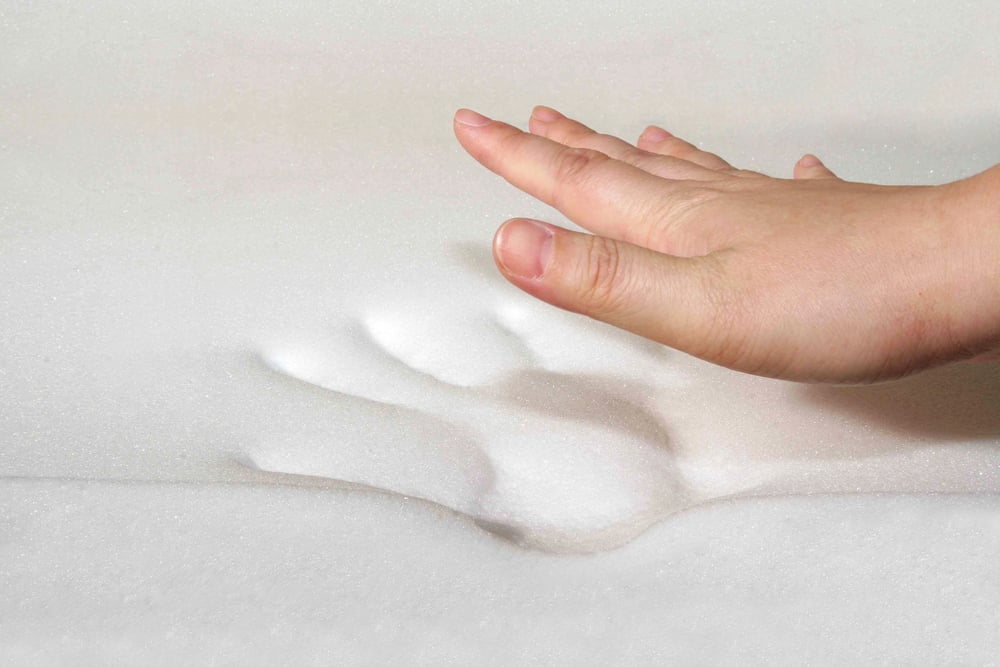
Memory foam was originally developed in 1966 by NASA’s Ames Research Center to improve crash protection for airline passengers and astronauts during high G-force situations. The viscoelastic foam was designed to mold to the body and then slowly return to its original shape, providing better cushioning during the intense forces of takeoff and landing.
Today, memory foam is everywhere – in mattresses, pillows, car seats, football helmets, and even shoes, making millions of people sleep better every night.
Cell Phone Cameras

NASA’s Jet Propulsion Laboratory developed the complementary metal oxide semiconductor (CMOS) image sensor in the 1990s to capture high-quality photographs from spacecraft while using minimal power. Engineer Eric Fossum refined this technology to make it smaller, lighter, and more efficient than existing camera systems.
Now this same technology powers the camera in your smartphone, enabling everything from social media selfies to video calls with family across the globe.
Cordless Vacuum Cleaners
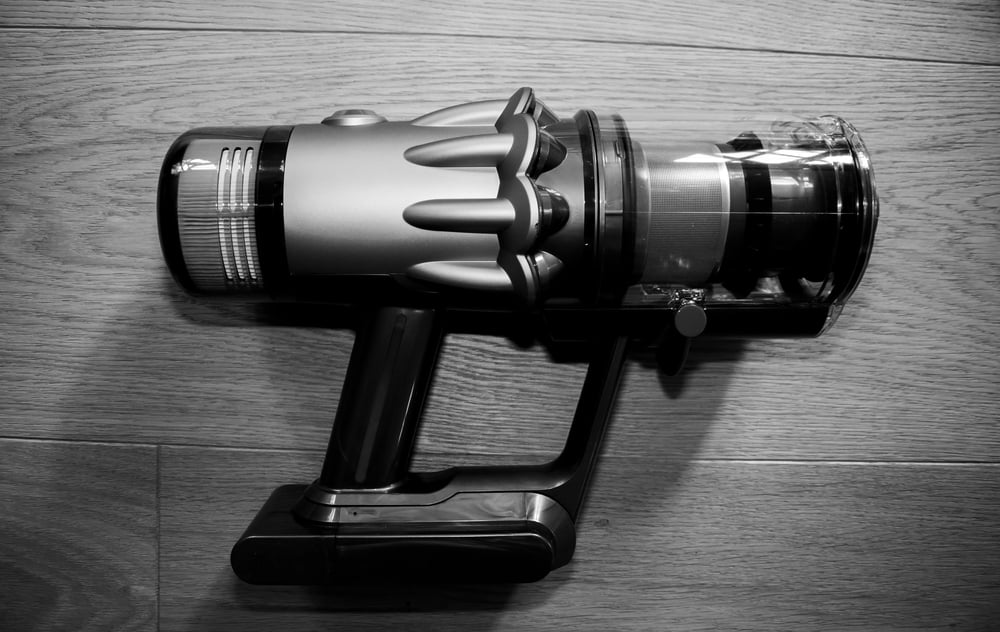
The famous Dustbuster vacuum cleaner traces its origins to NASA’s Apollo program, when the space agency contracted Black & Decker to create battery-powered tools for collecting rock samples on the moon. The challenge was designing a motor that was lightweight, compact, and powerful enough to work in the harsh lunar environment.
Black & Decker took this technology and created the first cordless vacuum cleaners, revolutionizing home cleaning with portable, battery-operated convenience.
Like Go2Tutors’s content? Follow us on MSN.
Water Filtration Systems
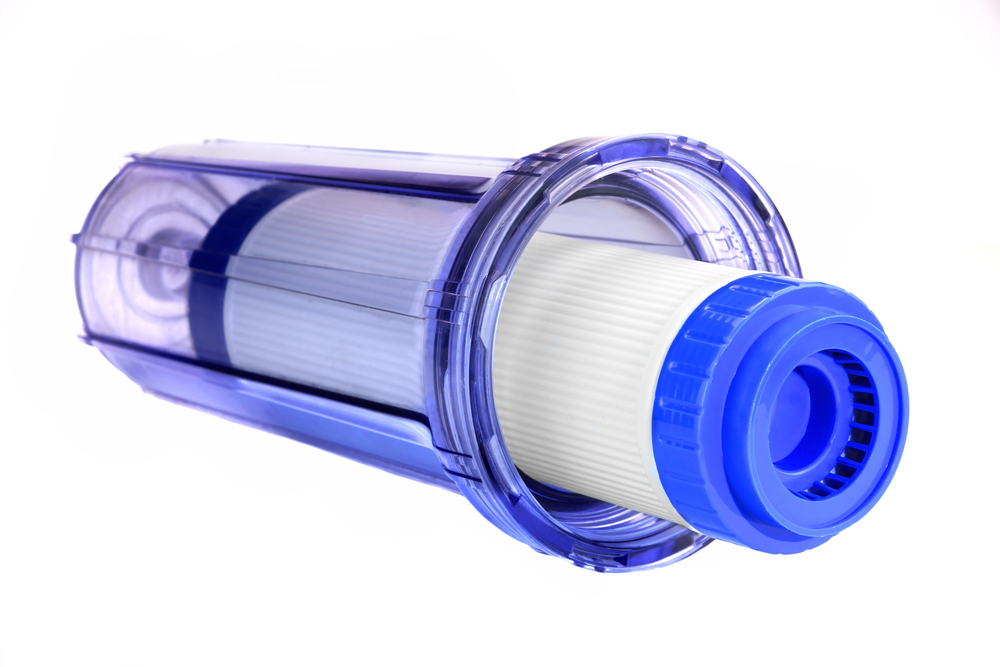
NASA developed advanced water purification technology for the Apollo missions because astronauts needed clean, uncontaminated water for extended periods in space. The system used specially treated charcoal to absorb pollutants and harmful bacteria, creating a reliable method for purifying water in spacecraft.
This same filtration technology now powers home water filters like Brita, providing millions of people with cleaner drinking water every day.
Emergency Blankets
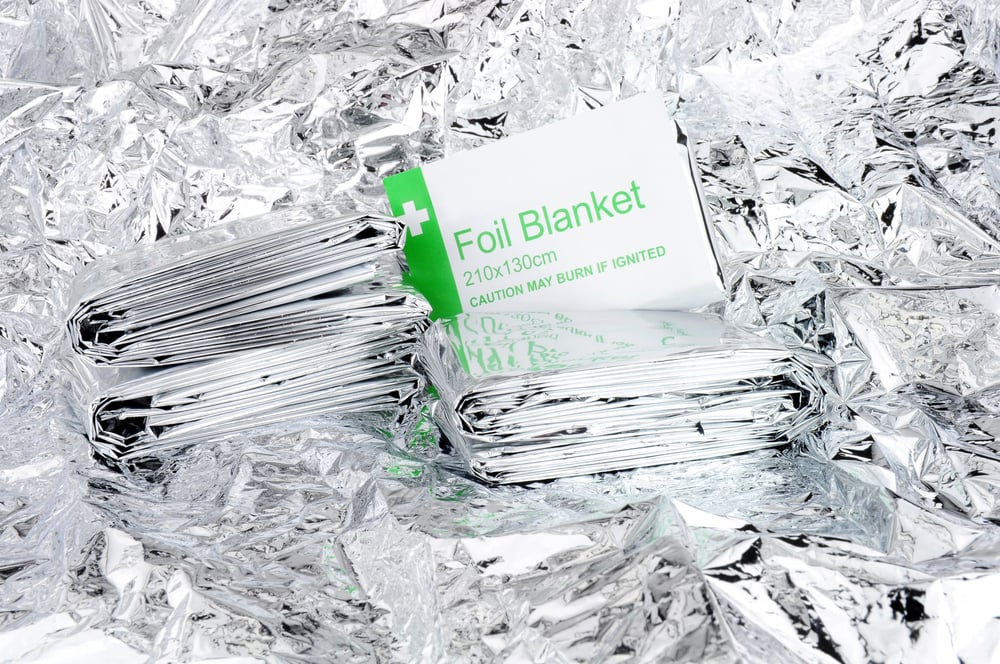
Those shiny, metallic emergency blankets you see marathoners wearing were invented by NASA in 1964 for the space program. The blankets are made from metalized polyethylene terephthalate – essentially aluminum-coated plastic that’s incredibly lightweight yet surprisingly effective at regulating body temperature.
Originally designed to protect spacecraft and astronauts from extreme temperature swings in space, these blankets are now standard equipment in first-aid kits, hiking gear, and emergency response situations worldwide.
Freeze-Dried Food
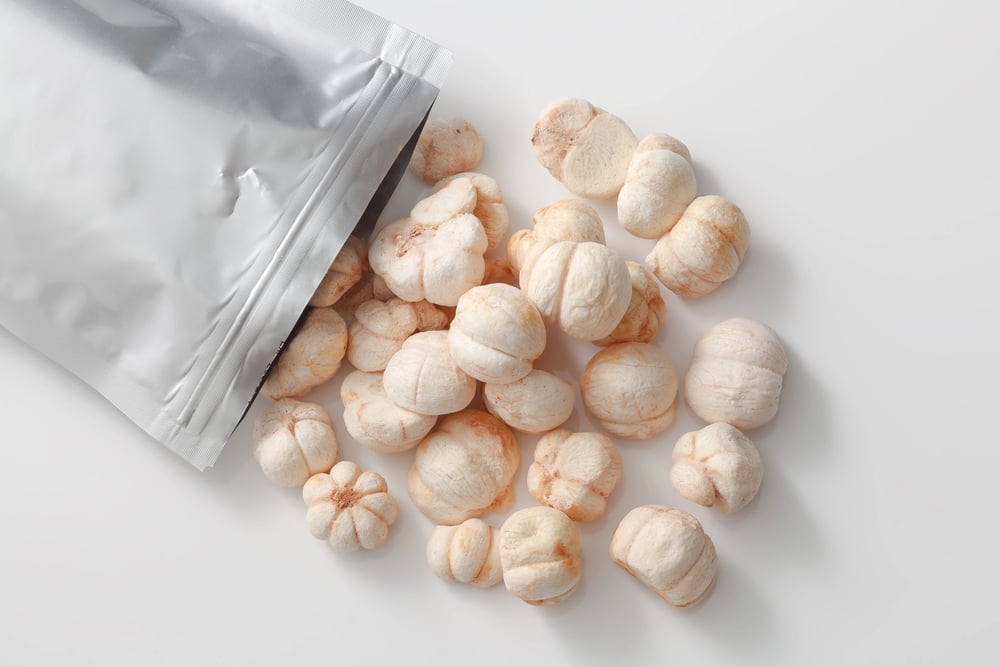
NASA perfected freeze-drying techniques for astronaut meals during the Apollo program, creating food that retained 98% of its nutritional value while weighing only 20% of its original weight. The process involves flash-freezing food and then removing the ice through sublimation in a vacuum chamber, leaving behind lightweight, long-lasting meals.
Today, freeze-dried food is everywhere – from backpacking meals and emergency food supplies to those astronaut ice cream treats sold in museum gift shops.
Like Go2Tutors’s content? Follow us on MSN.
Infrared Thermometers
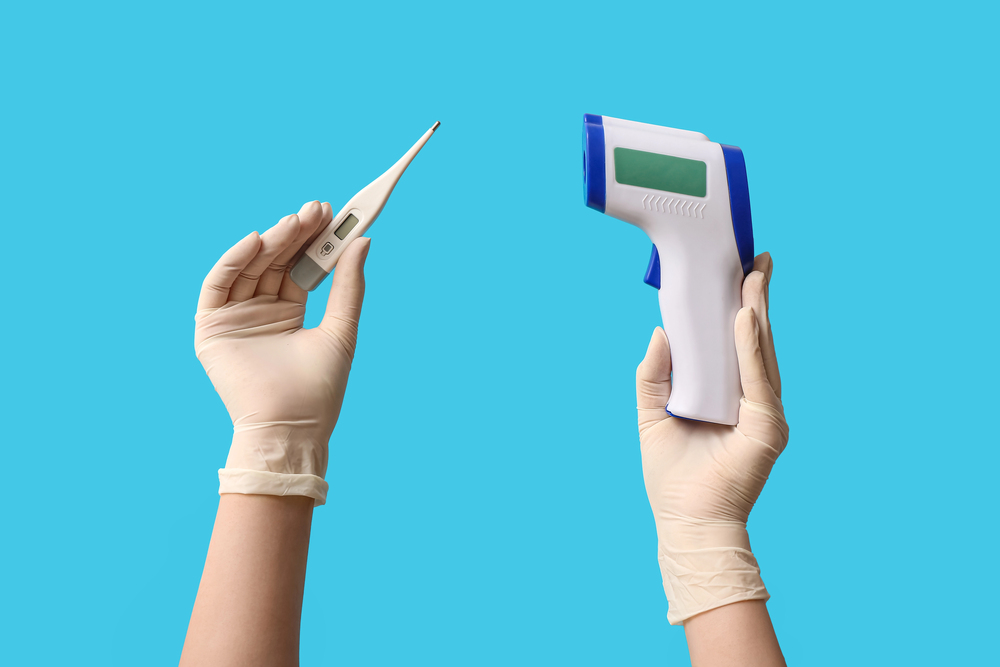
The ear thermometers that make taking your temperature so much easier were developed through a collaboration between NASA and the Diatek Corporation. NASA scientists adapted the same infrared technology they used to measure the temperature of stars and planets to create a device that could accurately measure human body temperature without contact.
These thermometers eliminated the need for old-fashioned mercury thermometers and made temperature readings faster, safer, and more hygienic.
Scratch-Resistant Lenses
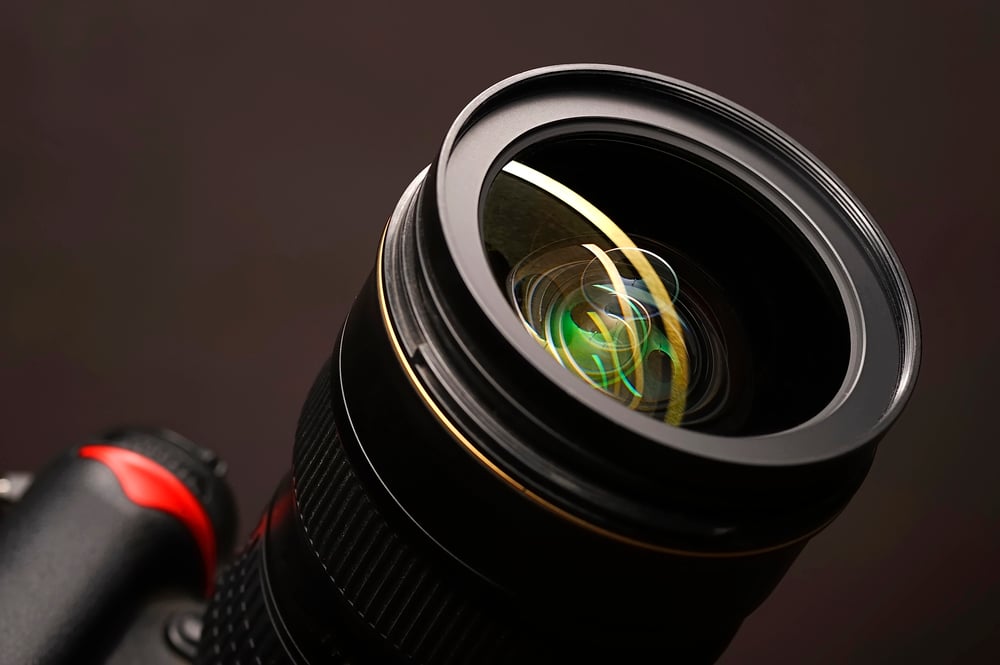
NASA scientist Ted Wydeven developed scratch-resistant coatings while working on water purification systems for spacecraft at the Ames Research Center. He discovered that applying a thin plastic film using an electric discharge created an incredibly tough coating that was perfect for protecting space helmet visors and equipment.
Foster-Grant licensed this technology in 1983, and now the majority of eyeglasses sold in the United States use this NASA-developed coating, making lenses last ten times longer than before.
Nike Air Sneakers
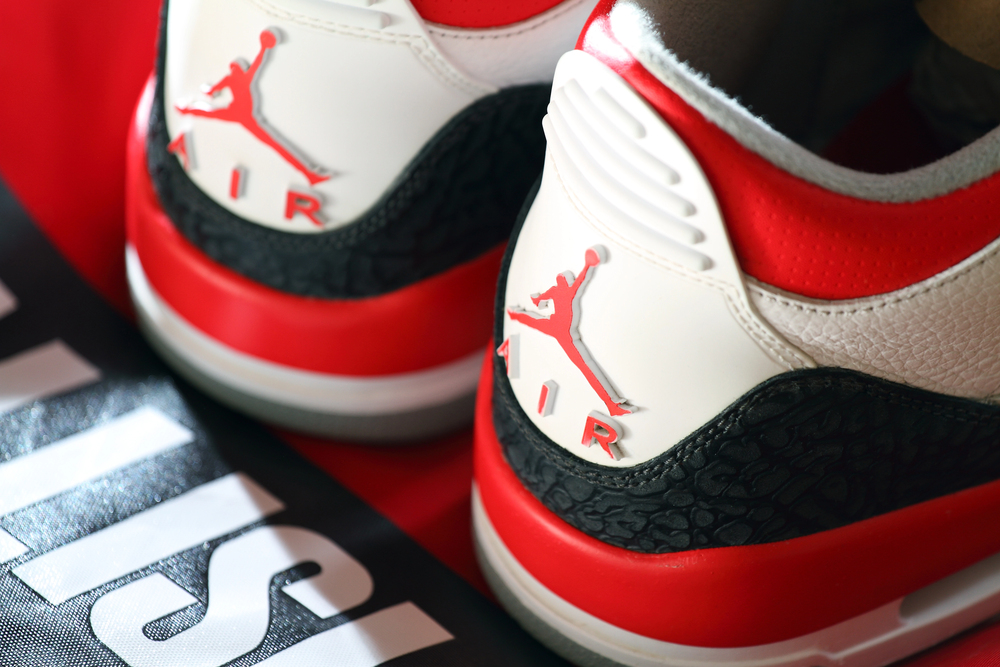
The technology behind Nike Air shoes came directly from NASA’s space suit design, thanks to former aerospace engineer Frank Rudy. In 1979, Rudy adapted the blow rubber molding technique used for astronaut helmets to create gas-filled soles that provided superior cushioning and shock absorption.
Nike embraced this space-age technology, launching the Air brand with the Tailwind running shoe and revolutionizing athletic footwear with the concept of literally ‘running on air.’
Like Go2Tutors’s content? Follow us on MSN.
Super Soaker Water Guns

The beloved Super Soaker water gun was accidentally invented by NASA engineer Lonnie Johnson while he was working at the Jet Propulsion Laboratory. Johnson was experimenting with a new refrigeration system in his bathroom when he accidentally created a powerful stream of water and thought, ‘This would make a great water gun.’
After refining his design and patenting it, the Super Soaker became one of the most popular toys of the 1990s, generating over $1 billion in sales.
Smoke Detectors
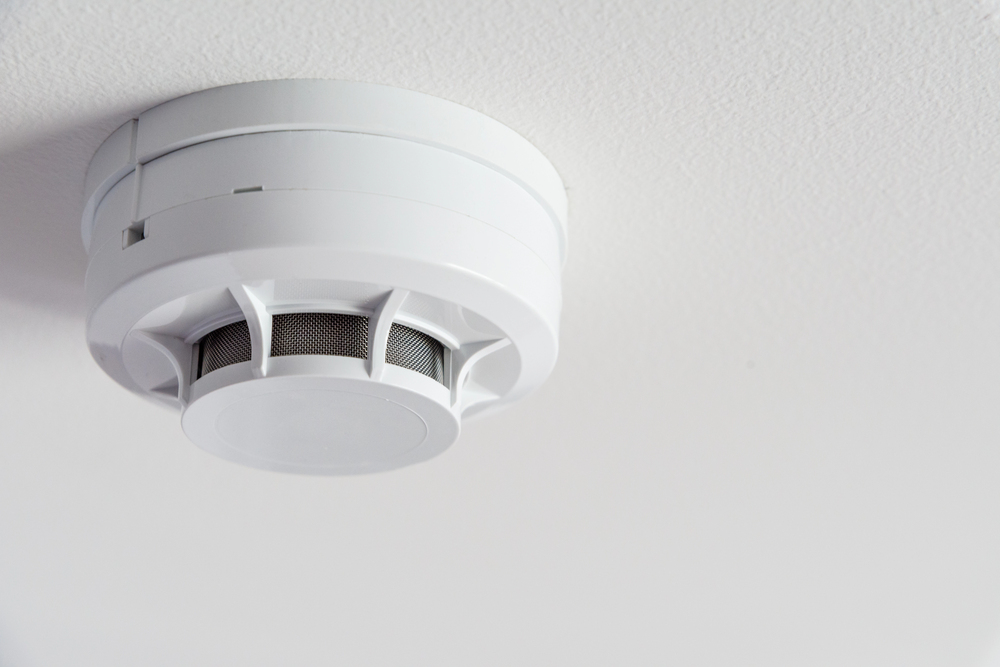
Modern smoke detectors were developed by NASA and Honeywell for the Skylab space station, where early fire detection was critical and false alarms could be catastrophic. The detectors were designed to sense a wider range of smoke particles and avoid triggering from minor sources of particulate matter.
These ‘no-nuisance’ smoke detectors became the foundation for home fire safety systems, saving countless lives by providing early warning of dangerous fires while reducing annoying false alarms.
GPS Technology
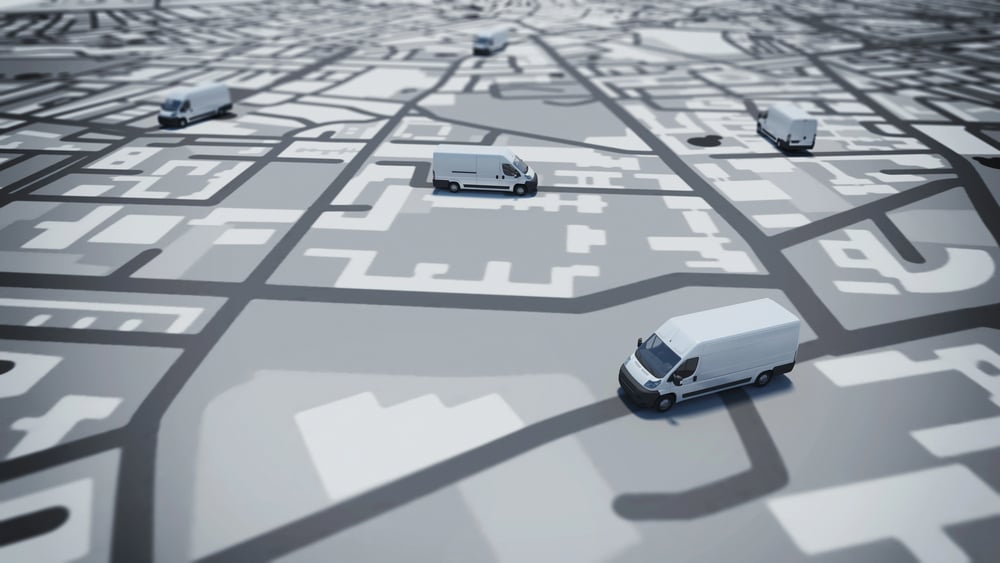
NASA’s Jet Propulsion Laboratory developed precision GPS software in the mid-1990s to correct errors in satellite positioning data for spacecraft navigation. This technology dramatically improved the accuracy of GPS systems, making them reliable enough for everything from turn-by-turn driving directions to precision agriculture.
Today, this NASA-enhanced GPS technology powers everything from smartphone maps to self-driving tractors, revolutionizing how we navigate and manage our world.
Like Go2Tutors’s content? Follow us on MSN.
Wireless Headsets
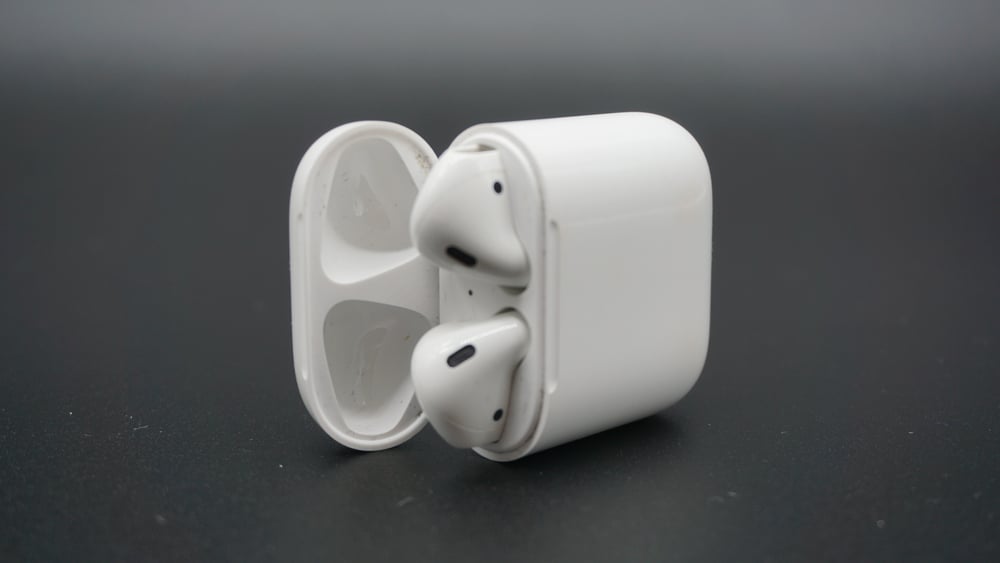
NASA pioneered wireless communication technology for astronauts who needed hands-free communication during spacewalks and missions. Working with Plantronics, NASA developed miniaturized wireless headsets that could provide clear communication without the constraints of wires in zero gravity.
This collaboration led to breakthroughs in miniaturization, wireless technology, and noise cancellation that became the foundation for modern Bluetooth headphones and wireless communication devices we use every day.
CAT Scan Technology
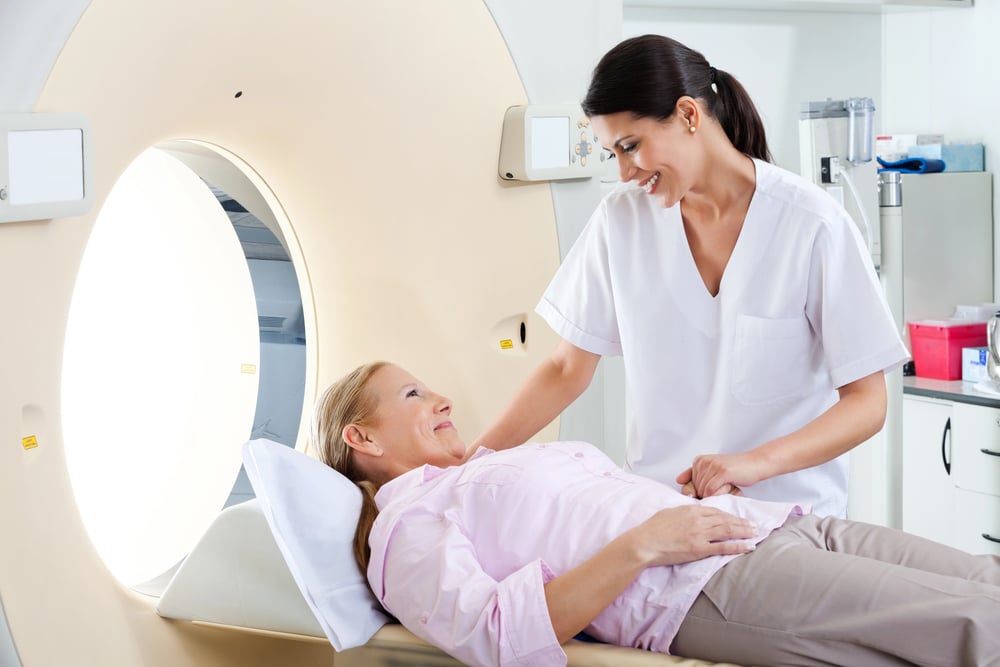
NASA initially created the digital signal processing technology that enables MRIs and CAT scans to improve and analyze lunar images during the Apollo missions. In order to create readable, detailed photographs that scientists could examine, NASA had to process digital images that were sent from space.
By enabling physicians to see inside the human body without invasive procedures, this same digital imaging technology was modified for medical use, completely changing healthcare.
Baby Formula Enhancement
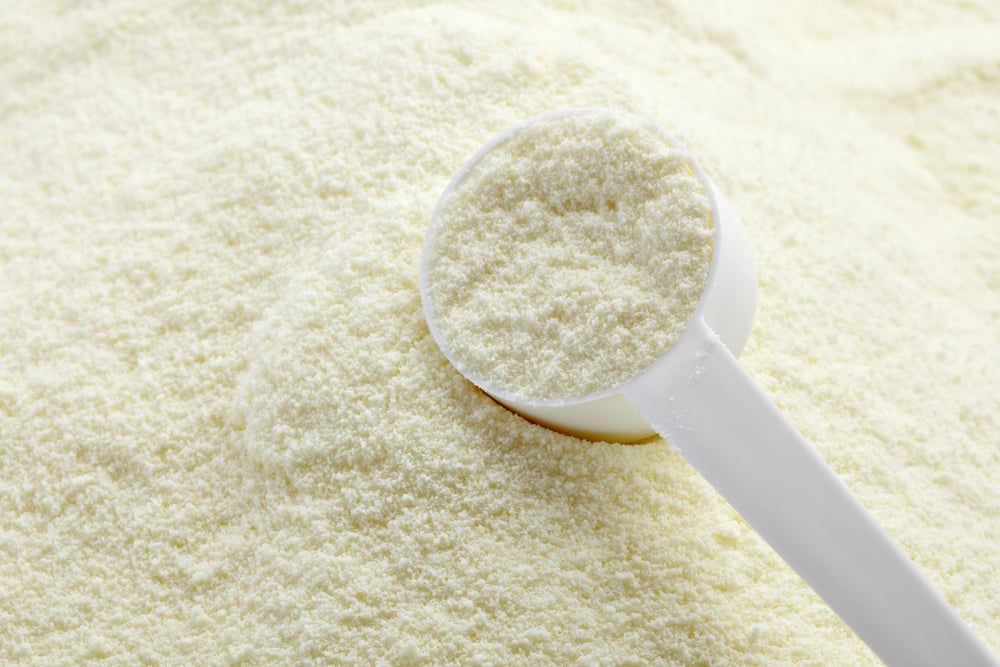
Using algae and fungus, NASA discovered a way to mass-produce essential fatty acids as part of its research into sustainable nutrition for extended space travel. Researchers discovered that they could produce docosahexaenoic acid (DHA) and arachidonic acid (ARA), two vital nutrients that are typically present in breast milk and are critical for the development of an infant’s brain and eyes.
Because of this NASA research, baby formula is now improved globally, ensuring that babies who are unable to breastfeed still get these essential nutrients for a healthy development.
Like Go2Tutors’s content? Follow us on MSN.
From Orbit to Everyday Life

These technological advancements from the space age demonstrate that when people dare to aim high, the rewards frequently return to our living rooms. The way we communicate, eat, sleep, and maintain our health has all been subtly transformed by NASA’s space exploration mission.
You use technology that was created from humanity’s greatest adventure every time you take out a cordless vacuum, look at your GPS, or take a picture with your phone. Just remind them that their scratch-resistant glasses and memory foam mattress are thank-you presents from the final frontier the next time someone doubts the importance of space travel.
More from Go2Tutors!

- 16 Historical Figures Who Were Nothing Like You Think
- 12 Things Sold in the 80s That Are Now Illegal
- 15 VHS Tapes That Could Be Worth Thousands
- 17 Historical “What Ifs” That Would Have Changed Everything
- 18 TV Shows That Vanished Without a Finale
Like Go2Tutors’s content? Follow us on MSN.