Most Valuable Gold Coins Found by Treasure Hunters
The thrill of finding treasure never gets old. Stories of metal detector enthusiasts stumbling upon coins worth millions capture something primal in all of us — the possibility that incredible wealth might be buried just beneath our feet.
These discoveries remind us that history’s most valuable artifacts don’t always end up in museums or private collections. Sometimes they remain hidden for centuries, waiting for the right person with the right equipment to uncover them.
From California hillsides to English farmland, amateur treasure hunters have unearthed gold coins that rewrite auction records and reshape our understanding of numismatic history. Each discovery tells a story not just of monetary value, but of the circumstances that led to these coins being buried, lost, or forgotten in the first place.
The Saddle Ridge Hoard
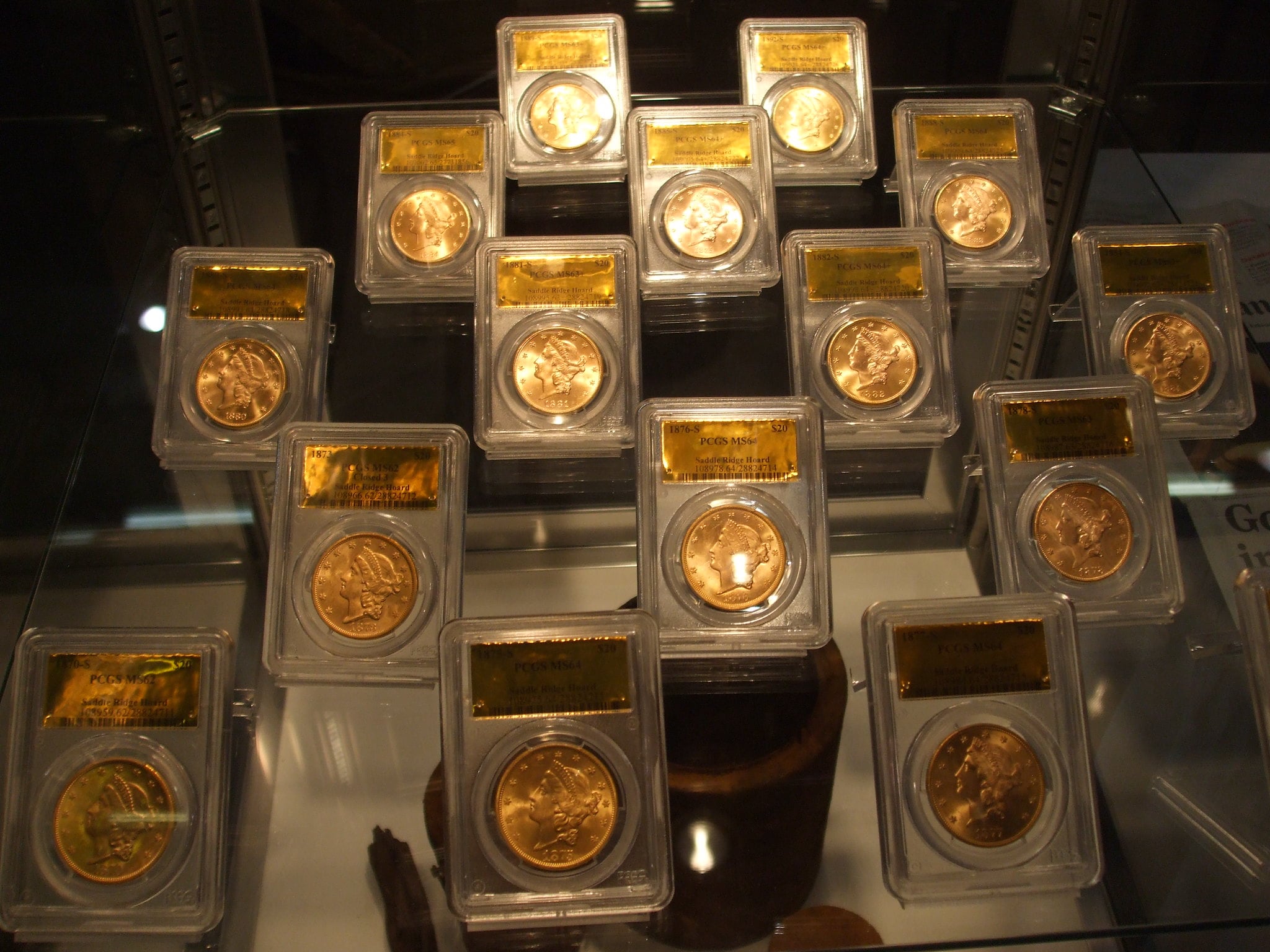
A couple walking their dog in 2013 noticed something glinting from an old rusty can on their California property. Inside were 1,427 gold coins dating from 1847 to 1894, with a combined value exceeding $10 million.
The coins were in pristine condition — many had never been circulated.
The discovery included several $20 Double Eagles, some so rare that individual coins sold for over $1 million at auction. What made this find extraordinary wasn’t just the quantity, but the quality and rarity of specific pieces within the collection.
The Staffordshire Hoard Gold Coins
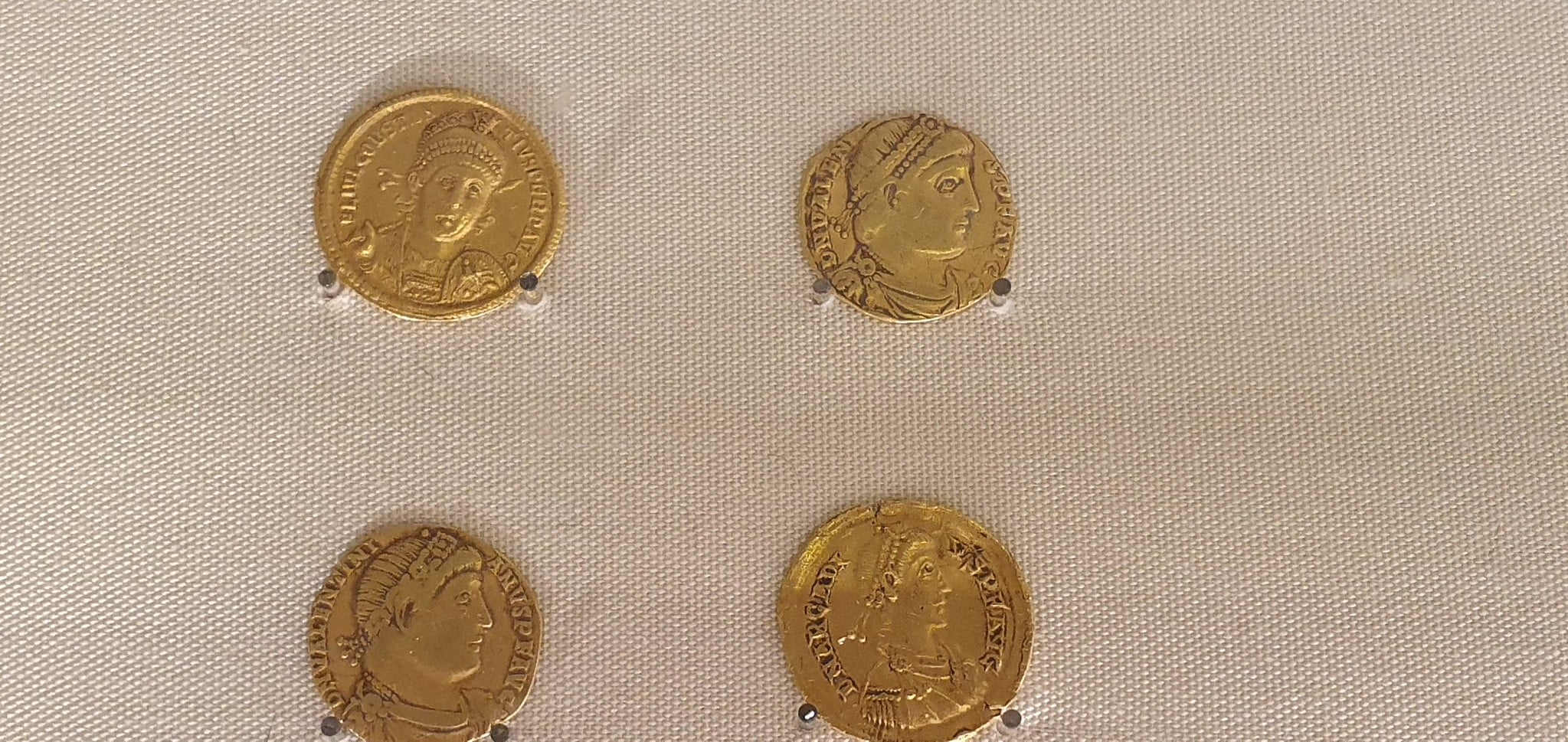
Terry Herbert’s metal detector led him to the largest collection of Anglo-Saxon gold ever discovered in 2009. While most attention focused on the weapons and jewelry, the hoard contained several gold coins that proved invaluable to historians studying 7th-century England.
These coins helped establish trading relationships and political connections that scholars had only theorized about. Their value extends beyond monetary worth — they’re windows into a world we’re still trying to understand.
Double Eagle Discovery in Pennsylvania
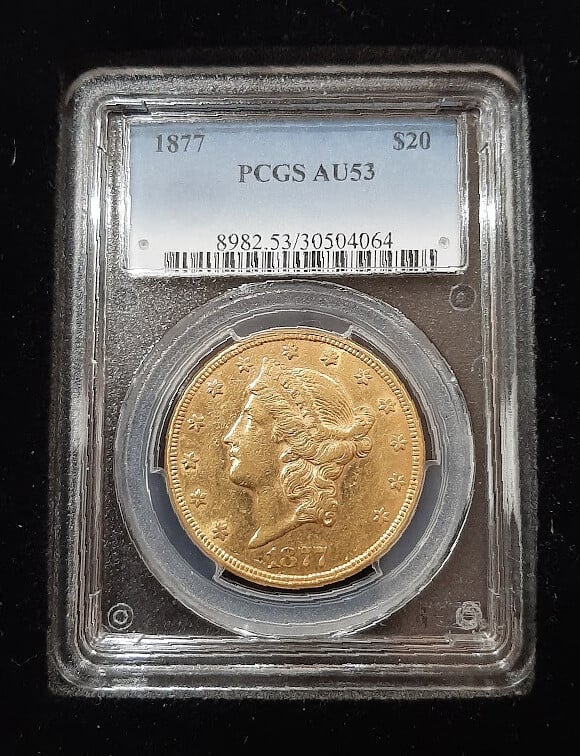
Sometimes the most valuable finds happen in the most ordinary places (which, when you think about it, makes perfect sense — extraordinary hiding spots would have been found already). A construction crew in Pennsylvania uncovered a cache of Saint-Gaudens Double Eagles worth $2.3 million, coins that had apparently been buried during the Great Depression when private gold ownership was restricted.
So the timing wasn’t coincidental: people buried these coins to avoid government confiscation, then either forgot where they’d hidden them or died before retrieving them.
And there the coins sat for nearly a century, accumulating value while the world above them transformed completely — from horse-drawn carriages to smartphones, from radio broadcasts to the internet, while twenty-dollar gold pieces worth their weight multiplied in value forty-fold underground.
The irony cuts deep: coins hidden from a government that feared economic collapse became exponentially more valuable because of the very economic forces their owners tried to escape.
British Sovereigns in Yorkshire
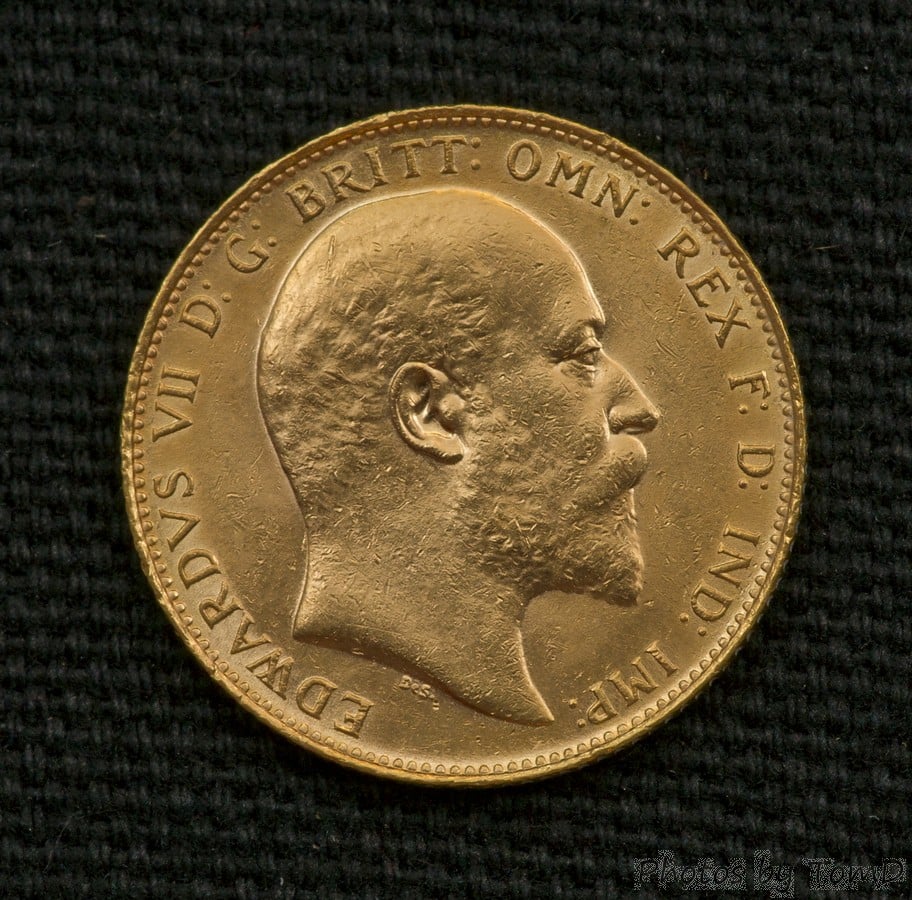
Metal detecting resembles archaeology’s more impulsive cousin — less systematic, more hopeful. A Yorkshire farmer discovered 37 Victorian sovereigns in his field, coins that had been wrapped in cloth and buried sometime in the 1880s.
Their pristine condition suggested they’d been saved rather than spent, perhaps by someone who never got the chance to retrieve them.
The find included several key dates that collectors prize. Condition matters enormously with gold coins — these particular sovereigns graded so highly that they commanded premium prices far beyond their gold content.
California Gold Rush Era Cache
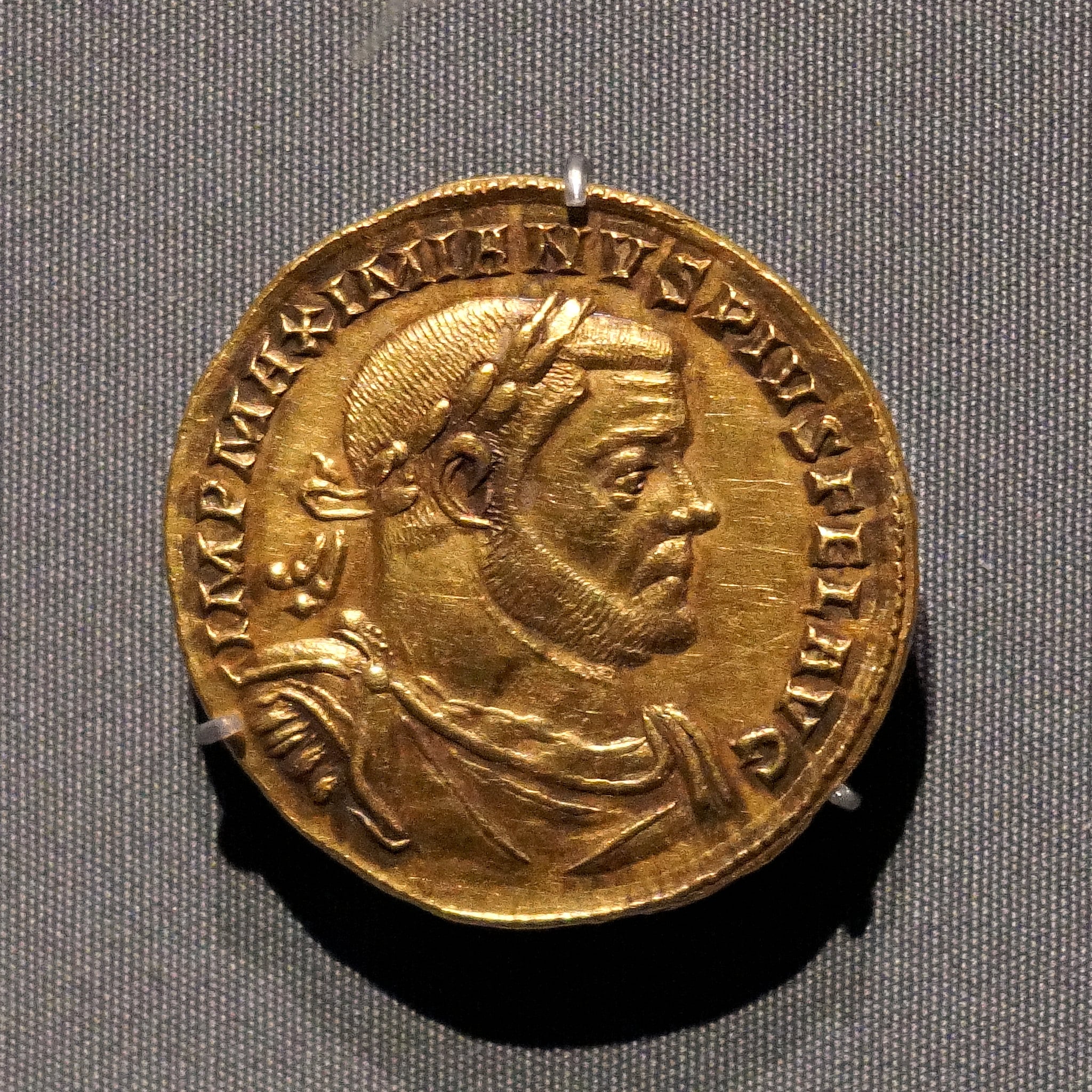
Gold rushes create two kinds of treasure: the gold itself and the stories that survive. A treasure hunter near Sacramento found 1,000 coins from the California Gold Rush era, including several experimental denominations that the U.S. Mint produced only briefly.
These coins represent a unique period when the federal government was figuring out how to handle the sudden influx of California gold. Many denominations were discontinued after just a few years, making surviving examples extraordinarily rare.
Roman Aureus Collection
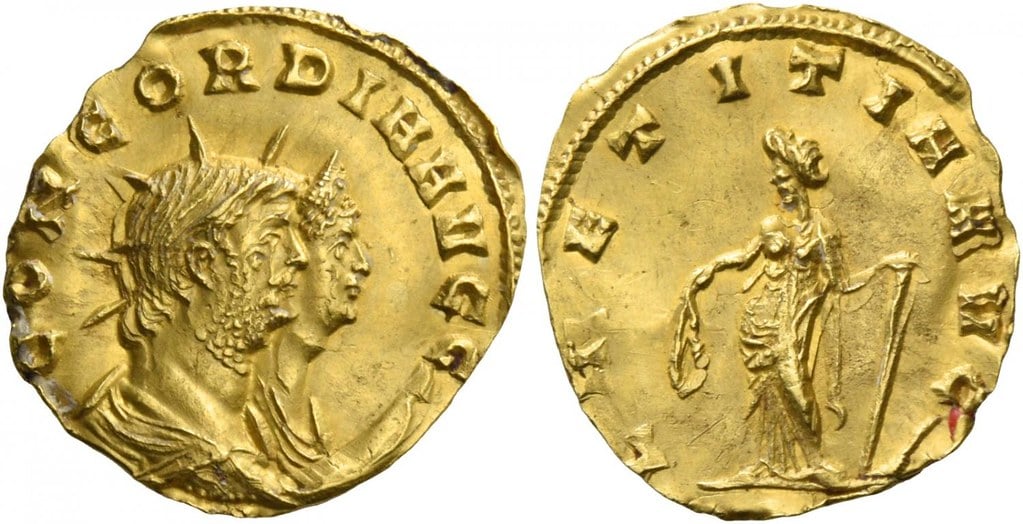
The best treasures ignore property lines completely. A British detectorist found 159 Roman gold aurei buried in a field — coins spanning three centuries of imperial rule.
Individual pieces sold for $15,000 to $50,000 each, but the historical significance exceeded the monetary value.
These coins told the story of Roman Britain in a way that textbooks couldn’t. Each emperor represented, each mint mark, each subtle variation in design revealed something about how Roman influence spread and evolved across the empire.
American Eagle Hoard in Nevada
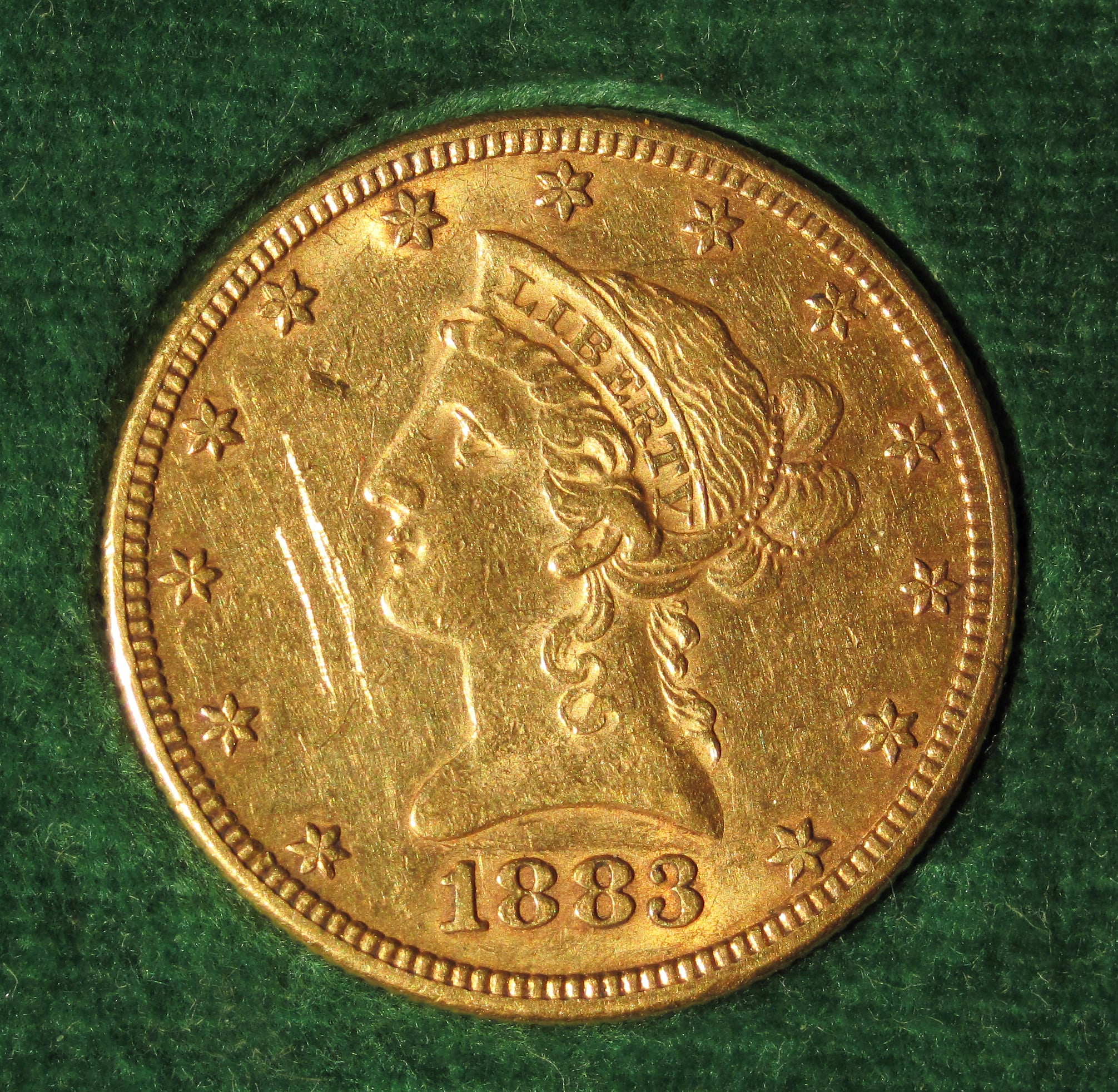
Nevada keeps its secrets well (the state that legalized gambling and quick divorce isn’t about to give up buried treasure easily). A prospector found 67 American Gold Eagles from the 1980s onward, coins that had been stored in multiple containers across a small area.
The systematic burial pattern suggested someone had divided their wealth deliberately, perhaps as insurance against discovery.
Several of the Eagles were in exceptional condition, grading MS-65 or higher. At that quality level, coins that might be worth $2,000 in average condition command $20,000 or more.
Spanish Colonial Coins in Florida
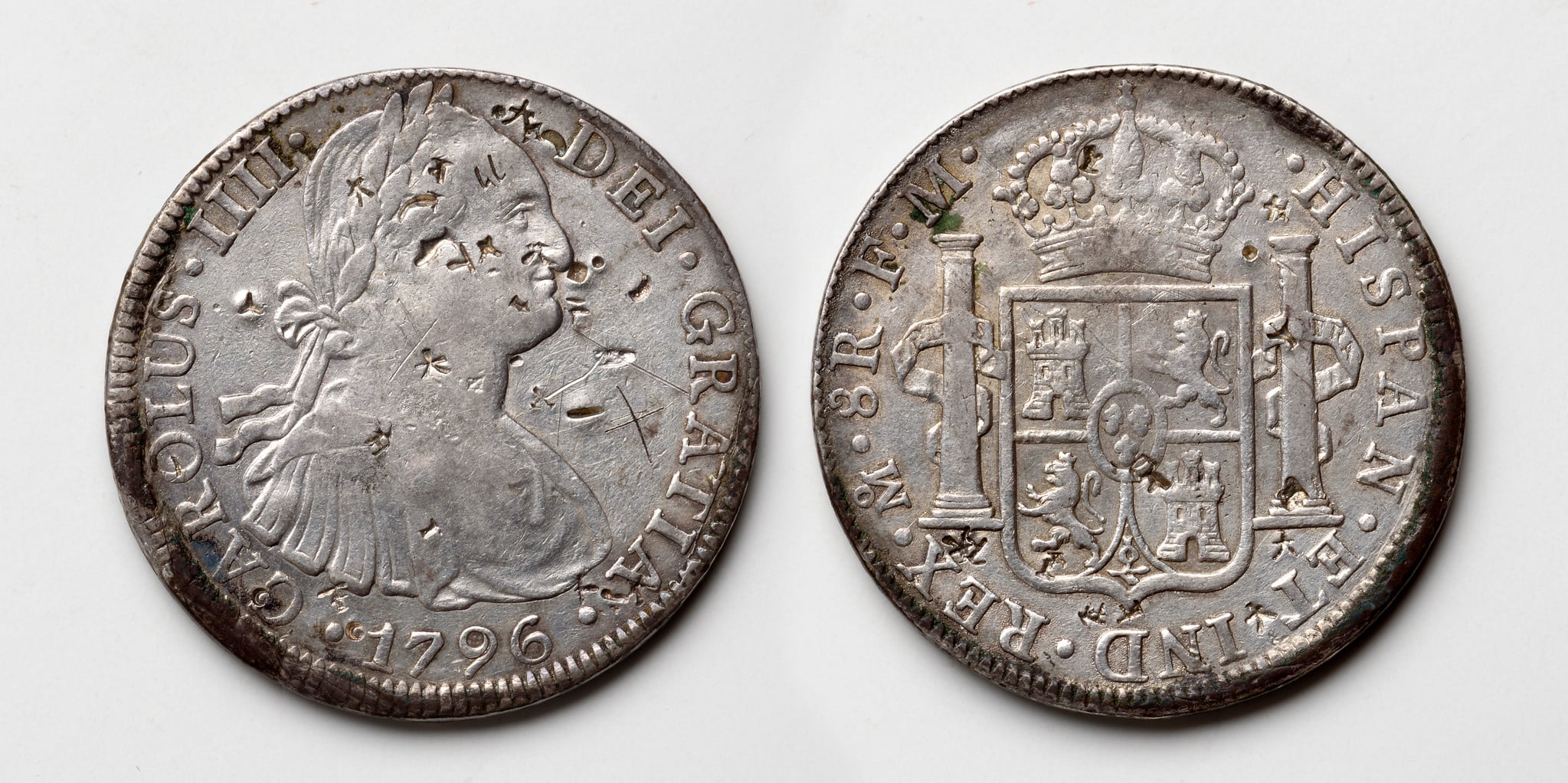
Spanish treasure isn’t just found underwater. A Florida beach comber discovered 51 Spanish colonial gold coins, likely from a shipment that never made it to its destination.
The coins ranged from simple escudos to elaborate presentation pieces worth individual fortunes.
Florida’s complex colonial history means that Spanish, British, and early American coins all show up in treasure hunts. But Spanish colonial gold carries particular mystique — each piece connects to the vast network of trade and conquest that connected the New World to European markets.
Confederate Gold Coins in Virginia
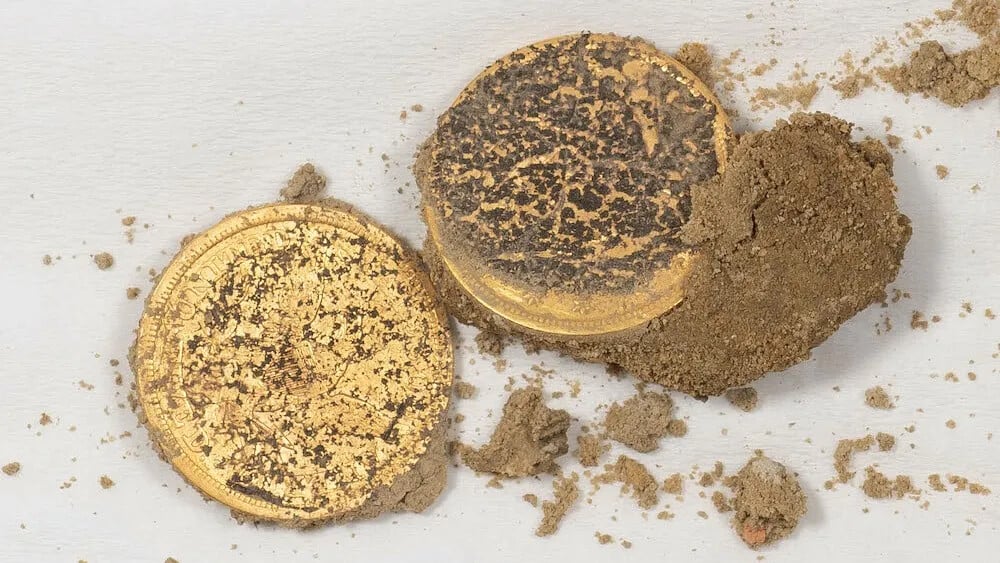
Some treasures carry the weight of lost causes. A Virginia metal detectorist found 20 Confederate gold coins, extremely rare pieces minted during the Civil War when the Confederacy was experimenting with its own currency system.
These coins failed as currency but succeeded as collectibles.
Confederate gold coins are so rare that even damaged examples sell for tens of thousands of dollars. The Virginia find included several in mint condition.
Krugerrand Discovery in Texas
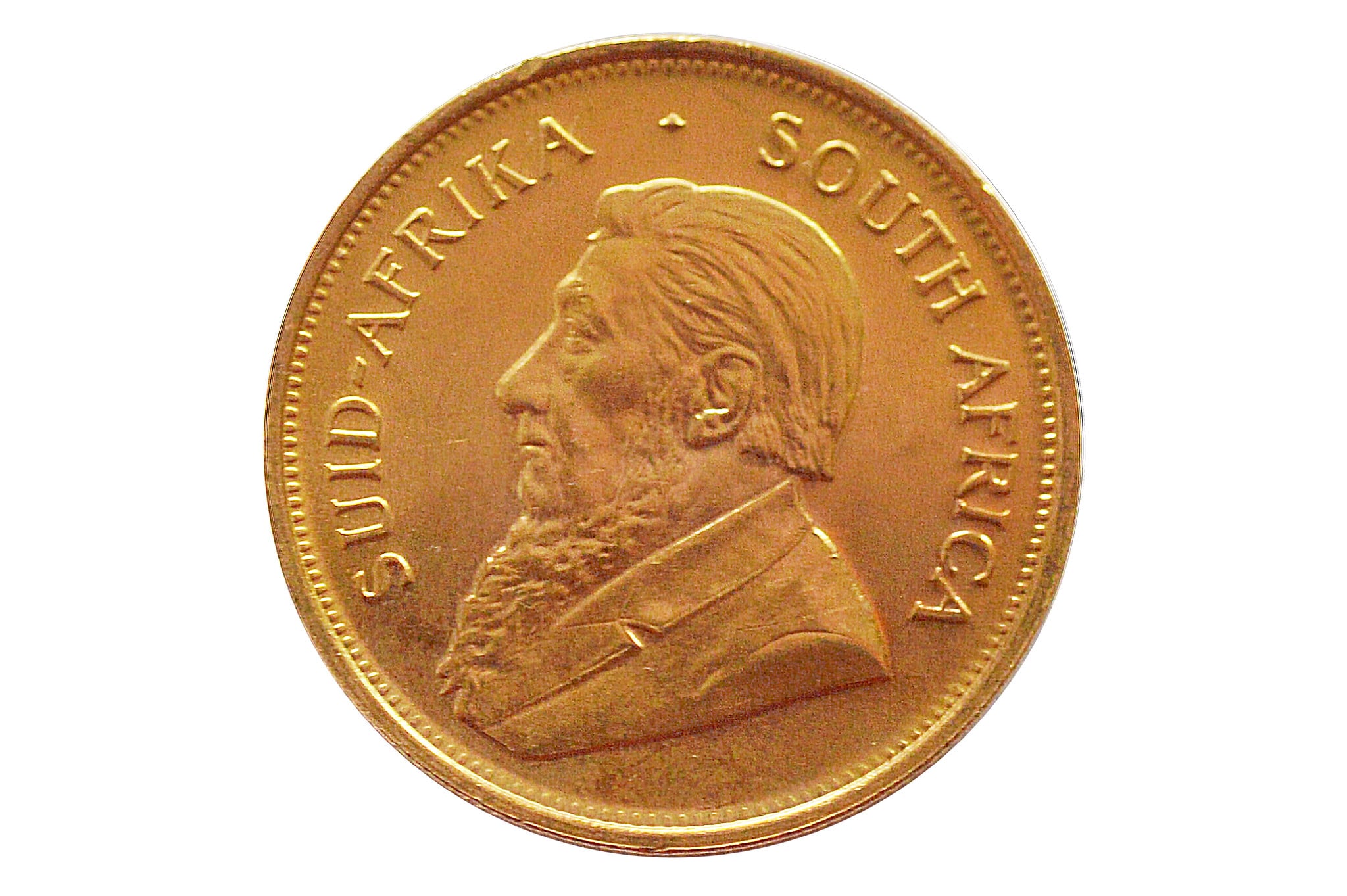
Modern gold coins become treasures too, given enough time and the right circumstances. A Texas treasure hunter found 45 South African Krugerrands that had been buried in the 1970s, likely during a period of economic uncertainty.
Krugerrands were the world’s first modern bullion coins, and early dates from the 1970s now command premiums over their gold content. The Texas cache included several first-year 1967 coins in exceptional condition.
Byzantine Gold Solidus Collection
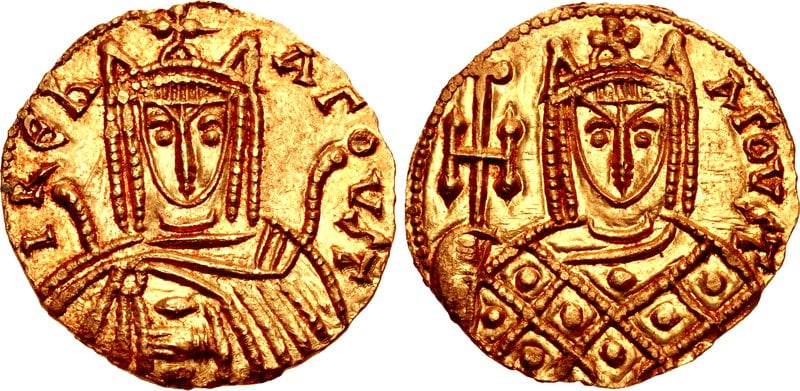
Byzantine coins occupy a strange place in numismatic history — caught between the classical world and medieval Europe. A treasure hunter in Turkey found 89 gold solidi spanning 300 years of Byzantine rule, coins that traced the empire’s gradual decline through subtle changes in gold content and artistic quality.
Individual solidi from certain emperors sold for $8,000 to $25,000 each. But the collection’s value came from its completeness — it was like finding a gold-plated history book buried in the ground.
Liberty Head Double Eagles in Montana
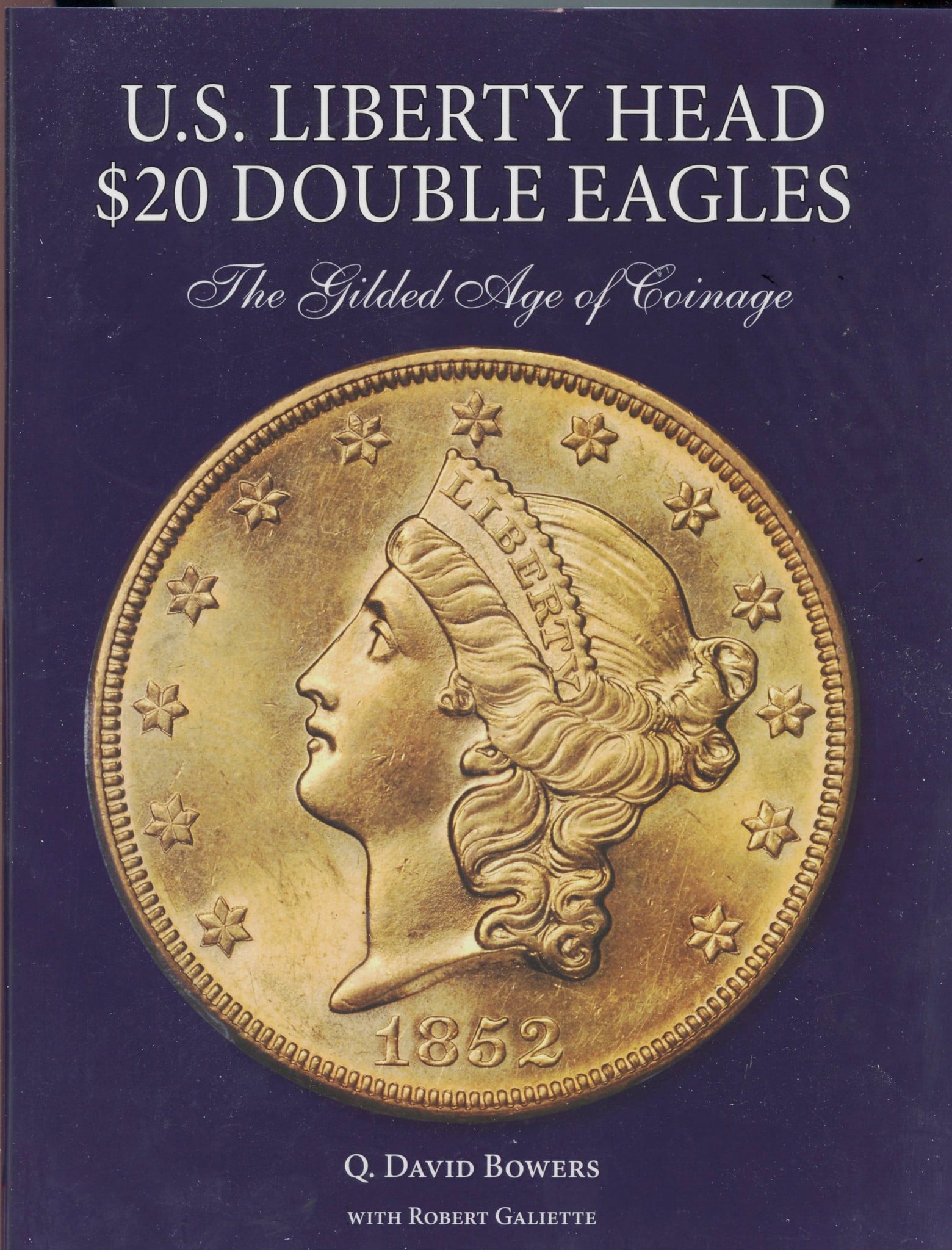
Montana’s mining history makes it fertile ground for gold coin discoveries. A rancher found 23 Liberty Head Double Eagles buried near an abandoned mining camp, coins that had apparently been hidden during a labor dispute in the early 1900s.
The coins were wrapped in oiled cloth and stored in a metal box, protection that kept them in remarkable condition despite decades underground.
Several pieces graded MS-63 or higher, turning $20 face value coins into $5,000 collector pieces.
Indian Head Eagles in Colorado
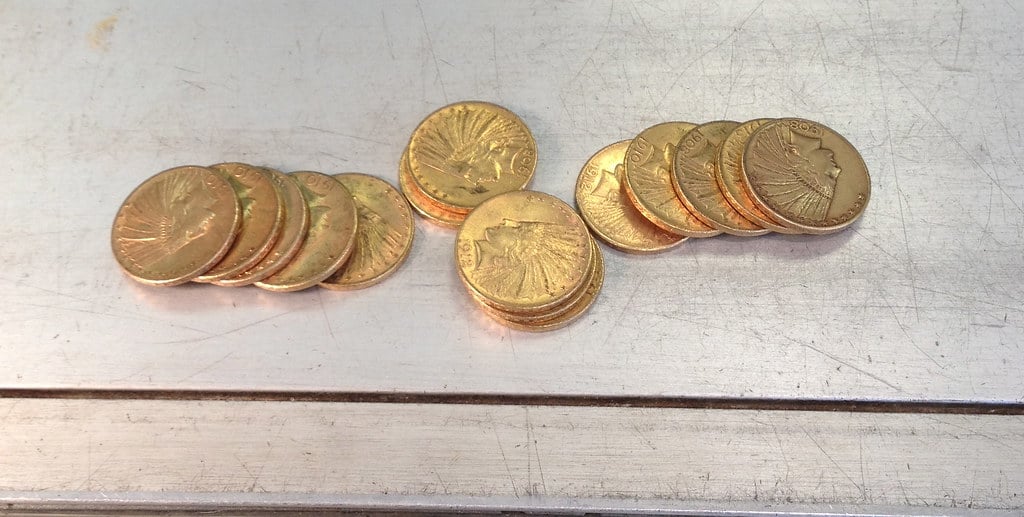
Colorado’s mountains have yielded more than silver and base metals. A treasure hunter found 34 Indian Head Eagles near an old stagecoach route, coins that may have been buried after a robbery or simply hidden by someone who never returned for them.
Indian Head Eagles from the early 1900s are popular with collectors, but condition determines everything.
The Colorado find included several key dates in exceptional preservation, individual coins worth $15,000 to $30,000 each.
Treasures That Rewrite the Rules

These discoveries share something beyond monetary value: they remind us that the past isn’t as settled as we imagine. Every buried coin represents a human decision — someone choosing to hide rather than spend, to preserve rather than use, to trust the earth more than banks or governments.
The metal detector doesn’t discriminate between valuable and worthless, between historically significant and merely old. It simply announces that something metallic lies beneath.
What happens next depends on the knowledge, patience, and sometimes pure luck of whoever holds the device. And sometimes, what emerges changes not just individual lives but our understanding of the times and places where these golden secrets were first buried.
More from Go2Tutors!

- The Romanov Crown Jewels and Their Tragic Fate
- 13 Historical Mysteries That Science Still Can’t Solve
- Famous Hoaxes That Fooled the World for Years
- 15 Child Stars with Tragic Adult Lives
- 16 Famous Jewelry Pieces in History
Like Go2Tutors’s content? Follow us on MSN.