18 Then and Now Photos Of Popular Skyscrapers
There’s something quietly unsettling about looking at an old photo of a famous building. The skyline around it is wrong.
The streets look emptier. The city you thought you knew doesn’t quite match.
And yet the tower stands there — already tall, already bold — surrounded by a world that hasn’t caught up yet.
These then-and-now comparisons do something a single photo never can. They show you not just a building, but a city in motion.
A skyline deciding what it wants to become.
The Empire State Building, New York City
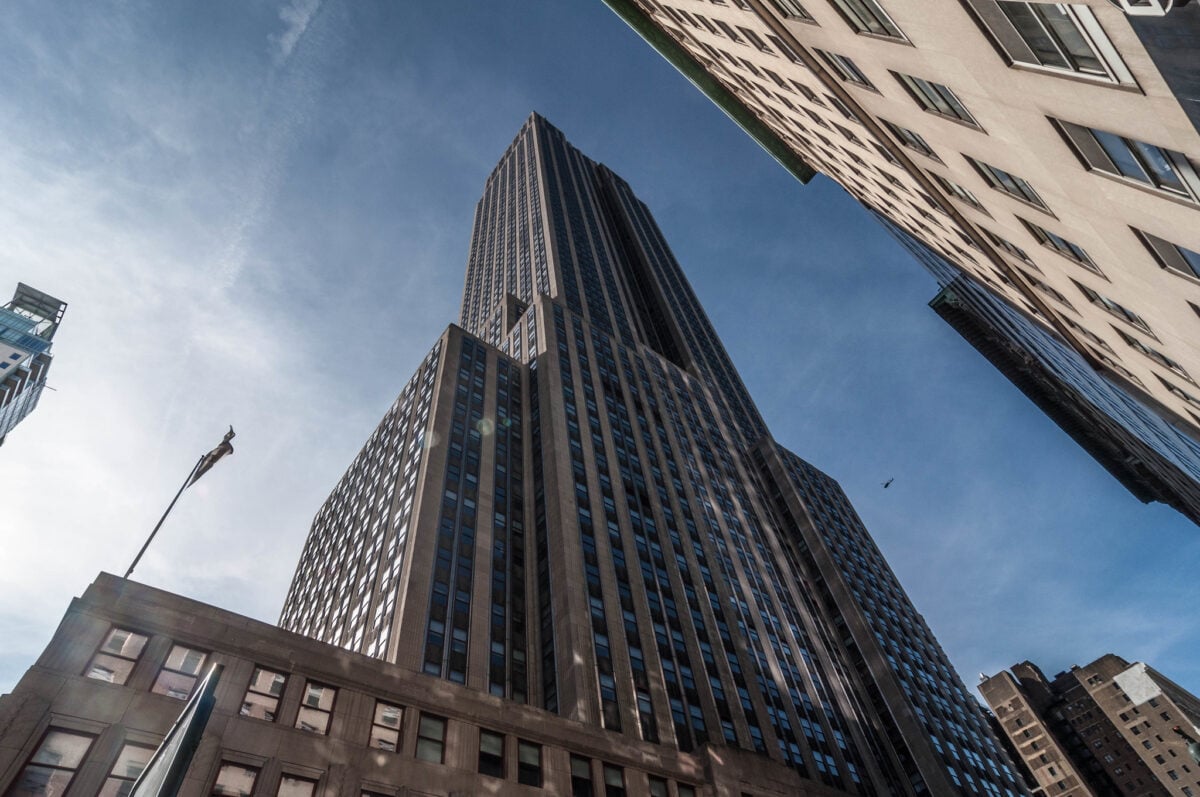
When it opened in 1931, the Empire State Building didn’t just top out as the world’s tallest structure — it rose above a Manhattan that still had wide, open views of the sky from street level. Early photos show it surrounded by shorter buildings, its Art Deco crown genuinely visible for miles.
Today, it sits mid-pack in a dense Midtown cluster, partially obscured by glass towers built decades after it. The building hasn’t changed.
The city just grew up around it.
Burj Khalifa, Dubai
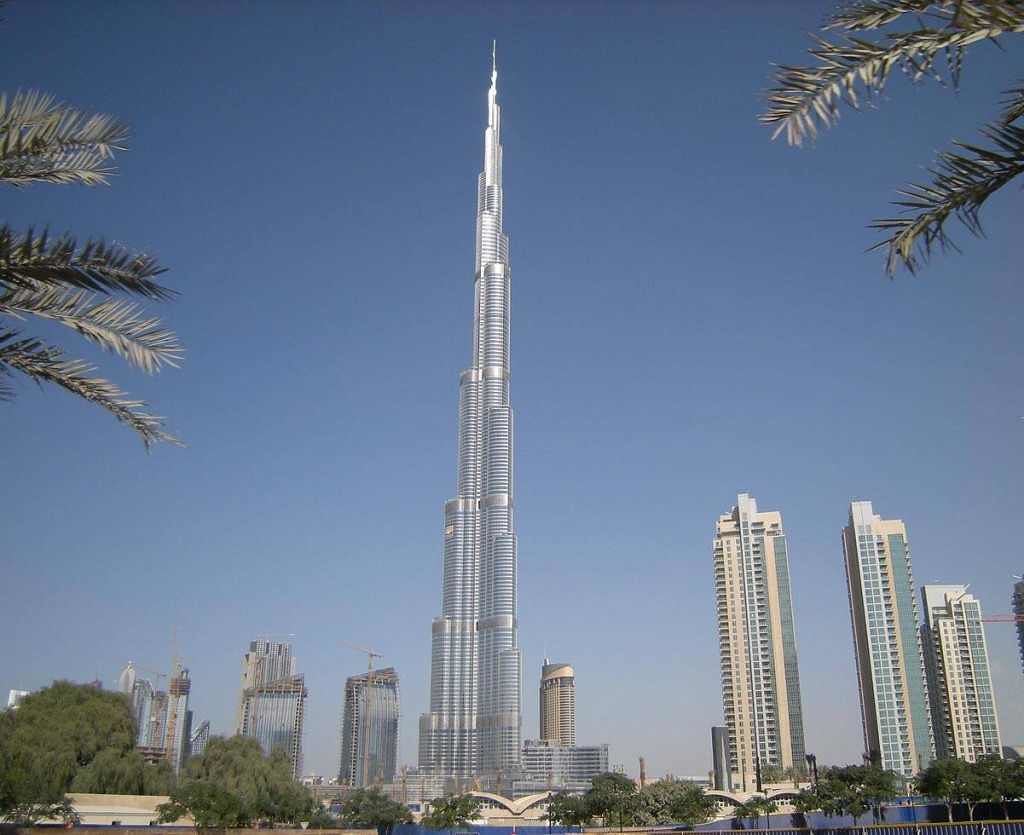
Photos from the early 2000s show the Burj Khalifa site as a flat stretch of desert on the edge of a modest urban grid. Construction photos capture the tower climbing week by week out of bare sand.
Now, Downtown Dubai has built itself almost entirely around it — hotels, malls, fountains, and a man-made lake all radiating outward from the base. What was once an empty plot is now one of the most photographed locations on Earth.
The Shard, London
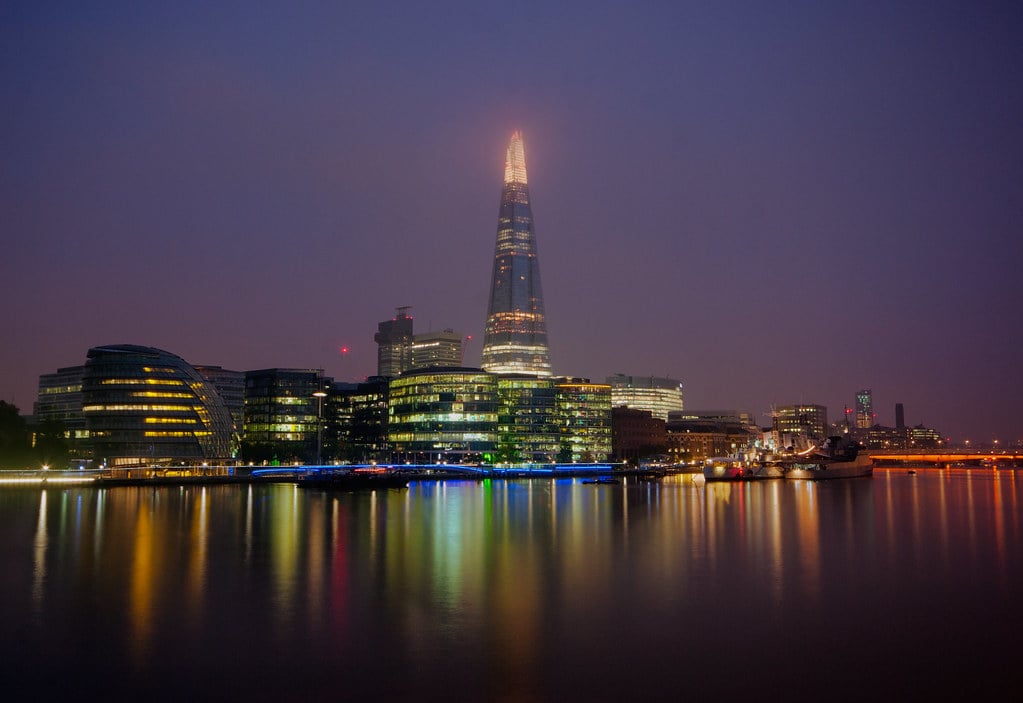
Before the Shard, that part of Southwark’s skyline was defined by squat commercial buildings and railway infrastructure. Early planning images show a relatively flat southern bank of the Thames.
When it topped out in 2012, it changed the London skyline in a way that still divides opinions. Some love it.
Others think it looks out of place. Either way, the before-and-after photos are striking — a low, ordinary streetscape replaced by a glass wedge that tapers into the clouds.
One World Trade Center, New York City
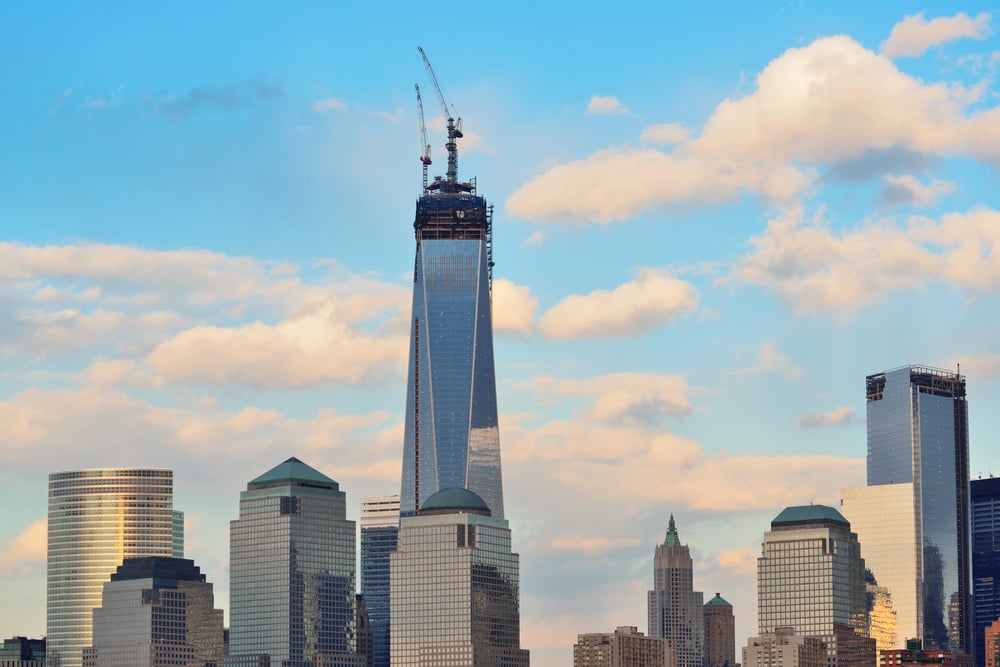
The “then” photo for this one carries a weight most skyscraper comparisons don’t. Images from after 2001 show a gap in Lower Manhattan’s skyline — a space where two towers used to stand.
Construction photos of One World Trade document the slow, careful process of filling that absence. The finished tower is taller than its predecessors, but the photos that hit hardest are the ones from mid-construction, when the new structure started to re-enter the skyline frame.
Petronas Twin Towers, Kuala Lumpur

In the early 1990s, the land the Petronas Towers stood on was home to the Selangor Turf Club — a horse racing venue. Photos from that period show a green, open track surrounded by a low-rise city.
The towers began rising in 1994 and completed in 1998, briefly becoming the tallest buildings in the world. The shift from turf to twin towers happened fast, and the contrast between those two eras — pastoral and gleaming — is genuinely hard to believe.
Shanghai Tower, Shanghai

The Lujiazui financial district in Pudong barely existed before the 1990s. Photos from 1990 show farmland and low industrial buildings across the Huangpu River from old Shanghai.
Within 30 years, that stretch of land grew the Jin Mao Tower, the Shanghai World Financial Center, and then the Shanghai Tower — the second tallest building in the world. The transformation from rice paddies to supertall towers in a single generation is one of the most dramatic urban shifts captured on camera.
Willis Tower (Sears Tower), Chicago

When it was completed in 1973, the Willis Tower — then called the Sears Tower — rose above a Chicago skyline that was already impressive. Old photos show it towering so far above everything else that it almost looks fake, like someone dropped a giant building into the wrong city.
Today, the skyline has filled in considerably, but the tower still commands attention. The difference between then and now photos isn’t dramatic, which is part of what makes Chicago’s skyline so interesting — it was already mature.
Taipei 101, Taipei

Old photos of the Xinyi District in Taipei show a low, sprawling commercial neighborhood with no obvious focal point. Construction photos from the late 1990s document Taipei 101’s steel frame climbing above a district that was still figuring out what it wanted to be.
Now, Xinyi is one of the most polished financial and retail districts in Asia, and Taipei 101 anchors the entire area visually. The building didn’t just join the skyline — it created one.
CCTV Headquarters, Beijing

Before the CCTV Headquarters, the CBD in Guomao was a collection of mid-rise office buildings laid out in a fairly conventional grid. Construction photos of the CCTV building — with its two leaning towers and its dramatic bridging structure — are almost comical in how much they stand out against the beige, boxy surroundings.
The finished building changed how architects and city planners thought about what a large corporate headquarters could look like. It also changed that corner of Beijing permanently.
The Gherkin (30 St Mary Axe), London
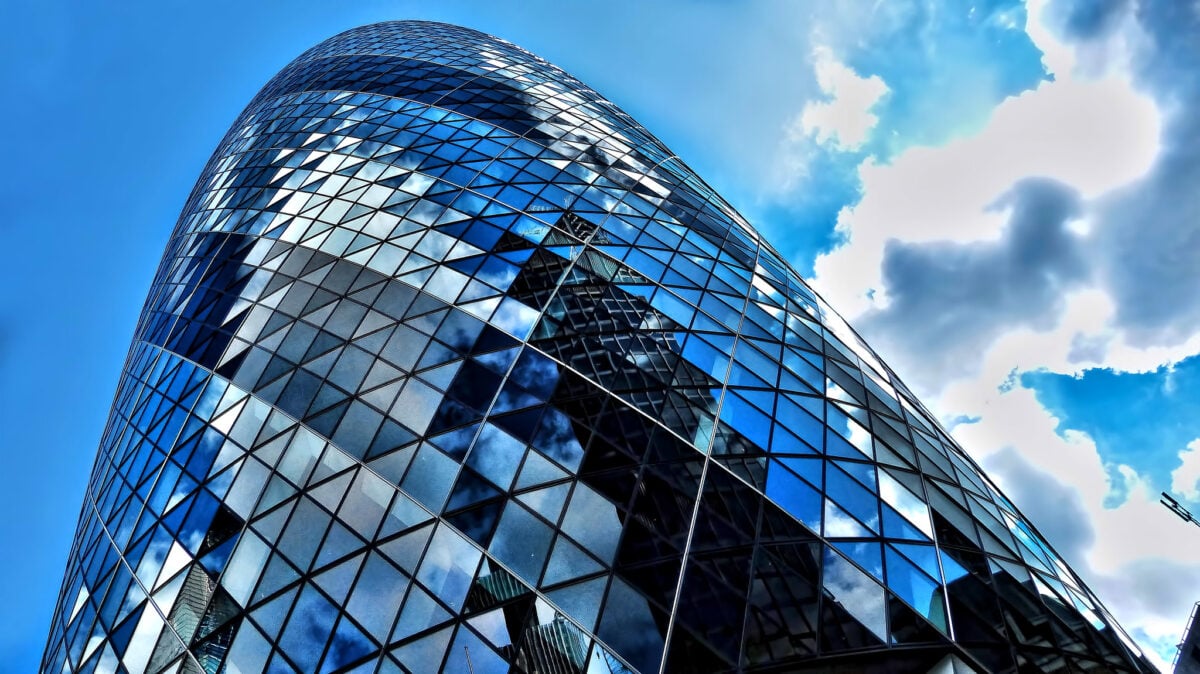
The Baltic Exchange, which previously stood on the site, was badly damaged by an IRA bomb in 1992 and later demolished. For years, the plot sat mostly empty, a gap in the dense financial district of the City of London.
The Gherkin opened in 2003 and introduced a glass, torpedo-shaped form that was genuinely unlike anything else in London. Before-and-after photos show the shift from a flat, unremarkable gap in the streetscape to one of the most distinctive towers in Europe.
Salesforce Tower, San Francisco

The San Francisco skyline held relatively steady for decades after the Transamerica Pyramid was built in 1972. Then, in the 2010s, the South of Market neighborhood started climbing. Salesforce Tower topped out in 2018 and immediately became the tallest building in the city — and in California.
Old skyline shots from the Financial District show a compact, triangular silhouette dominated by the Pyramid. New ones have a very different center of gravity.
Abraj Al-Bait Clock Tower, Mecca

The Ottoman-era Ajyad Fortress once stood on the hill where the Abraj Al-Bait complex now rises. The demolition of the fortress in 2002 drew international criticism from historians and preservationists.
Photos from before and after show not just an architectural change but a complete rethinking of the immediate surroundings of the Grand Mosque. The clock tower — part of a massive hotel complex — now looms directly over the Masjid al-Haram, visible for miles in every direction.
Lotte World Tower, Seoul
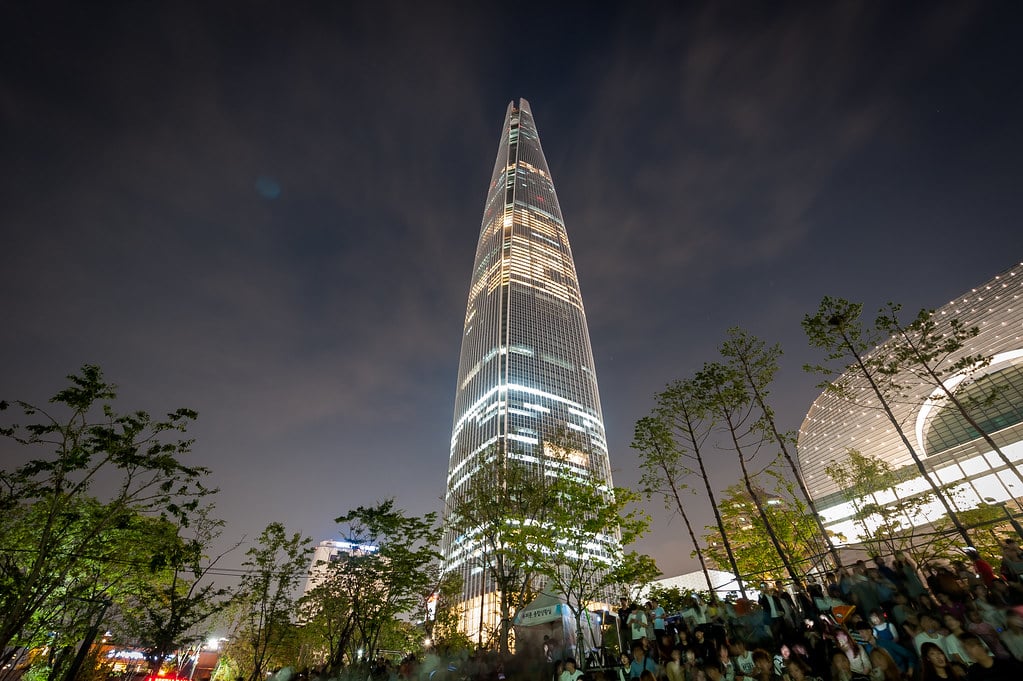
For years, the Jamsil area in Seoul was best known for the Lotte World indoor amusement park and its artificial lake. The surrounding skyline was low and suburban in feel.
Lotte World Tower began construction in 2011 and opened in 2017, standing 555 meters tall. Photos of the area before the tower show a neighborhood that didn’t hint at what was coming.
The contrast between the playful, theme-park atmosphere at ground level and the supertall glass spire above it is genuinely unusual.
Marina Bay Sands, Singapore
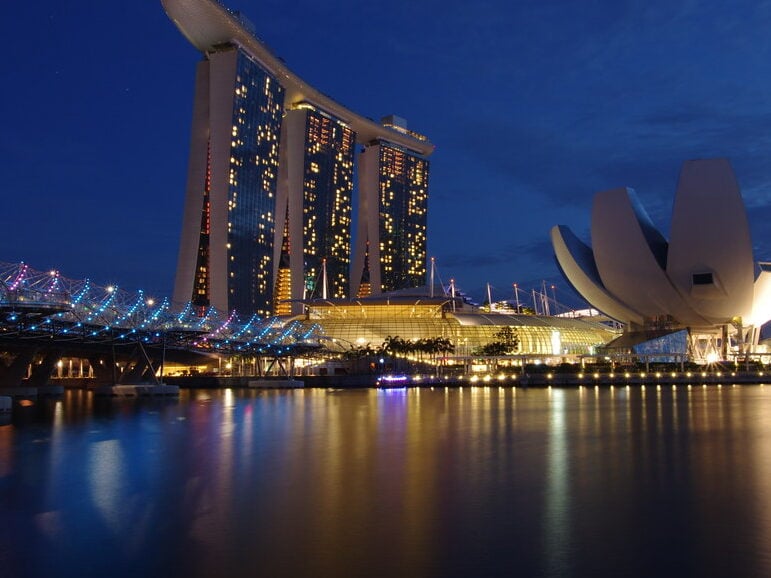
The Marina Bay waterfront in Singapore was a reclaimed land project for years — flat, undeveloped, and mostly used for occasional events. Photos from the early 2000s show a wide, open bay with modest structures along the edge.
Marina Bay Sands opened in 2010 and immediately became Singapore’s most recognizable skyline image. The three towers joined by a rooftop infinity pool turned a blank stretch of reclaimed land into one of the most photographed skylines in the world.
Torre Glòries (Torre Agbar), Barcelona

Before the Torre Glòries opened in 2005, the Poblenou neighborhood at the edge of the Diagonal avenue was a mix of industrial buildings and early urban renewal projects. The bullet-shaped tower, with its multicolored facade, arrived like something from a different design conversation than its surroundings.
Old photographs show the neighborhood as flat and transitional. Now, the tower anchors the 22@ tech district and gives that end of Barcelona’s grid a vertical reference point it never had before.
Comcast Technology Center, Philadelphia

Philadelphia’s skyline was essentially set by the mid-2000s, defined by One Liberty Place and Two Liberty Place from the late 1980s and the various mid-rise towers around them. Then the Comcast Technology Center rose to 342 meters, completing in 2018 and taking the title of tallest building in Pennsylvania.
Side-by-side shots of the Philadelphia skyline from ten years apart look like different cities. It’s one of the more dramatic recent skyline shifts in North America.
International Commerce Centre, Hong Kong

Hong Kong’s West Kowloon waterfront was the site of major reclamation works for years before the Union Square development began to take shape. Photos from the 1990s show a flat, industrial waterfront with almost nothing above a few stories.
The ICC tower, completed in 2010, now stands at 484 meters and anchors the entire West Kowloon Cultural District. The contrast with early photos of that waterfront is enormous — from bare fill dirt to one of the tallest towers in the world.
Turning Torso, Malmö

Old photos of the Western Harbour area in Malmö show a decommissioned shipyard. Heavy industry, flat land, and the gray light of southern Sweden.
The Turning Torso was built on that land and opened in 2005, becoming the tallest building in Scandinavia. Its twisted, nine-segment form is visually unlike anything else in the Nordic region.
What was a shipyard became a residential neighborhood, and what was a flat waterfront became home to one of Europe’s most unusual residential towers.
The Buildings Stay, the Cities Keep Moving

What makes then-and-now photos of skyscrapers so compelling isn’t the buildings themselves — it’s everything around them. A tower frozen in time while the city rearranges itself.
The same steel and glass, year after year, while streets get wider or narrower, while neighboring buildings go up or come down, while the light changes and the people change and the purpose of the neighborhood shifts entirely. You’re not really looking at a building when you study these comparisons.
You’re looking at time.
More from Go2Tutors!

- The Romanov Crown Jewels and Their Tragic Fate
- 13 Historical Mysteries That Science Still Can’t Solve
- Famous Hoaxes That Fooled the World for Years
- 15 Child Stars with Tragic Adult Lives
- 16 Famous Jewelry Pieces in History
Like Go2Tutors’s content? Follow us on MSN.