15 Everyday Items That Are Radioactive
Radiation exists all around us naturally, far beyond nuclear power plants and medical equipment. The world we inhabit contains trace amounts of radioactive elements that have been part of our environment since Earth formed billions of years ago.
Most people remain unaware that many common household objects emit small amounts of radiation as part of their normal function or composition. Many everyday items contain minimal levels of radioactivity that pose no significant health risk to humans. Here is a list of 15 surprisingly radioactive everyday items you might encounter regularly.
Bananas

This popular yellow fruit contains potassium-, a naturally occurring radioactive isotope. The average banana emits about microsieverts of radiation, creating what scientists informally call a ‘Banana Equivalent Dose’ when measuring radiation exposure.
Eating thousands of bananas would still keep you well within safe radiation limits.
Granite Countertops

Those elegant kitchen surfaces contain trace amounts of uranium and thorium. Granite forms deep underground where radioactive elements become naturally incorporated into its crystalline structure.
The radiation levels vary depending on the specific quarry and color, with darker granites typically containing slightly higher radioactive mineral content.
Like Go2Tutors’s content? Follow us on MSN.
Brazil Nuts

These Amazonian treats are among the most radioactive foods available in grocery stores. They absorb radium from the soil through their extensive root systems, concentrating it in the edible nut.
One pound of Brazil nuts contains about times more radium than most foods.
Smoke Detectors

Most household smoke detectors contain americium-, a manufactured radioactive element. This tiny radiation source creates an electrical current within the detector that triggers the alarm when interrupted by smoke particles.
The radiation stays safely contained within the device unless physically broken apart.
Ceramic Dishes

Many colorful ceramic glazes, especially older orange-red varieties, contain uranium oxide for their distinctive hue. Vintage Fiestaware dishes produced before are particularly known for their uranium content.
Modern regulations have reduced or eliminated uranium in contemporary tableware.
Like Go2Tutors’s content? Follow us on MSN.
Cat Litter

Clay-based cat litter contains naturally radioactive materials from the earth. The radiation comes primarily from thorium and uranium present in clay minerals.
Premium clumping varieties often use bentonite clay, which can have slightly higher radioactive content than other types.
Fertilizer
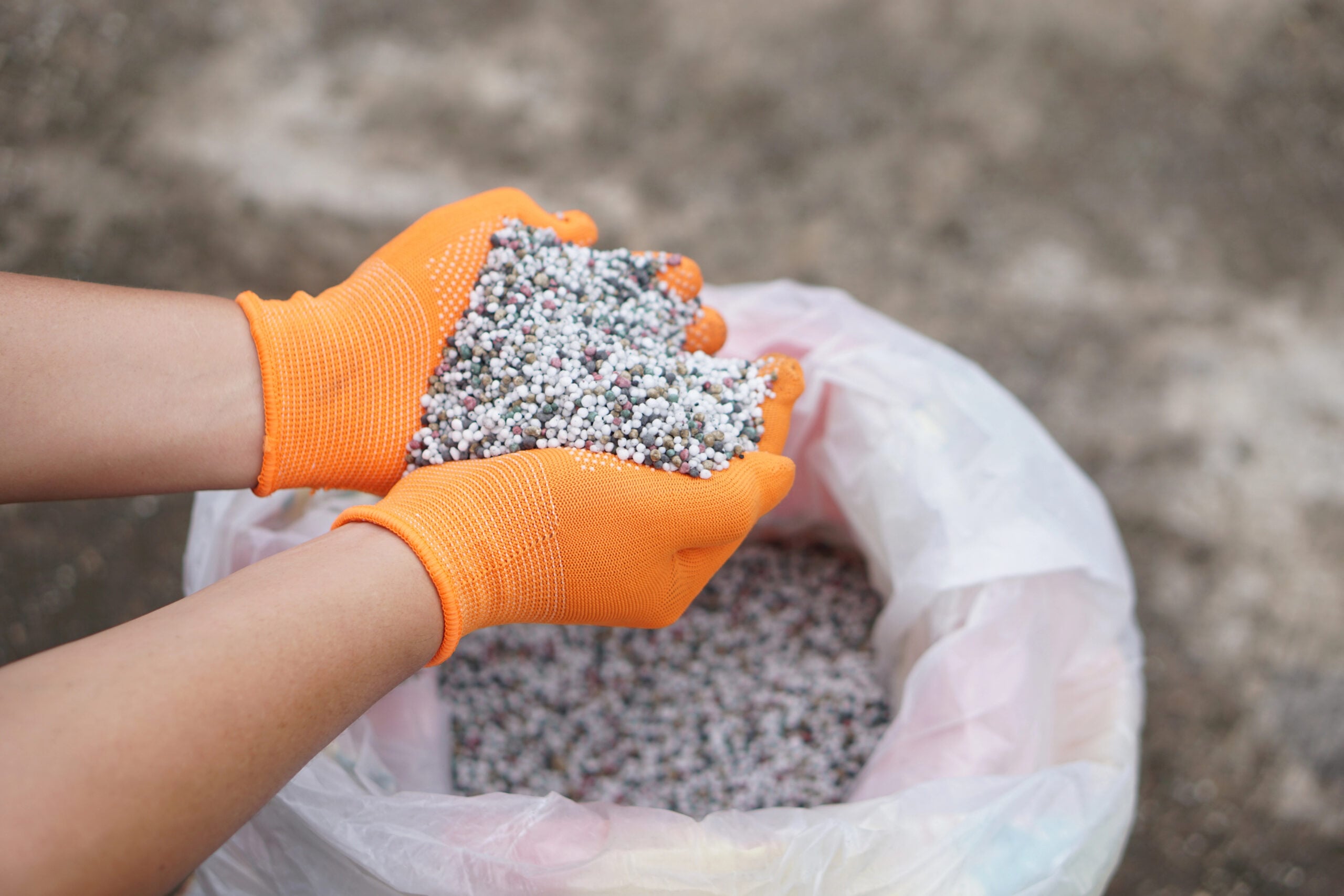
Garden and agricultural fertilizers contain potassium, phosphorus, and uranium – all naturally radioactive elements. Phosphate fertilizers in particular can contain elevated uranium levels depending on their source material.
Farms using these products for decades sometimes show measurably higher background radiation levels in their soil.
Antique Glass

Glassware produced before the mid-century often contains uranium or thorium for coloration. These pieces glow dramatically under ultraviolet light due to their radioactive content.
Collectors prize ‘vaseline glass’ and ‘canary glass’ specifically for this fluorescent property despite their mild radioactivity.
Like Go2Tutors’s content? Follow us on MSN.
Wristwatches

Vintage watches with luminous dials contain radium paint that continues to emit radiation decades after manufacture. Modern glow-in-the-dark watches use safer materials, but collectors should handle pre- timepieces with proper precautions.
The radium makes these watches readable in the dark but remains radioactive for thousands of years.
Digital Cameras

The sensors in digital cameras contain small amounts of thorium and thorium dioxide. These radioactive materials help improve image quality and sensitivity to light.
Every smartphone in your pocket technically contains trace radioactive elements as part of its camera technology.
Glossy Magazine Paper

The smooth, shiny finish on magazine pages comes from kaolin clay coating, which contains trace radioactive elements. Publishers use this clay for its excellent opacity and brightness characteristics.
Readers receive minimal exposure from casually flipping through pages, but printing plant workers encounter significantly more over their careers.
Like Go2Tutors’s content? Follow us on MSN.
Air Travel

Flying at feet exposes passengers to substantially more cosmic radiation than at ground level. The atmosphere at cruising altitude blocks fewer cosmic rays coming from space.
A cross-country flight delivers approximately the same radiation dose as chest X-rays, making frequent flyers among the most radiation-exposed civilian populations.
Concrete Buildings

The concrete surrounding you in office buildings and apartment complexes contains naturally radioactive aggregates. Urban dwellers receive measurable radiation exposure from living within these structures over many years.
Differences in building materials create radiation variations between neighborhoods and cities.
Natural Gas

Home heating systems using natural gas release small amounts of radon into living spaces. This radioactive gas emerges alongside methane during extraction from underground deposits.
Modern homes with tight energy-efficient construction can sometimes trap this radon, leading to higher indoor concentrations.
Like Go2Tutors’s content? Follow us on MSN.
Televisions

Traditional cathode ray tube televisions emit small amounts of X-rays during operation. Modern flat screens produce significantly less radiation but still contain radioactive materials in their electronic components.
The phosphors that create colors on screens often contain rare earth elements with mild radioactivity.
The Invisible Reality

The world has always been mildly radioactive, long before humans harnessed nuclear power. This background radiation forms part of our natural environment and has shaped life’s evolution on Earth.
Understanding rather than fearing these everyday radiation sources helps put the actual risks in proper perspective compared to the many benefits these items provide.
More from Go2Tutors!

- 18 Unexpectedly Valuable Collectibles You Might Have Lying Around
- 15 Things Every Teenager in the ’70s Did That Teens Today Wouldn’t Understand
- 15 Strange Things People Have Tried to Ban (And Failed)
- 15 Inventions That Were Immediately Banned After Being Created
- 20 Actors Who Were Almost Cast in Iconic Roles
Like Go2Tutors’s content? Follow us on MSN.



