18 Buildings Designed So Strangely, They Became Famous for It
Architecture shapes our cities and defines our skylines, but some buildings go beyond functionality to become conversation pieces that challenge our perception of what structures can be. These architectural marvels defy convention, using unusual shapes, materials, and concepts that transform them from mere buildings into worldwide attractions.
Here is a list of 18 buildings whose bizarre, innovative, or outright strange designs have earned them international fame and turned them into must-see landmarks.
The Dancing House
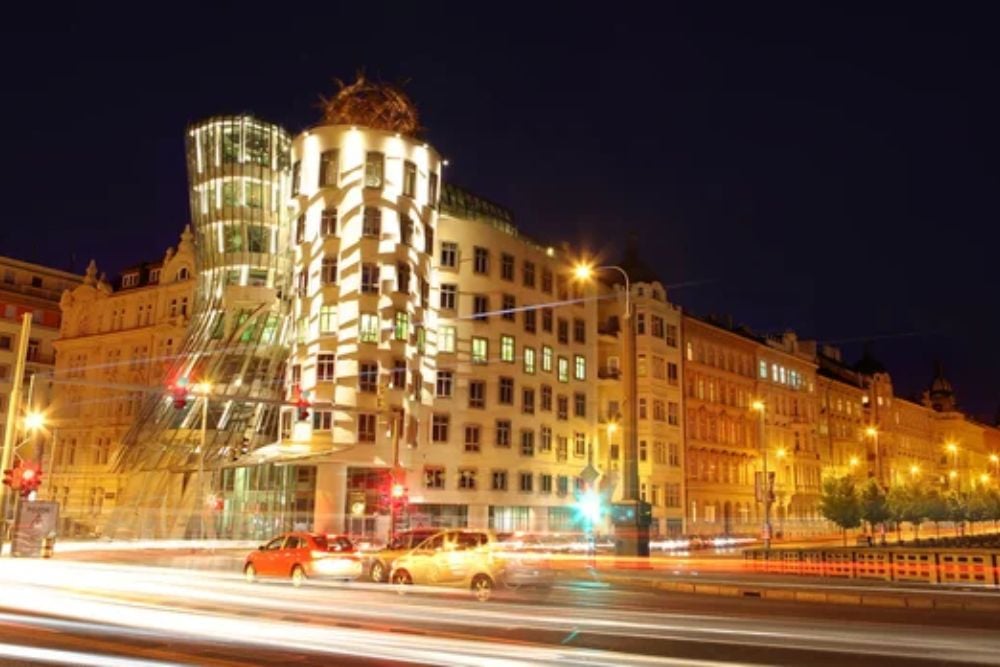
Located in Prague, Czech Republic, this building appears to be twisting and swaying as if caught mid-dance. Designed by architects Frank Gehry and Vlado Milunić in 1996, the structure deliberately breaks from the surrounding classical architecture.
The deconstructivist design features two concrete towers that resemble a man and woman dancing together, earning it the nickname ‘Fred and Ginger’ after the famous dance duo.
Guggenheim Museum Bilbao

Frank Gehry’s masterpiece in Bilbao, Spain transformed a declining industrial city into a tourist destination overnight. Completed in 1997, the museum’s titanium exterior curves and twists like a metallic flower blooming along the Nervión River.
Its shimmering panels change color throughout the day as they reflect sunlight, creating an ever-changing façade that seems almost liquid rather than solid.
Casa Batlló
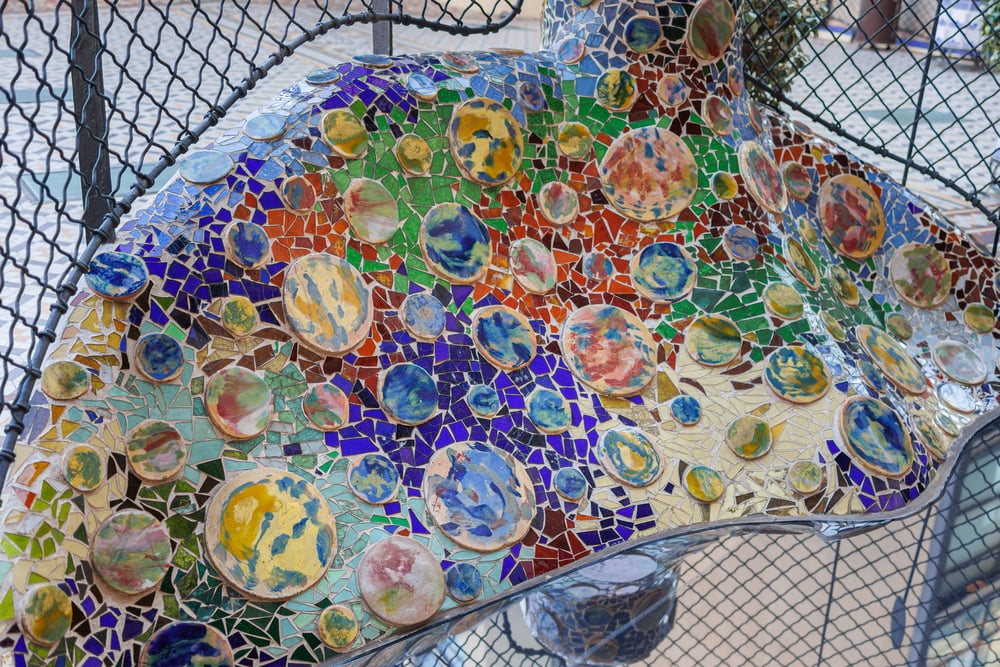
Antoni Gaudí’s renovation of this Barcelona building resulted in one of architecture’s most fantastical creations. The façade resembles an underwater landscape with wave-shaped walls, iridescent tiles, and balconies that look like skeletal remains.
Local residents nicknamed it ‘The House of Bones’ due to the organic, almost vertebral quality of its supporting columns and seemingly melting exterior features.
The Crooked House

Poland’s Krzywy Domek, or ‘Crooked House,’ appears as if it’s been pulled straight from a children’s storybook or a melting painting. Completed in 2004, the building warps and bends with no straight lines anywhere in its design.
The architects drew inspiration from the fairy tale illustrations of Jan Marcin Szancer, creating a surreal shopping center that attracts visitors simply to experience its disorienting interior spaces.
Lotus Temple

This Bahá’í House of Worship in New Delhi resembles a gigantic lotus flower about to bloom. Composed of 27 freestanding marble petals arranged in clusters of three, the temple creates an ethereal presence against the Indian sky.
The structure’s pristine white surface reflects pools of water surrounding the building, enhancing the floating flower illusion and drawing over four million visitors annually.
The Basket Building
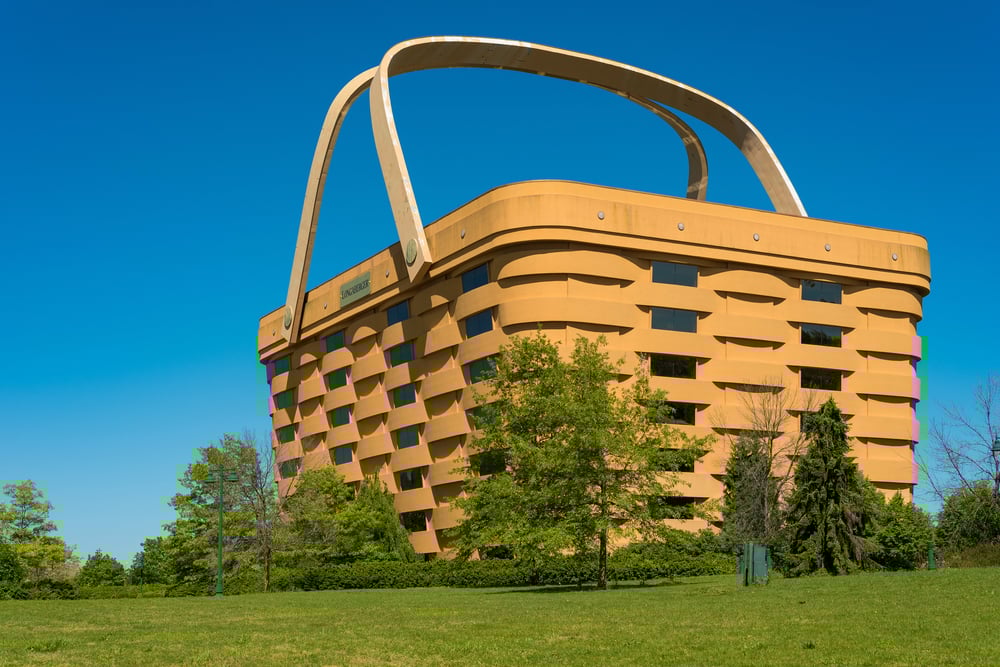
The headquarters of Longaberger Basket Company in Newark, Ohio takes corporate identity to extreme levels by shaping the entire office building like the company’s primary product, a handwoven basket. Completed in 1997, this seven-story structure is an exact replica of Longaberger’s Medium Market Basket, scaled up 160 times.
Even the 150-ton handles on top are heated during winter to prevent ice damage, just like a real basket might require special care.
Cubic Houses

Rotterdam’s Kubuswoningen consists of a village of cube-shaped houses tilted at a 45-degree angle and perched atop hexagonal pylons. Designed by architect Piet Blom in the 1970s, each home represents an abstract tree, with the collective forming an urban forest.
The interior spaces feature triangular rooms with angled walls, creating living areas that challenge conventional notions of how homes should function.
The Gherkin
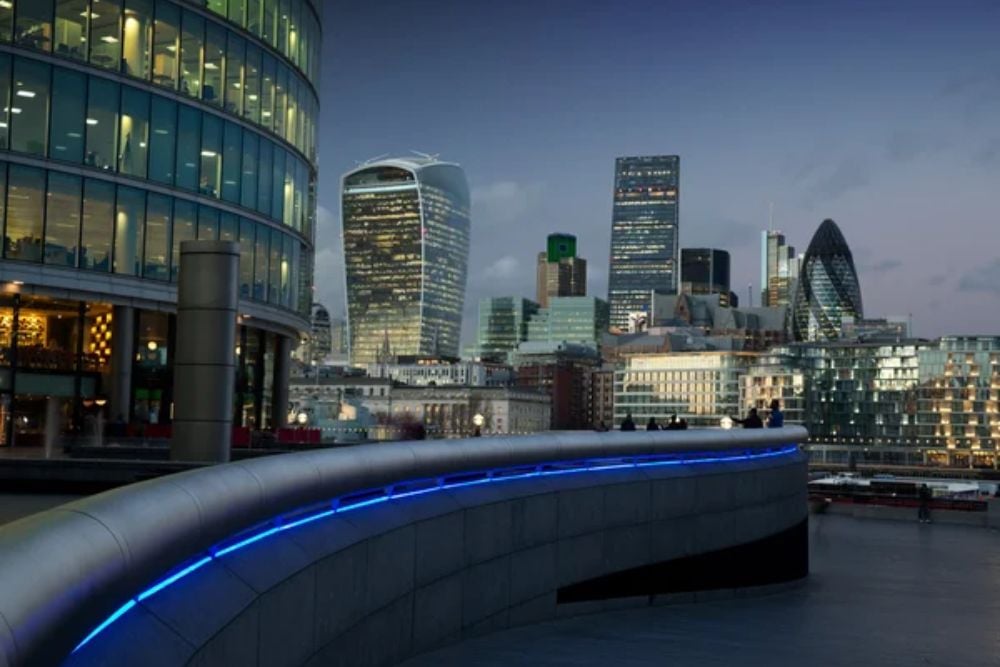
30 St Mary Axe in London, better known as ‘The Gherkin,’ resembles exactly what its nickname suggests, a massive pickle standing among the city’s historic buildings. Designed by Norman Foster and completed in 2003, the building’s distinctive bullet shape and diamond-patterned glass exterior make it instantly recognizable on London’s skyline.
Its aerodynamic form actually reduces wind turbulence around the structure and enhances natural ventilation.
Mind House
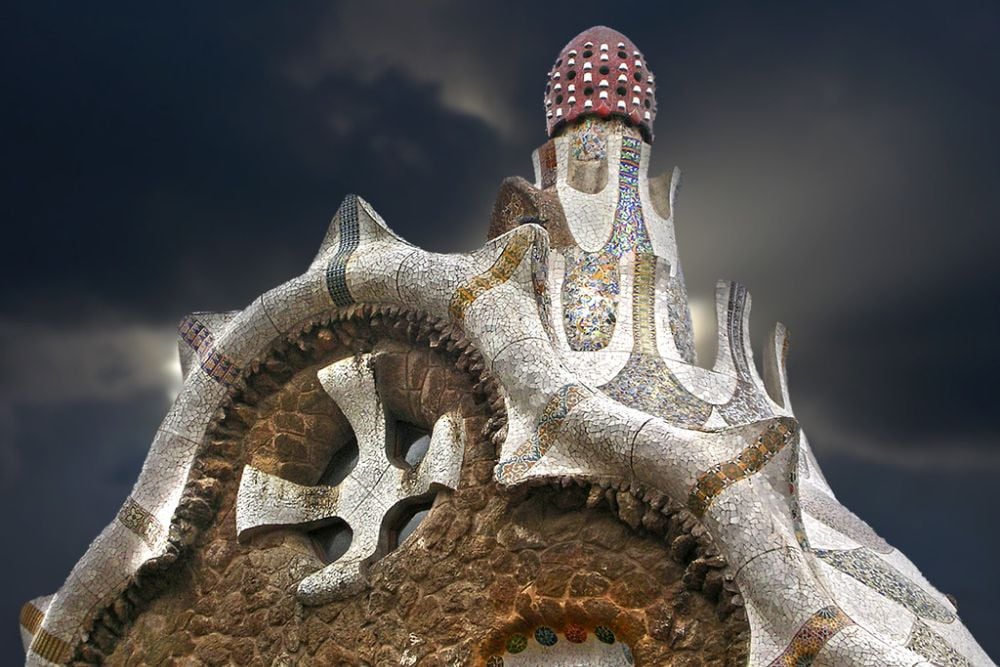
Another Gaudí creation, Park Güell’s Porter’s Lodge in Barcelona looks like it emerged organically from a fairy tale forest. With its undulating roof resembling flowing lava or a melting cake, the structure features almost no straight lines.
The stone and mosaic exterior blends with the surrounding nature, demonstrating Gaudí’s philosophy that architecture should complement its environment rather than impose upon it.
Habitat 67
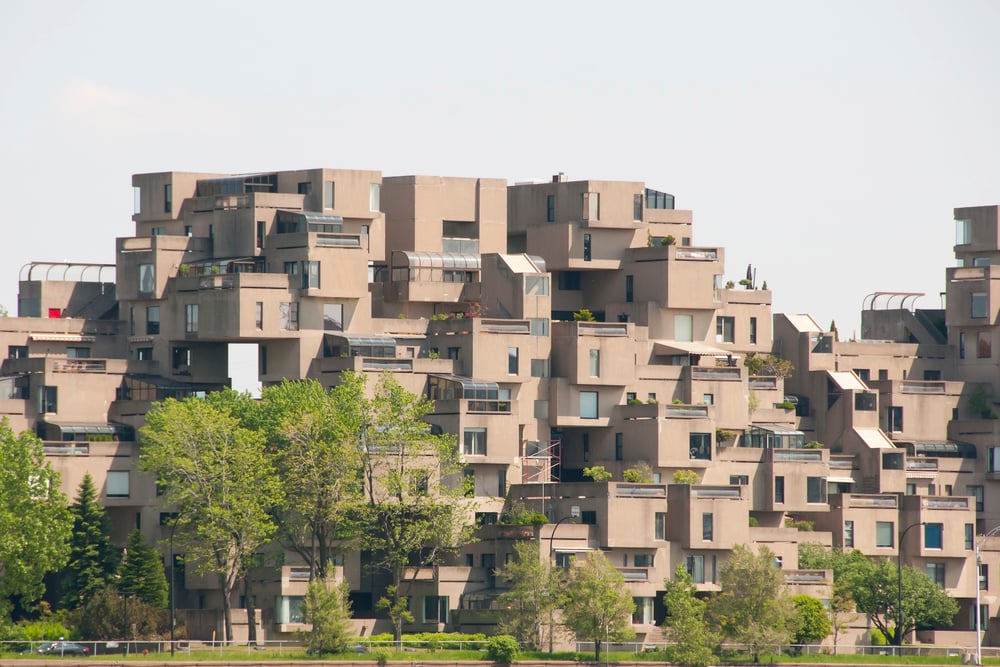
This experimental housing complex in Montreal consists of 354 identical concrete boxes stacked in various combinations to create 146 residences. Designed by architect Moshe Safdie for the 1967 World Exposition, the building resembles a child’s haphazard arrangement of blocks frozen in mid-tumble.
The revolutionary design provides each unit with a garden terrace on the roof of the unit below, creating a vertical neighborhood rather than a traditional apartment building.
Atomium

Originally built as a temporary structure for the 1958 Brussels World Fair, this strange building represents an iron crystal magnified 165 billion times. Nine interconnected stainless steel spheres form the shape of an elementary iron crystal cell, with tubes connecting the spheres containing escalators and walkways.
The topmost sphere offers panoramic views of Brussels, while five of the remaining spheres house exhibit spaces that draw nearly 600,000 visitors annually.
Upside-Down House
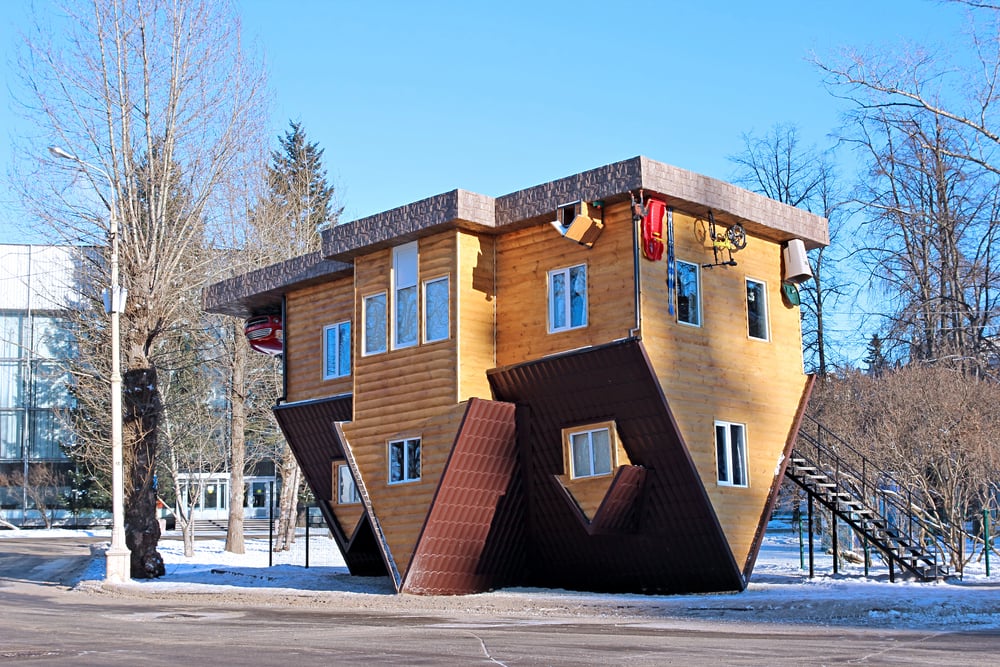
Located in Szymbark, Poland, this house stands completely inverted, with its roof touching the ground and its foundation pointing toward the sky. Visitors enter through an attic window and walk on the ceiling with furniture hanging above their heads.
The disorienting experience was designed as a commentary on the backward nature of Poland’s communist era, but has become primarily a tourist attraction where visitors struggle to maintain their equilibrium while navigating the topsy-turvy interior.
Waldspirale
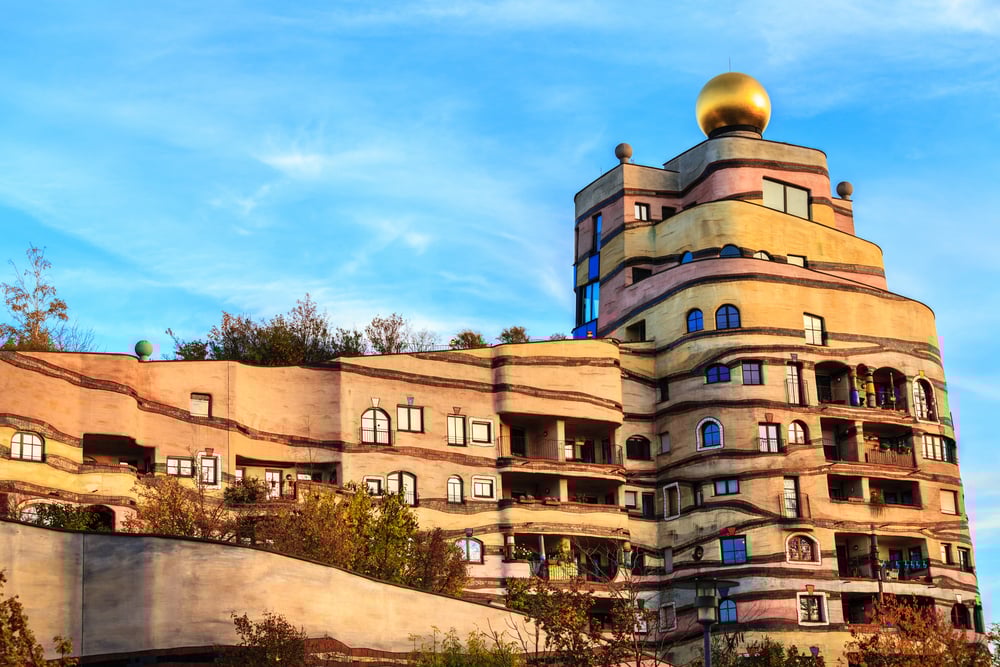
Friedensreich Hundertwasser’s apartment building in Darmstadt, Germany features an undulating façade painted in a rainbow of colors with a forest growing from its roof. Completed in 2000, the ‘Forest Spiral’ includes 105 apartments with no two windows identical and no straight lines anywhere.
Trees emerge from windows and balconies throughout the structure, fulfilling Hundertwasser’s belief that humans should live in harmony with nature rather than in sterile boxes.
The Twist Museum

This bridge-museum hybrid in Norway’s Kistefos Sculpture Park literally twists 90 degrees as it spans the Randselva River. Completed in 2019 by BIG architects, the aluminum-clad structure rotates halfway across the water, creating a mind-bending visual effect for visitors both inside and out.
The interior space transitions from vertical to horizontal orientation as visitors traverse its length, forcing a complete shift in perspective midway through the experience.
Like Go2Tutors’s content? Follow us on MSN.
Stone House

Located in Guimarães, Portugal, this dwelling appears to be created from two enormous boulders squished together with windows and a door added as an afterthought. Built in 1974, the “Casa do Penedo” initially served as a hunting retreat but now attracts architecture enthusiasts worldwide.
Despite its primitive appearance, the home includes modern amenities, though the granite walls proved too dense for Wi-Fi signals to penetrate, keeping it appropriately prehistoric in the digital age.
The Helix Hotel
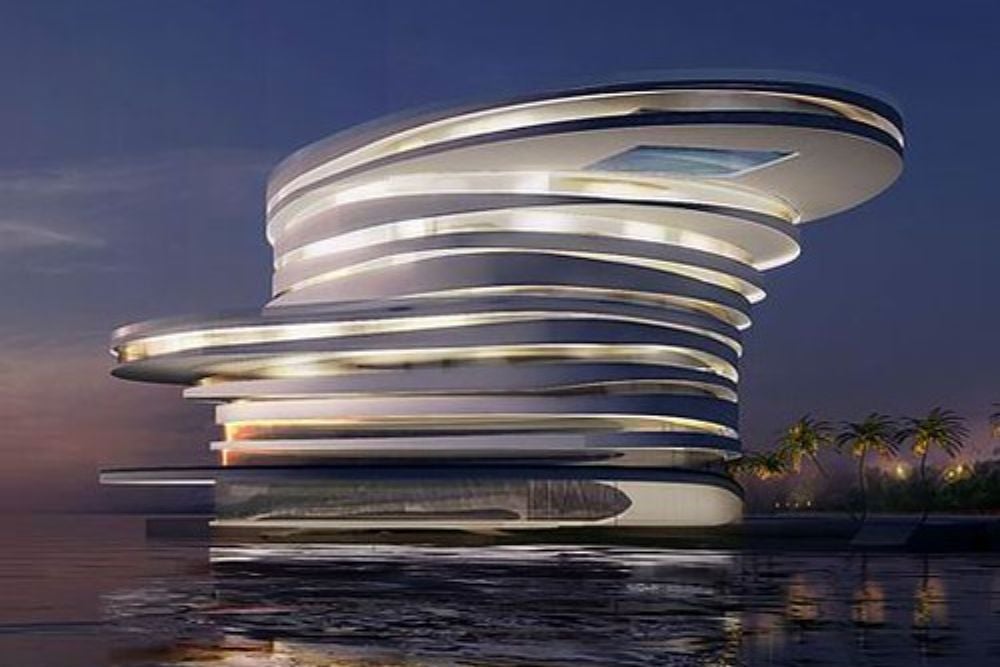
This never-built design for Abu Dhabi created by Leeser Architecture gained fame simply for its audacious concept, a structure that resembles a massive strand of DNA. The proposed building featured no traditional floors but instead a continuous ramp spiraling through the structure with various programs embedded along its path.
Though unbuilt, the design’s images circulated widely online, making it famous purely for its conceptual strangeness.
Krzywy Las

While not technically a building, this ‘Crooked Forest’ in Poland features approximately 400 pine trees that all bend sharply at their base before curving back upward. Planted around 1930, these trees were likely manipulated by humans for unknown purposes, possibly for shipbuilding timber.
The eerie uniformity of the curvature creates a surreal landscape that attracts visitors seeking to understand the forest’s mysterious origins.
Cathedral of Brasília
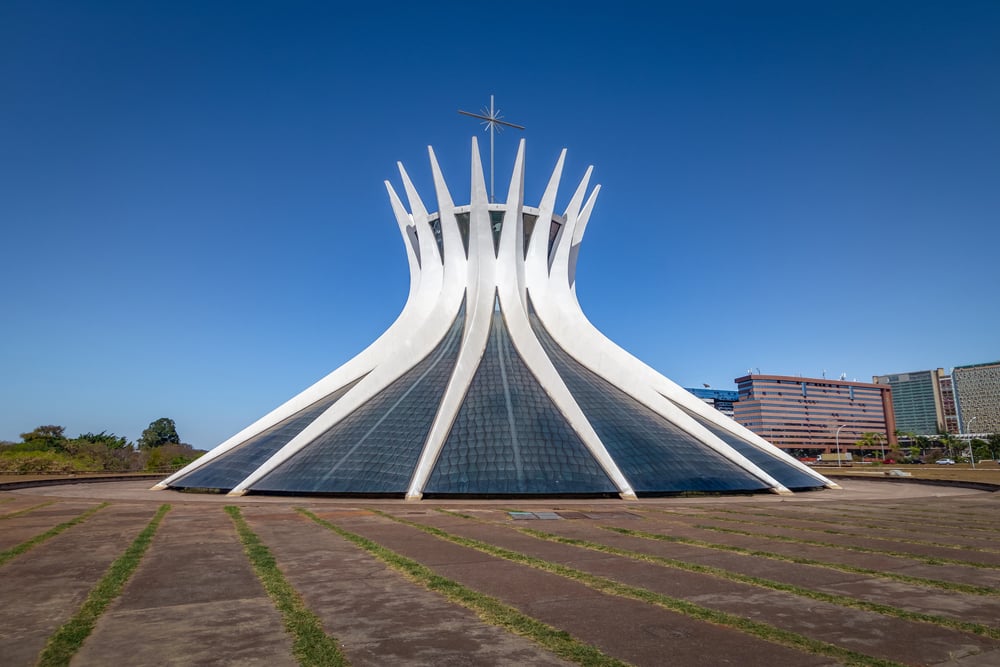
Oscar Niemeyer’s modernist cathedral resembles a crown of thorns or a collection of massive white petals reaching toward the sky. Sixteen concrete columns curve upward to form a hyperboloid structure, with the spaces between filled with stained glass.
The majority of the building exists below ground, with visitors entering through a dark tunnel before emerging into the light-filled main space, a deliberate architectural journey from darkness to enlightenment.
Why Strange Architecture Matters
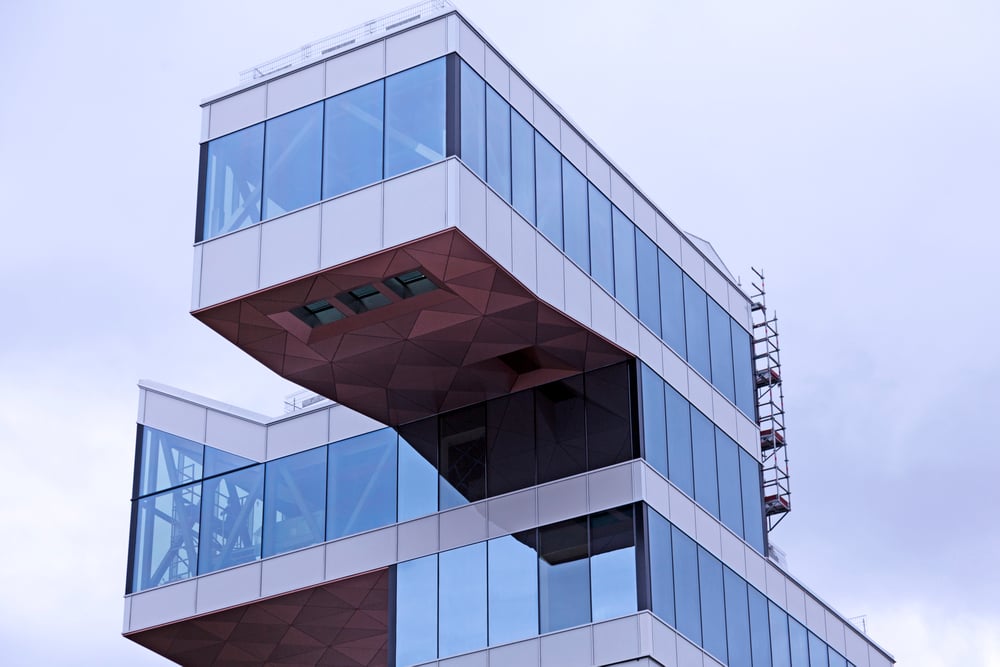
These unusual structures serve as more than tourist attractions or Instagram backgrounds, they challenge our assumptions about what buildings can be and how they should function. By breaking from conventional designs, these architectural oddities expand our imagination and demonstrate that even the most practical human needs can be met with creativity and daring.
Whether beloved or controversial, these strange buildings have secured their places in architectural history not by fitting in, but by standing out in the most dramatic ways possible.
More from Go2Tutors!

- The Romanov Crown Jewels and Their Tragic Fate
- 13 Historical Mysteries That Science Still Can’t Solve
- Famous Hoaxes That Fooled the World for Years
- 15 Child Stars with Tragic Adult Lives
- 16 Famous Jewelry Pieces in History
Like Go2Tutors’s content? Follow us on MSN.