15 Expensive Fashion Items Deemed Offensive
Fashion is all about expression, but sometimes, designers take it too far. Over the years, even luxury labels have released pieces that didn’t just raise eyebrows—they stirred outrage.
Some were pulled quickly after backlash, while others stayed around a bit too long. Either way, they serve as reminders that not everything expensive is well thought out.
Let’s take a closer look at when high fashion got it completely wrong.
Gucci’s blackface sweater

In 2019, Gucci dropped an $890 wool sweater that looked like it belonged in a racist cartoon. It covered the lower part of the face and had red lips around the mouth opening.
Many felt it mimicked blackface and were rightfully upset. The backlash was loud and fast. Gucci pulled the item and apologized, but the damage to its reputation stuck around.
Prada’s monkey figurines
Prada showcased a line of keychains and figures that drew immediate criticism. The designs had features people said resembled offensive racial stereotypes, including exaggerated red lips on monkey-like faces.
These items weren’t cheap—some cost several hundred dollars. Public pressure forced the brand to remove them. It became a clear example of how something meant to be quirky can turn deeply offensive.
Like Go2Tutors’s content? Follow us on MSN.
Burberry’s noose hoodie
At a 2019 runway show, Burberry featured a hoodie with a rope tied around the neck, styled like a noose. It wasn’t for sale yet, but the imagery caused a huge stir.
Many saw it as triggering for those dealing with mental health struggles. Even one of the models involved spoke against it. The brand apologized, but it was hard to ignore how tone-deaf the design was.
Adidas’s shackle sneakers
Adidas once designed sneakers with plastic orange chains attached to the ankles. Though the company thought it was a fun touch, many people saw the design as eerily similar to shackles used during slavery.
The sneakers were priced around $350, but they never made it to store shelves. The backlash led to a swift cancellation. It became a textbook case of ignoring historical context.
Katy Perry’s blackface shoes
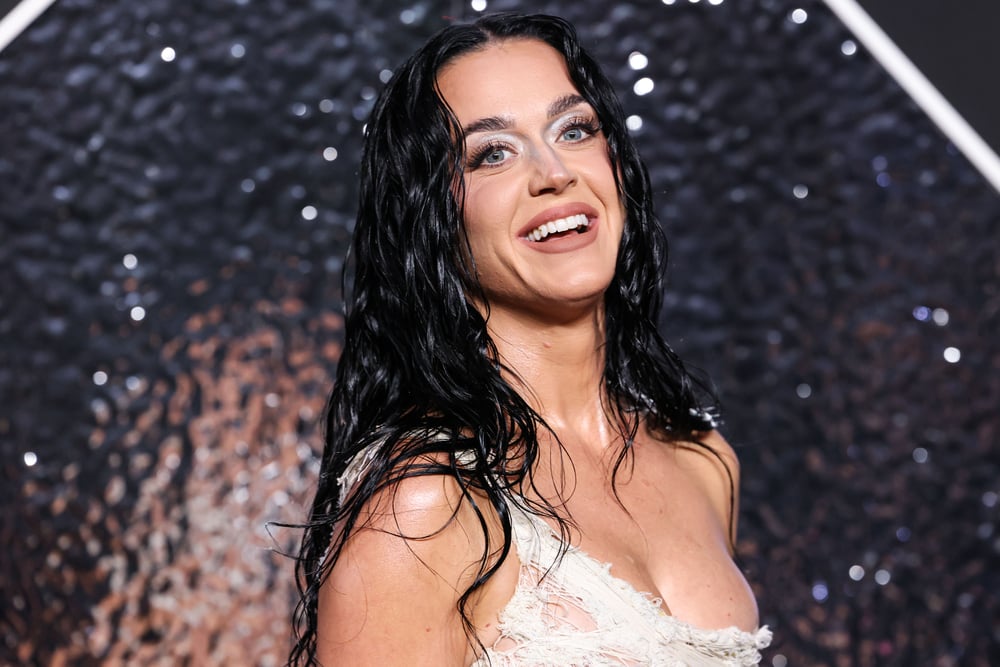
A shoe line tied to Katy Perry included loafers and heels with cartoonish faces. One version—black with oversized red lips and blue eyes—was called out for resembling blackface.
They were on shelves at big-name stores and sold for about $129. After criticism, the shoes were pulled. The brand admitted the problem and promised to do better.
Like Go2Tutors’s content? Follow us on MSN.
Dior’s ‘Sauvage’ campaign

Dior’s fragrance campaign for Sauvage was supposed to honor Native American culture, but many felt it did the opposite. It included tribal imagery and dance in a way that felt more like performance than respect.
Pairing this with a name that translates to “savage” didn’t help. The backlash came quickly, and Dior removed the campaign materials. It served as a lesson in poor cultural messaging.
Dolce & Gabbana’s Chinese chopsticks ad

Dolce & Gabbana released a video showing a Chinese woman struggling to eat Italian food with chopsticks. What they meant as humor felt like mockery to many.
People pointed out the ad relied on tired stereotypes. With high-end pricing and a global market, this didn’t go unnoticed. Chinese customers were so offended that retailers dropped the brand almost immediately.
H&M’s “coolest monkey” hoodie
H&M faced global backlash after using a Black child model to wear a hoodie that said “coolest monkey in the jungle.” The image struck a nerve and was quickly pulled.
While the hoodie wasn’t high-priced, the outrage came from how the message landed. Celebrities distanced themselves from the brand. H&M apologized, but the moment became a major talking point.
Like Go2Tutors’s content? Follow us on MSN.
Comme des Garçons’s cornrow wigs

During a fashion show, Comme des Garçons used lace-front cornrow wigs on mostly white male models. Viewers called it out for cultural appropriation, wondering why the look wasn’t given to people whose culture it represented.
The wigs looked awkward and added fuel to the criticism. This wasn’t a budget brand either—these were premium runway pieces. The brand responded with a statement, but many weren’t satisfied.
Moschino’s dry cleaning tag dress

Moschino sent a model down the runway wearing a dress designed to look like a dry cleaning bag. The price? Over $1,000.
It had messages like “We love our customers” printed across the front, copying real laundry bag designs. Many saw it as mocking working-class aesthetics. While it was meant to be ironic, most found it tasteless.
Chanel’s boomerang

Chanel once put a $1,325 boomerang on sale as part of a limited collection. The problem? It resembled traditional Aboriginal tools, turned into a luxury toy.
People said it disrespected the item’s cultural significance. Chanel brushed it off as part of a sports-themed release, but critics weren’t buying it. Eventually, the item faded from their catalog.
Like Go2Tutors’s content? Follow us on MSN.
Urban Outfitters’ Kent State sweatshirt

Urban Outfitters put out a sweatshirt with the Kent State logo, stained with what looked like fake blood. The connection to the tragic 1970 shooting was impossible to ignore.
They claimed it wasn’t intentional, but very few believed them. It cost $129 and caused massive public backlash. The product was pulled, but the bad press lingered.
Balenciaga’s poverty-inspired fashion

Balenciaga once sold a $2,000 blue tote that looked almost identical to IKEA’s iconic shopping bag. Many accused the brand of making fun of poor people’s everyday items by slapping a luxury price on them.
It wasn’t the first time they did something like this, either. Fashion fans were split—some saw it as clever, others called it cruel. Either way, it got people talking.
Vetements’ DHL T-shirt

Vetements, known for edgy streetwear, sold a yellow T-shirt with the DHL logo for around $300. It looked just like the uniform worn by delivery workers.
Some people found it ironic and stylish. Others saw it as elitist, profiting from working-class identity without offering anything in return. The item sold out, but not without criticism.
Like Go2Tutors’s content? Follow us on MSN.
Louis Vuitton’s $39,000 “urban” jacket

Louis Vuitton released a patchwork coat priced at $39,000. Many said it looked like it was stitched together from moving blankets.
The brand called it a nod to streetwear, but critics said it felt more like a costume than real clothing. Turning something associated with hardship into a status symbol didn’t sit well. The internet had a field day with this one.
When luxury forgets the people

Fashion will always try to grab attention, but sometimes it forgets the people behind the culture it borrows from. These examples show how being bold without thinking can go badly, especially when you’re charging thousands of dollars.
More brands are learning that customers now expect more than just pretty designs—they want respect too. These moments aren’t just fashion fails—they’re reminders. In the end, how something makes people feel matters just as much as how it looks.
More from Go2Tutors!

- 16 Historical Figures Who Were Nothing Like You Think
- 12 Things Sold in the 80s That Are Now Illegal
- 15 VHS Tapes That Could Be Worth Thousands
- 17 Historical “What Ifs” That Would Have Changed Everything
- 18 TV Shows That Vanished Without a Finale
Like Go2Tutors’s content? Follow us on MSN.