16 Vintage American Cereal Boxes We Still Remember
Saturday mornings felt different when cereal boxes towered like colorful monuments across grocery store aisles. Each box promised more than breakfast — they offered cartoon adventures, decoder rings, and the kind of sugar rush that made childhood feel invincible.
These weren’t just containers holding breakfast; they were portals to worlds where tigers talked, rabbits wore sailor suits, and chocolate milk was a legitimate way to start the day. The cereal aisle was a gallery of American marketing genius, where bright colors and bold mascots fought for attention span real estate.
Some boxes became so iconic that decades later, just glimpsing that familiar design triggers a flood of memories about sleepy mornings, Saturday cartoons, and the particular crunch that signified the start of another day.
Frosted Flakes
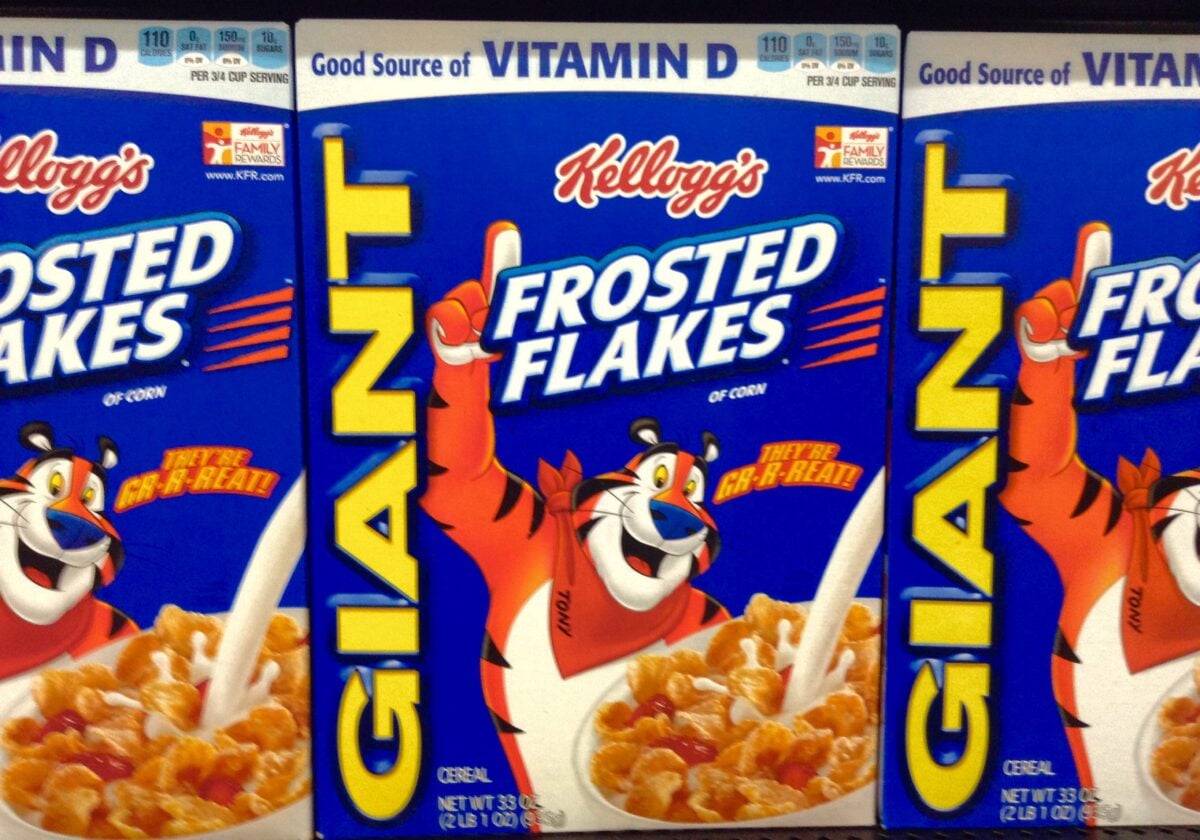
Tony the Tiger didn’t mess around. Orange and blue stripes, that unmistakable grin, and a promise that breakfast would be “Gr-r-reat!”
The box never changed because it didn’t need to.
Lucky Charms
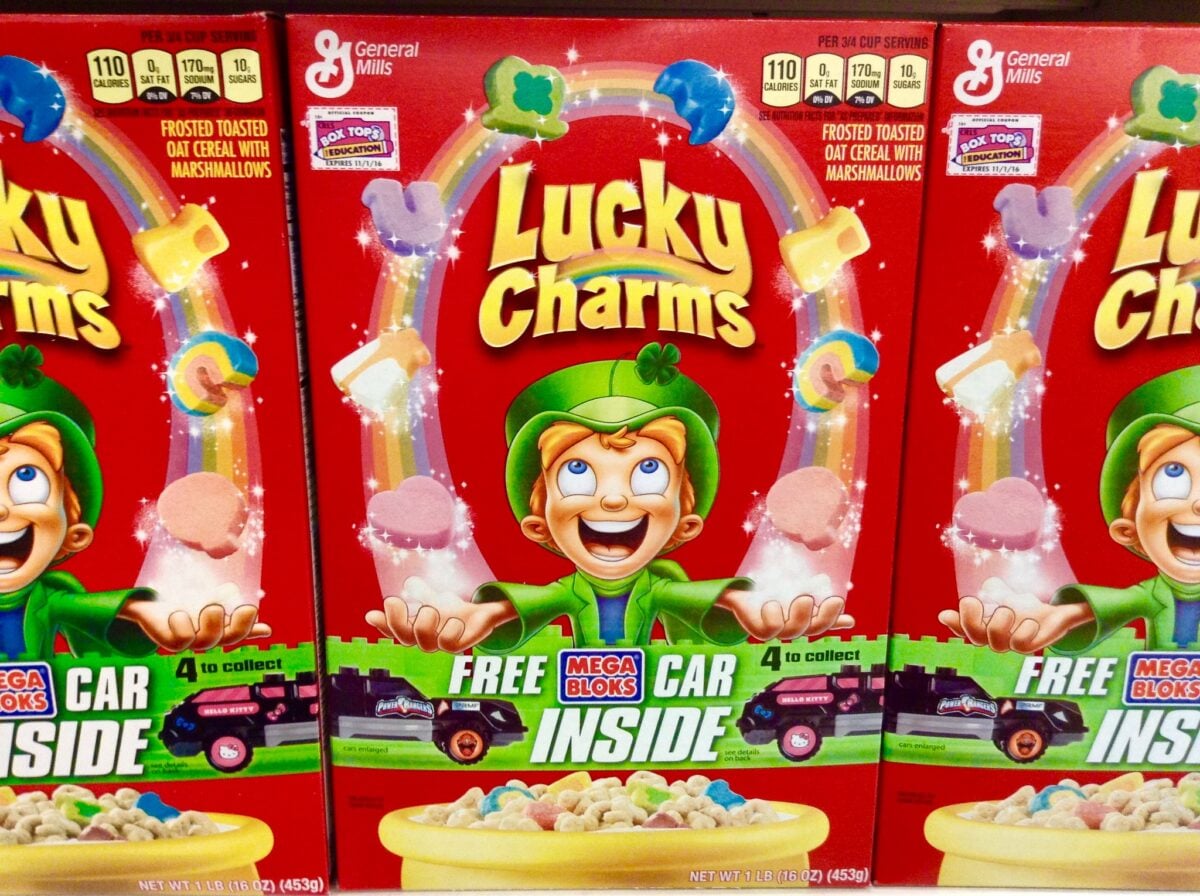
The relationship between Lucky Charms and childhood runs deeper than most people want to admit (because admitting it means acknowledging that a leprechaun in a tiny hat convinced an entire generation that marshmallows counted as breakfast nutrition), and the pink box with its promise of magically delicious mornings became a kind of edible fairy tale that parents grudgingly purchased while muttering about sugar content and dental bills — though if they were honest, which most weren’t, they’d remember the particular satisfaction of fishing out all the marshmallows first and leaving the plain cereal pieces floating like disappointment in a bowl of milk. But that was part of the ritual.
The hunt for tiny rainbows and shooting stars made breakfast feel like treasure hunting.
Count Chocula
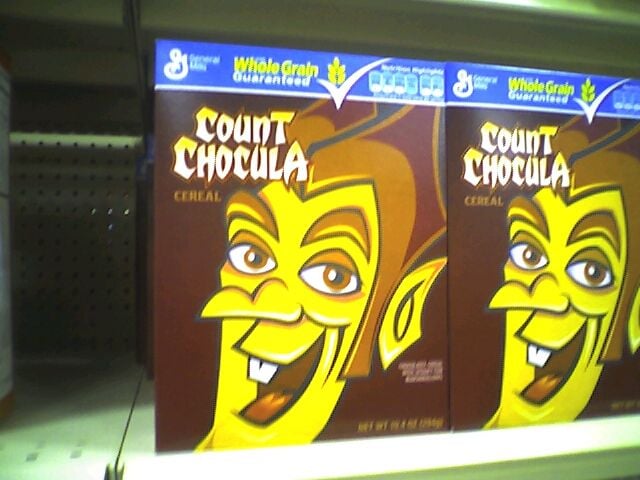
There’s something beautifully absurd about a vampire selling breakfast cereal to children. Count Chocula’s purple cape and chocolate-stained fangs turned morning meals into monster movies, complete with cocoa-flavored drama and the kind of theatrical marketing that wouldn’t survive today’s focus groups.
The box art captured that sweet spot between scary and silly — menacing enough to feel dangerous, harmless enough for parents to allow. Halloween in cereal form, available year-round.
Trix
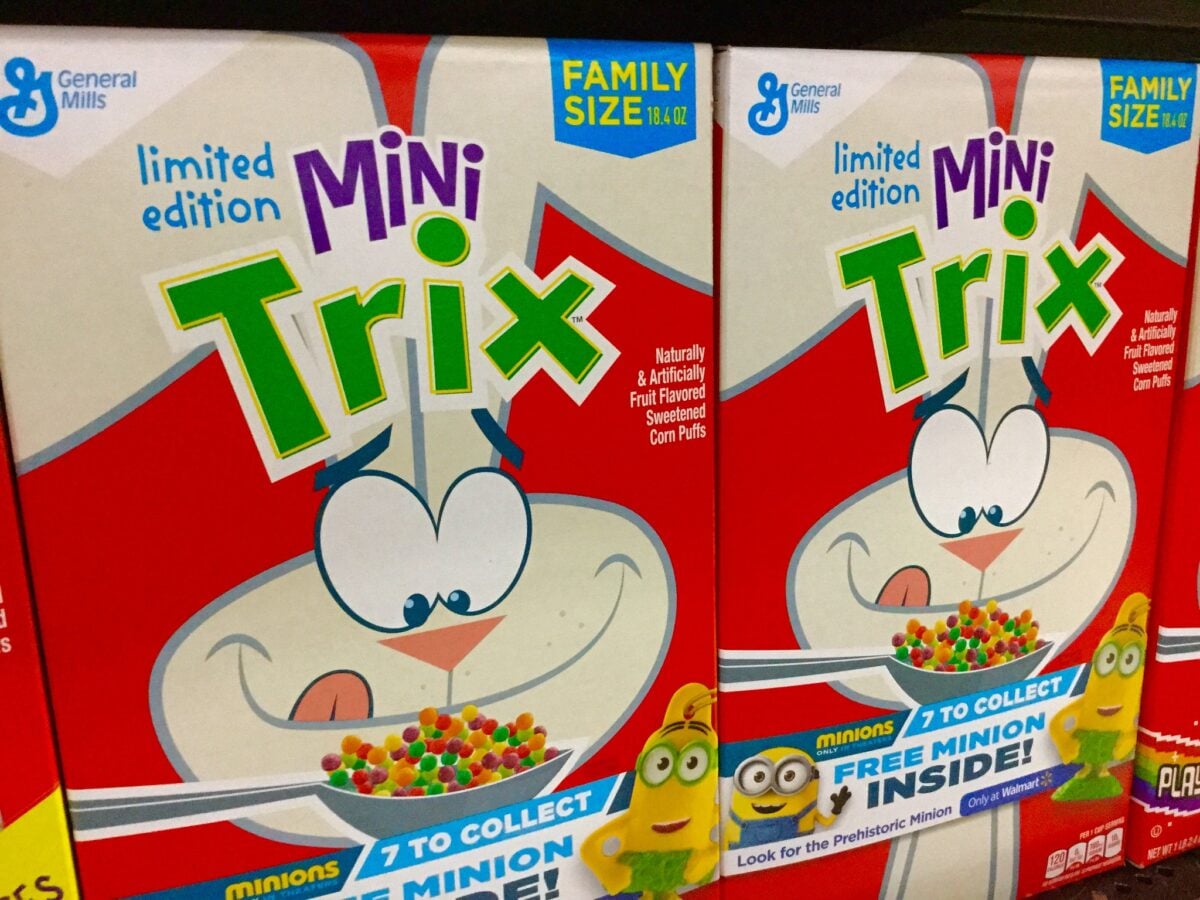
Trix belonged to kids, and the rabbit knew it. That tagline wasn’t just marketing — it was a declaration of generational warfare, with sugary fruit spheres as the prize.
The box became a battlefield where childhood staked its claim against adult sensibilities. Turns out, keeping cereal away from cartoon rabbits was the least of anyone’s concerns.
The real question was whether those rainbow orbs actually tasted like fruit or just like the concept of fruit, which is saying something about the state of processed food in America.
Apple Jacks
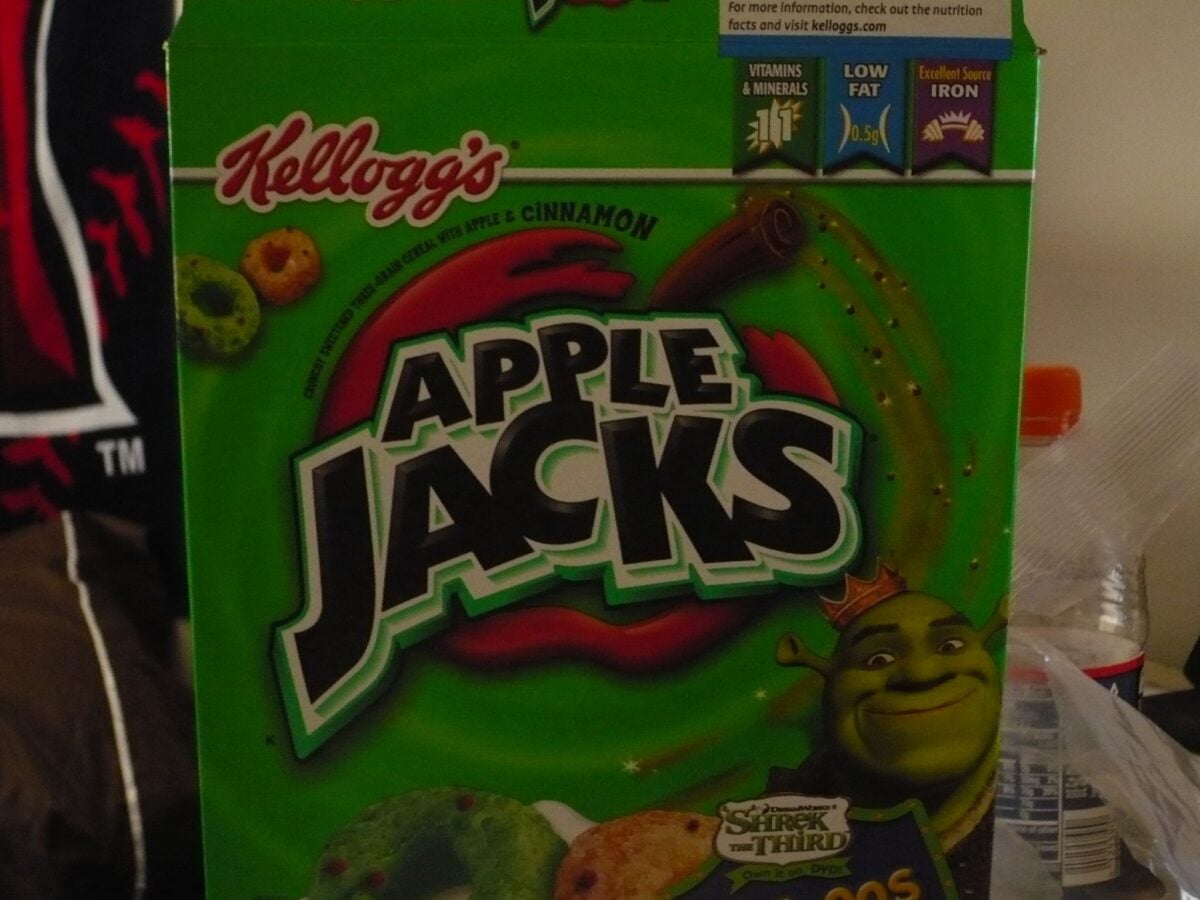
Apple Jacks made no apologies for tasting nothing like apples. The cinnamon-sugar rings lived in their own flavor universe, and the box design — with its bold reds and cheerful font — celebrated this disconnect with shameless confidence.
That gap between name and taste became part of the appeal, like eating a delicious lie that everyone agreed to believe for the duration of breakfast.
Cocoa Puffs
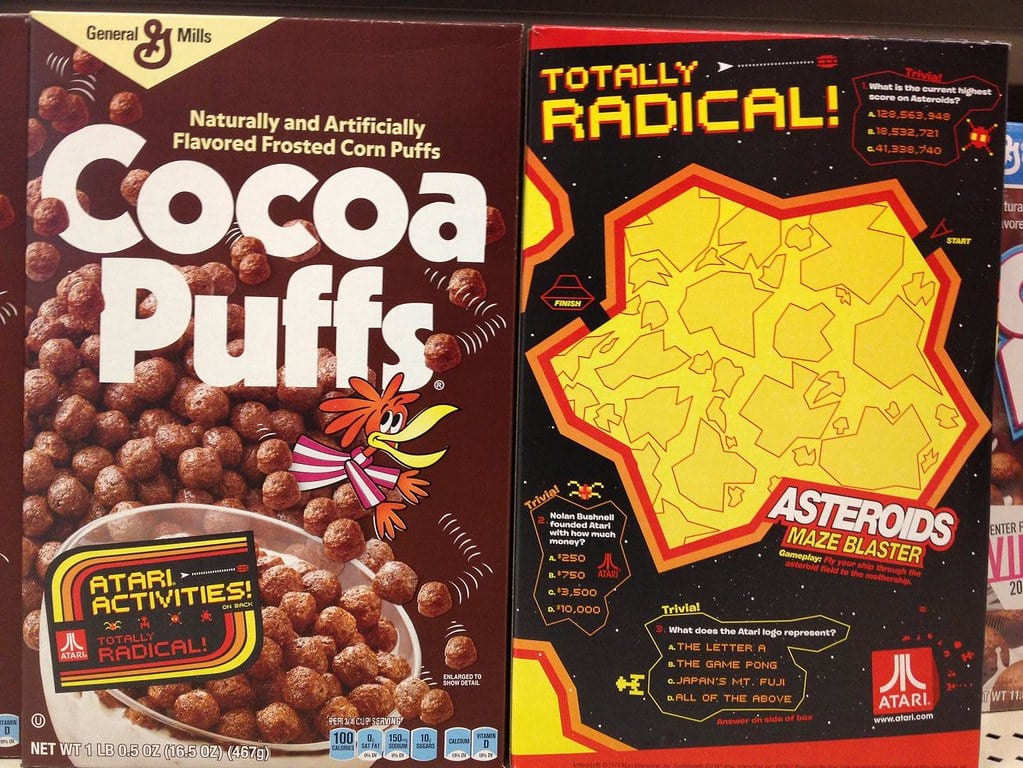
Sonny the Cuckoo Bird understood something fundamental about chocolate and breakfast that adults spent years trying to forget. His wide-eyed, caffeine-jittery expression captured the exact feeling of chocolate cereal hitting an empty stomach at 7 AM — pure, unfiltered enthusiasm that bordered on manic.
The brown box promised chocolate milk as a byproduct, which felt like getting dessert twice. First the cereal, then the leftover cocoa-tinted milk that turned breakfast into a two-course sugar delivery system. Sonny’s “cuckoo for Cocoa Puffs” wasn’t just a slogan; it was a warning label disguised as marketing genius.
Froot Loops
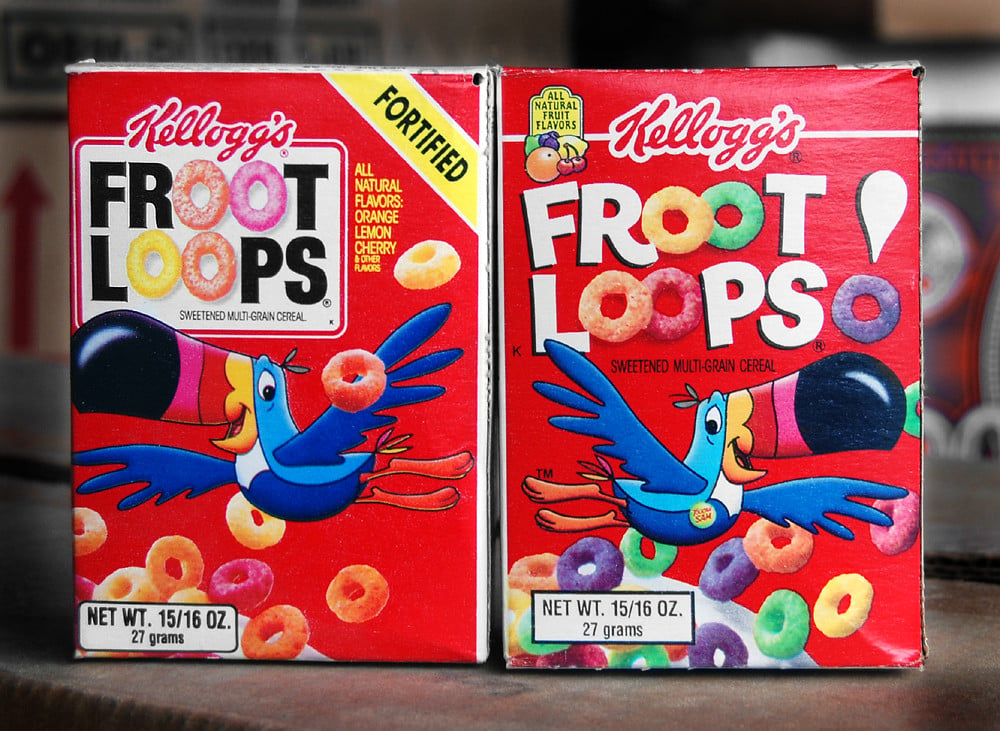
Toucan Sam’s rainbow beak pointed the way to breakfast enlightenment. Those perfectly round loops defied nature — no fruit on earth came in those colors, but that was precisely the point. The box art embraced this artificial paradise with tropical imagery and a bird who seemed genuinely excited about synthetic fruit flavors.
Following your nose to Froot Loops meant accepting that breakfast could be theater, complete with costume jewelry colors and a soundtrack of satisfying crunch.
Cap’n Crunch
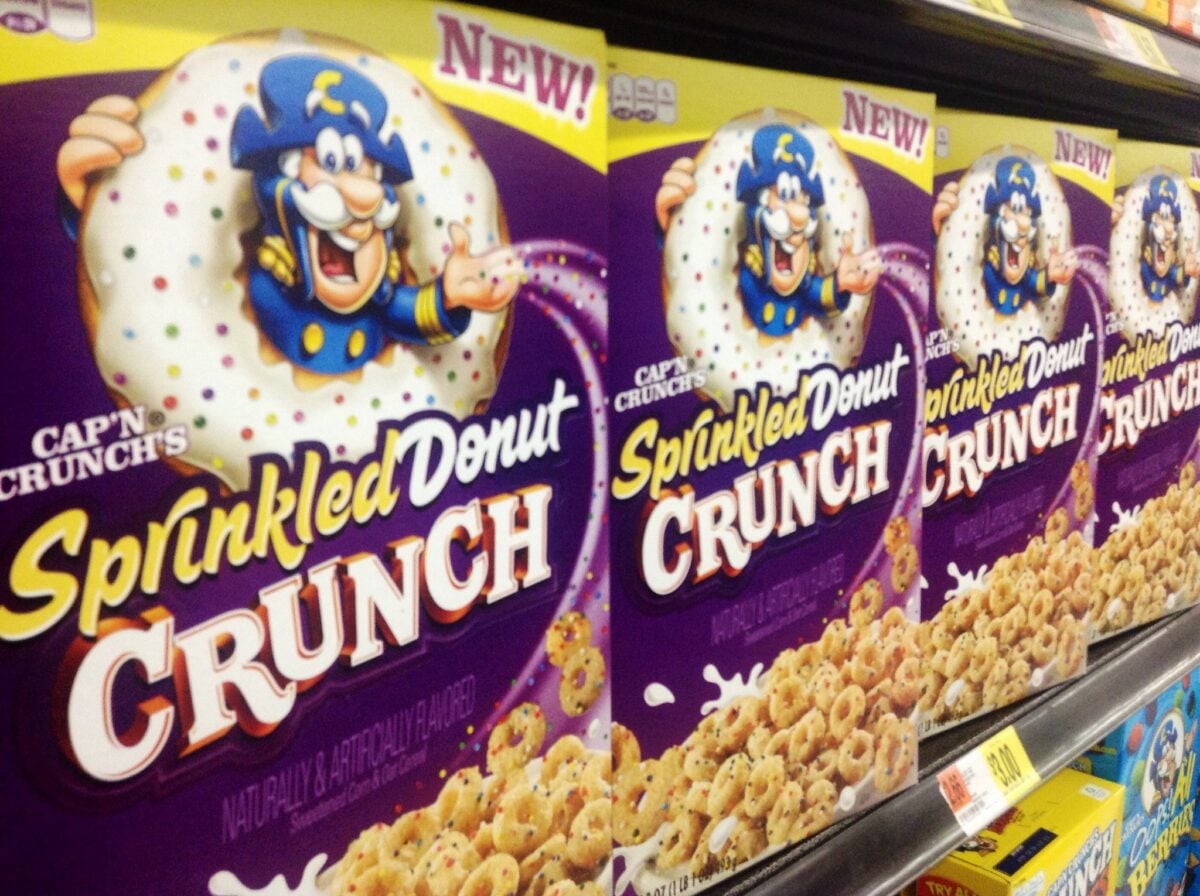
The Cap’n commanded breakfast with military precision and a uniform that never made sense. The naval captain selling corn squares seemed like a questionable career change, but his dedication to crunch was absolute.
The box promised texture that could scrape the roof of your mouth raw — and delivered. That particular brand of painful satisfaction became Cap’n Crunch’s calling card.
Breakfast that fought back, served by a cartoon sea captain with questionable credentials but unshakeable commitment to structural integrity in cereal form.
Honey Nut Cheerios
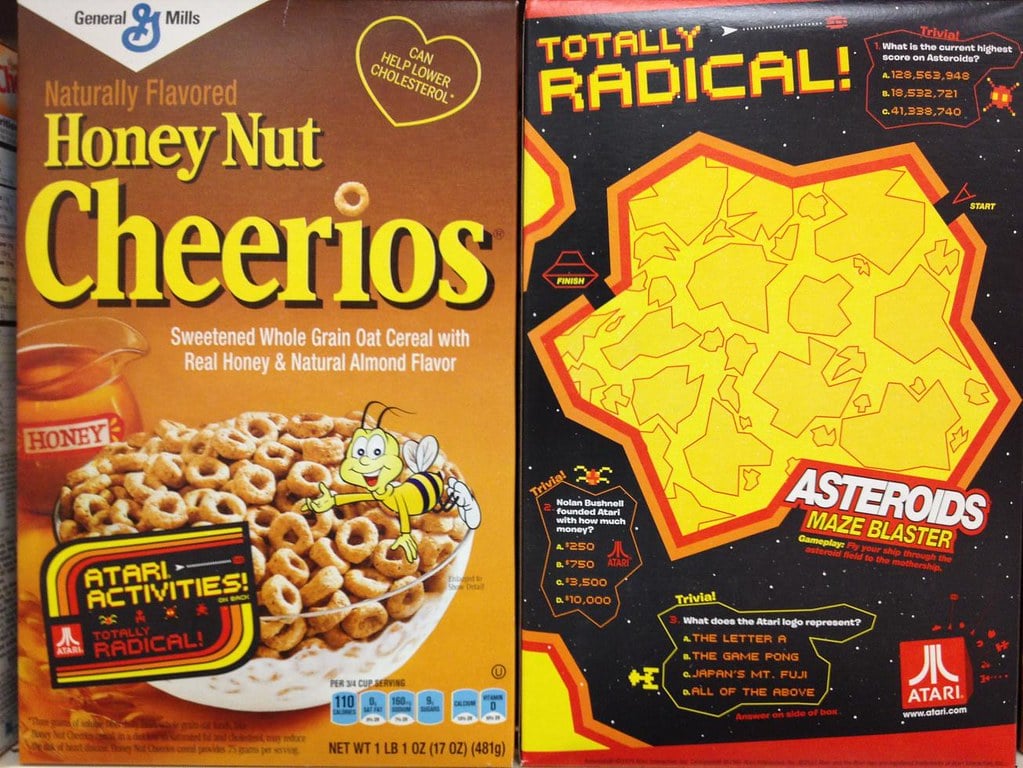
The transition from plain Cheerios to honey nut felt like childhood’s first taste of sophistication — still wholesome enough for parental approval, sweet enough to matter. The bee mascot buzzed across yellow packaging that promised the best of both worlds: nutrition and flavor living in temporary harmony.
Those golden rings carried the weight of compromise between what kids wanted and what parents could justify. Honey Nut Cheerios became the diplomatic solution to breakfast negotiations, the cereal equivalent of meeting halfway.
And somehow, in that middle ground between health food and candy, they found something that worked for everyone — which is rarer than it sounds in the world of morning routines and family dynamics.
Rice Krispies
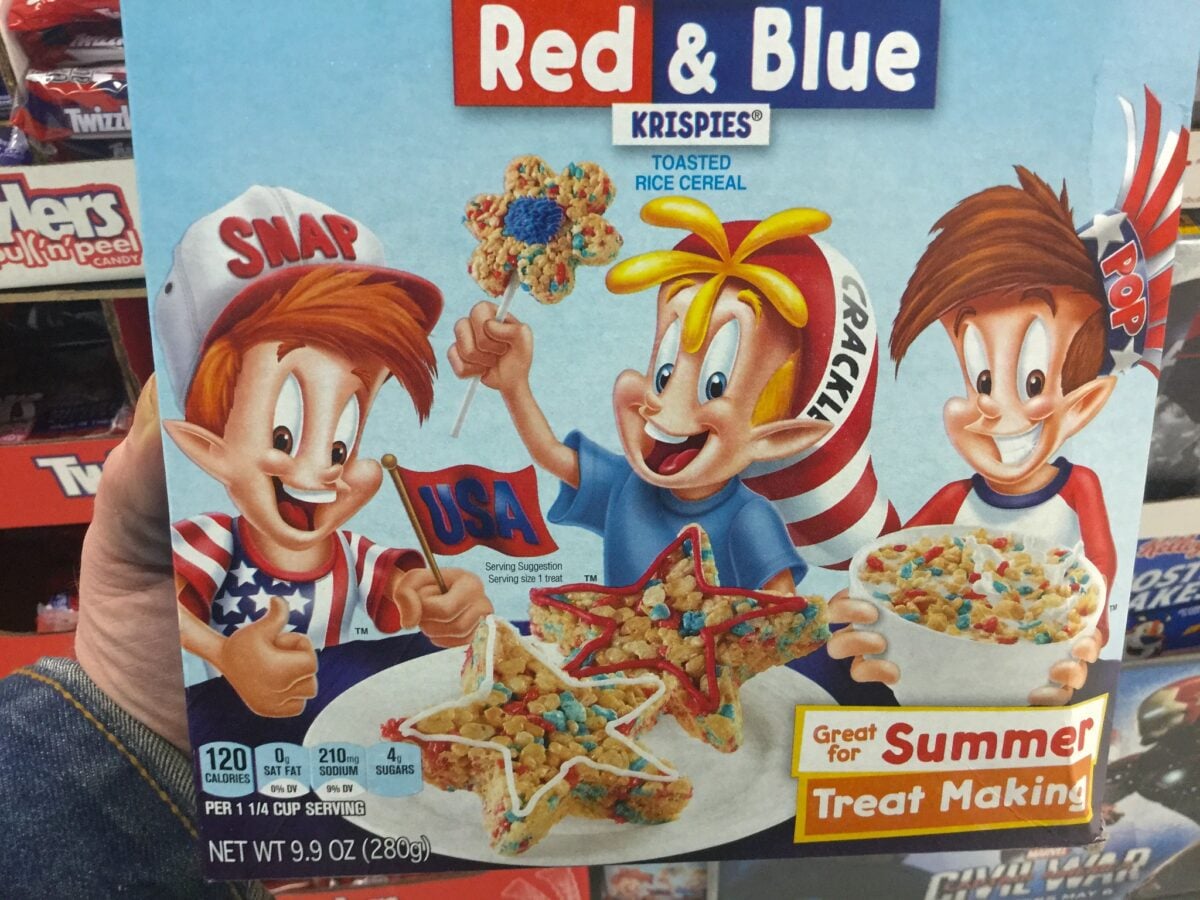
Snap, Crackle, and Pop turned breakfast into performance art. The blue box contained more than cereal — it held tiny sound effects that transformed milk into a symphony of miniature explosions.
Three cartoon characters built their entire careers around breakfast acoustics. The appeal was purely auditory.
Rice Krispies tasted like rice-flavored air, but they sounded like magic happening in real time.
Fruity Pebbles
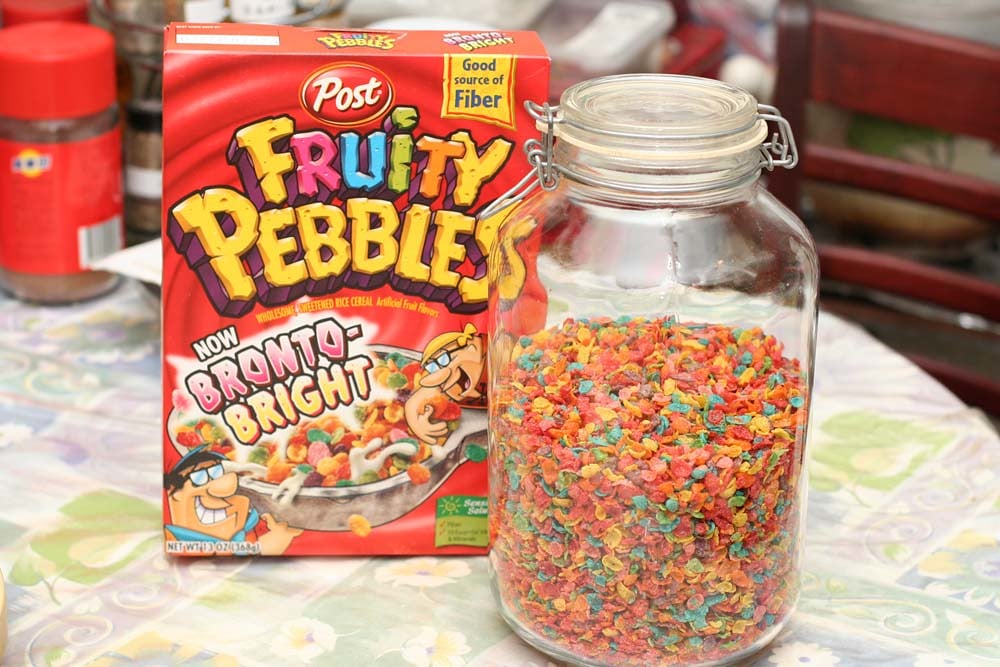
Fred Flintstone’s endorsement gave Fruity Pebbles prehistoric credibility, which somehow made perfect sense. The bright box promised tiny rainbow rocks that dissolved into fruit-flavored milk — caveman cuisine for the space age.
Bedrock met the breakfast aisle in a collision of sugar and stone age marketing. The Flintstones connection elevated sugary cereal to prime-time status, making Saturday morning breakfast feel like appointment television.
Cookie Crisp
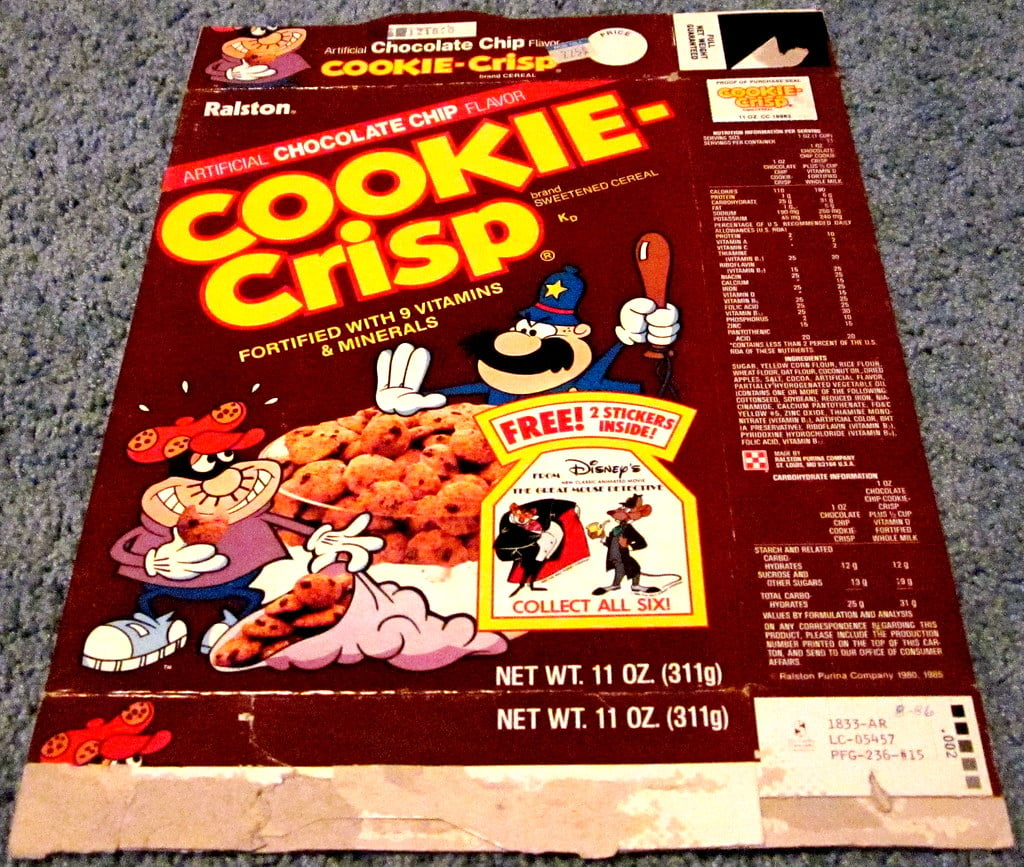
Cookie Crisp represented the complete surrender of breakfast to dessert logic. The box didn’t pretend these were anything other than cookies floating in milk, which was either refreshingly honest or deeply concerning, depending on your perspective on childhood nutrition.
A chocolate chip cookie mascot selling breakfast cookies created a kind of recursive loop of sweet morning rebellion. Parents bought it anyway, because sometimes the path of least resistance runs straight through the cereal aisle, and fighting every battle means losing the war against sugar-fueled Saturday mornings.
Honey Smacks
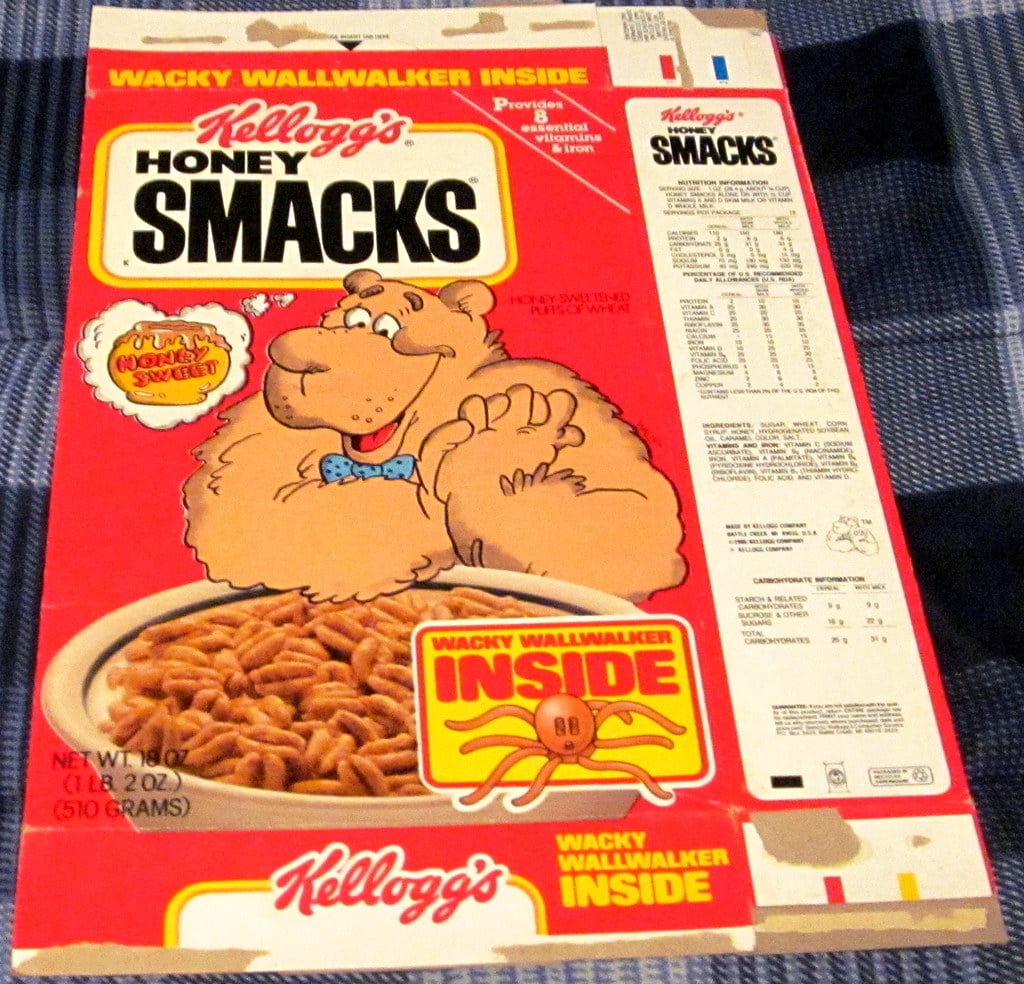
The Honey Smacks frog knew exactly what he was selling — sugar with a thin veneer of breakfast respectability. Those golden puffed wheat squares delivered sweetness that made dental hygienists weep and children sing.
The box design never tried to hide the sugar content; it celebrated it with bold colors and amphibian enthusiasm. That frog’s grin contained multitudes: the joy of sugar rush, the satisfaction of parental rebellion, and the particular happiness that comes from breakfast that tastes like candy but counts as a meal.
Cinnamon Toast Crunch
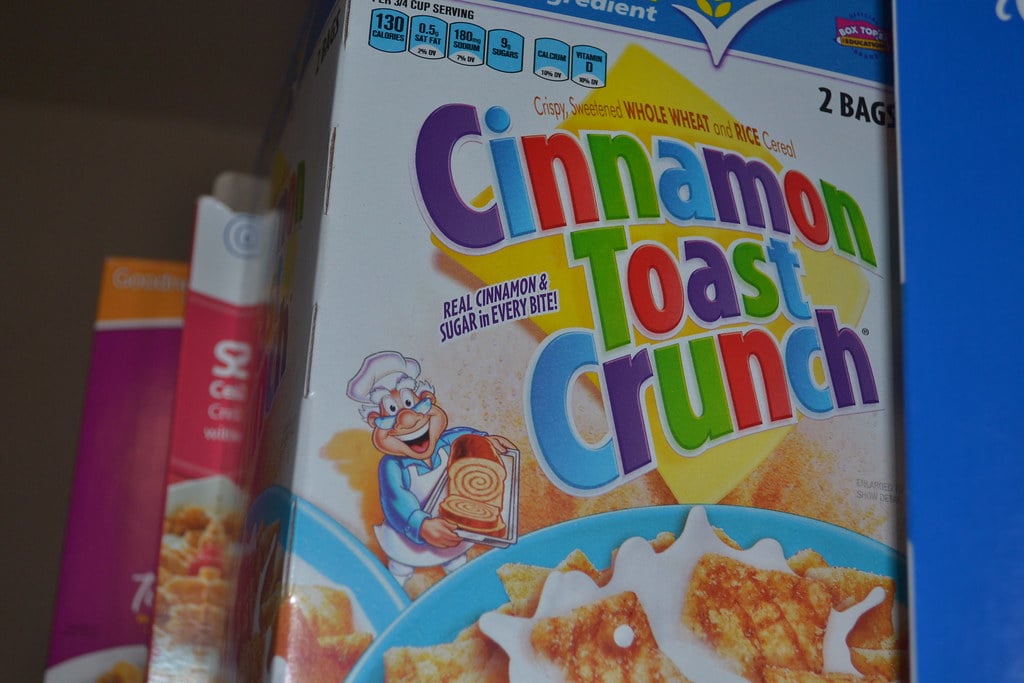
Cinnamon Toast Crunch solved the fundamental problem of wanting dessert for breakfast by making cereal that actually tasted like toast. The box promised cinnamon-sugar squares that delivered on their name with shocking accuracy — rare honesty in cereal marketing.
Those tiny toast squares created cinnamon milk that felt like drinking liquid pastry. The chefs on the box looked genuinely proud of their creation, and they should have been.
This was engineering disguised as breakfast food.
Corn Pops
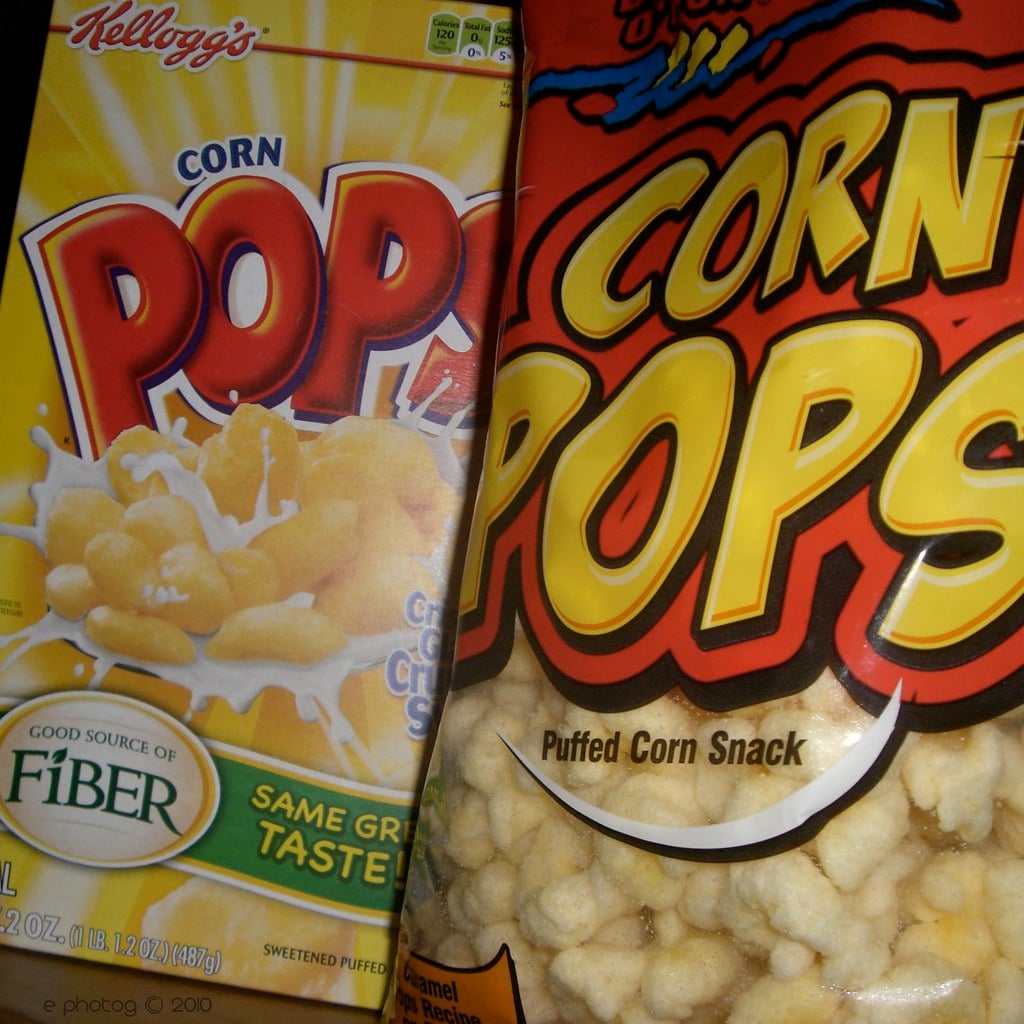
Corn Pops were honest about their purpose — corn transformed into golden spheres of sweetness that popped with satisfying crunch. The yellow box made no grand promises beyond sugar and texture, which was exactly what Saturday morning required. Sometimes simplicity wins.
The appeal lived in the contrast: natural corn turned into something completely artificial, then sold back as breakfast with a cartoon mascot’s blessing.
Wheaties
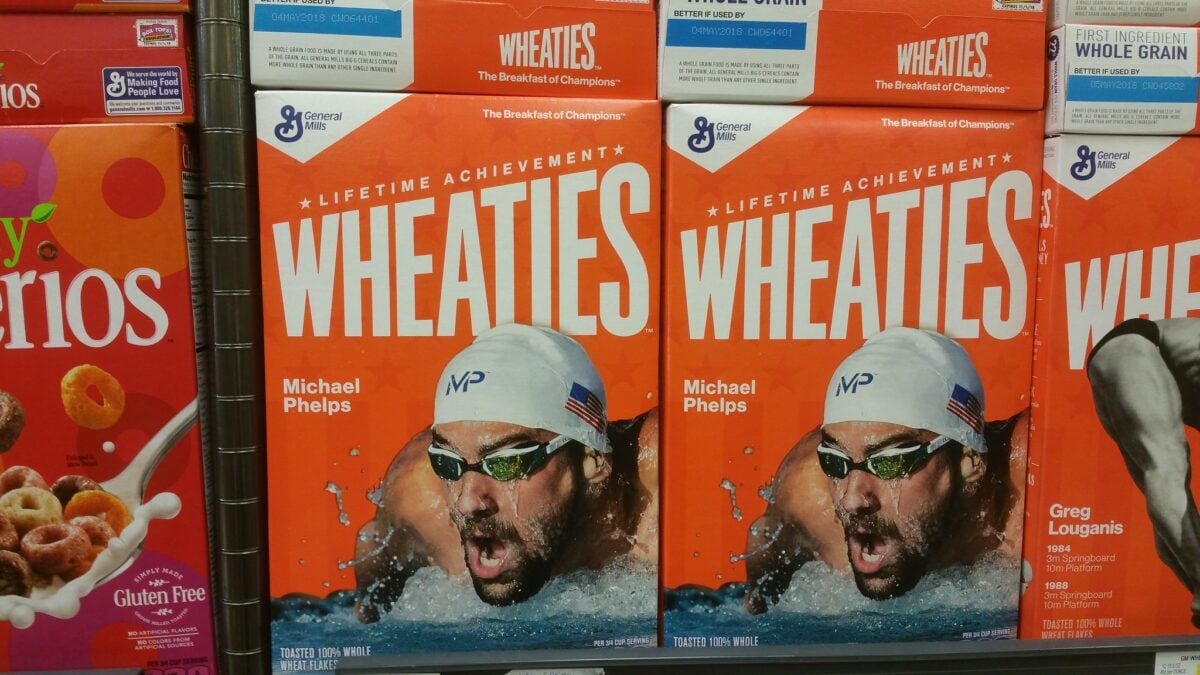
The Wheaties box transcended cereal marketing to become American iconography. Athletes graced that orange package like breakfast royalty, turning morning meals into training montages.
The “Breakfast of Champions” wasn’t just advertising — it was a challenge. Eating Wheaties meant joining an imaginary team of Olympic heroes and professional athletes, all united by wheat flakes and milk.
The box became a trophy case for sporting greatness, even when the only championship happening was who could finish breakfast fastest before the school bus arrived.
Saturday Morning Legacy

These boxes lined childhood like colorful bookmarks, marking time not in years but in breakfast memories. They promised more than nutrition — they offered identity, rebellion, and the particular magic that happens when marketing meets imagination at 7 AM on a weekend morning.
The cereal aisle was never just about food; it was about the stories we told ourselves while eating sugar from a bowl, and the way those stories shaped what Saturday mornings meant in America.
More from Go2Tutors!

- The Romanov Crown Jewels and Their Tragic Fate
- 13 Historical Mysteries That Science Still Can’t Solve
- Famous Hoaxes That Fooled the World for Years
- 15 Child Stars with Tragic Adult Lives
- 16 Famous Jewelry Pieces in History
Like Go2Tutors’s content? Follow us on MSN.