16 Products That Were Marketed as “Foolproof” (And Still Failed)
The business world is littered with ambitious products that promised to revolutionize our lives with their supposedly idiot-proof designs. Companies spent millions convincing consumers that their innovations were so intuitive, so well-designed, and so perfect that they simply couldn’t fail. Yet despite the confident marketing and bold claims, these products crashed and burned in spectacular fashion.
Here is a list of 16 notorious products that were marketed as completely foolproof but still managed to flop in the marketplace.
Google Glass

Google’s ambitious wearable computer promised to seamlessly integrate technology into everyday life with intuitive voice commands and gesture controls. The tech giant marketed Glass as so natural to use that anyone could master it immediately.
Unfortunately, the combination of privacy concerns, a prohibitive $1,500 price tag, and the undeniable ‘awkward factor’ of talking to your eyewear in public led to its swift commercial demise.
Microsoft Zune
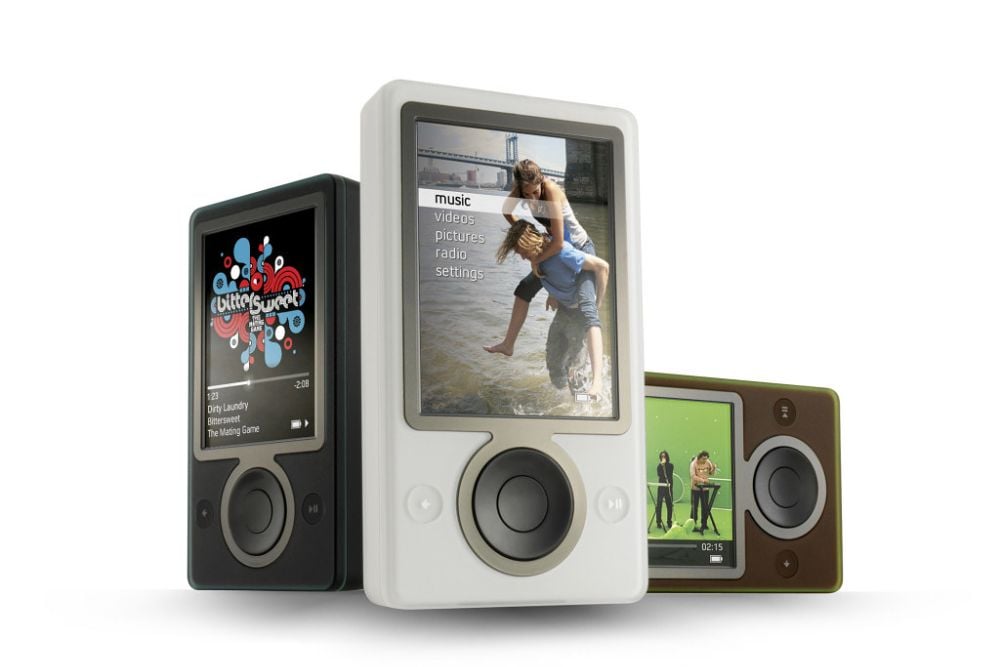
Microsoft positioned its digital music player as the foolproof alternative to Apple’s iPod, with supposedly more intuitive controls and easier music sharing. The marketing campaign emphasized how anyone could pick up a Zune and immediately understand how to use it.
Despite these claims, consumers found the interface confusing compared to Apple’s wheel navigation, and the brown color option became the butt of jokes rather than the fashion statement Microsoft intended.
Like Go2Tutors’s content? Follow us on MSN.
Segway

Few products have been hyped as much as the Segway personal transporter. Before its release, inventor Dean Kamen and his backers claimed it would be as significant as the internet and would change how cities were designed—all while being so intuitive that anyone could hop on and ride away.
The reality proved far less revolutionary. The $5,000 price tag, restrictive regulations about where they could be used, and the not-so-simple learning curve meant Segways primarily ended up as tourist attraction rentals rather than the transportation revolution they promised.
New Coke
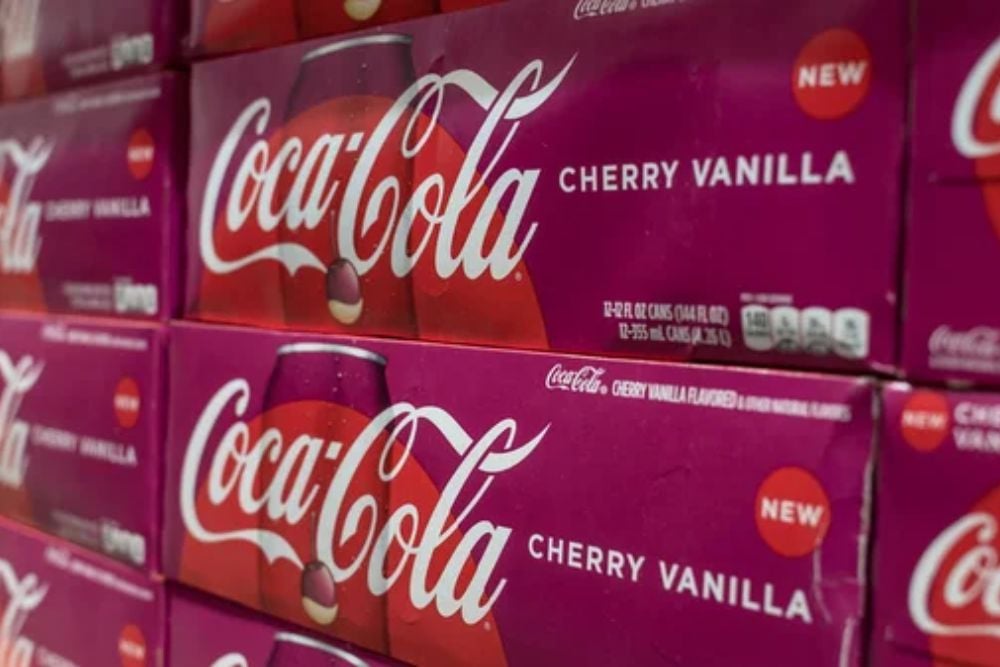
Coca-Cola’s infamous 1985 reformulation stands as perhaps the most notorious marketing disaster in business history. After extensive taste tests supposedly proved the new formula was superior and would be universally loved, executives confidently proclaimed they had created a foolproof improvement to the classic beverage.
The consumer backlash was immediate and fierce, with dedicated Coke drinkers stockpiling original formula cans and staging protests. The company reversed course just 79 days later, bringing back the original as “Coca-Cola Classic.”
WebTV

Microsoft’s WebTV (later MSN TV) was marketed as the completely foolproof way to bring internet access to non-technical users through their television sets. The advertisements specifically targeted older Americans who found computers intimidating, promising a simple, no-fail solution for getting online.
The clunky remote-based navigation, painfully slow connection speeds, and limited functionality proved frustrating even for the most patient users. The service limped along until 2013, never achieving anything close to the mainstream adoption its marketing promised.
Like Go2Tutors’s content? Follow us on MSN.
Nintendo Virtual Boy

Nintendo’s first venture into virtual reality gaming was marketed as an immersive 3D gaming experience so intuitive that anyone could pick it up and play. The reality was far different—an uncomfortable headset that could only display games in eye-straining red and black, awkward controls that frustrated even experienced gamers, and gameplay that often caused headaches and nausea.
Despite coming from the usually reliable Nintendo, the Virtual Boy was discontinued less than a year after its 1995 release.
Juicero

This $400 Wi-Fi connected juicer became the poster child for Silicon Valley excess when it launched in 2016. Marketed as a foolproof system that would revolutionize home juicing with perfectly calibrated pressing technology and QR-coded produce packs, Juicero promised to make fresh juice accessible to anyone.
The company’s downfall came when Bloomberg journalists discovered you could squeeze the juice packets by hand just as effectively as with the expensive machine. The company shut down within 16 months of launching.
HD DVD

Toshiba’s high-definition disc format was marketed as the simpler, more user-friendly alternative to Sony’s Blu-ray in the mid-2000s format war. The promotional materials emphasized how HD DVD would be completely compatible with existing DVD collections and promised foolproof setup and operation.
Despite initial support from studios like Warner Bros. and Universal, the format lost momentum when major retailers like Walmart and Netflix exclusively backed Blu-ray. By early 2008, Toshiba abandoned HD DVD, losing an estimated $1 billion in the process.
Like Go2Tutors’s content? Follow us on MSN.
Microsoft Bob

Released in 1995, Microsoft Bob was supposed to be the ultimate solution for computer novices—a friendly interface featuring cartoon assistants who would guide users through common tasks. Microsoft’s marketing claimed the software was so intuitive that even complete beginners would find computing a breeze.
Users instead found the childish interface condescending, the animations distracting, and the overall experience more frustrating than the standard Windows interface it was meant to replace.
Palm Foleo

Positioned as the perfect companion to smartphones, the Palm Foleo was marketed as a foolproof mobile companion with instant-on capability and seamless synchronization with Palm devices. Despite the confident marketing, the product was canceled before it even reached store shelves as Palm realized the $499 device offered little functionality that users couldn’t already get from laptops or their increasingly capable smartphones.
The company took a $10 million write-off for the development costs.
Amazon Fire Phone
Amazon’s entry into the smartphone market in 2014 was backed by Jeff Bezos’ personal endorsement and heavy marketing that emphasized its supposedly foolproof “Dynamic Perspective” 3D display and Firefly product recognition technology. Amazon claimed the phone would transform how people shopped and interacted with technology.
Consumers found the 3D effects gimmicky, the Amazon-focused interface limiting, and the AT&T exclusivity restrictive. Amazon took a $170 million write-down and discontinued the phone after just over a year on the market.
Like Go2Tutors’s content? Follow us on MSN.
Google+
Google’s social network was launched in 2011 with marketing that positioned it as a more intuitive and privacy-focused alternative to Facebook. The company emphasized its supposedly foolproof “Circles” feature that would make managing social connections effortless.
Despite Google’s enormous reach and integration with its popular services, users found the platform confusing rather than intuitive. Low engagement and multiple data privacy scandals eventually led Google to shut down the service in 2019.
Colgate Kitchen Entrees

In one of the stranger brand extensions ever attempted, Colgate launched a line of frozen dinners in 1982. The company marketed them as a foolproof way to have a complete meal followed by the freshness of Colgate toothpaste.
Consumers couldn’t get past the cognitive dissonance of purchasing food from a company they associated with toothpaste, and the product line quickly disappeared from freezer sections. This remains a classic business school example of brand extension gone wrong.
Sony Betamax
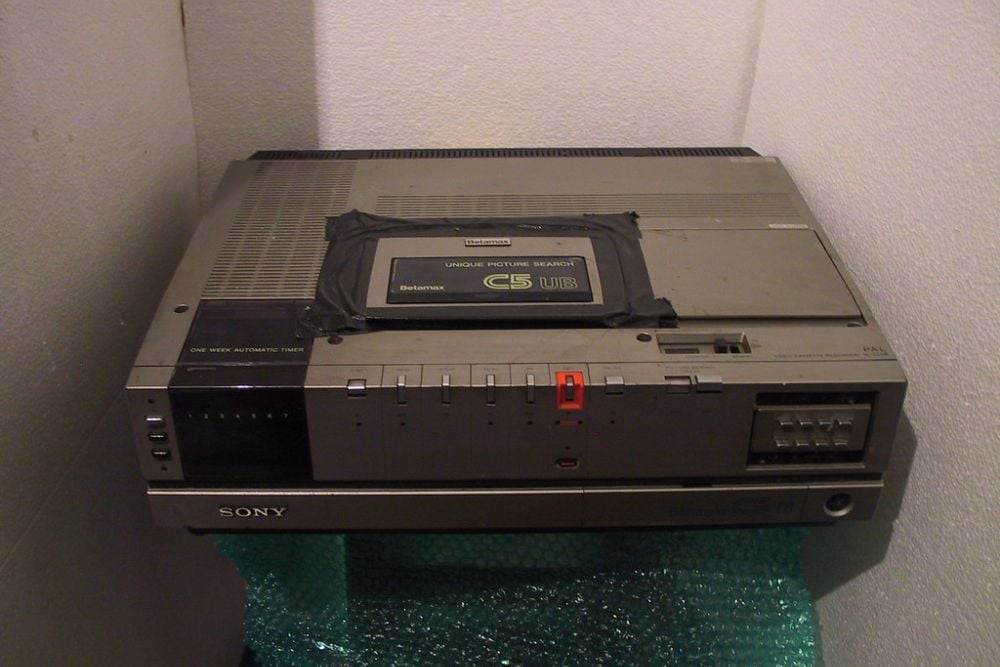
Despite offering superior picture quality to its rival VHS, Sony’s Betamax format for home video recording failed to win the format war of the 1980s. Sony marketed Betamax as the foolproof choice for quality-conscious consumers, but the higher cost and shorter recording times proved critical flaws.
While Sony focused on technical superiority in its marketing, consumers prioritized recording length and rental availability—areas where VHS held decisive advantages.
Like Go2Tutors’s content? Follow us on MSN.
Ford Edsel

The Edsel was positioned as Ford’s foolproof entry into the medium-priced car market when it launched in 1957. After a teaser campaign that built enormous expectations, the actual vehicle failed to impress.
Its unusual vertical grille was compared unfavorably to anatomical features, the push-button transmission proved unreliable, and the pricing structure confused consumers. Ford spent the equivalent of $2.5 billion in today’s dollars developing the Edsel, only to discontinue it after just over two years.
Motorola Rokr

The first collaboration between Apple and Motorola was marketed as the foolproof way to bring iTunes to mobile phones in 2005. Despite the hype surrounding the partnership, the execution fell woefully short of expectations.
The phone could only store 100 songs regardless of memory capacity, transferred music painfully slowly via USB, and featured an awkward interface that satisfied neither Apple nor Motorola fans. Steve Jobs reportedly hated the device, and Apple released its own iPhone less than two years later, rendering the Rokr instantly obsolete.
Lessons from Market Failures

These product failures remind us that consumers ultimately decide what works, regardless of marketing claims or executive confidence. What strikes me about these examples is how many came from otherwise successful companies with enormous resources and talent.
Even billion-dollar corporations with armies of designers, engineers, and marketers can misread the market or execute poorly on promising concepts. The key takeaway? No product is truly foolproof—especially when companies fool themselves into believing their own hype before truly understanding what their customers actually need.
Like Go2Tutors’s content? Follow us on MSN.
More from Go2Tutors!

- 18 Unexpectedly Valuable Collectibles You Might Have Lying Around
- 20 Little-Known Historical Battles That Had Huge Consequences
- 20 Historical Artifacts That Scientists Can’t Explain
- 15 Inventions That Were Immediately Banned After Being Created
- 20 Actors Who Were Almost Cast in Iconic Roles
Like Go2Tutors’s content? Follow us on MSN.