15 Extreme Historical Sports That Made Modern Games Look Tame
People today think mixed martial arts and extreme skiing are wild, but history shows us just how soft modern times have become. Ancient civilizations and past cultures created competitions that would make even the bravest athletes today think twice.
These weren’t just games for entertainment; they were tests of strength, courage, and sometimes sheer survival instinct that pushed human limits in ways most people can’t imagine. Ready to see what real danger looked like before safety regulations existed?
Let’s dive into some of the most intense athletic competitions ever created.
Pankration

Ancient Greece gave the world democracy, philosophy, and a fighting style that made today’s cage matches look like pillow fights. Pankration combined wrestling and boxing with almost no rules, allowing competitors to do nearly anything except biting and eye gouging.
Fighters would choke each other unconscious, break bones without hesitation, and continue battling until someone either submitted or passed out. The sport was so brutal that deaths in the arena weren’t uncommon, yet it remained one of the most popular Olympic events for over a thousand years.
Mesoamerican Game
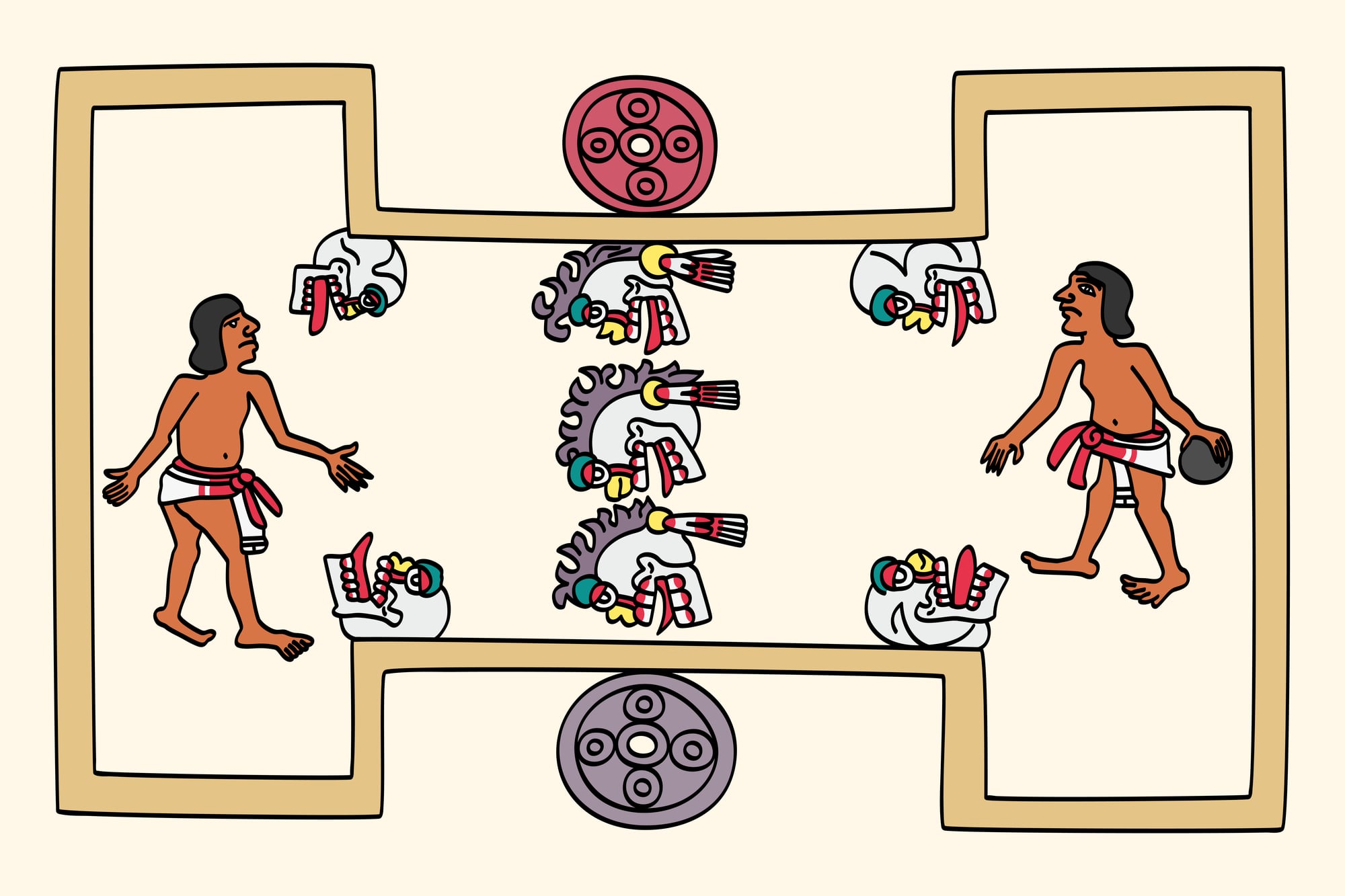
The ancient Maya and Aztec civilizations played a game that turned athletics into life-or-death stakes. Players used their hips, elbows, and knees to keep a heavy rubber orb in motion, trying to pass it through stone rings mounted high on arena walls.
The losing team, or sometimes their captain alone, would face execution as a ritual offering to the gods. Archaeological evidence shows that some games involved decapitated heads instead of orbs, making this sport a religious ceremony wrapped in athletic competition.
Chariot Racing

Rome’s most dangerous sport killed more athletes than any gladiatorial combat ever did. Drivers would race four-horse chariots around tight turns at breakneck speeds, often crashing into walls or other competitors.
The reins were tied around the driver’s waist, meaning any crash could drag them under wheels and hooves before they could cut themselves free. Successful racers became celebrities with massive followings, but most careers ended in crippling injuries or death before age thirty.
Jousting
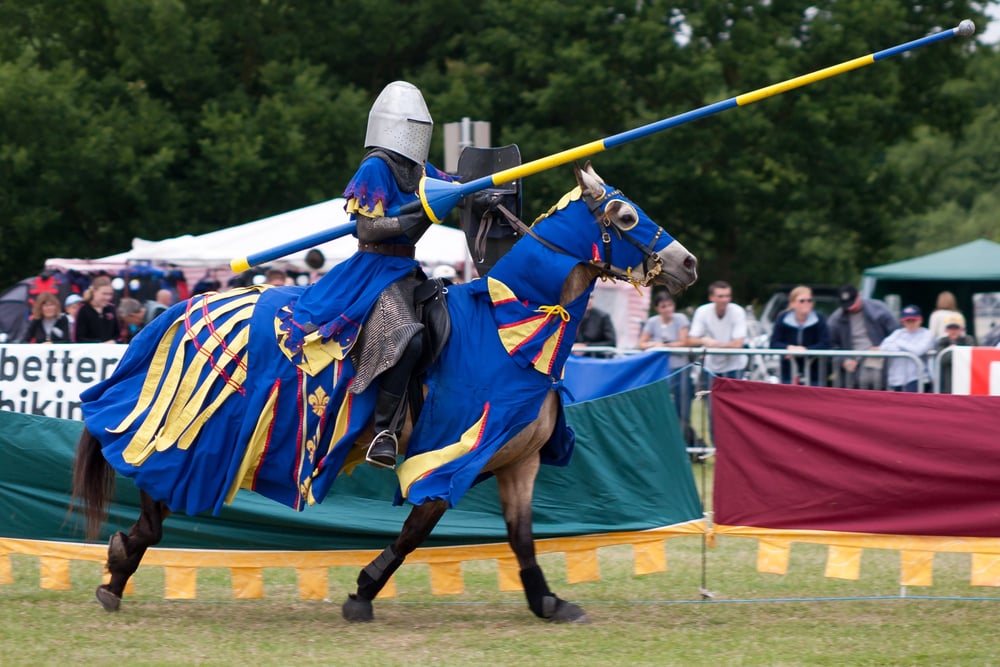
Medieval knights turned warfare training into a spectator sport that regularly left participants dead or permanently disabled. Two armored riders would charge at each other on horseback, each trying to knock the opponent off with a long wooden lance.
The impact could shatter lances into deadly splinters, crush armor into the body underneath, or send riders flying backward to land on their heads. King Henry II of France died from a jousting accident when a broken lance pierced his helmet and eye, yet the sport continued for centuries afterward.
Calcio Storico
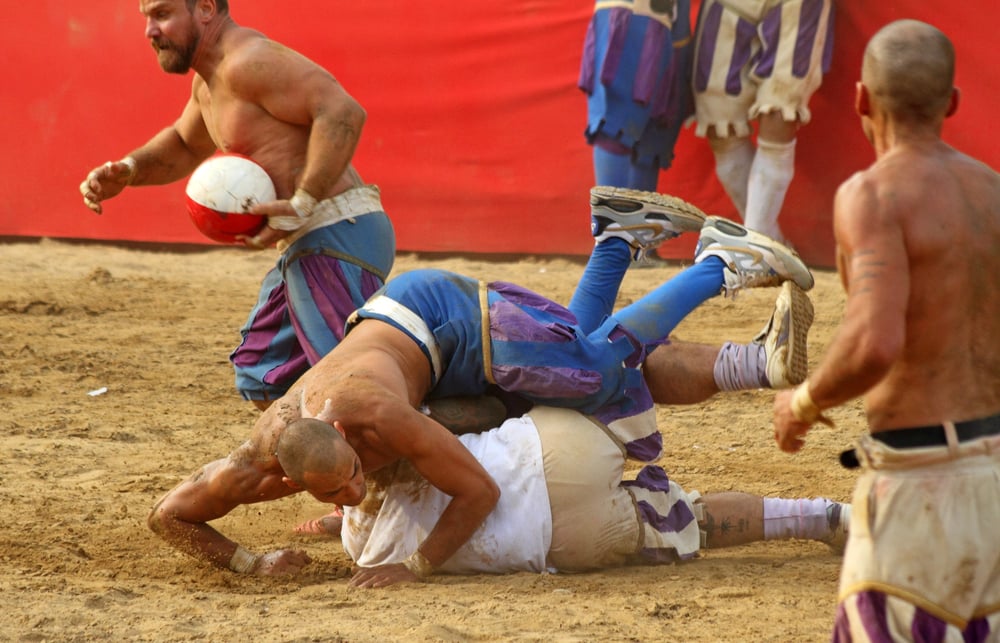
Florence, Italy created a version of football in the 16th century that makes modern rugby look gentle. Twenty-seven players per team would fight, tackle, and punch their way across a sand-covered piazza, trying to score goals while referees looked the other way at most violence.
Head-butting, choking, and pile-driving opponents into the ground were all considered fair play. The matches still happen annually in Florence, maintaining traditions that send multiple players to the hospital every single year.
Shin Kicking

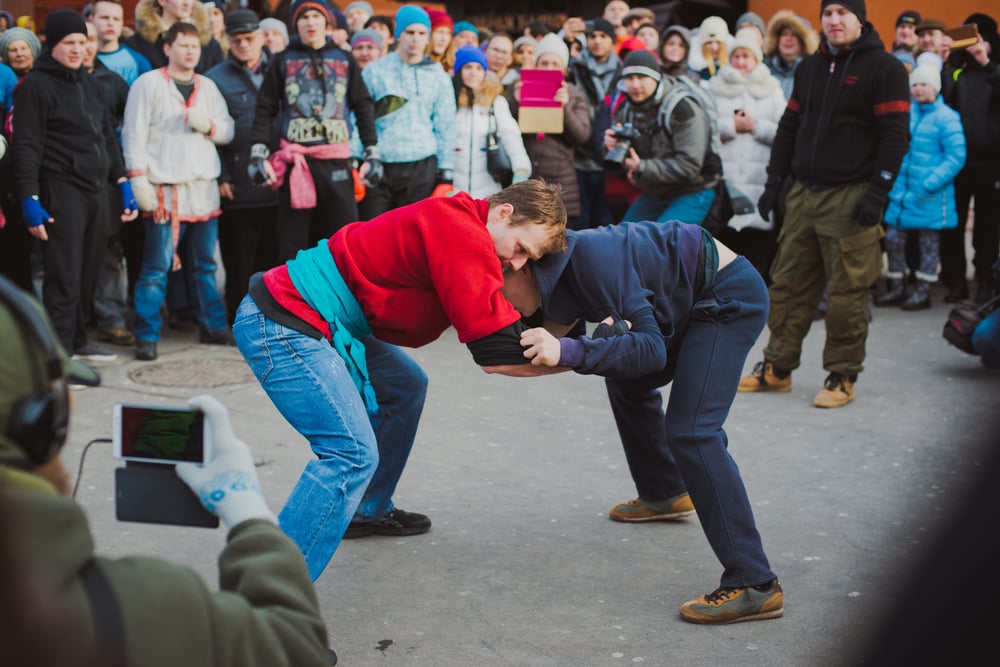
English laborers in the 17th century created a sport so simple and painful that it’s hard to believe anyone volunteered. Two competitors would grab each other by the shoulders and kick each other’s shins repeatedly until one person gave up from the pain.
Participants would toughen their shins beforehand by hitting them with hammers, and some would stuff straw down their pants for minimal protection. The sport disappeared for decades but made a comeback in modern times with better safety rules that the original players would have mocked.
Buzkashi
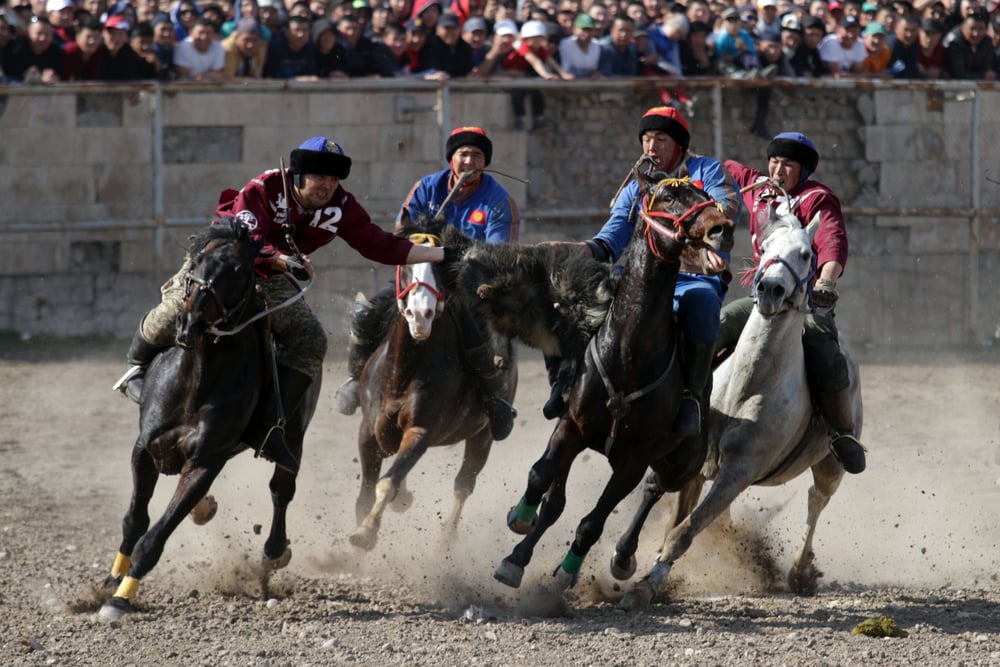
Afghanistan’s national sport involves dozens of horseback riders fighting over a headless goat carcass, trying to carry it to a goal. The game has almost no rules beyond the basic objective, allowing riders to use whips on each other and their horses while battling for control.
Matches can last for days, with riders getting trampled, falling from horses at full gallop, or getting crushed between animals. The winning rider earns serious bragging rights and sometimes prizes, but broken bones are so common that most players expect them.
Ancient Boxing
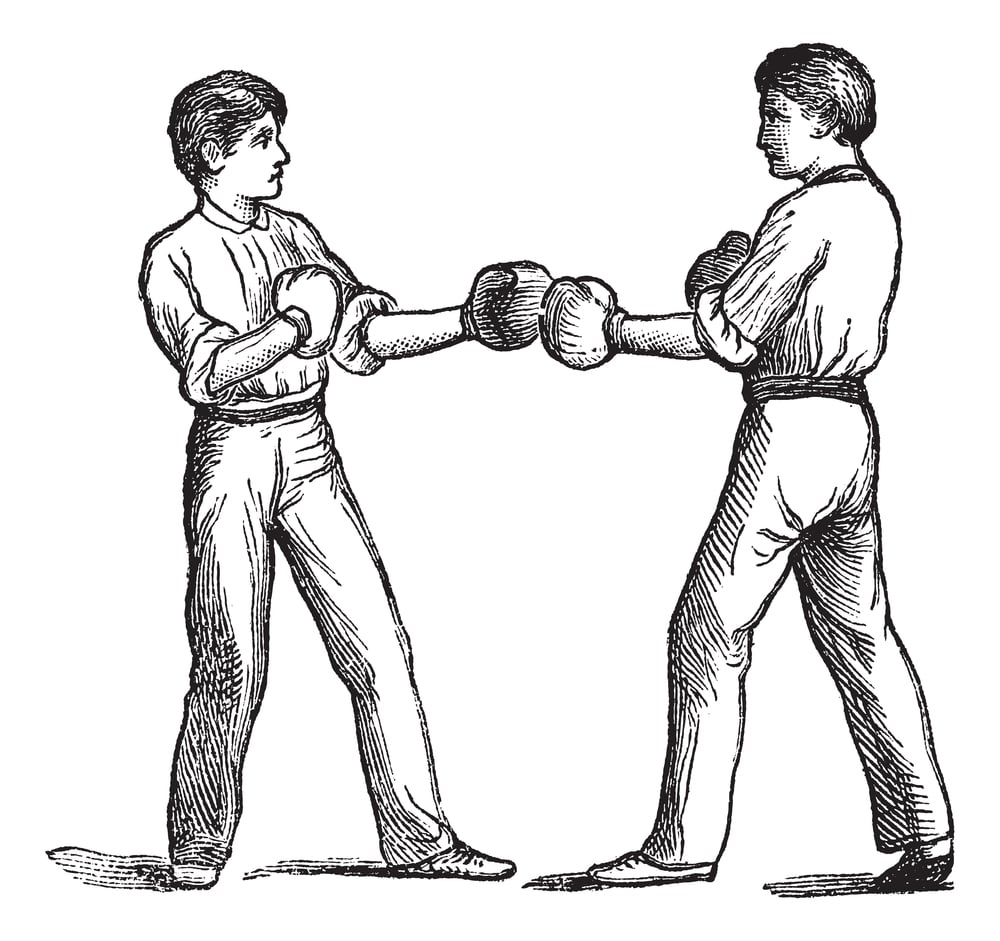
Greek and Roman boxing made modern prizefighting look choreographed and safe by comparison. Fighters wrapped their hands in leather straps called cestus, which were sometimes studded with metal to increase damage.
There were no weight classes, rounds, or time limits, just two men hitting each other until one couldn’t continue. Fighters aimed for maximum damage to the head and face, and deaths in the ring were accepted as part of the sport rather than tragic accidents.
Hurling

Ireland developed a stick-and-orb game over three thousand years ago that still ranks among the world’s fastest and most dangerous field sports. Players swing wooden sticks called hurleys at a small orb traveling up to 110 miles per hour, with minimal protective gear beyond helmets.
The game allows full-contact tackling and aggressive stick work that frequently breaks bones and knocks out teeth. Despite the danger, it remains one of Ireland’s most popular sports, with players considered local heroes for their toughness.
Prussian Military Swimming

The Prussian army in the 19th century created swimming competitions that tested soldiers under deliberately dangerous conditions. Swimmers had to cross rivers while wearing full military uniforms, carrying weapons, and sometimes even pulling small boats.
The exercises happened in cold water regardless of weather, and soldiers who couldn’t complete the course faced severe punishment. Drownings were common enough that the exercises became controversial, but military leaders defended them as necessary for combat readiness.
Venetian Bridge Battles
Venice hosted organized mass brawls on its bridges where hundreds of fighters from rival neighborhoods would clash. The goal was to push the opposing team completely off the bridge into the canal below.
Fighters wore spiked gloves and metal-studded shoes to gain advantage, and serious injuries were expected outcomes rather than accidents. The battles drew huge crowds until authorities finally banned them in the 18th century after several deaths made the sport too controversial to continue.
Kabaddi
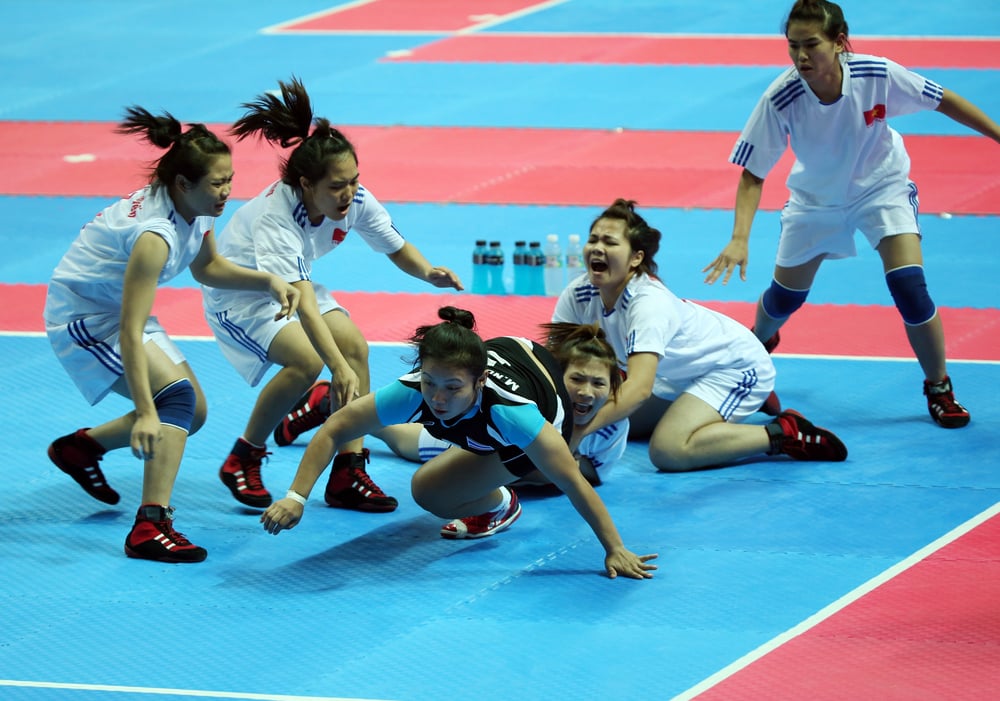
Ancient India created a contact sport that requires players to hold their breath while raiding enemy territory. A single raider enters the opposing half, continuously chanting ‘kabaddi’ to prove they haven’t inhaled, trying to tag defenders and return without getting tackled.
The defending team can grab, pull, and pile on the raider to prevent escape. Modern versions have added safety rules, but traditional village games still feature the brutal, no-holds-barred style that has existed for four thousand years.
Cudgel Fighting
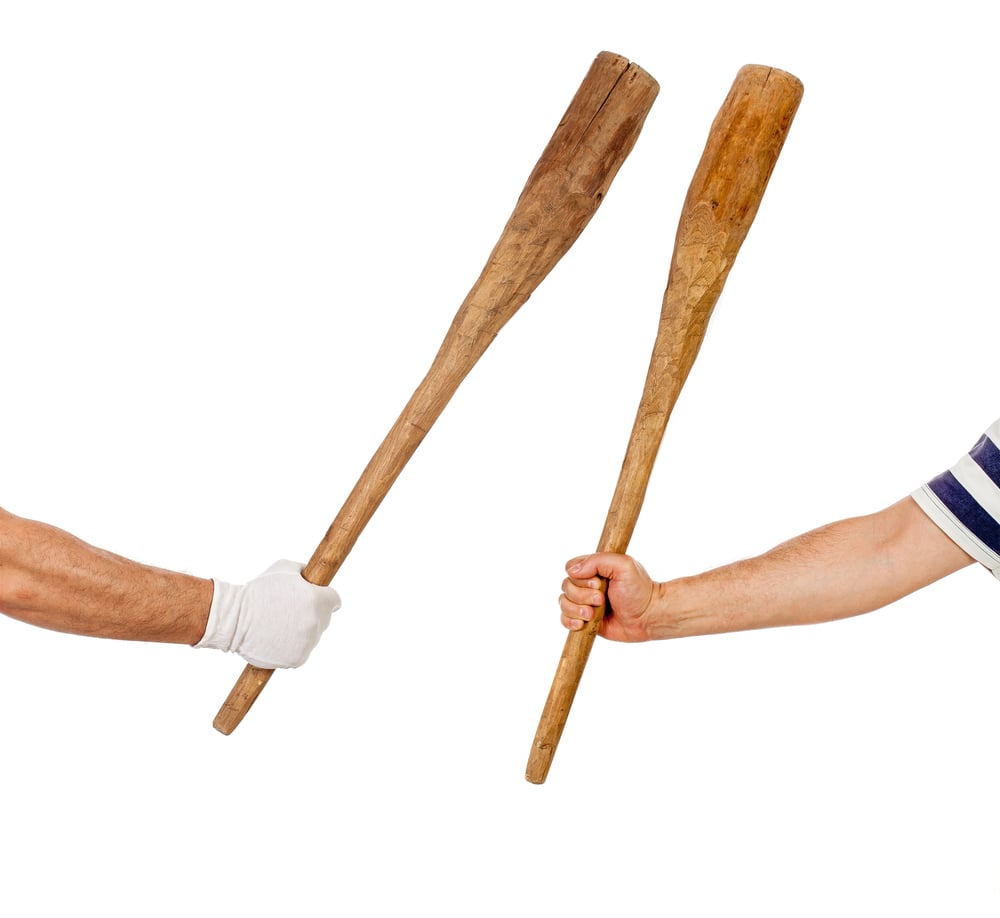
European villagers across several nations used to fight with sticks – often ending up with busted heads or cracked arms. One guy stood opposite another, swinging a wooden club at the opponent’s noggin while trying not to get hit himself.
Whoever managed to make a cut above the brow first claimed victory. They’d wrap rags around their heads, praying it’d help – and guessing if their bones were strong enough.
Deep down, they knew a bad strike could mess up their mind for good.
Samurai Horseback Archery
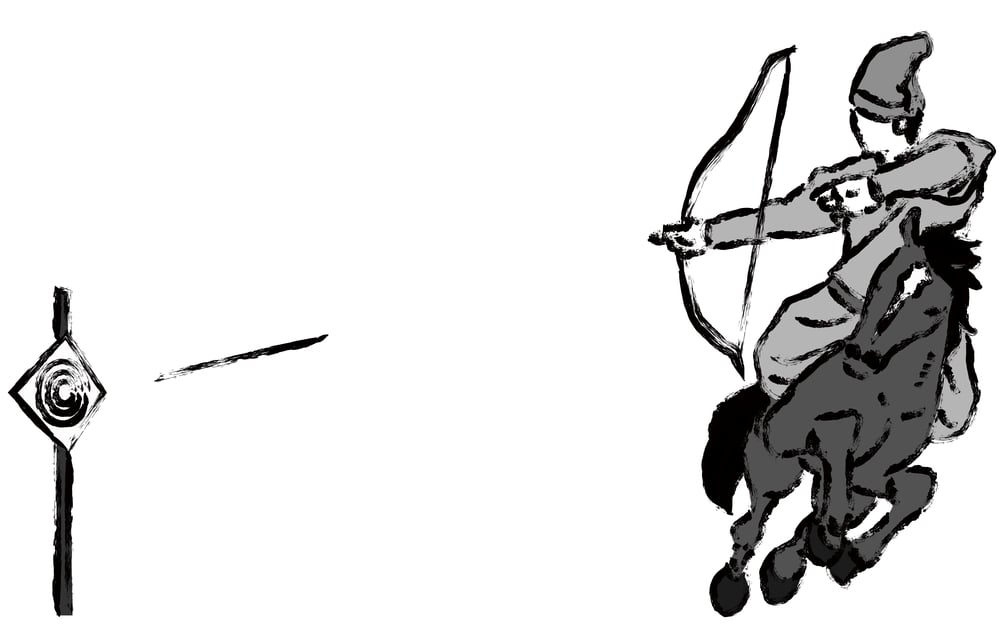
Japanese fighters made horseback archery a serious contest where hitting tiny marks was key, even when moving fast. Racers dashed along a flat path on thundering horses, letting loose arrows at little wooden posts.
A miss meant embarrassment; tumbling off your steed or nearly hitting a bystander? That spelled disaster. Learning this skill took ages, with every session – whether trial or real deal – carrying danger.
Wipeouts happened, shots went wrong, and sometimes people didn’t walk away.
Fox Tossing

Back in the 1600s and 1700s, European aristocrats came up with a strange, harsh game – sounds made-up, but it was real. Instead of working together, pairs stood at each end of a cloth loop, ready when keepers let loose foxes, bunnies, or tiny beasts on the open ground.
Once one dashed over the fabric, both people pulled fast, flinging the animal skyward. Whoever sent theirs further took the prize; meanwhile, many creatures didn’t survive the fall.
One event held by Augustus II of Poland saw 647 foxes, 533 hares, 34 badgers, plus 21 wildcats die – all within just twenty-four hours.
When Danger Was the Point
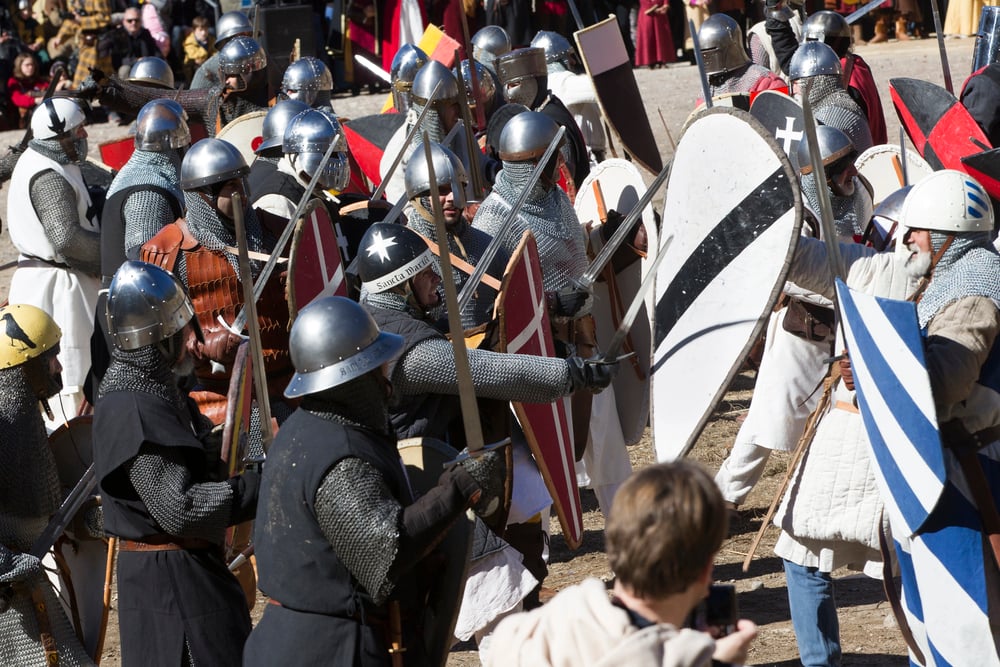
These old games expose a weird truth about humans plus how we deal with danger. Safety wasn’t overlooked due to ignorance – risk was usually the main point, either for combat prep, sacred acts, or showing grit.
Today’s players also go all out, risking harm, yet rules, doctors, and gear have wiped out the laid-back view of dying that marked those early contests. Some of these activities survive today, changed – but that tells us one thing: our hunger for wild tests is still here, only now it’s shaped into safer versions.
More from Go2Tutors!

- The Romanov Crown Jewels and Their Tragic Fate
- 13 Historical Mysteries That Science Still Can’t Solve
- Famous Hoaxes That Fooled the World for Years
- 15 Child Stars with Tragic Adult Lives
- 16 Famous Jewelry Pieces in History
Like Go2Tutors’s content? Follow us on MSN.