15 Facts About Puffins and Their Habitats
There’s something almost cartoonish about puffins that makes them impossible to ignore. Those bright orange beaks, the tuxedo-like plumage, and that slightly bewildered expression — they look like birds designed by someone with a sense of humor.
But beneath that endearing exterior lies a remarkably adapted seabird that’s mastered life on some of the world’s most challenging coastlines. These compact dynamos spend most of their lives battling North Atlantic swells, yet return to land each year with the precision of seasoned commuters.
Clowns of the Sea
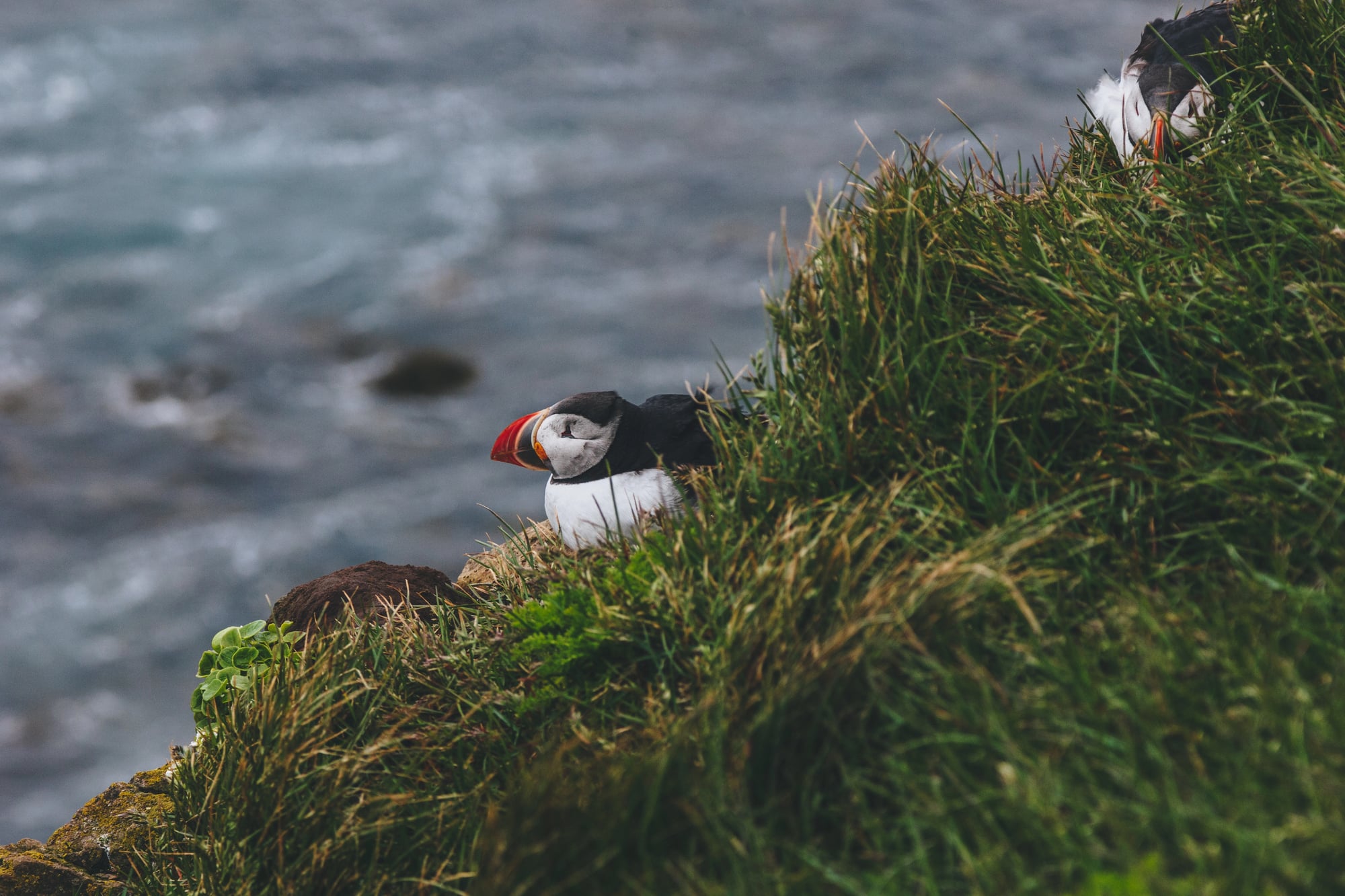
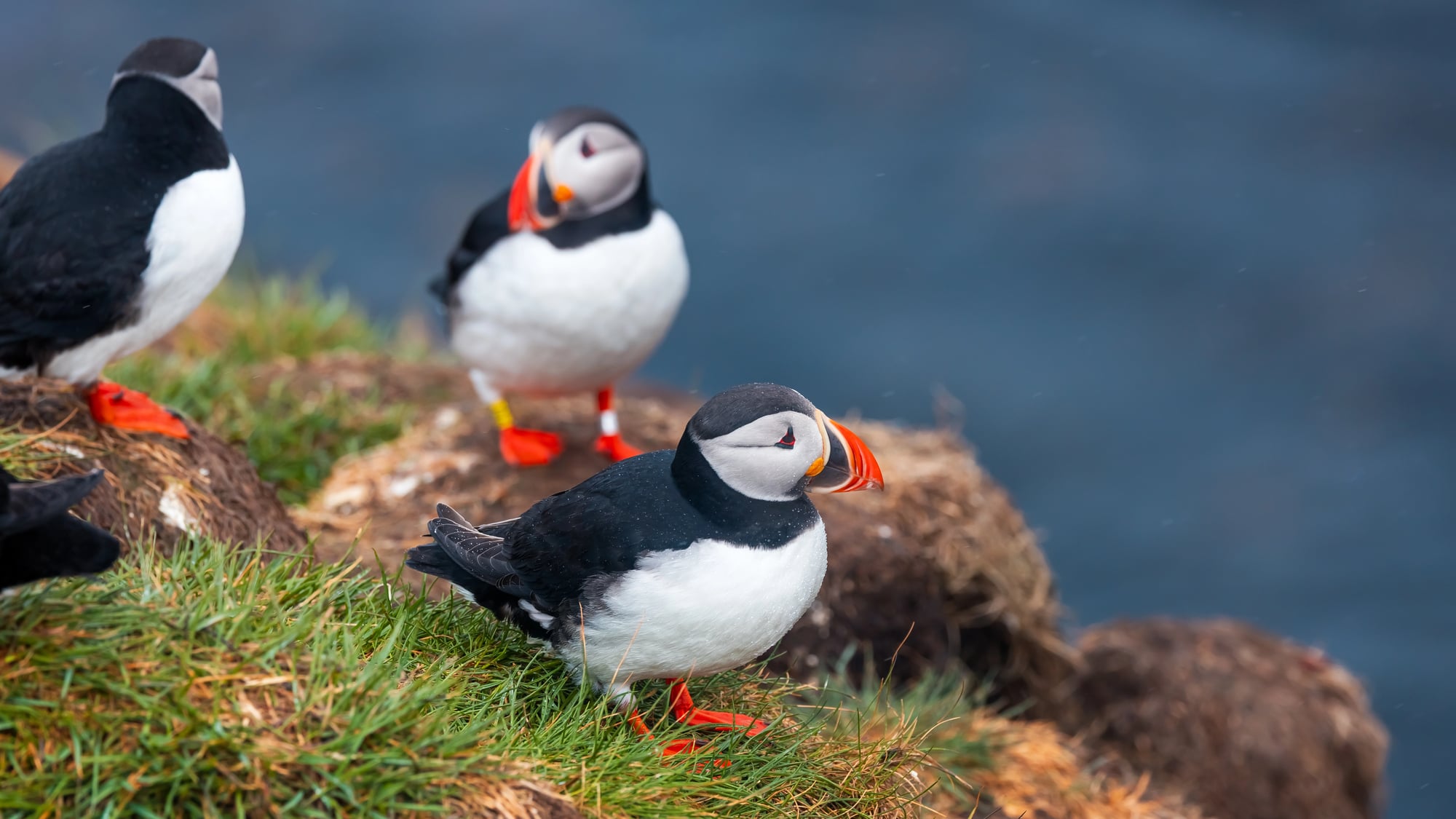
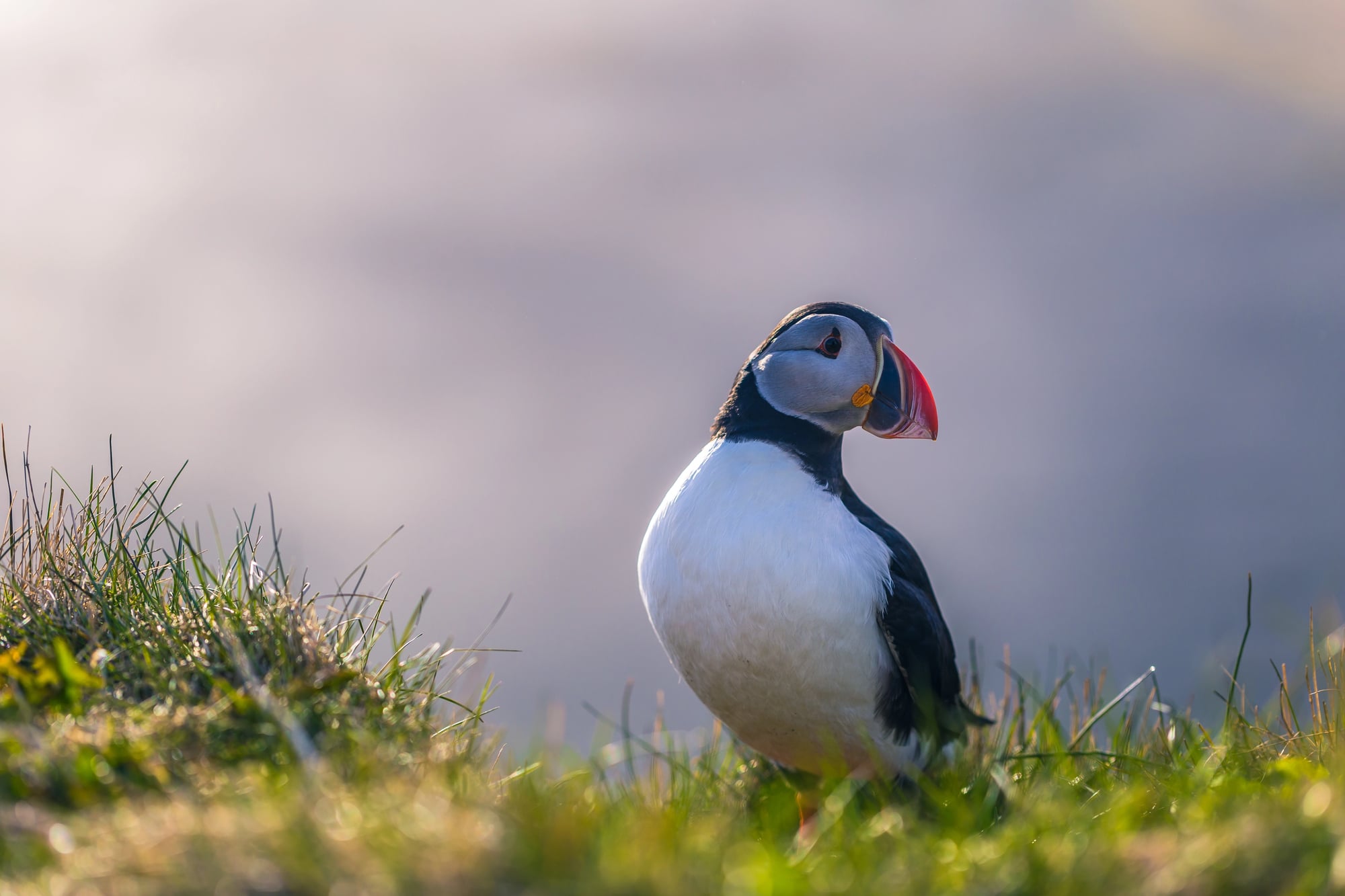
Puffins earned their nickname “clowns of the sea” for obvious reasons. That oversized triangular beak changes color seasonally, shifting from dull gray in winter to brilliant orange during breeding season.
The transformation happens because the outer layers of the beak actually shed and regrow each year. Those webbed feet match the beak perfectly.
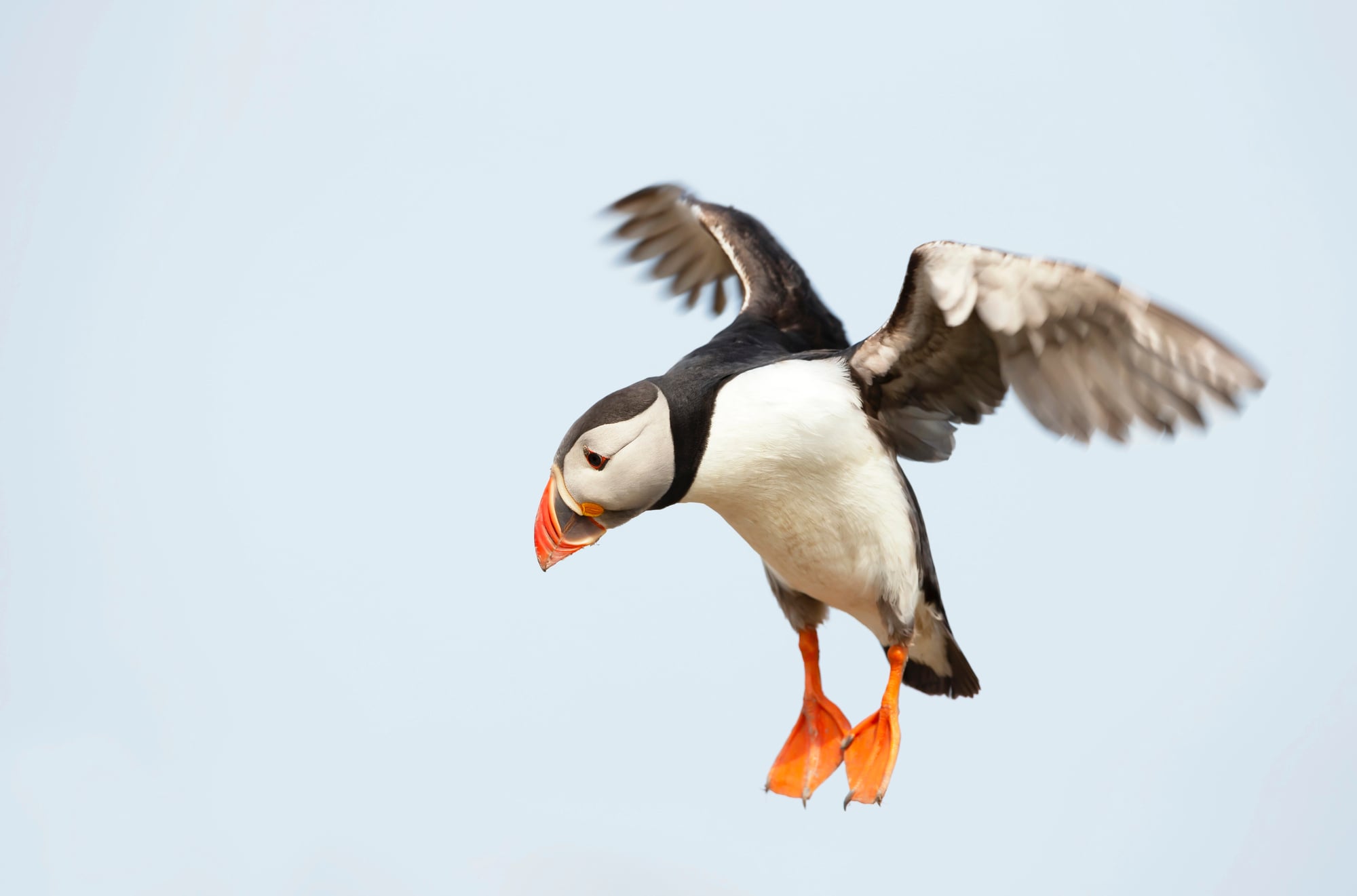
Bright orange landing gear that works equally well on slippery rocks and choppy water.
Swimming With Wings
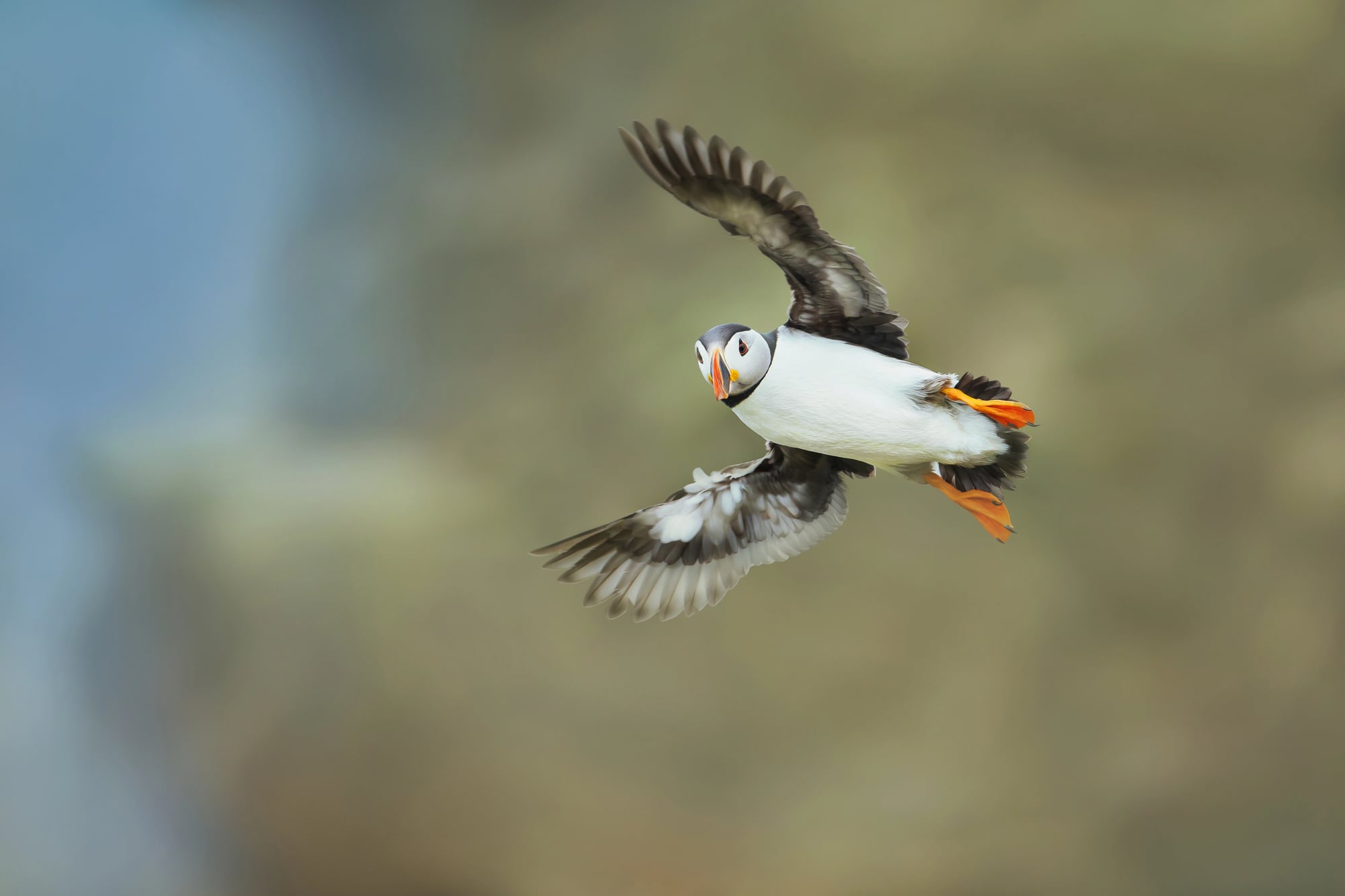
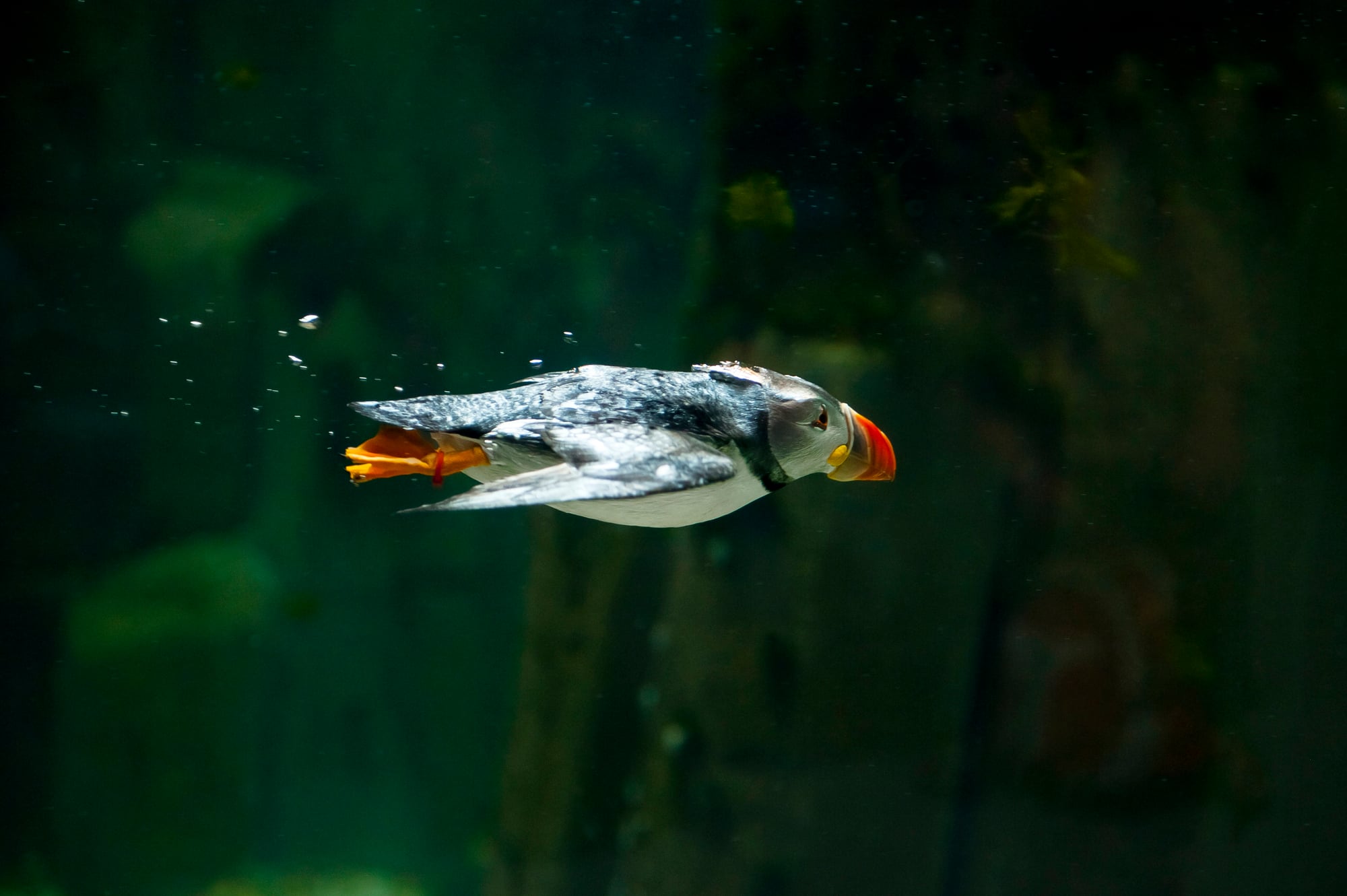
Most birds that swim use their feet as propulsion. Puffins throw that playbook out the window and fly underwater instead.
Those stubby wings that look almost comically small for flight become perfect underwater propellers, beating at the same rapid pace whether they’re 50 feet above the waves or 50 feet below them.
Arctic and Atlantic Homes
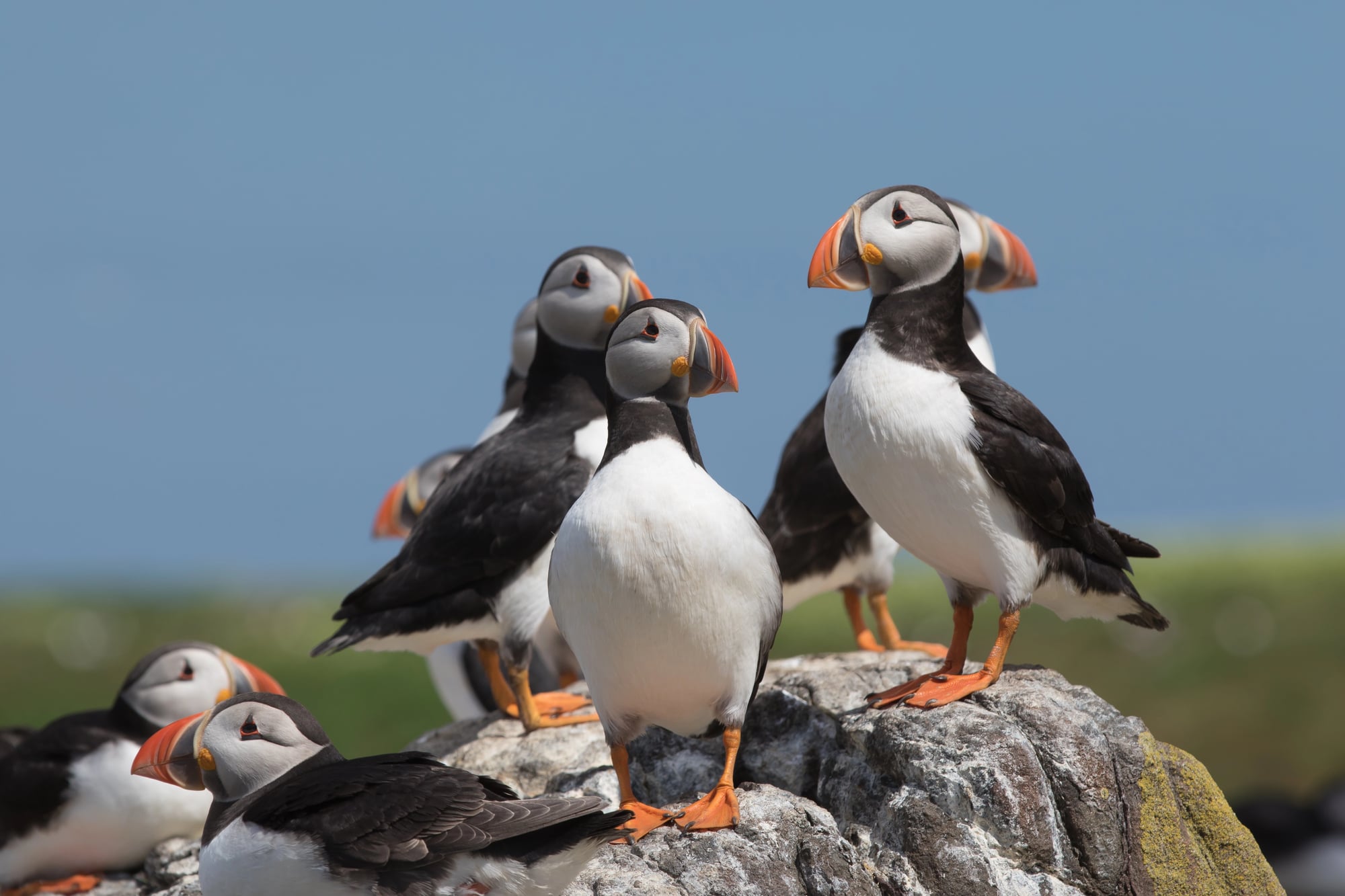
Puffins live exclusively in the North Atlantic and North Pacific regions. The Atlantic puffin — the one most people picture — breeds from Maine up to Greenland and across to Norway, Iceland, and the British Isles.
Meanwhile, their Pacific cousins (horned and tufted puffins) claim territory from California to Alaska and across to Russia and Japan. Cold water defines their world.
These aren’t birds you’ll find basking in tropical climates.
Seasonal Transformation Artists
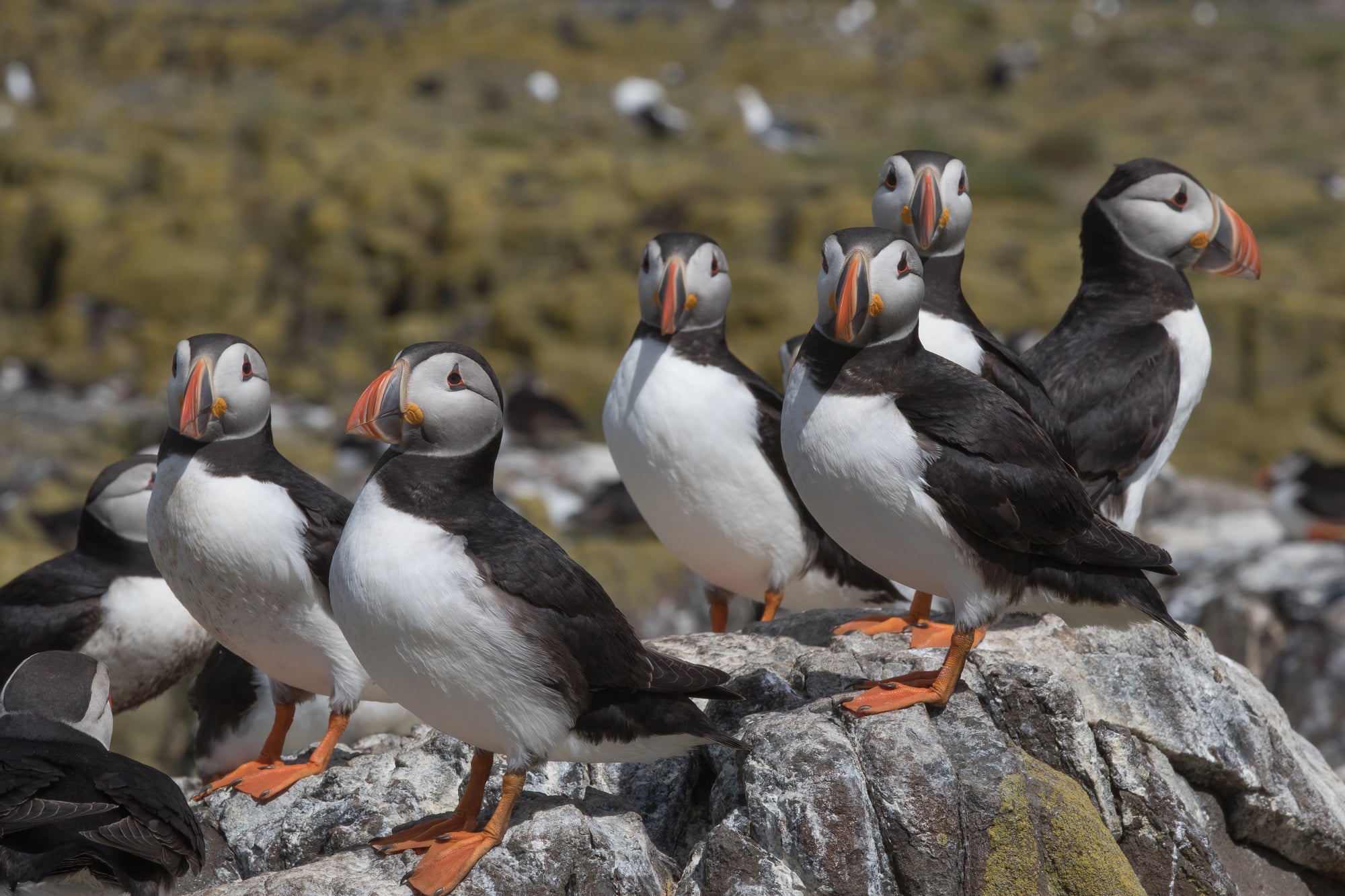
The puffin that appears on countless calendars and coffee mugs exists for only about four months each year — breeding season puffins are essentially dressed up for a formal event they attend annually, and the rest of the year they look like entirely different birds (which explains why spotting them offshore in winter often baffles even experienced birders). During those non-breeding months, they shed the colorful beak plates, their faces turn from stark white to dusky gray, and those distinctive orange legs fade to a muted yellow.
So the “classic” puffin appearance is really their special occasion outfit. The drab winter version is who they are most of the time.
But this isn’t vanity — it’s strategy wrapped in practicality, since that bright breeding plumage serves as both a beacon for potential mates and a billboard announcing their readiness to reproduce.
Master Excavators
Puffins approach nest-building like miners approaching a new shaft. They dig burrows that stretch three feet deep into clifftop soil, carving out tunnels with their beaks and claws until they reach a suitable chamber for their single egg.
The work is methodical and exhausting — dirt flies in all directions as pairs take turns excavating their future home. Some puffins return to the same burrow year after year, like homeowners with a mortgage.
Others abandon last year’s excavation and start fresh. The real estate market on puffin cliffs operates on its own mysterious logic.
Single Egg Strategy
One egg per year. That’s the puffin reproductive strategy, and it’s a high-stakes gamble that reflects the harsh mathematics of their environment.
While other seabirds hedge their bets with multiple eggs, puffins pour all their energy into that single white oval, roughly the size of a chicken egg but more precious than gold in the breeding colony’s economy.
The egg incubation becomes a tag-team effort lasting about 40 days. Both parents take shifts, keeping their singular investment warm while the other ventures out to sea for food.
Fish-Carrying Champions
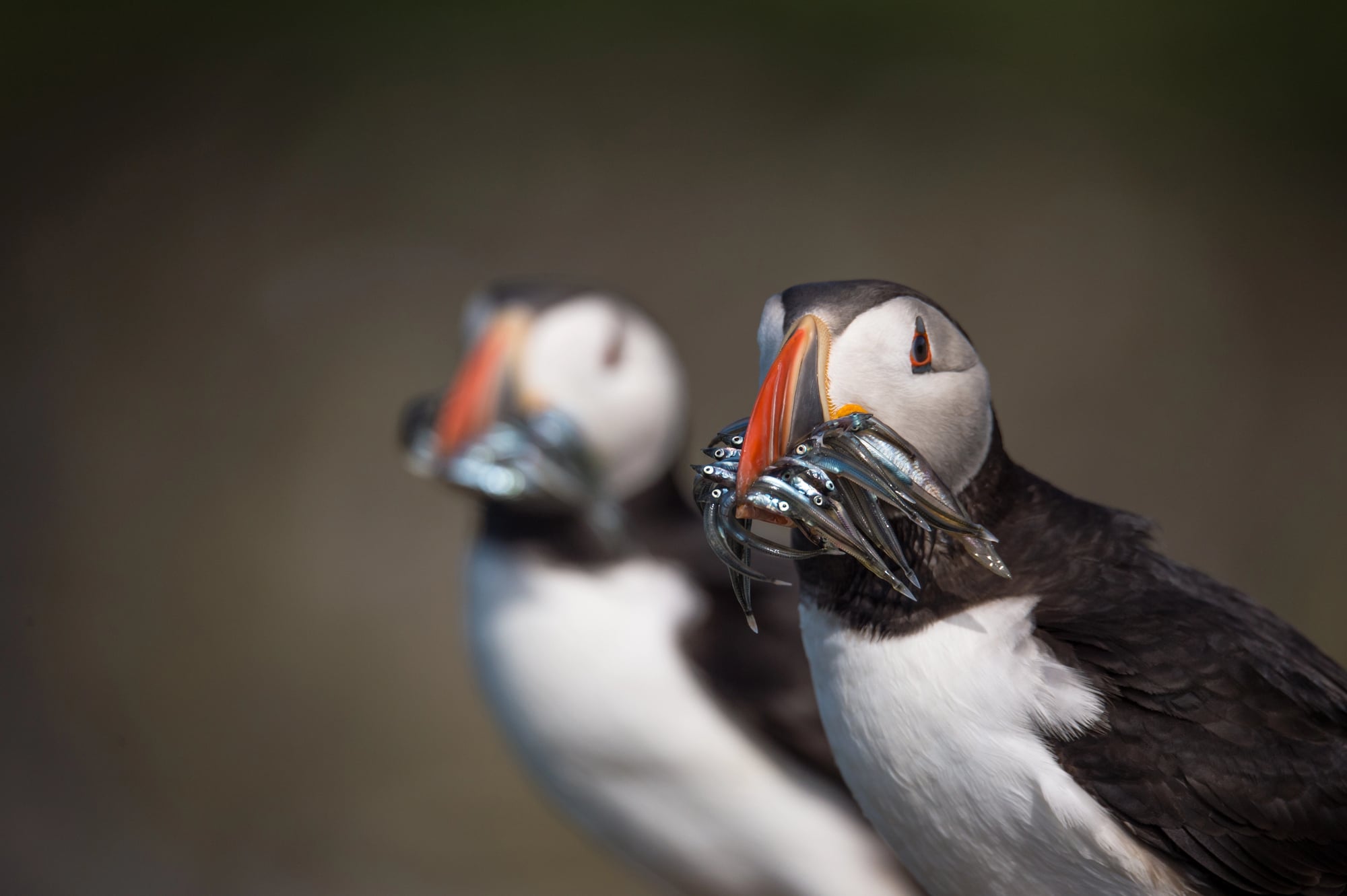
A puffin’s beak can hold roughly a dozen small fish crosswise — all at once, all still alive and wriggling. The sight defies physics: how does a bird catch and arrange multiple fish in its mouth without losing the first ones?
The answer lies in backward-facing spines on the tongue and roof of the mouth. Once a fish slides past those spines, it’s locked in position.
Each additional catch gets added to the collection without disturbing the previous captives.
Deep Diving Abilities
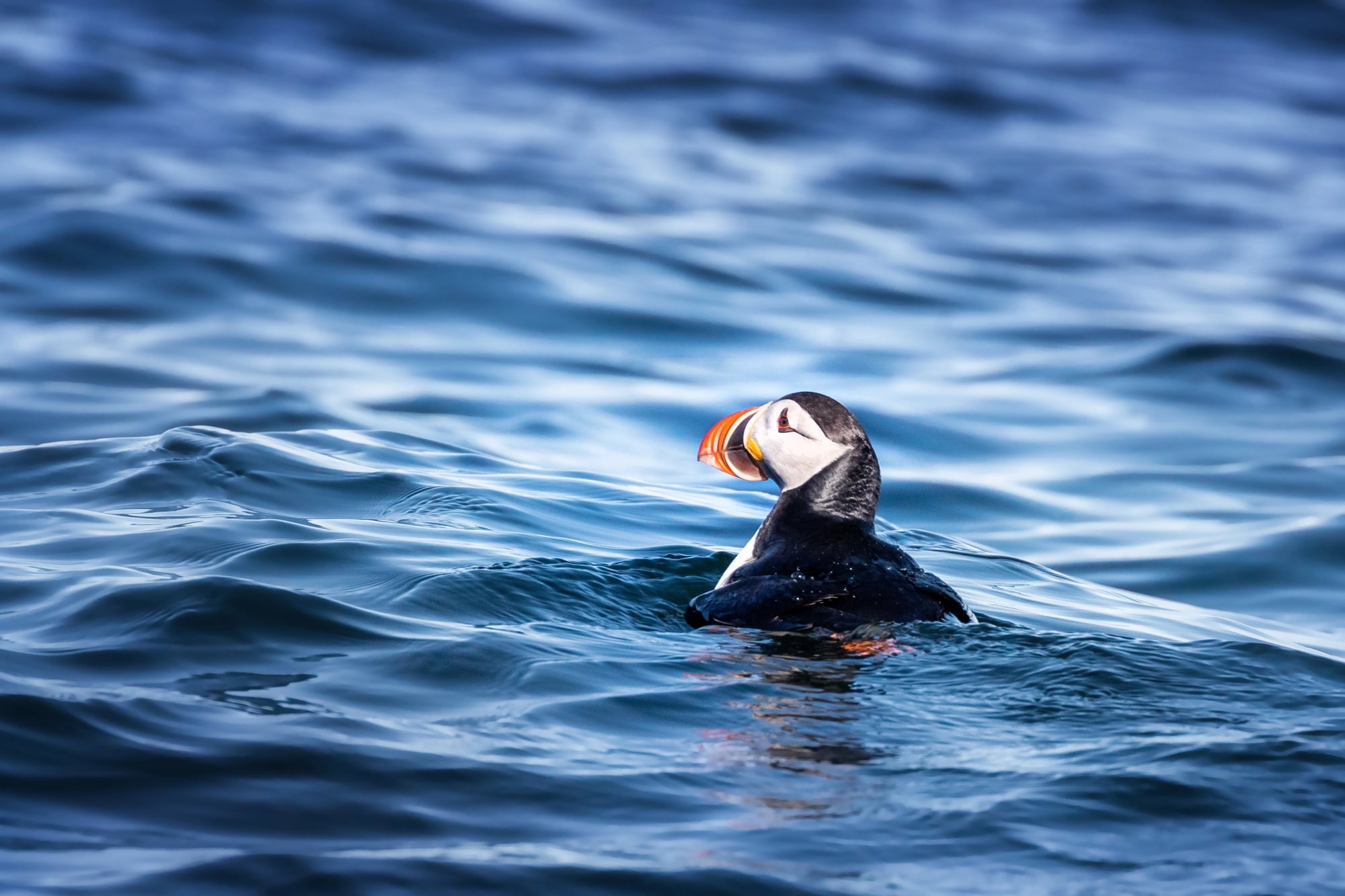
Puffins routinely dive to depths of 60 feet, but they’re capable of much more ambitious descents. The deepest recorded puffin dive reached 200 feet — a plunge that takes them into a world of crushing pressure and near-total darkness.
At those depths, sunlight becomes a memory and fish become shadows detected more by movement than sight.
Colony Life Dynamics

There’s a peculiar democracy that governs puffin colonies, where thousands of birds somehow coordinate their breeding schedules without any apparent leadership structure — arrivals at breeding sites happen within remarkably narrow windows each spring, as if every puffin received the same mysterious calendar invitation (and perhaps they did, written in shifting daylight and water temperature rather than ink).
These colonies operate on an unspoken understanding that personal space consists of exactly one burrow entrance plus about two feet in every direction. Violate that boundary and expect a sharp reminder delivered via beak.
Territory disputes rarely escalate beyond posturing and the occasional wing-slapping confrontation. Most conflicts resolve themselves through what can only be described as aggressive billing — two puffins grabbing each other’s beaks and engaging in a bizarre tug-of-war until one bird decides the argument isn’t worth continuing.
Fledgling Strategy
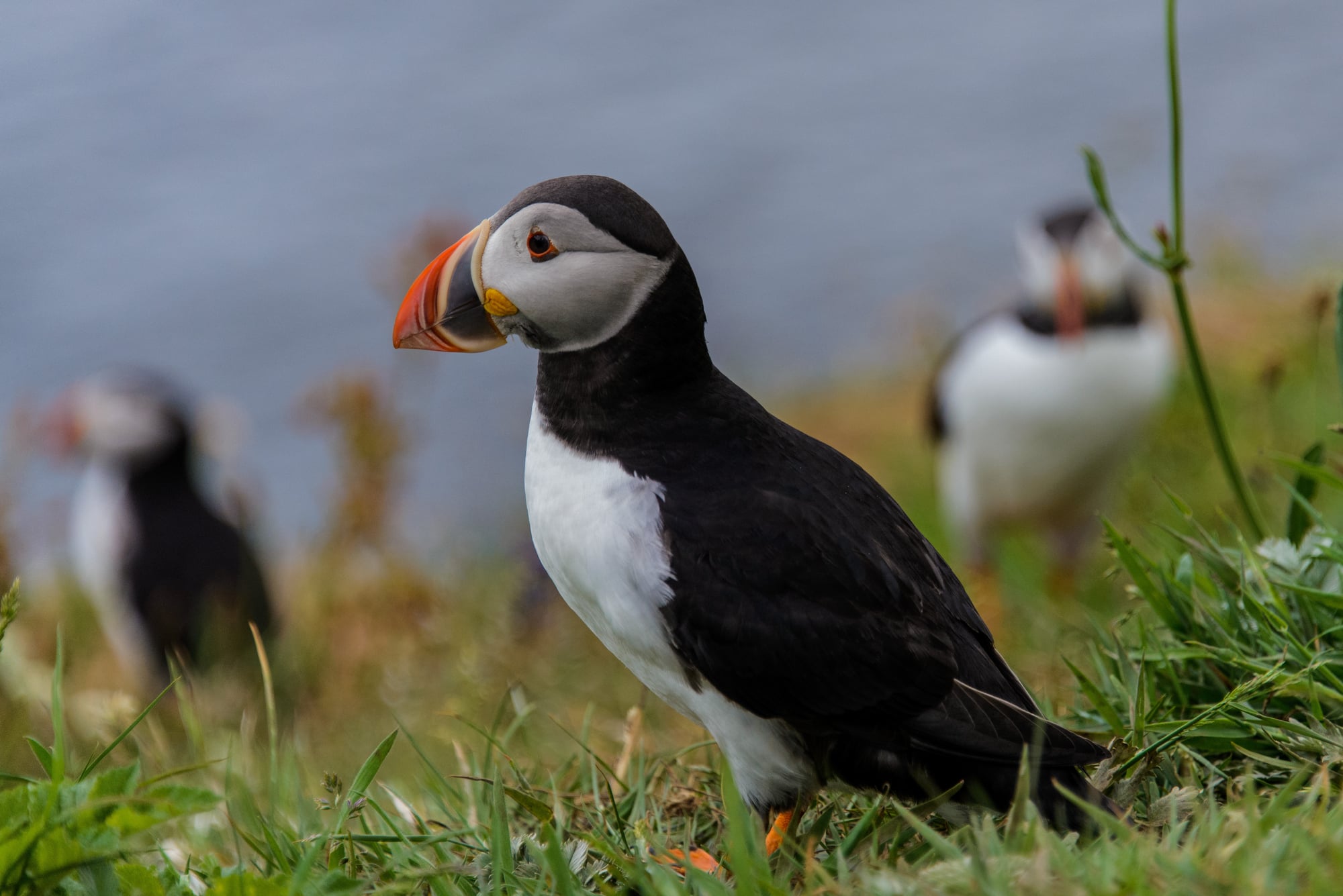
Puffin chicks spend roughly 40 days underground before making their first flight — and that maiden voyage is typically a one-way ticket to the open ocean. No practice flights around the colony, no supervised gliding lessons with mom and dad.
They emerge from their burrows at night, scramble to the cliff edge, and leap into darkness toward the sound of waves below. Most make it.
The ones that don’t become part of the harsh arithmetic that governs seabird populations. Those that survive won’t return to land for another three to five years.
Winter Ocean Wandering
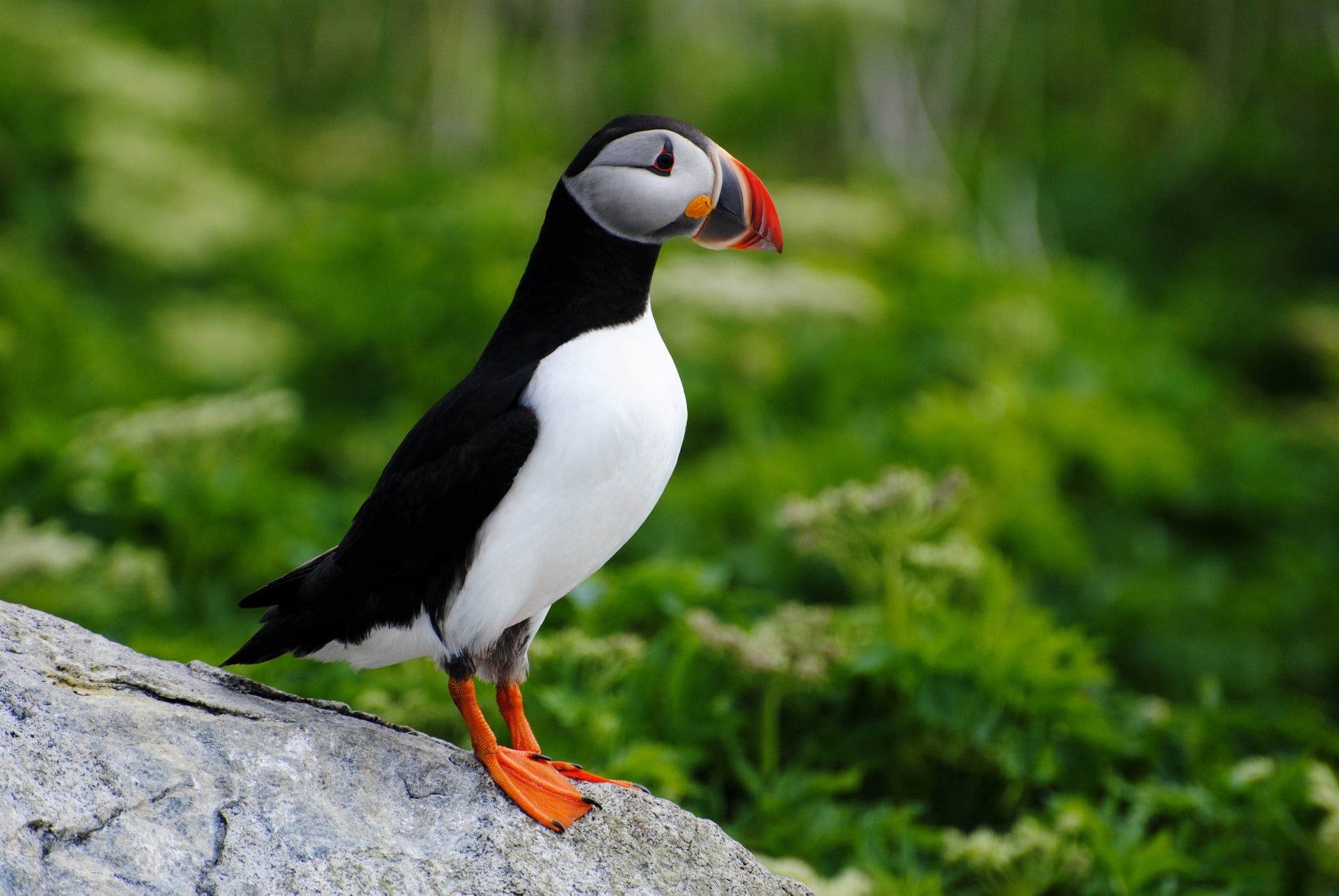
Winter transforms puffins into nomads of the North Atlantic. They scatter across thousands of square miles of open ocean, riding swells and following fish populations in patterns that remain largely mysterious to researchers.
Satellite tracking has revealed some individuals traveling over 3,000 miles from their breeding colonies during these wandering months. They become creatures of pure pragmatism during this period — no social bonds, no territorial disputes, just the endless cycle of diving, feeding, and surviving until spring triggers the return journey to familiar cliffs.
Climate Change Impacts
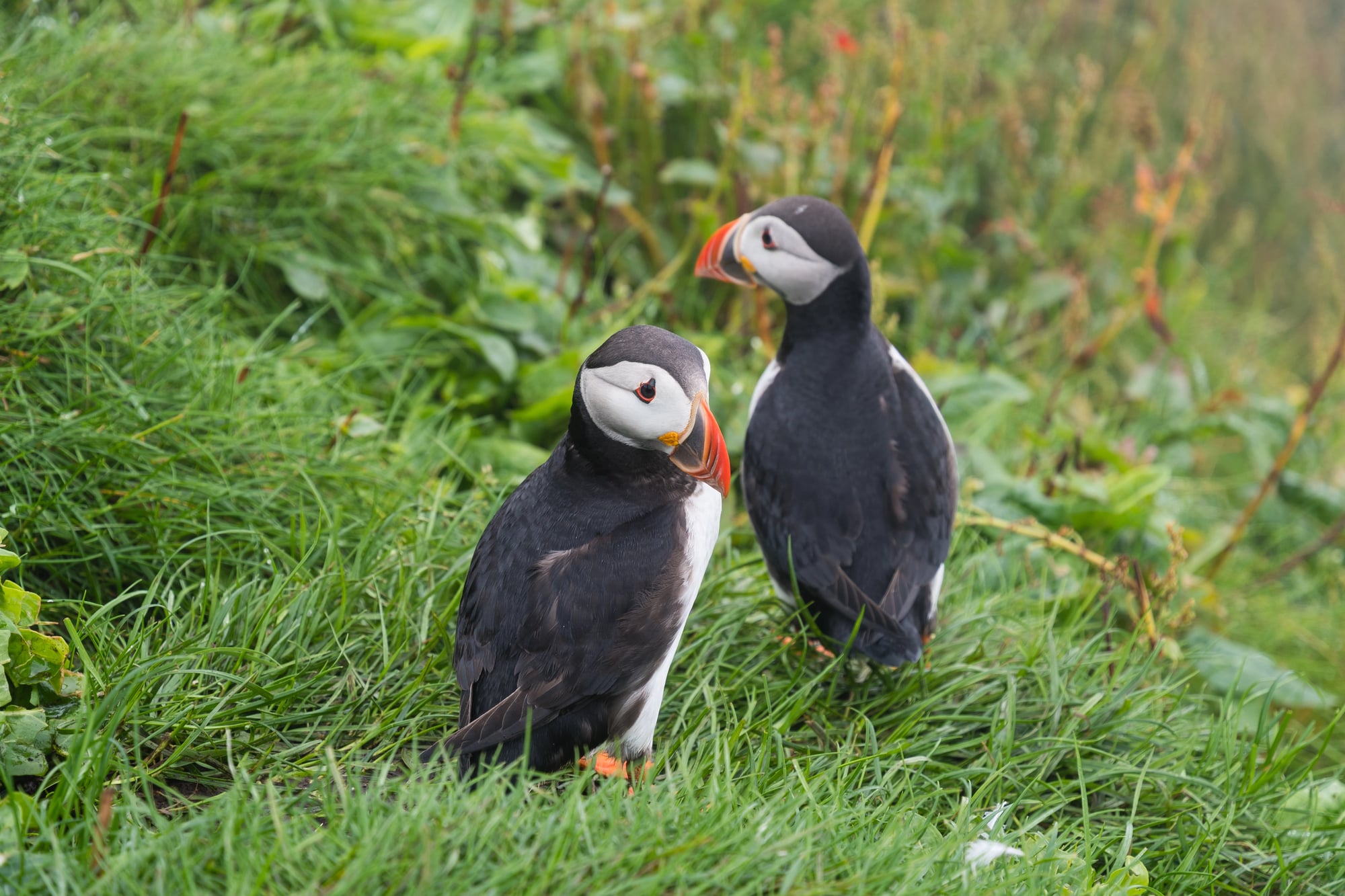
The ocean is warming, and puffins are paying attention in ways that matter more than scientific measurements can capture. Fish populations shift northward as water temperatures rise, forcing puffin colonies to adapt their feeding strategies or abandon traditional nesting sites entirely.
Some colonies have experienced dramatic population declines as the small fish that form their primary diet become scarce or move beyond reasonable commuting distance from breeding cliffs.
Predator Pressure
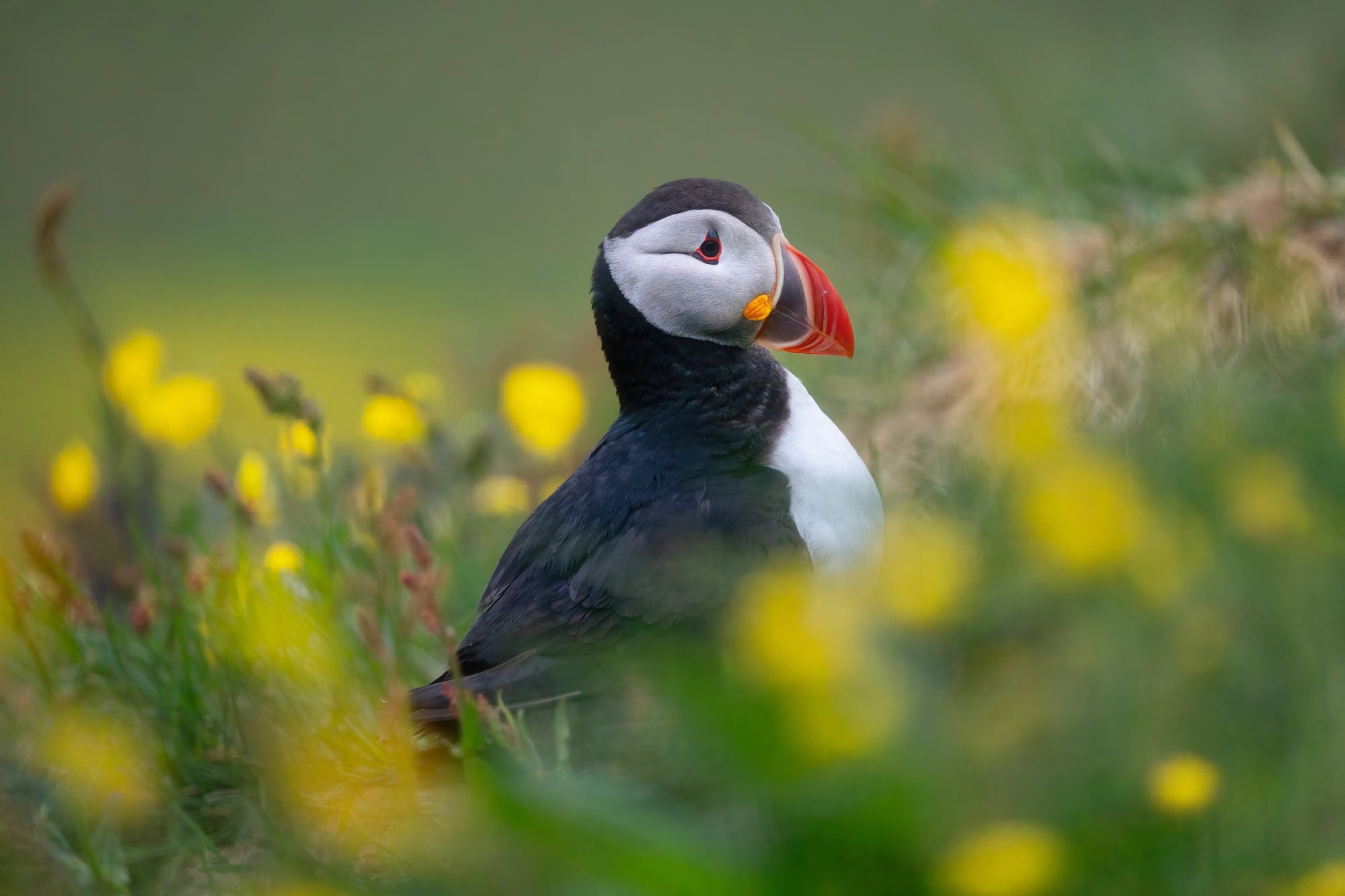
Great black-backed gulls view puffin colonies the way a diner views a buffet. These aerial pirates specialize in intercepting fish-laden puffins returning to their burrows, forcing them to drop their carefully collected meals.
The harassment is relentless during peak feeding season. Skuas take a more direct approach, targeting puffin chicks and eggs.
Ravens and foxes patrol clifftops for unguarded burrows. The pressure from above and below turns puffin breeding colonies into high-stakes survival exercises where successful reproduction requires constant vigilance.
Conservation Challenges
Puffin populations face pressures from multiple directions simultaneously. Overfishing reduces available prey, plastic pollution creates new hazards, and human development encroaches on traditional nesting sites.
Some historically significant colonies have experienced population declines of over 50% in recent decades.
Island Fortresses
The most successful puffin colonies exist on remote islands where human disturbance remains minimal and ground predators can’t establish footholds. Islands like Machias Seal Island off Maine, Skomer off Wales, and the Faroe Islands serve as fortress-like refuges where puffins can breed without dodging tourists or fending off introduced mammals like cats and rats.
These island sanctuaries represent puffin civilization at its most concentrated — thousands of birds packed onto clifftops in a density that would make urban planners nervous, yet somehow it works because every bird understands the rules of engagement that have governed these seasonal cities for centuries.
Guardians of the Northern Seas
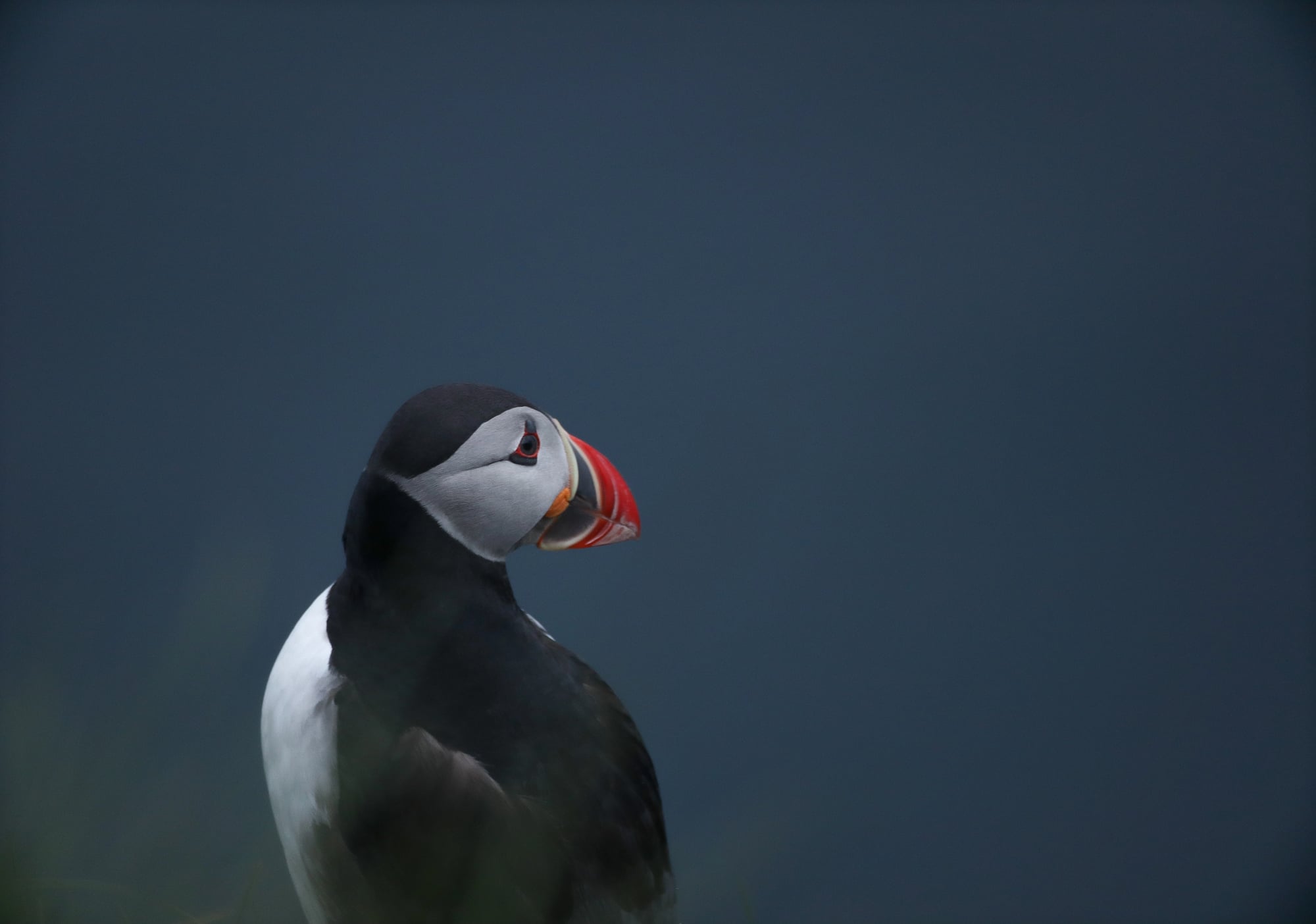
Watching puffins navigate the intersection of land and sea reveals something about resilience that extends beyond their own survival. These birds have mastered environments that would defeat most creatures — they’ve learned to thrive where arctic waters meet vertical cliffs, where summer abundance gives way to winter scarcity, where the margin for error shrinks to almost nothing yet life persists with stubborn determination.
Their continued presence along northern coastlines serves as a reminder that wildness still claims territory in a world increasingly shaped by human intentions, even as the challenges they face grow more complex with each passing season.
More from Go2Tutors!

- The Romanov Crown Jewels and Their Tragic Fate
- 13 Historical Mysteries That Science Still Can’t Solve
- Famous Hoaxes That Fooled the World for Years
- 15 Child Stars with Tragic Adult Lives
- 16 Famous Jewelry Pieces in History
Like Go2Tutors’s content? Follow us on MSN.