16 Sounds in Nature That Drive People Insane
Nature isn’t always the peaceful, harmonious soundtrack that meditation apps would have you believe. While birdsong and babbling brooks get all the credit for being soothing, the natural world produces plenty of sounds that can make even the most zen person want to run screaming back to civilization.
From high-pitched insect choruses to mysterious nighttime noises, some of nature’s audio offerings are more torture than therapy. These sounds range from mildly irritating to absolutely maddening, yet they’re all part of the complex ecosystem that surrounds us. Here are 16 sounds in nature that drive people completely insane.
Mosquito Buzzing
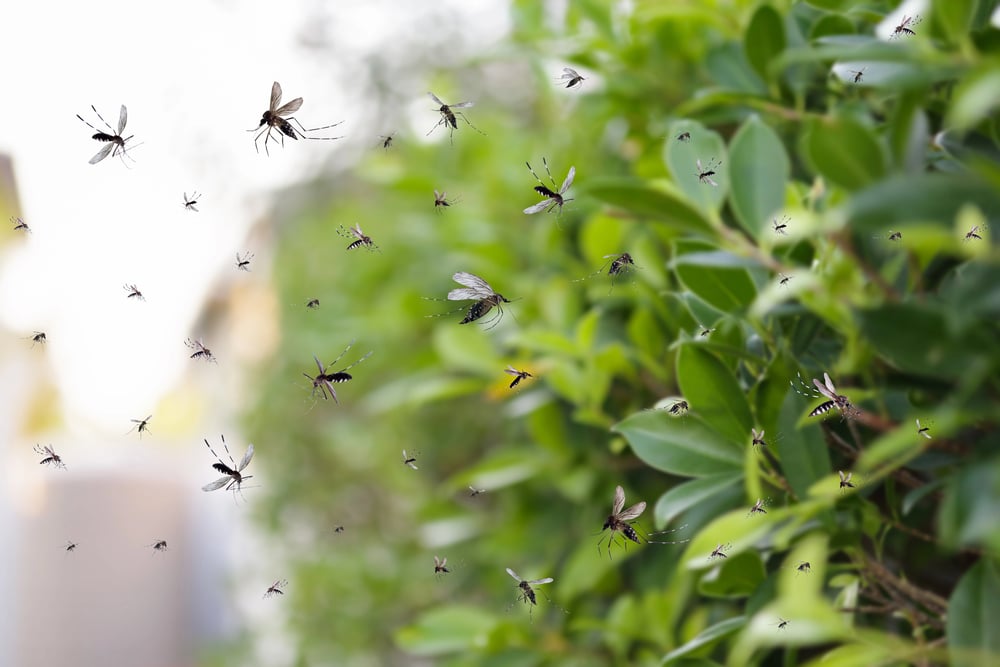
That high-pitched whine of a mosquito near your ear is scientifically designed to be annoying. The frequency hits just the right pitch to cut through other ambient noise, ensuring you’ll notice it even when you’re trying to sleep.
What makes it worse is knowing that this tiny vampire is sizing you up for its next meal while providing the world’s most unwelcome wake-up call.
Cicadas in Full Chorus
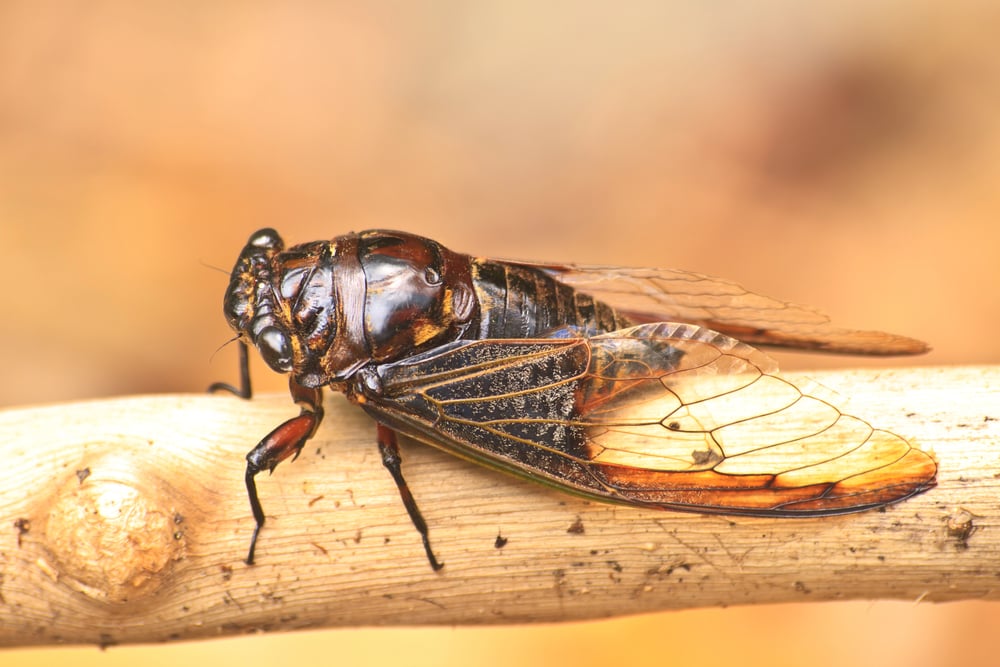
When thousands of cicadas decide to sing together, they can reach volumes of up to 120 decibels—louder than a rock concert. These insects spend years underground just to emerge and create what sounds like nature’s version of a never-ending car alarm.
The relentless drone can go on for weeks, making it impossible to have outdoor conversations or enjoy peaceful summer evenings.
Like Go2Tutors’s content? Follow us on MSN.
Woodpecker Drumming
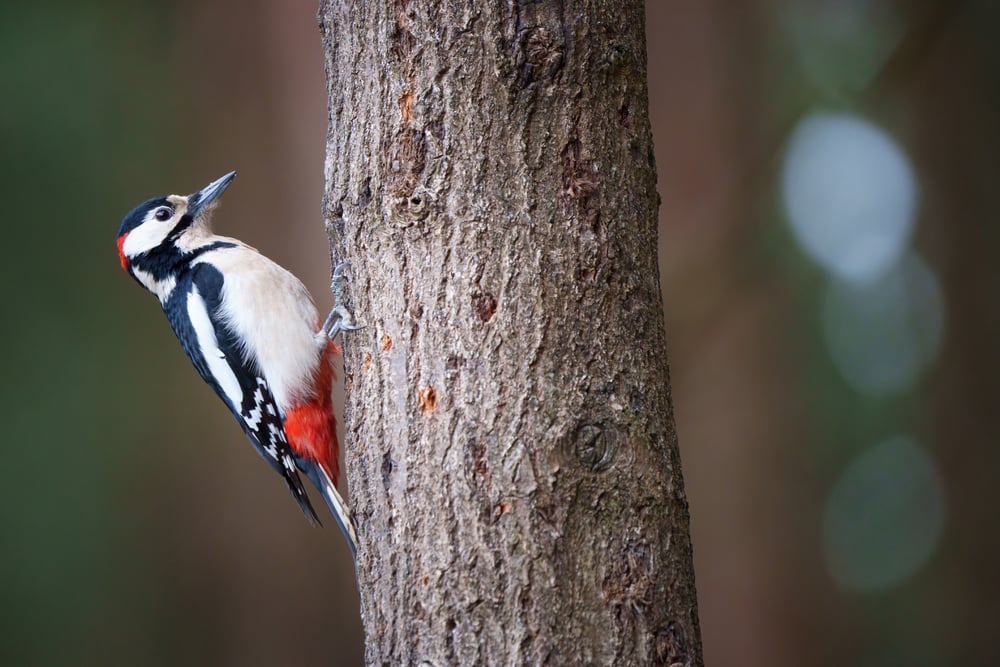
Woodpeckers don’t just peck on trees—they’ll hammer away on metal gutters, siding, and anything else that amplifies their territorial announcements. The rapid-fire drumming starts at dawn and can continue intermittently throughout the day.
Living near an enthusiastic woodpecker feels like having a construction crew that never takes a lunch break.
Coyote Howling
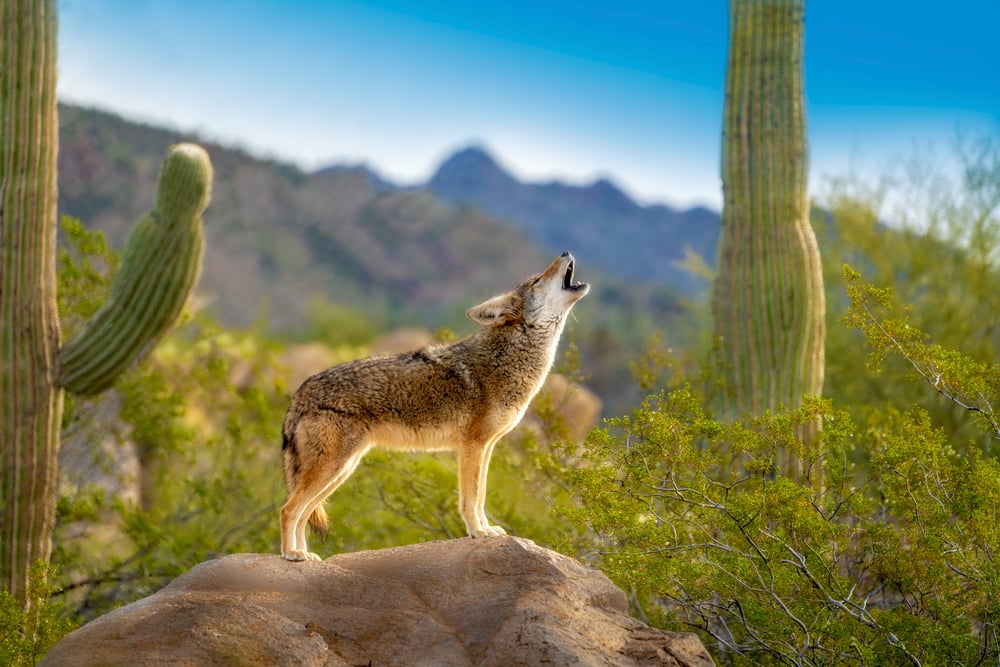
The haunting howl of coyotes might sound romantic in movies, but it’s genuinely unsettling when you’re trying to sleep in your suburban bedroom. These vocalizations often happen in groups, creating an eerie chorus that can last for several minutes.
The sound carries for miles and has a way of making even city dwellers remember that wild predators still roam nearby.
Owl Hooting
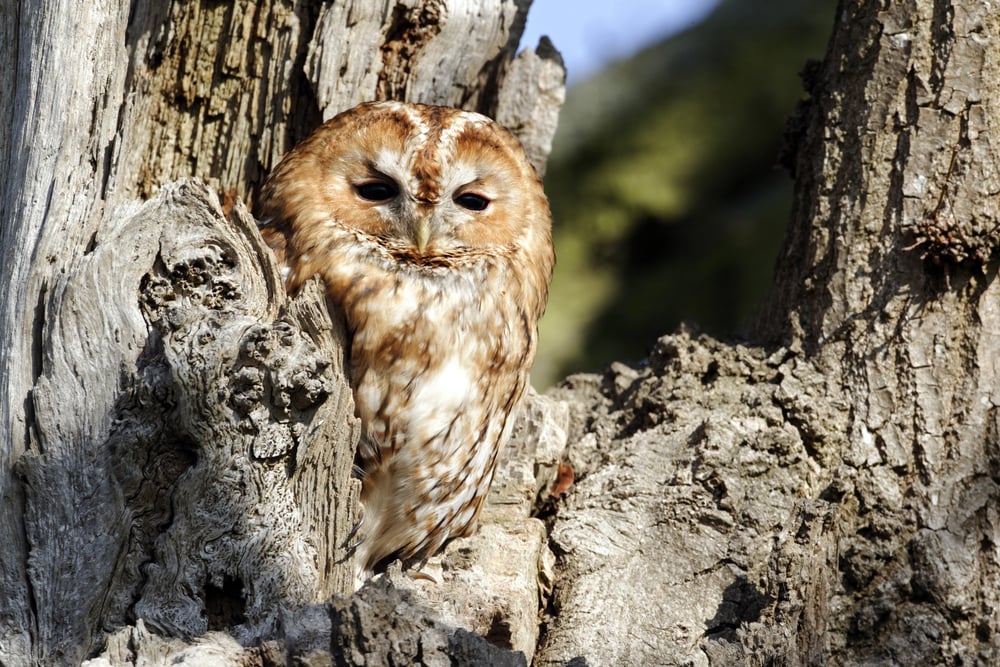
While some find owl calls charming, others discover that a persistent ‘who-who-who’ outside your window at 3 AM is anything but soothing. Great horned owls are particularly vocal during mating season, and their deep hoots can penetrate walls and interrupt sleep cycles.
The timing is always inconvenient, as if owls have specifically evolved to disturb human rest patterns.
Like Go2Tutors’s content? Follow us on MSN.
Peacock Screaming
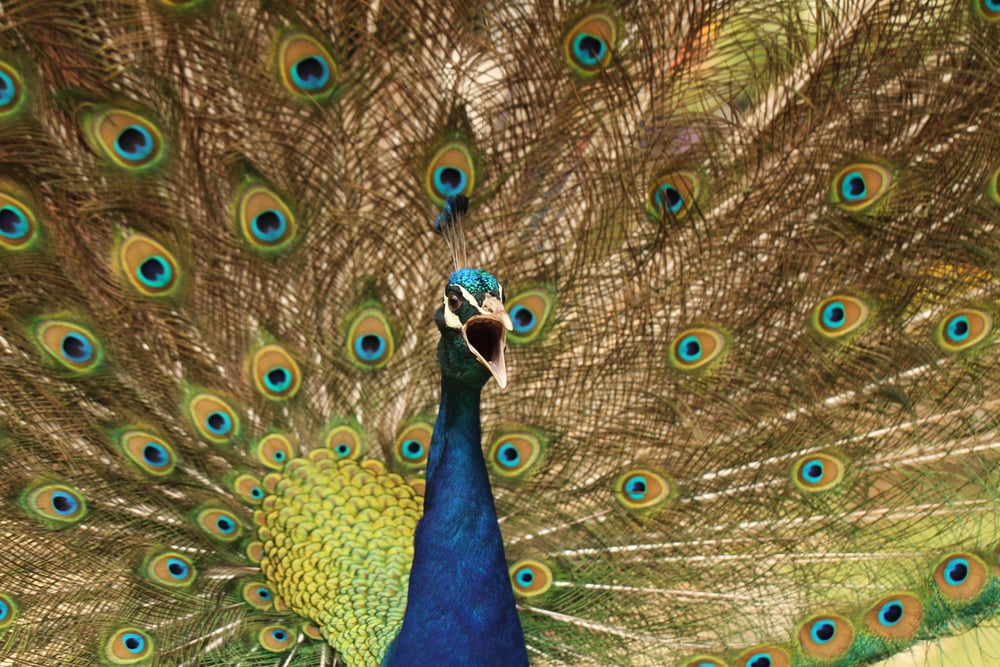
Peacocks don’t make the elegant sounds you’d expect from such beautiful birds—they produce harsh, piercing screams that sound like someone being attacked. These calls can be heard from over a mile away and often happen repeatedly throughout the day.
Neighborhoods with wandering peacocks quickly learn that beauty definitely doesn’t equal pleasant sounds.
Katydid Chirping
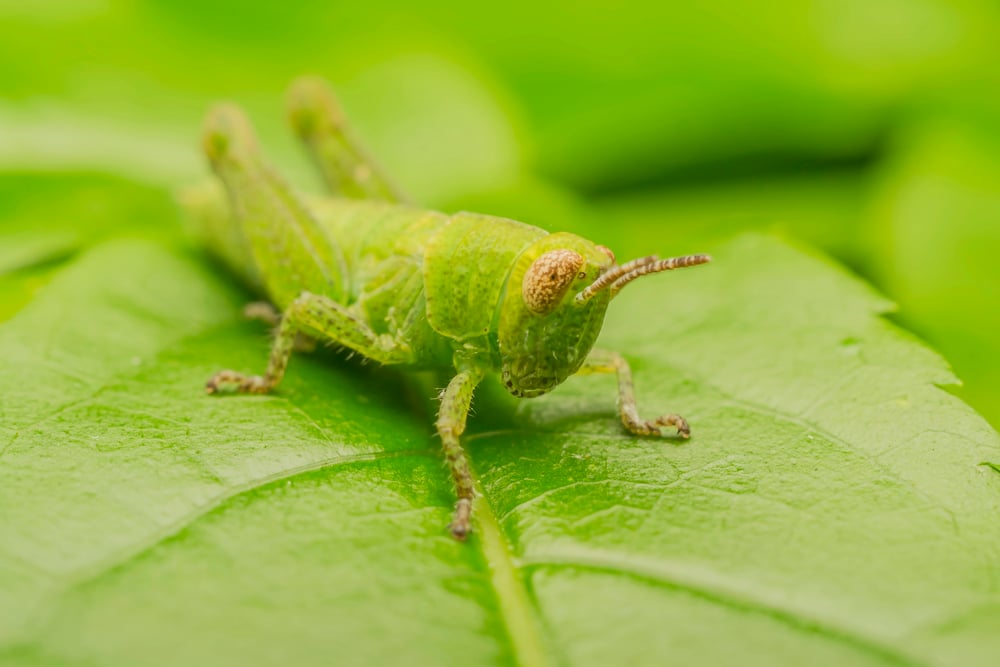
The repetitive ‘katy-did, katy-didn’t’ chorus of these insects might be charming for the first few minutes, but it becomes maddening when it continues all night long. Unlike other insects that chirp sporadically, katydids maintain their rhythm with mechanical precision.
The sound seems to get louder the more you try to ignore it, making sleep nearly impossible.
Geese Honking
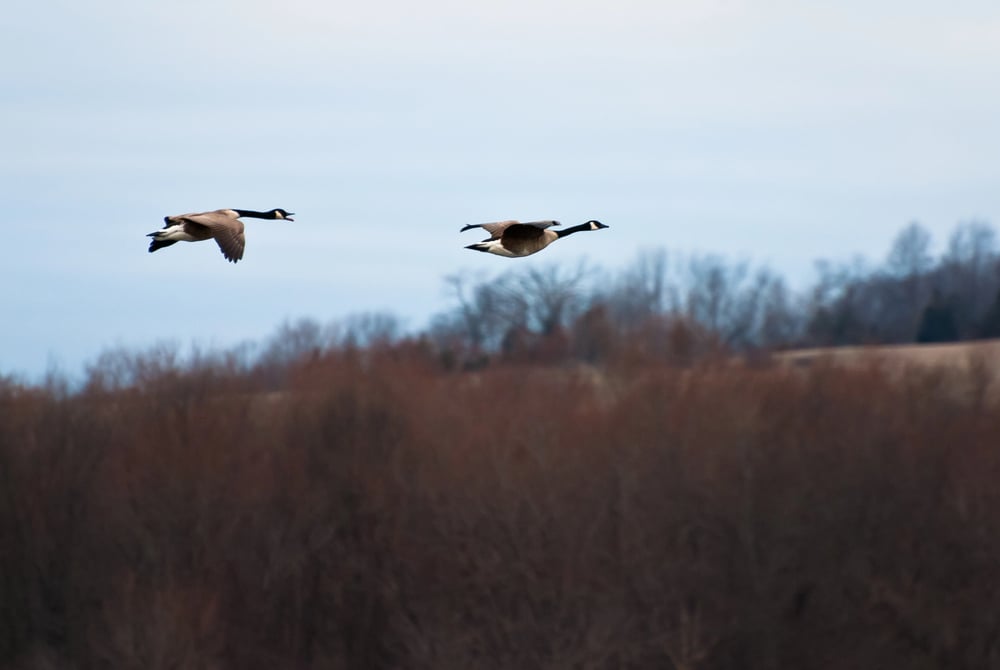
Canada geese are notoriously loud and seem to honk constantly whether they’re flying, swimming, or just standing around. Their harsh calls carry across great distances and often happen in large groups, creating a cacophony that drowns out normal conversation.
Parks and lakes with resident geese become surprisingly noisy places where peaceful relaxation is nearly impossible.
Like Go2Tutors’s content? Follow us on MSN.
Tree Frogs Calling
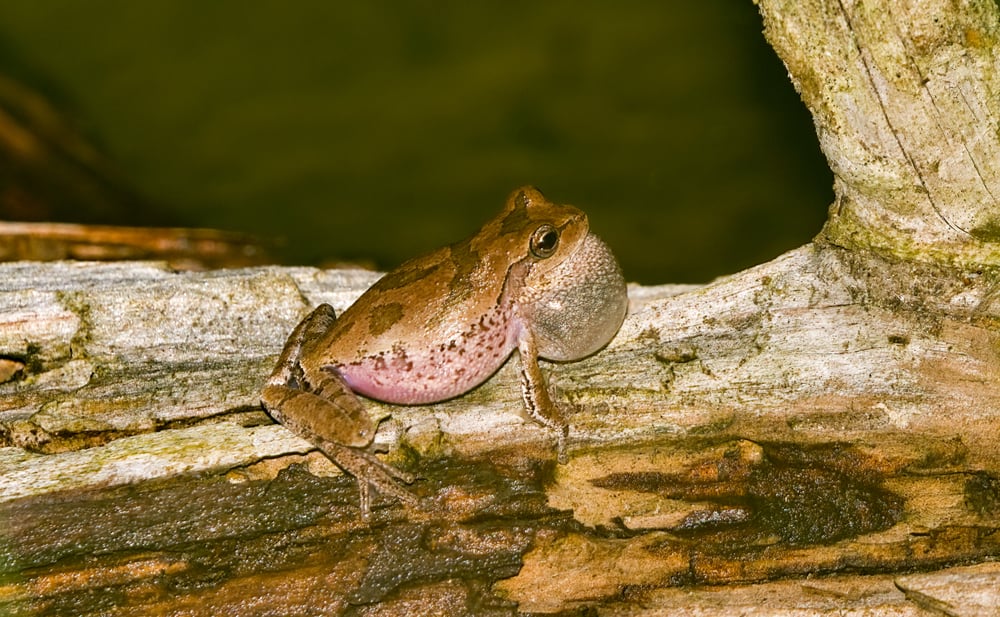
Spring peeper frogs might be tiny, but their piercing calls can reach 120 decibels when they gather in large numbers around water sources. The high-pitched peeping starts at dusk and continues well into the night, creating what sounds like thousands of smoke detectors going off simultaneously.
The volume is particularly jarring because it comes from such small creatures.
Crow Cawing
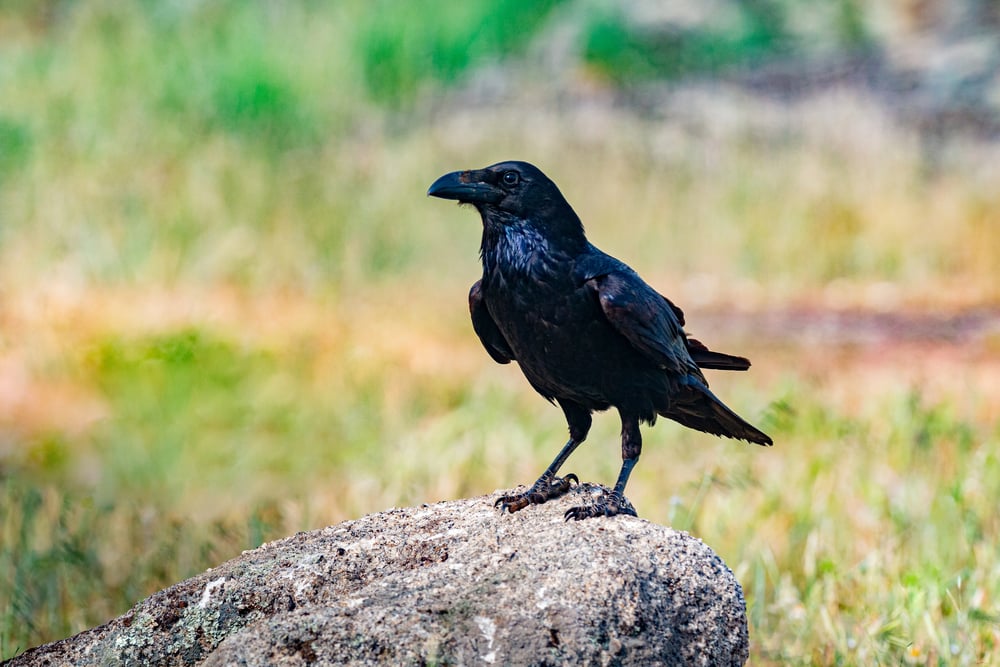
Crows are intelligent birds with complex vocalizations, but their harsh cawing can become incredibly grating when they gather in large groups. These birds are most vocal during dawn and dusk, precisely when people are trying to enjoy quiet moments outdoors.
A murder of crows can turn a peaceful morning into an audio assault that makes you appreciate the relative quiet of city traffic.
Cricket Chirping
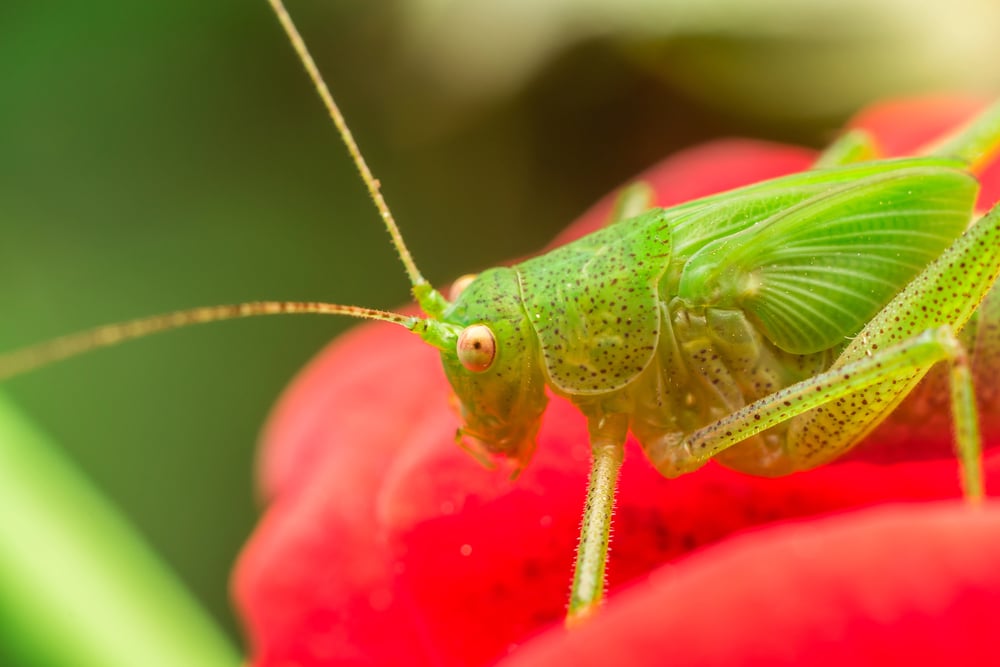
While often romanticized as the quintessential peaceful night sound, cricket chirping becomes torture when you’re trying to sleep and there’s one particularly loud cricket right outside your bedroom window. The steady, rhythmic chirping seems to get louder in the silence of night.
Finding and stopping a single cricket can become an obsessive midnight quest that leaves you more awake than when you started.
Like Go2Tutors’s content? Follow us on MSN.
Bullfrog Croaking
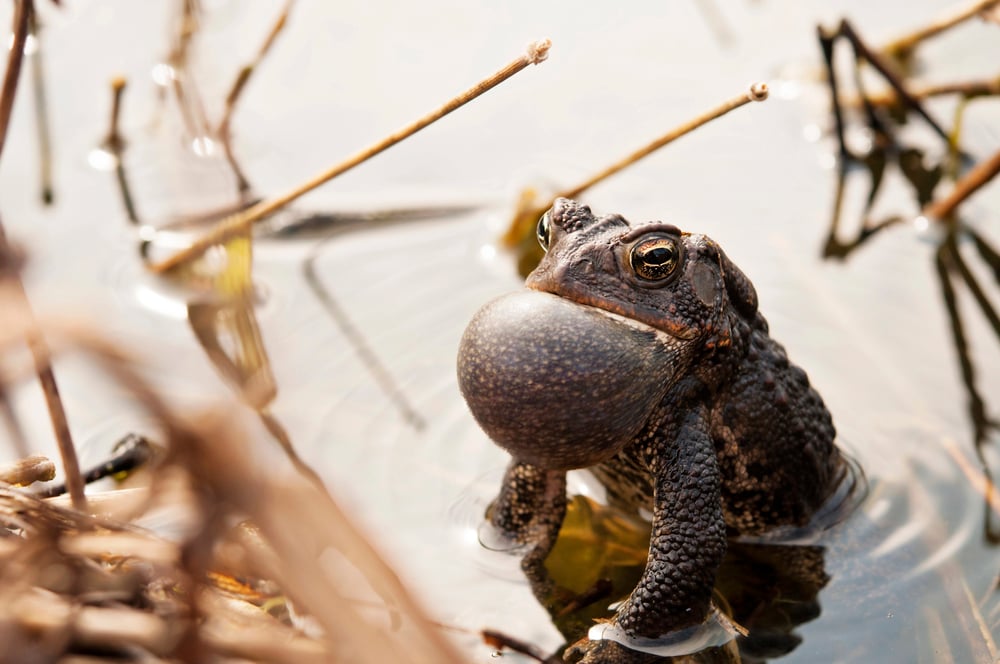
The deep, resonant croaking of bullfrogs carries across water and through open windows with surprising effectiveness. During breeding season, male bullfrogs call continuously throughout the night, producing sounds that can reach 85 decibels.
The low-frequency calls have a way of penetrating walls and settling into your bones, making them impossible to ignore even with earplugs.
Wind Through Pine Trees
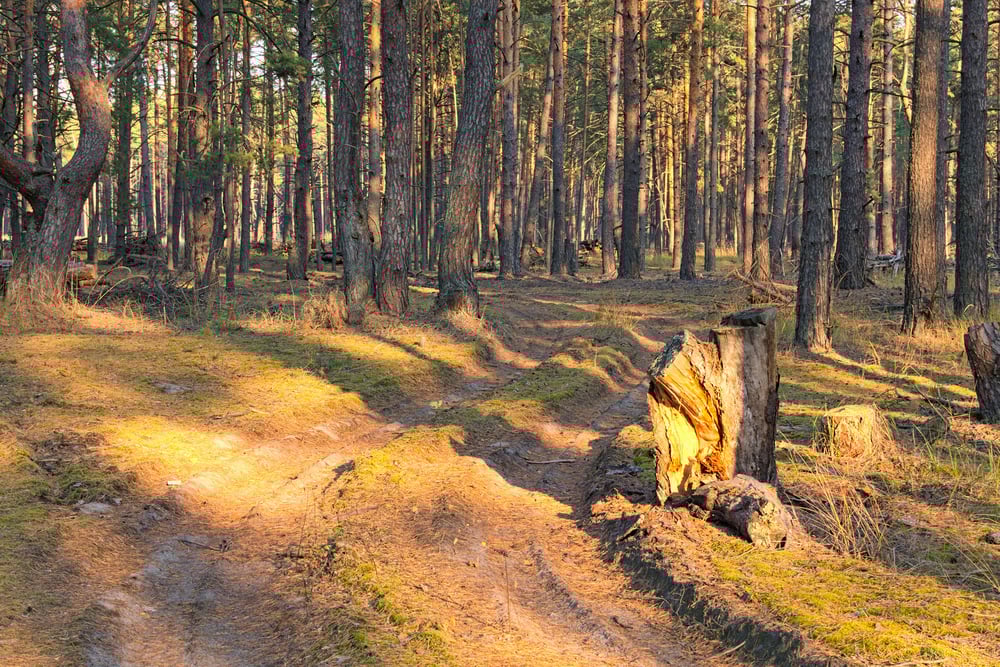
While some find this sound relaxing, others describe the constant whooshing and moaning of wind through pine needles as deeply unsettling. The sound varies in pitch and intensity, creating an unpredictable audio landscape that can be more disturbing than comforting.
On windy nights, pine forests can sound like they’re harboring restless spirits or impending storms.
Sandhill Crane Calling
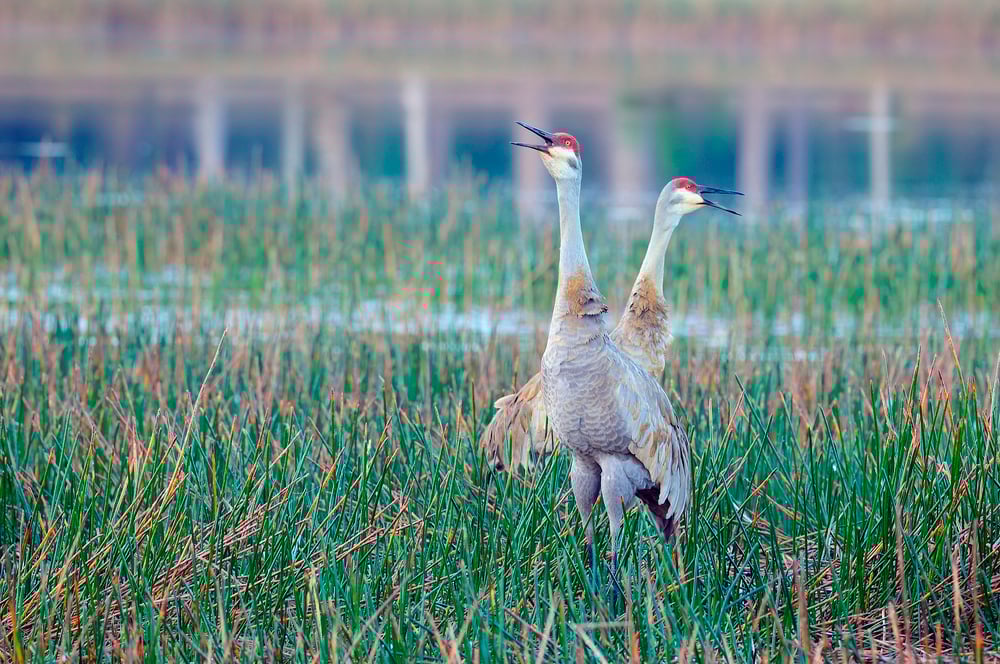
These large birds produce incredibly loud, trumpeting calls that can be heard from over two miles away. The harsh, rattling sound is particularly jarring because it’s so unexpected from such graceful-looking birds.
During migration season, flocks of sandhill cranes create a noise level that can temporarily drown out airplane engines overhead.
Like Go2Tutors’s content? Follow us on MSN.
Beaver Tail Slapping
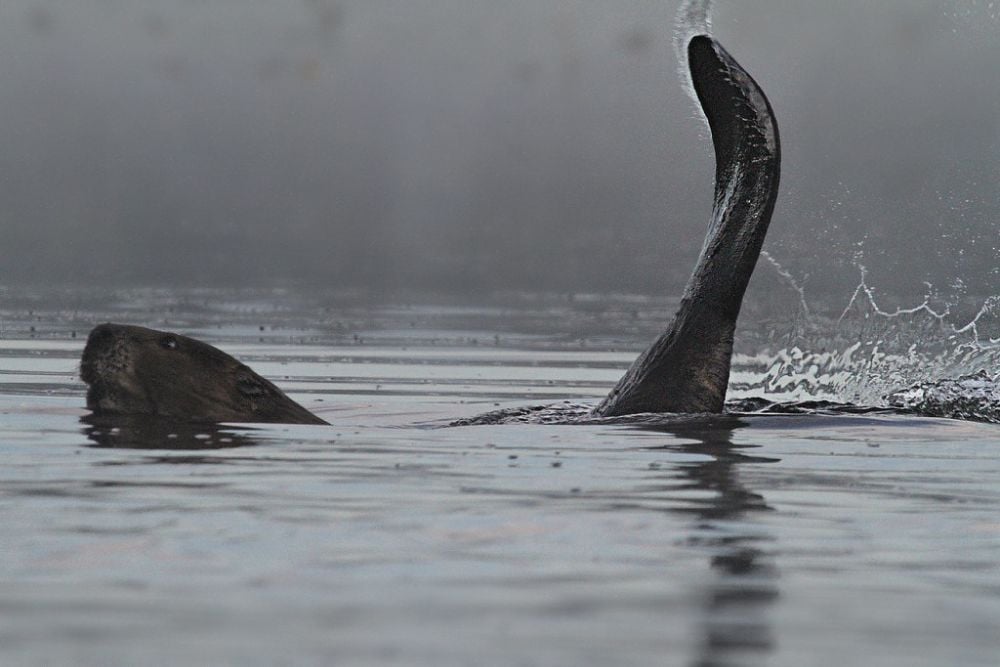
The sharp crack of a beaver’s tail hitting water serves as an alarm call that can be heard from considerable distances. The sound is sudden and explosive, designed to startle potential predators and alert other beavers to danger.
For humans enjoying quiet water activities, the unexpected slap can be genuinely startling and disruptive to the peaceful atmosphere.
Barred Owl Calling
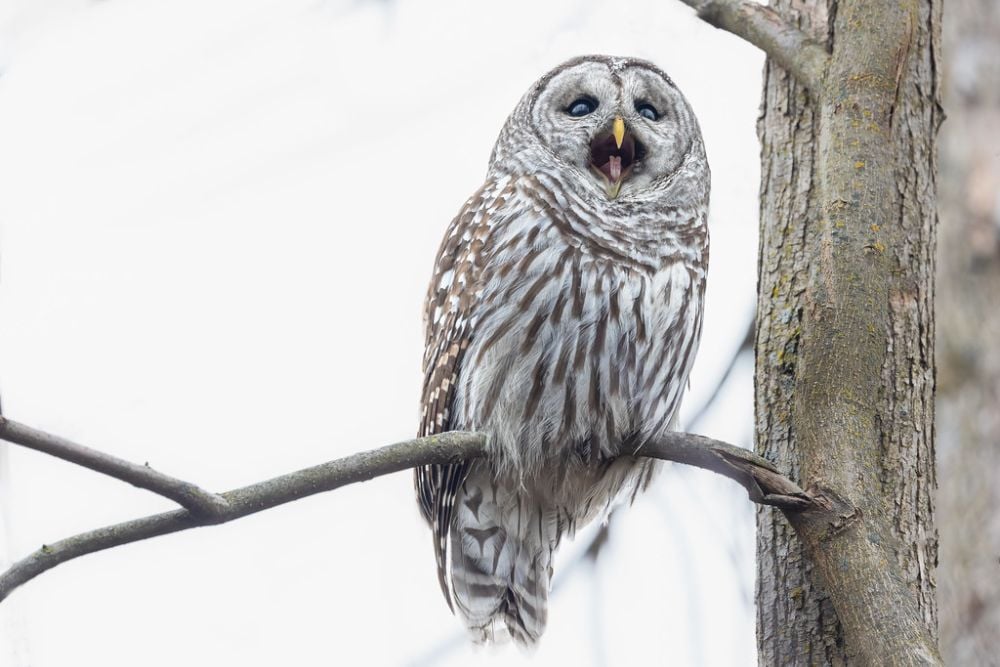
The distinctive ‘who-cooks-for-you’ call of barred owls might seem charming during the day, but it becomes significantly less appealing at night when you’re trying to sleep. These owls are particularly vocal and can call back and forth with others for extended periods.
The eight-note hooting pattern gets stuck in your head like an unwanted earworm, making it difficult to drift off to sleep.
When Nature Gets Too Real

These natural sounds remind us that the outdoors isn’t always the serene escape we imagine it to be. While nature documentaries present a sanitized version of wildlife audio, real outdoor experiences include plenty of sounds that test our patience and sanity.
Understanding that these noises serve important biological functions doesn’t make them any less annoying when they’re keeping you awake or interrupting your peaceful outdoor activities. Sometimes the best appreciation for nature comes with a good pair of earplugs and the knowledge that even the most irritating sounds are part of a complex ecosystem that’s been fine-tuning its audio assault for millions of years.
More from Go2Tutors!

- 16 Historical Figures Who Were Nothing Like You Think
- 12 Things Sold in the 80s That Are Now Illegal
- 15 VHS Tapes That Could Be Worth Thousands
- 17 Historical “What Ifs” That Would Have Changed Everything
- 18 TV Shows That Vanished Without a Finale
Like Go2Tutors’s content? Follow us on MSN.