Largest Meteorites Found on Earth
Falling from sky to soil, long before humans aimed instruments upward, pieces of space began telling cosmic tales. These rocks, called meteorites, endure burning passes through air until they rest upon land. Some fit easily within palm size.
Yet once in a great while, massive ones arrive – tons heavy – altering terrain, legends, even how science sees existence. Ground touched by such stones feels the weight of distant origins.
Falling from space, the biggest meteorites on Earth stand out not only due to mass. Older than the planet we live on, they hold fragments of the solar system’s beginning.
Some showed up centuries ago, back when people had no idea these rocks came from beyond the sky – seen instead as holy relics or oddities with no name.Focusing on the biggest meteorites ever located, their discovery stories stand out.
While some turned up by chance, others took years of searching. Because these space rocks hold clues, scientists keep studying them. What makes them special isn’t just size – it’s what they reveal.
Their presence reshapes how we see Earth’s history. Even now, each one tells a different story.
Hoba Meteorite, Namibia

The Hoba meteorite is the largest known intact meteorite ever discovered on Earth. Found in 1920 on a farm in what is now Namibia, it weighs an estimated 60 tons and measures roughly 9 feet by 9 feet by 3 feet.
What makes Hoba especially unusual is its composition and condition. It is made primarily of iron and nickel and shows no evidence of having formed a crater. Scientists believe it may have slowed dramatically in the atmosphere and landed gently, at least by cosmic standards.
Today, the Hoba meteorite remains where it was found. It was declared a national monument and sits partially embedded in the ground, offering a rare opportunity to see the largest space rock on Earth exactly where it came to rest.
Ahnighito, Cape York Meteorite, Greenland

Ahnighito, also known as the Cape York meteorite, is the largest fragment of a much larger meteorite that fell in northwestern Greenland thousands of years ago. Weighing about 31 tons, it was used for centuries by Inuit communities as a source of iron for tools and weapons.
European explorers first documented the meteorite in the late nineteenth century, but moving it proved extraordinarily difficult. Eventually, it was transported to New York, where it now rests in a museum, supported by an elaborate structure designed to distribute its immense weight.
Ahnighito highlights how meteorites were not just scientific curiosities. For some cultures, they were practical resources long before their extraterrestrial origins were understood.
Campo del Cielo Meteorites, Argentina

Rather than a single object, Campo del Cielo refers to a vast meteorite field in Argentina where numerous large iron meteorites have been found. The largest fragment, known as El Chaco, weighs around 37 tons.
This meteorite fall likely occurred several thousand years ago, scattering fragments across a wide area. Indigenous people knew of the iron masses long before European colonization, incorporating them into stories and tools.
Campo del Cielo stands out because it demonstrates how a single cosmic event can leave behind multiple massive meteorites, each telling part of the same story.
Willamette Meteorite, United States
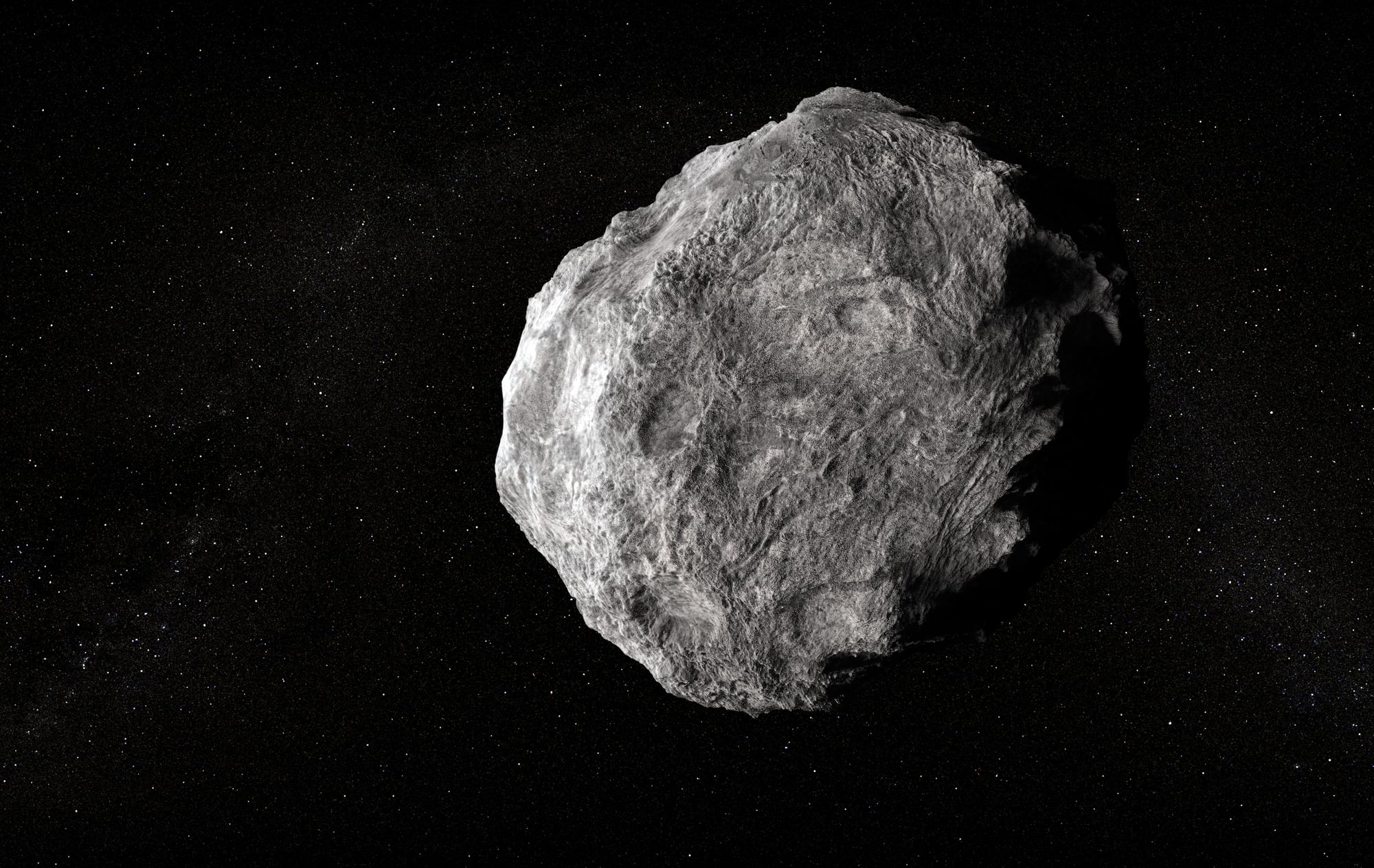
The Willamette meteorite is the largest meteorite ever found in the United States, weighing about 15.5 tons. It was discovered in Oregon in 1902, far from any visible impact crater.
Scientific evidence suggests it likely landed in what is now Canada and was carried south by glacial movement during the last Ice Age. This journey explains its isolated location and lack of impact features.
For the Clackamas Chinook people, the meteorite held deep spiritual significance long before it was studied by scientists. Today, it is displayed in a museum, accompanied by ongoing discussions about cultural heritage and stewardship.
Sikhote-Alin Meteorites, Russia

In 1947, a massive meteorite broke apart over the Sikhote-Alin Mountains in eastern Russia. While no single fragment rivals Hoba in size, the total mass recovered makes this one of the most significant meteorite events in recorded history.
The largest individual fragments weigh several tons, and thousands of smaller pieces were scattered across the landscape. Eyewitnesses described fireballs streaking across the sky, followed by explosive sounds.
Sikhote-Alin is especially valuable to scientists because the fall was observed, documented, and recovered soon after impact, preserving pristine samples for study.
Chupaderos Meteorite, Mexico
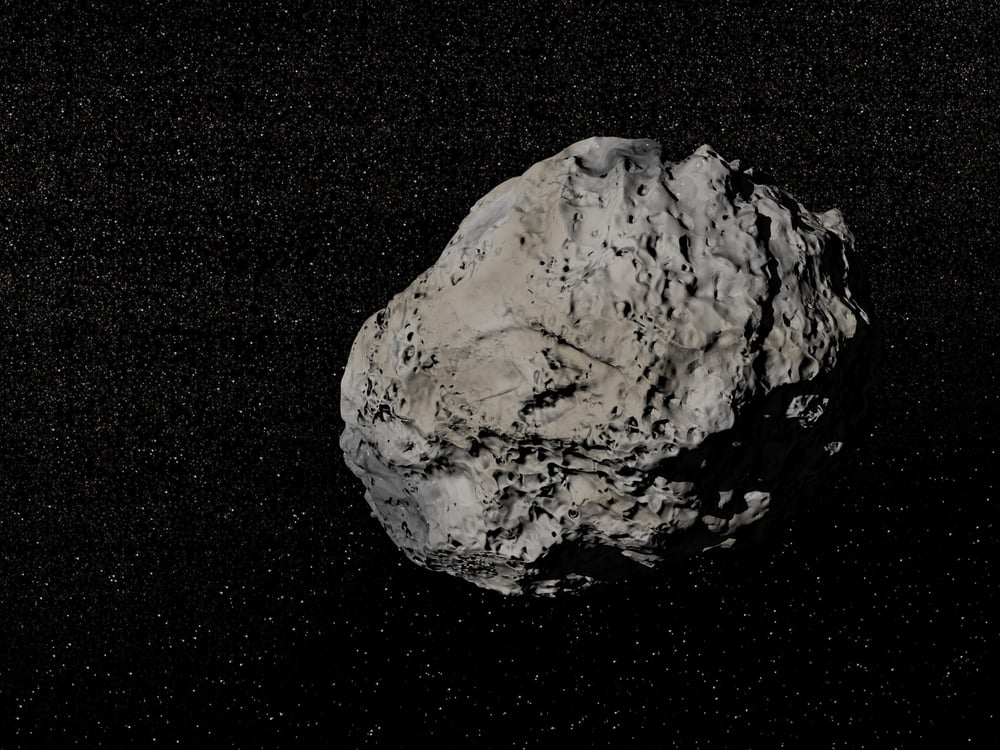
The Chupaderos meteorite, found in Mexico, was once part of a massive iron meteorite that fragmented over time. The largest known piece weighed more than 14 tons before being broken apart and distributed to museums and collections.
For centuries, local communities were aware of the iron mass, though its origin was unclear. Like many large meteorites, it became a source of fascination and speculation long before modern science offered answers.
Chupaderos represents a pattern seen across the world: meteorites discovered not by astronomers, but by people simply encountering something that didn’t belong.
Bendegó Meteorite, Brazil

The Bendegó meteorite weighs about 5.4 tons and was discovered in Brazil in the eighteenth century. Attempts to move it initially failed, and it remained in place for more than a century before being successfully transported.
Despite surviving its fall from space, the meteorite famously endured a cart accident and years of exposure without significant damage. Its resilience became part of its legend.
Today, Bendegó is displayed in a museum, where it continues to spark interest in Brazil’s scientific and cultural history.
Why These Meteorites Survived

Most objects entering Earth’s atmosphere burn up completely. The largest meteorites survive because of their composition and size. Iron meteorites, in particular, are dense and structurally strong, allowing them to withstand extreme heat and pressure.
Their mass also helps. Larger objects take longer to heat fully, increasing the chance that a substantial portion survives to reach the ground. This is why nearly all of the largest meteorites found on Earth are iron-rich.
Even so, survival is rare. For every massive meteorite discovered, countless others disintegrated unnoticed high above the surface.
How Scientists Study Giant Meteorites
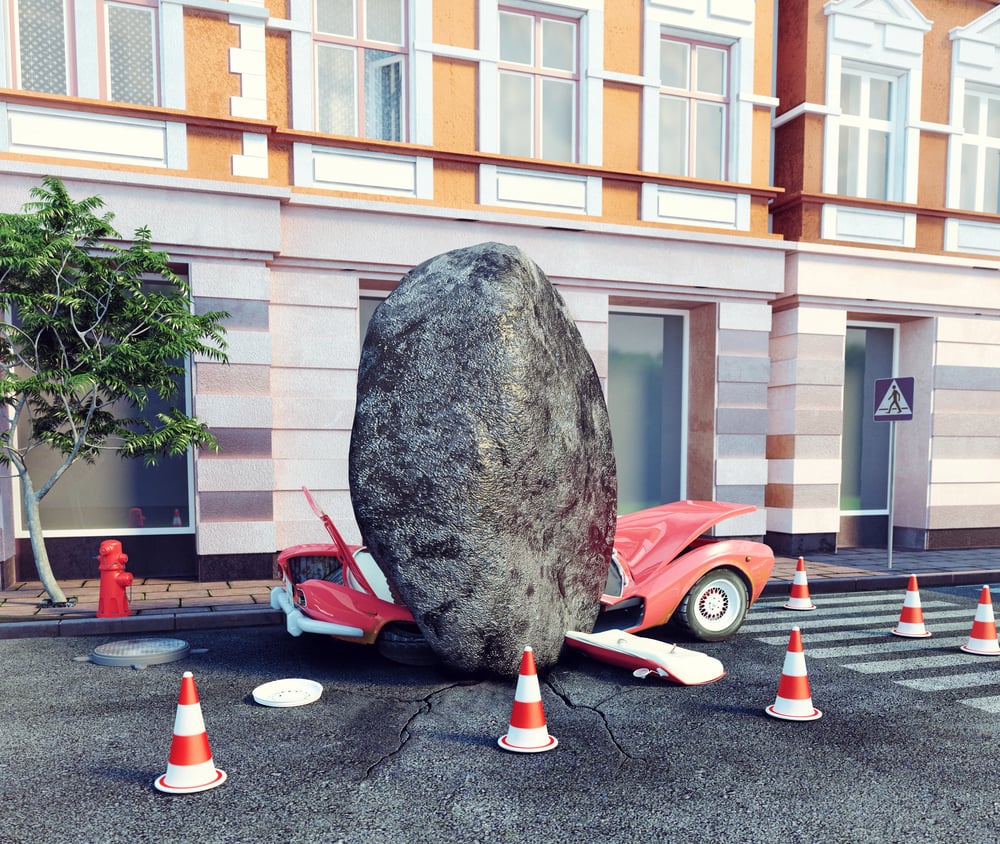
Studying large meteorites presents unique challenges. Cutting into them risks damaging historically and culturally significant objects, so researchers often rely on surface analysis, small samples, and non-invasive techniques.
These meteorites provide insight into planetary cores, particularly those of asteroids that once differentiated into layers. Iron meteorites are believed to originate from the cores of ancient bodies that were shattered early in the solar system’s history.
In that sense, studying a giant meteorite is like holding a fragment of a destroyed world.
Cultural Impact and Modern Protection

Many of the largest meteorites were discovered before science could explain them. As a result, they became woven into local folklore, religious practices, and national identity.
Today, most are legally protected. Laws now prevent their removal or destruction, recognizing their scientific value and cultural importance. This shift reflects a growing understanding that these objects belong not just to collectors, but to humanity’s shared heritage.
Preservation ensures that future generations can study and experience these rare visitors from space.
Why Size Still Captivates Us

While even tiny meteorites can be scientifically valuable, the largest ones command attention in a different way. Their sheer scale makes the abstract idea of space feel tangible.
Standing next to a multi-ton meteorite forces a confrontation with deep time and cosmic distance. These objects formed billions of years ago, traveled through space, and ended up beneath our feet.
They remind us that Earth is not isolated. It is part of a dynamic, interconnected universe that occasionally leaves very large calling cards behind.
When Space Becomes Personal
Out there among rocks pulled from the ground lies something wilder than geology alone can explain. These hefty space travelers anchor moments where sky meets soil in ways people keep returning to.
Not just relics, they mark collisions that echo through time without warning. Even now, their presence shifts how terrain looks – how tales get told.
Still digging into it, scientists find fresh hints in big space rocks – how worlds began, how chaos carved the solar neighborhood. Most of all, those chunks whisper: what feels firm underfoot ties back to the stars, always.
More from Go2Tutors!

- The Romanov Crown Jewels and Their Tragic Fate
- 13 Historical Mysteries That Science Still Can’t Solve
- Famous Hoaxes That Fooled the World for Years
- 15 Child Stars with Tragic Adult Lives
- 16 Famous Jewelry Pieces in History
Like Go2Tutors’s content? Follow us on MSN.