15 Facts About the Great Wall of China
The Great Wall of China stands as one of humanity’s most impressive construction projects. Stretching across mountains, deserts, and plains, this ancient barrier has captured imaginations for centuries.
While most people recognize its silhouette from photos and documentaries, the real story behind the wall involves far more than just stacked stones and watchtowers. Let’s explore what makes this structure so remarkable and uncover some surprising details you probably didn’t know.
It’s not actually one wall

The Great Wall isn’t a single, continuous structure like most people imagine. Instead, it’s a collection of multiple walls built by different dynasties over thousands of years.
Some sections run parallel to each other, while others branch off in completely different directions. Think of it less like one long fence and more like a patchwork of barriers that various rulers added to over time.
Construction spanned over 2,000 years
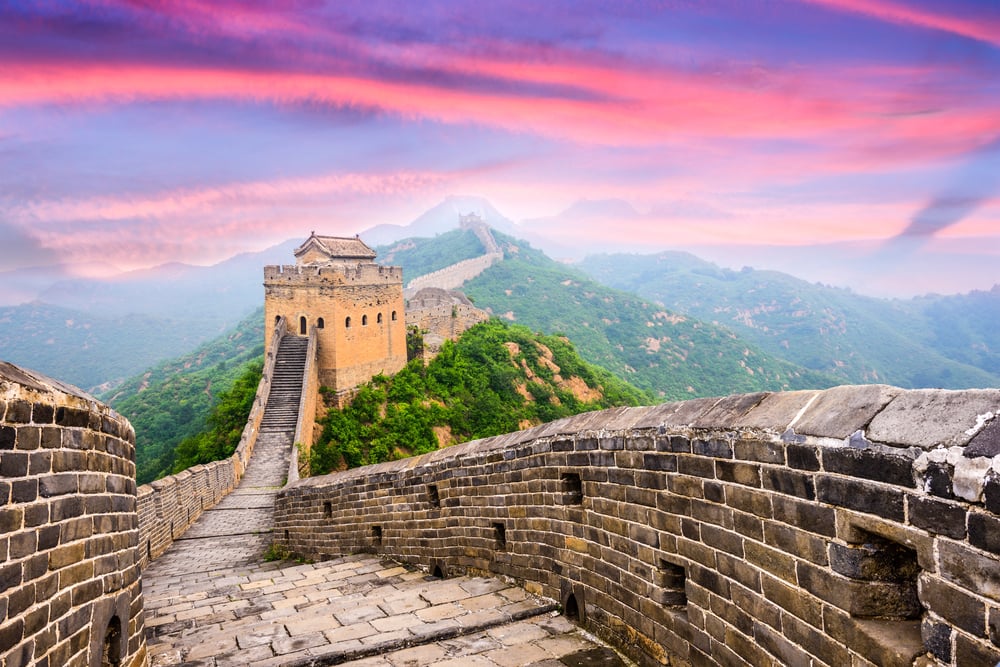
Building the wall wasn’t a quick project that one emperor finished during his reign. The first sections went up around the 7th century BC, and construction continued until the 17th century AD.
That’s roughly 2,300 years of on-and-off building, tearing down, and rebuilding. Different materials and techniques were used depending on what era workers lived in and what resources they had nearby.
Millions of workers died during construction

The human cost of building the wall was staggering. Historians estimate that hundreds of thousands, possibly millions, of workers perished during construction over the centuries.
Many of these workers were soldiers, peasants, and prisoners forced into labor. Their bodies were sometimes buried within the wall itself, leading to the grim nickname ‘the longest cemetery on Earth.’
The wall used sticky rice as mortar

Ancient Chinese engineers discovered that mixing sticky rice into their mortar made it incredibly strong. This rice mortar was used particularly during the Ming Dynasty and proved so effective that many sections built with it still stand today.
The mixture created a compound stronger than many modern materials, which explains why some parts of the wall have survived earthquakes and centuries of weathering.
You can’t actually see it from space

Despite what you might have heard in school, astronauts can’t see the Great Wall from space with the unaided eye. This popular myth has been debunked by multiple astronauts, including Chinese space traveler Yang Liwei.
The wall is narrow and blends into the natural landscape, making it invisible from orbit. You’d have better luck spotting major highways or large cities.
The wall stretches over 13,000 miles

When you include all the branches, secondary sections, and trenches, the Great Wall system measures more than 13,000 miles long. That’s roughly half the distance around Earth’s equator.
The main wall that most tourists visit is much shorter, but the entire defensive system created over various dynasties covers an enormous area across northern China.
Watchtowers served multiple purposes
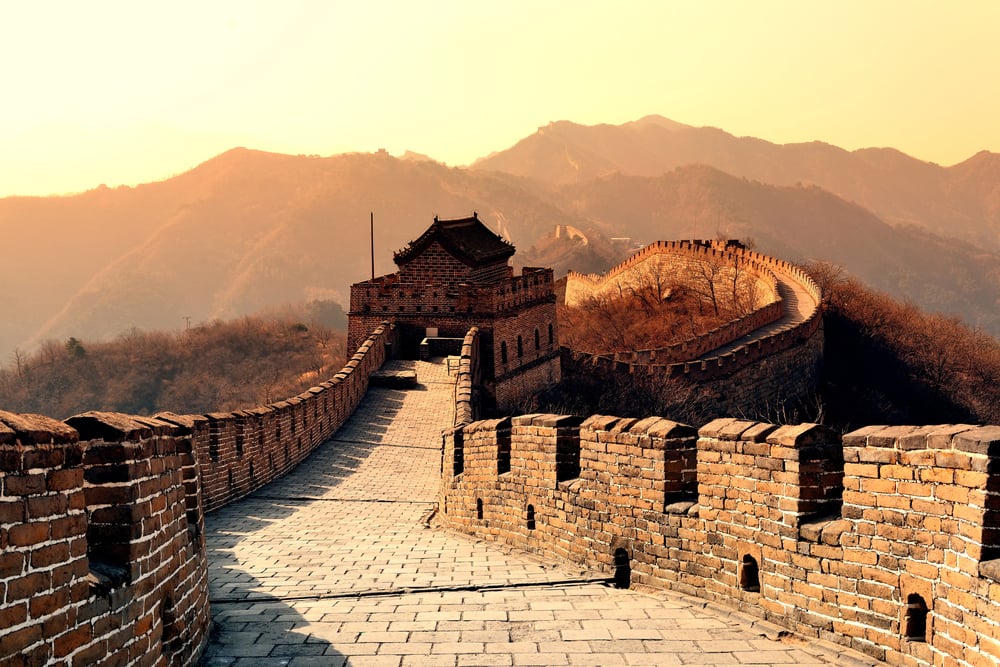
The towers dotting the wall weren’t just for keeping watch. They functioned as signal stations, troop barracks, and storage facilities for weapons and supplies.
Guards used smoke signals during the day and fire signals at night to communicate with other towers along the line. The number of smoke puffs or fires indicated how many enemy troops were approaching.
Parts of the wall have completely disappeared

Large sections of the Great Wall no longer exist. Erosion, earthquakes, and human activity have destroyed many portions over the centuries.
Locals have taken stones from the wall to build houses and roads, especially during times when the structure wasn’t protected. Some estimates suggest that nearly 30% of the Ming Dynasty wall has vanished completely.
Different materials were used in different regions

The wall looks different depending on where you visit because builders used whatever materials were available locally. In mountainous areas, workers used stone from nearby quarries.
Desert sections were made from packed earth and reeds since stone was scarce. Closer to Beijing, the wall features brick and stone construction, which is why those sections look more polished and permanent.
It failed to keep out invaders
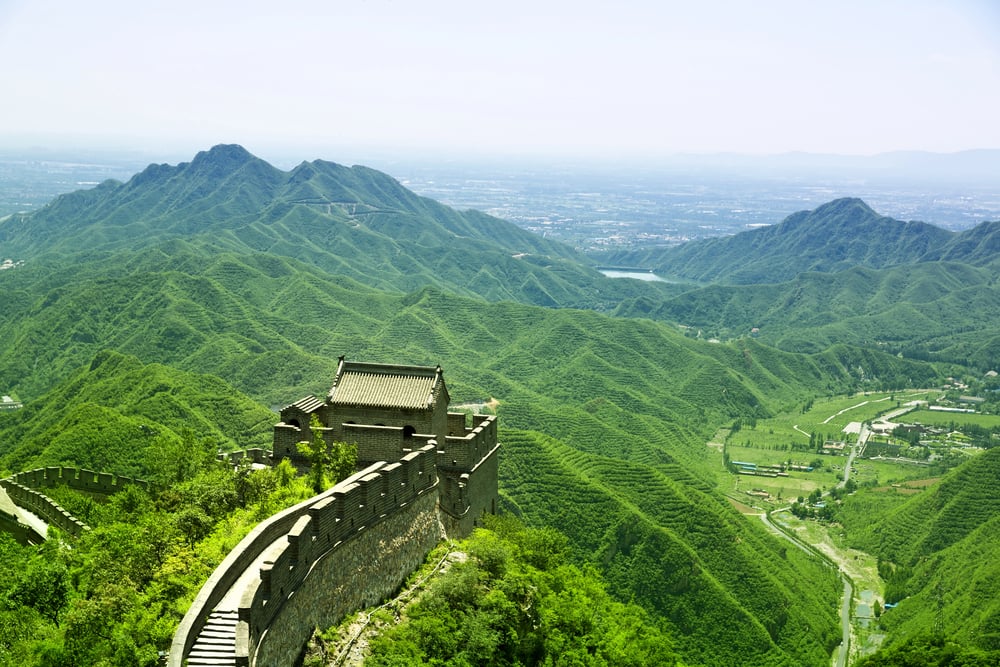
Despite its massive size and strategic positioning, the Great Wall didn’t actually do a great job of preventing invasions. Mongol forces breached it multiple times, and the Manchu invasion that ended the Ming Dynasty succeeded partly because a Chinese general opened the gates to let enemy forces through.
The wall’s psychological impact and role in controlling trade were probably more valuable than its defensive capabilities.
Temperature extremes make visiting challenging

The wall experiences brutal weather conditions that can make tourism uncomfortable. Summer temperatures can soar above 95 degrees Fahrenheit in some sections, while winter can bring freezing winds and ice.
The most popular sections near Beijing get packed with tourists during pleasant weather, but brave the off-season and you might have entire stretches to yourself.
Beacon towers could relay messages across 470 miles in hours
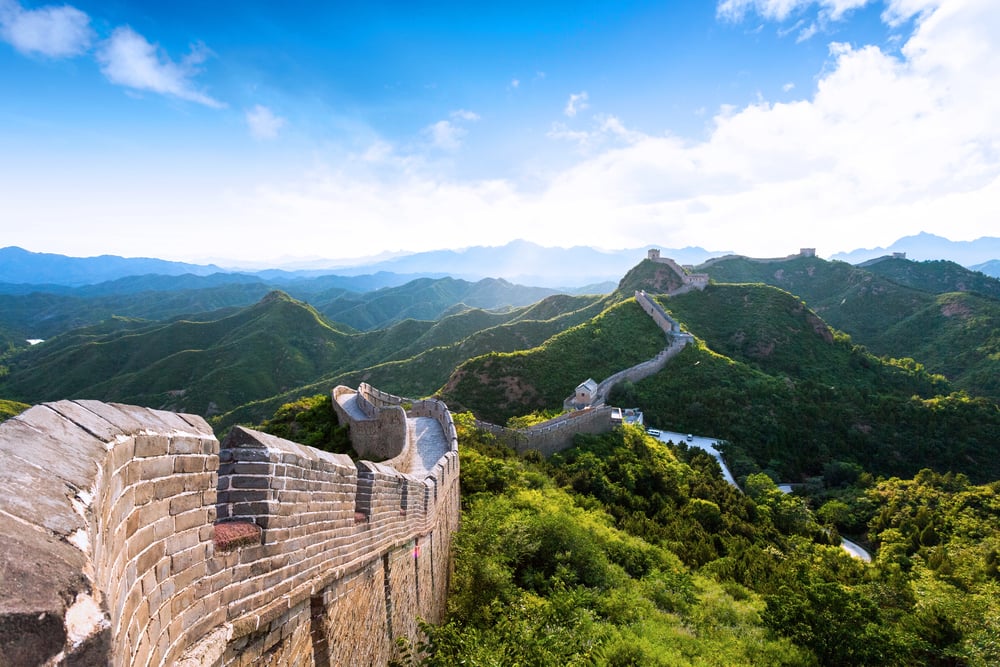
The communication system along the wall was remarkably efficient for its time. A series of beacon towers could transmit warning signals across 470 miles in just a few hours.
Guards would light fires or release smoke in predetermined patterns, and the next tower would repeat the signal. This ancient version of the telegraph allowed military commanders to respond quickly to threats.
The wall runs through nine provinces

The Great Wall crosses through nine different Chinese provinces and autonomous regions. It passes through Liaoning, Hebei, Beijing, Tianjin, Shanxi, Inner Mongolia, Shaanxi, Ningxia, and Gansu.
Each region offers different landscapes and wall styles, from the rugged mountain passes near Beijing to the desolate desert ruins in the west.
Tourism is destroying some sections
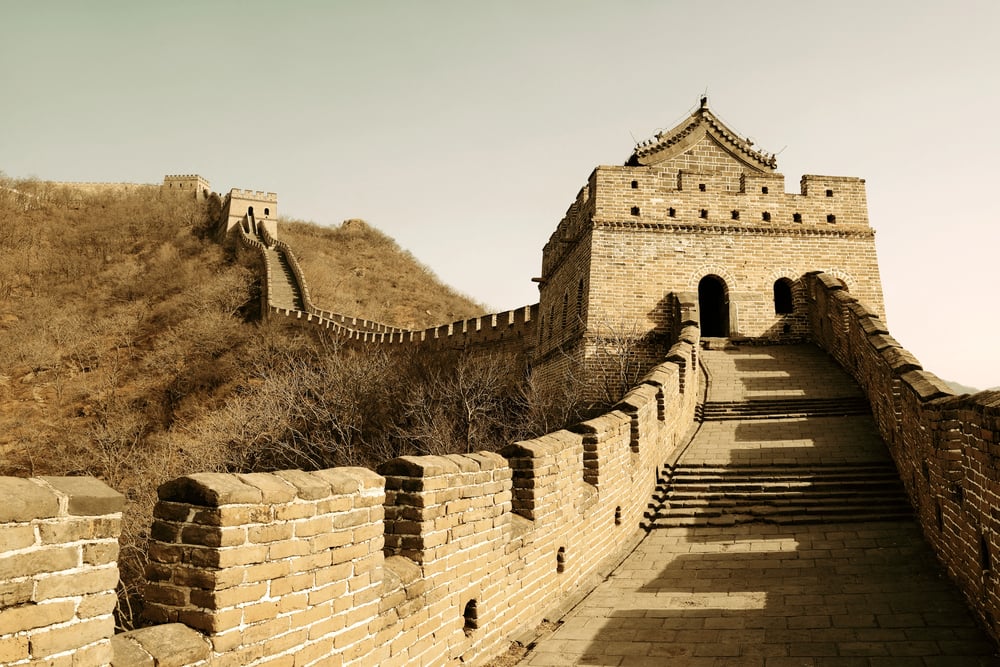
What keeps old sites alive also chips away at them. Each year, crowds trample stairways, scratch names into stone walls, while pocketing fragments just because they can.
Places left raw, untouched by builders, feel the weight most – feet pass through too often. Tougher laws now exist.
Repairs happen more regularly. Still, making money off travelers without wrecking what drew them here?
That tightrope walk hasn’t gotten easier.
Modern restoration uses ancient techniques

Restoring parts of the wall? Specialists sometimes stick close to old ways – lime mortar blended without machines, stones shaped like those from long ago.
Wooden frames go up just like back then, mimicking ancient support systems. Yet certain repairs stir debate; a freshly rebuilt stretch can feel out of place, scrubbing away the roughness time left behind.
A shape that keeps changing over time
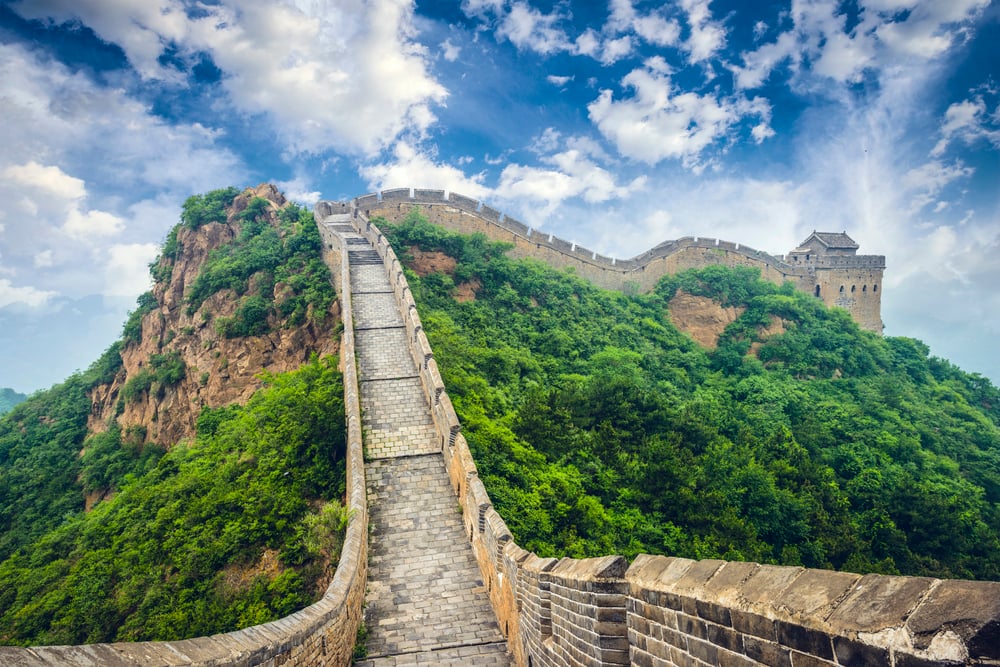
Pieces of the Great Wall shift slowly now, with crews repairing broken stretches while old parts rise from dust after being unseen for centuries. From above, machines that fly without pilots spot traces masked by plants or dunes, showing where stone once ran.
Most travelers see only small pieces compared to its ancient reach, though each find widens the picture bit by bit. Ground scans and patient digging add lines to maps where nothing stood before, rewriting how long it really was.
More from Go2Tutors!

- The Romanov Crown Jewels and Their Tragic Fate
- 13 Historical Mysteries That Science Still Can’t Solve
- Famous Hoaxes That Fooled the World for Years
- 15 Child Stars with Tragic Adult Lives
- 16 Famous Jewelry Pieces in History
Like Go2Tutors’s content? Follow us on MSN.