Famous Educational Cartoons From Childhood
For many children, however, it was not only in the classroom and through books that learning occurred. Television was another unexpected venue for learning and where children were taught valuable lessons.
Cartoons for kids were used in a creative way to integrate various fields of study such as science, history, language, and social values with storytelling and humor.
In the 1970s, 1980s, and 1990s, there were various animated shows that were created with the aim of making learning fun for children. These shows were successful in entertaining and educating children at the same time.
Many people today recall various shows and songs from these animated shows. Below is a detailed look at some of the most famous animated shows for kids.
Schoolhouse Rock
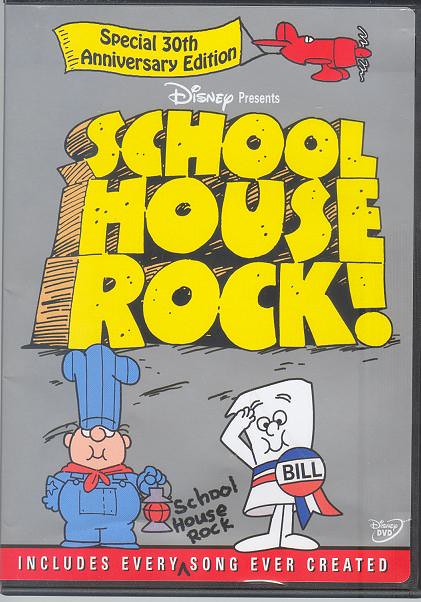
One of the most recognizable educational cartoon series ever created was Schoolhouse Rock. The short animated segments first aired in the early 1970s and appeared during Saturday morning programming.
Each episode focused on a specific topic such as grammar, mathematics, history, or government. The show used catchy songs and simple animations to explain complex ideas.
Many viewers still remember songs about multiplication tables, conjunctions, and the structure of the United States government. The segment explaining how a bill becomes a law became particularly well known.
The combination of music and animation helped students remember information long after the episode ended.
The Magic School Bus
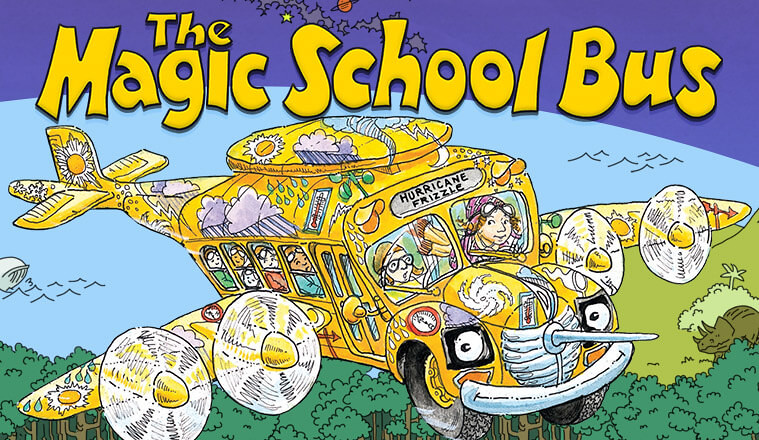
The Magic School Bus became one of the most beloved science cartoons of the 1990s. The series followed a class of curious students and their adventurous teacher, Ms. Frizzle, as they traveled in a magical bus that could transform and shrink to explore scientific concepts.
Each episode took the class inside unusual environments, including the human body, outer space, deep oceans, and microscopic ecosystems. The show combined humor and imaginative storytelling with accurate scientific explanations.
By turning science lessons into exciting adventures, the series encouraged children to see learning as something exciting rather than intimidating.
Captain Planet and the Planeteers
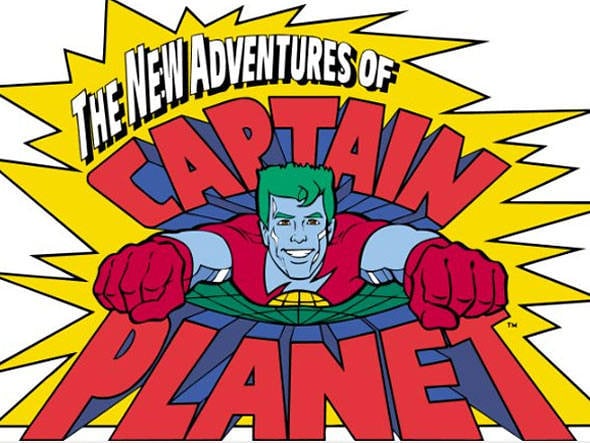
Environmental awareness became a central theme in Captain Planet and the Planeteers, which debuted in the early 1990s. The series focused on a group of young heroes who protected the planet using special rings representing natural elements such as water, fire, wind, earth, and heart.
Together, the characters summoned Captain Planet to battle environmental threats and teach lessons about pollution, conservation, and responsibility. The show introduced young viewers to ideas about environmental protection at a time when global awareness of ecological issues was growing.
Although the stories were dramatic and action-filled, the program’s core message emphasized caring for the planet and understanding how human actions affect the natural world.
Sesame Street Animated Segments
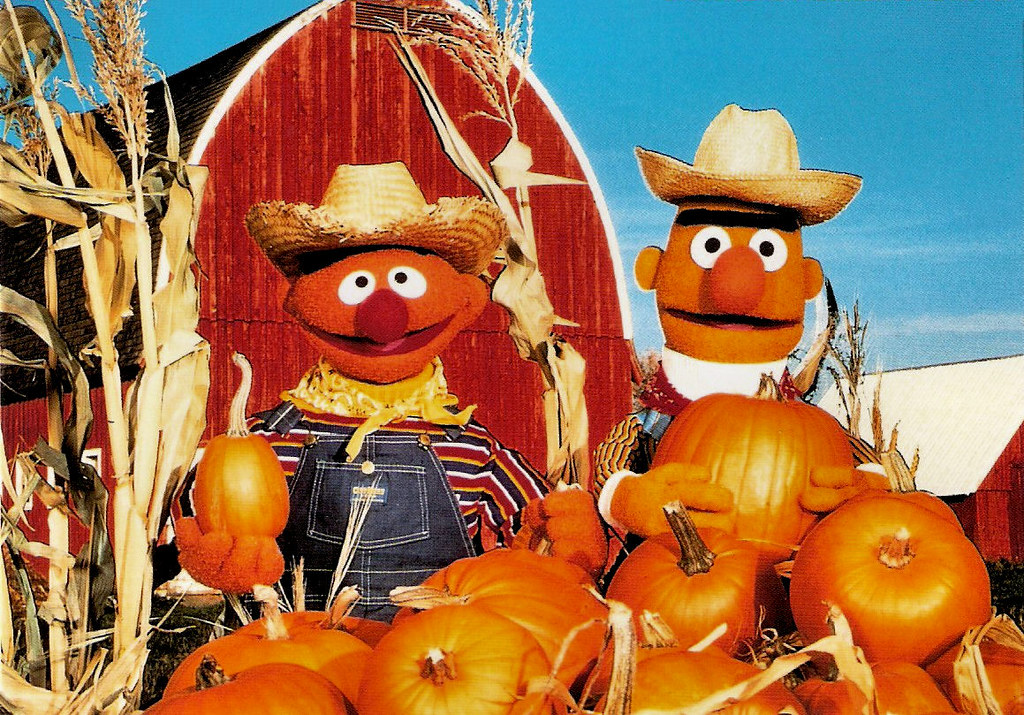
While Sesame Street is widely known as a live-action educational program, it also featured many animated segments that became iconic learning tools. These short cartoons helped children understand letters, numbers, and everyday concepts.
The animations were often colorful, rhythmic, and playful. Simple stories or songs reinforced early learning skills such as counting or recognizing shapes.
These brief segments helped keep young viewers engaged while introducing foundational ideas in an accessible way. Over time, many of these animated pieces became memorable parts of childhood television, remembered just as vividly as the show’s live-action characters.
Reading Rainbow
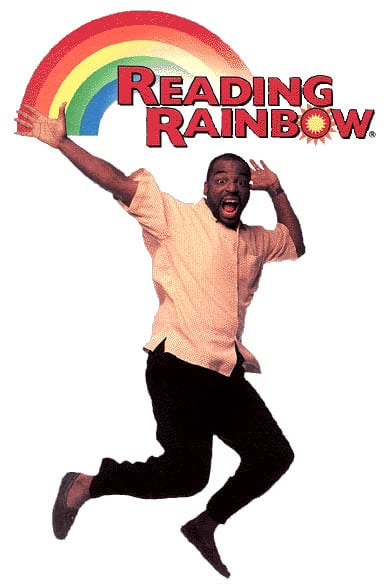
Although Reading Rainbow itself was not an animated series, it included many animated segments designed to encourage reading. The program introduced children to new books through storytelling, illustrations, and short animated sequences.
The show celebrated imagination and curiosity while showing how books could open doors to new worlds and ideas. Animated portions often brought characters and stories to life, helping younger viewers connect with the material.
By combining storytelling with animation and real-world exploration, the program helped inspire many children to develop a love for reading.
The Adventures of Tintin
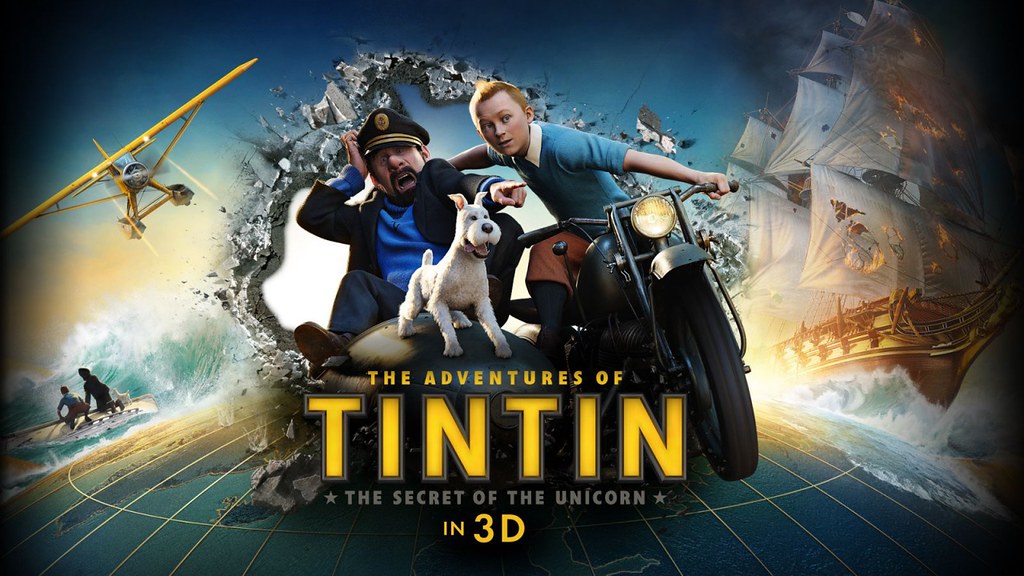
The Adventures of Tintin introduced many children to global exploration and investigative storytelling. Based on the famous comic series, the animated show followed a young reporter and his companions as they traveled across different countries solving mysteries.
While primarily an adventure series, the show often introduced viewers to historical settings, geography, and cultural elements from around the world. The detailed environments and storylines sparked curiosity about different regions and historical periods.
For many young viewers, the series served as an introduction to international cultures and storytelling rooted in exploration.
Animaniacs Educational Segments
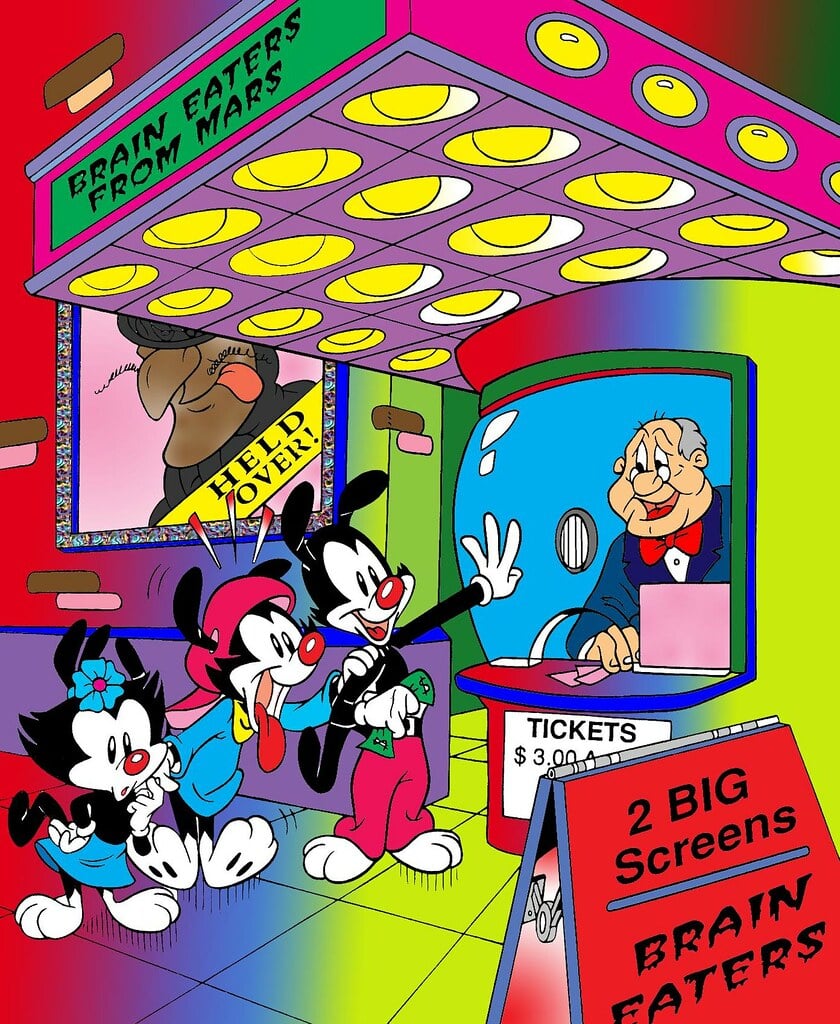
Animaniacs was widely known for its humor and energetic style, yet the show also included numerous educational segments. Many episodes featured songs explaining historical events, geography, or scientific concepts.
One of the most famous musical segments listed the countries of the world in rapid succession, helping viewers learn geography through music. Other segments introduced historical figures or explained political ideas in a playful way.
The combination of humor and educational content made these segments surprisingly effective learning tools for young audiences.
Dora the Explorer
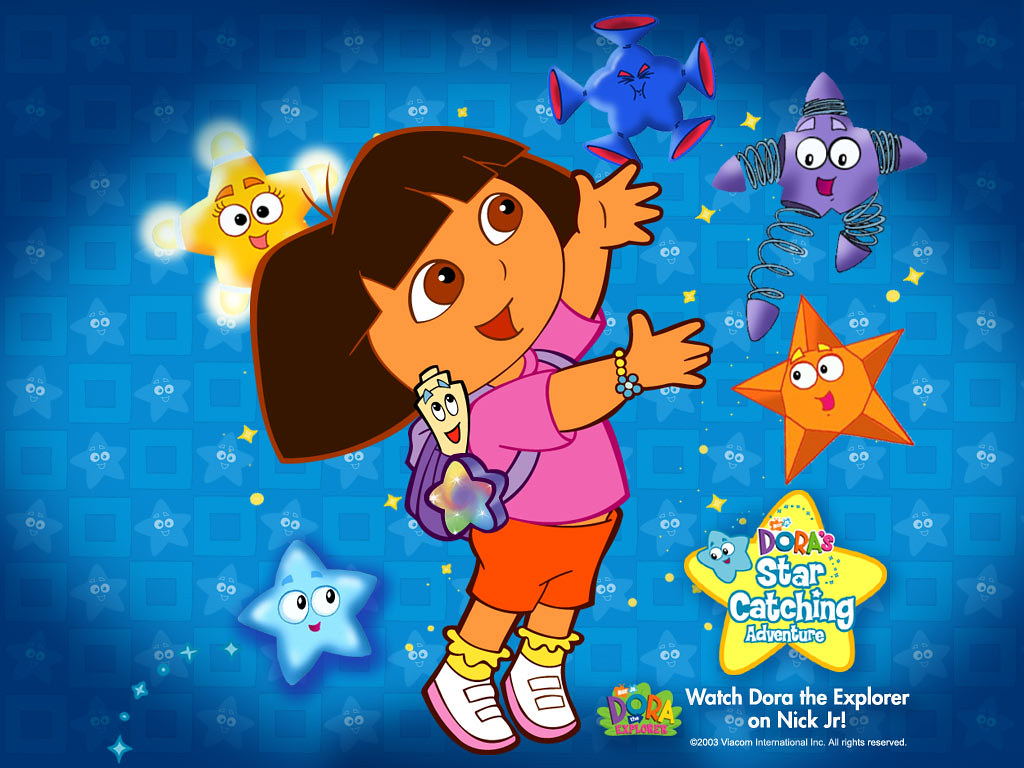
Dora the Explorer became a major educational cartoon for younger children beginning in the early 2000s. The show followed Dora and her companion Boots as they solved problems and completed adventures.
Each episode encouraged viewer participation, asking children to help identify objects, directions, and simple words in both English and Spanish. This interactive style helped reinforce early language and problem-solving skills.
The show’s structure allowed children to feel involved in the story, making learning feel like part of the adventure.
Arthur
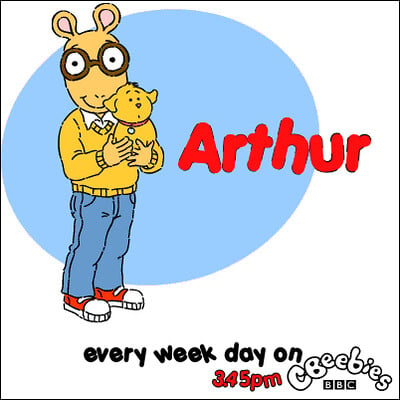
The animated series Arthur focused on everyday experiences in childhood while subtly teaching social and emotional lessons. Based on the popular book series, the show followed Arthur and his friends as they navigated school life, friendships, and family relationships.
Episodes often explored topics such as honesty, responsibility, empathy, and understanding others. While the show avoided heavy lectures, its stories encouraged viewers to think about how actions affect people around them.
This approach helped children learn important social skills through relatable characters and situations.
Why Educational Cartoons Still Matter
Educational cartoons have had a unique place in the education of young children, as they have managed to combine entertainment and education. Instead of using traditional methods of teaching, they have incorporated storytelling and entertainment into education.
Today, many adults still remember the songs, characters, and concepts they learned from these shows. The fact that they are still popular today is evidence of the power of storytelling as an educational tool.
Through their ability to make education an adventure, educational cartoons have had an impact on the education of young minds in science, language, history, and more.
More from Go2Tutors!

- The Romanov Crown Jewels and Their Tragic Fate
- 13 Historical Mysteries That Science Still Can’t Solve
- Famous Hoaxes That Fooled the World for Years
- 15 Child Stars with Tragic Adult Lives
- 16 Famous Jewelry Pieces in History
Like Go2Tutors’s content? Follow us on MSN.