18 Military Tactics Now Used in Video Games
Video games have come a long way since the days of simple arcade shooters. Modern game developers increasingly draw inspiration from real military doctrine, creating experiences that blend entertainment with authentic tactical concepts.
From squad-based shooters to grand strategy games, these titles incorporate genuine battlefield techniques that have been refined through centuries of warfare. The crossover between military training and gaming has become so significant that the U.S. Armed Forces now use commercial video games for training purposes, while game studios consult with military advisors to ensure tactical authenticity.
Here is a list of 18 military tactics that have successfully made the transition from real battlefields to virtual ones.
Bounding Overwatch
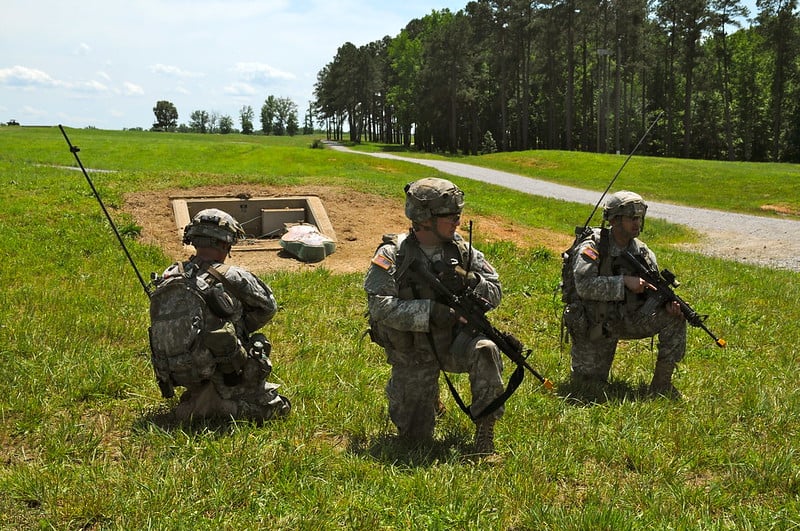
Bounding overwatch involves alternating movement of coordinated units to allow suppressive fire in support of offensive forward movement or defensive disengagement. In games like Squad or ARMA, players divide into teams where one group provides covering fire while another advances to better positions.
The overwatch team can react instantaneously to enemy fire while the bounding team would have to stop, take cover, locate the enemy, and aim before they could return fire. This creates a realistic rhythm of tactical advancement that mirrors actual military procedures.
Suppressive Fire
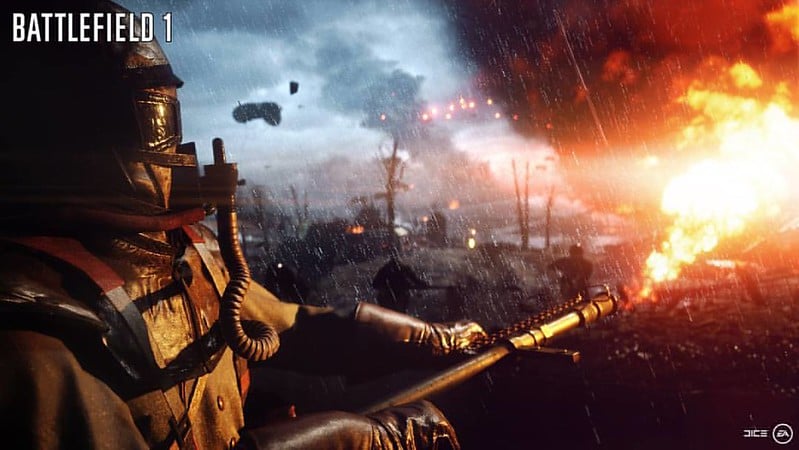
Suppressive fire prevents the enemy from properly assessing the attack and organizing a coherent and coordinated defense or counter-attack. Games like Battlefield and Call of Duty incorporate this concept through mechanics that affect enemy accuracy or movement when under heavy fire.
A single shot or short burst at random intervals every 1-3 seconds is usually enough to keep the enemy in cover. Players learn to use sustained fire not necessarily to eliminate targets, but to control enemy positioning and create opportunities for teammates.
Like Go2Tutors’s content? Follow us on MSN.
Flanking Maneuvers
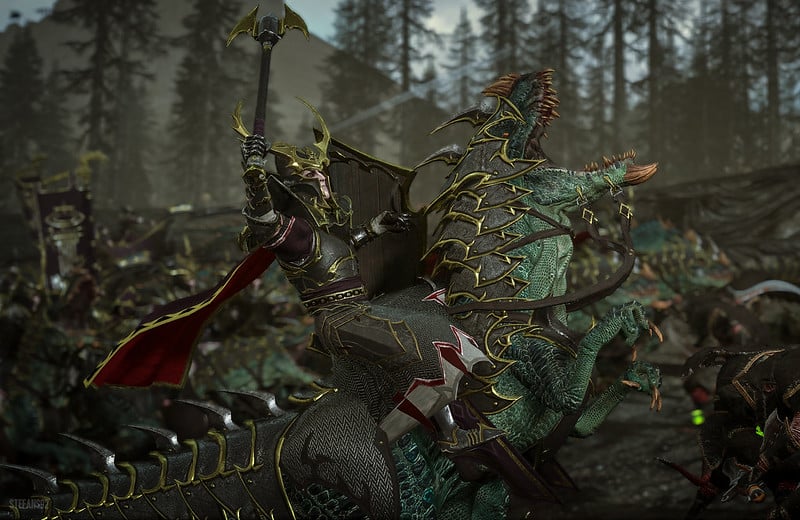
Flanking maneuvers involve attacking an enemy from the side or rear, exploiting vulnerabilities in their defensive positioning. Strategy games like Total War and tactical shooters consistently reward players who avoid frontal assaults in favor of side approaches.
An enemy is flanked when you’ve successfully approached them from the side or rear and gained a clear line of fire. This tactic requires patience and coordination but typically guarantees victory when executed properly.
Fire and Movement
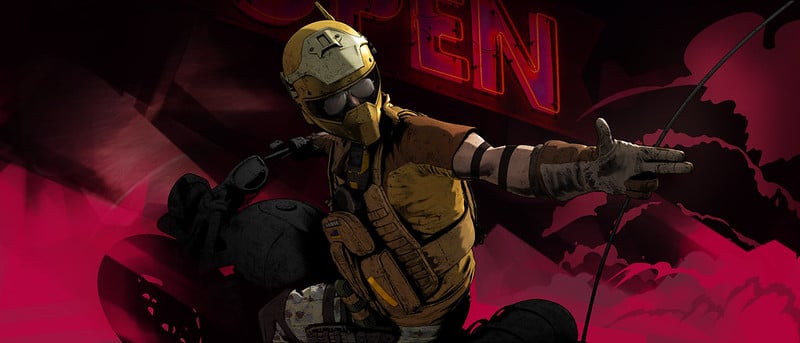
Fire and movement involves heavy use of all available cover, and highly-coordinated exchanges of rapid movement by some elements while other elements cover this movement with suppressive fire. Tactical shooters like Rainbow Six Siege excel at teaching this principle through gameplay that punishes players who remain stationary.
The technique emphasizes that successful advancement requires one element providing cover while another moves to advantageous positions.
Enfilade and Defilade Positioning

An L-shaped ambush positions a fireteam or squad lined up 90 degrees from another one, with those behind cover firing ‘in defilade,’ meaning it will be hard for an enemy to hit them. Meanwhile, the unfortunate unit wandering into the ambush receives ‘enfilade’ fire, meaning that the attack sweeps through their ranks.
Strategy games and tactical shooters reward players who understand these positioning concepts, creating devastating crossfires that are difficult to escape.
Like Go2Tutors’s content? Follow us on MSN.
Concentration of Force
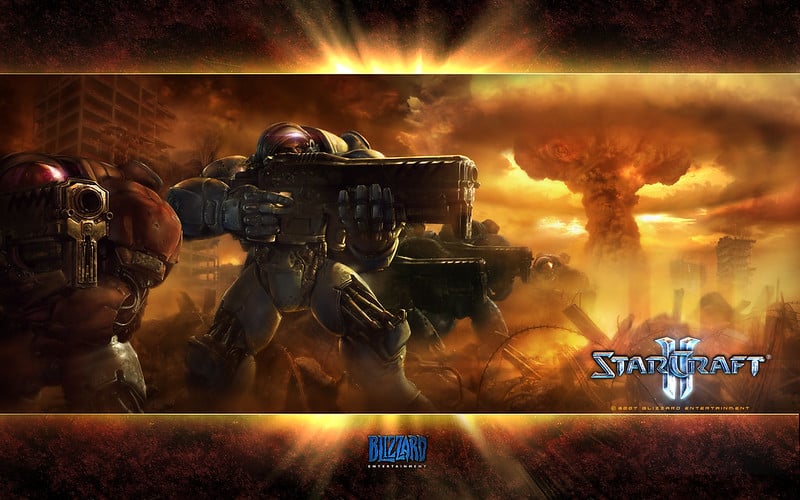
Force concentration involves the practice of concentrating a military force against a portion of an enemy force. Real-time strategy games like Age of Empires and StarCraft heavily emphasize this principle, where players learn to mass their units against specific enemy positions rather than spreading attacks thinly.
Gaming has its own term for this already, ‘DPS down’ – having the bulk of your players attack the first priority target until it withdraws, is degraded or is destroyed.
Covering Fire
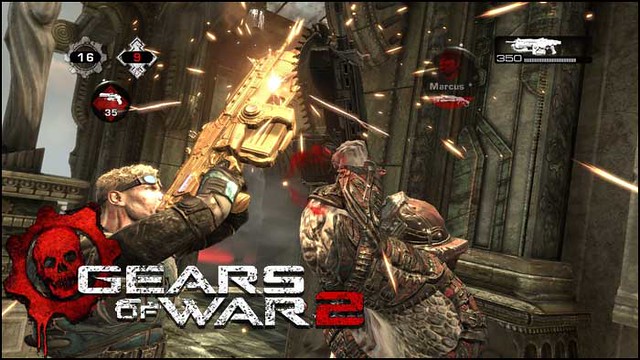
Covering fire techniques provide support during offensive or defensive maneuvers by suppressing the enemy’s ability to return fire. Tactical games like XCOM incorporate covering fire as a reactive ability that allows units to shoot at enemies who attack nearby allies.
This tactic emphasizes coordinated firing to protect advancing units and secure tactical advantages on the battlefield. The mechanic teaches players about protective overwatch and team coordination.
Defensive Positioning
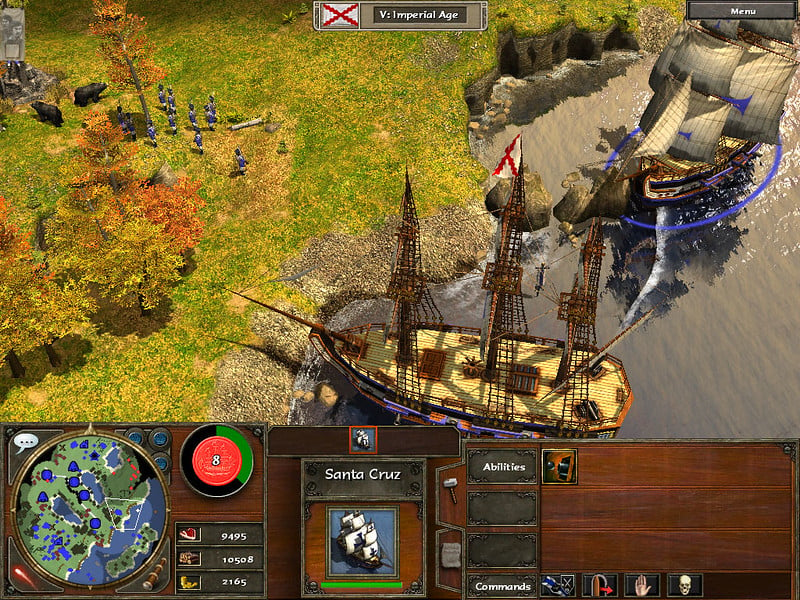
Attack from a defensive position involves establishing a strong defensive position from which to defend and attack your opponent. Games like Age of Empires and Civilization reward players who choose terrain wisely, establishing strongholds on hills or behind natural barriers.
Keep to familiar territory where you have a clear advantage – check your loadout, plan where you want to make your stand. This principle emphasizes the importance of preparation and terrain selection.
Like Go2Tutors’s content? Follow us on MSN.
Reconnaissance and Intelligence
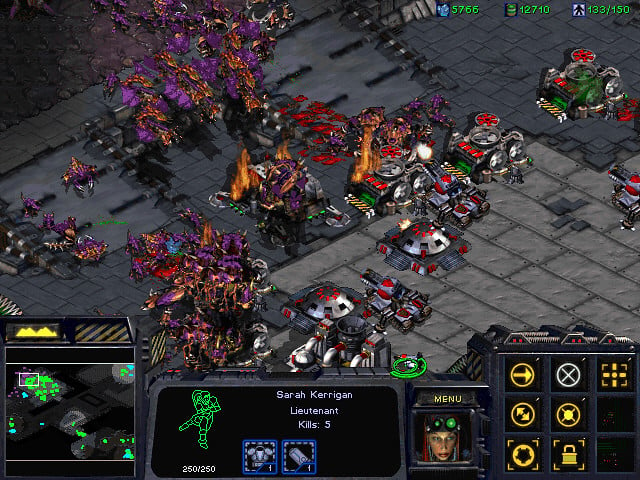
Reconnaissance involves missions to obtain information by visual observation or other detection methods. Strategy games consistently reward players who scout enemy positions before committing to attacks.
Games like StarCraft and Command & Conquer make reconnaissance units essential for success, teaching players that information gathering prevents costly surprises and enables informed tactical decisions.
Feigned Retreat

Feigned retreat involves having a frontal force fake a retreat, drawing the opponent in pursuit and then launching an assault with strong force held in reserve. Total War games and other strategy titles allow players to execute this ancient tactic by withdrawing units to lure enemies into ambushes.
The technique requires careful timing and positioning but can turn apparent defeat into overwhelming victory.
Smoke Screening
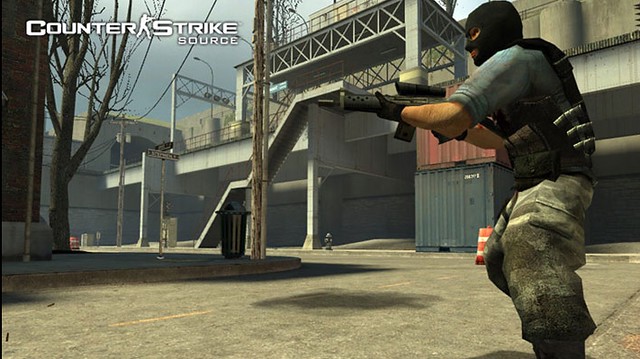
Smoke screening involves creating clouds of smoke positioned to provide concealment, allowing military forces to advance or retreat across open terrain without coming under direct fire. Tactical shooters like Counter-Strike and Valorant make smoke grenades essential tools for crossing dangerous areas.
Smoke grenades are an essential tool for blocking line of sight and offering a bridge through open terrain in both withdrawals and assaults.
Like Go2Tutors’s content? Follow us on MSN.
Night Combat Operations
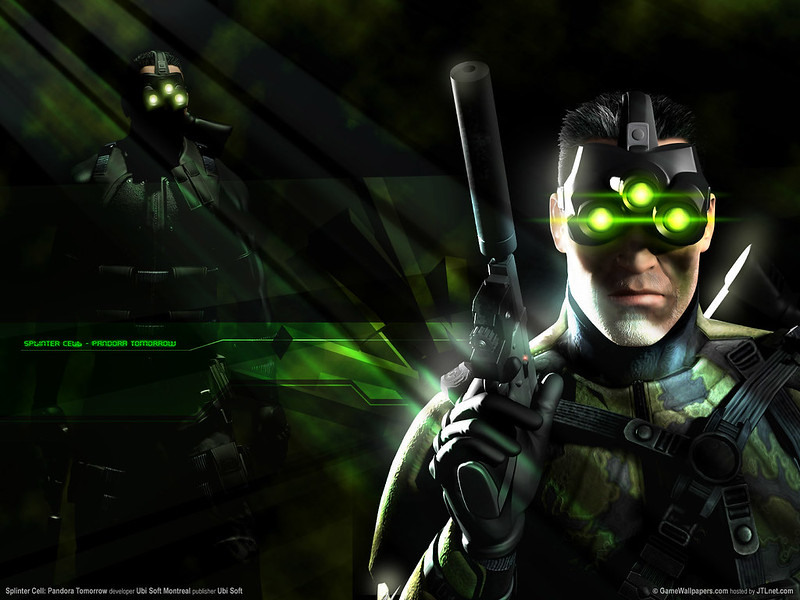
Night combat often requires more preparation than combat during daylight and can provide significant tactical advantages and disadvantages to both the attacker and defender. Games like Splinter Cell and Metal Gear emphasize stealth and limited visibility conditions.
Players learn to use darkness for concealment while managing the challenges of reduced vision and coordination difficulties that mirror real night operations.
Squad Formation Tactics
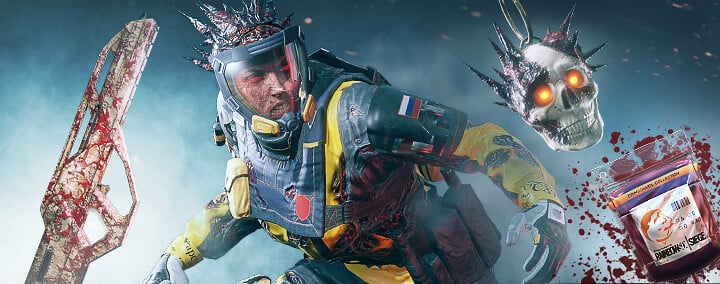
The military deploys its units in small squad formations, and it’s not just because it looks cool – the way your team is positioned can make all the difference once a firefight erupts. Tactical games teach players various formations like the fire team column, which positions squad mates in a parallelogram, providing controlled mobility in any direction and allowing for immediate, reactive counter in case of ambush.
Proper spacing prevents single attacks from eliminating entire teams.
Penetration of the Center
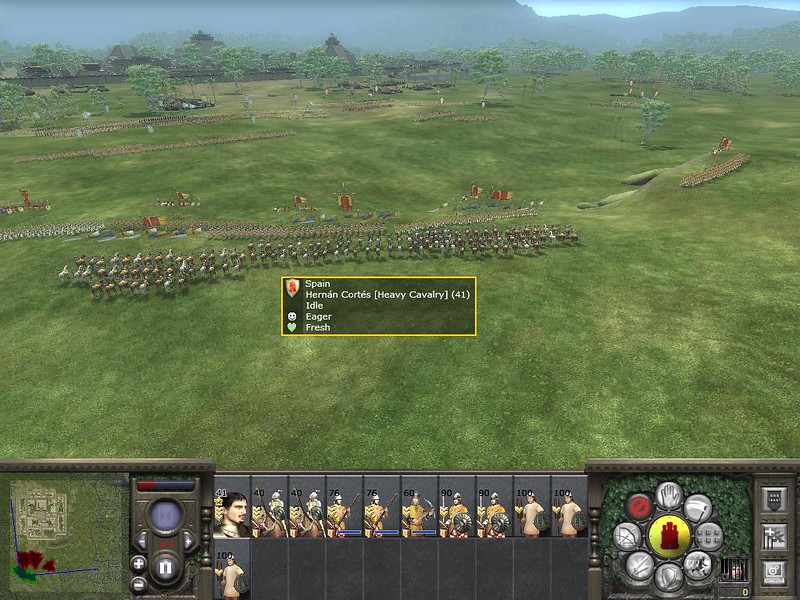
Penetration of the center involves exploiting a gap in the enemy line to drive directly to the enemy’s command or base. Strategy games like Total War reward players who identify weak points in enemy formations and concentrate elite forces to break through.
This can be accomplished by having fast, elite forces smash at a weak spot and using reserves to hold the line while the elite forces continue forward. The tactic emphasizes speed and decisive action.
Like Go2Tutors’s content? Follow us on MSN.
Hammer and Anvil
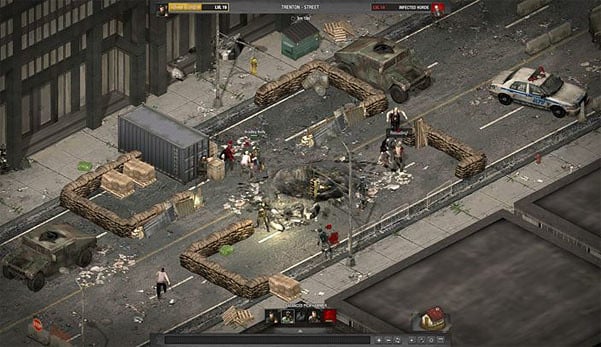
This classic ‘hammer and anvil’ tactic was employed by Alexander the Great and the Macedonians, keeping opponents preoccupied with an unbreakable force in front while circling around to hit them with a hard-hitting elite force from behind. Strategy games frequently feature this maneuver, where players use heavy infantry to pin enemies in place while cavalry or elite units strike from the rear.
The technique requires coordination between different unit types but delivers devastating results.
Communication and Command Control
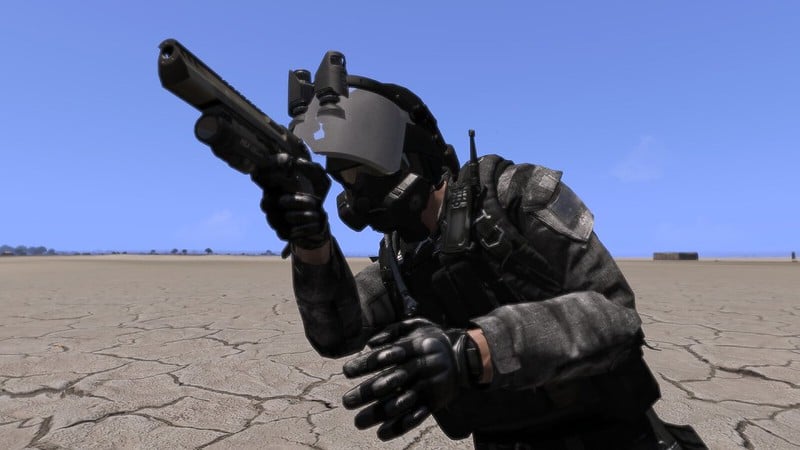
In an actual military situation you’d be doing a lot more communicating than shooting, and it’s this way for a reason – knowing is half the battle. Multiplayer tactical games emphasize voice communication and information sharing about enemy positions, team status, and tactical plans.
Games like Squad and Hell Let Loose make communication essential for success, teaching players that coordination multiplies combat effectiveness beyond individual skill.
React, Take Cover, Return Fire
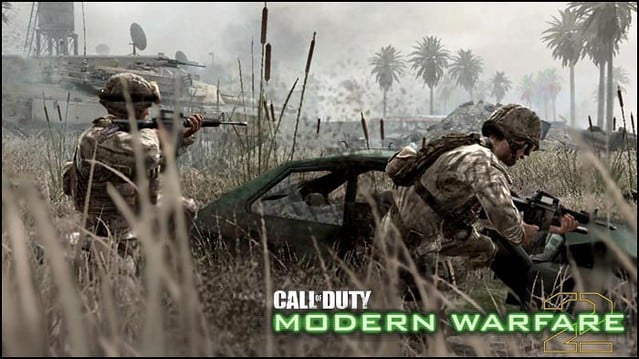
If you lay down suppressive fire you can buy yourself enough time to take cover – once you’re in a better spot for avoiding enemy shots, you can take proper aim and return fire from a safer position. This fundamental combat drill appears in countless shooters as a core gameplay loop.
Players learn the importance of immediate reaction to contact, seeking protection, and only then engaging the enemy from advantageous positions.
Like Go2Tutors’s content? Follow us on MSN.
Single Envelopment

Single envelopment involves a consolidated attack against one flank while the remainder of the enemy is held in place. Strategy games teach this concept through scenarios where players fix enemy attention with frontal forces while maneuvering around a single flank.
The tactic appears in everything from ancient warfare games to modern military simulators, demonstrating how fundamental tactical principles transcend technological eras.
The Digital Battlefield Connection
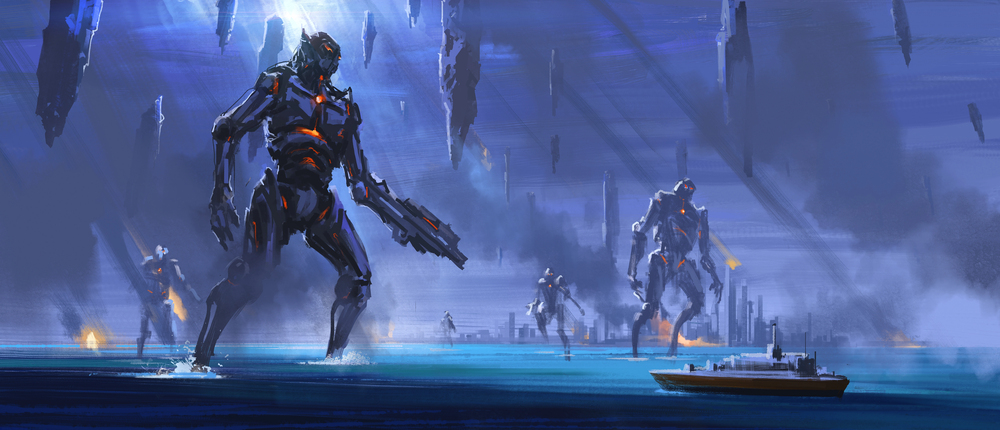
The relationship between military tactics and video games has evolved into something far more sophisticated than simple entertainment. The U.S. Army was the first branch to launch an esports program in 2018, using games to connect with younger audiences and make recruitment efforts more relatable.
Meanwhile, games like Full Spectrum Warrior were originally developed by Pandemic Studios for the U.S. Army as realistic military training tools, focusing on authentic soldier behavior and tactics rather than typical action-oriented gameplay. This convergence shows how virtual battlefields have become legitimate platforms for understanding and practicing real tactical concepts, proving that the best games don’t just simulate warfare – they teach the timeless principles that have shaped military thinking for centuries.
More from Go2Tutors!

- 16 Historical Figures Who Were Nothing Like You Think
- 12 Things Sold in the 80s That Are Now Illegal
- 15 VHS Tapes That Could Be Worth Thousands
- 17 Historical “What Ifs” That Would Have Changed Everything
- 18 TV Shows That Vanished Without a Finale
Like Go2Tutors’s content? Follow us on MSN.



