15 Fads That Burned Bright and Vanished Fast
Remember when everyone you knew was doing the same bizarre thing, buying the same strange product, or obsessing over the same eccentric hobby? Pop culture has always been defined by these momentary obsessions that capture our collective attention before disappearing almost as quickly as they arrived.
These cultural phenomena offer fascinating glimpses into our psychology, revealing how easily we can be swept up in shared experiences regardless of how impractical or unusual they might seem in retrospect. Here is a list of 15 fads that took the world by storm before fading into obscurity, leaving us wondering what we were thinking.
Pet Rocks
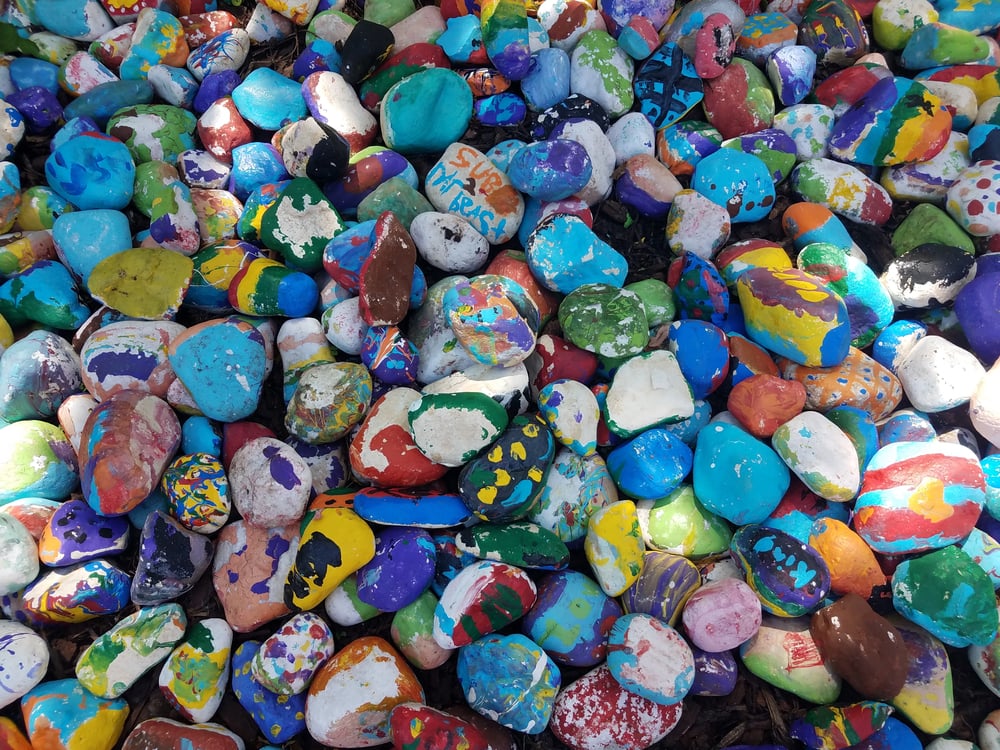
In 1975, advertising executive Gary Dahl came up with perhaps the most brilliantly simple money-making scheme ever: selling ordinary rocks as pets. These smooth stones came in custom cardboard boxes with air holes and straw bedding, complete with a training manual for teaching your mineral friend to “sit” and “stay.”
Americans spent about $15 (equivalent to nearly $80 today) on these inanimate companions, making Dahl a millionaire within months before the craze predictably crumbled.
Cabbage Patch Kids
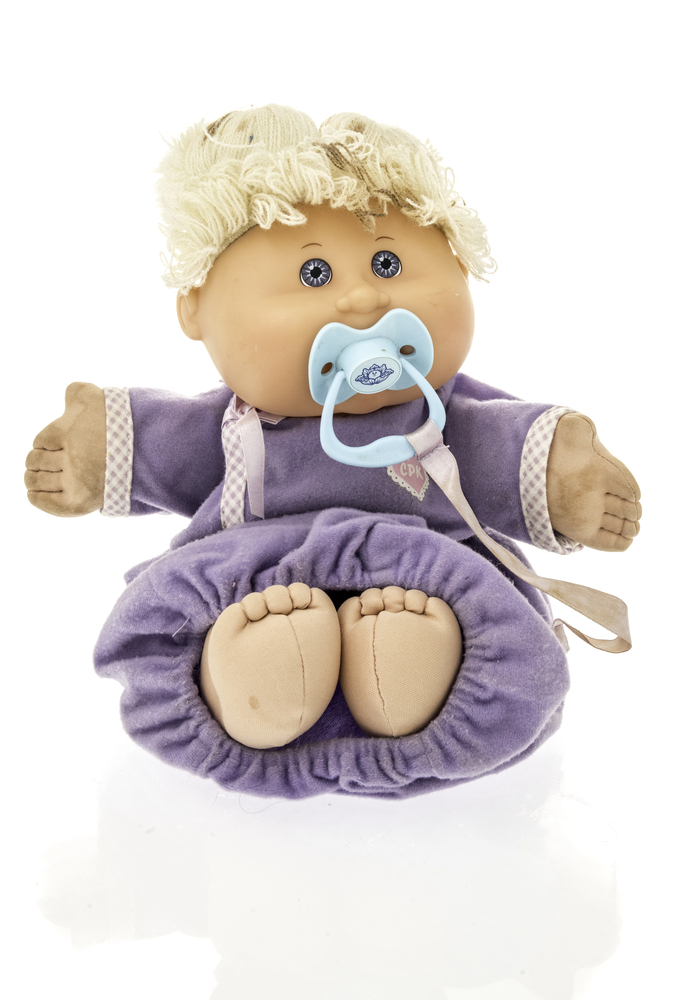
These dimpled, soft-bodied dolls with adoption papers created shopping frenzies and even store riots during the 1983 holiday season. Parents literally fought in store aisles to secure one of these homely dolls for their children, with some paying up to ten times the retail price.
By 1985, the mania had largely subsided, though Cabbage Patch Kids remarkably continue to be produced today—just without the trampling crowds and parental desperation.
Like Go2Tutors’s content? Follow us on MSN.
Pogs

These simple cardboard discs originally used as milk bottle caps in Hawaii transformed into a worldwide collecting and gaming phenomenon in the early 1990s. Children amassed thousands of these circular pieces of cardboard featuring everything from cartoon characters to corporate logos, playing a simple stacking and slapping game that somehow justified the obsession.
The craze peaked around 1995 before schools began banning them for encouraging gambling-like behavior, quickly sending these collectibles to junk drawers everywhere.
Tamagotchi
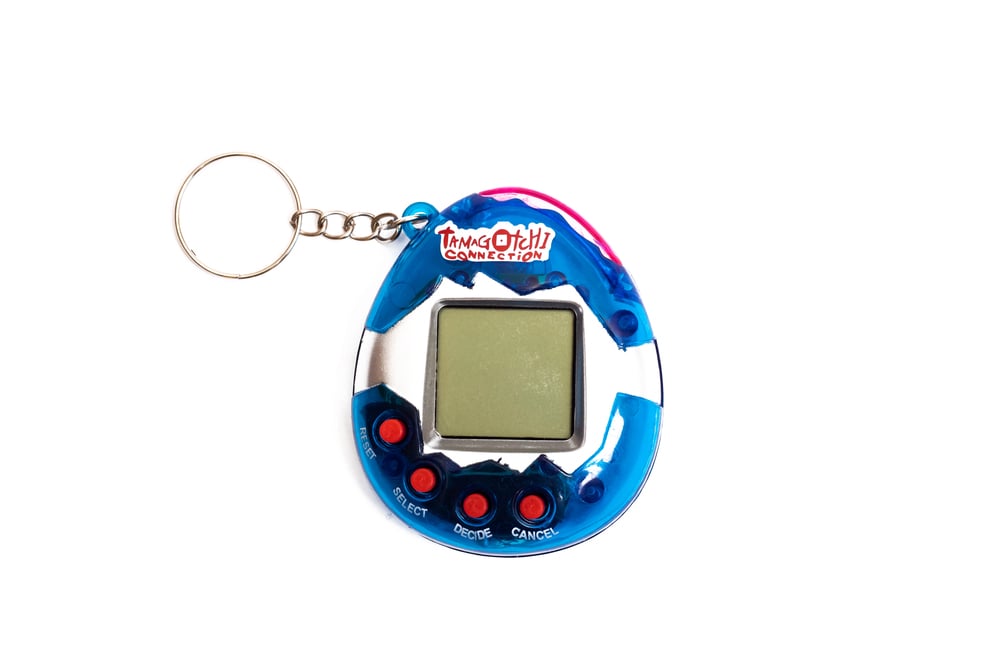
These digital pets from Japan invaded Western culture in 1997, forcing children and adults alike to constantly tend to beeping egg-shaped keychains. Owners had to feed, clean, and care for their pixelated pets, often sacrificing sleep and attention to schoolwork to prevent their virtual companions from perishing.
The constant maintenance quickly grew tiresome, and most Tamagotchis ended up abandoned in drawers with depleted batteries—a digital pet cemetery of neglect.
Beanie Babies
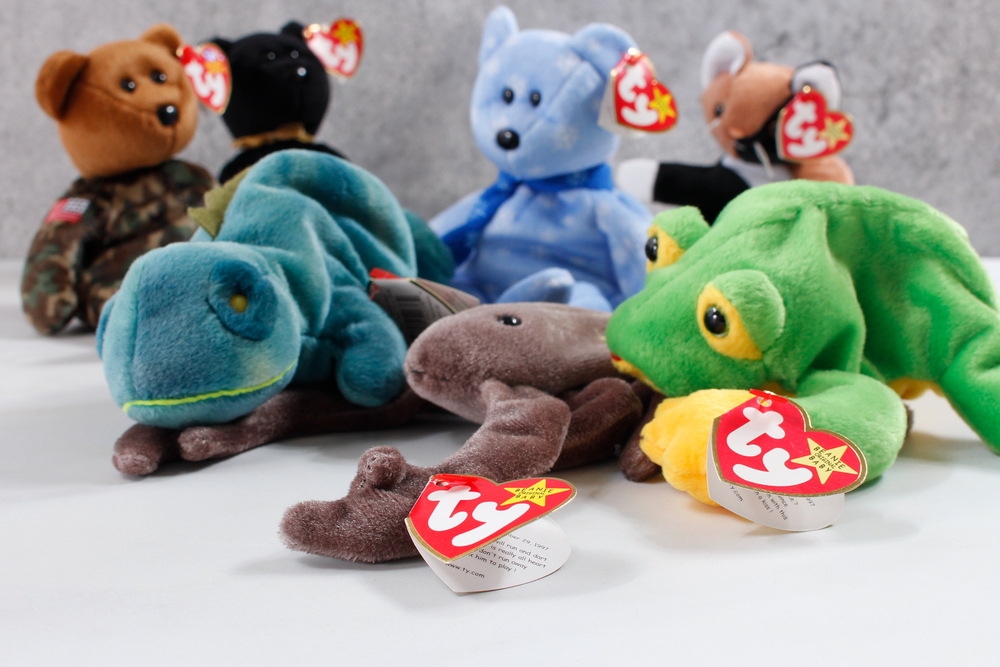
Few collectible crazes matched the intensity of Beanie Babies in the late 1990s. These understuffed plush animals created by Ty Warner spawned an entire secondary market where “rare” specimens sold for thousands of dollars.
Collectors hoarded them as investments, keeping tags pristine inside plastic protectors and genuinely believing these mass-produced toys would fund future college educations. The bubble inevitably burst around 1999, leaving many enthusiasts with worthless plush collections that now populate thrift shops nationwide.
Like Go2Tutors’s content? Follow us on MSN.
LIVESTRONG Bracelets
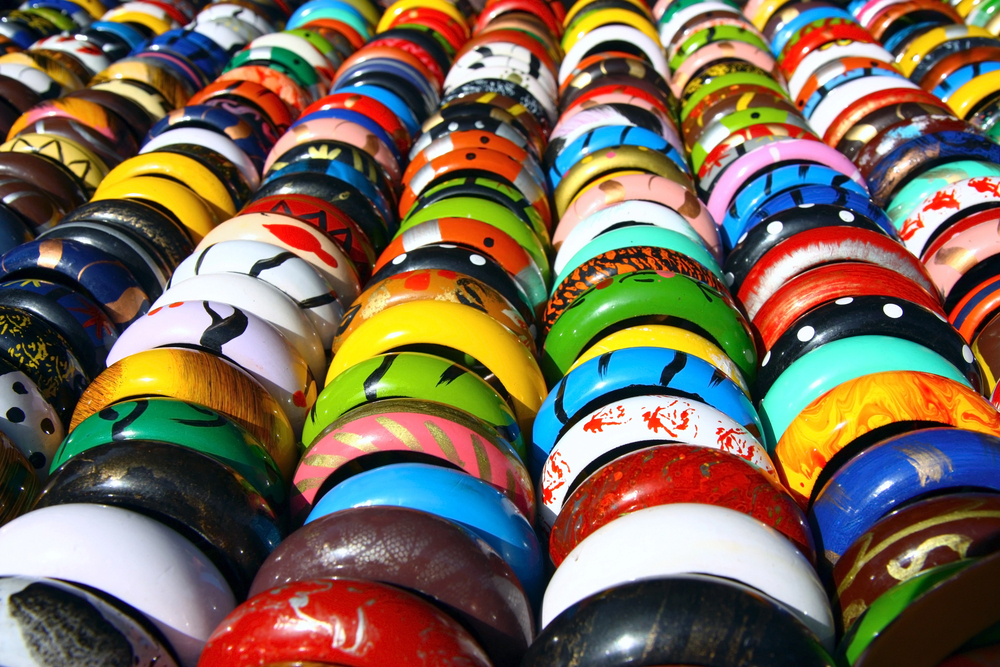
These yellow silicone wristbands supporting cancer research became ubiquitous fashion statements in the mid-2000s. Originally created for Lance Armstrong’s foundation, they spawned countless imitators in various colors supporting different causes.
At their peak, these simple accessories adorned millions of wrists across America before fading from popularity as Armstrong’s cycling career became embroiled in doping scandals. The bracelets taught us how quickly charitable fashion can rise and fall with its celebrity endorsers.
Flash Mobs

Beginning around 2003, groups of people would coordinate to suddenly assemble in public places, perform synchronized and often absurd actions, and then quickly disperse before authorities could respond. These organized spontaneous gatherings ranged from pillow fights to freeze-frame scenarios in busy train stations.
The novelty wore off as corporations began co-opting the format for marketing stunts, and by 2010, genuine flash mobs had largely been replaced by viral marketing and choreographed proposals.
Silly Bandz

These colorful silicone bracelets that returned to their original shapes when not being worn captivated schools across America around 2009-2010. Children traded and collected hundreds of varieties shaped like animals, objects, and characters, often wearing dozens on their arms simultaneously.
Many schools eventually banned them for being distractions, and children suddenly lost interest once they couldn’t show them off to classmates, relegating billions of Silly Bandz to bathroom drawers and trash bins nationwide.
Like Go2Tutors’s content? Follow us on MSN.
Planking

The bizarre trend of lying face-down, stiff as a board, in unusual locations swept across the internet in 2011. Participants photographed themselves planking across car hoods, shopping carts, and even dangerous places like balcony railings and moving vehicles.
The fad faded after several serious injuries and at least one death occurred from increasingly risky planking attempts, demonstrating how quickly social media challenges can turn from harmless fun to dangerous competition.
Harlem Shake
This 2013 internet phenomenon followed a simple formula: one person dances alone to Baauer’s “Harlem Shake” while others ignore them, then when the bass drops, the video cuts to everyone dancing chaotically in costumes. Over 40,000 Harlem Shake videos were uploaded in February 2013 alone, with offices, sports teams, and even military units participating.
The craze burned out after just a few months, making it one of the shortest-lived viral sensations and demonstrating the increasingly rapid lifecycle of internet fame.
Fidget Spinners
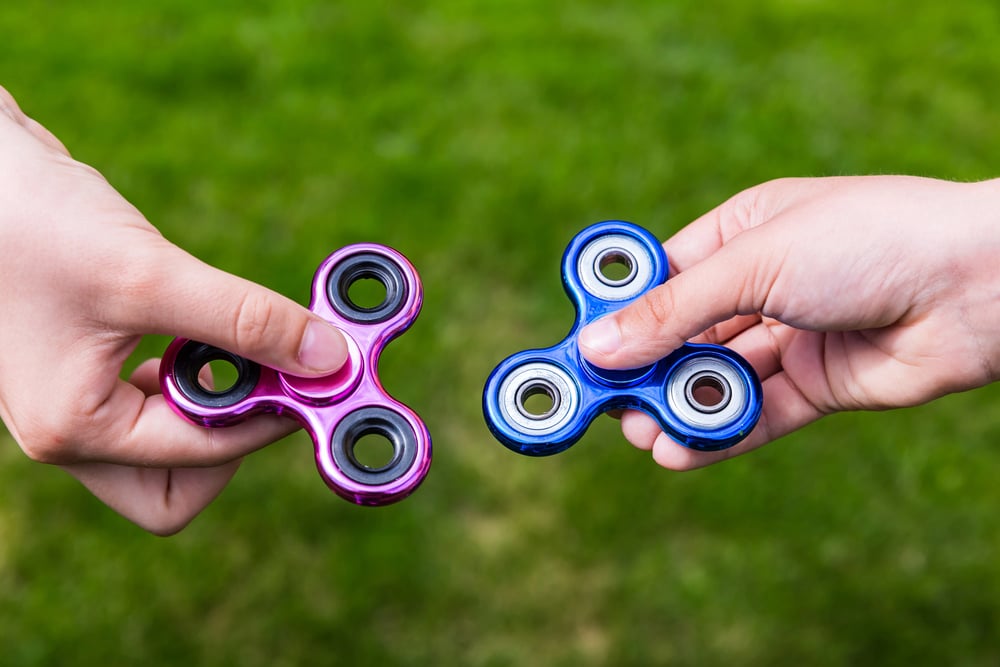
These palm-sized devices originally designed to help individuals with attention disorders suddenly became 2017’s must-have toy. Manufacturers couldn’t keep up with demand as children and adults alike became entranced by the hypnotic spinning motion.
School systems quickly banned them for being distractions rather than focusing tools, and the market became oversaturated with cheap knockoffs. By the end of summer 2017, fidget spinner kiosks in malls were closing, leaving mountains of unsold inventory behind.
Like Go2Tutors’s content? Follow us on MSN.
Pokémon GO
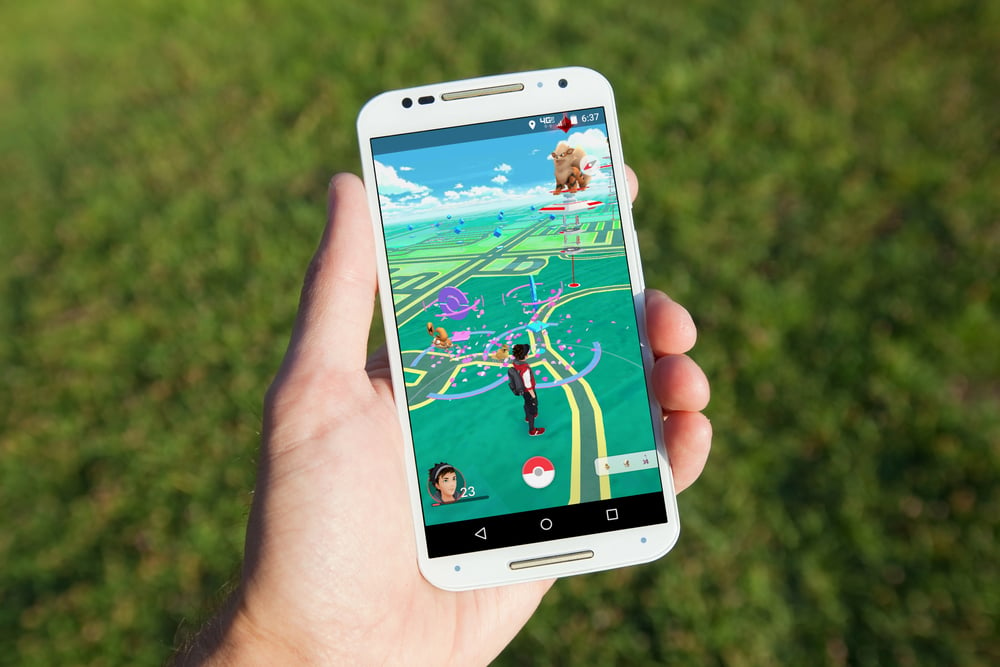
This augmented reality mobile game momentarily transformed society in summer 2016, with millions wandering neighborhoods staring at phones in search of virtual creatures. Parks and public spaces were filled with players, businesses created promotions for Pokémon hunters, and some players even trespassed or walked into traffic pursuing rare catches.
Though the game still maintains a dedicated user base, the cultural phenomenon aspect—where you couldn’t go outside without seeing players—lasted only about three months before the casual masses moved on.
Ice Bucket Challenge

In summer 2014, social media became flooded with videos of people dumping ice water on themselves to raise awareness for ALS (amyotrophic lateral sclerosis). The challenge spread rapidly through celebrity participation, with everyone from Bill Gates to Lady Gaga posting their drenched videos.
The campaign successfully raised over $115 million for ALS research before public interest waned, making it one of the few fads with lasting positive impact despite its brief cultural moment.
Flappy Bird

This frustratingly difficult mobile game became an overnight sensation in early 2014, rocketing to the top of app store charts and reportedly earning creator Dong Nguyen $50,000 daily from advertising. The game’s unexpected success overwhelmed Nguyen, who abruptly removed it from app stores at the height of its popularity.
This sudden unavailability created a secondary market where phones with Flappy Bird installed sold for thousands of dollars before interest inevitably faded just weeks later.
Like Go2Tutors’s content? Follow us on MSN.
Mannequin Challenge

Late 2016 saw groups of people filming themselves frozen in place like mannequins while Rae Sremmurd’s “Black Beatles” played in the background. Everyone from high school students to professional sports teams and even Hillary Clinton’s presidential campaign created increasingly elaborate frozen tableaus.
Like many video challenges, it quickly saturated social media before disappearing almost completely by early 2017, demonstrating how even the most widespread social media trends now have shelf lives measured in weeks rather than months.
The Evolution of Trends

Looking back at these cultural phenomena reveals how our attention spans have shortened alongside technological advancement. While Pet Rocks maintained popularity for months and Beanie Babies for years, more recent fads like the Mannequin Challenge barely lasted weeks.
Social media has accelerated both the spread and death of trends, creating a constantly churning cycle of cultural obsessions that burn brighter and fade faster than ever before.
More from Go2Tutors!

- 18 Unexpectedly Valuable Collectibles You Might Have Lying Around
- 20 Little-Known Historical Battles That Had Huge Consequences
- 20 Historical Artifacts That Scientists Can’t Explain
- 15 Inventions That Were Immediately Banned After Being Created
- 20 Actors Who Were Almost Cast in Iconic Roles
Like Go2Tutors’s content? Follow us on MSN.