14 Fishes That Can Survive on Land for Long
Fish are typically associated with aquatic environments, but nature has created some remarkable exceptions to this rule. Several fish species have evolved extraordinary adaptations that allow them to venture onto land and survive for extended periods outside their watery homes.
These amphibious creatures challenge our conventional understanding of fish limitations and demonstrate the incredible diversity of evolutionary adaptations. Here is a list of 14 remarkable fish species that can survive on land for extended periods, showing just how adaptable these aquatic creatures can be when faced with environmental challenges.
Walking Catfish
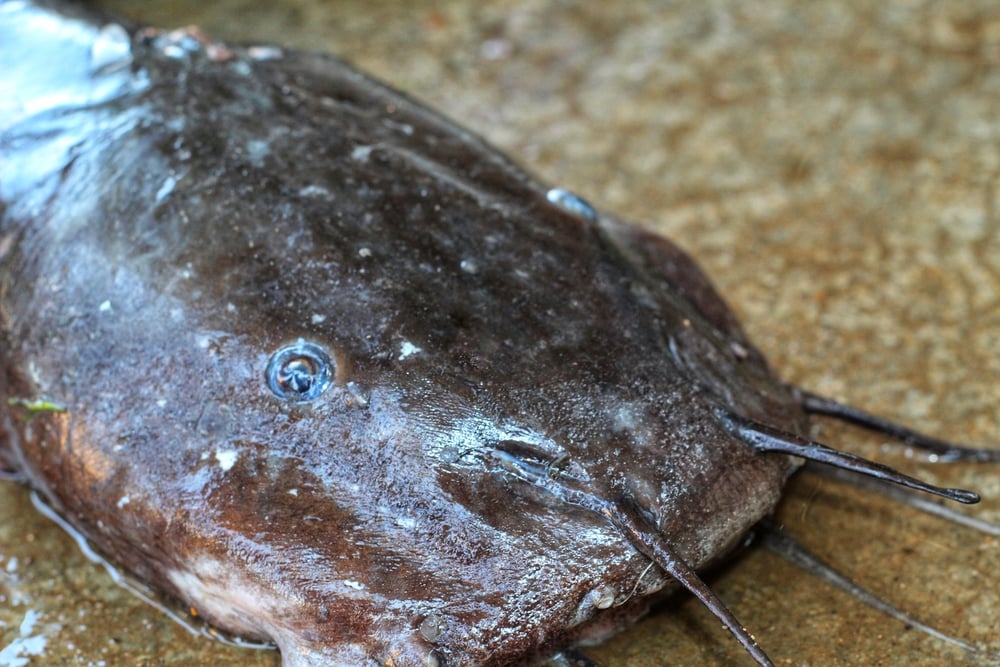
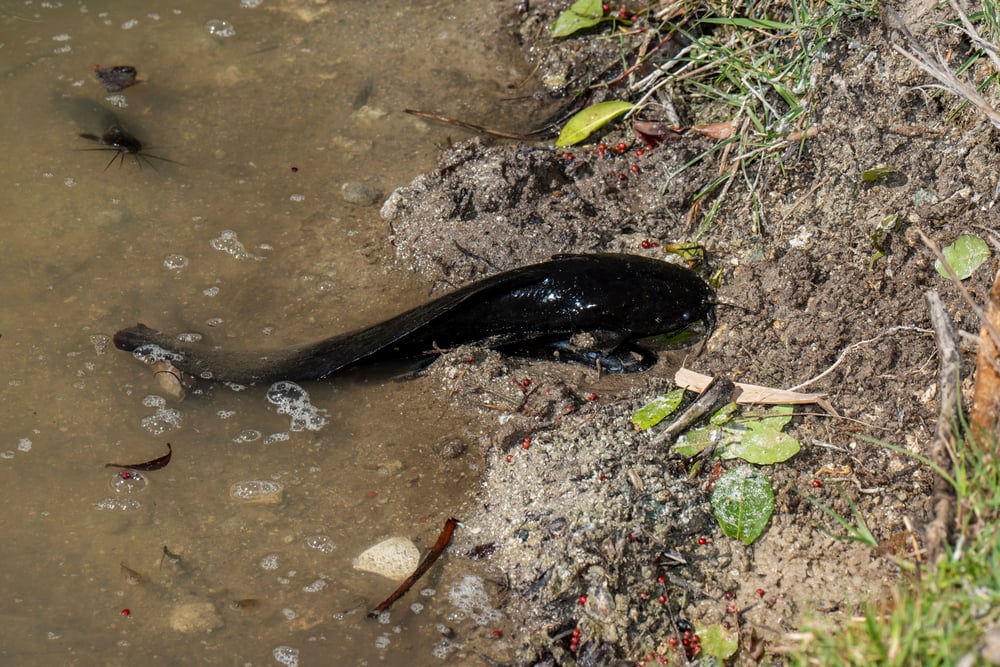
The walking catfish uses its pectoral fins and tail to wiggle across land in a snake-like motion, traveling impressive distances between water bodies. These invasive fish can breathe atmospheric oxygen through specialized gill chambers that retain moisture, allowing them to survive out of water for up to three days.
Their remarkable land mobility has contributed to their status as problematic invasive species in many regions outside their native Southeast Asian habitat.
Climbing Perch
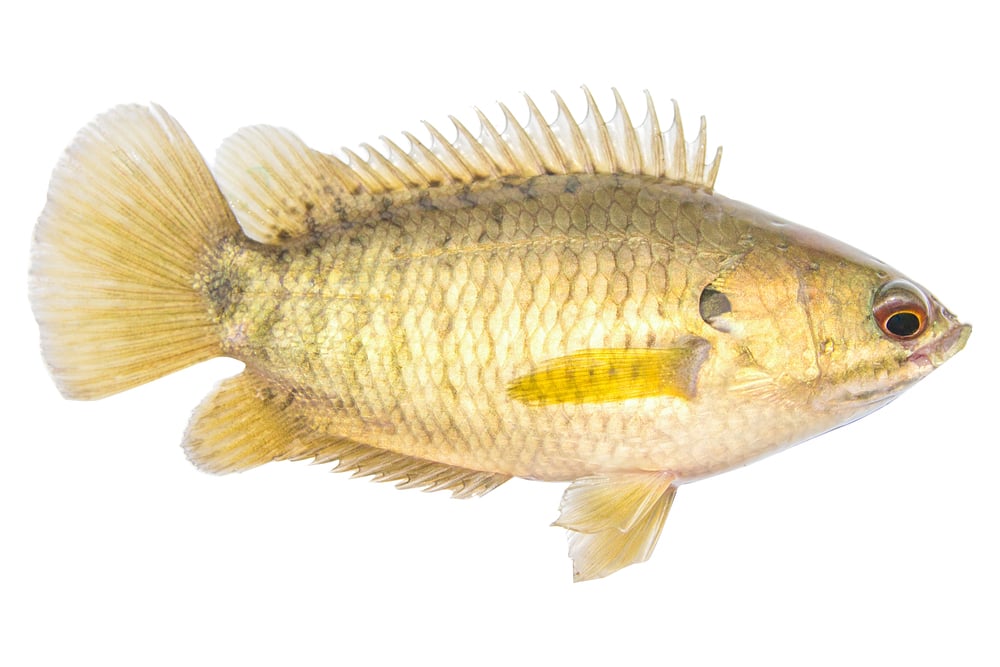
The climbing perch possesses specialized gill plates that can absorb oxygen directly from the air, functioning almost like primitive lungs. These fish can travel across land for up to six days, using their strong pectoral fins to push themselves forward in a distinctive jerking motion.
They’ve earned their name from an impressive ability to climb trees and other vertical surfaces using their spiny gill plates and fins, demonstrating remarkable terrestrial mobility.
Mangrove Rivulus
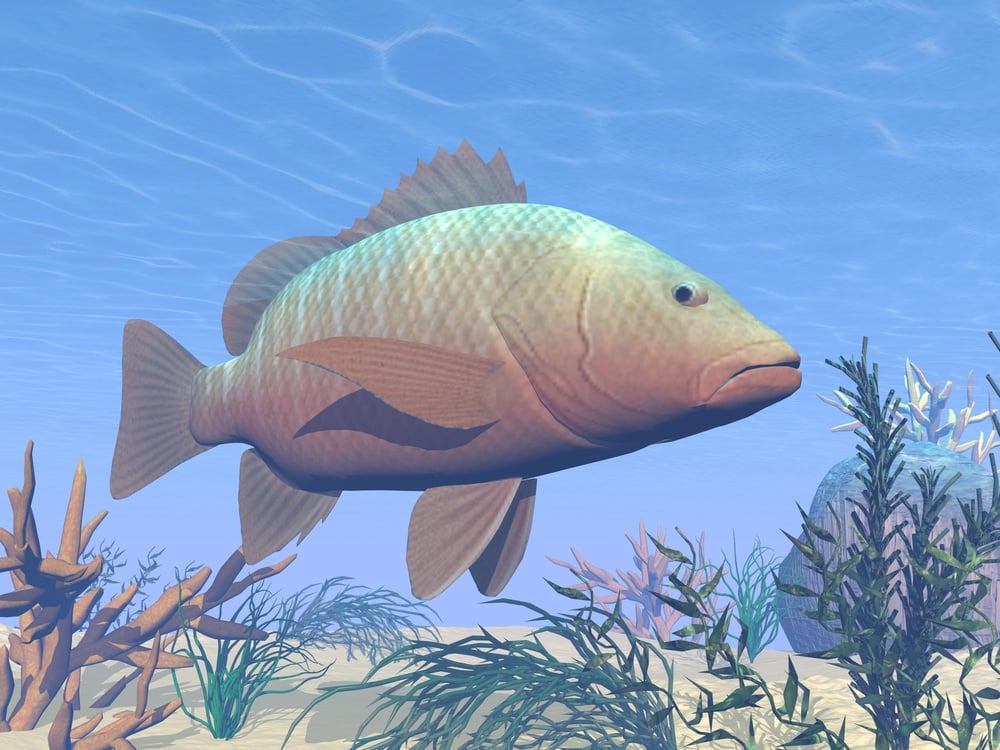
Mangrove rivulus fish can survive on land for more than two months by essentially ‘holding their breath’ and absorbing oxygen through their skin. These small fish frequently jump out of tidepools during low tide and find refuge in damp leaf litter or hollow logs until conditions improve.
They’re known to be particularly hardy, capable of surviving in environments with extremely low oxygen levels that would be lethal to most other fish species.
African Lungfish
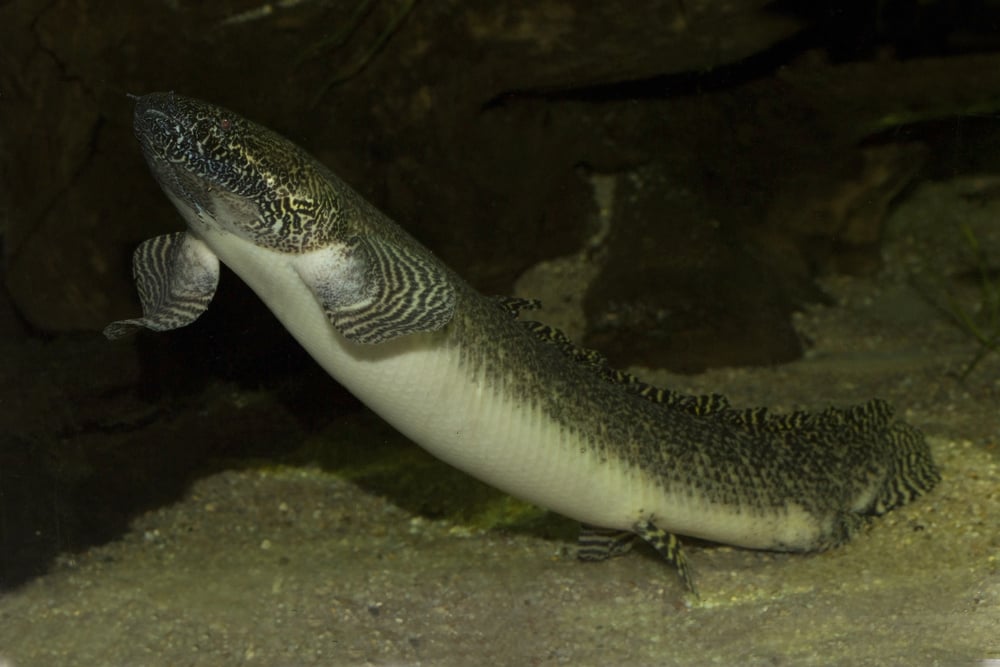
African lungfish possess true lungs alongside gills, allowing them to breathe atmospheric air directly. During drought seasons, these remarkable fish can burrow into mud and enter a state of estivation—a dormancy similar to hibernation—surviving up to four years without water.
They secrete a mucus cocoon around themselves that hardens into a protective case, preserving vital moisture while they wait for rains to return.
Mudskippers
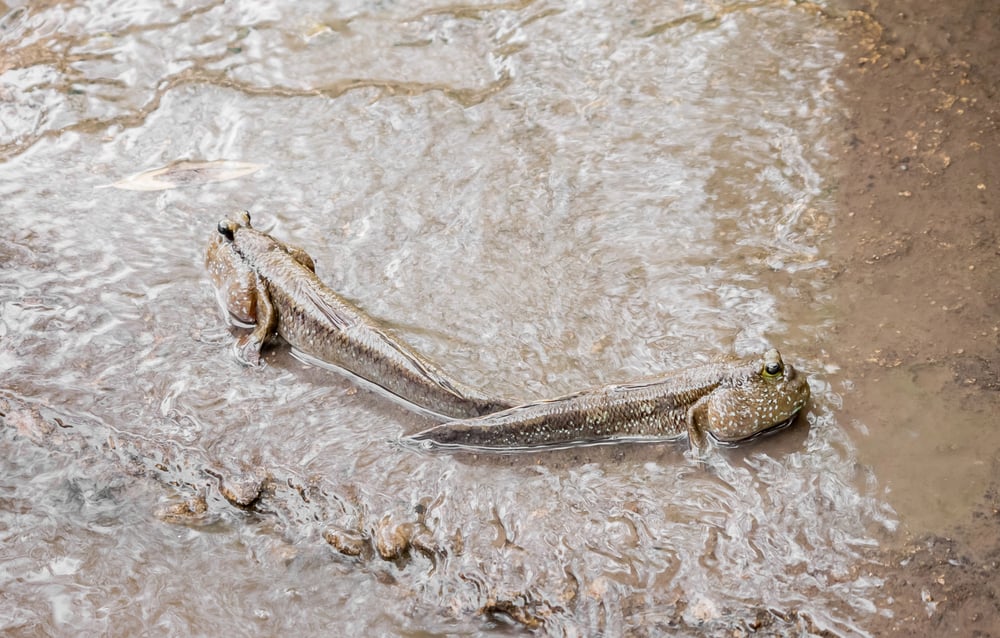
Mudskippers are perhaps the most land-adapted fish, spending up to 90% of their lives out of water on mudflats and mangrove shores. These fish can breathe through their skin and the linings of their mouths and throats, which remain moist to facilitate gas exchange.
They use their muscular pectoral fins like arms to ‘skip’ across mud surfaces and can even climb mangrove roots and trees to escape predators or find food.
Northern Snakehead
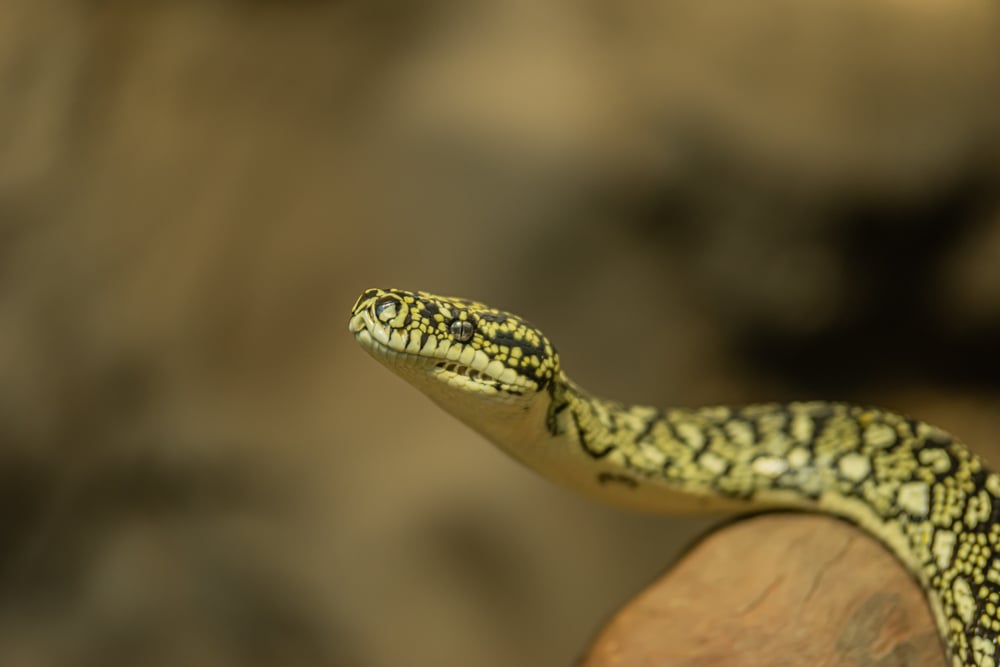
Northern snakeheads can breathe air using a specialized breathing organ called a suprabranchial chamber, allowing them to survive on land for up to four days. These predatory fish can wriggle across short distances of land to find new water sources when their habitat becomes unsuitable.
Their invasive potential has raised significant ecological concerns in North America, where they threaten native fish populations with their aggressive predatory behavior and remarkable adaptability.
Amphibious Blenny
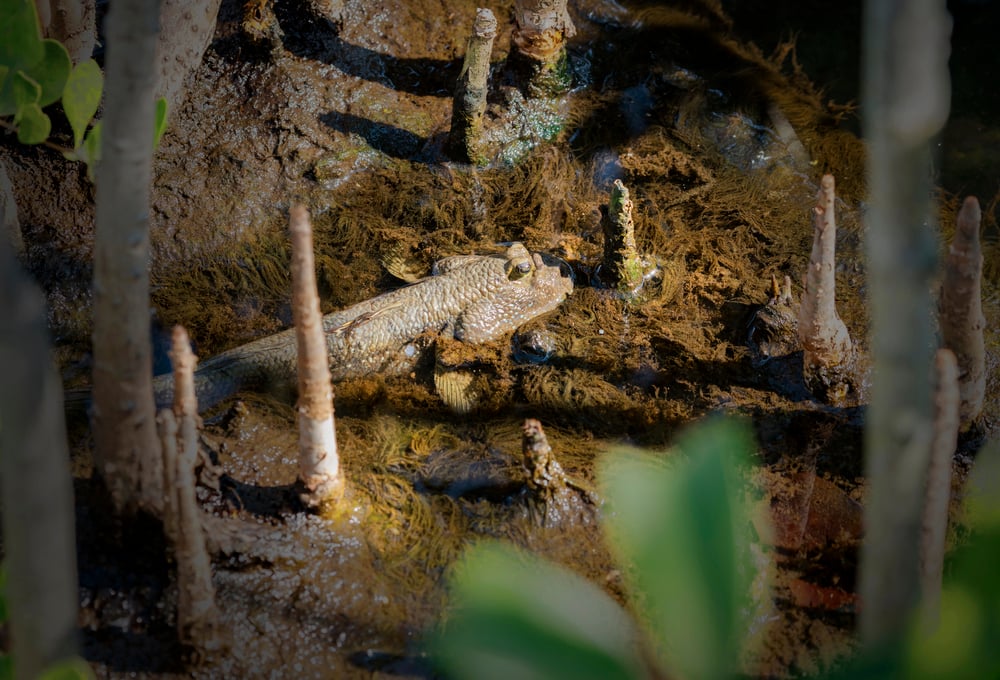
Amphibious blennies deliberately leave the water during low tide to forage on rocky shores for food sources unavailable underwater. These small fish can breathe through their skin and gill chambers for up to three days while keeping themselves moist in shaded areas.
They’ve developed specialized tail muscles that allow them to jump between tide pools, showing a remarkable adaptation to life in the intertidal zone.
Pacific Leaping Blenny
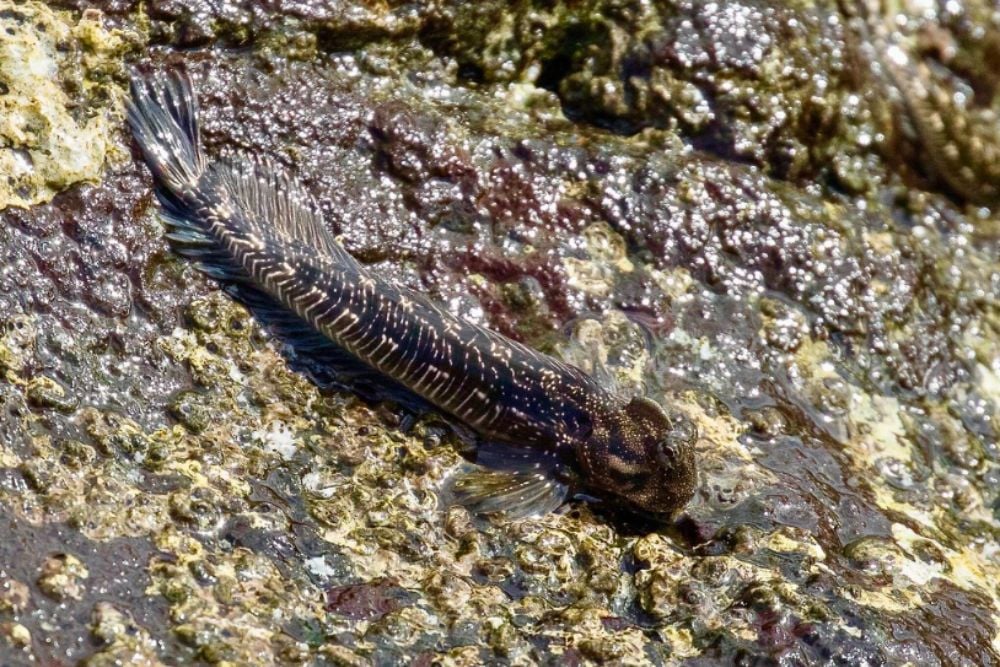
Pacific leaping blennies have evolved a unique lifestyle, spending their adult lives entirely on land in the splash zones of rocky shores. These fish use their tails and pectoral fins to leap remarkable distances—up to 2.5 times their body length—escaping predators and navigating their rocky habitat.
They breathe through specialized skin tissue and must keep themselves moist by staying in humid environments with occasional sea spray.
Epaulette Shark
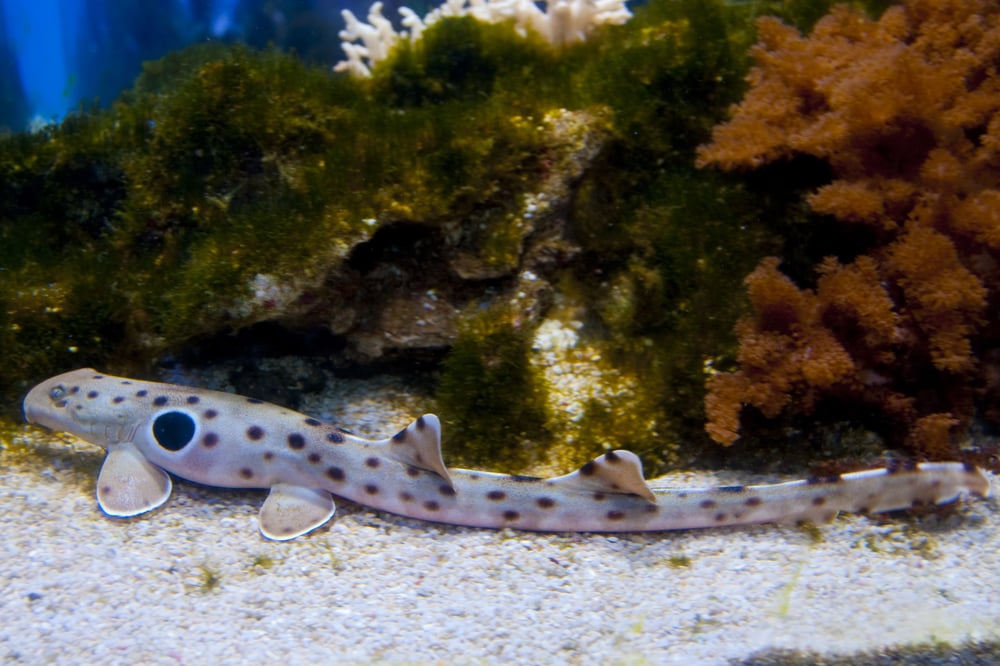
Epaulette sharks can survive out of water for up to two hours by slowing their breathing rate and heart function to conserve oxygen. These unique sharks use their muscular fins to ‘walk’ across exposed coral reefs and tide pools during low tide.
Their remarkable ability to tolerate extremely low oxygen conditions makes them valuable for scientific research into oxygen deprivation responses in vertebrates.
West African Lungfish
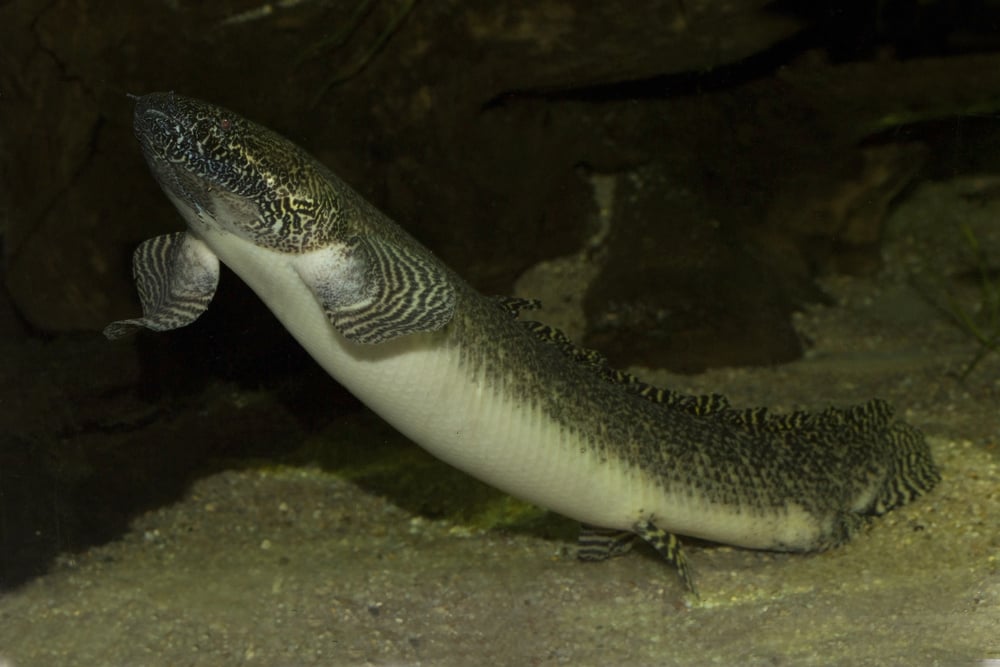
West African lungfish can survive more than three years out of water by entering a state of suspended animation called estivation. These ancient fish dig burrows as water levels drop and secrete a protective mucus cocoon, leaving only their nostrils exposed for air breathing.
Their metabolic rate drops dramatically during estivation, allowing them to conserve energy while waiting for the seasonal rains to return.
Blue-Spotted Mudskipper
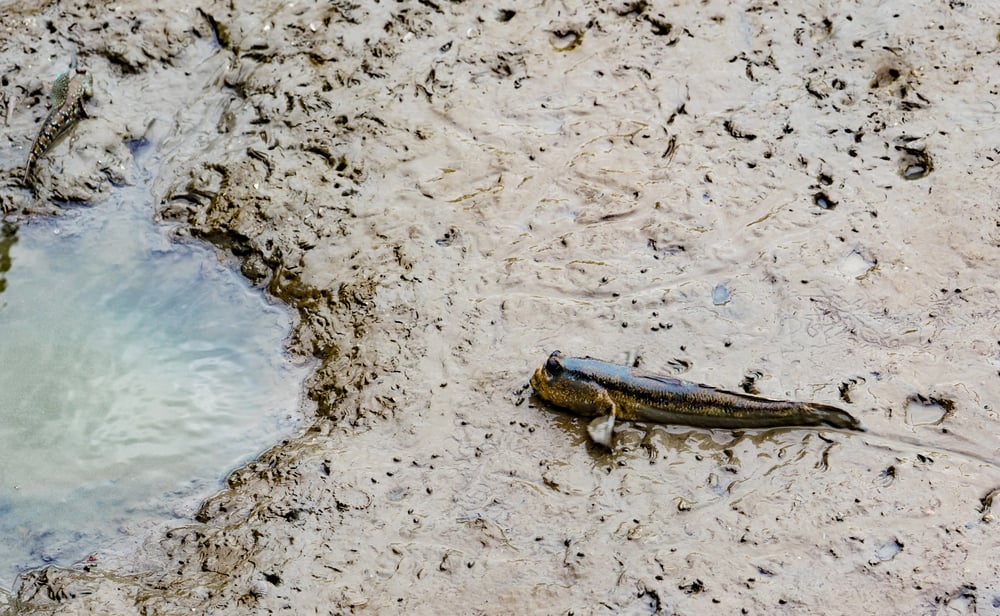
Blue-spotted mudskippers store water in specialized chambers around their gills, carrying their own ‘portable aquarium’ onto land. They can remain active out of water for up to two days, climbing mangrove roots and mud banks to establish territories and attract mates.
These fish are remarkably social, using complex visual displays that include fin-raising and body posturing to communicate with each other on land.
Airbreathing Catfish
Air-breathing catfish possess specialized organs called arborescent organs that function as primitive lungs for direct air breathing. These adaptable fish can travel across land for up to 18 hours between water bodies, particularly during monsoon seasons when flooding connects previously isolated habitats.
Their versatile respiratory system allows them to thrive in oxygen-poor environments where many other fish species would quickly perish.
Salamanderfish
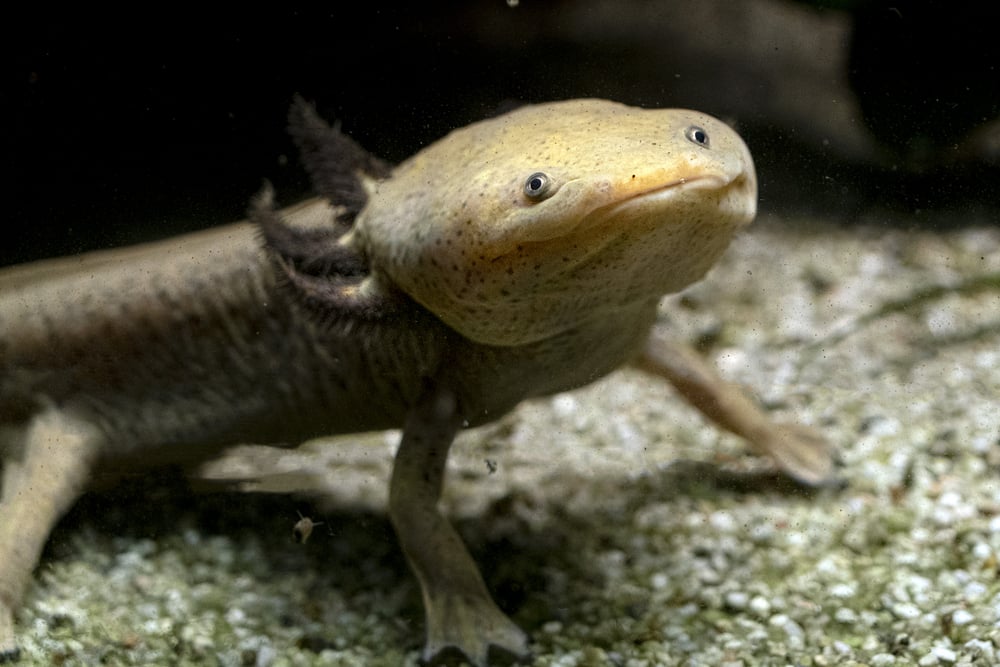
Australian salamanderfish can survive in seasonal pools that completely dry up for nine months of the year by burying themselves in mud and entering a dormant state. These unique fish lay drought-resistant eggs that can remain viable in dry soil until rains return, ensuring their survival across generations.
Their name comes from their superficial resemblance to salamanders when moving across land, though they’re true fish and not amphibians.
Indian Walking Catfish
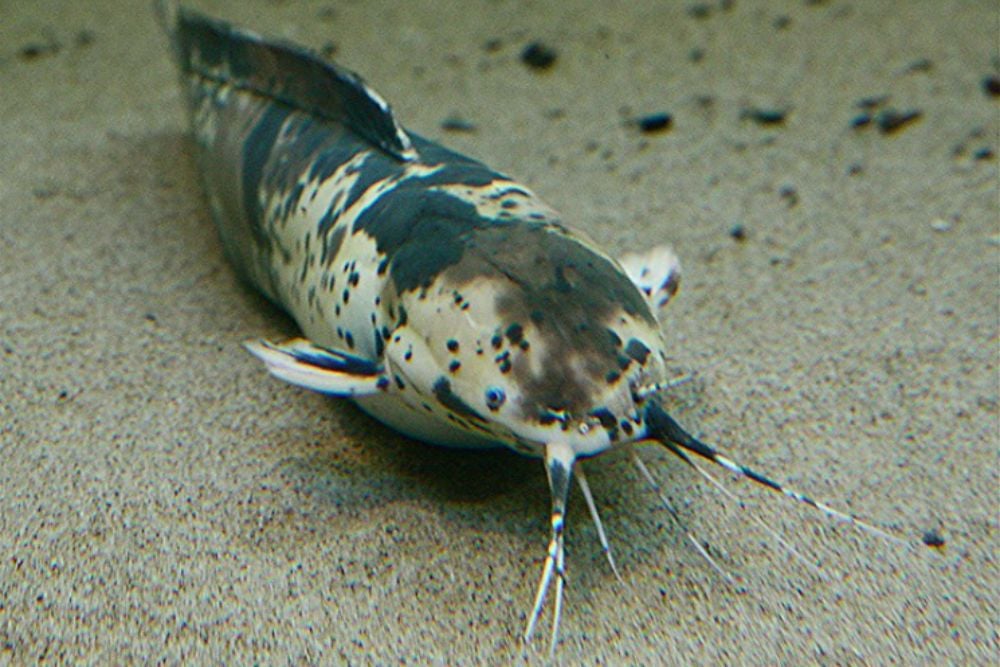
Indian walking catfish can travel up to a quarter-mile across land, using their stiff pectoral fins to push themselves forward in search of new water sources. These hardy fish can survive in extremely oxygen-poor environments by gulping air at the surface and absorbing oxygen through specialized chambers above their gills.
Their remarkable adaptability has helped them establish invasive populations in Florida, where they sometimes appear in residential areas after heavy rains, startling unsuspecting homeowners.
When Water Isn’t Everything
The remarkable adaptations of these land-surviving fish demonstrate nature’s incredible ingenuity in the face of environmental challenges. These species have evolved specialized breathing mechanisms, unique locomotion techniques, and physiological adaptations that allow them to transcend the traditional boundaries between aquatic and terrestrial environments.
Their unusual abilities not only fascinate scientists but also provide valuable insights into the evolutionary processes that drive adaptation and survival in changing ecosystems. While these fish may never fully abandon their aquatic heritage, their incredible adaptability serves as a powerful reminder of life’s persistent determination to thrive in even the most challenging circumstances.
More from Go2Tutors!

- The Romanov Crown Jewels and Their Tragic Fate
- 13 Historical Mysteries That Science Still Can’t Solve
- Famous Hoaxes That Fooled the World for Years
- 15 Child Stars with Tragic Adult Lives
- 16 Famous Jewelry Pieces in History
Like Go2Tutors’s content? Follow us on MSN.