15 Family Steakhouse Names From Childhood Outings
The family steakhouse had a rhythm all its own. There was a line at the register, a tray sliding down a rail, a baked potato the size of a fist, and a booth wide enough for every cousin at the table.
A birthday meant a basket of rolls that arrived before anyone asked for it. Some of these names still glow on highway signs, and others survive in a handful of locations or only in memory.
Each one earned a place in a family’s rotation by promising a steak dinner that would not wreck the budget.
Ponderosa Steakhouse
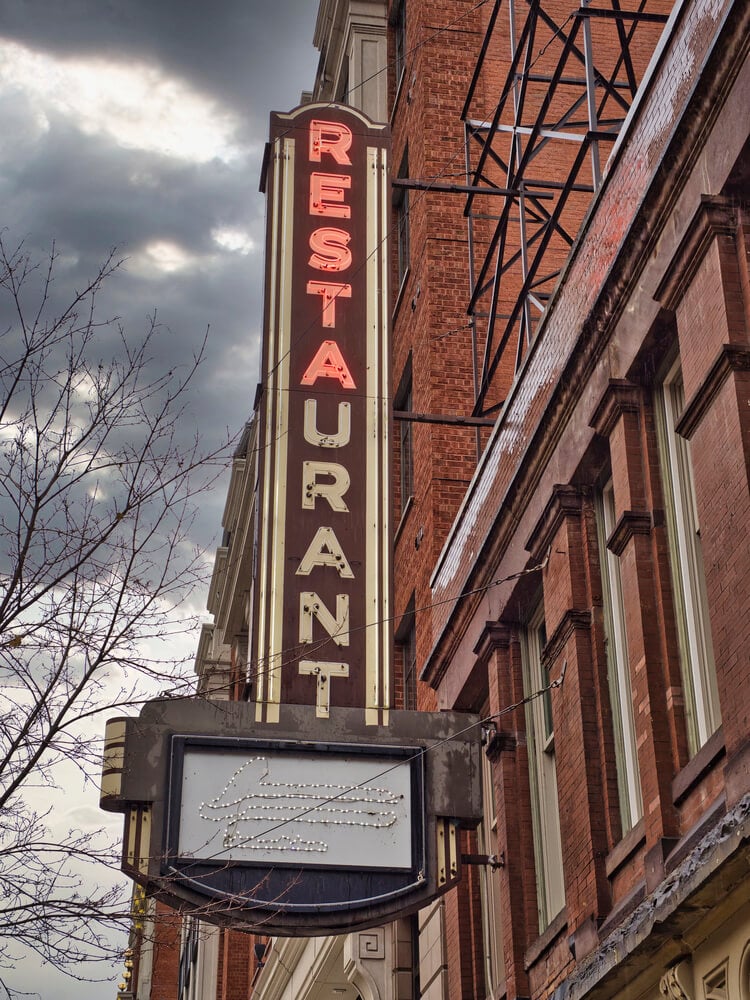
Ponderosa opened in Kokomo, Indiana, in 1965, founded by Dan Lasater, Norm Wiese, and Charles Kleptz, and took its name from the Cartwright family ranch on the television western Bonanza. By 1972 it had grown into the largest steakhouse chain in the United States.
Headquarters moved to Dayton, Ohio, in 1971, and only a small number of locations remain in the country today.
Bonanza Steakhouse

The first Bonanza opened in 1963 in Westport, Connecticut, in a former bus station, and the chain’s own history credits Dan Blocker, who played Hoss Cartwright on the series, as its founder. Bonanza and Ponderosa spent years as rivals that shared the same television namesake.
By 1989 Bonanza had grown to roughly 600 restaurants, and that year both brands ended up under the same corporate owner, Metromedia.
Sizzler
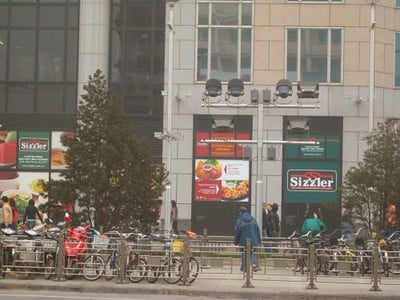
Del and Helen Johnson opened the first Sizzler Family Steak House in Culver City, California, on January 27, 1958, with fifty dollars in the cash register. A steak dinner cost $1.19.
Johnson aimed for something between a fast-food burger and a full-service dinner, and the format kept prices low enough that the chain had opened 12 more locations by 1961 and passed 100 about four years after that.
Ryan’s Family Steak House
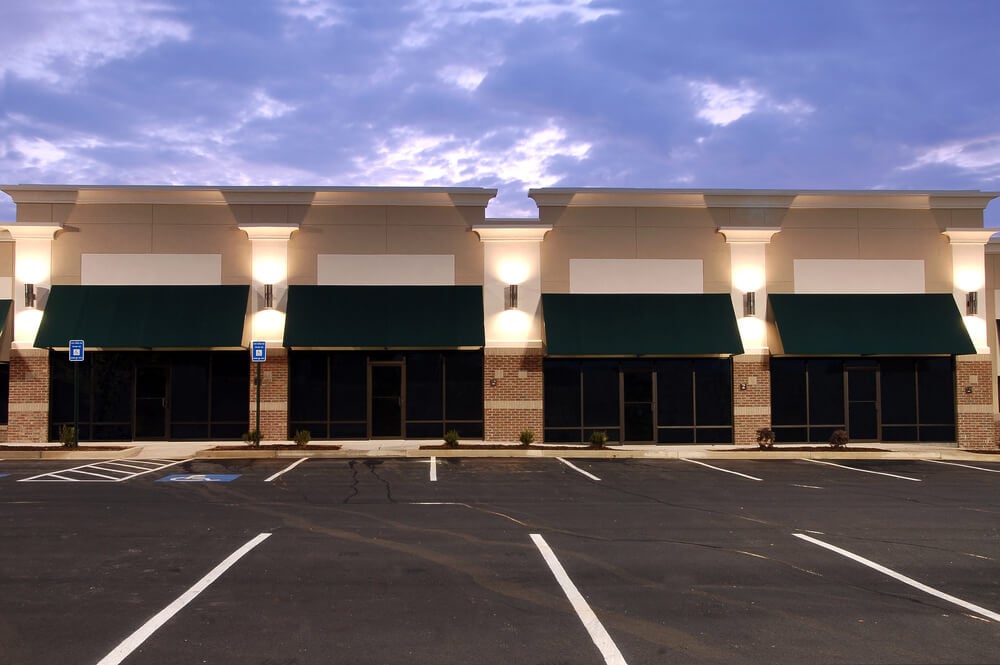
Alvin McCall Jr. launched Ryan’s in South Carolina in 1977, with the first restaurant on Laurens Road in Greenville. The chain added its sprawling Mega Bar buffet in the mid-1980s and eventually grew to more than 300 locations across 23 states.
An industry magazine named it the top steakhouse chain in the country in the early 1990s, a title that now surprises people who remember mainly the dessert bar.
Golden Corral
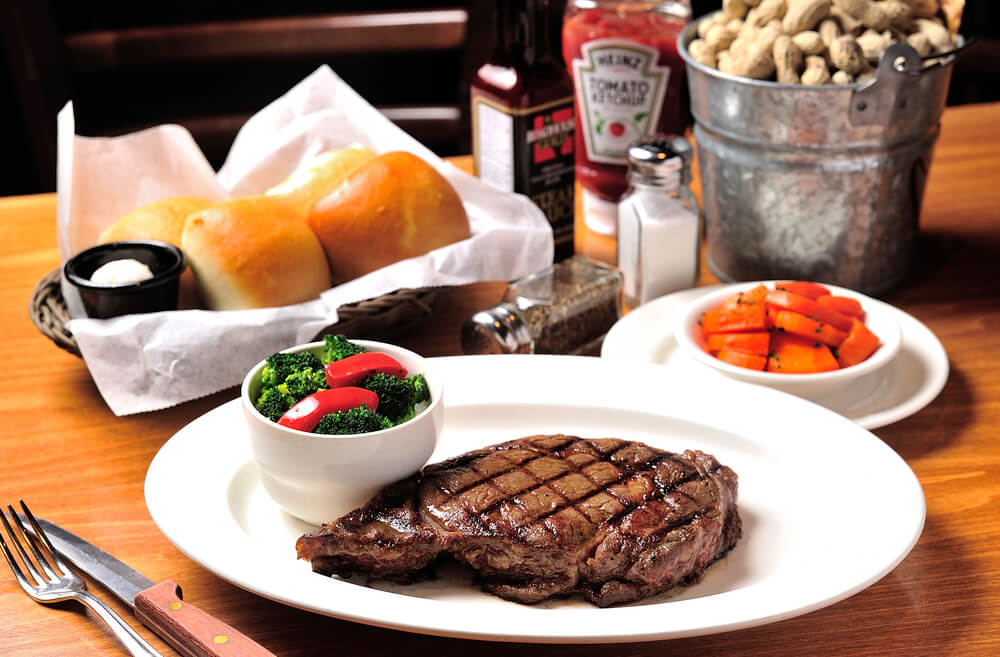
The first Golden Corral Family Steak House opened on January 3, 1973, on Bragg Boulevard in Fayetteville, North Carolina. Founders James Maynard and William Carl had met while working for Burroughs Corporation, and they raised money by selling shares to friends.
The early menu leaned on steak and potatoes in a Western setting, and the all-you-can-eat buffet that defines the brand today arrived later as tastes and competitors changed.
Western Sizzlin
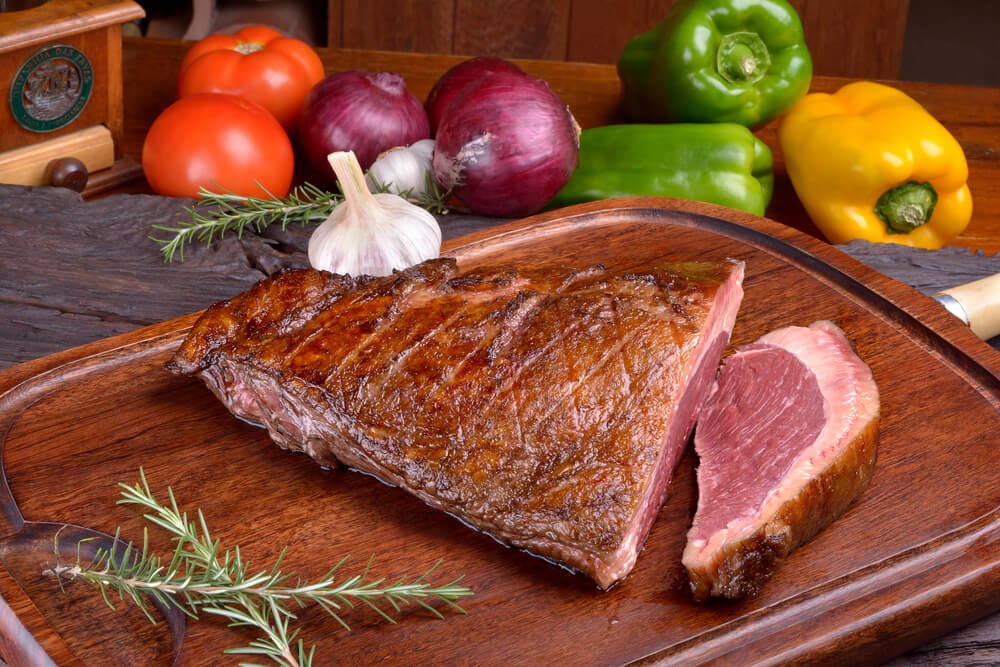
Nick Pascarella founded Western Sizzlin in Augusta, Georgia, in 1962, after a flat tire stranded him while he scouted cheap land for a steakhouse. Employees at the tire shop talked him into building his restaurant in town.
His signature was FlameKist grilling, a process that put flames on top of the steak to match the sear underneath, and a smaller number of franchised locations still serve it across the Southeast.
Steak and Ale
Norman Brinker opened the first Steak and Ale in Dallas on February 26, 1966, at the corner of Oak Lawn and Lemmon avenues. The dim, Tudor-style dining rooms, the unlimited salad bar, and the college-age servers were all part of a formula aimed at the gap between fast food and fine dining.
The company went public in 1971 with 28 units, and its remaining 58 locations closed on July 29, 2008.
Black Angus
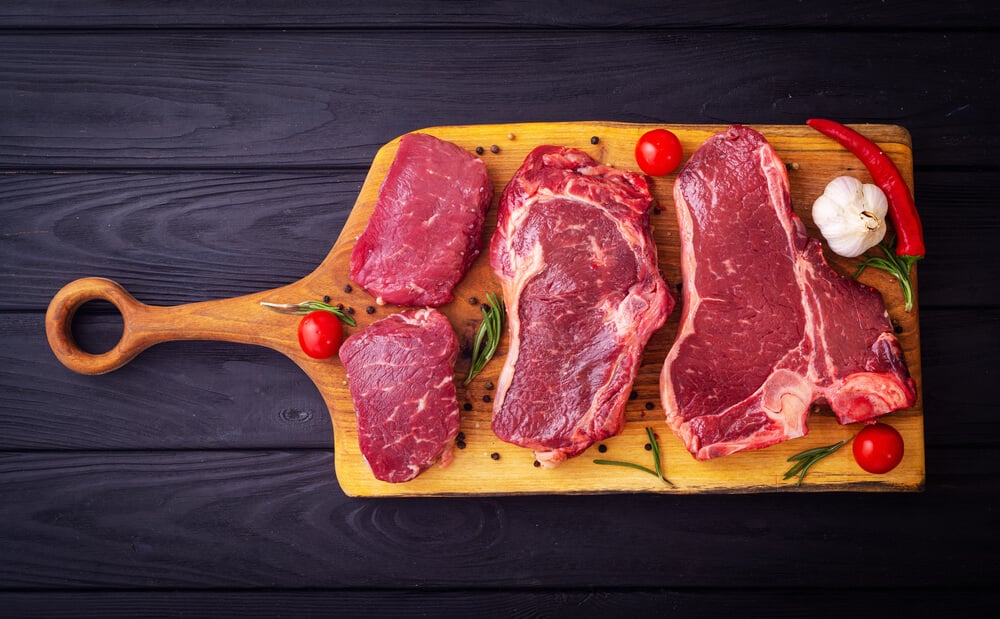
Stuart Anderson founded Black Angus on April 3, 1964. Early advertising promised soup or salad, a steak, and a baked potato with all the trimmings for $2.99, and Anderson’s philosophy was a lot of food at a modest price, with dessert left off so customers would not linger.
At its peak the chain had more than 120 locations, and about 30 remain in Arizona, California, Hawaii, New Mexico, and Washington.
Quincy’s Family Steakhouse
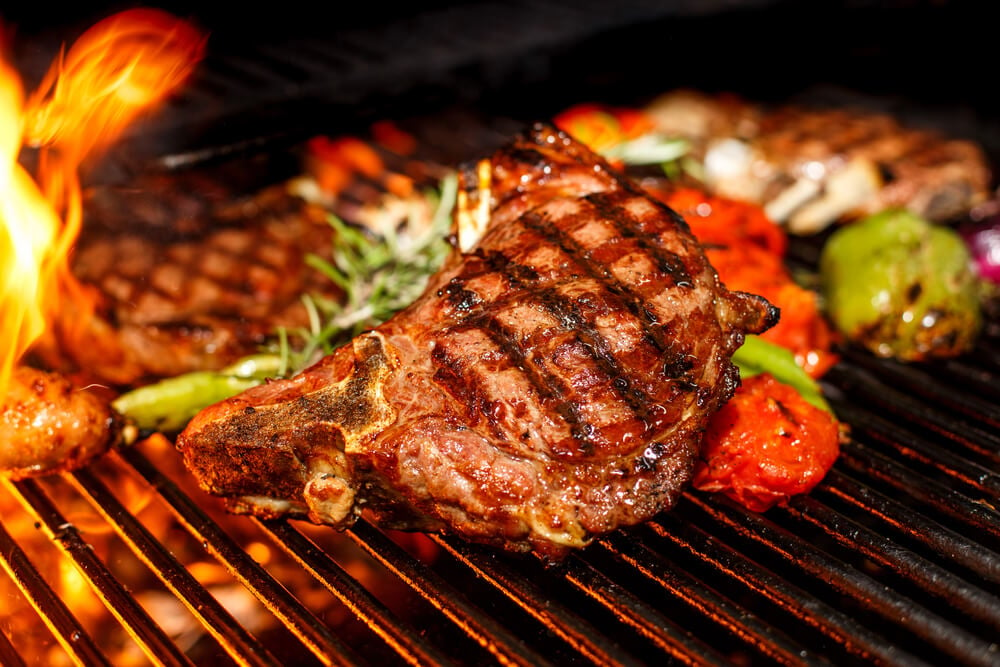
Quincy’s grew out of Western Family Steak House, which Alvin McCall Jr. opened in 1970 after being inspired by Ponderosa. Most of those restaurants took the Quincy’s name in 1976, the year McCall sold the business and went on to launch Ryan’s.
Hardee’s franchisee Spartan Food Systems acquired the nine-unit chain in 1977 and grew it across the South, and just a pair of locations are left, still known for their rolls.
Lone Star Steakhouse & Saloon
Lone Star was founded in 1989 and grew to a maximum of 267 restaurants, with its headquarters in Plano, Texas. It pitched a country-themed steak dinner to families at a moderate price, and it faced steep competition from Texas Roadhouse, LongHorn, and Logan’s.
The chain filed for Chapter 11 bankruptcy in February 2017, and as of December 2025 a single location in Tamuning, Guam, carries the name.
Texas Roadhouse
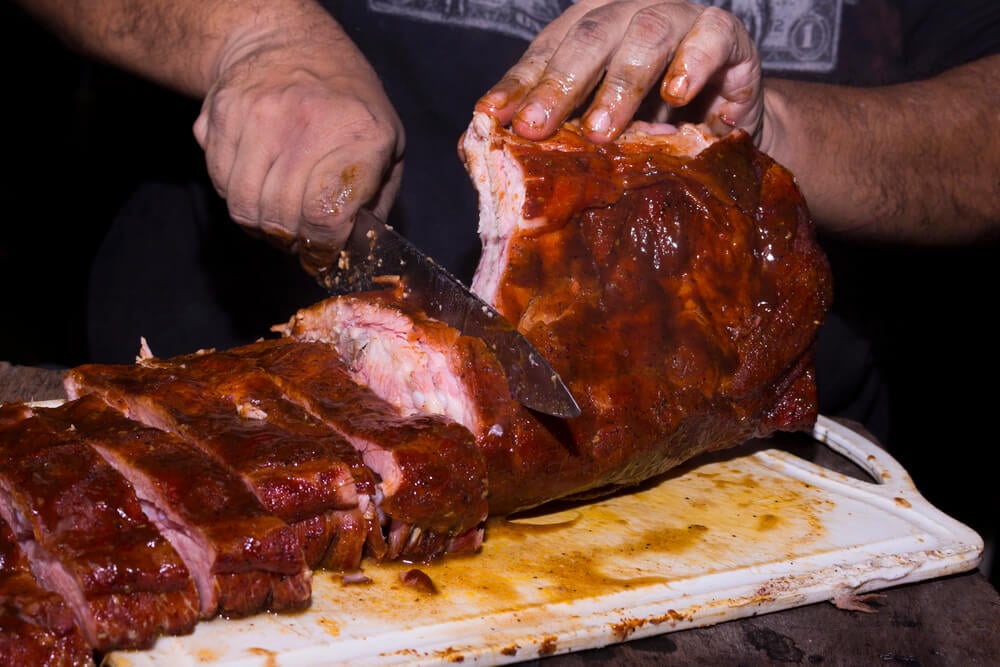
Despite the name, Texas Roadhouse opened in Clarksville, Indiana, in 1993, and its headquarters sit in Louisville, Kentucky. Founder Kent Taylor had worked at chains including Bennigan’s and KFC before building the concept around hand-cut steaks and a loud, Western-themed dining room.
The rolls, served with cinnamon honey butter, became as famous as anything on the menu.
LongHorn Steakhouse
George McKerrow Jr. opened LongHorn Steaks Restaurant & Saloon in Atlanta on August 10, 1981, long before the chain became a fixture of suburban strip malls. Early business was slow, and a snowstorm in January 1982 known as Snow Jam 82 stranded commuters across the city.
LongHorn offered $1 drinks and menu specials to people stuck in traffic, a gesture that a local newspaper column publicized and that helped turn the restaurant around.
Logan’s Roadhouse
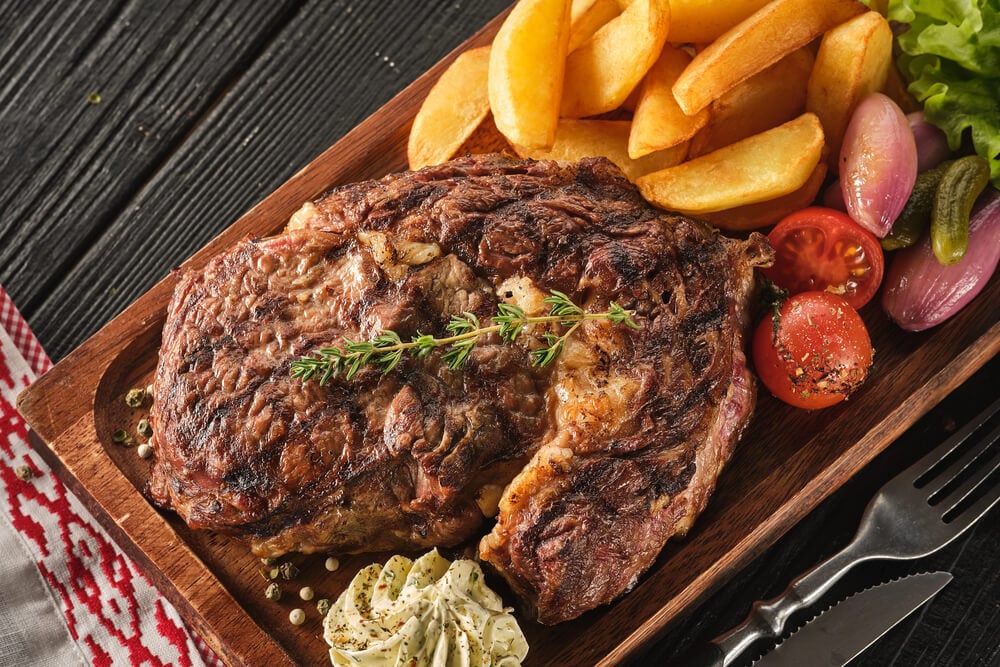
Logan’s Roadhouse began in Lexington, Kentucky, and diners were famously invited to toss their peanut shells on the floor. It served for a few years in the early 2000s as a sister chain to Cracker Barrel, which sold it in 2006.
After a 2010 sale to a private equity firm, expansion pushed the chain past 250 locations, and it has since shrunk to roughly 130, mostly in the eastern half of the country.
Outback Steakhouse
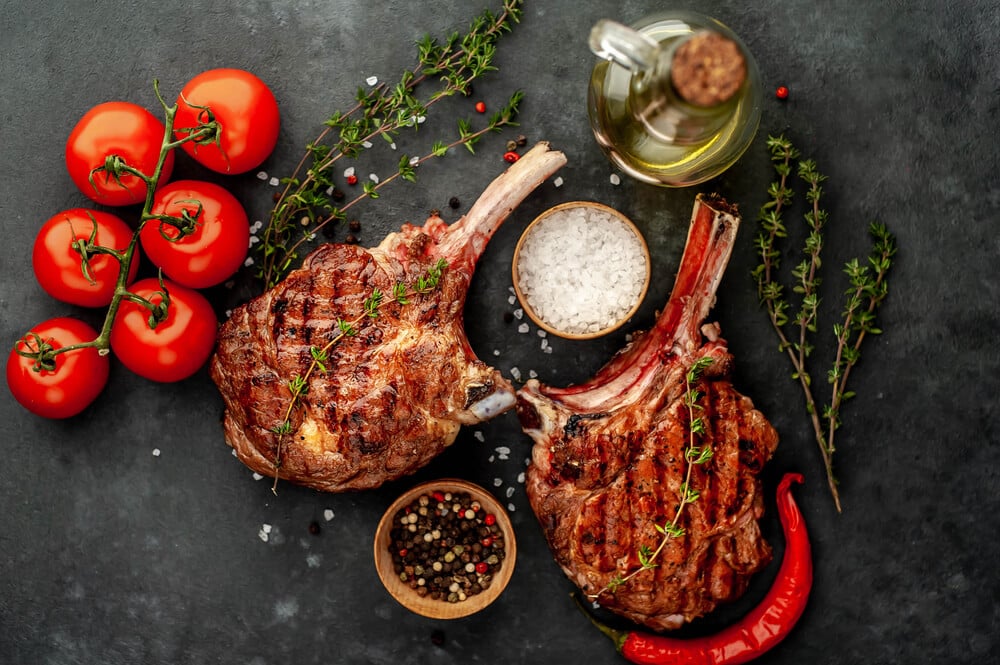
Outback opened in Tampa, Florida, in 1988, founded by Chris Sullivan, Bob Basham, Tim Gannon, and Trudy Cooper. The Australian theme was a marketing concept, since none of the founders came from Australia, and the Bloomin’ Onion became the menu item every table seemed to order.
For many families it was the first steakhouse that treated a Tuesday night as a reason to go out.
The Keg Steakhouse
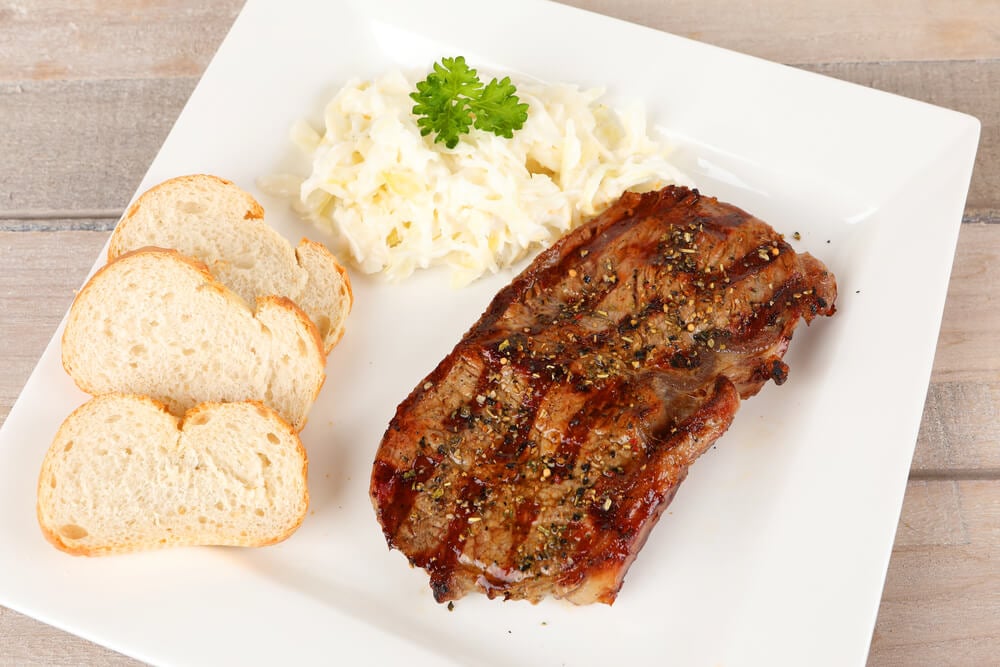
The Keg opened in North Vancouver, British Columbia, in 1971, and it grew into one of Canada’s best-known steakhouse chains with locations in the United States as well. Prime rib was a centerpiece, and the dessert menu included Billy Miner Pie, named for a notorious train robber from British Columbia history.
For many border-region families, a Keg dinner was the standard special-occasion meal.
A Booth, a Tray, and a Salad Bar
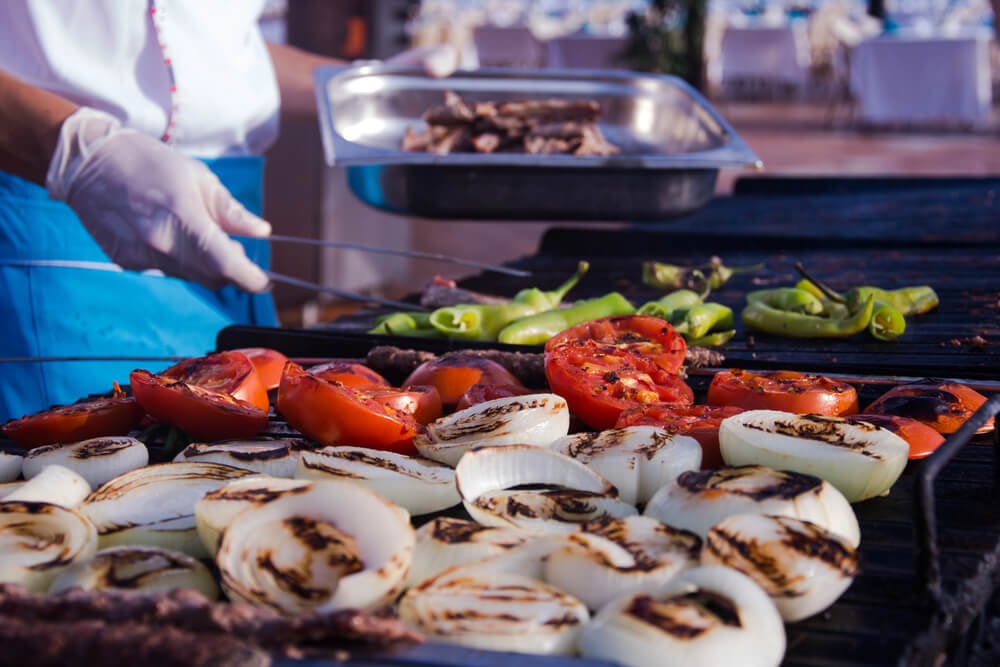
What these restaurants shared was a promise more than a menu. The promise was a real steak, a loaded potato, and a bill a family could read without flinching.
The salad bar and the buffet line turned dinner into something children could take part in, carrying plates, choosing portions, and returning for dessert. Most of the chains have shrunk, merged, or closed, and the few survivors often look different from the places in old photographs.
Still, a roll basket or a sizzling platter is enough to bring the entire booth back. The family steakhouse lasted as long as it did because the occasion was never really about the steak.
More from Go2Tutors!

- 27 Silver Dollars and Half Dollars Worth Keeping
- 28 Restaurant Menu Items Nobody Orders Anymore
- 17 Places Built in Seemingly Impossible Spots
- 27 Vintage Rings Worth More Than They Look
- 25 Restricted Sites Tourists Can’t Enter
Like Go2Tutors’s content? Follow us on MSN.