15 Ancient Games That Mirror Modern Sports
People have loved playing games and competing since way back in time. Before the sports we know today existed, ancient communities made games that tested their strength, skill, and teamwork. Many of these old games share surprising similarities with the sports people enjoy now.
Here are 15 ancient games that might surprise you by how closely they match modern sports. Let’s take a look at these early competitions.
Pankration
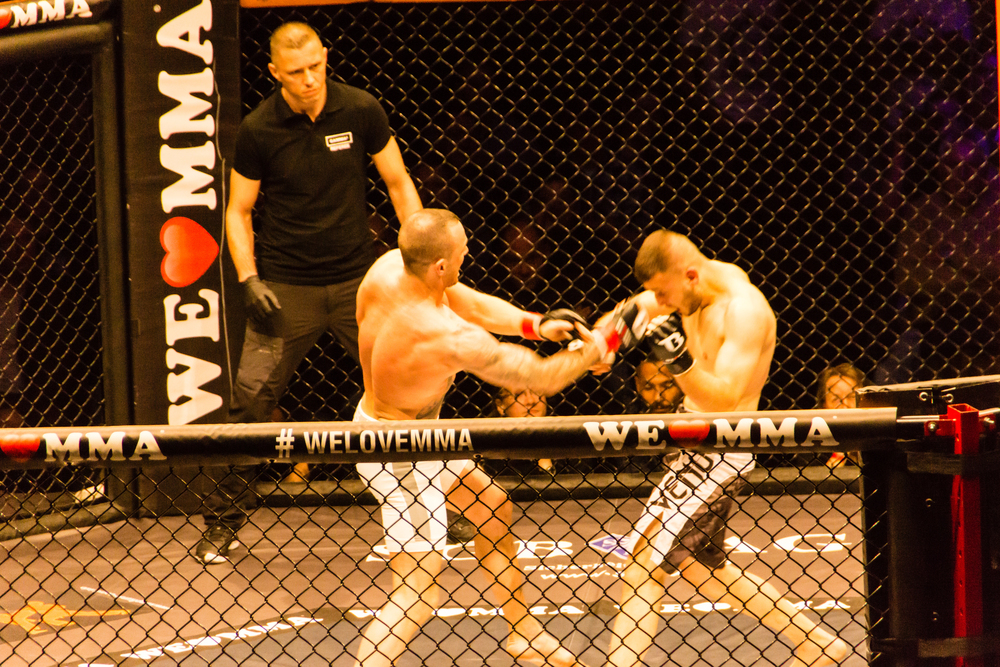
This ancient Greek sport mixed wrestling and boxing. Fighters could punch and grapple, with only biting and eye gouging not allowed.
It’s like modern mixed martial arts but without gloves or timed rounds. The fight ended when one person gave up or was knocked out.
Matches could be very tough and last until someone couldn’t continue. This sport was part of the original Olympic Games, showing how much people valued it in ancient Greece.
Harpastum
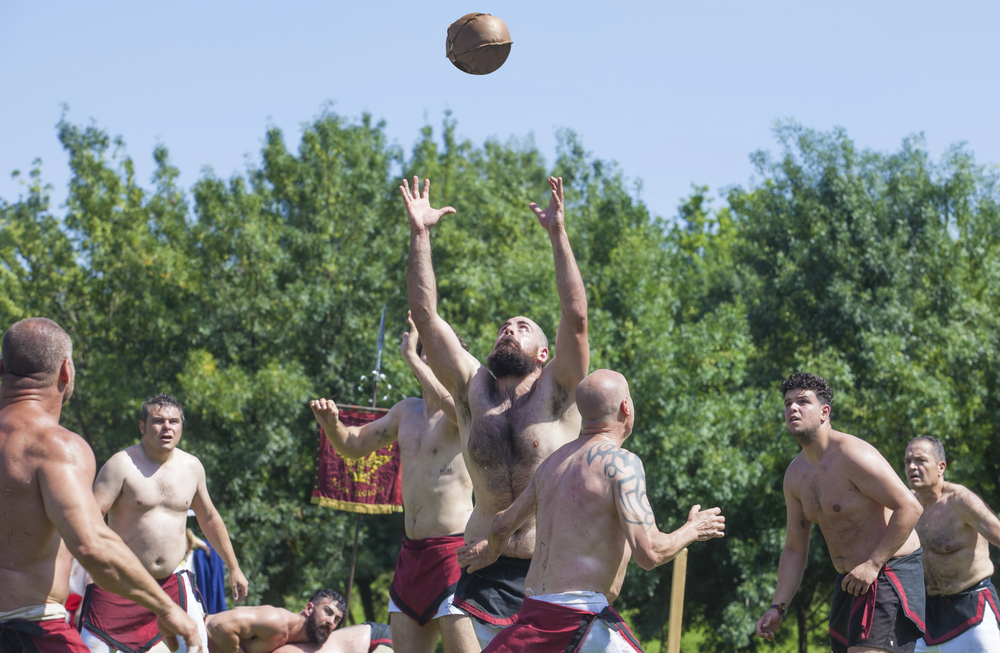
Romans played this fast and rough game, which is a bit like rugby or American football. Two teams tried to keep control of a small football on their side of the field.
The game had lots of pushing and body contact, needing strong teamwork. Because the playing area was small, the action stayed close and intense.
Players had to pass quickly and stay alert to keep it. Though the exact rules are unknown, writings say it was lively and often played by soldiers for exercise.
Chariot racing
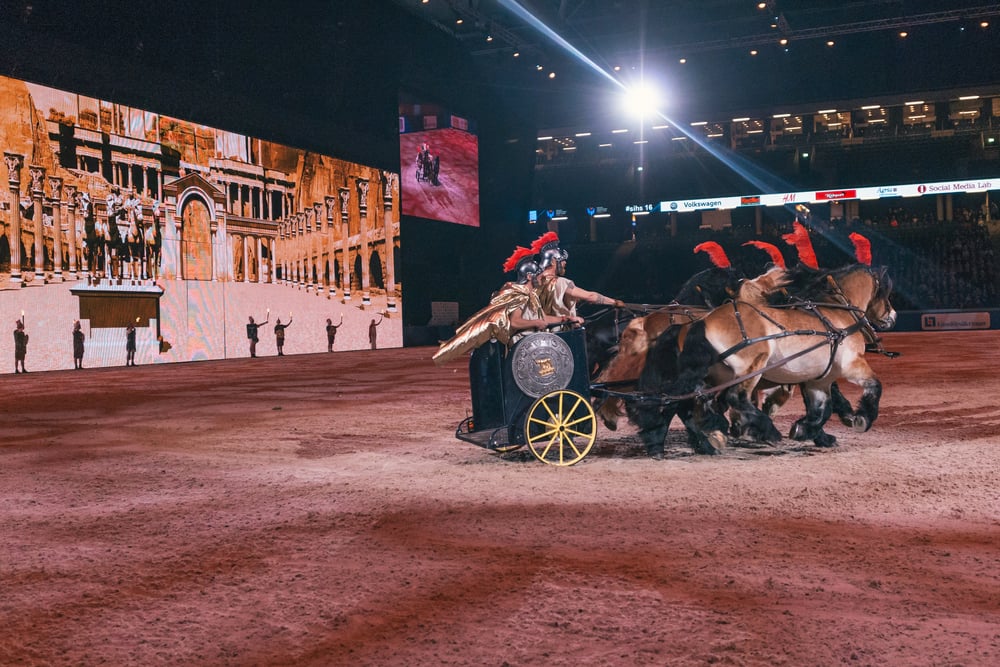
In big Roman arenas like the Circus Maximus, chariot racing was a top sport. Drivers raced horse-drawn chariots at high speed around tracks.
Crashes were common and fans loved the excitement. Charioteers trained hard like modern athletes and were supported by wealthy backers.
The races sparked strong rivalries between teams, and fans were very passionate. Winning brought fame and big rewards, but the sport was very dangerous, with many drivers getting hurt.
The Mesoamerican game
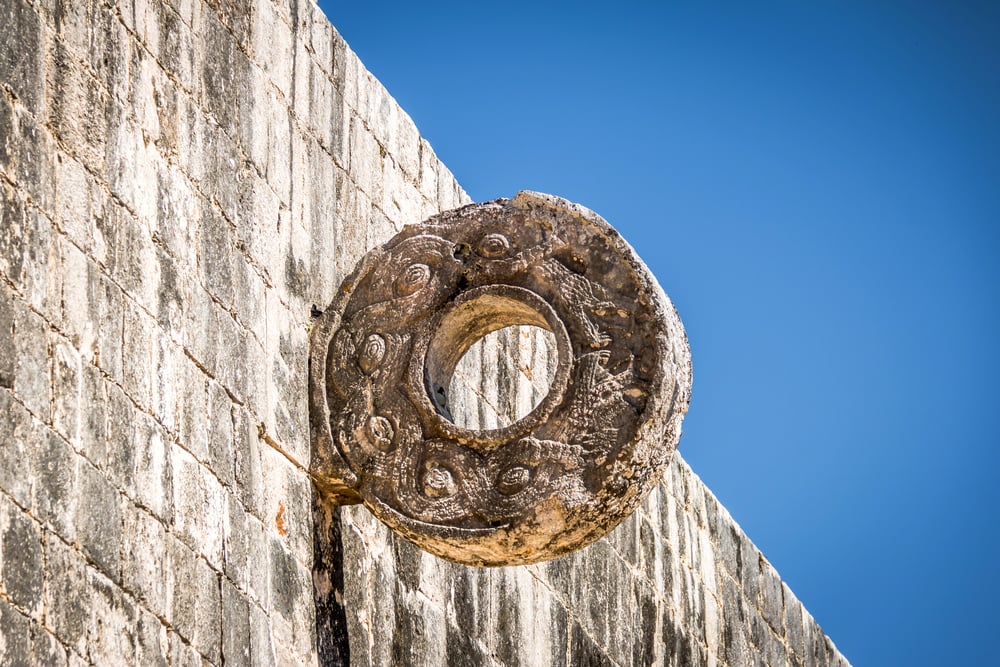
Players from the Maya and Aztec cultures bounced rubber equipment through stone hoops without using hands or feet. They used hips, elbows, and knees to control the rubber equipment.
This game shares parts of basketball and volleyball, especially keeping it off the ground. The courts had sloped walls to keep the game going.
It was both a sport and a ritual, tied to religion and sometimes serious results for losers. The game symbolized a fight between life and death, giving it deep meaning beyond just play.
Javelin throw
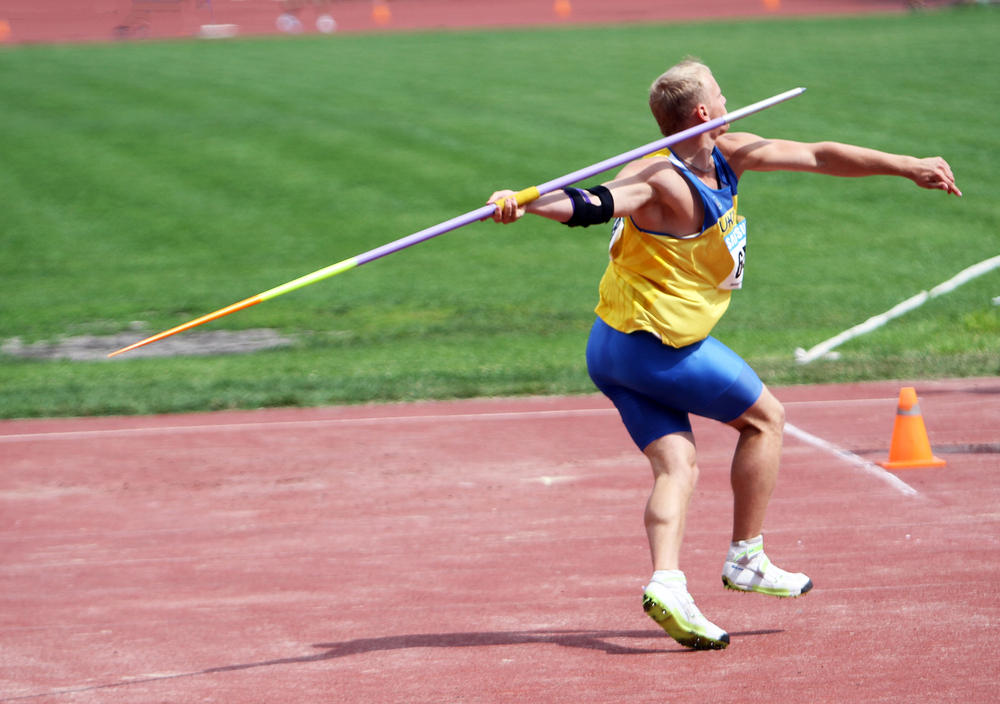
This event is still in the modern Olympics but was also important in ancient Greece. Athletes threw a spear-like javelin for distance.
They used a leather strap to help spin it farther. Throwing tested both strength and accuracy, skills useful for warriors too.
Javelin contests were part of military training, as hitting targets from far away was helpful in battle. Competitions took place at festivals and the Olympics, showing athletic skill and focus.
Kubb
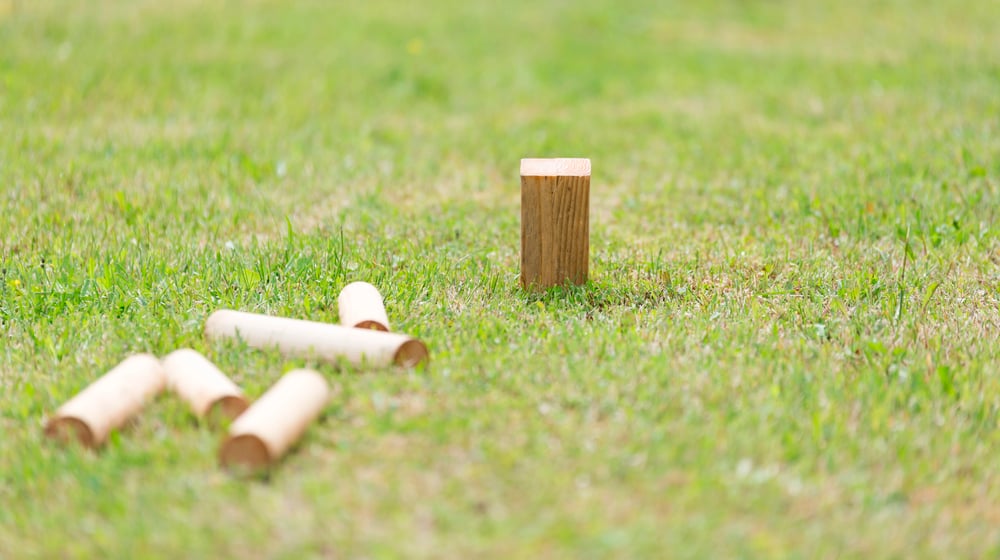
Kubb is a game from ancient Scandinavia using wooden sticks and blocks. Players knocked down the other team’s blocks, then tried to topple the “king” block in the center.
It is sometimes called Viking chess but feels more like lawn games such as bocce or cornhole. Strategy and throwing skill were important, as players chose which blocks to hit and when.
The game was probably played at festivals or gatherings to relax and have fun. Even today, kubb brings people together for friendly matches outdoors.
Running races at Olympia
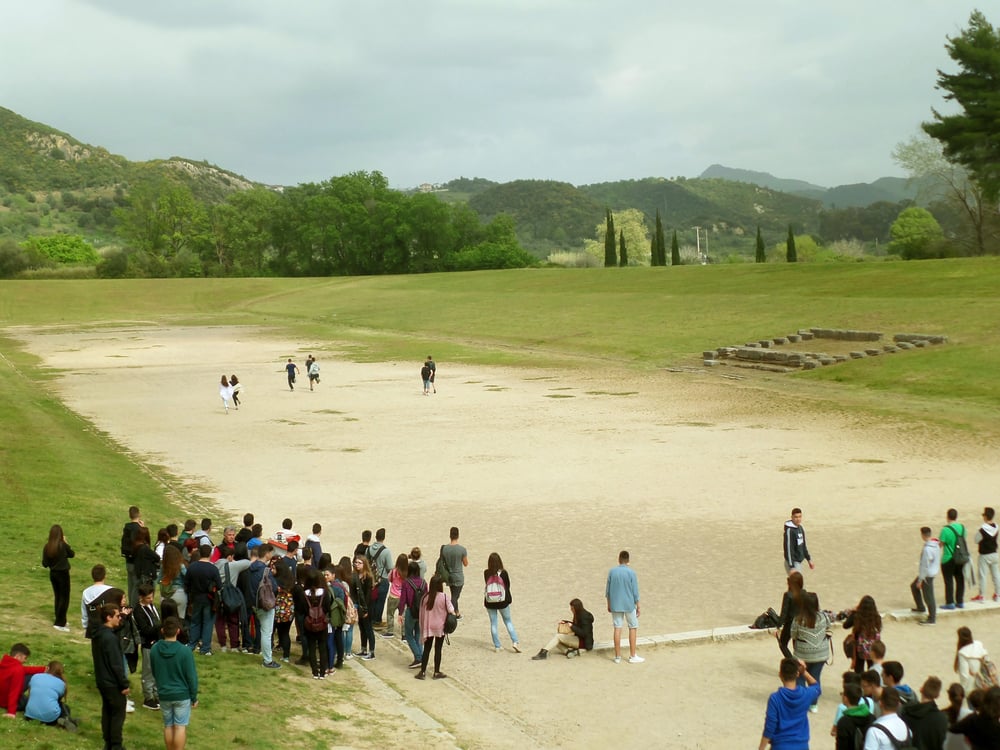
The oldest Olympic event was a short footrace called the stadion, about 200 meters long. Runners competed barefoot on a dirt track.
Other races included longer distances and even running while wearing armor. These races are much like today’s sprints and long runs.
Winners got great honor, crowns, and prizes. Running showed physical fitness and courage, traits admired in ancient times.
The Olympic races inspired many sports that came later.
Glima
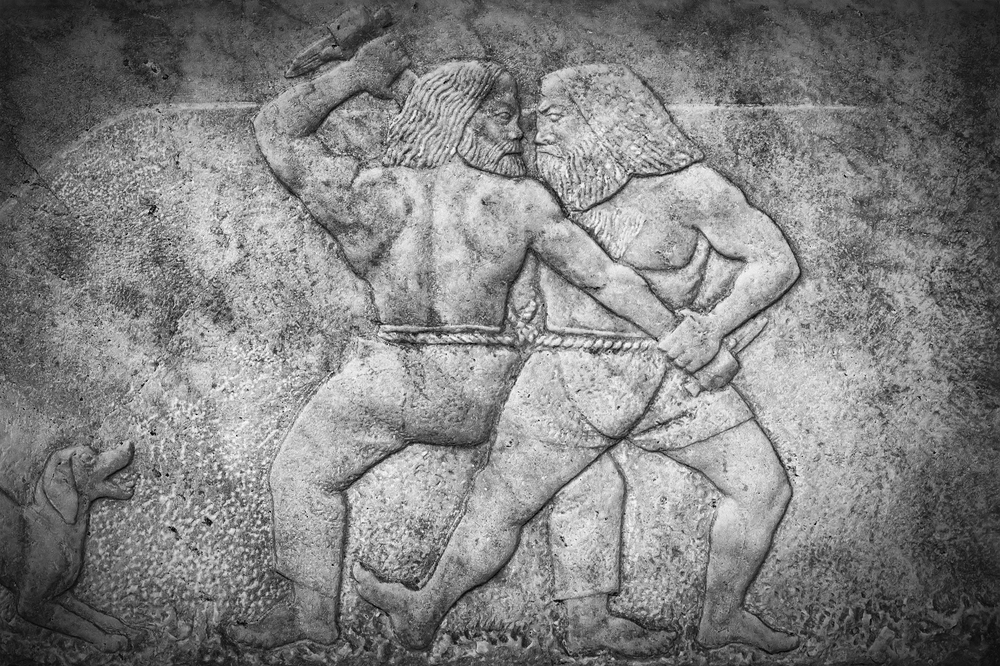
The Vikings practiced glima, a type of wrestling focused on balance and technique. Unlike rough wrestling, it stressed clever moves and staying on your feet.
Matches were village entertainment. Glima is still practiced in Iceland today, similar to traditional wrestling elsewhere.
It was a way for warriors to train without heavy injuries. The sport taught control and discipline, key qualities for Viking fighters and their communities.
Ulama (later version of the Mesoamerican game)
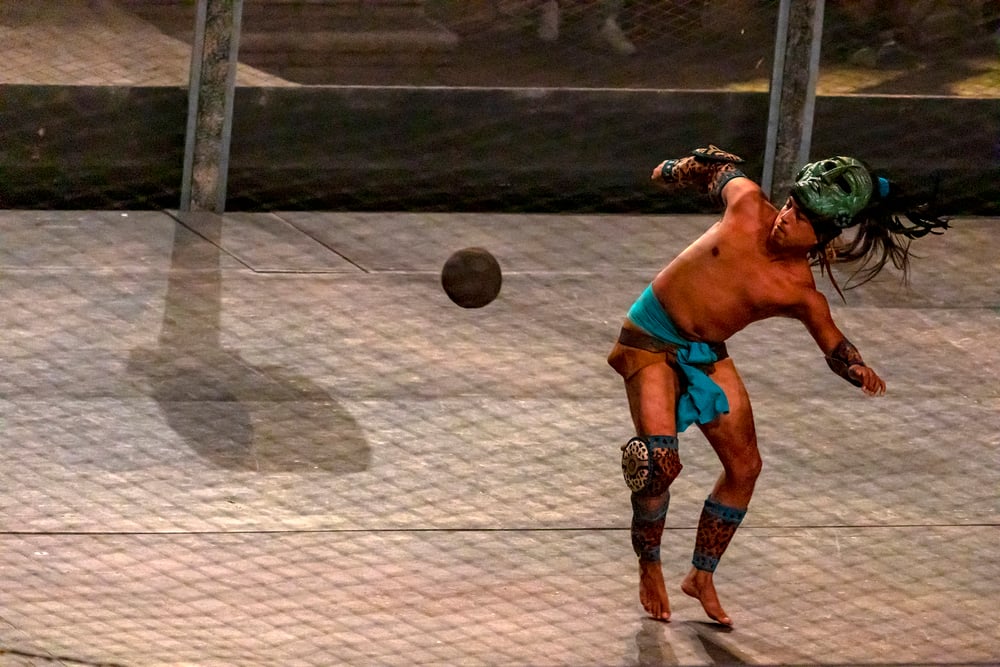
This game is still played in some parts of Mexico. Players use padded hips to keep a heavy rubberball moving in narrow courts.
It’s like handball or dodgeball, needing quick reflexes and skill. Ulama players must be strong and fast to control it and keep it off the ground.
The game’s rituals and traditions have been passed down through generations, keeping a link to ancient culture. Despite its long history, it remains an active part of local life.
Ancient Chinese cuju
Cuju is thought to be the oldest form of soccer. Players kicked leather equipment through a net held between two poles.
Hands were not allowed, so foot control was very important. It was played in courts during the Han dynasty.
Like soccer today, it brought people from different social classes together. The game was also used to train soldiers, combining exercise and fun.
Sometimes official tournaments happened at the royal court, showing how important it was.
Greek discus
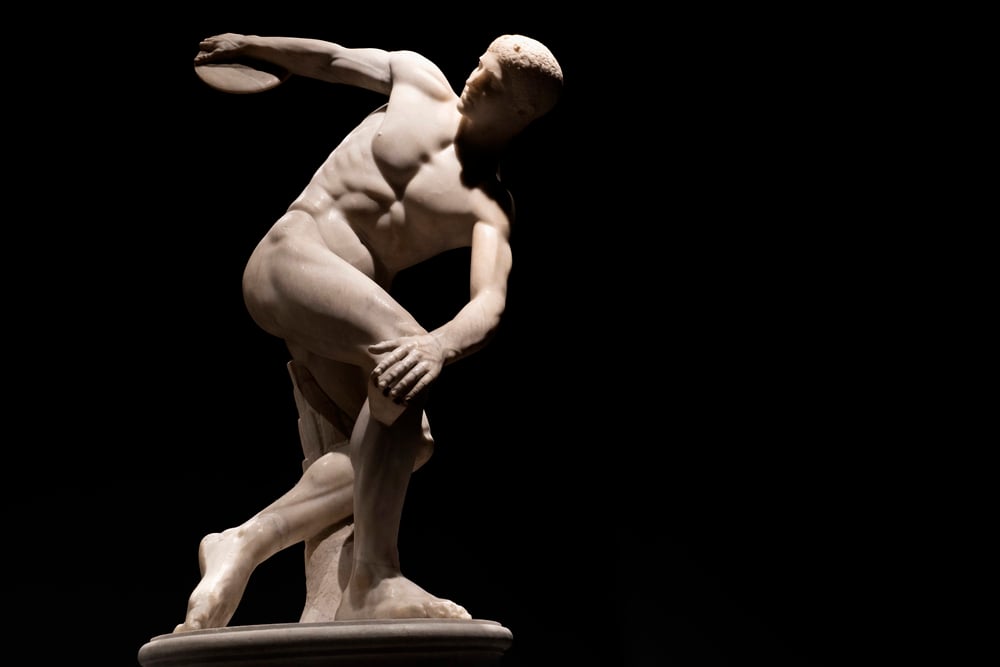
Another Olympic event from ancient times, athletes threw a flat disc for distance. The throw needed spinning, good balance, and strength.
Athletes trained hard to get their technique right. This event influenced the modern discus throw.
The discus was made of stone or metal, and its weight could change. Throwers needed power and grace to do well.
The event honored both physical skill and form.
Medieval jousting
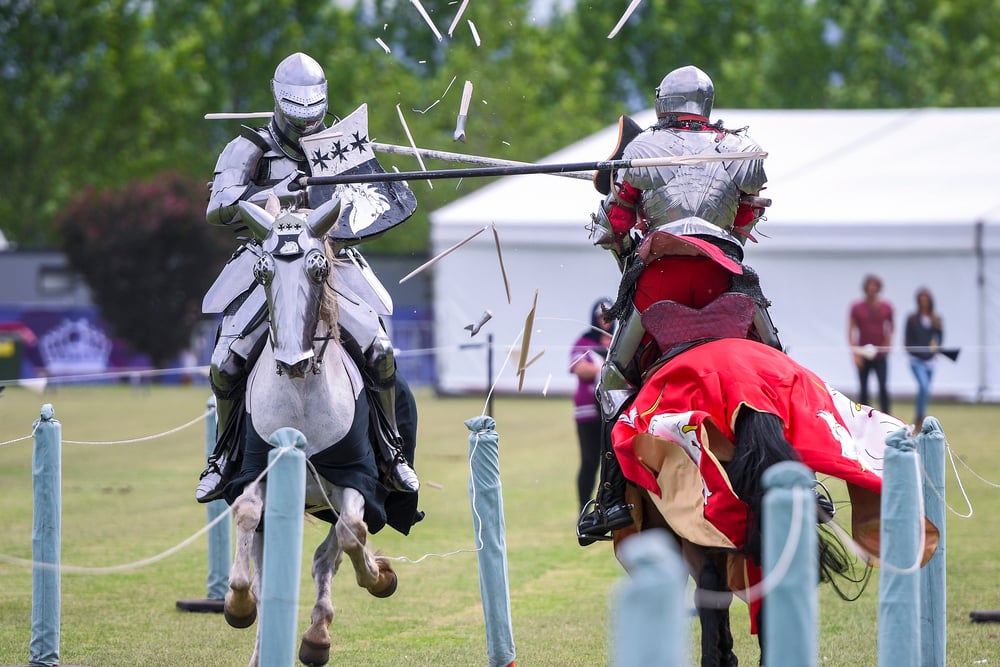
Jousting was a popular sport in medieval Europe, similar to modern fencing or racing. Knights rode horses and charged with lances, trying to knock each other down.
Crowds loved the skill and danger on display. It was a sport about honor, skill, and courage.
Tournaments could last days and included sword fights too. Jousting tested a knight’s bravery and riding skill, needed for battle.
Fans cheered for their favorite knights much like today’s sports crowds.
Pelota mixteca
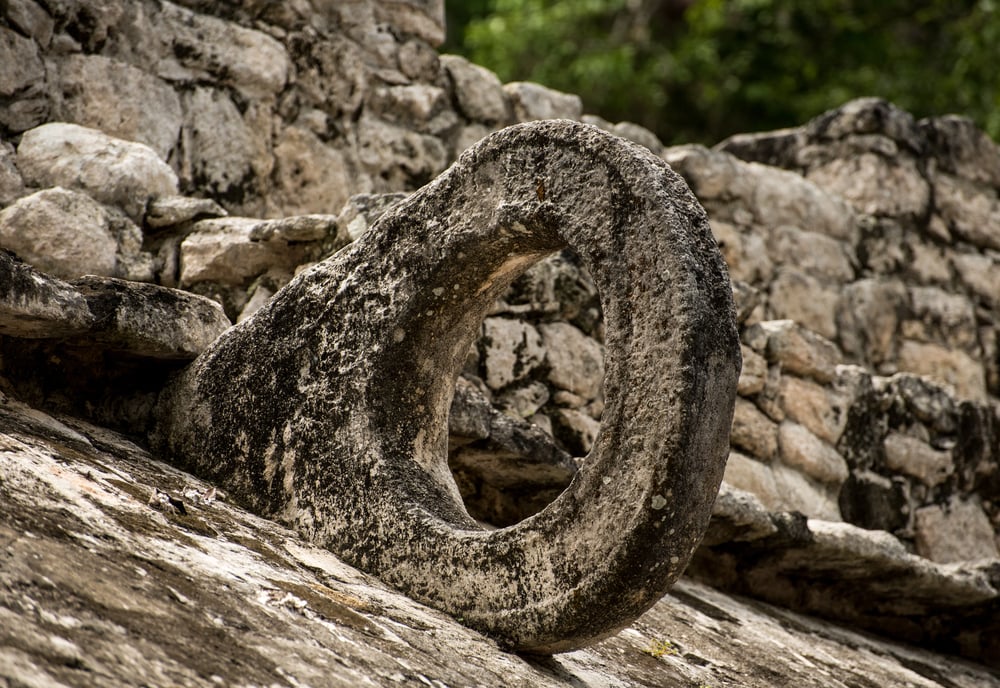
From ancient Mexico, this game used padded gloves to hit heavy equipment back and forth on open courts. It is similar to tennis or racquetball.
It was heavy, needing strength and control. Points were scored by making the other side miss it.
Pelota mixteca was often played during festivals, mixing sport with cultural events. Rules change by region, but the fast pace and skill are the same.
The game still stands as a proud tradition.
Wrestling in ancient Egypt
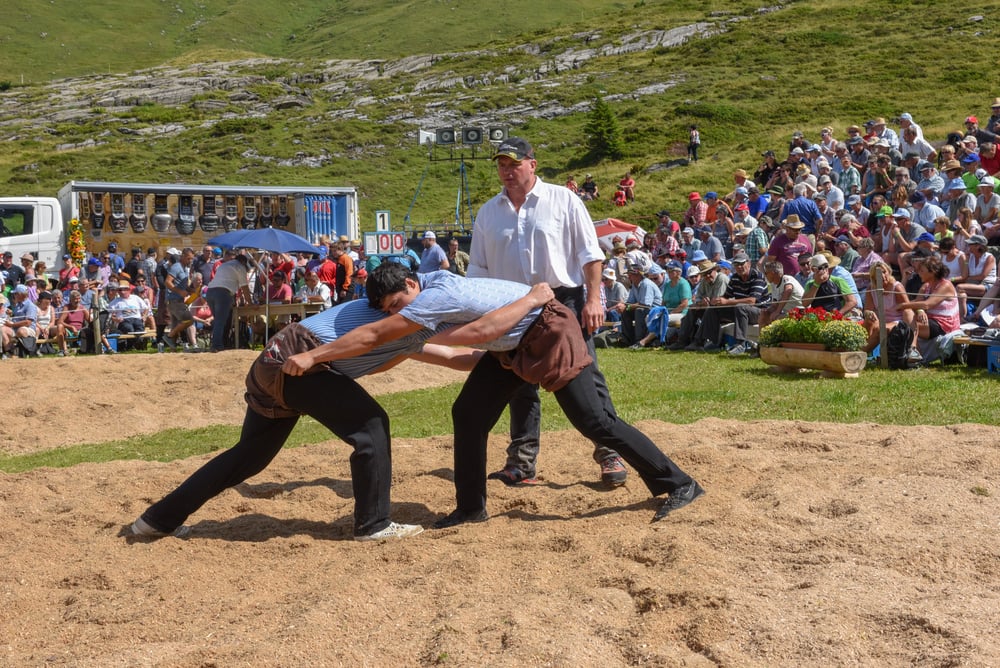
Wrestling was one of the oldest sports in Egypt. Wall art from 2,000 BCE shows many moves and holds.
Matches helped prepare soldiers for battle. This wrestling is like modern styles, focusing on holds, throws, and pins.
Grappling has a long, unbroken history. It was part of religious festivals and social events, showing its importance in daily life.
Techniques from Egyptian wrestling influenced later fighting styles.
Kapardi from ancient India
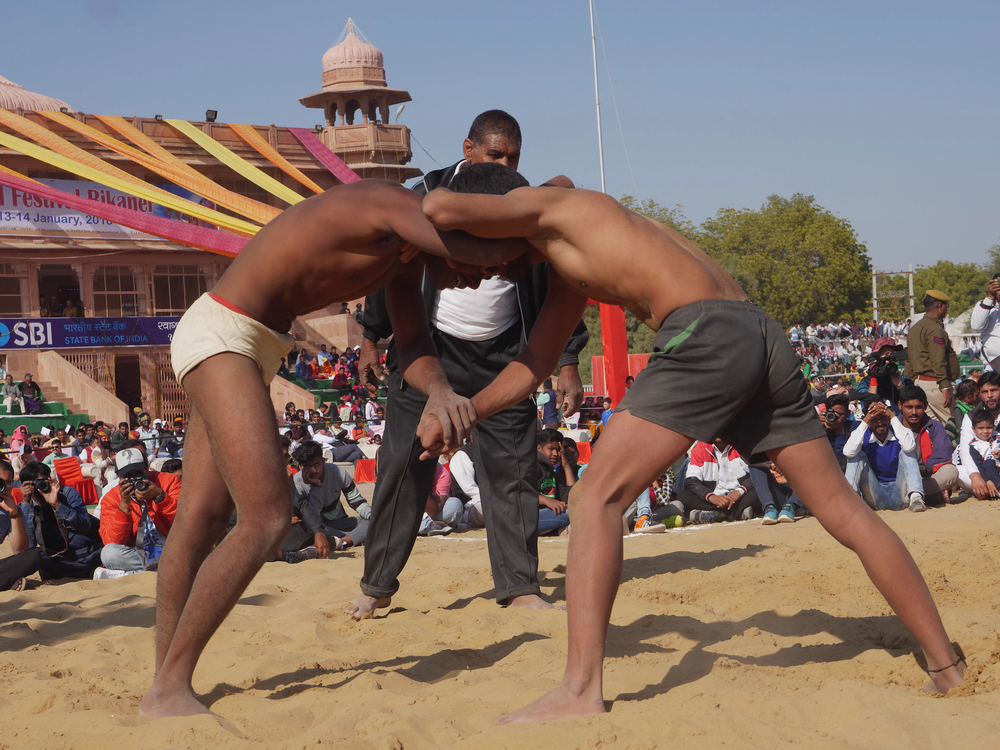
Kapardi was an old chasing and tagging game. Teams tried to cross enemy territory without getting caught.
It is the forerunner of kabaddi, a popular South Asian sport today. Speed, timing, and teamwork mattered a lot.
The game involved plans to dodge opponents while scoring. It was played in villages as both fun and warrior training.
Kapardi shows how play and survival skills are often mixed in old games.
From past play to present games

These ancient games prove people have always enjoyed competing and working as a team. The sports we watch now have clear roots in the past, sharing the same simple pleasures.
Games helped bring people together and build strength and skill. Today’s sports might look bigger and flashier, but the excitement is just as real.
Long ago, people loved to play and compete just like we do now. Their games created the base for the sports millions enjoy today.
More from Go2Tutors!

- The Romanov Crown Jewels and Their Tragic Fate
- 13 Historical Mysteries That Science Still Can’t Solve
- Famous Hoaxes That Fooled the World for Years
- 15 Child Stars with Tragic Adult Lives
- 16 Famous Jewelry Pieces in History
Like Go2Tutors’s content? Follow us on MSN.



