Carnivorous Plants That Devour Insects
Most plants sit quietly in the soil, soaking up sunlight and waiting for rain. But some plants got tired of waiting.
They turned the tables on the animal kingdom and started hunting. These carnivorous plants don’t just survive—they thrive by trapping, digesting, and absorbing insects and other small creatures.
You’ve probably heard of the Venus flytrap, but the world of meat-eating plants goes far deeper and stranger than that famous snap-shut predator.
The Venus Flytrap’s Lightning-Fast Jaws

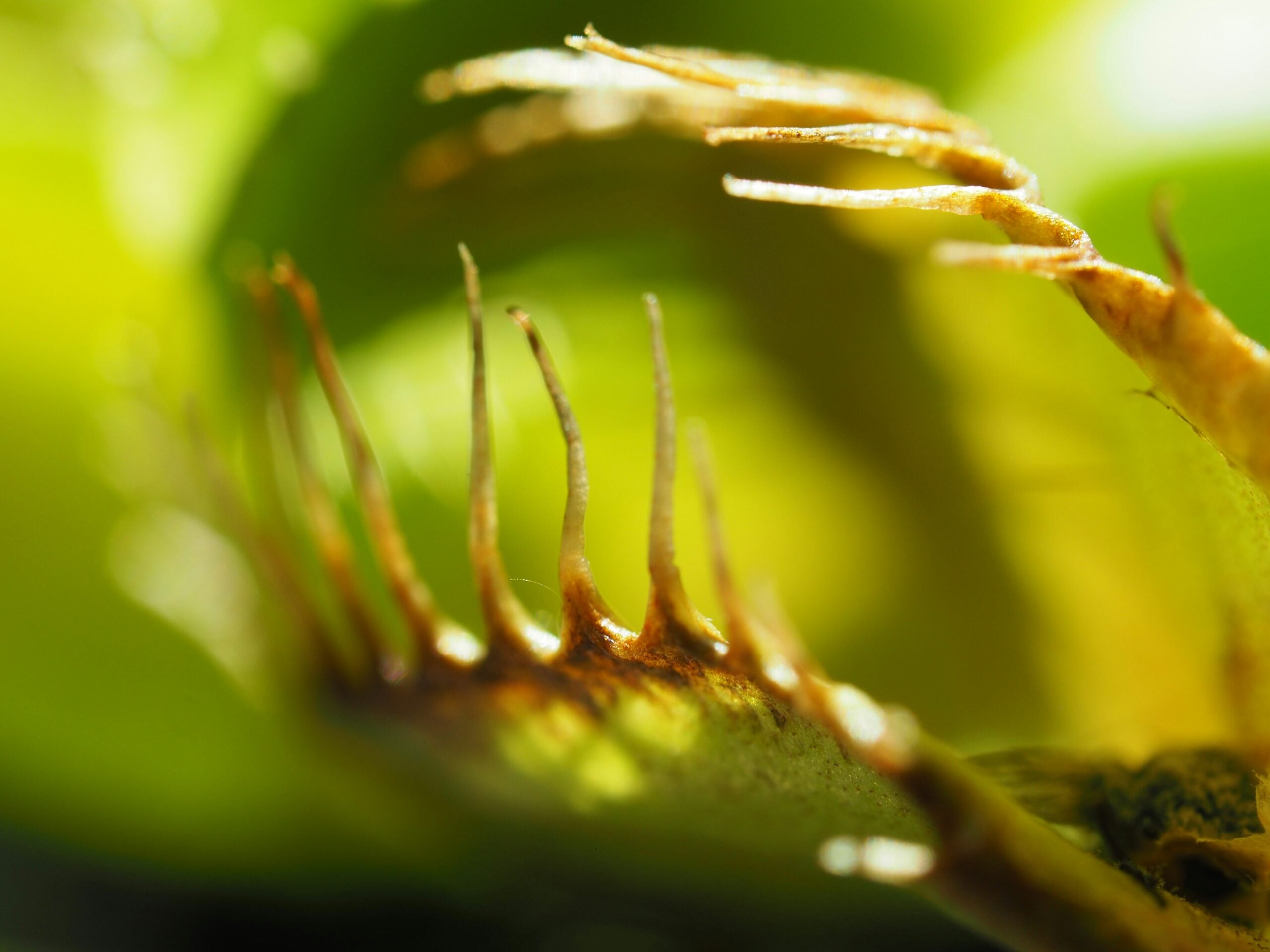
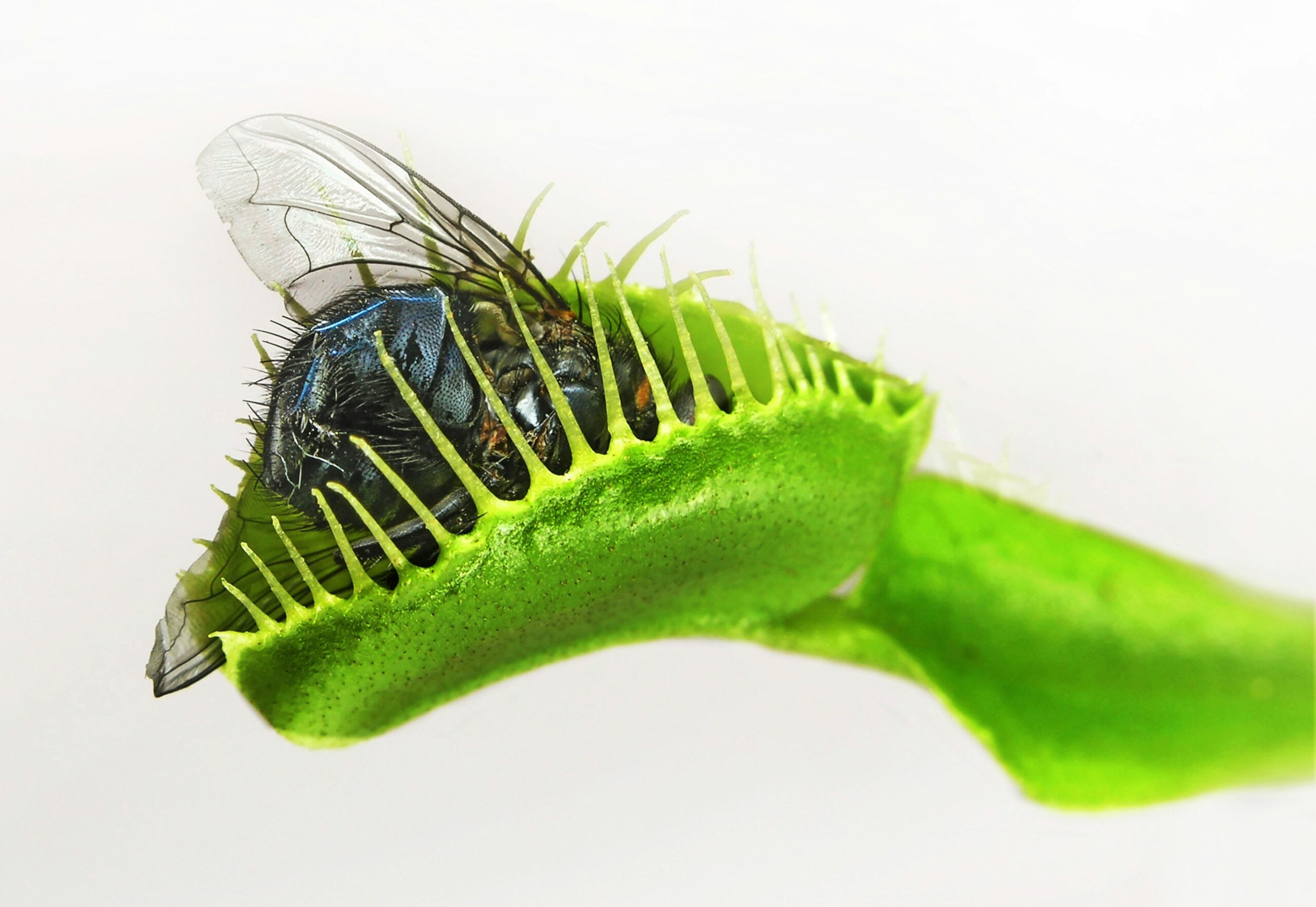
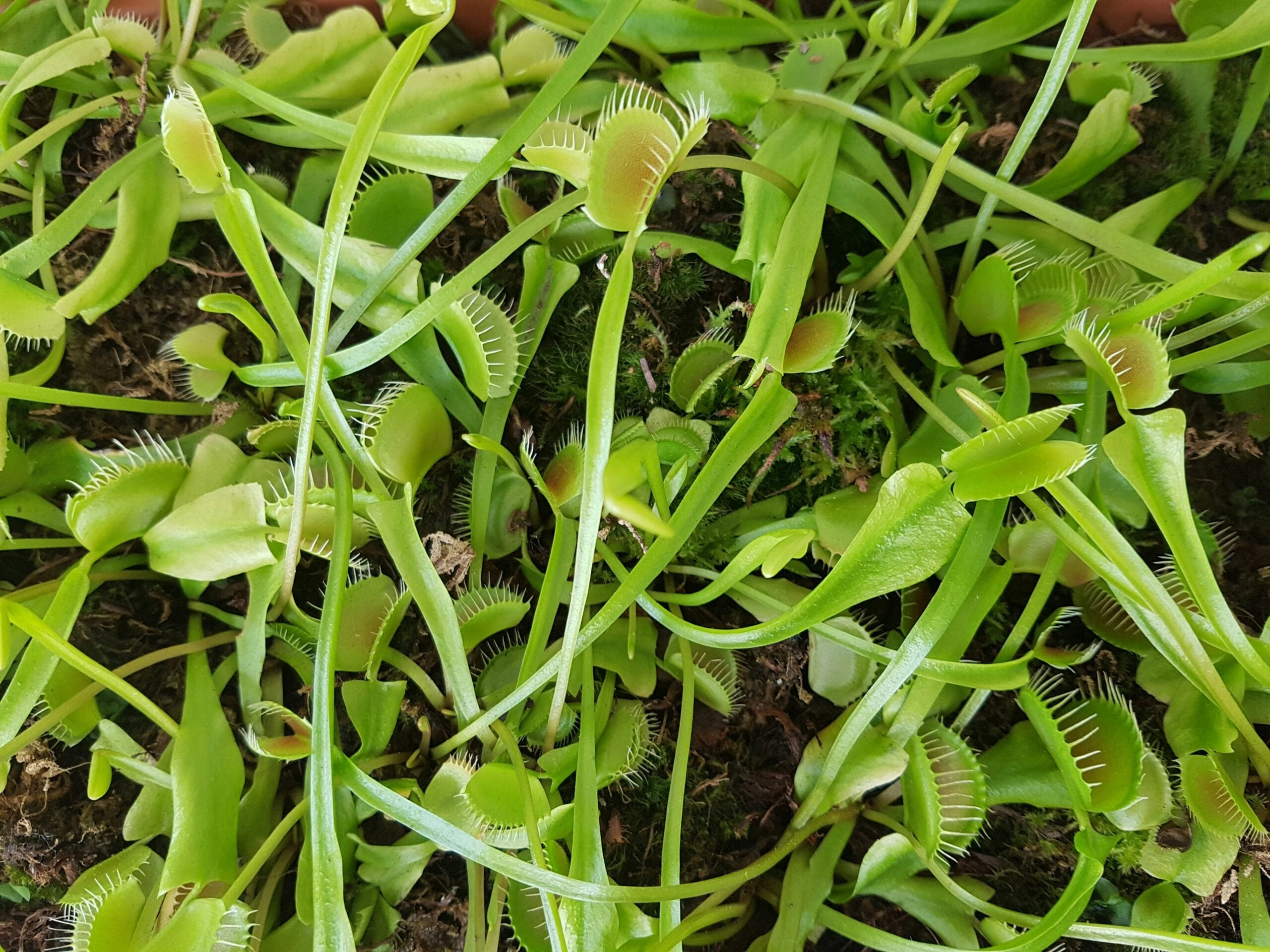
The Venus flytrap remains the most recognized carnivorous plant for good reason. When an insect lands on its leaf and touches two trigger hairs within twenty seconds, the trap snaps shut in less than a tenth of a second.
That’s faster than you can blink. The plant doesn’t waste energy on false alarms.
If something touches only one hair, nothing happens. But two touches signal actual prey, and the trap closes.
Once shut, the leaf edges seal tight, and digestive enzymes flood the chamber. The insect dissolves over five to twelve days, and the plant absorbs the nutrients.
Then the trap reopens, ready for its next meal. Each trap can only close about three to five times before it dies off.
The plant grows new traps constantly, so it keeps hunting. But this limited lifespan means the Venus flytrap evolved to be selective.
It won’t waste a precious snap on a raindrop or a falling leaf.
Pitcher Plants and Their Deadly Pools
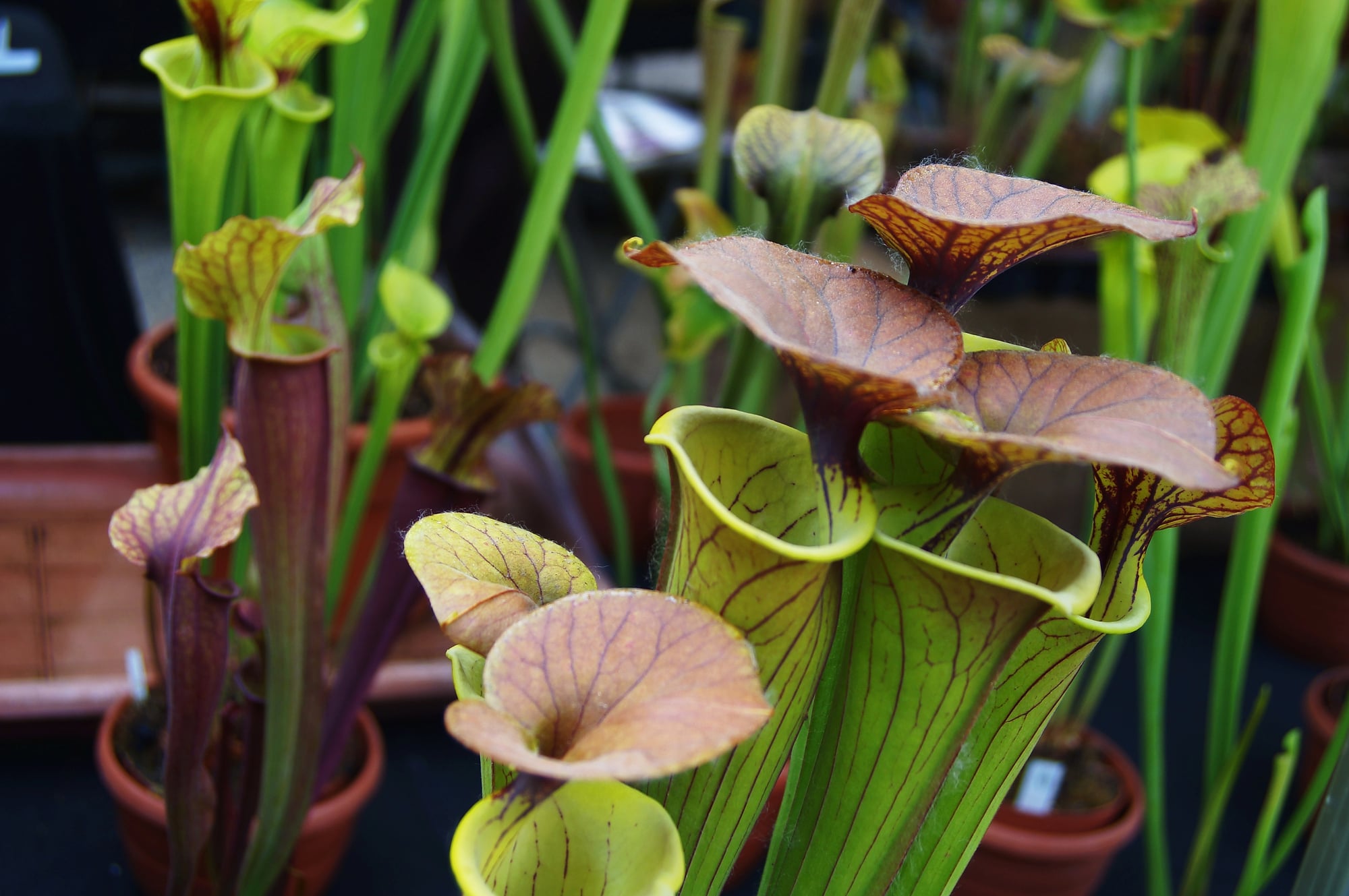
Pitcher plants take a completely different approach. Instead of moving parts, they create elaborate traps that look like tubes or pitchers.
Insects land on the rim, attracted by nectar and bright colors. The rim stays slippery, and one wrong step sends the insect tumbling into a pool of digestive fluid at the bottom.
The walls of the pitcher are designed to prevent escape. Downward-pointing hairs line the inside, making it nearly impossible to climb out.
Some species produce a waxy coating that insects can’t grip. Others secrete extra slippery fluids.
At the bottom, enzymes and bacteria work together to break down the prey. The plant absorbs nitrogen, phosphorus, and other nutrients from the dissolved insects.
Some pitcher plants in Southeast Asia grow large enough to trap rats and small birds. Though insects remain their primary food source.
Sundews and Their Sticky Tentacles

Sundews might be the most beautiful killers in the plant world. Their leaves are covered with hair-like tentacles, each tipped with a glistening droplet of sticky mucilage.
Under the sun, these droplets sparkle like morning dew. Which is exactly how sundews got their name.
But that dew doesn’t refresh. When an insect lands on the leaf and gets stuck, the tentacles slowly curl inward.
This movement takes minutes or hours, depending on the species. The insect struggles, touching more tentacles and getting stuck further.
Eventually, the leaf folds around the prey completely. The mucilage contains digestive enzymes that start breaking down the insect immediately.
Sundews can digest everything except the hard outer shell. Which they leave behind when the leaf unfolds days later.
Some sundew species grow as small as a coin. While others spread leaves the size of dinner plates.
Bladderworts and Their Underwater Traps

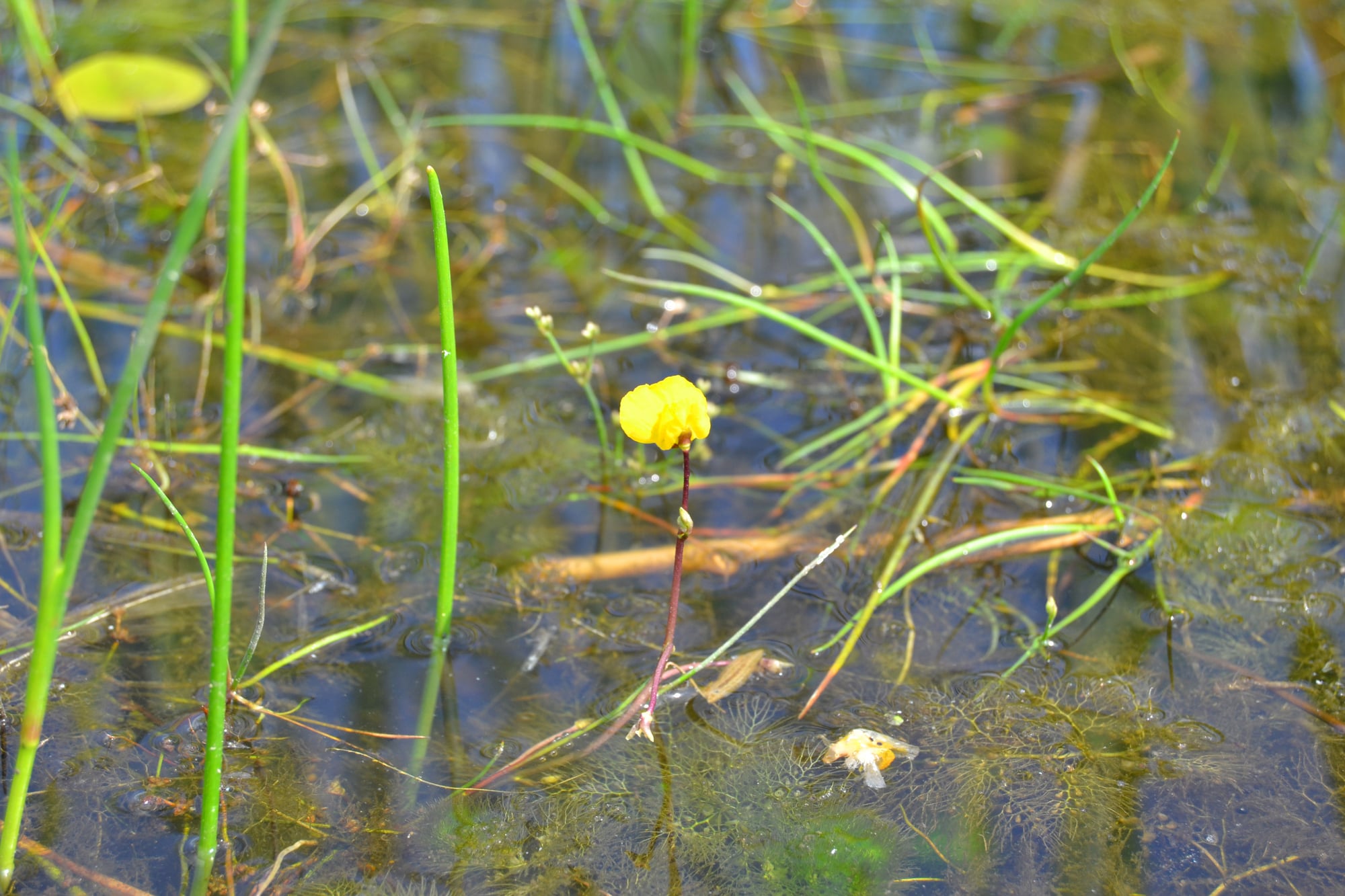
Bladderworts hunt beneath the water’s surface with traps so small you need a microscope to see how they work. These plants float freely in ponds and streams, looking innocent enough.
But hidden among their leaves are tiny bladders—hollow sacs with trapdoors. The bladders pump water out, creating a vacuum inside.
When a small water creature touches the trigger hairs near the door, the trap springs open. The vacuum sucks in water along with the prey in less than a millisecond.
That makes bladderworts the fastest-known killers in the plant kingdom. The trapped creature finds itself in a sealed chamber with no exit.
Digestive enzymes fill the space, and the plant absorbs nutrients through the bladder walls. Then the bladder pumps out the water again, resets the vacuum, and waits for the next victim.
A single bladderwort plant can have hundreds of these microscopic traps working at once.
Butterworts and Their Greasy Leaves
Butterworts might seem understated compared to their flashier cousins. Their leaves lie flat against the ground in a rosette pattern, covered with a greasy, sticky substance that gives them a buttery appearance.
Small insects land on these leaves and immediately realize they’ve made a terrible mistake. The sticky coating holds the insect in place while digestive enzymes seep out.
The leaf edges slowly curl upward, bringing more of the digestive surface into contact with the prey. This process takes hours, and by the time the leaf flattens again, only the insect’s hard shell remains.
What makes butterworts interesting is their dual nature. During the growing season, they maintain their carnivorous leaves and hunt actively.
But in winter, many species produce a different type of leaf—non-carnivorous and better suited for cold weather survival. When spring returns, the killer leaves grow back.
Why Plants Turned to Hunting

Plants that eat insects didn’t develop this ability out of aggression. They did it out of necessity.
Most carnivorous plants grow in nutrient-poor environments—bogs, swamps, and wetlands where the soil lacks nitrogen and phosphorus. Regular plants struggle in these conditions.
But carnivorous plants found a solution. Instead of competing for scarce soil nutrients, they get what they need from insects.
Nitrogen comes from proteins in insect bodies. Phosphorus, potassium, and trace minerals all exist in prey.
This adaptation lets carnivorous plants colonize habitats where other plants can’t survive. They still photosynthesize like normal plants—they need sunlight for energy.
But the insects provide the nutrients that would normally come from rich soil. That’s why you’ll rarely find carnivorous plants in your typical garden.
They specifically adapted to places where nothing else can thrive.
The Cost of Being a Predator
Hunting takes energy. Building traps, producing sticky substances, and manufacturing digestive enzymes all require resources.
Carnivorous plants invest heavily in these features. Which means they sacrifice growth in other areas.
Venus flytraps grow slowly. Pitcher plants take years to reach their full size.
Sundews remain relatively small compared to conventional plants in similar conditions. The energy budget for carnivorous plants looks completely different from typical plants.
But in their specific habitats, this trade-off works. A regular plant might grow faster and larger in good soil.
But it would struggle or die in the conditions where carnivorous plants excel. The ability to extract nutrients from insects more than compensates for the energy spent on traps.
Growing Carnivorous Plants at Home
You can grow many carnivorous plants in your home, but they need specific conditions. Most require poor soil—regular potting mix will actually harm them because they evolved for nutrient-poor environments.
A mix of peat moss and sand usually works best. Water matters just as much as soil.
Tap water often contains minerals that build up and damage carnivorous plants. Rainwater, distilled water, or reverse osmosis water keep them healthy.
The soil should stay consistently moist, not just damp. Light requirements vary by species.
Venus flytraps and most sundews need full sun. Pitcher plants often prefer bright but indirect light.
Butterworts tolerate partial shade. Research your specific plant’s needs before bringing it home.
Temperature and humidity also play roles. Many carnivorous plants tolerate a wide temperature range.
But they often need a winter dormancy period. They also prefer higher humidity than typical houseplants.
Terrarium setups work well for maintaining the right conditions.
Feeding Your Carnivorous Plants

The plants can catch their own food if grown outdoors. Indoor plants face a different situation.
You can hand-feed them, but do it sparingly. One or two insects per month per trap is enough.
Overfeeding causes more harm than good. Dead insects work fine for most species.
Drop a small fly or ant onto a Venus flytrap’s trigger hairs. Place insects on sundew leaves.
Toss them into pitcher plant tubes. The plants don’t care if the prey is alive or dead—they just need the nutrients.
But some carnivorous plants do better without supplemental feeding. Bladderworts and butterworts often catch enough tiny creatures from the air or water on their own.
Venus flytraps can survive on photosynthesis alone. Though they grow faster with occasional prey.
The Symbiotic Relationships Inside Pitcher Plants

Large tropical pitcher plants develop complex ecosystems inside their tubes. Some insects have adapted to live in the digestive fluid without getting digested.
Mosquito larvae, for example, can survive in the liquid at the bottom of certain pitcher species. These insects help the plant.
They break down larger prey into smaller pieces that the plant can absorb more easily. In return, they get a safe place to live and plenty of food from other insects that fall into the trap.
Some tree frogs use pitcher plants as safe havens. They live inside the tubes and deposit waste that provides extra nitrogen for the plant.
The frogs benefit from protection. And the plant gets nutrients without having to catch and digest an entire frog.
Conservation Challenges

Many carnivorous plant species face serious threats in the wild. Habitat destruction remains the biggest problem.
Wetland drainage for development eliminates the specific conditions these plants need. Climate change affects water levels and seasonal patterns that carnivorous plants depend on.
Poaching also threatens wild populations. Collectors dig up rare species from their native habitats to sell online or keep for personal collections.
Some carnivorous plants are now endangered or extinct in the wild. Because of overcollecting.
Conservation efforts focus on habitat protection and captive breeding. Botanical gardens maintain seed banks and grow endangered species.
Education programs teach people to buy cultivated plants instead of wild-collected ones. But protecting the remaining wetland habitats where these plants grow naturally remains the most important goal.
Strange Adaptations and Variations

Some carnivorous plants developed truly bizarre features. The corkscrew plant produces underground traps that catch soil-dwelling organisms.
You never see these traps because they work entirely below the surface. The waterwheel plant is the aquatic cousin of the Venus flytrap.
Its traps snap shut underwater, catching tiny aquatic creatures. The entire plant floats freely, tumbling through ponds and streams while hunting.
Certain sundews have evolved specialized movements. Instead of just curling tentacles inward, they can fold their entire leaves almost in half.
Wrapping around prey like a hand closing into a fist. This provides maximum contact with the digestive surface.
Pitcher plants in the genus Nepenthes sometimes grow modified pitchers with strange functions. Some produce pitchers that serve as toilets for tree shrews—the animals climb on top, deposit waste, and the plant absorbs nutrients from the droppings.
These pitchers don’t catch insects at all.
Carnivorous Plants in Culture and Science
Carnivorous plants capture human imagination partly because they reverse our expectations. We see plants as passive, stationary, and harmless.
Discovering that some plants actively hunt challenges those assumptions. Science fiction and horror stories have featured killer plants for over a century.
These fictional plants usually grow much larger and more aggressive than their real counterparts. But the fascination comes from a kernel of truth—some plants really do consume animal tissue.
Modern science studies carnivorous plants for multiple reasons. Their trapping mechanisms offer insights into rapid plant movement and stimulus response.
The digestive enzymes they produce might have medical or industrial applications. Understanding how they extract nutrients in poor soil could inform agriculture in challenging environments.
When the Hunter Becomes the Hunted

The relationship between carnivorous plants and insects runs deeper than simple predation. Some insects have evolved ways to exploit these plants or even hunt them in return.
Certain moth species lay eggs exclusively on sundew plants. When the caterpillars hatch, they can walk across the sticky tentacles without getting caught.
They eat the plant’s leaves and even its traps. Turning a predator into a food source.
Some spiders build webs near pitcher plants and steal insects that would otherwise fall into the traps. Other spiders hunt directly on the pitcher rim.
Snatching prey before the plant can claim them. The pitcher plant still catches some insects.
But it loses others to these opportunistic thieves. Parasitic fungi sometimes infect carnivorous plants, particularly pitcher plants.
These fungi can reduce the plant’s ability to produce digestive enzymes. Or even kill the trap entirely.
The predator becomes prey to microscopic organisms invisible to human eyes.
A Different Kind of Garden

A tiny swamp comes alive on your windowsill when you start gathering meat-eating plants. Not fast growers, they demand time along with steady moisture and bright light.
A sudden jerk of a flytrap closing grabs attention mid-morning coffee. Glistening drops cling to sticky hairs of a sundew like slow-motion jewels.
Who would have thought leaves could stalk their meals. Movement isn’t just for animals, some green things creep toward survival.
Where soil lacks nutrients, clever roots take a different path. Traps snap shut without warning, sticky fluids hold tight.
Poison slips in quietly, not for attack but quiet gain. Staying still never meant staying weak.
Limits pushed back with tiny changes over time. Growth happens even in barren ground when rules get rewritten.
Understanding these forms means seeing struggle as shape-shifter. Life bends instead of breaking, again and again.
More from Go2Tutors!

- The Romanov Crown Jewels and Their Tragic Fate
- 13 Historical Mysteries That Science Still Can’t Solve
- Famous Hoaxes That Fooled the World for Years
- 15 Child Stars with Tragic Adult Lives
- 16 Famous Jewelry Pieces in History
Like Go2Tutors’s content? Follow us on MSN.



