15 Famous Buildings Completed Long After Construction Began
Some buildings take longer than the people who ordered them. Money runs out, wars interrupt, tastes change, and architects die, yet the work somehow continues.
The fifteen below span from the twelfth century to the twenty-first, and each one carries a record of delay in its stone, steel, or concrete.
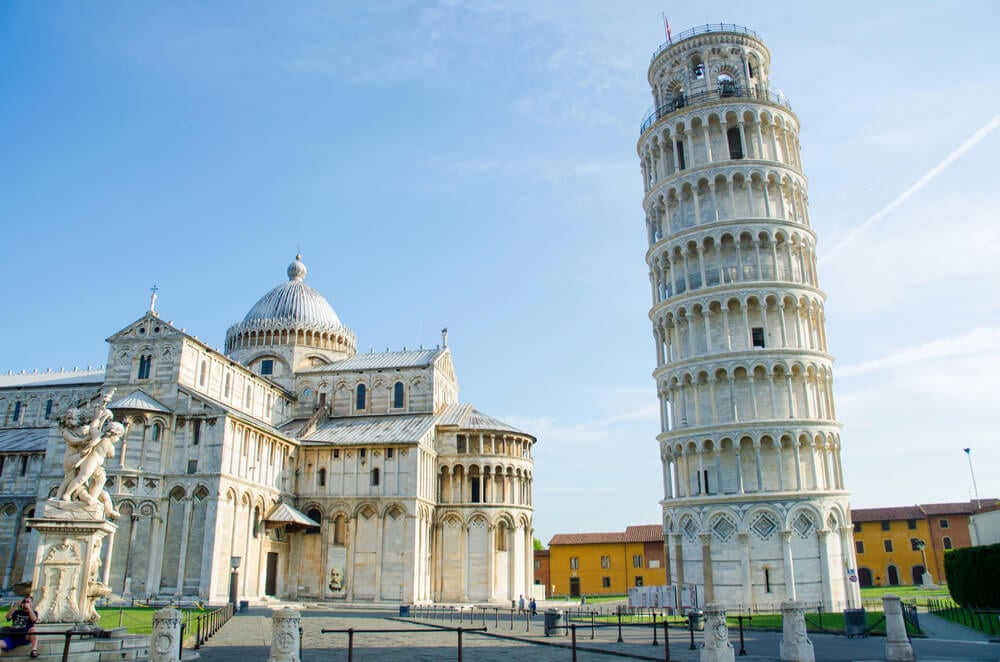
The Leaning Tower of Pisa
— Photo by Elnur_
Construction on the tower began in 1173 and continued in stages until 1372. The tilt appeared early, after the second floor was built on soft ground. Builders compensated by adding slightly taller walls on the low side.
Cologne Cathedral
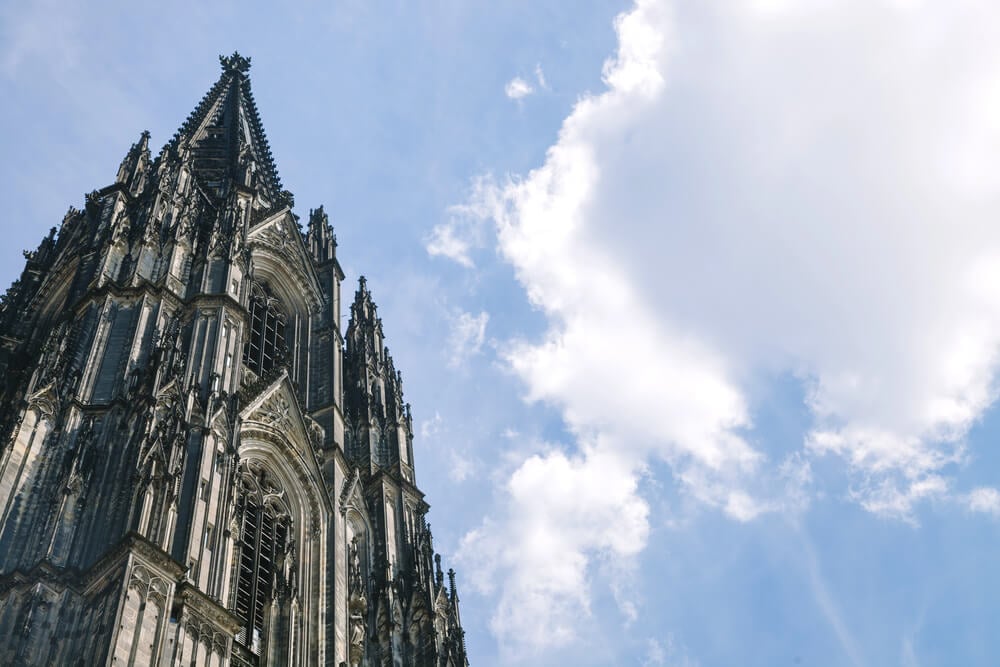
Work began in 1248 and was finished in 1880, a gap of over six hundred years. Construction stopped for centuries, and the original facade plans were rediscovered in the early nineteenth century. The finished towers follow the medieval design.
Milan Cathedral
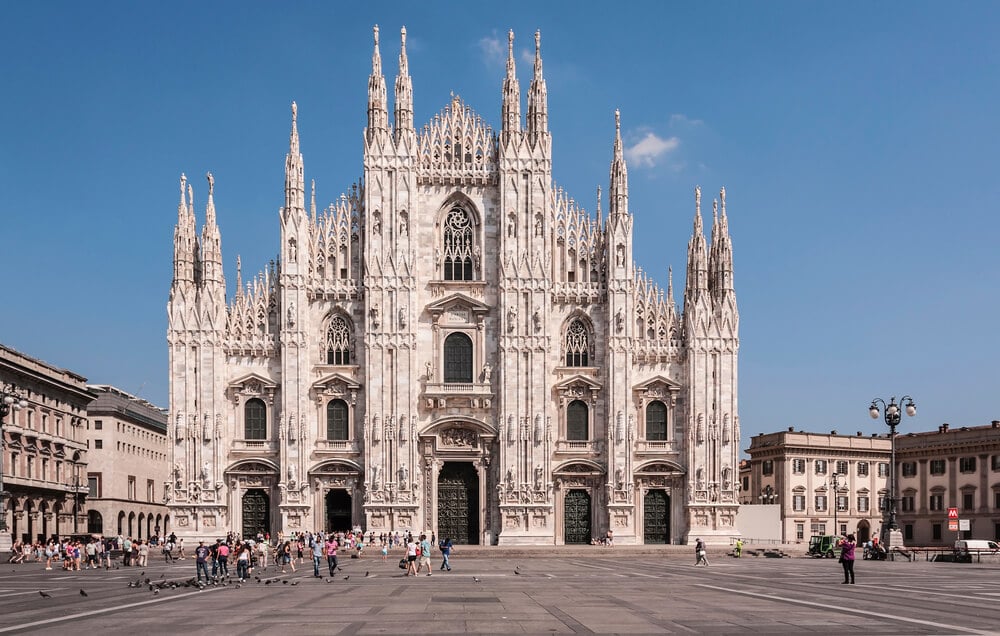
Milan began its cathedral in 1386, and work on details continued into the twentieth century. The final gate is often dated to 1965. Hundreds of statues and pinnacles crowd the exterior.
Florence Cathedral
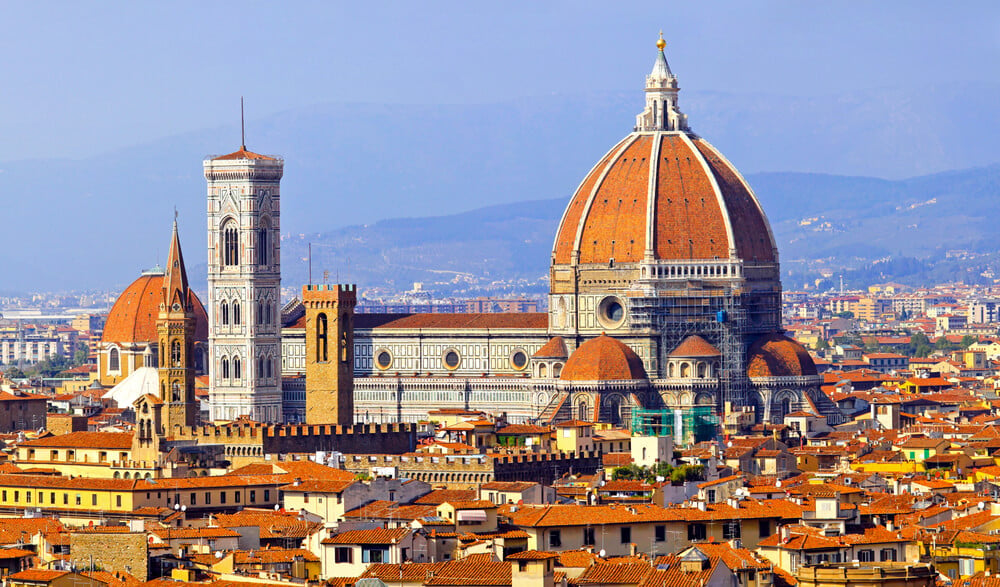
The cathedral of Santa Maria del Fiore was begun in 1296. Filippo Brunelleschi completed the great dome in 1436, and the marble facade was not finished until 1887. For long stretches, the front was bare brick.
Ulm Minster
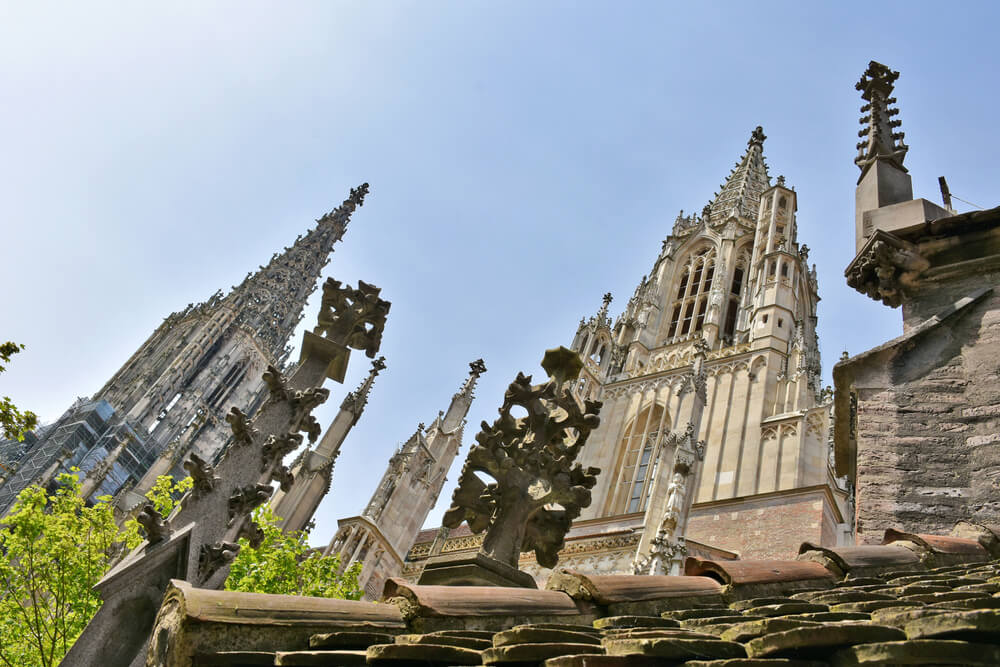
Ulm Minster was begun in 1377 and completed in 1890. Its spire, at about 161 meters, is the tallest of any church in the world. The builders of the 1800s followed the medieval plans.
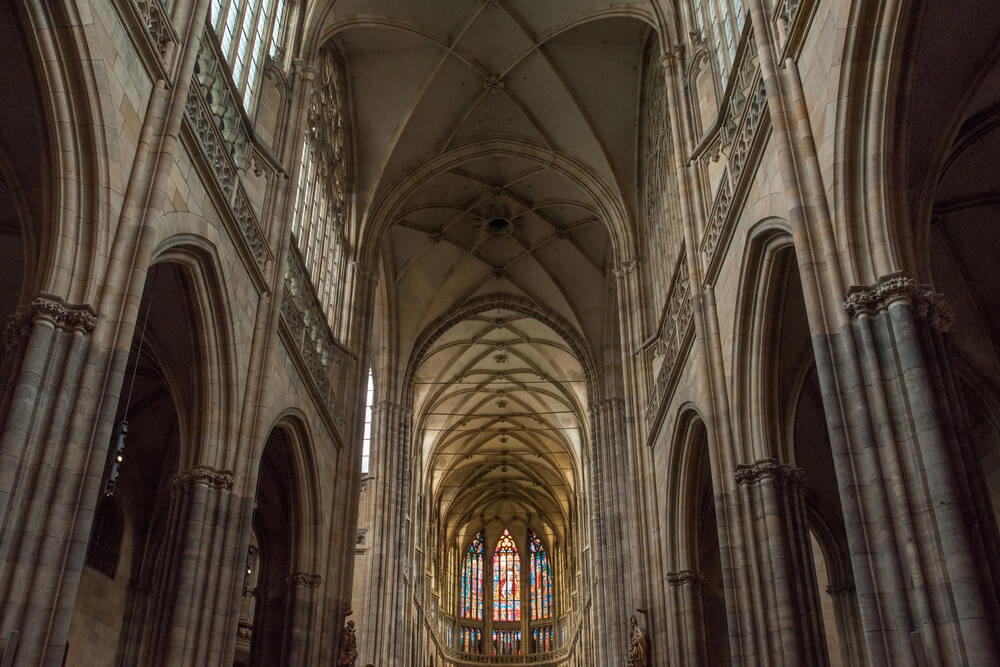
St. Vitus Cathedral
— Photo by IuliiaVerstaBO
Prague’s St. Vitus Cathedral began in 1344 and was declared complete in 1929. The Gothic east end was built in the fourteenth century, while the nave was finished in the twentieth. Its unity is the result of faithful imitation.
St. Peter’s Basilica
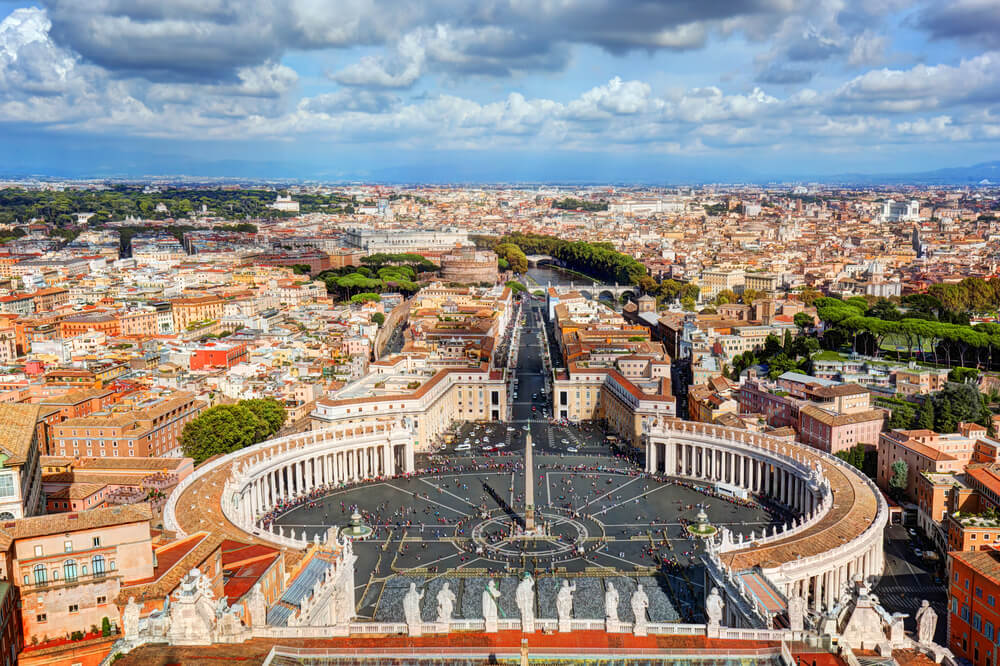
Construction on the new St. Peter’s began in 1506 and the church was consecrated in 1626. Bramante, Michelangelo, and Bernini were among the architects who shaped it. The long project helped provoke controversies over how it was financed.
Sacré-Cœur
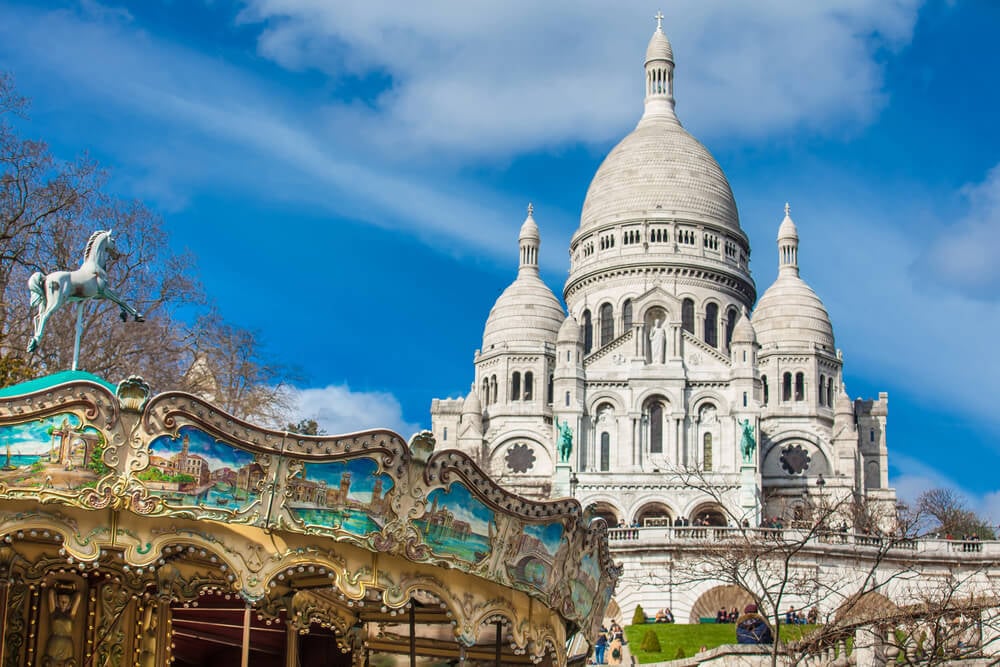
The basilica in Montmartre began in 1875 and was largely completed in 1914. It was consecrated after the First World War. The white stone is quarried from Château-Landon and weathers to stay bright.
The Washington Monument
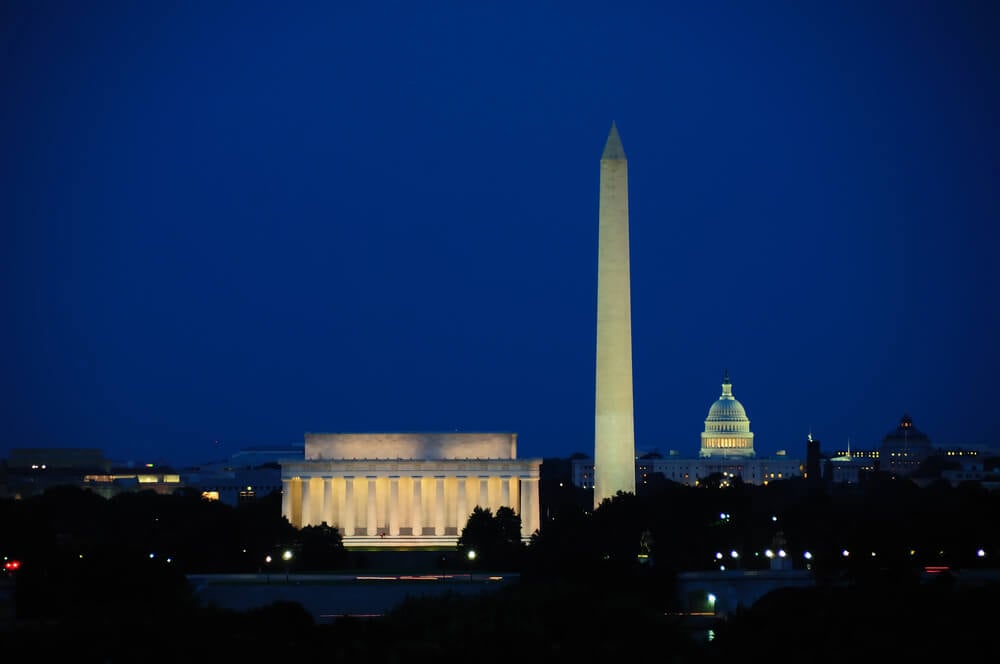
Construction began in 1848, stalled for lack of money and the Civil War, and resumed in the 1870s. The monument was completed in 1884. A visible change in the color of the stone marks where the pause occurred.
Philadelphia City Hall
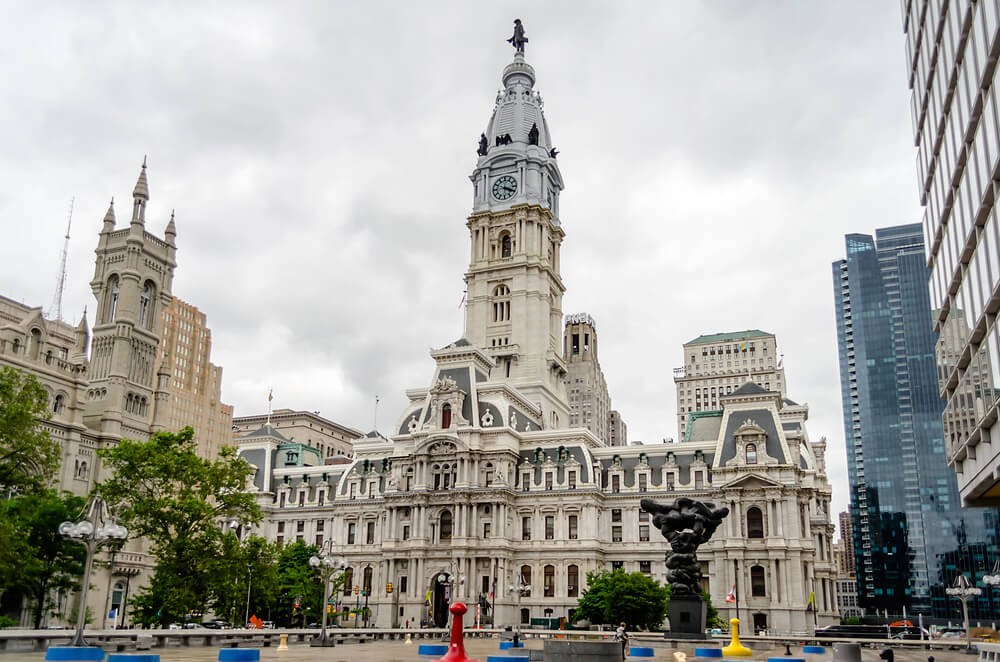
Philadelphia’s City Hall was begun in 1871 and finished in 1901. It is among the largest masonry buildings in the country. By the time it was complete, its style was already considered old-fashioned.
The Salt Lake Temple
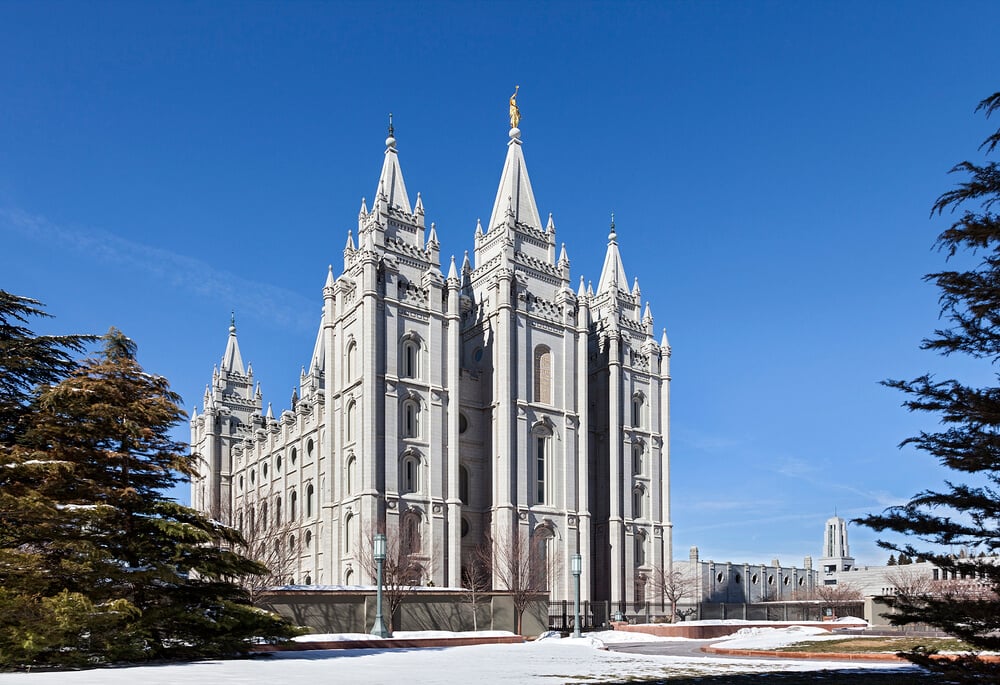
Latter-day Saints began the Salt Lake Temple in 1853 and dedicated it in 1893. Granite was hauled from a canyon miles away, at first by ox team. The railroad’s arrival eased the task.
Liverpool Cathedral
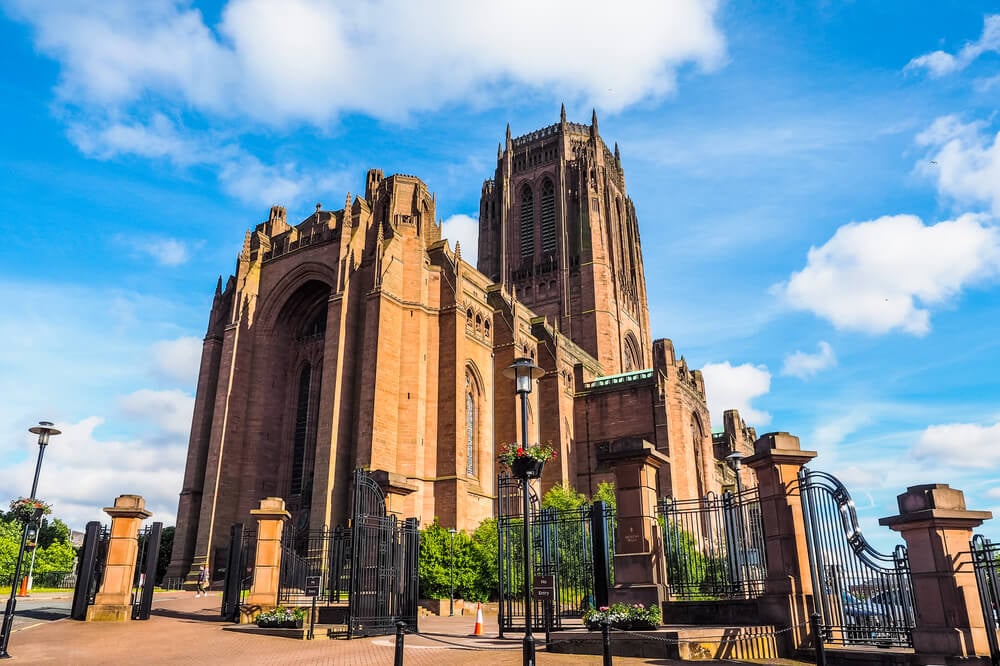
The cornerstone was laid in 1904, and the building was completed in 1978. It is the largest cathedral in Britain. Giles Gilbert Scott’s design was modified during the long construction.
The Sydney Opera House
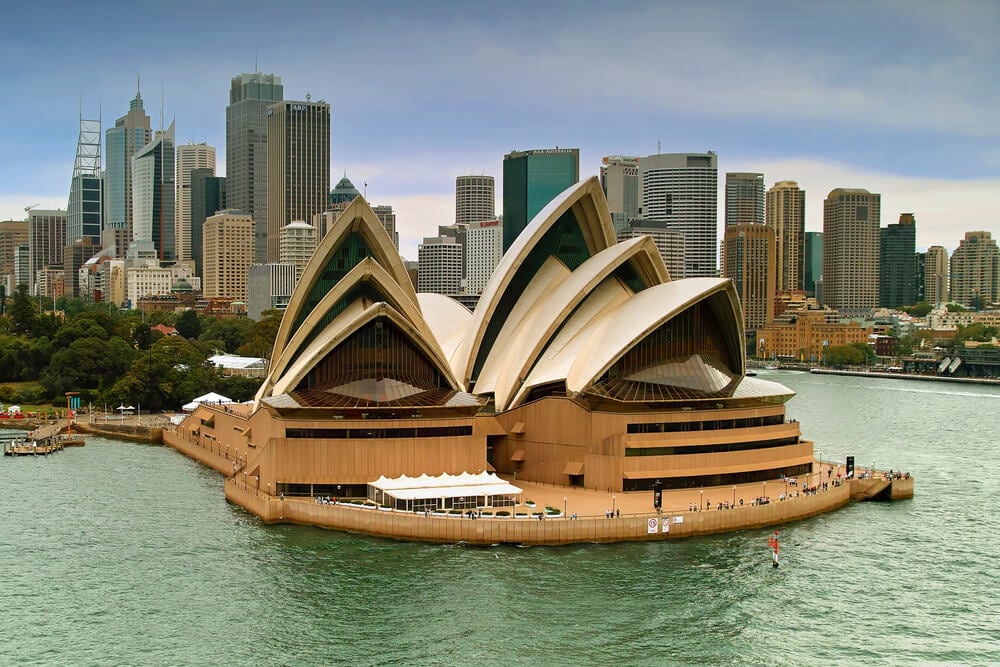
— Photo by danevski
Work began in 1959 and finished in 1973, with the final cost about A$102 million against an initial estimate of A$7 million. Architect Jørn Utzon left the project in 1966. The shell roofs took years to resolve.
Washington National Cathedral
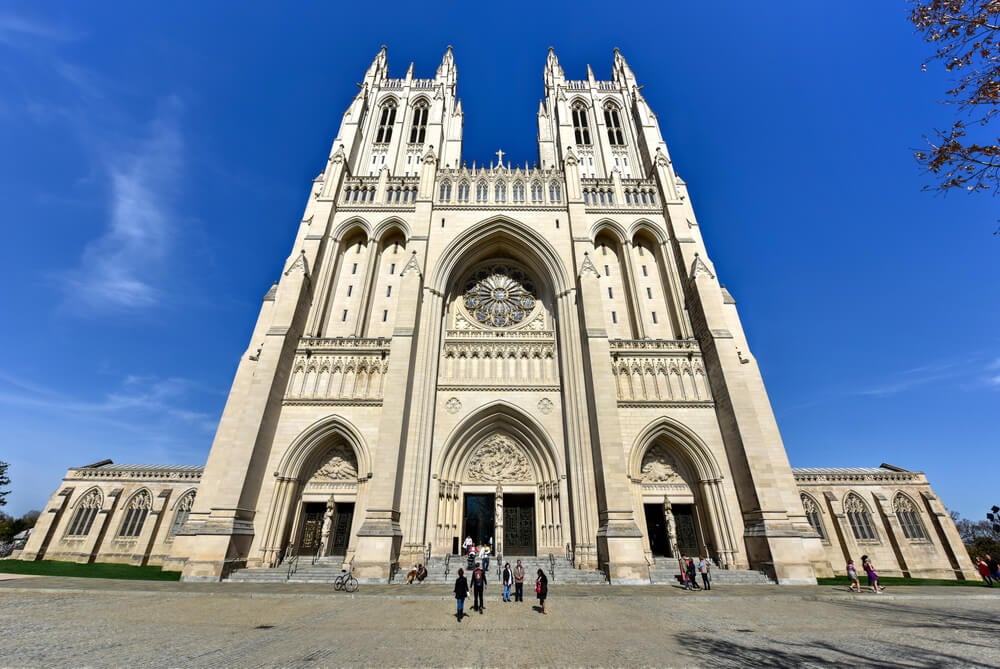
— Photo by demerzel21
The foundation stone was laid on 29 September 1907, and the cathedral was completed on the same date in 1990. Eighty-three years of construction followed. Much of the carving was done by skilled artisans using traditional methods.
Berlin Brandenburg Airport
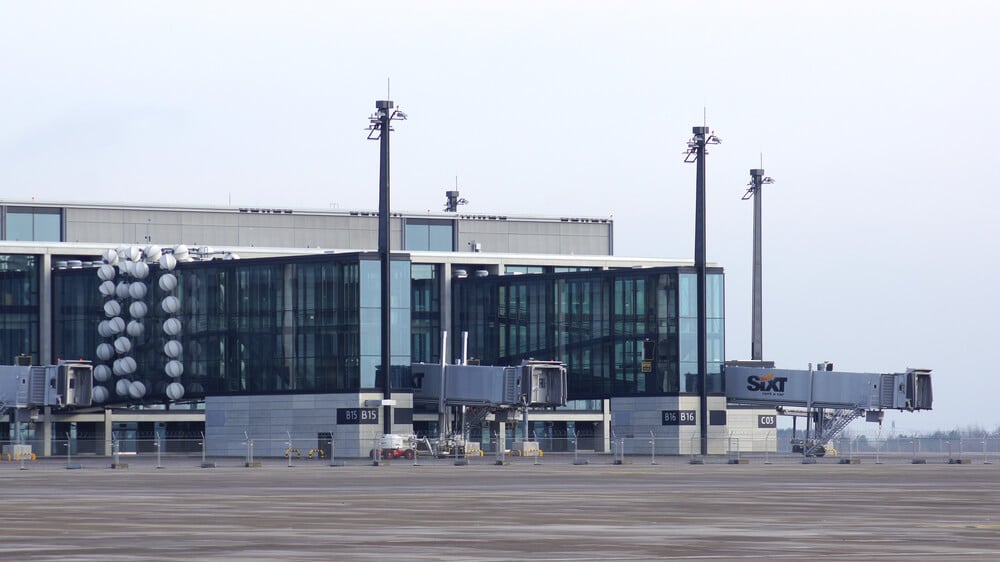
— Photo by miles_around
Construction began in 2006, and the airport finally opened on 31 October 2020. Years of delays came from failures in the fire-protection system. The original opening date was supposed to be much earlier.
The Persistence of Unfinished Work
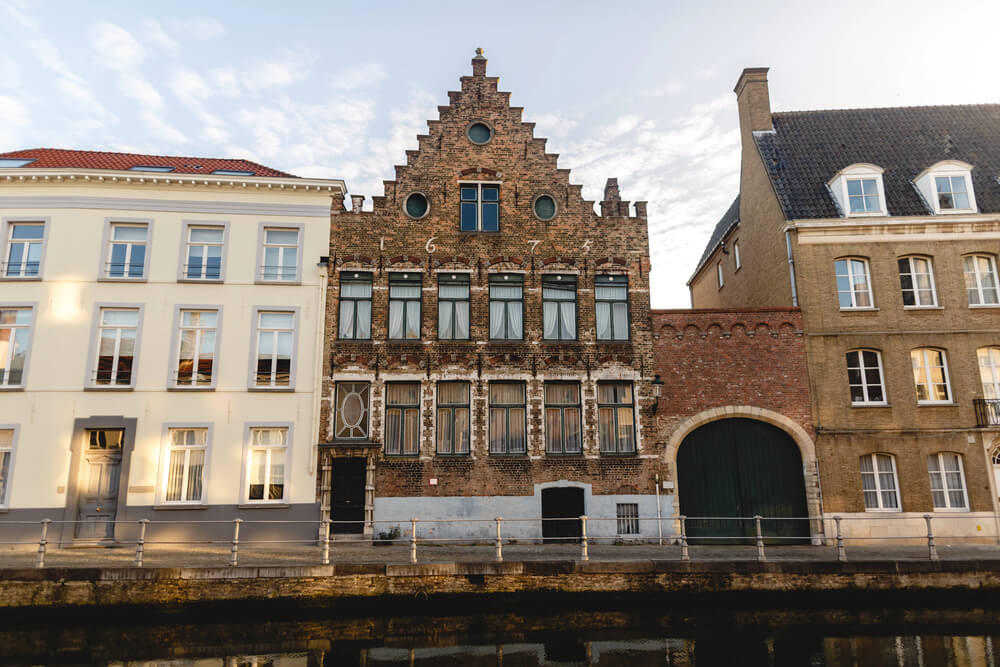
Large buildings outlast their patrons, so the people who begin them rarely see them done. The original vision survives only if later builders choose to honor it.
Sometimes they do, as in Cologne and Prague, and sometimes the project drifts. In every case the building ends up as a layered record of the centuries that touched it.
More from Go2Tutors!

- 27 Silver Dollars and Half Dollars Worth Keeping
- 28 Restaurant Menu Items Nobody Orders Anymore
- 17 Places Built in Seemingly Impossible Spots
- 27 Vintage Rings Worth More Than They Look
- 25 Restricted Sites Tourists Can’t Enter
Like Go2Tutors’s content? Follow us on MSN.