15 Deadliest Mining Accidents In History
Mining has always been one of the world’s most dangerous occupations, where workers descend deep underground to extract the resources that power our civilization. Throughout history, these brave individuals have faced countless hazards – from explosive gases and cave-ins to flooding and fires that can trap entire shifts of workers miles below the surface. The deadliest mining disasters serve as sobering reminders of the human cost behind the coal, metals, and minerals we depend on daily.
Here’s a list of 15 deadliest mining accidents that changed safety regulations and left permanent marks on communities worldwide.
Benxihu Colliery disaster

The worst mining disaster in recorded history occurred at the Benxihu Colliery in China on April 26, 1942, killing 1,549 workers. Japanese occupation forces had sealed the mine entrance after a gas explosion, trapping everyone inside and preventing rescue efforts.
The disaster happened during World War II when safety protocols were largely ignored in favor of maximum coal production to fuel the war effort – a grim reminder of how war can make already dangerous work even deadlier.
Courrières mine disaster

France’s deadliest mining accident killed 1,099 miners on March 10, 1906, when a massive explosion ripped through the Courrières coal mine in northern France. The blast was so powerful it damaged buildings on the surface and could be heard for miles around.
Rescue efforts continued for weeks, with the last survivors found 20 days after the initial explosion. Most had perished from carbon monoxide poisoning.
Like Go2Tutors’s content? Follow us on MSN.
Monongah mining disaster

The deadliest mining accident in United States history occurred on December 6, 1907, at the Fairmont Coal Company mines in Monongah, West Virginia, killing at least 362 miners. Two massive explosions destroyed both mine shafts, and the exact death toll remains uncertain because the company kept poor records of workers, many of whom were recent immigrants.
The disaster led to significant improvements in mine safety regulations and worker compensation laws.
Senghenydd colliery disaster

Wales experienced its worst mining disaster on October 14, 1913, when an explosion at the Universal Colliery in Senghenydd killed 439 miners and one rescue worker. The blast occurred after methane gas ignited, creating a devastating explosion that collapsed mine shafts and trapped workers deep underground.
This disaster prompted major changes to British mining safety standards, including better ventilation systems and gas detection equipment.
Laobaidong colliery explosion
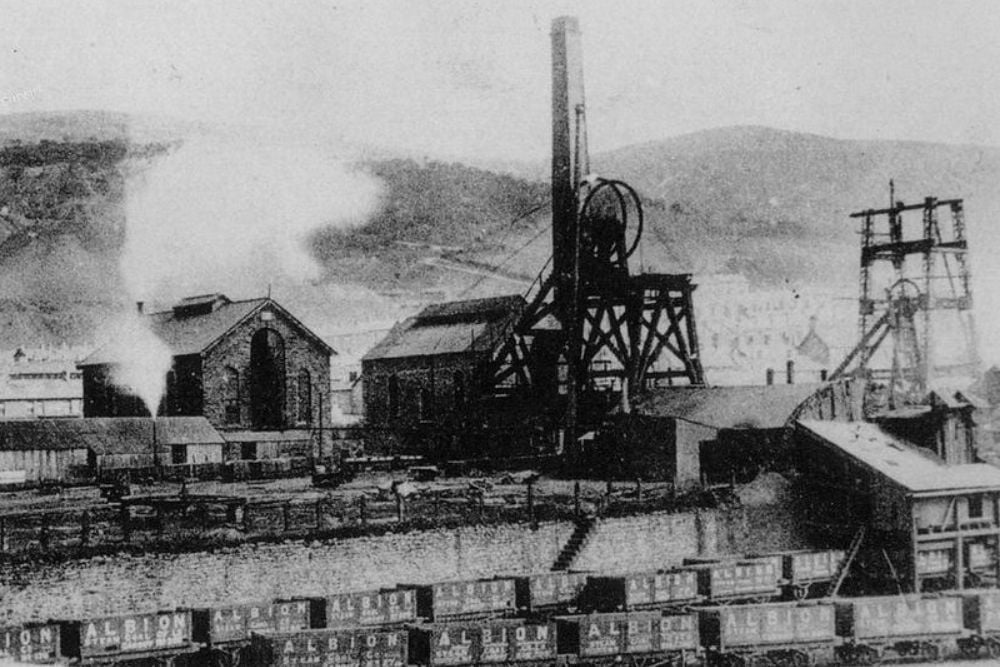
China’s Laobaidong coal mine experienced a catastrophic explosion on May 9, 1960, that killed 682 workers when methane gas ignited during the morning shift. The communist government initially tried to suppress news of the disaster, keeping casualty figures secret for decades.
The accident highlighted the dangerous working conditions in Chinese state-run mines during the rapid industrialization period.
Like Go2Tutors’s content? Follow us on MSN.
Dawson fuel company disaster
Two separate explosions at coal mines near Dawson, New Mexico, killed a combined total of 363 miners in 1913 and 1923. The first explosion on October 22, 1913, killed 263 workers, while the second blast a decade later claimed 100 more lives at the same location.
Talk about a cursed place. These disasters essentially ended coal mining in the area and turned the once-thriving town of Dawson into a ghost town.
Wankie colliery disaster

Zimbabwe’s worst mining accident occurred on June 6, 1972, at the Wankie colliery when an underground explosion killed 427 miners. The blast happened during the apartheid era when safety standards for Black African workers were significantly lower than those for white miners.
Poor ventilation and inadequate safety equipment contributed to the high death toll in what was then Rhodesia.
Dhanbad coal mine fire
India’s deadliest mining disaster began with a fire at the Dhanbad coal mine on May 28, 1965, that eventually killed 375 workers. The fire started in an abandoned section of the mine but spread rapidly through interconnected tunnels, trapping workers who couldn’t escape the toxic fumes.
Rescue efforts were hampered by the mine’s complex layout and continued burning that lasted for weeks.
Like Go2Tutors’s content? Follow us on MSN.
Cherry mine disaster
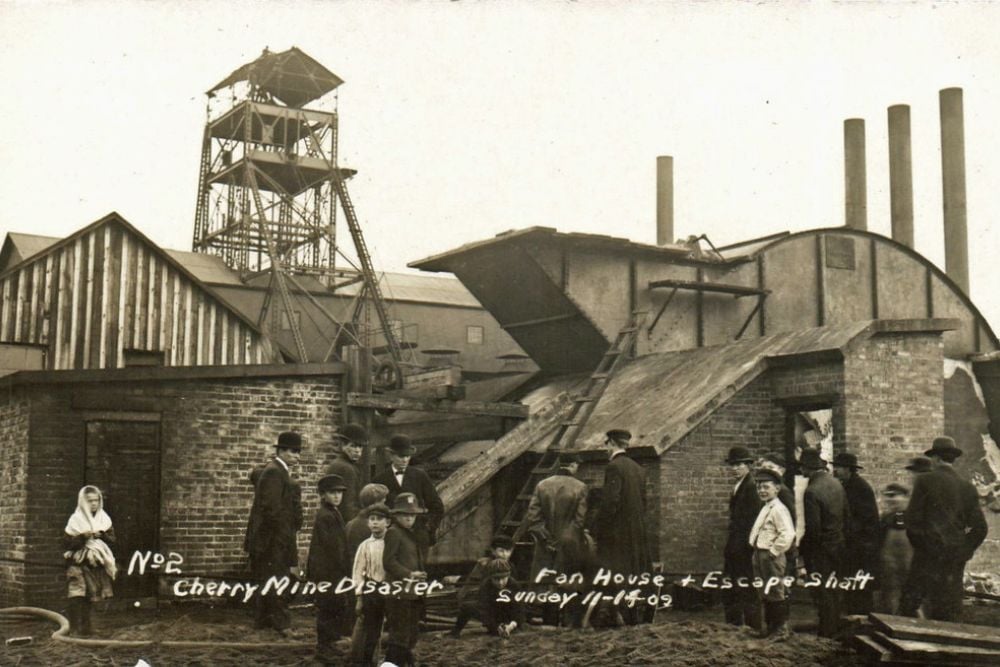
The Cherry mine fire in Illinois killed 259 workers on November 13, 1909, when burning hay fell down an air shaft and ignited timber supports throughout the mine. Some miners survived by barricading themselves in remote sections of the mine for eight days before rescue teams could reach them.
Eight days trapped underground. The disaster led to new safety regulations requiring multiple escape routes and better fire prevention measures in American coal mines.
Mitsubishi Hojyo mine explosion
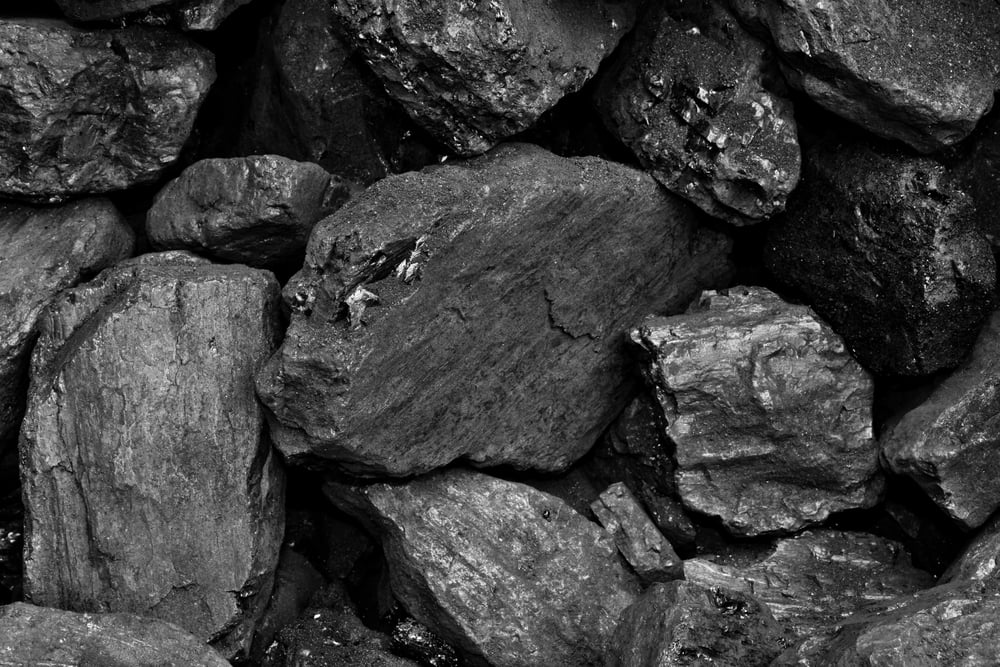
Japan’s deadliest mining accident occurred on December 15, 1914, at the Mitsubishi-owned Hojyo coal mine, killing 687 workers when a gas explosion ripped through multiple levels. The blast happened during World War I when production demands often overrode safety considerations.
Many of the victims were Korean and Chinese workers who faced discrimination and worked in the most dangerous areas of the mine.
Chasnala mining disaster
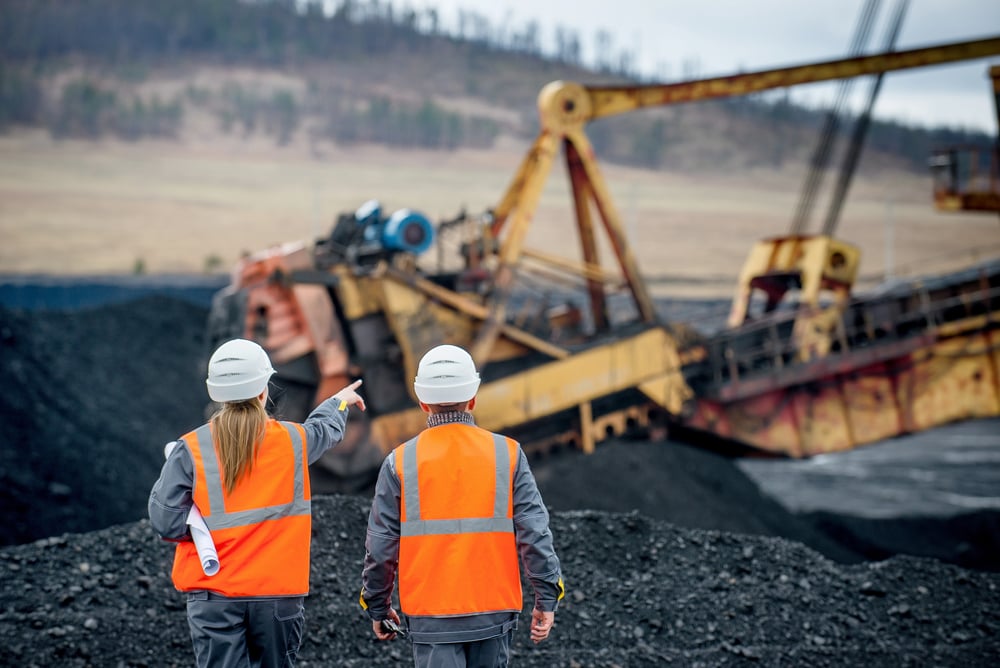
India experienced another major tragedy on December 27, 1975, when flooding at the Chasnala coal mine killed 372 workers who were trapped underground. The disaster occurred when workers accidentally broke through into an abandoned mine filled with water, causing massive flooding that made rescue impossible.
The accident highlighted the dangers of mining near old, flooded workings without proper surveying.
Like Go2Tutors’s content? Follow us on MSN.
Mitsui Miike coal mine explosion

A massive explosion at the Mitsui Miike coal mine in Japan on November 9, 1963, killed 458 workers and left hundreds more with severe carbon monoxide poisoning. The blast was caused by coal dust igniting in the mine’s ventilation system, creating a chain reaction that devastated multiple levels.
This disaster led to major improvements in Japanese mining safety standards and better treatment for injured workers.
Castle Gate mine disaster

On March 8, 1924, a spark ignited coal dust throughout the Castle Gate mine in Utah, resulting in the explosion that killed 172 workers. The blast could be felt in neighboring towns and was so strong that it completely destroyed the mine entrance.
The majority of victims were recent immigrants from Mexico and Europe who might not have understood safety warnings because they did not speak English well. Language barriers are making an already terrible situation even more tragic.
Eccles mine disaster

On April 28, 1914, methane gas ignited during the morning shift at the Eccles mine in West Virginia, killing 180 miners. The catastrophe demonstrated how challenging it was to implement safety regulations in isolated mining areas, and it happened only months after new federal mine safety laws were passed.
Numerous victims were immigrants from Italy who had come to the United States in search of better opportunities but were instead subjected to hazardous working conditions.
Like Go2Tutors’s content? Follow us on MSN.
Jacobs Creek mining disaster

On December 19, 1907, an explosion destroyed ventilation systems and trapped miners underground at the Jacobs Creek mining disaster in Pennsylvania, killing 239 workers. 1907 has the somber distinction of being the worst year in American mining history because of this accident, which occurred during the same fatal period as the Monongah disaster.
Federal investigations into the tragedy ultimately resulted in the establishment of the Bureau of Mines in 1910.
When the earth claims its own

These devastating mining disasters remind us that every piece of coal burned and every metal object used came at tremendous human cost during the early industrial age. The thousands of miners who perished in these accidents weren’t just statistics – they were fathers, sons, and breadwinners whose families depended on dangerous underground work for survival.
Their sacrifices led to the modern safety regulations, rescue equipment, and monitoring systems that protect today’s mining workers. While mining remains hazardous, these historical tragedies ensure that the lessons learned from each disaster continue to save lives in mines around the world.
More from Go2Tutors!

- 16 Historical Figures Who Were Nothing Like You Think
- 12 Things Sold in the 80s That Are Now Illegal
- 15 VHS Tapes That Could Be Worth Thousands
- 17 Historical “What Ifs” That Would Have Changed Everything
- 18 TV Shows That Vanished Without a Finale
Like Go2Tutors’s content? Follow us on MSN.