15 Famous Prisons Now Turned Into Museums
There’s something undeniably fascinating about walking through the corridors where notorious criminals once lived, plotted escapes, and served their time. These former houses of correction have transformed from places of punishment into educational experiences that draw millions of visitors annually. From the fog-shrouded island of Alcatraz to medieval dungeons in Europe, these converted institutions offer a unique glimpse into the darker chapters of human history.
Prison museums represent more than just morbid curiosity—they serve as powerful reminders of how justice systems have evolved over centuries. Here is a list of 15 famous prisons that have successfully made the transition from correctional facilities to must-see museums.
Alcatraz Federal Penitentiary

Alcatraz stands as perhaps the most famous prison-turned-museum in the world, welcoming over a million visitors each year to its windswept island in San Francisco Bay. The facility operated as a federal penitentiary from 1934 to 1963, housing some of America’s most notorious criminals including Al Capone and the ‘Birdman’ Robert Stroud.
The prison’s reputation for being escape-proof made it legendary, though three inmates did manage to disappear during the famous 1962 breakout attempt that still captivates people today.
Eastern State Penitentiary

Philadelphia’s Eastern State Penitentiary pioneered the concept of solitary confinement when it opened in 1829, influencing prison design worldwide with its revolutionary ‘separate system.’ The massive Gothic Revival structure once held famous inmates like bank robber Willie Sutton and gangster Al Capone, who enjoyed relatively luxurious accommodations including a private cell with fine furniture and a radio.
Today, visitors can explore the crumbling cellblocks and experience the haunting atmosphere that has made it one of America’s most popular historic sites.
Like Go2Tutors’s content? Follow us on MSN.
Tower of London
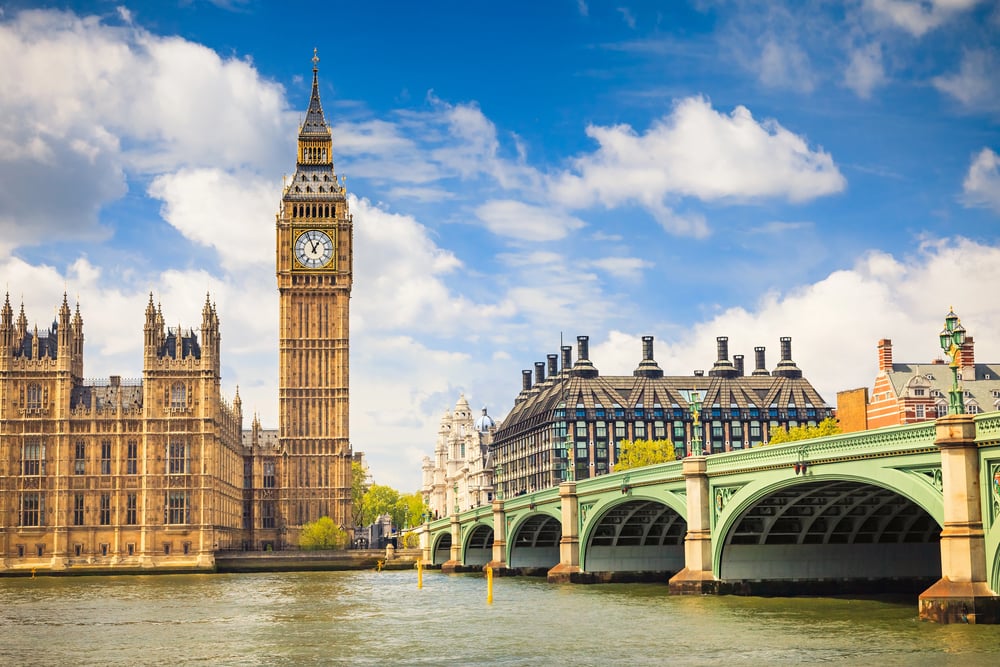
While primarily known as a royal fortress and palace, the Tower of London served as one of England’s most feared prisons for nearly 900 years. This UNESCO World Heritage site witnessed the imprisonment and execution of notable figures including Anne Boleyn, Lady Jane Grey, and Sir Walter Raleigh, who spent 13 years confined in the Bloody Tower.
The medieval fortress now attracts over three million visitors annually who come to see the Crown Jewels and learn about the tower’s dark history as a place of imprisonment and execution.
Devil’s Island

The notorious French penal colony of Devil’s Island, located off the coast of French Guiana, operated from 1852 to 1953 and became synonymous with brutal conditions and near-impossible escape attempts. The facility gained international attention through Henri Charrière’s book ‘Papillon,’ which detailed his alleged experiences and escape from the prison system.
Today, the former prison buildings on the accessible islands have been converted into museums that attract thousands of tourists each year, though Devil’s Island itself remains closed to visitors.
Yuma Territorial Prison

Arizona’s Yuma Territorial Prison opened in 1876 with seven inmates who actually helped build their own place of confinement—talk about adding insult to injury. During its 33 years of operation, this frontier prison housed 3,069 inmates in conditions that were surprisingly progressive for the era, including a library, hospital, and even electricity before the town of Yuma had it.
The prison closed in 1909 and now operates as a state historic park where visitors can explore the original cells and learn about Wild West justice.
Like Go2Tutors’s content? Follow us on MSN.
The Clink Prison Museum
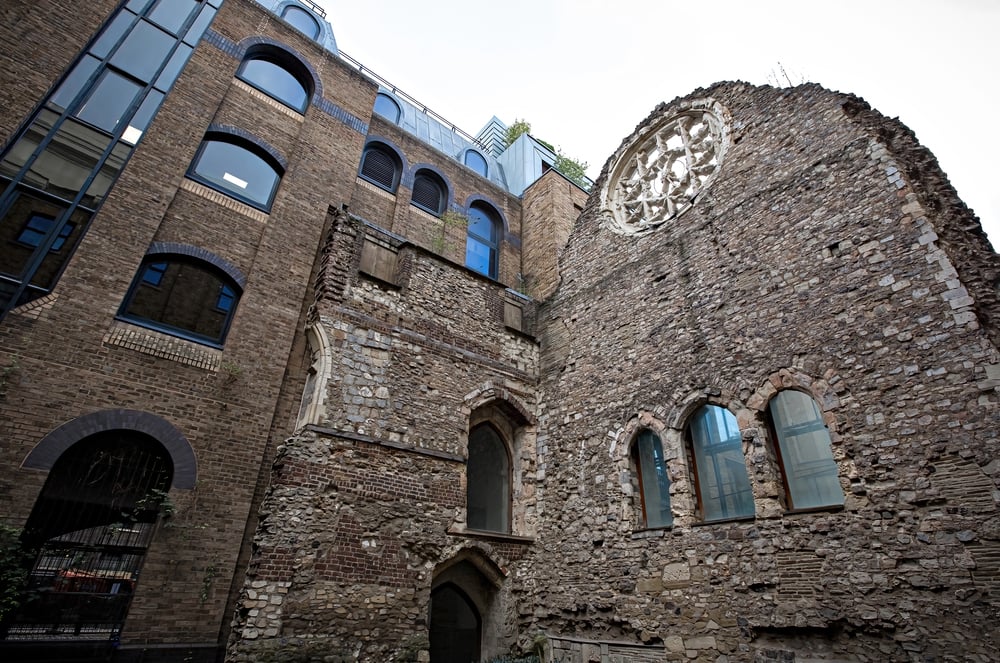
London’s Clink Prison Museum sits on the original site of what may be England’s oldest prison, dating back to 1144 when it served the Bishop of Winchester. The prison gave the English language the phrase ‘in the clink,’ and for over 600 years it held everyone from debtors and heretics to actors who performed unlicensed plays.
The modern museum recreates the grim conditions prisoners faced, complete with torture devices and authentic medieval prison cells that bring the harsh realities of historical justice to life.
Seodaemun Prison History Hall
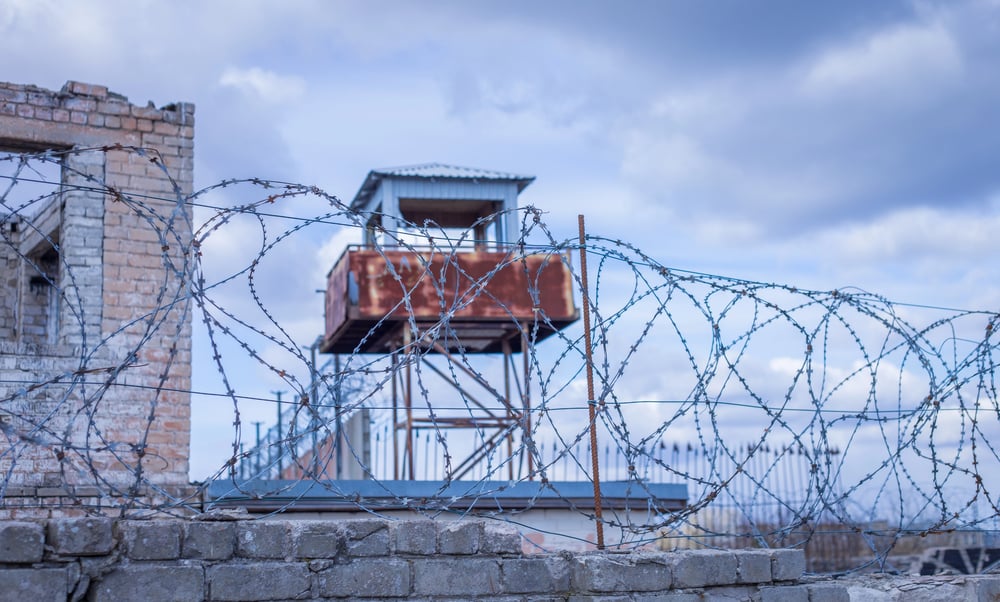
Seoul’s Seodaemun Prison was built in 1910 during the Japanese occupation of Korea and became a symbol of resistance against colonial rule. The facility imprisoned thousands of Korean independence activists, including Yu Gwan-sun, a teenage revolutionary who became a national hero.
Today, the former prison serves as a museum dedicated to Korea’s independence movement, featuring preserved cells, torture chambers, and exhibitions that honor those who fought for freedom.
Museum of Colorado Prisons
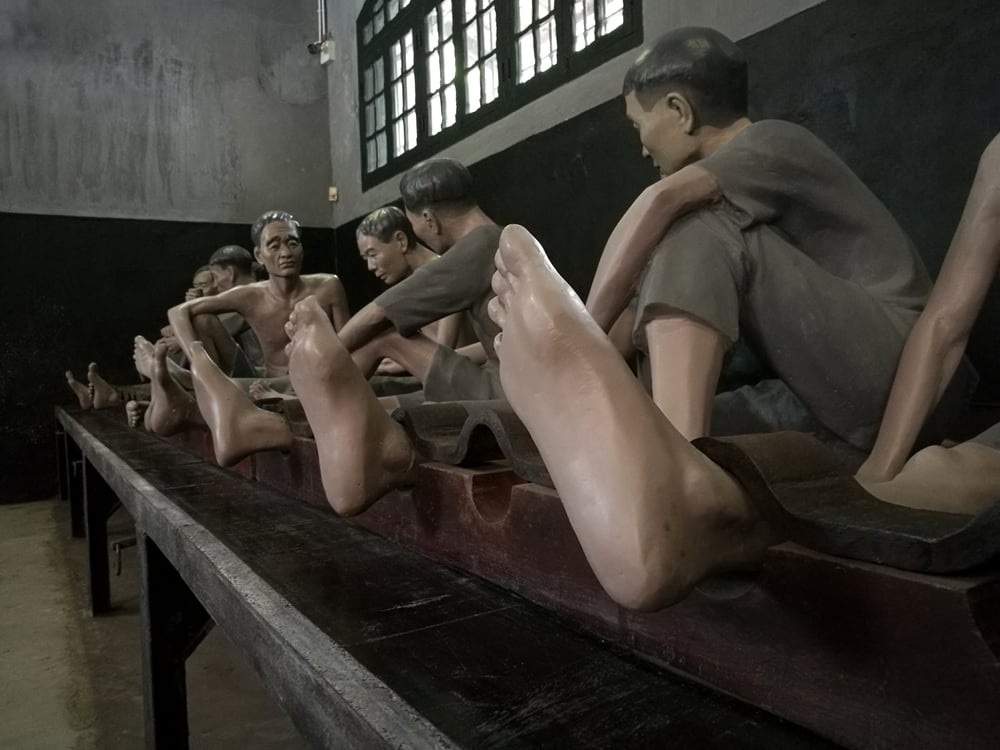
The Museum of Colorado Prisons occupies the former women’s correctional facility adjacent to the still-operating Colorado Territorial Correctional Facility in Cañon City. This unique setup allows visitors to experience prison history while literally sharing a wall with active inmates—the museum even shares a guard tower with the working prison next door.
The facility showcases the evolution of the American correctional system through artifacts, restored cells, and exhibits covering everything from famous inmates to prison industries.
Like Go2Tutors’s content? Follow us on MSN.
Hỏa Lò Prison Museum

Vietnam’s Hỏa Lò Prison, sarcastically nicknamed the ‘Hanoi Hilton’ by American prisoners of war, was originally built by French colonists in 1896 to house Vietnamese political prisoners. During the Vietnam War, the facility held American POWs, including future Senator John McCain, who spent over five years in captivity there.
The museum now presents both the French colonial period and the American war era, offering visitors a complex perspective on this controversial site’s dual historical significance.
Fremantle Prison

Australia’s Fremantle Prison in Western Australia operated for 136 years from 1855 to 1991, making it one of the longest-running prisons in the world. Built by convict labor using local limestone, the facility held everyone from colonial-era convicts to modern-day criminals, including the last person executed in Western Australia in 1964.
The UNESCO World Heritage site now offers day and night tours, including spooky after-dark experiences that explore the prison’s most haunted locations.
Old Melbourne Gaol

Melbourne’s Old Gaol gained notoriety as the site where Australia’s most famous outlaw, Ned Kelly, was hanged in 1880 at the age of 25. The bluestone prison operated from 1842 to 1929 and witnessed 133 executions, making it one of Australia’s most significant historical sites.
Visitors today can see Kelly’s death mask, explore the tiny cells where prisoners spent their final days, and experience what life was like in one of the 19th century’s harshest correctional facilities.
Like Go2Tutors’s content? Follow us on MSN.
Kilmainham Gaol
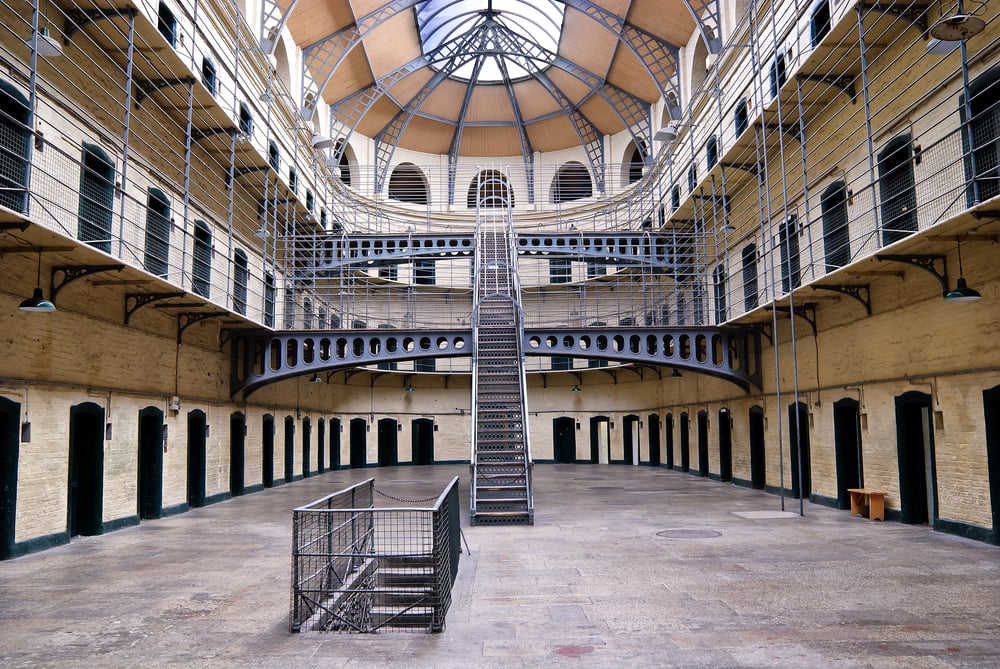
Dublin’s Kilmainham Gaol holds immense significance in Irish history as the site where many leaders of the 1916 Easter Rising were imprisoned and executed. The prison, which operated from 1796 to 1924, held both ordinary criminals and political prisoners, including Charles Stewart Parnell and future President Éamon de Valera.
The restored Victorian-era prison now serves as a museum that tells the story of Irish nationalism and the struggle for independence through guided tours and interactive exhibits.
Robben Island
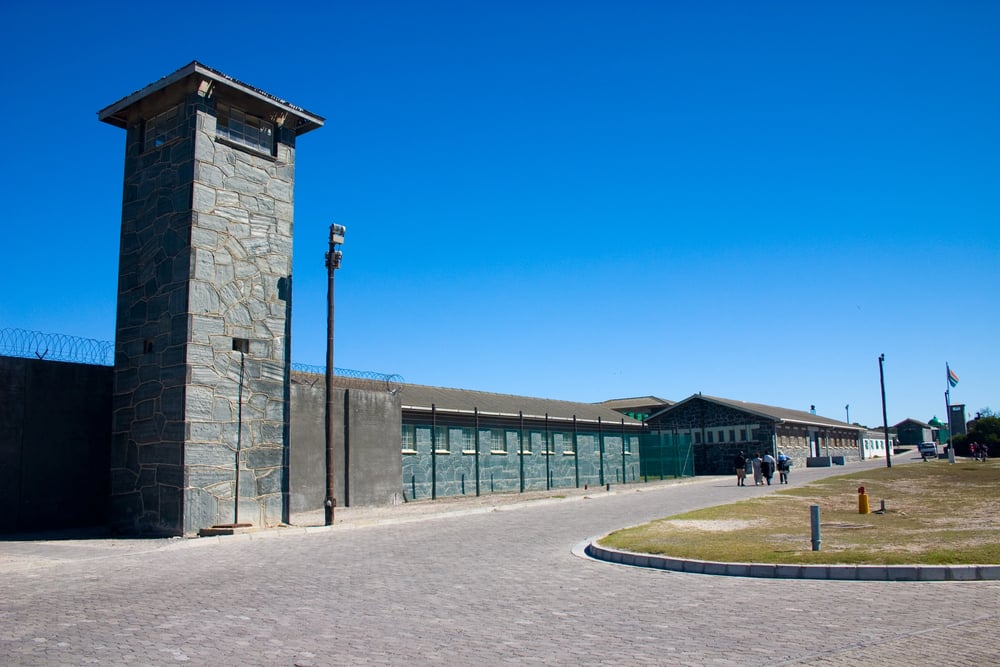
South Africa’s Robben Island served as a prison for political activists during the apartheid era, most famously holding Nelson Mandela for 18 of his 27 years in captivity. The island prison, located seven miles off Cape Town, became a symbol of the struggle against racial oppression and the fight for human rights.
Since 1997, the island has operated as a museum and UNESCO World Heritage site, with former political prisoners often serving as tour guides who share their firsthand experiences.
Squirrel Cage Jail

Iowa’s Squirrel Cage Jail in Council Bluffs represents a unique chapter in American corrections history as one of only three remaining rotary jails in the world. Built in 1885, this cylindrical prison featured cells arranged around a central axis that could be rotated to align with a single opening, allowing one guard to control access to all inmates.
The innovative but ultimately impractical design was abandoned, and today the restored jail operates as a museum showcasing this bizarre experiment in prison architecture.
Like Go2Tutors’s content? Follow us on MSN.
Stasi Prison
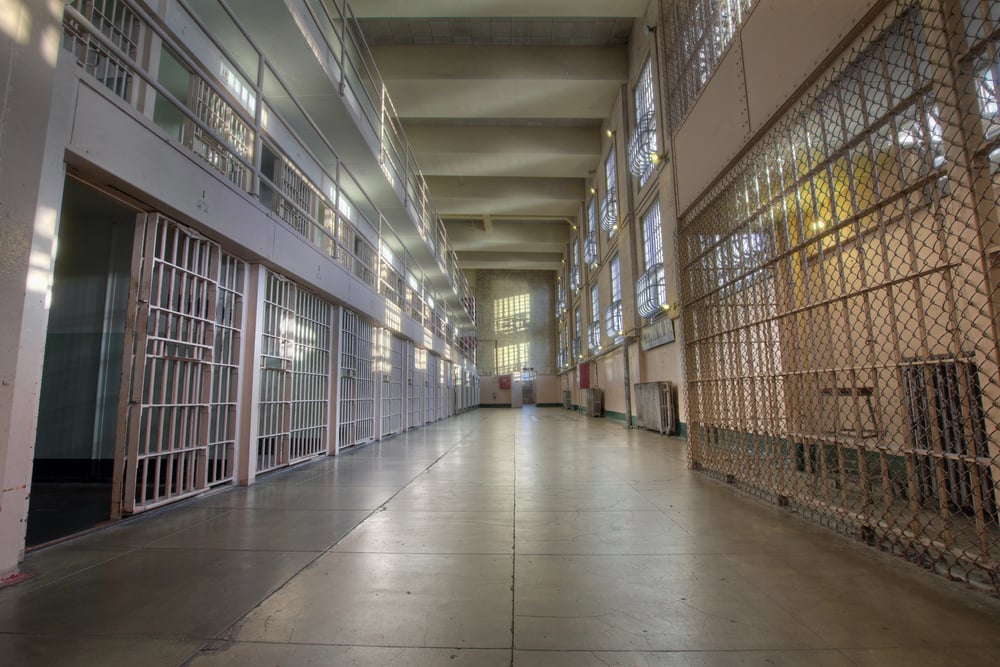
Berlin’s Stasi Prison in Hohenschönhausen served as the main remand prison for East Germany’s secret police from 1951 to 1989, holding thousands of political prisoners during the Cold War. The facility used psychological torture and isolation techniques designed to break prisoners’ spirits without leaving physical evidence of abuse.
Former inmates now lead tours of the preserved prison, sharing their personal stories and providing powerful testimony about life under communist surveillance and oppression.
Echoes Behind Bars

These transformed prisons stand as powerful reminders that yesterday’s instruments of punishment have become today’s classrooms for understanding justice, human rights, and social progress. Each museum tells a unique story about the society that created it, from medieval England’s brutal dungeons to America’s failed experiments in solitary confinement.
The popularity of these sites proves that people are drawn not just to the macabre, but to the deeper questions about how we treat those who break society’s rules and what that treatment says about who we are as human beings.
More from Go2Tutors!

- 16 Historical Figures Who Were Nothing Like You Think
- 12 Things Sold in the 80s That Are Now Illegal
- 15 VHS Tapes That Could Be Worth Thousands
- 17 Historical “What Ifs” That Would Have Changed Everything
- 18 TV Shows That Vanished Without a Finale
Like Go2Tutors’s content? Follow us on MSN.