Civil War Facts Schools Often Skip
History classes tend to follow the same script when teaching about the Civil War. Students learn about Fort Sumter, Gettysburg, and Lincoln’s assassination.
They memorize dates and generals, and they know slavery caused the whole mess. But between those big moments, dozens of smaller, stranger, and sometimes more important facts get left out completely.
These details show a messier, more complicated war than the cleaned-up version most people remember. The real Civil War had immigrant soldiers, women in disguise, disastrous prison camps, and political fights that went way beyond North versus South.
Here are the parts textbooks usually skip.
One Man’s House Bookended The Entire War
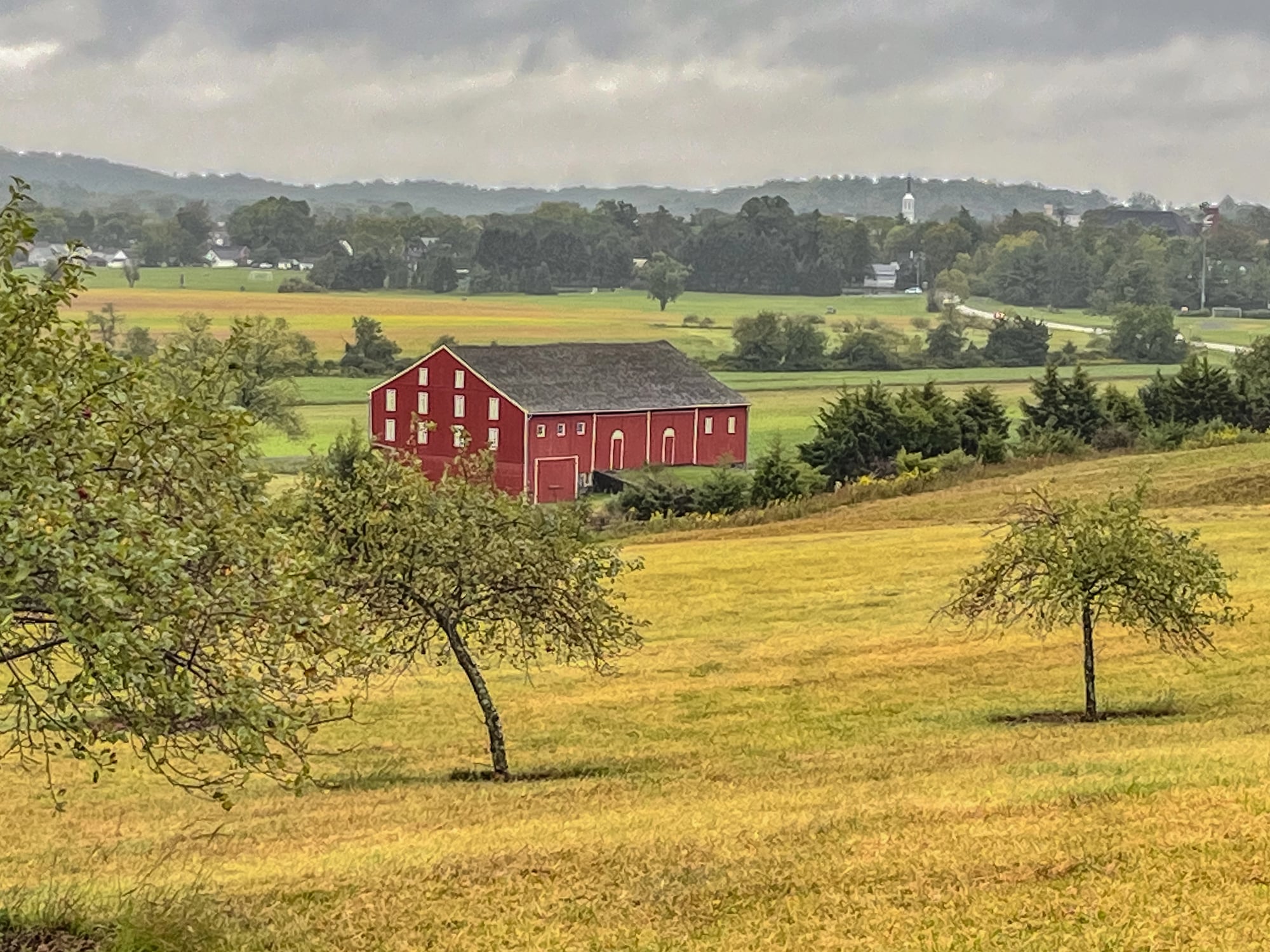
Wilmer McLean just wanted peace and quiet. When the First Battle of Bull Run started in 1861, Confederate General Beauregard used McLean’s Virginia farmhouse as his headquarters.
A cannonball crashed through the kitchen during the fighting. McLean decided he’d had enough of war in his backyard and moved his family 120 miles south to a quiet town called Appomattox Court House.
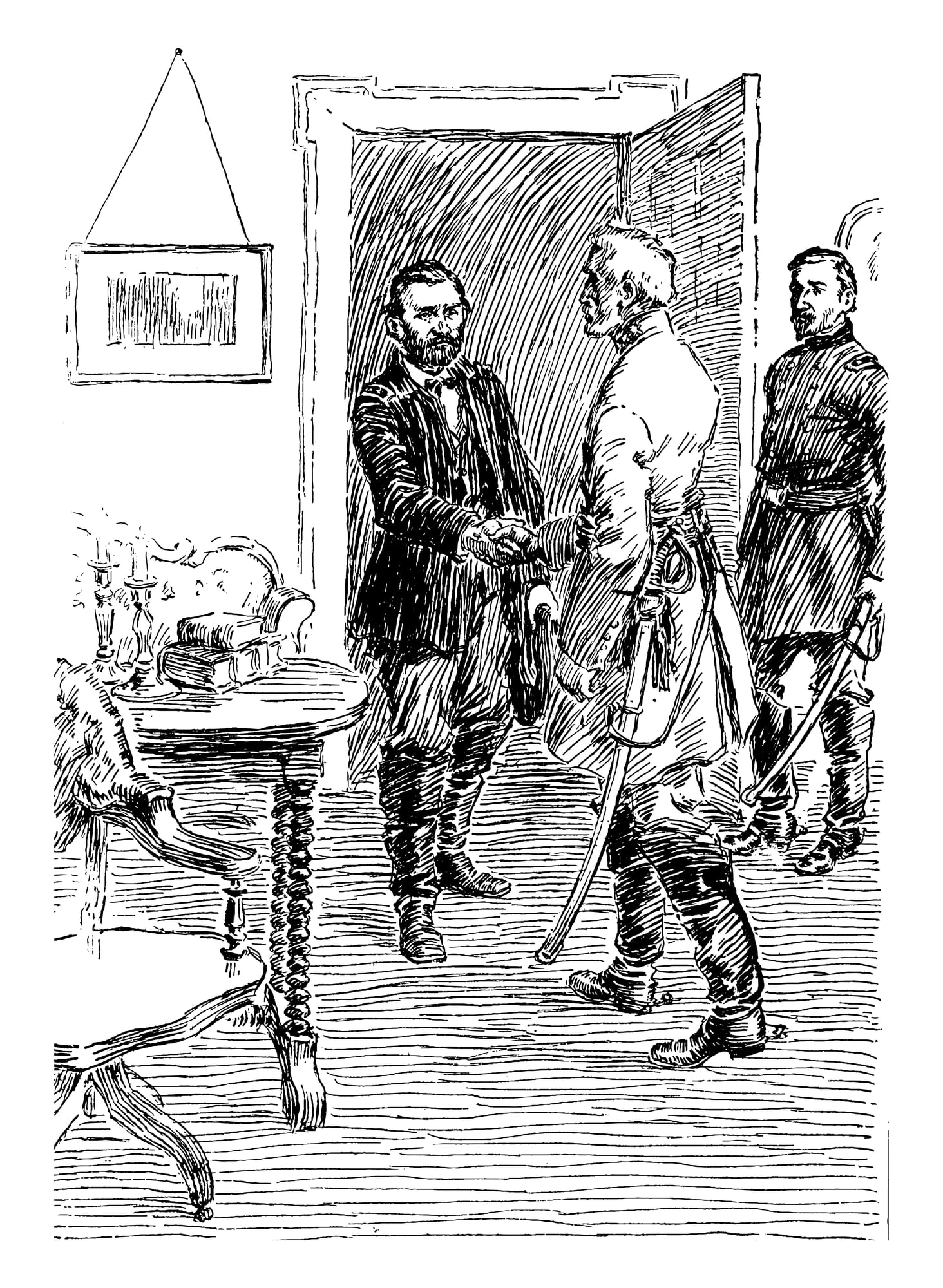
Four years later, General Lee walked into McLean’s new living room to surrender to General Grant. The war started in McLean’s yard and ended in his parlor.
The First Casualty Happened During A Victory Celebration
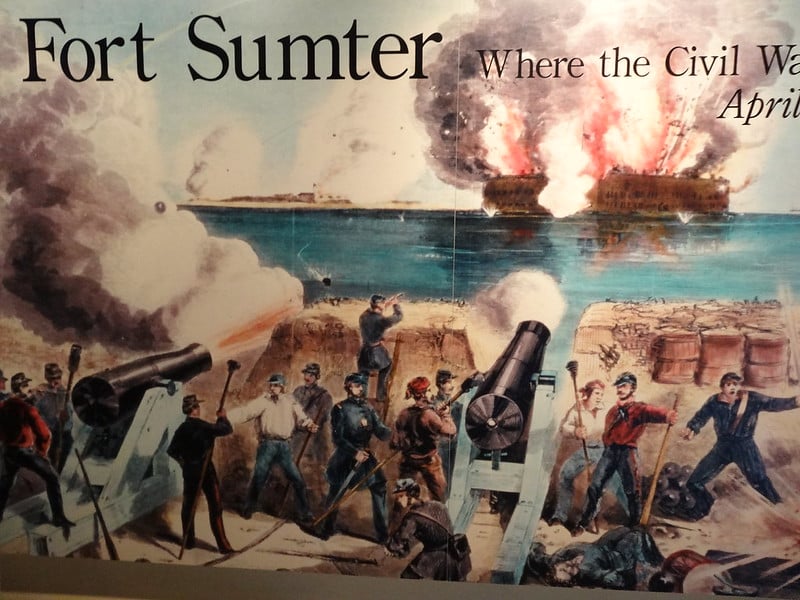
Fort Sumter marked the war’s opening shots, but nobody died in the actual battle. Confederate forces bombarded the fort for over 30 hours while Union soldiers hunkered down inside.
When the Union finally surrendered the fort, both sides had zero casualties. Then came the 100-gun salute.
During the ceremony, a spark from one cannon ignited a pile of ammunition and killed Private Daniel Hough instantly. He became the war’s first death, killed by his own side during a surrender ritual.
Women Fought As Soldiers By Pretending To Be Men
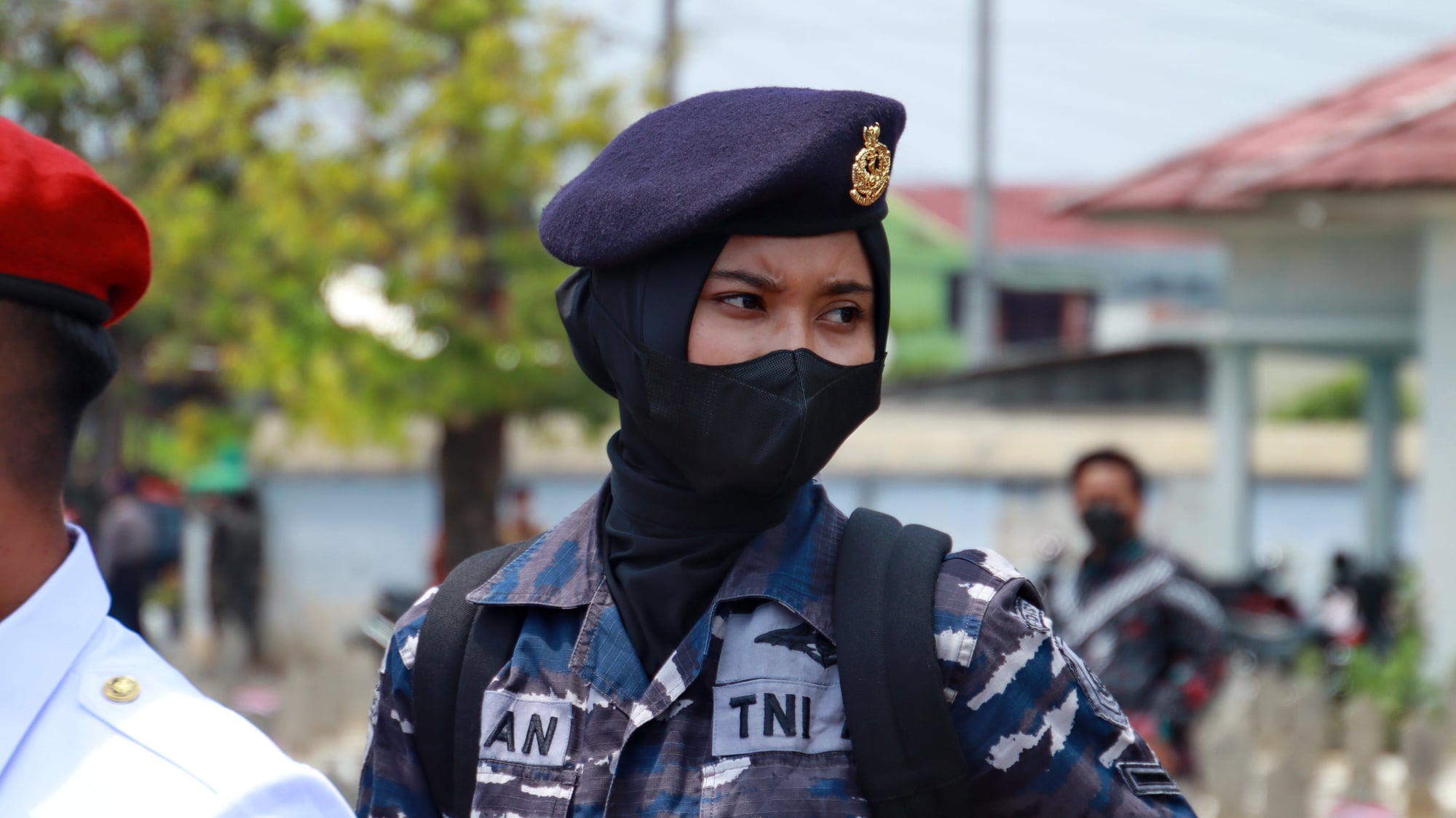
The armies on both sides banned women from enlisting, which didn’t stop hundreds of them from joining anyway. They cut their hair, bound their chests, and signed up under men’s names.
Nobody knows exactly how many served because most kept their secret their entire lives, but historians estimate somewhere around 400 women fought in combat. Some joined out of loyalty to their cause.
Others needed the money. Medical exams were basically nonexistent, so as long as someone looked young and could march, nobody asked too many questions.
Lincoln Supported Sending Freed People To Other Countries
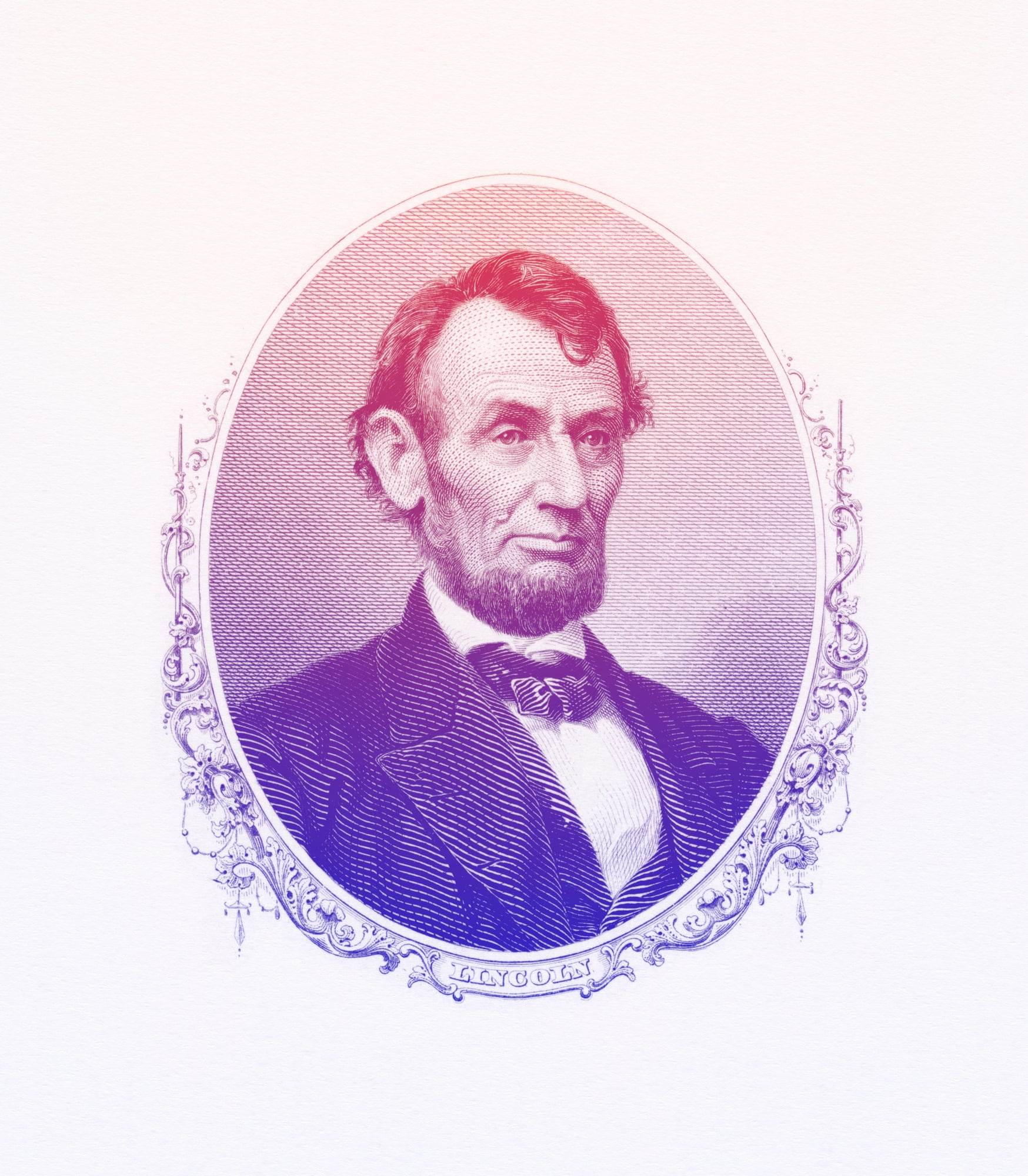
Abraham Lincoln gets remembered as the Great Emancipator, but his views on race were complicated. For most of his political career, Lincoln advocated for colonization, which meant sending freed Black Americans to Africa or Central America.
He genuinely wanted slavery to end, but he didn’t believe white and Black people could live together peacefully in America. In August 1862, he invited five Black ministers to the White House and proposed they relocate to Central America.
Congress even gave him $600,000 to fund colonization efforts. The plan failed spectacularly when settlers on a Haitian island nearly died from disease and starvation.
Lincoln quietly abandoned the idea by 1863 and never mentioned it publicly again.
Disease Killed Twice As Many Soldiers As Combat

Battles grabbed headlines, but sickness did far more damage. Out of roughly 625,000 deaths during the war, around 400,000 came from disease rather than bullets.
Soldiers lived crammed together in camps with terrible sanitation, which created perfect conditions for typhoid, dysentery, and pneumonia to spread. Chicken pox and measles, normally mild childhood diseases, turned deadly when they hit army camps.
Doctors didn’t understand germ theory yet, so they rarely washed their hands or sterilized medical tools. A soldier could survive a minor wound only to die from infection a week later.
Black Soldiers Earned Less Than White Soldiers Until 1864
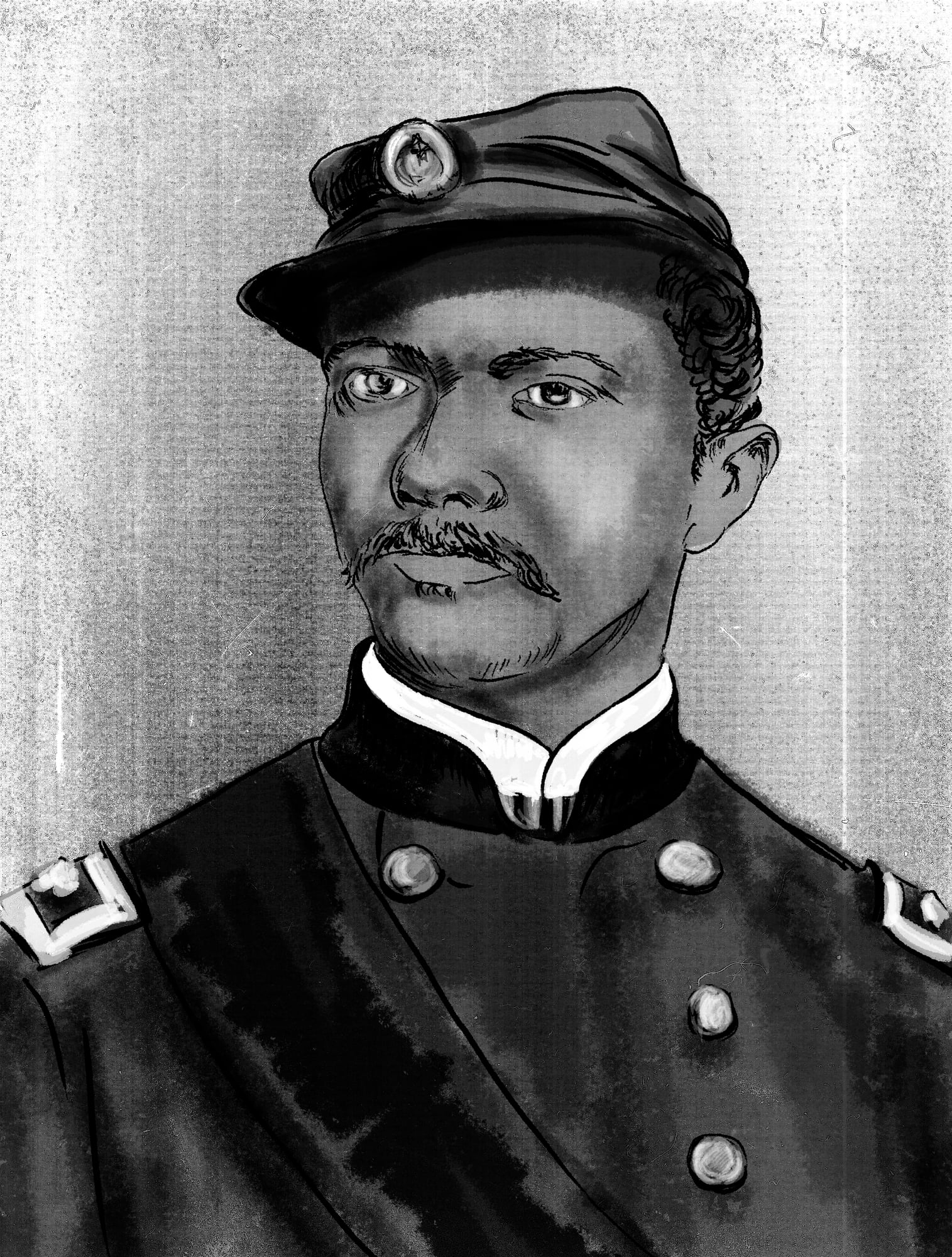
When the Union Army started accepting Black soldiers in 1863, they paid them $10 per month while white soldiers earned $13. Making matters worse, Black troops got charged $3 monthly for their uniforms, which dropped their actual pay to $7.
White soldiers didn’t pay for uniforms at all. Many Black regiments refused their pay entirely rather than accept unequal wages, but they kept fighting anyway.
Congress finally fixed the pay gap in 1864 and made it retroactive, but the damage to morale had already been done. Strangely, Black soldiers fighting for the Confederacy received equal pay from the start, though their numbers remained tiny.
Battles Had Different Names Depending On Who Was Talking
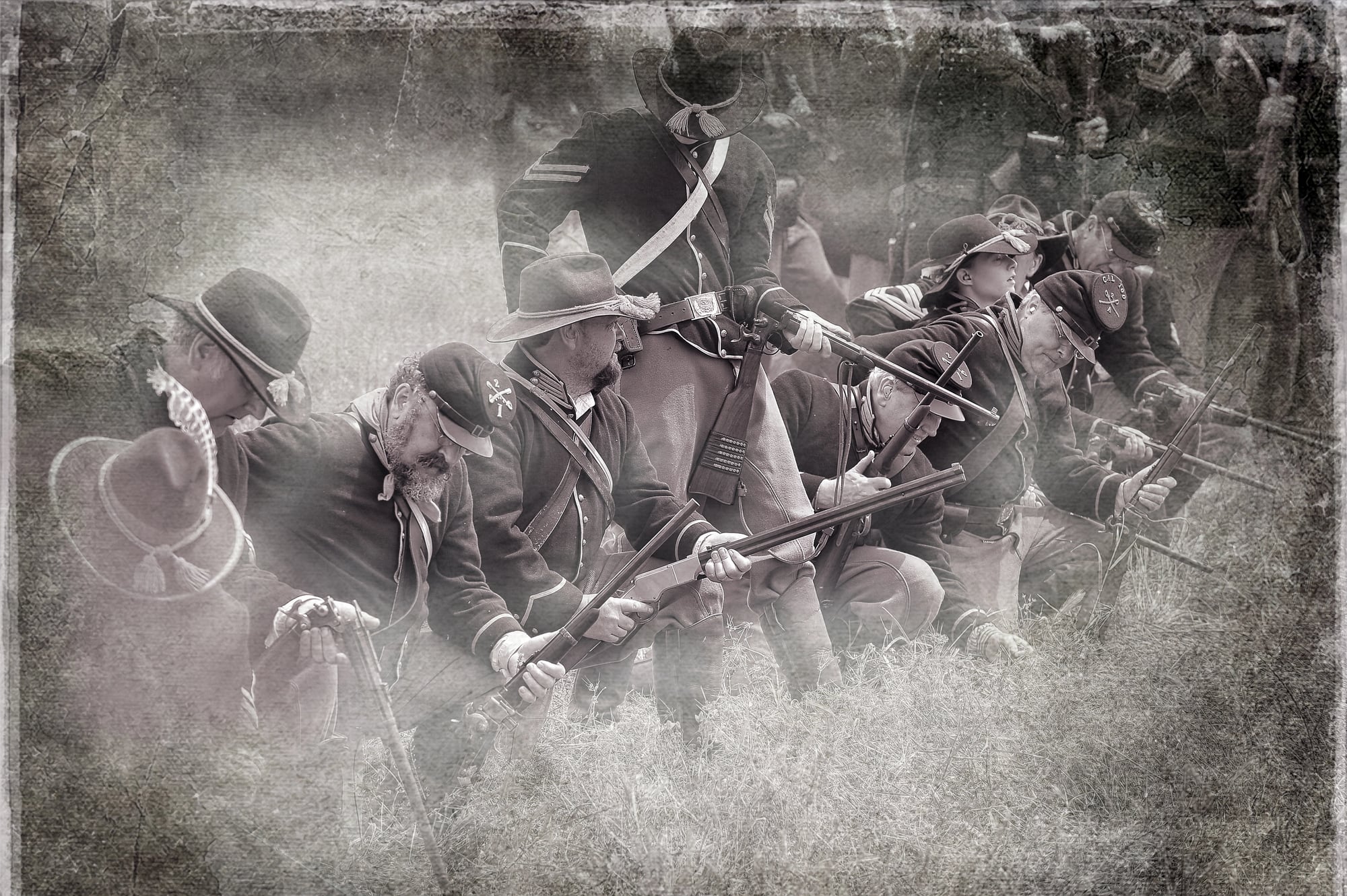
The same battle got called two different things depending on whether you asked a Union or Confederate soldier. Northerners, mostly from cities, named battles after nearby rivers or creeks.
Southerners, largely from rural areas, named them after the closest town or railroad station. The First Battle of Bull Run to the Union was the First Battle of Manassas to the Confederacy.
At least 230 battles ended up with dual names. This quirk made things confusing then and still confuses people now when they try to look up battle details.
Immigrant Soldiers Made Up A Huge Chunk Of The Union Army
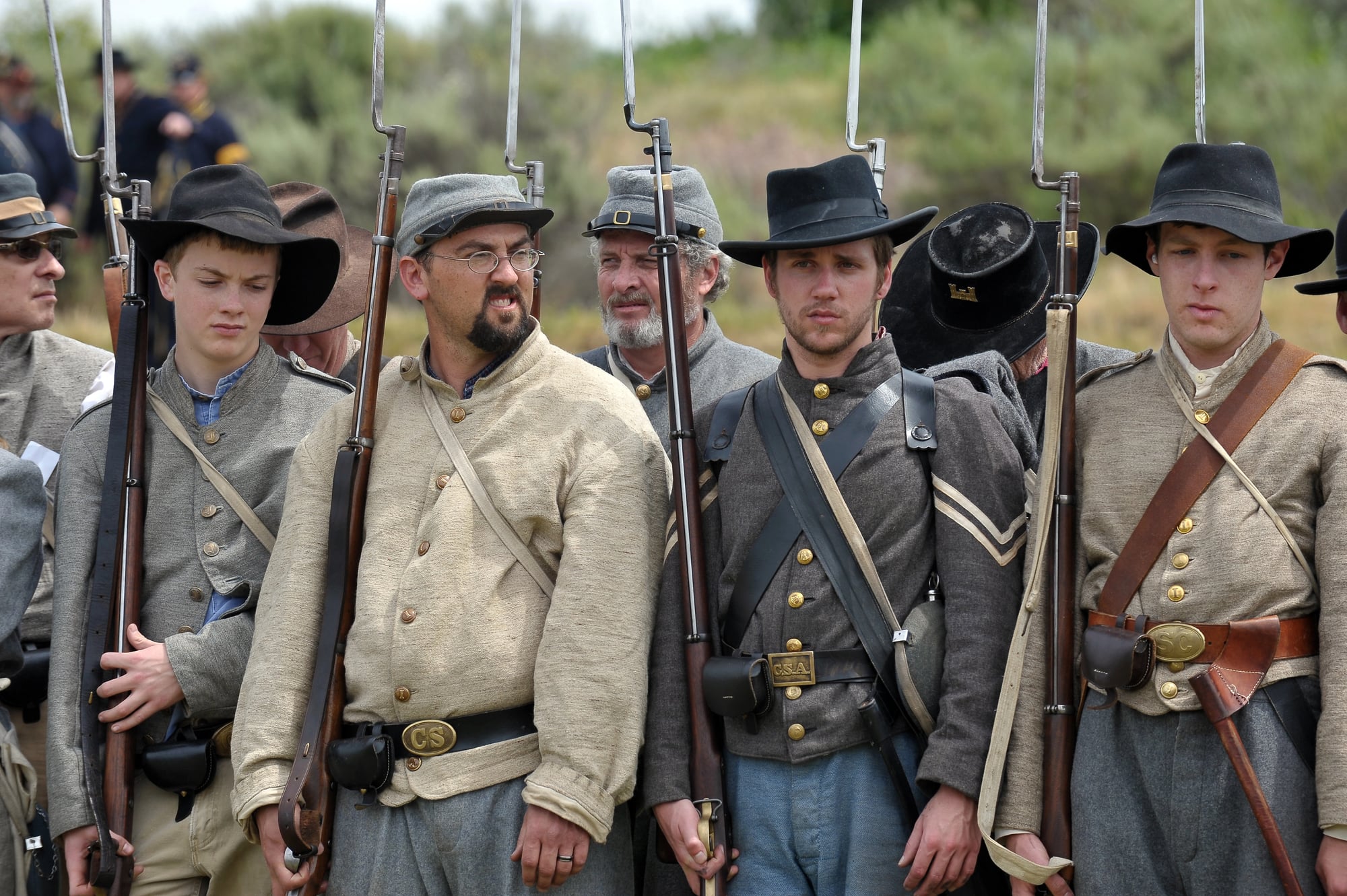
About one in three Union soldiers came from another country. The Irish were the most visible group at around 8 percent of the total force, but Germans actually outnumbered them at nearly 10 percent.
Entire regiments formed around specific nationalities, like the Steuben Volunteers made up of German immigrants. French, Italian, Polish, English, and Scottish soldiers all served too.
Some joined because they believed in ending slavery, while others needed work or wanted to establish themselves in their new country. The Union Army looked more like modern America than most people realize.
Harriet Tubman Led A Military Raid That Freed Over 700 People
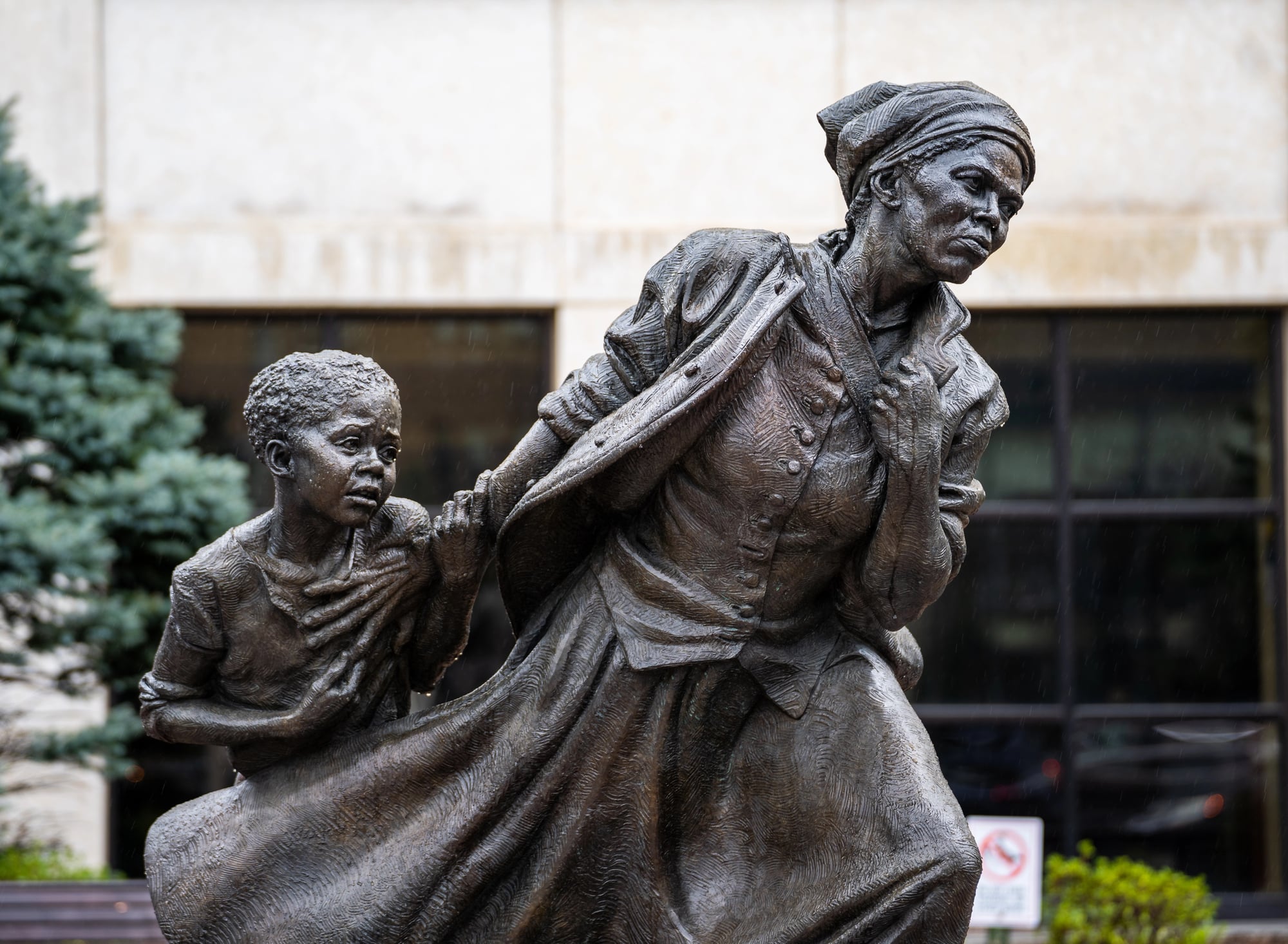
Most people know Harriet Tubman as an Underground Railroad conductor, but few learn about her Civil War service. In June 1863, she became the first woman in American history to plan and lead a major military operation.
Working with Colonel James Montgomery, Tubman guided Union gunboats up the Combahee River in South Carolina using intelligence from her network of scouts. The raid destroyed Confederate supply lines and liberated more than 700 enslaved people in a single night.
She had to calm the panicked crowds by singing because she didn’t speak their local dialect. Despite her crucial role, the government refused to pay her for military service because she was a woman.
She finally got a pension 30 years later, but only as a veteran’s widow, not for her own work.
Prison Camps Turned Into Death Traps
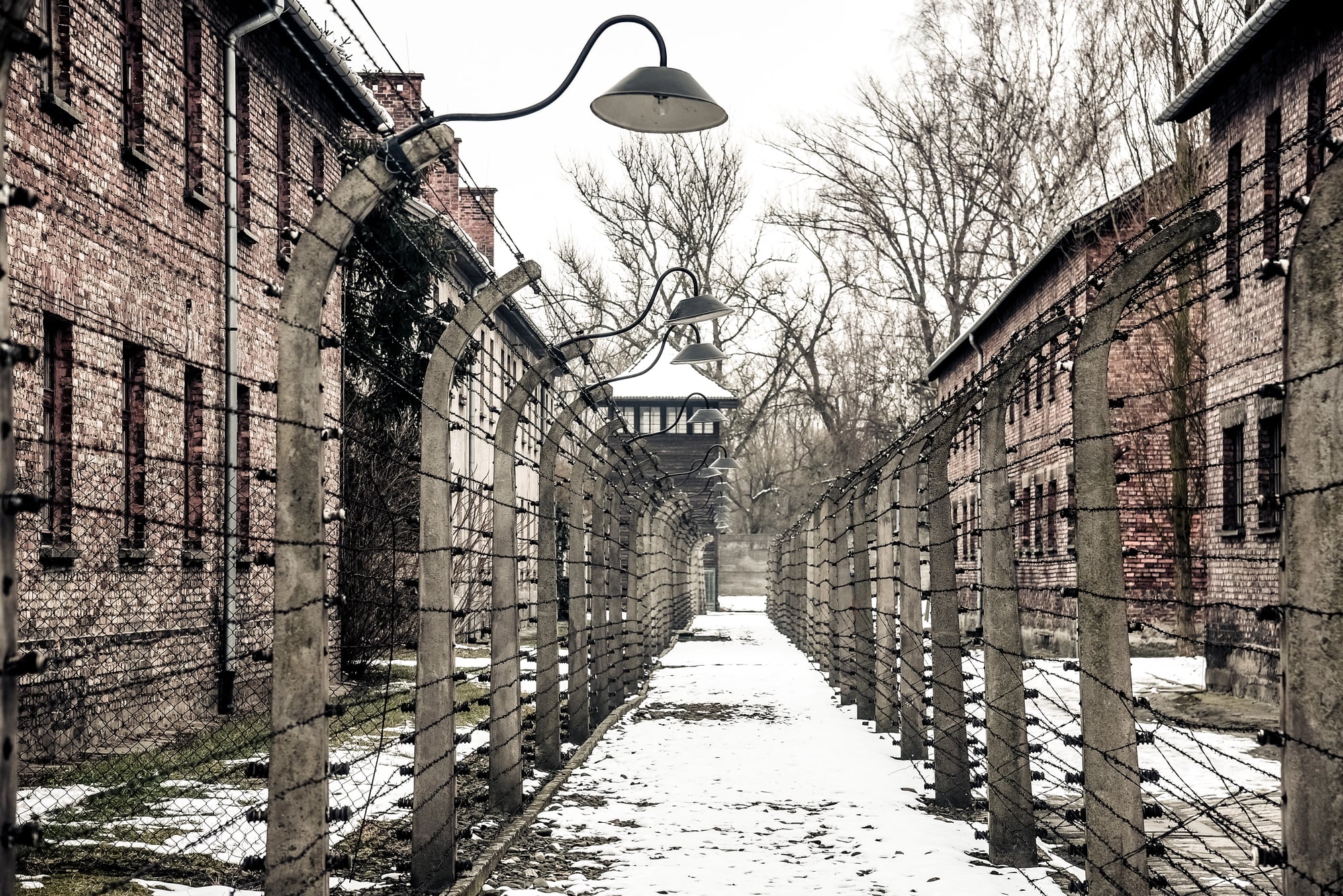
Before the Civil War, American prisoner of war camps never held more than 100 people. During the war, each camp crammed in thousands.
Neither side intentionally killed prisoners, but ignorance about sanitation combined with overcrowding created nightmares. Camp Sumter in Georgia, also called Andersonville, held nearly 40,000 Confederate prisoners at its peak.
Around 13,000 of them died, which means one in three never made it out alive. Prisoners lived in open fields with almost no shelter, contaminated water, and barely any food.
When bodies piled up faster than burial details could handle them, the stench became unbearable.
Both Confederate And Union Generals Were Brothers
The Crittenden family split right down the middle during the war. John Crittenden became a Union general while his brother George Crittenden fought for the Confederacy.
They weren’t the only family torn apart, but they’re one of the few where both brothers reached general rank. Thanksgiving dinners must have been awkward after the war ended.
The war really did pit brother against brother in hundreds of families across border states like Kentucky and Maryland.
A Lawyer Accidentally Proved His Case By Shooting Himself

Clement Vallandigham was an Ohio congressman and fierce critic of Lincoln’s war policies. After the war ended, he went back to practicing law.
In 1871, he defended a man accused of murder by arguing the victim had accidentally shot himself while drawing his pistol. To demonstrate this theory in court, Vallandigham grabbed what he thought was an unloaded gun and showed the jury how it could happen.
The gun was loaded. He shot himself in the process and died the next day.
The jury found his client not guilty because Vallandigham had proven the theory too well.
The Deadliest Single Day Killed Nearly 23,000 In One Battle
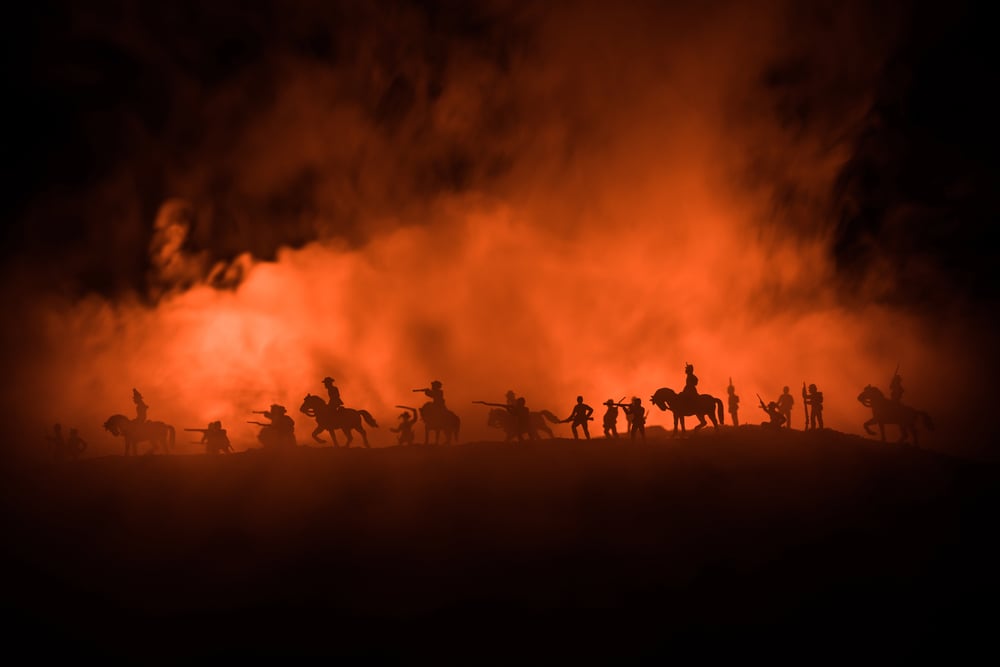
The Battle of Antietam lasted only one day but produced more American casualties than any other single day in military history. On September 17, 1862, roughly 23,000 soldiers were killed, wounded, or went missing in about 12 hours of fighting.
D-Day in World War II, by comparison, saw fewer total casualties. At one point during the Battle of Cold Harbor in Virginia, 7,000 men fell in just 20 minutes.
The sheer speed of death overwhelmed everyone involved. Soldiers wrote their names on pieces of paper and pinned them to their uniforms so their bodies could be identified later.
Spectators Brought Picnics To Watch The First Major Battle

When the First Battle of Bull Run happened in July 1861, many Northerners thought the war would end quickly with an easy Union victory. So civilians from Washington DC, including senators and their families, packed picnic baskets and rode out to watch the fighting like it was a sporting event.
They brought opera glasses to get better views and spread blankets on nearby hills. The Confederates won the battle instead, sending Union forces into a chaotic retreat.
The spectators had to run for their lives alongside the fleeing soldiers. Reality hit hard that day.
The Emancipation Proclamation Didn’t Actually Free All Enslaved People
Lincoln’s famous proclamation gets taught as the moment slavery ended, but the actual document had major limitations. It only freed enslaved people in states currently in rebellion against the Union.
Border states loyal to the Union (Missouri, Kentucky, Maryland, Delaware) got to keep their slaves. Union-controlled areas in Confederate territory also kept theirs.
The proclamation was designed as a war measure, not a moral statement. It helped the Union by hurting the Confederate economy and allowing Black men to join the army, but it left roughly 800,000 people in bondage.
Slavery didn’t actually end everywhere until the 13th Amendment passed in December 1865, eight months after the war ended.
One Man Was Still Receiving Civil War Benefits In 2020

Irene Triplett died in 2020 at age 90, making her the last person receiving money from the Civil War. Her father, Mose Triplett, fought for the Confederacy but later switched sides and joined the Union.
He had Irene late in life and died in 1938, but the Department of Veterans Affairs kept sending his daughter $73.13 every month until her death. She collected payments for 82 years.
The Civil War ended in 1865, yet the government was still paying for it 155 years later.
Folks Labeled Sherman Unstable, Came Close To Stripping Him Of His Role
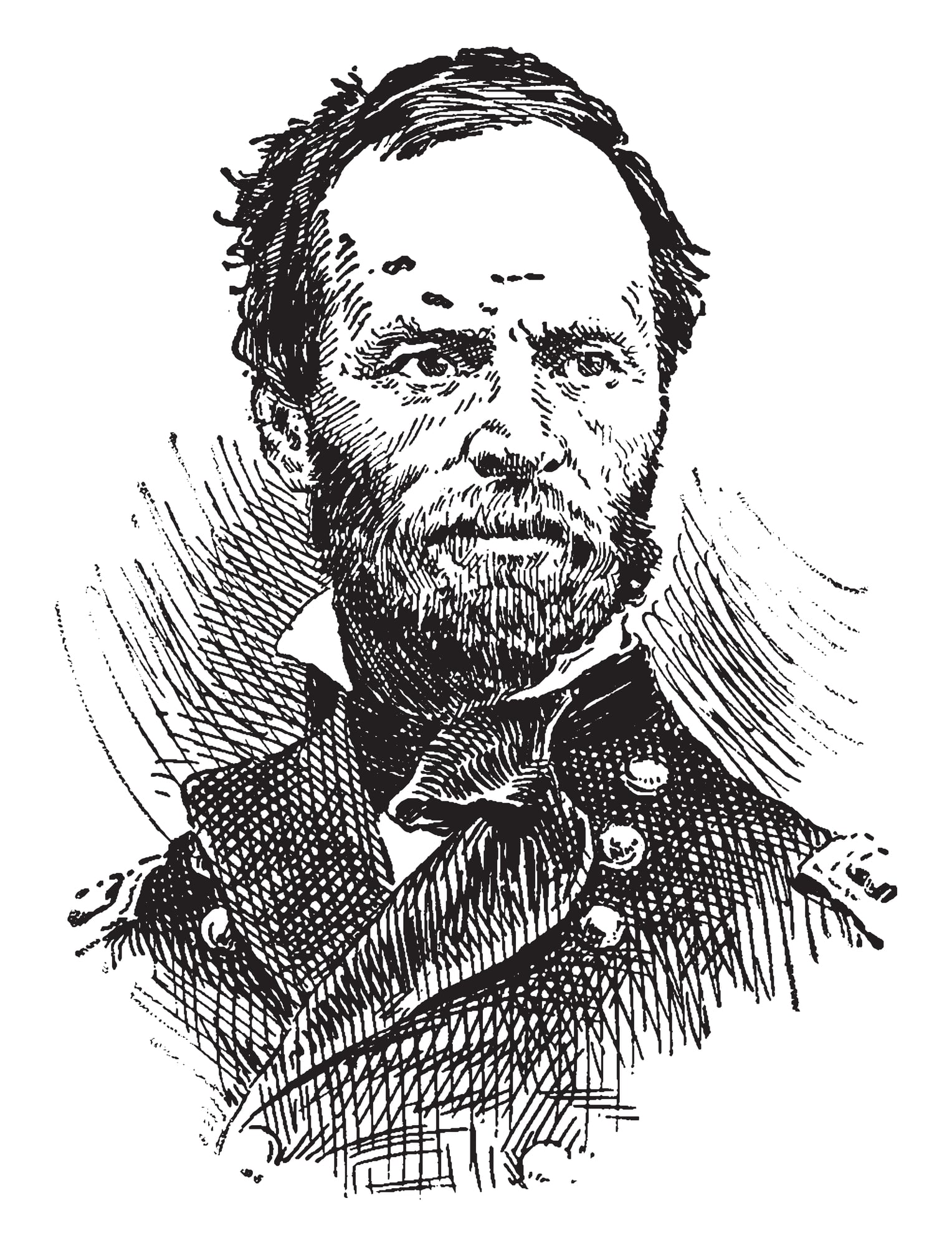
Few knew back then how close William Tecumseh Sherman came to vanishing from history. Right at the start of the conflict, long before Georgia made him a name, panic spread among leaders about his judgment.
He spoke plainly to the nation’s top military official – said holding Kentucky required two hundred thousand soldiers. That number shocked Washington; whispers painted him as unstable, unfit.
Stripped of duty, left with silence and doubt, he sat in darkness no one could see. The weight grew so heavy he looked toward ending it.
What held him wasn’t honor or pride – it was faces of kids needing their father. Then slowly, another general rose, one named Ulysses S.
Funny how things turned out, Grant noticed something special in Sherman, so he gave him another chance. Years after, Sherman said it straight – Grant stayed close even when people thought he had lost his mind, just like he stayed near Grant whenever rumors spread about heavy drinking.
A Widow Received Money Long After Battles Ended. Payments Stopped Just A While Ago. That Chapter Closes Now

Time between battle and aftermath grew far beyond what people thought possible. A check tied to Civil War duty reached Irene Triplett right up until mid-2020.
She was the daughter of a soldier, born when he was already old. For most folks taught history in classrooms, it seemed unreal – someone from 1930 getting money due to a conflict finished long before.
Yet such ties held on, fading only recently. Reality shifted when that last thread snapped.
When The Past Refuses To Let Go
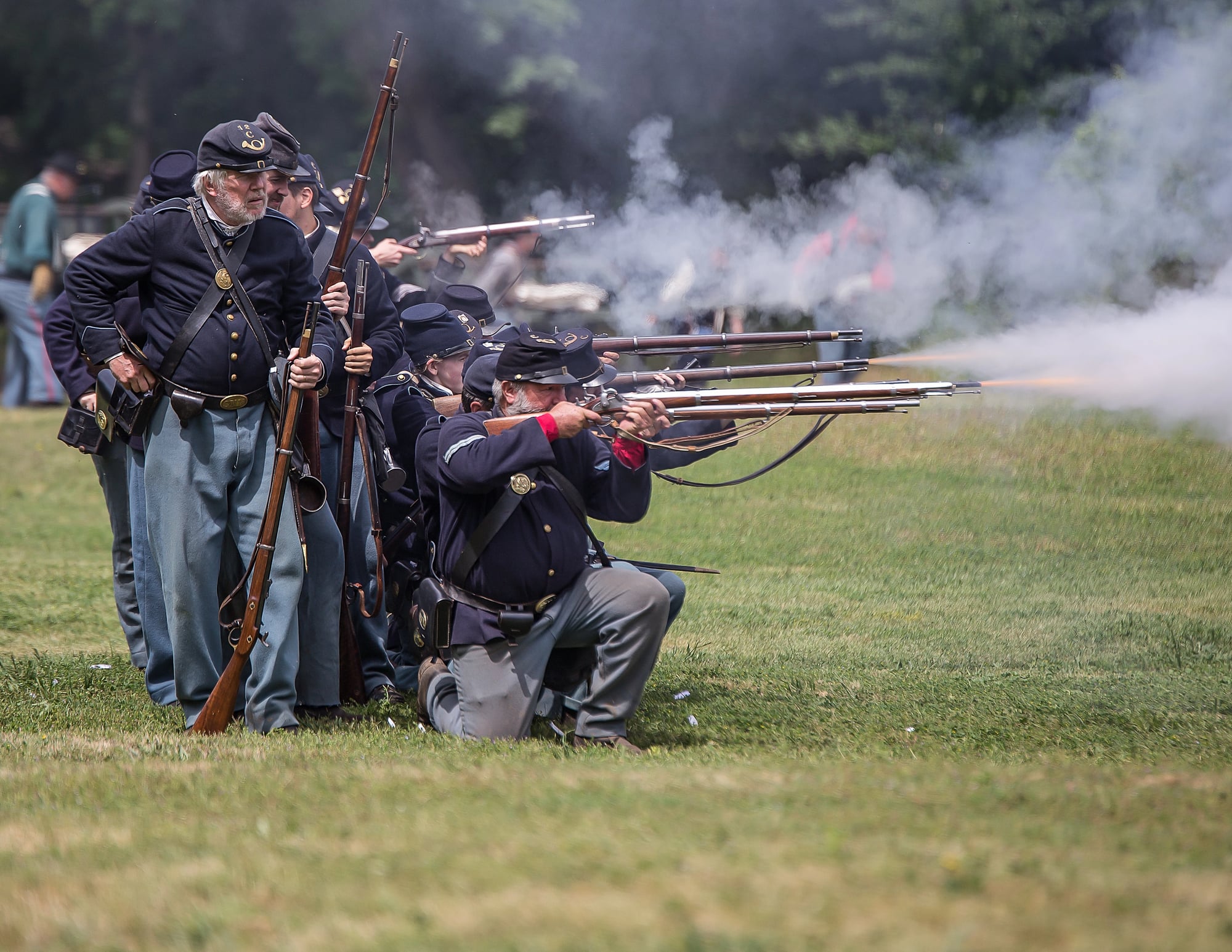
Last time someone got a Civil War pension was closer than you might think. Though the fighting stopped long before today’s grandparents were born, symbols of that split remain visible.
Some communities still argue about statues in their parks. Online debates heat up when people start talking about why it began.
Small moments – often ignored in classrooms – prove history doesn’t line up clean or end neatly. Life gets tangled, full of quirks no one predicts.
Conflict didn’t just happen on battlefields; it lived inside homes, routines, quiet fears. Names and years won’t hold that weight.
Feelings do. Truth hides where official records stop looking.
More from Go2Tutors!

- The Romanov Crown Jewels and Their Tragic Fate
- 13 Historical Mysteries That Science Still Can’t Solve
- Famous Hoaxes That Fooled the World for Years
- 15 Child Stars with Tragic Adult Lives
- 16 Famous Jewelry Pieces in History
Like Go2Tutors’s content? Follow us on MSN.