15 Fashion Trends Born from War
War has often forced societies to rethink the way they dress. Scarcity, utility, and sheer necessity reshaped style in ways that lingered long after the battles ended. Some of today’s most ordinary fashion choices began as battlefield solutions.
Here’s a list of 15 fashion trends that trace their origins back to times of conflict, each carrying the imprint of survival, adaptation, and reinvention.
Trench Coat
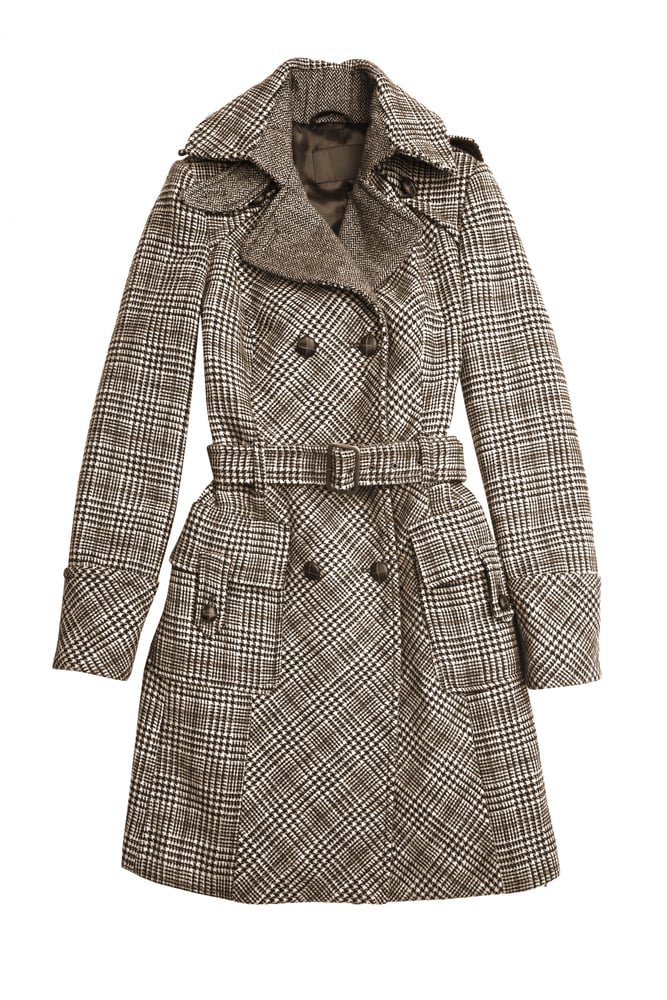
Designed for British officers in World War I, the trench coat was practical, water-resistant, and sturdy. Later, it turned into a symbol of urban chic—hard to imagine rainy-day fashion without it now.
Bomber Jacket
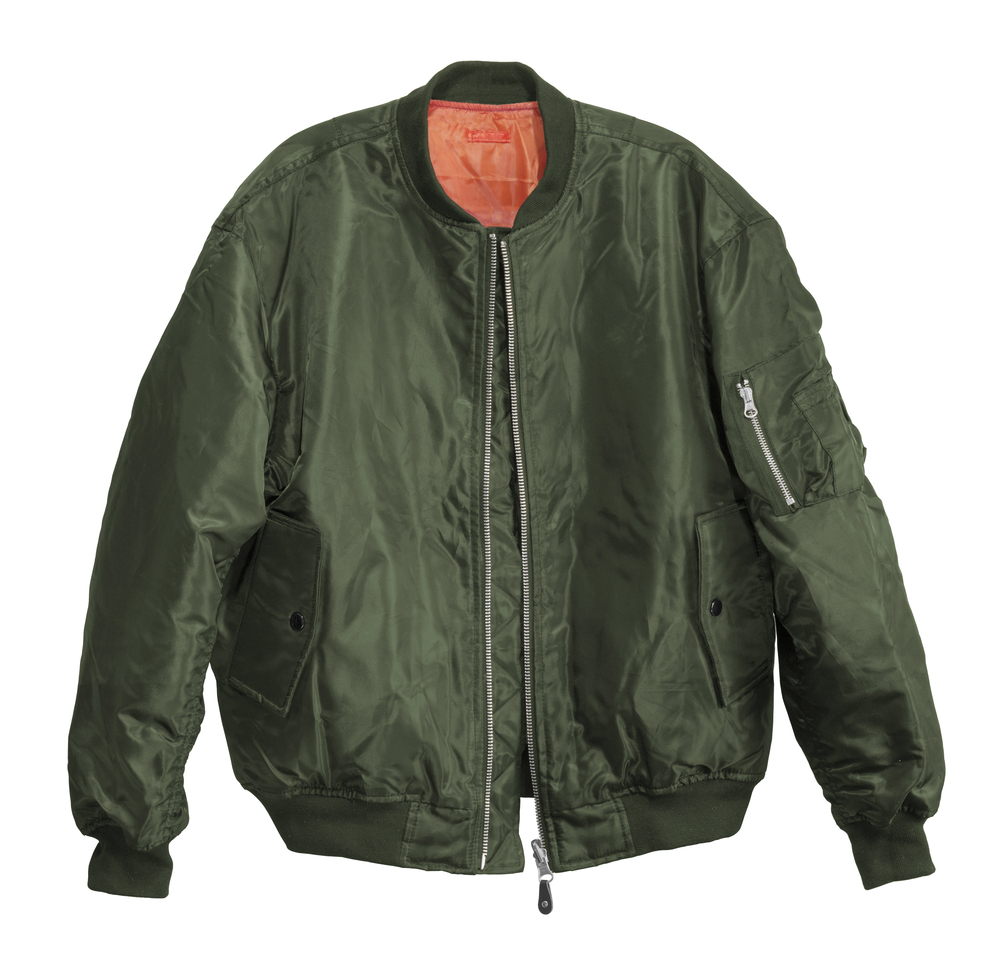
Initially crafted for pilots navigating freezing cockpits, bomber jackets combined warmth with flexibility. Today, they’re streetwear staples, often paired with sneakers rather than flight goggles.
Camouflage
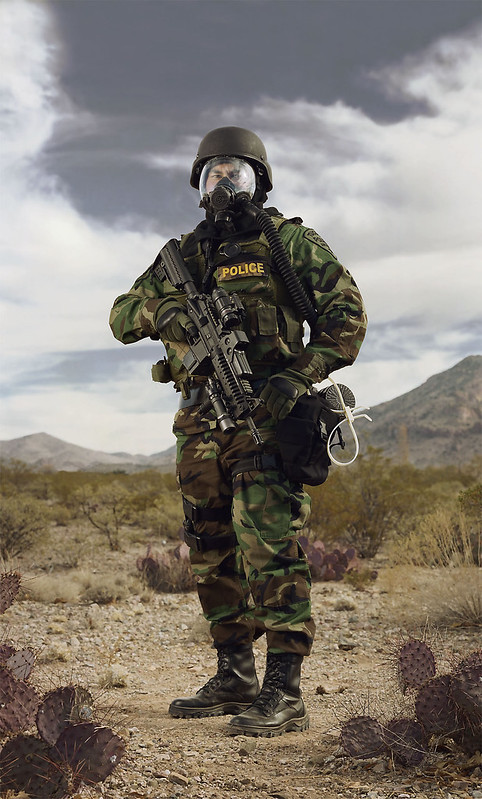
Meant to conceal soldiers from enemies, camouflage patterns spread far beyond the battlefield. Oddly enough, it found its way into high fashion and even festival wear. Green, grey, desert sand—take your pick.
Aviator Sunglasses
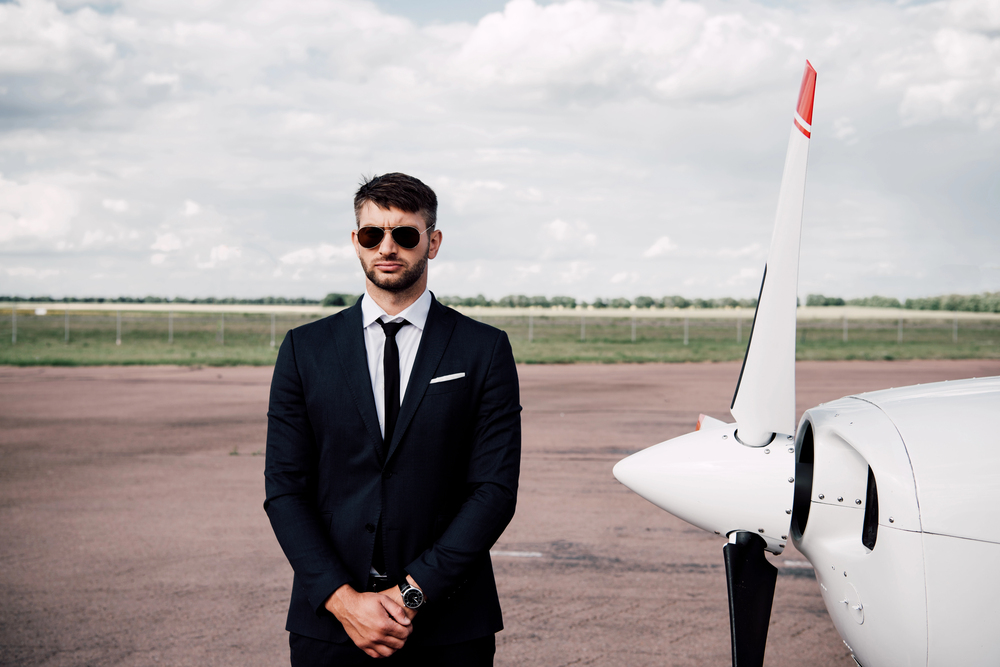
Created for military pilots to protect against glare, aviators were quickly adopted by civilians. Reflective lenses, slim frames, and that effortless swagger made them timeless.
Cargo Pants
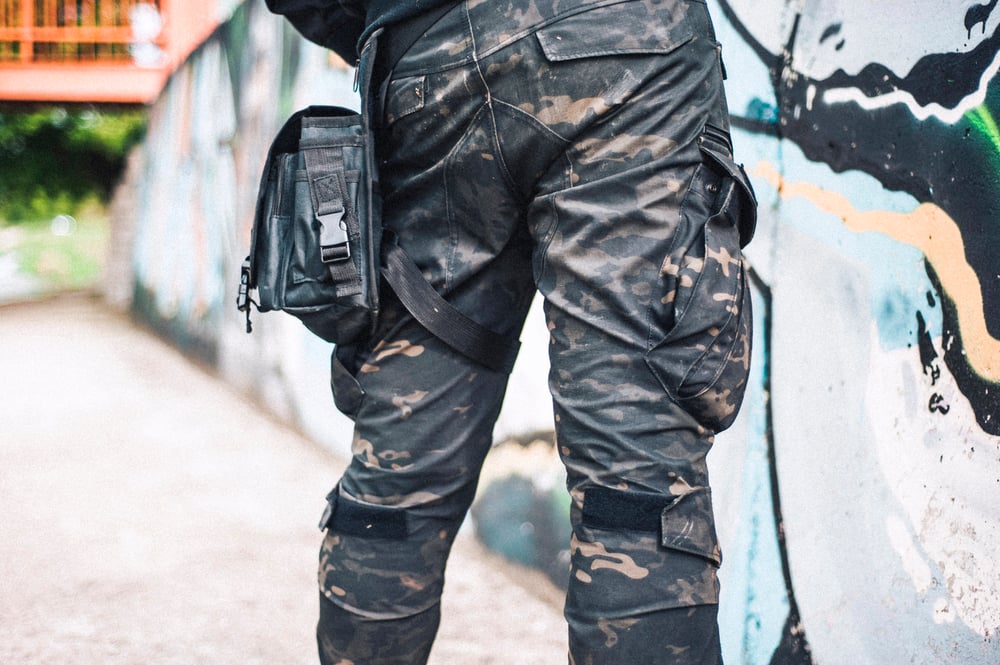
Extra pockets were crucial for carrying supplies in combat. Those same pockets are now filled with phones, wallets, and keys. And sometimes, just lint.
T-Shirts
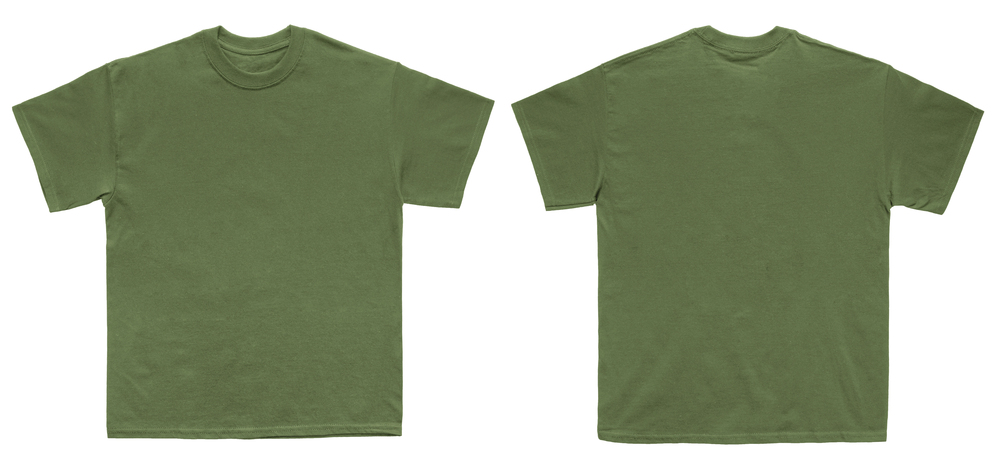
Once just military-issued undershirts, T-shirts were plain, cheap, and functional. They escaped their role beneath uniforms and became the world’s most democratic garment.
Khaki
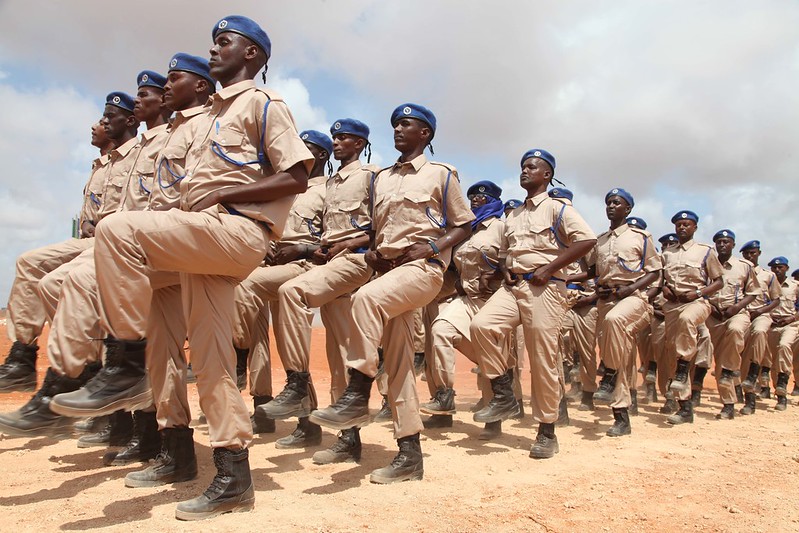
The dusty, pale brown of khaki uniforms emerged from British campaigns in India. Its practicality ensured it spread across civilian wardrobes. Neutral yet versatile.
Wristwatches
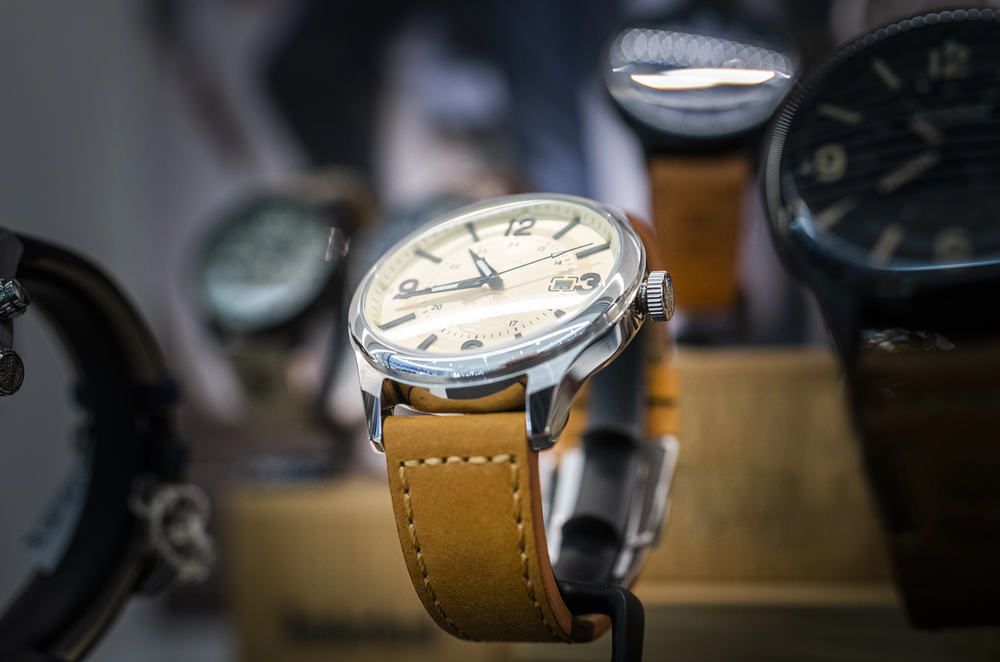
Pocket watches weren’t exactly battlefield-friendly. Strapping timepieces to wrists during World War I made timing maneuvers easier. The style stuck—no turning back.
Parka
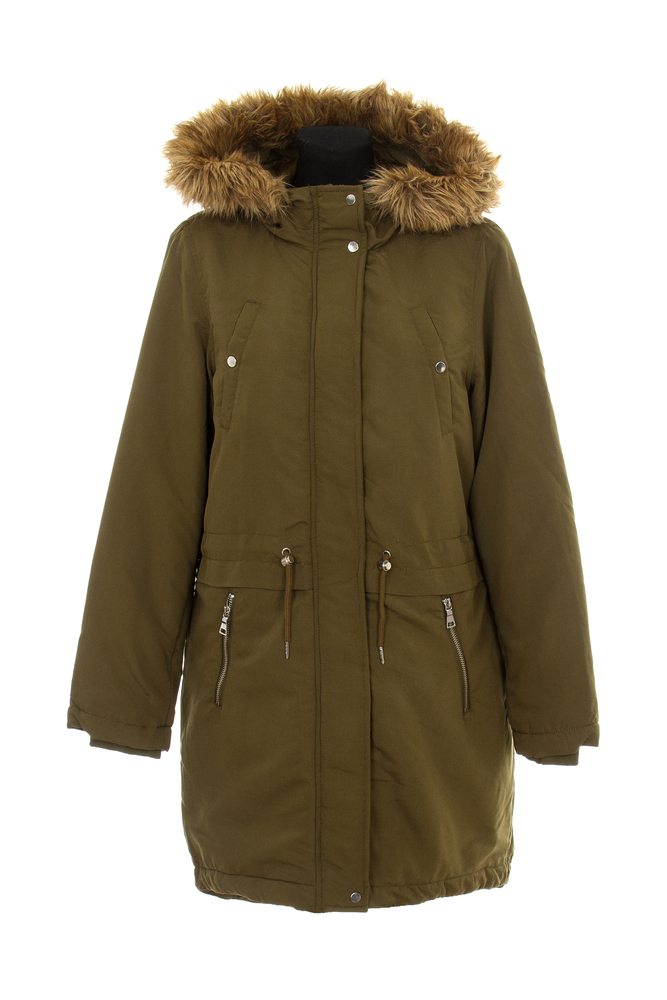
Developed for extreme cold in military operations, the parka offered warmth without heavy bulk. Today it’s winter streetwear, often trimmed with faux fur. Sometimes real fur, though opinions differ.
Peacoat
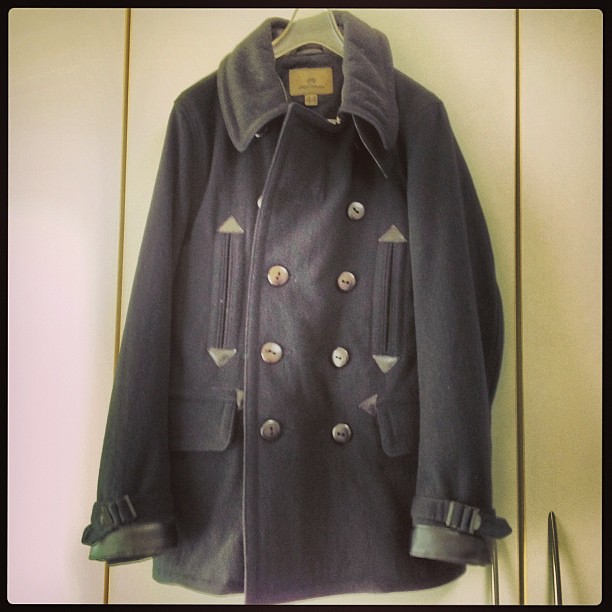
Naval officers needed durable coats for icy winds at sea. Shorter than traditional coats, peacoats gave sailors freedom of movement. Now, they’re seen on city streets with scarves and leather gloves.
Epaulets
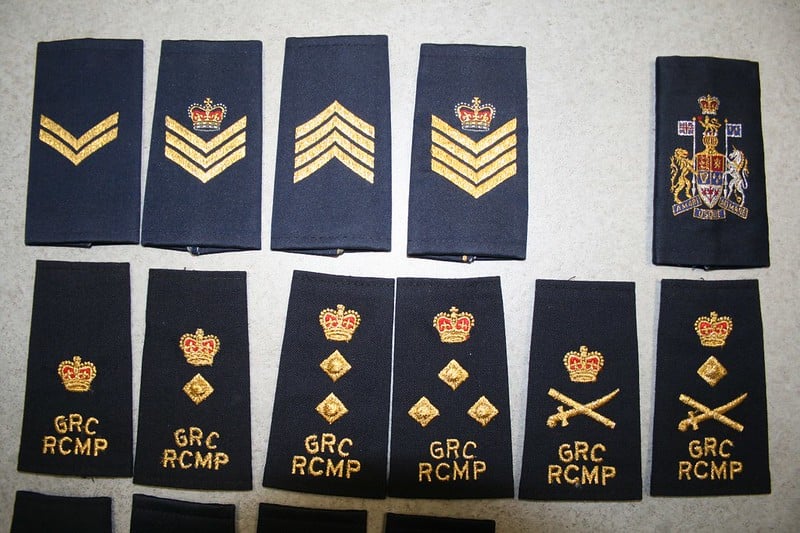
Originally functional, epaulets signaled military rank. Over time, they slipped into decorative use. Designers still use them when they want a sharp, commanding silhouette.
Henley Shirt
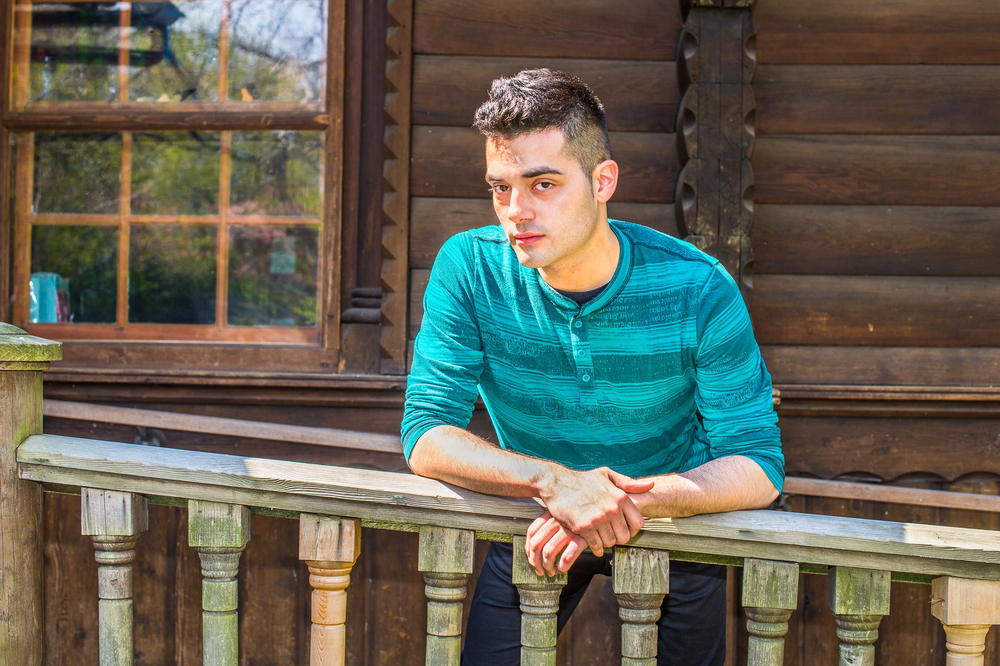
The buttoned collarless shirt began as military underwear. Later, rowers and civilians embraced its comfort. Today, it’s the casual cousin of the polo.
Military Boots
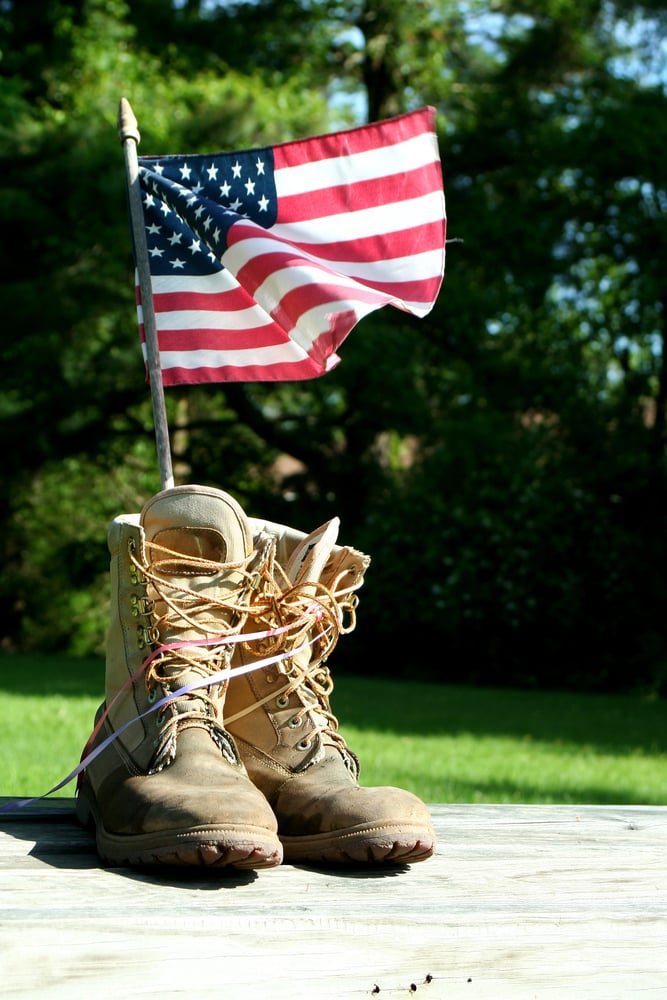
Built to survive mud, rain, and endless marches, these boots were designed for punishment. Civilians wear them now for style or subculture—punk, goth, even runway.
Beret
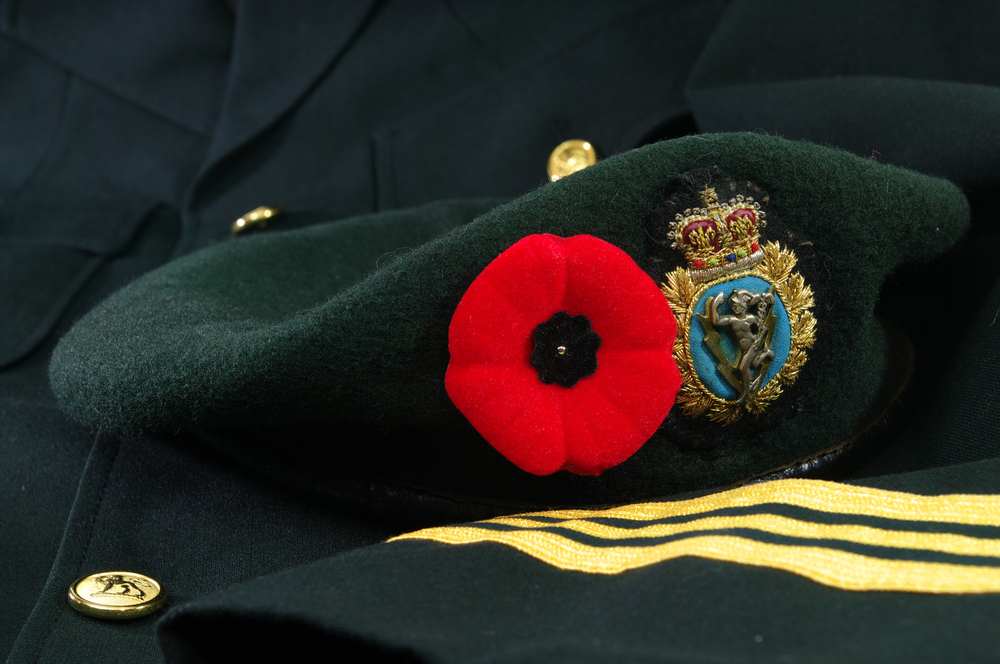
French and Spanish soldiers wore berets long before they landed in fashion boutiques. Minimal, versatile, and surprisingly political, the beret carries many associations. Some chic, some revolutionary.
Dog Tags
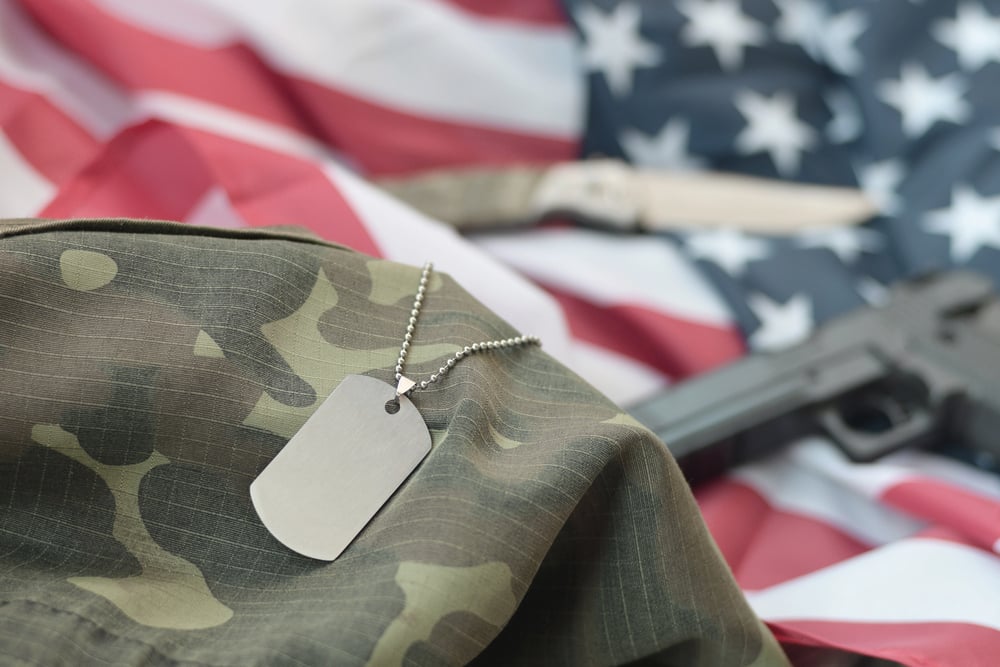
Created as a form of battlefield identification, dog tags symbolized survival and memory. They became accessories, sometimes engraved with personal messages instead of serial numbers.
Threads of Conflict
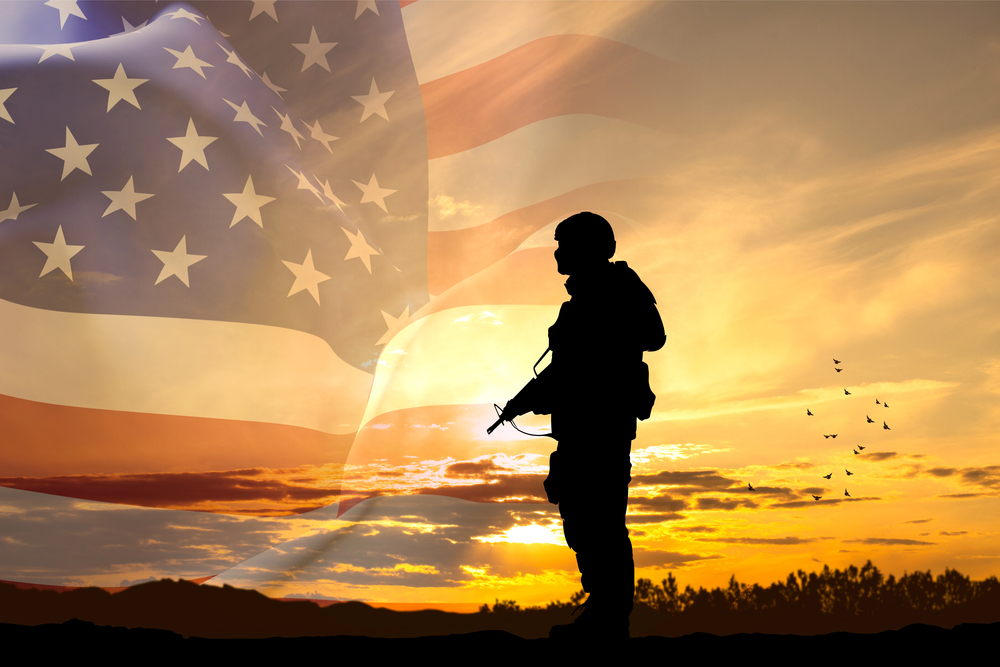
Many of the most recognizable fashion items today carry shadows of battlefields, rationing, and necessity. What began as practical survival gear shifted into statements of identity and style. War may have been their birthplace, but peace gave them permanence.
More from Go2Tutors!

- The Romanov Crown Jewels and Their Tragic Fate
- 13 Historical Mysteries That Science Still Can’t Solve
- Famous Hoaxes That Fooled the World for Years
- 15 Child Stars with Tragic Adult Lives
- 16 Famous Jewelry Pieces in History
Like Go2Tutors’s content? Follow us on MSN.