15 Fashion Trends Tied to Social Class
Fashion has always been more than fabric on skin — it’s a quiet declaration of status. From rare textiles to carefully chosen accessories, style has long doubled as a social signal. Some trends disappeared, while others left threads that still run through today’s wardrobes.
Here is a list of 15 fashion trends tied to social class, showing how clothing became a kind of code for privilege, aspiration, or belonging.
Sumptuary laws
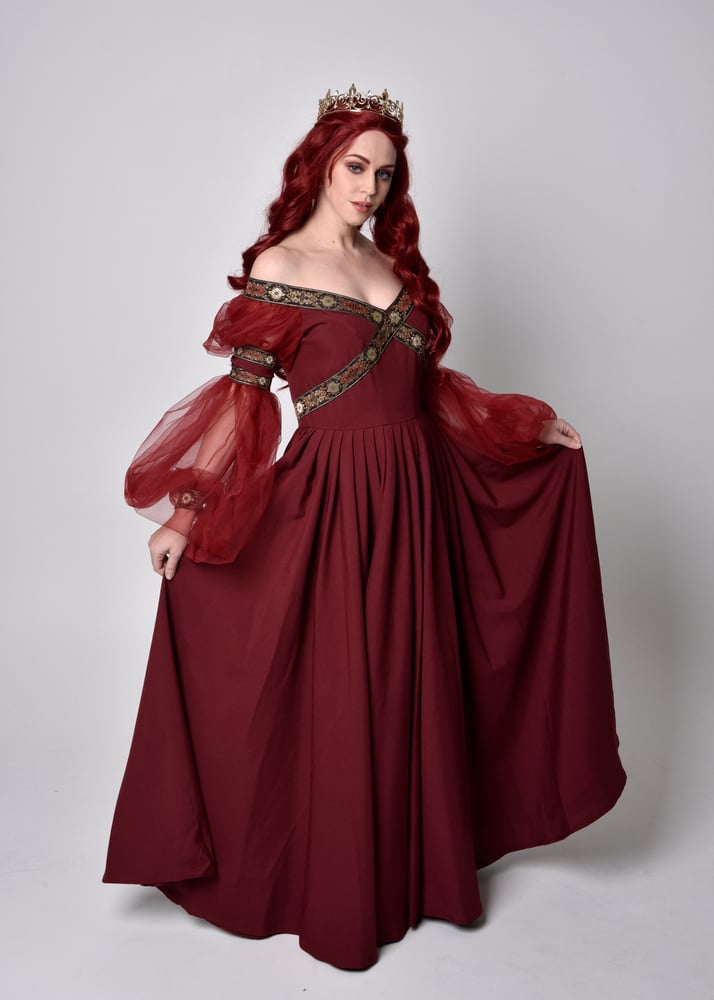
Medieval and Renaissance rulers drew strict lines over who could wear velvet, silk, or fur. The goal was simple: keep luxury in noble hands. Still, ordinary folk often found clever ways to bend the rules — a trim of forbidden cloth here, a splash of color there.
Corsets

For centuries, corsets shaped women of the upper classes into the fashionable silhouette of the day. They were costly, stiff, and rarely about comfort. Working women? They made do with looser stays or skipped the trend altogether. Survival first, style second.
Wig culture

In 17th- and 18th-century Europe, wigs weren’t just hairpieces — they were social towers. The taller and more powdered the wig, the higher the perceived rank. Maintenance was expensive, so by design the look stayed exclusive. And a little absurd.
Hoop skirts
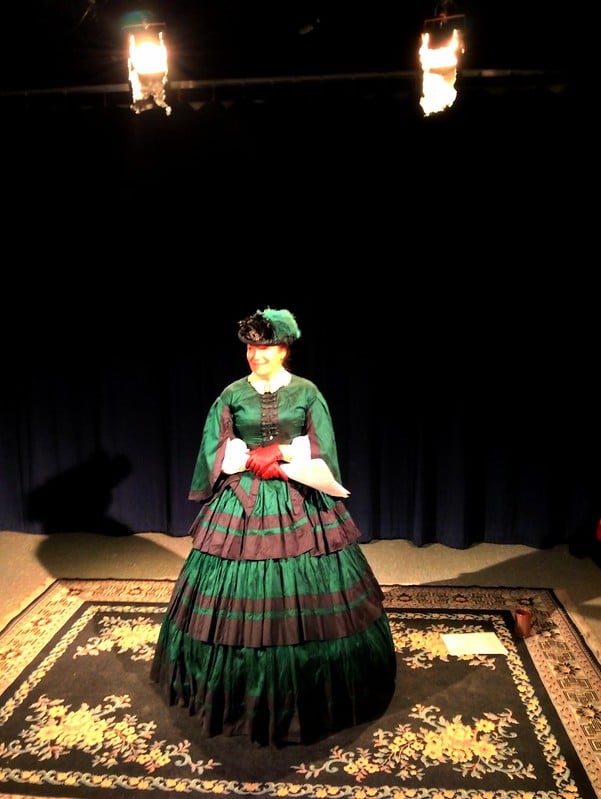
Voluminous skirts in the 18th and 19th centuries swallowed up yards of fabric. Their sheer size screamed wealth, since only the rich could afford that much cloth. Even so, imagine squeezing through narrow doorways or carriages. Awkward doesn’t begin to cover it.
Top hats

By the 19th century, the top hat was the crowning symbol of respectability. Tall, stiff, and expensive, it was the uniform of statesmen and industrialists. Laborers, by contrast, kept to simple caps. Easier to wear, easier to replace.
Lace trims

Handmade lace was painstaking — a single yard could take months. When stitched into collars or cuffs, it acted almost like jewelry woven into fabric. And because of its cost, lace was less about warmth and more about status.
Bustles
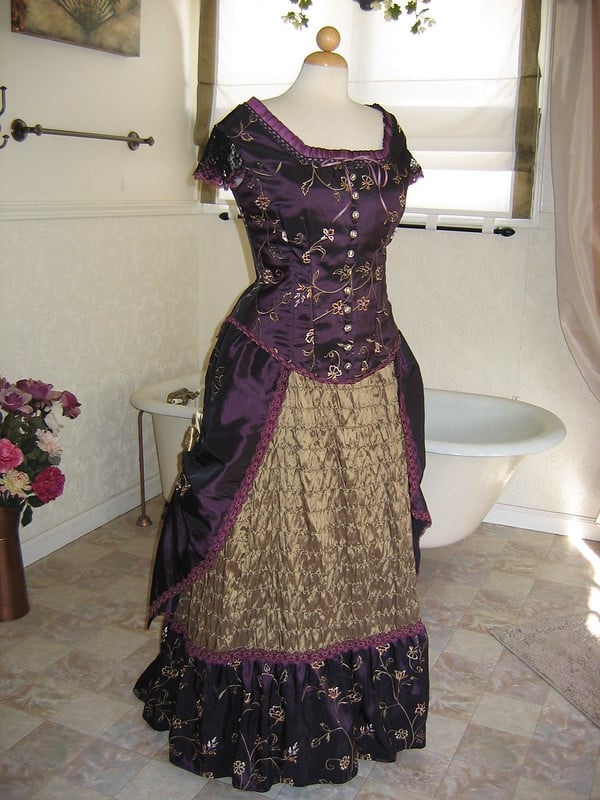
The late 1800s saw women’s dresses reshaped with bustles. Hidden frameworks exaggerated silhouettes, while layers of fabric added weight. Unless you had maids to help with the daily upkeep, this was nearly impossible to maintain. Style came at a price.
Monocles

A single lens balanced in the eye looks eccentric today, yet in the 19th century it hinted at refinement. Monocles separated gentlemen from the working classes, signaling wealth and education. They were as much about display as they were about vision.
White gloves
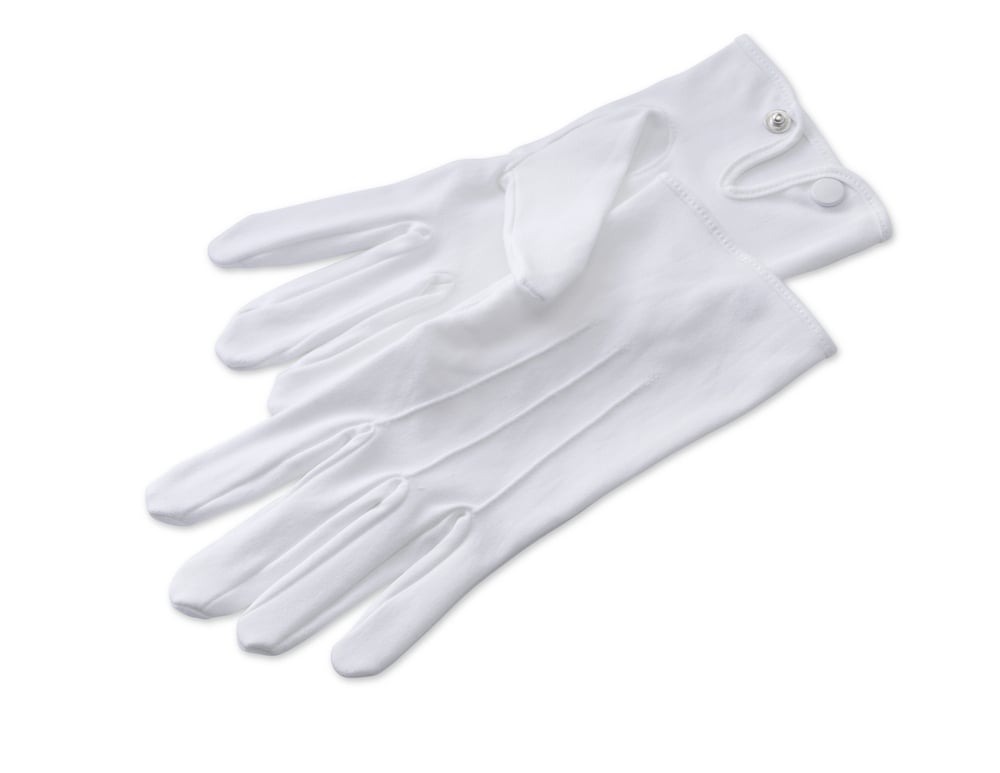
White gloves in the 19th and early 20th centuries suggested refinement. They dirtied quickly — which was part of the point. Only those who didn’t work with their hands could keep them spotless. Fragile proof of privilege.
Designer logos
By the late 20th century, bold designer logos became shorthand for wealth. A bag or shirt emblazoned with a famous emblem was a silent brag. Even so, counterfeits soon flooded markets, making it tricky to tell who was truly in the club.
Fur coats
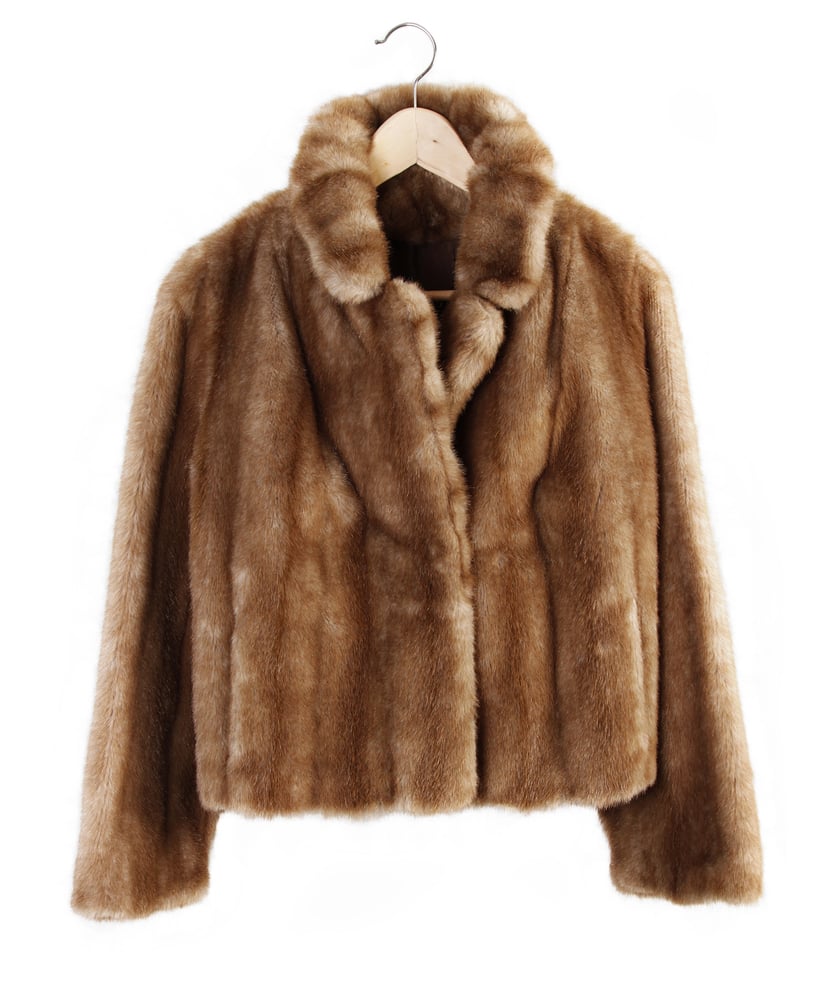
For centuries, fur carried the weight of luxury and prestige. From ermine-draped monarchs to 20th-century movie stars in mink, it stayed tied to privilege. Criticism grew over time, but fur’s symbolic power hasn’t fully faded.
Crinolines

In the mid-19th century, crinolines — cage-like frameworks of steel hoops — gave skirts their dramatic volume. They looked graceful at a distance. Up close? A gust of wind or a tricky carriage step could turn them into comedy.
High heels
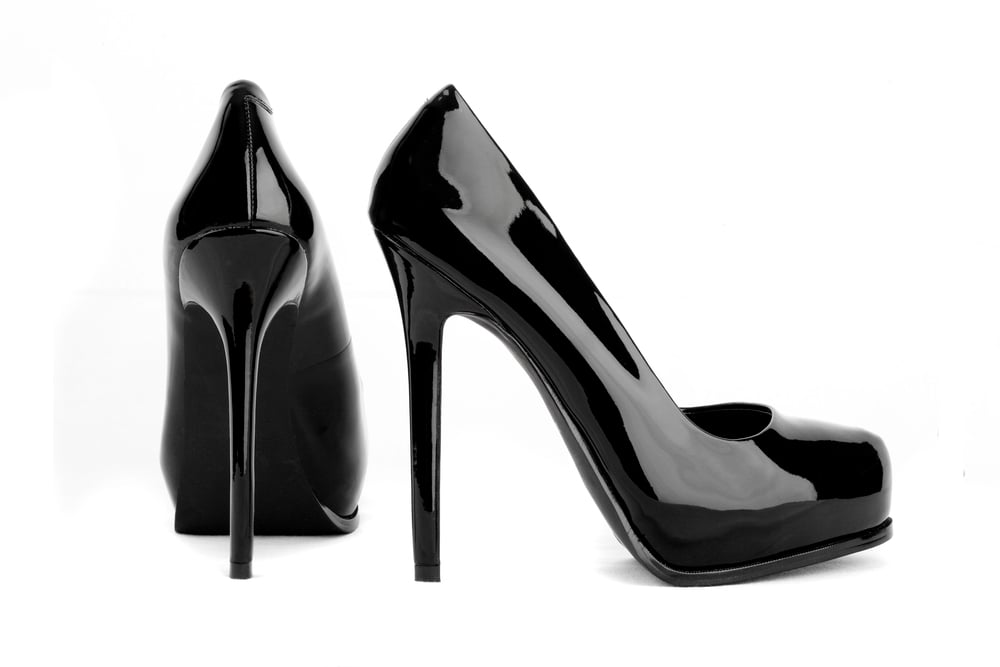
Heels began with Persian cavalry and moved into European high society. They showed one didn’t walk far — or labor much. That link to leisure and privilege still lingers today, even in modern designs. Painful? Sometimes. But powerful.
Polo shirts

In the 20th century, polo shirts became a uniform of leisure. Tennis courts, golf courses, country clubs — that’s where they lived. Casual yet polished, they still whisper of time, money, and freedom to play.
Tailored suits

DepositPhotos
From the 19th century onward, a tailored suit marked refinement. Custom cuts demanded resources far beyond off-the-rack clothing. Even now, a bespoke suit quietly says: success, influence, control.
Style as a silent code
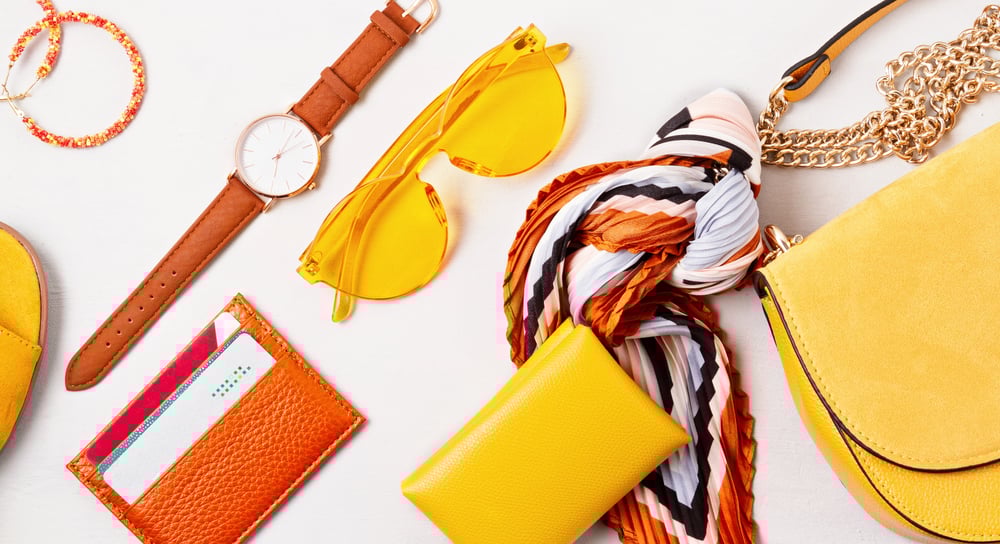
Through the ages, fashion has worked like a password — letting some in, keeping others out. From powdered wigs to designer labels, clothing often carried unspoken rules of class. Today mass production blurs a few lines, but clothes still whisper status, choice, and ambition. The language hasn’t gone away.
More from Go2Tutors!

- The Romanov Crown Jewels and Their Tragic Fate
- 13 Historical Mysteries That Science Still Can’t Solve
- Famous Hoaxes That Fooled the World for Years
- 15 Child Stars with Tragic Adult Lives
- 16 Famous Jewelry Pieces in History
Like Go2Tutors’s content? Follow us on MSN.