Famous Chains With Surprising Origins
Walking into a McDonald’s or Starbucks feels predictable now. The logos, the menu layouts, even the way employees greet customers — everything follows a familiar script that’s been refined across thousands of locations.
But these massive chains didn’t emerge from boardrooms with perfectly planned strategies. They started as wild experiments, desperate pivots, or accidents that happened to work.
The stories behind how they became what they are today rarely match what you’d expect from their current polished image.
McDonald’s
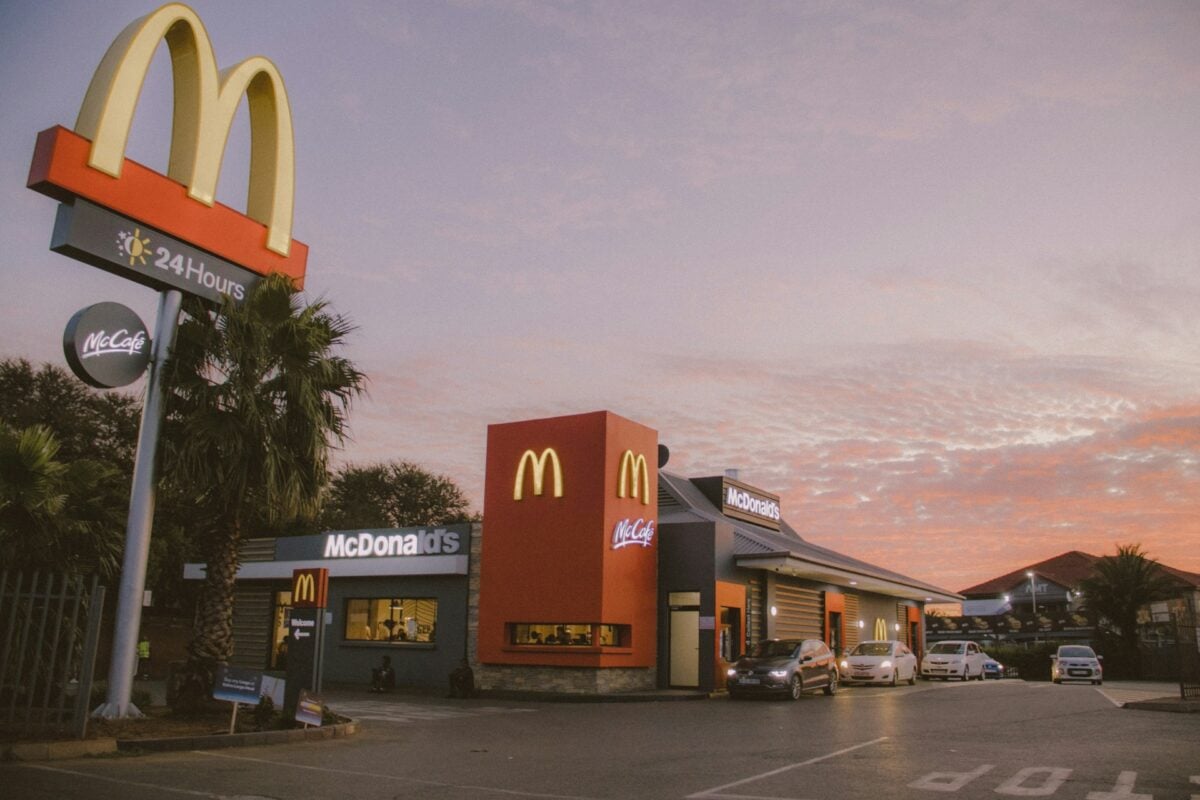
The golden arches weren’t built by Ray Kroc. Two brothers named Richard and Maurice McDonald created the first restaurant in 1940, but they were running a drive-in with carhops and a massive menu.
Ray Kroc was selling milkshake machines when he visited their San Bernardino location in 1954. He saw something the brothers didn’t: a system that could be replicated anywhere.
KFC
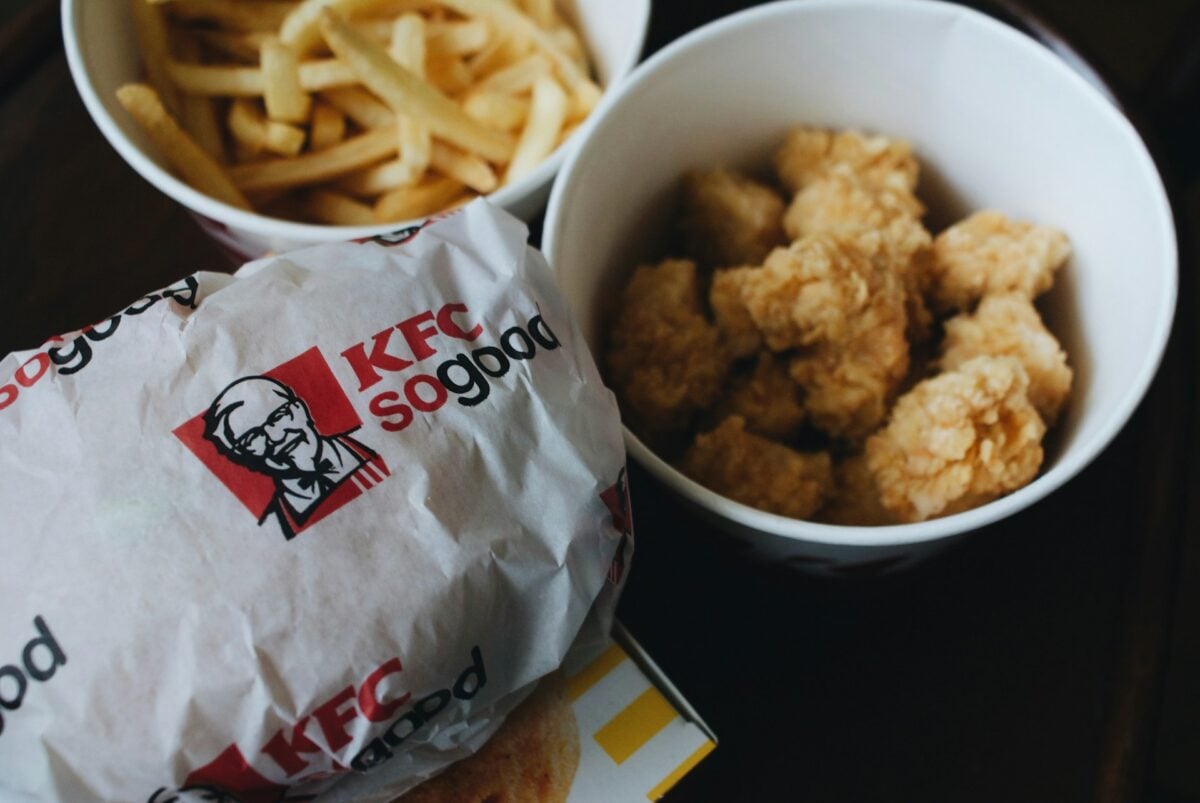
Harland Sanders didn’t start frying chicken until he was 40. Before that, he sold insurance, operated a ferry boat, and ran a gas station.
The chicken came later — much later. Sanders was 62 when he franchised his first restaurant in 1952, which means he spent most of his working life doing everything except what made him famous.
Starbucks
The original Starbucks (which opened in Seattle in 1971) sold coffee beans and equipment — not drinks, and you couldn’t sit anywhere because there weren’t any seats, just a counter where you bought whole beans to take home and brew yourself. Howard Schultz joined as marketing director in 1982, but when he pitched the idea of selling actual coffee drinks, the founders said no.
So he left, started his own coffee shop chain called Il Giornale, then came back and bought Starbucks two years later — which is a roundabout way of saying the Starbucks we know today is technically a different company that absorbed the original one.
Subway
Fred DeLuca was 17 when family friend Peter Buck lent him $1,000 to open a sandwich shop. The original name wasn’t Subway — it was Pete’s Super Submarines, which sounds like something a teenager would come up with (because it was).
DeLuca thought the sandwich business would pay for college, but that first location in Bridgeport, Connecticut barely broke even. But here’s the thing about being young and not knowing what’s impossible: DeLuca kept opening more locations even when the first one wasn’t making money, because he figured volume would solve the problem.
And sometimes — not always, but sometimes — that kind of stubborn optimism turns out to be exactly right.
Pizza Hut
Two college students at Wichita State University borrowed $600 from their mother to open a pizza place in 1958. Frank and Dan Carney had never made pizza before, so they found someone who had (the chef at a local Italian restaurant) and convinced him to teach them.
The original building was so small that the sign could only fit nine letters, which is why “Pizza Hut” beat out “Pizza House” — it was a character limit issue, not a branding decision.
Domino’s
Tom Monaghan bought a pizza shop called DomiNick’s with his brother Jim in 1960. Jim sold his half back to Tom eight months later for a used Volkswagen Beetle, which turned out to be one of the more expensive cars in history.
Tom kept the business, but the original owner wouldn’t let him use the DomiNick’s name at new locations. So he changed it to Domino’s, which was suggested by a delivery driver.
That driver didn’t get equity.
Wendy’s
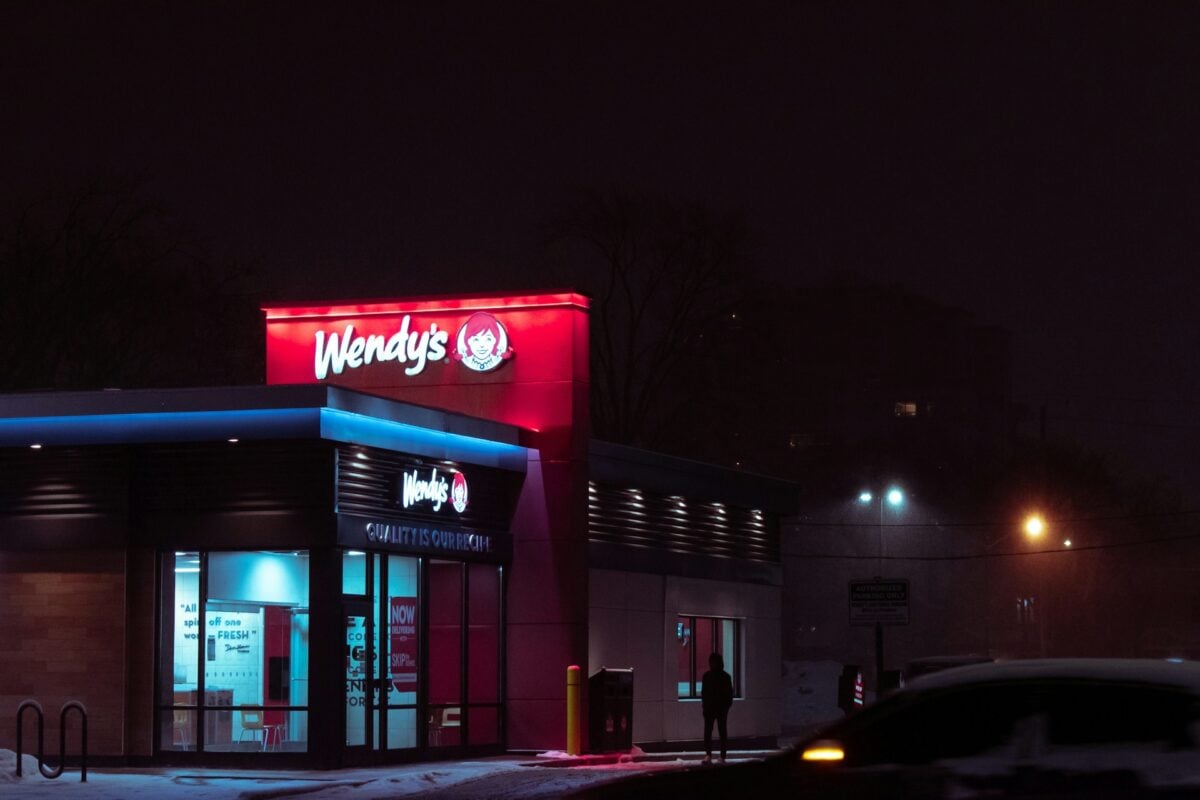
Dave Thomas named the restaurant after his daughter, but her real name was Melinda. “Wendy” was just what her siblings called her because they couldn’t pronounce her full name when they were little.
The square hamburger patties weren’t a design choice — they were Dave Thomas being stubborn about not cutting corners, which he decided to turn into a marketing slogan instead of just a personal preference.
Taco Bell
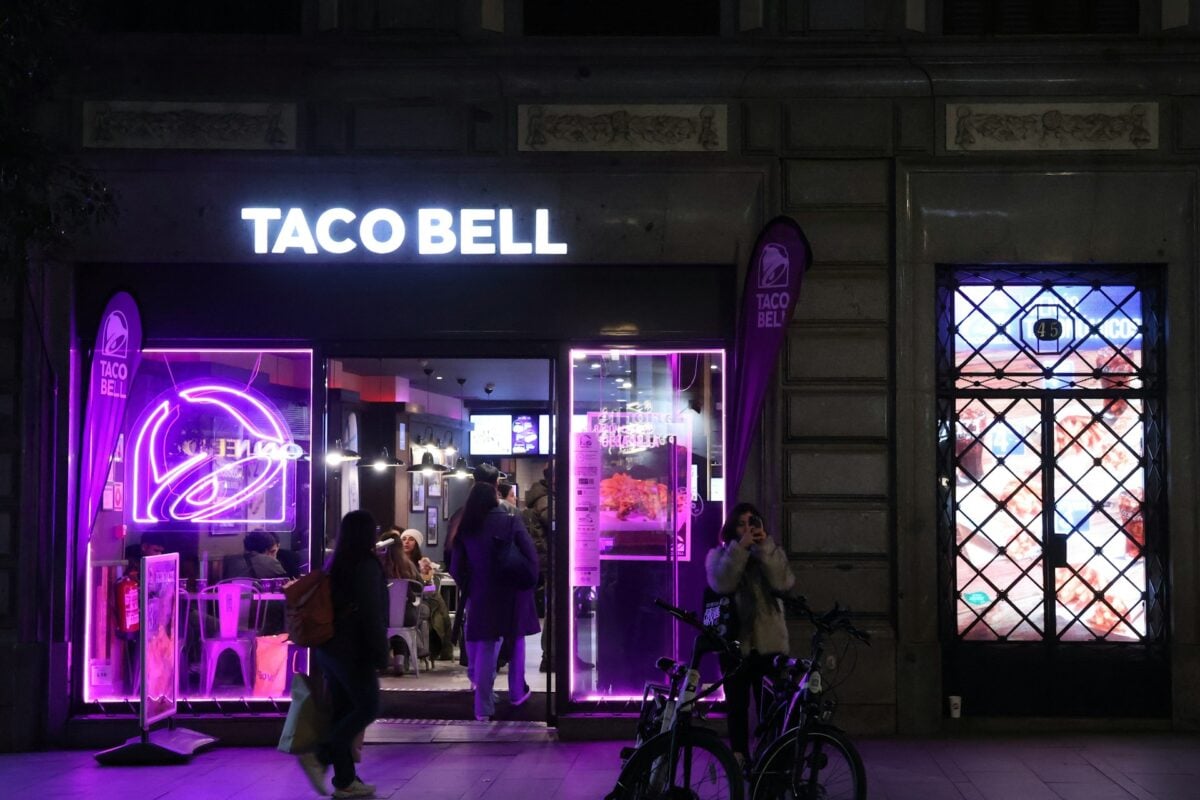
Glen Bell studied the competition by eating at other Mexican restaurants, then sitting in his car outside their kitchens to watch how they prepared food. This was before YouTube tutorials or culinary school — just a guy in a parking lot taking notes.
He opened the first Taco Bell in Downey, California in 1962, but he’d already failed with several other restaurant concepts, including something called Taco Tia. Bell was 40 when Taco Bell finally worked, which means he spent most of his thirties figuring out what wouldn’t work.
Dunkin’
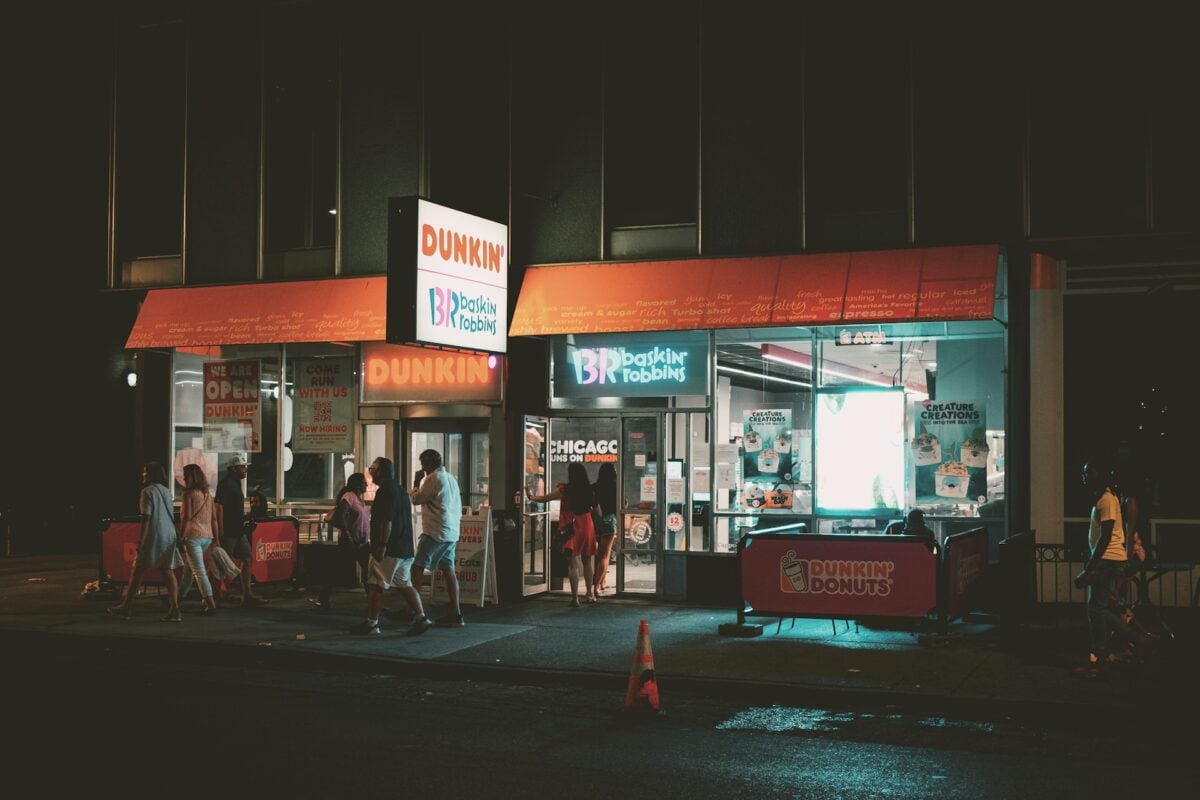
William Rosenberg noticed that coffee and donuts made up most of his mobile food service sales, so he decided to focus on just those two items. Simple enough. But the original name was “Open Kettle,” which tells you nothing about what they sold.
Then it became “The Donut Shop,” which was better but still generic. “Dunkin’ Donuts” didn’t happen until 1950 — four years after the first location opened.
The apostrophe disappeared from “Dunkin’ Donuts” in 2019 when they rebranded to just “Dunkin'” (apparently people had stopped dunking their donuts and were just drinking coffee, so the donuts part felt less important than it used to, which says something about how American breakfast habits changed over 70 years, though whether that something is good or bad depends on how you feel about donuts versus caffeine as a morning priority).
Chipotle
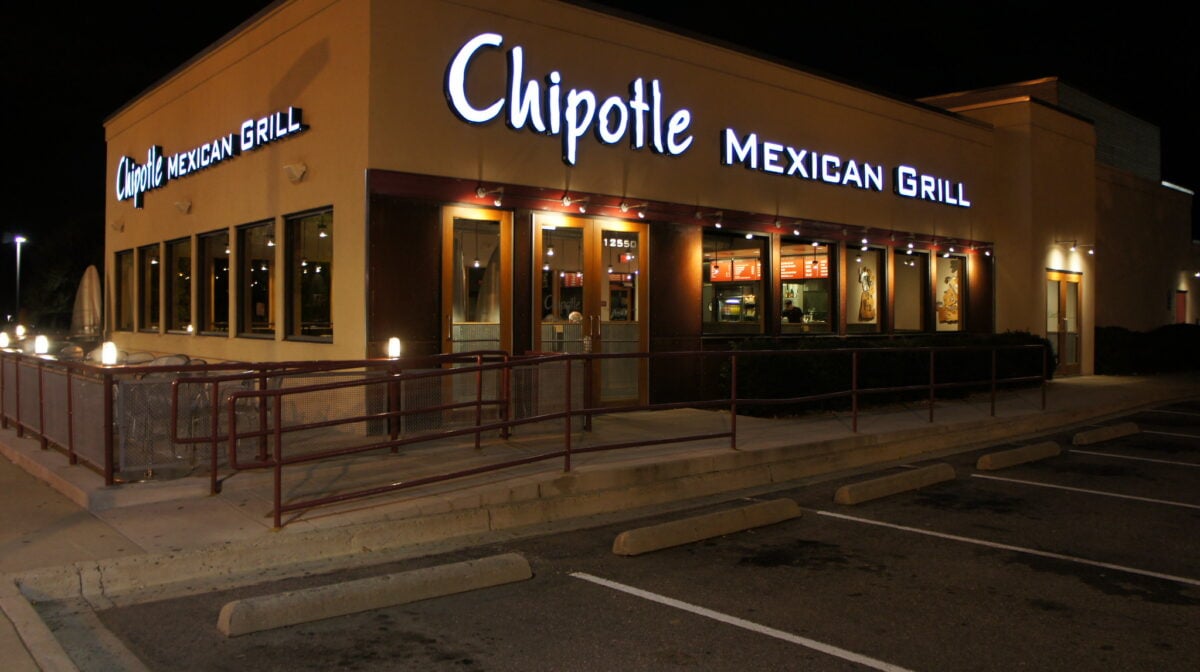
Steve Ells went to culinary school and wanted to open a fine dining restaurant, but he needed money first. Chipotle was supposed to be temporary — a way to fund his real restaurant plans.
The first location was a converted Dolly Madison ice cream shop in Denver, and Ells calculated he needed to sell 107 burritos a day to make the business viable. He sold over 1,000 on the first day, which should have been good news except it meant he had no idea what he was doing or what people wanted.
The fine dining restaurant never happened.
Papa John’s
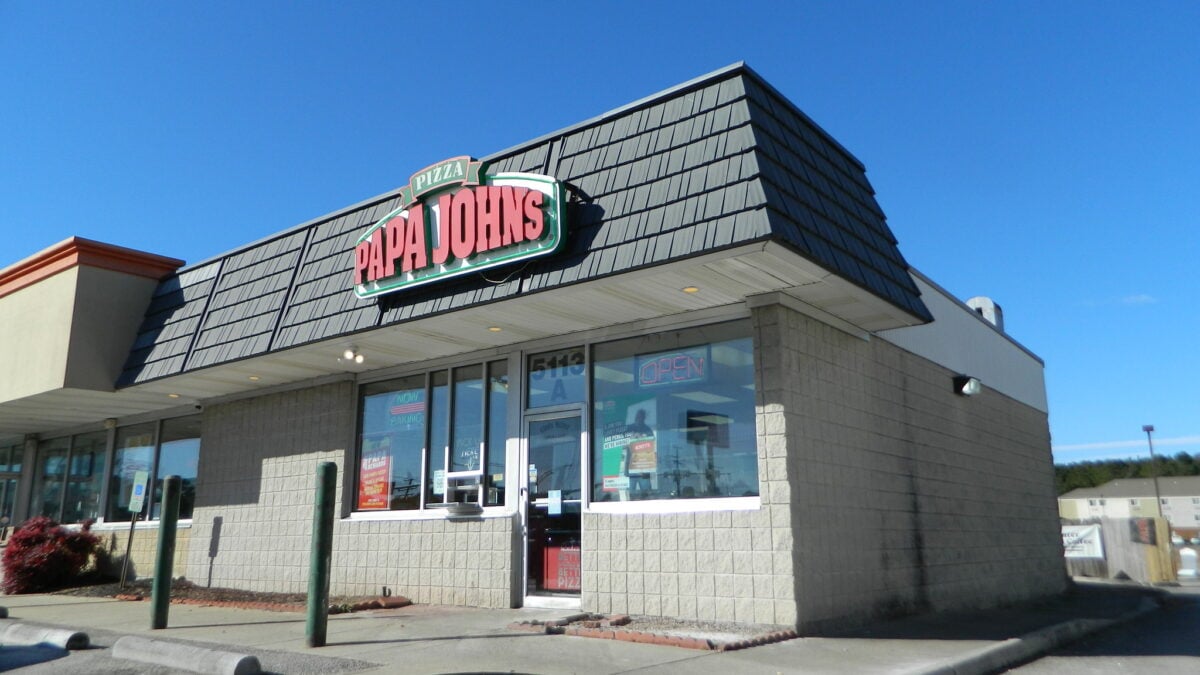
John Schnatter sold his car to buy pizza equipment. The car was a 1971 Camaro Z28, and he sold it for $1,600 to help start Papa John’s in 1984.
Twenty years later, after the company went public, he tracked down the same car and bought it back for $250,000. The car is now worth more than most people’s houses, which makes it either a heartwarming story about success or a depressing story about asset inflation, depending on whether you own a house.
Five Guys
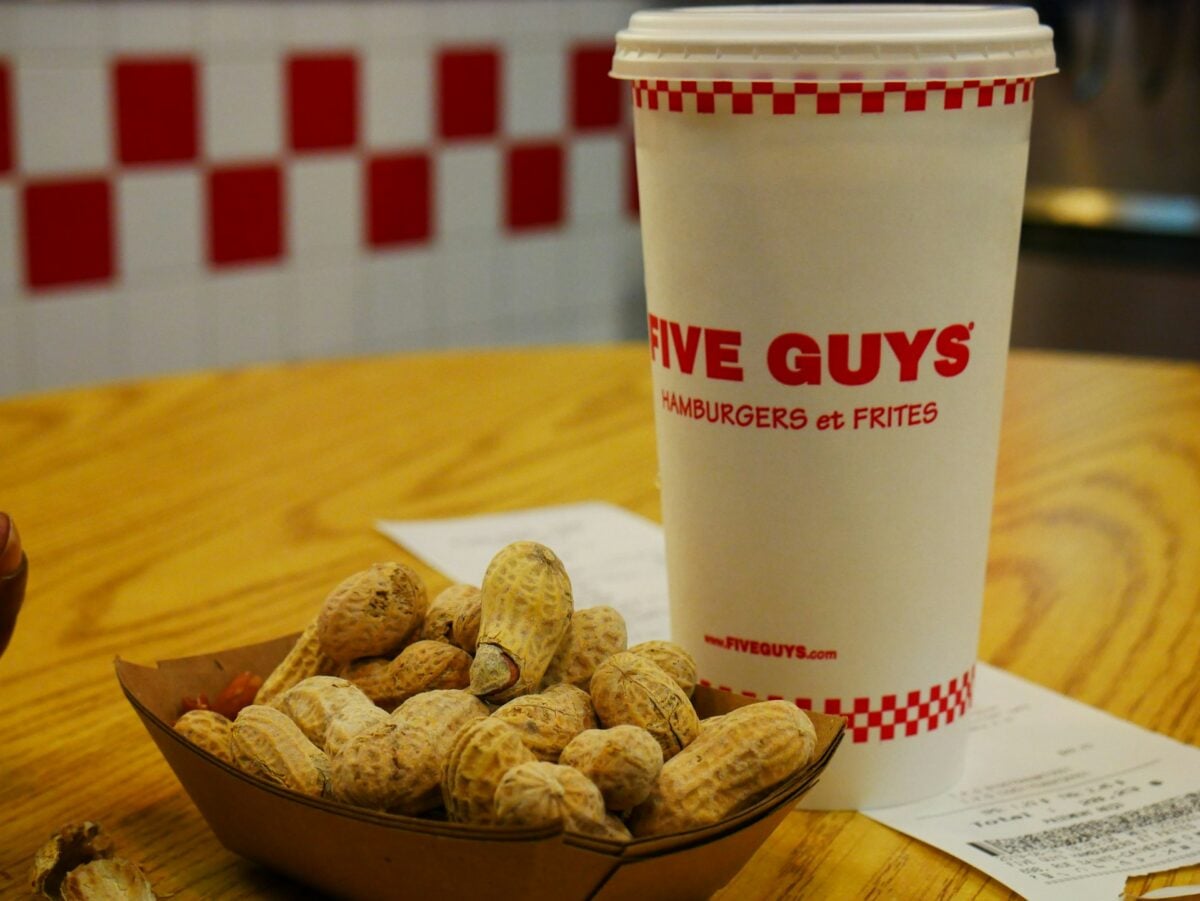
The Murrell family started Five Guys because their sons didn’t want to go to college. The Murrell couple offered their four sons a choice: college tuition or money to start a business.
The sons chose business, and the family opened the first Five Guys in Arlington, Virginia in 1986. The name comes from the four sons, though they later had a fifth son, so the math worked out even better than planned.
In-N-Out
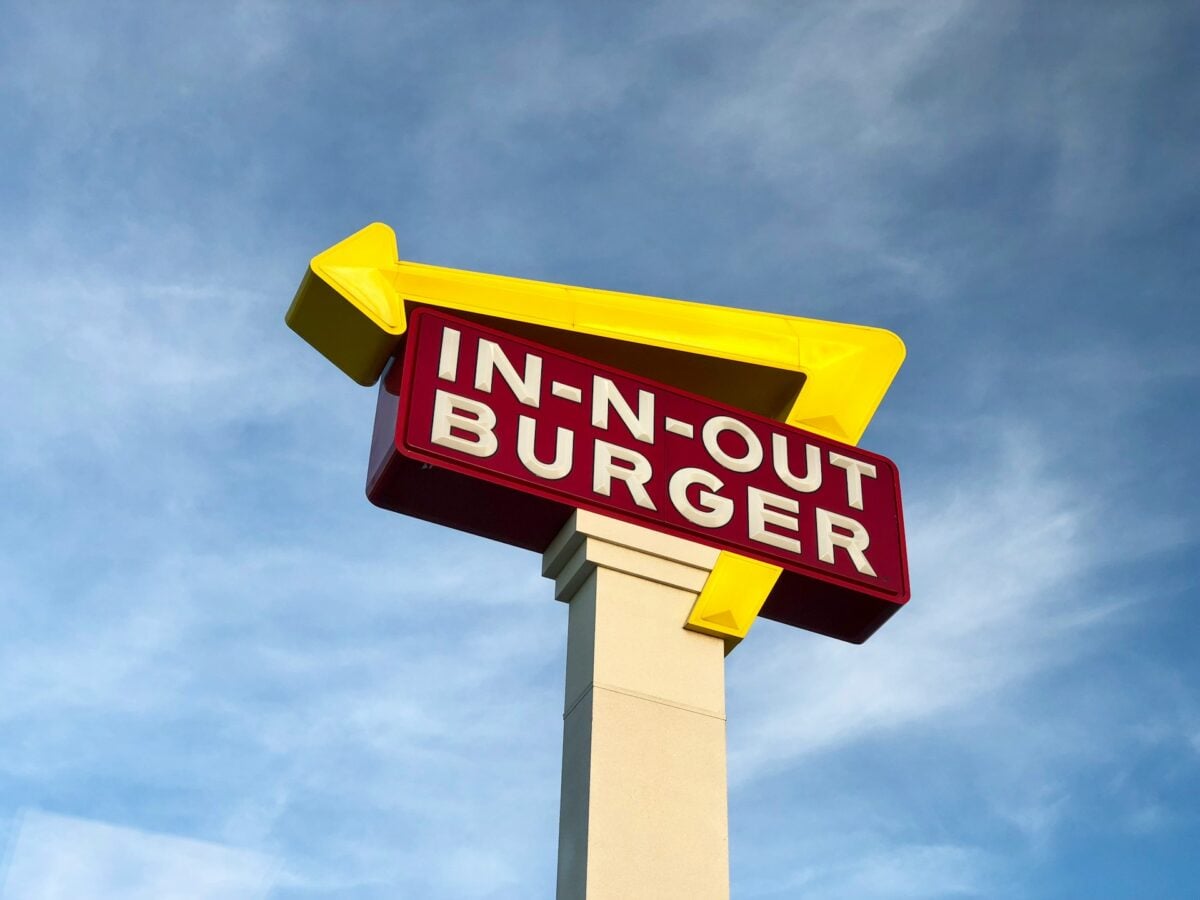
Harry Snyder built the first drive-thru hamburger stand in California in 1948, but the innovation wasn’t the drive-thru — it was the two-way speaker system that let customers place orders without getting out of their cars. This was before drive-thrus were everywhere, back when most restaurants expected you to walk inside or eat in your car without ordering from it.
The “secret menu” wasn’t marketing — it was just employees making variations for customers who asked, until enough people knew about it that it became an unofficial official thing.
The recipe for accident
Most of these chains succeeded because their founders were solving immediate problems — how to pay for college, how to make rent, how to fund a different restaurant entirely. The grand visions came later, after the accidents proved they worked.
Which suggests that the best business plans might be the ones written after the business already exists, not before.
More from Go2Tutors!

- The Romanov Crown Jewels and Their Tragic Fate
- 13 Historical Mysteries That Science Still Can’t Solve
- Famous Hoaxes That Fooled the World for Years
- 15 Child Stars with Tragic Adult Lives
- 16 Famous Jewelry Pieces in History
Like Go2Tutors’s content? Follow us on MSN.