15 Deathbed Confessions That Rewrote History
History isn’t always written by the victors. Sometimes it’s whispered by the dying.
Those final moments before someone leaves this world have produced some of the most shocking revelations, earth-shattering admissions, and carefully guarded secrets that completely changed how we understand the past.
When someone has nothing left to lose and everything weighing on their conscience, truth has a way of spilling out in the most unexpected ways.
The Watergate Deep Throat

Mark Felt kept the secret for over three decades. The FBI associate director who helped bring down a presidency through his anonymous tips to Washington Post reporters finally admitted in 2005 that he was Deep Throat.
His confession at age 91 solved one of the greatest mysteries in American political history and revealed how one man’s conscience helped expose the corruption that reached all the way to the Oval Office.
Howard Hughes’ Will Mystery

Melvin Dummar claimed for years that he had once picked up a disheveled hitchhiker in the Nevada desert who turned out to be billionaire Howard Hughes (and this random act of kindness supposedly earned him a place in Hughes’ will, though the courts never believed his story).
But as Dummar aged, friends and family members began sharing details that made his account seem increasingly credible—particularly his knowledge of Hughes’ personal habits and appearance that weren’t widely known at the time.
The truth about whether one of America’s richest men really left money to a gas station attendant may never be fully resolved, but Dummar’s consistency over decades suggests there’s more to the story than anyone wanted to admit.
The Real Jack the Ripper
Like trying to catch smoke with your bare hands, the Jack the Ripper case seemed destined to remain forever unsolved.
Crime novelist Patricia Cornwell has spent decades investigating and making the case that Walter Sickert was responsible for the murders, publishing detailed research in multiple books including “Portrait of a Killer: Jack the Ripper—Case Closed” (2002) and “Ripper: The Secret Life of Walter Sickert” (2017).
While Cornwell’s theories have generated significant discussion, most scholars remain unconvinced, and the case remains officially unsolved.
D.B. Cooper’s Identity
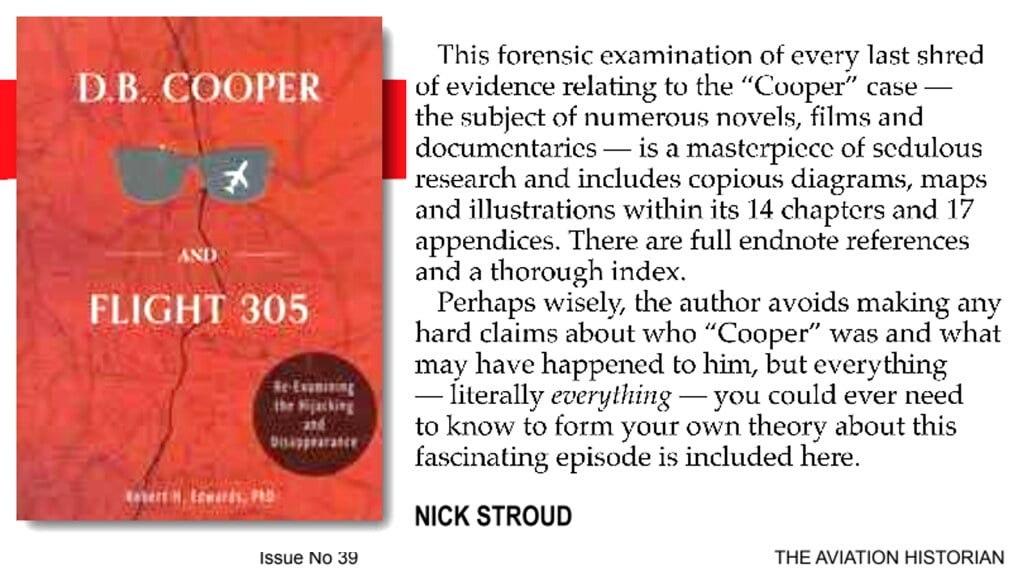
The only unsolved case of air piracy in American history got a potential resolution when private investigator Skipp Porteous published a book in 2010 claiming Kenneth Christiansen was the mysterious hijacker.
Various individuals over the decades have claimed to be D.B. Cooper, including Robert Rackstraw, a Vietnam veteran and former Special Forces paratrooper who had the skills, the motive, and the timing—plus a criminal history that fit the profile.
However, no deathbed confession was verified, and Rackstraw consistently denied involvement even when confronted by investigators.
The Lindbergh Baby Kidnapping

Bruno Hauptmann went to the electric chair in 1936 maintaining his innocence in the kidnapping and murder of Charles Lindbergh’s baby son.
But decades later, confessions emerged that painted a different picture entirely.
Isidor Fisch, Hauptmann’s business partner who died of tuberculosis before the trial, had reportedly confessed to a relative that he was the actual kidnapper—and that Hauptmann had discovered the ransom money hidden in his apartment only after Fisch’s death, explaining why Hauptmann had been spending the marked bills without knowing their origin.
The Tylenol Murders

Seven people died in Chicago in 1982 after taking cyanide-laced Tylenol capsules, but the case went cold for decades (creating the modern era of tamper-proof packaging and changing how America thinks about product safety, but never delivering justice for the victims’ families).
Then in 2010, a former Johnson & Johnson employee’s widow came forward claiming her late husband had confessed to the murders, saying he’d been angry about being passed over for a promotion.
So far, authorities haven’t been able to verify the account, but it remains one of the most credible leads the case has seen.
Who Really Shot JFK
The assassination of President Kennedy has spawned countless theories, but one deathbed confession stands apart from the conspiracy noise.
E. Howard Hunt, the CIA operative and Watergate conspirator, left behind an audio recording for his son in which he claimed knowledge of a broader plot involving Lyndon Johnson and CIA officials.
Hunt named names, described meetings, and provided details that researchers are still trying to verify—though his motivation for coming forward only at the end of his life remains unclear.
The Real Shakespeare
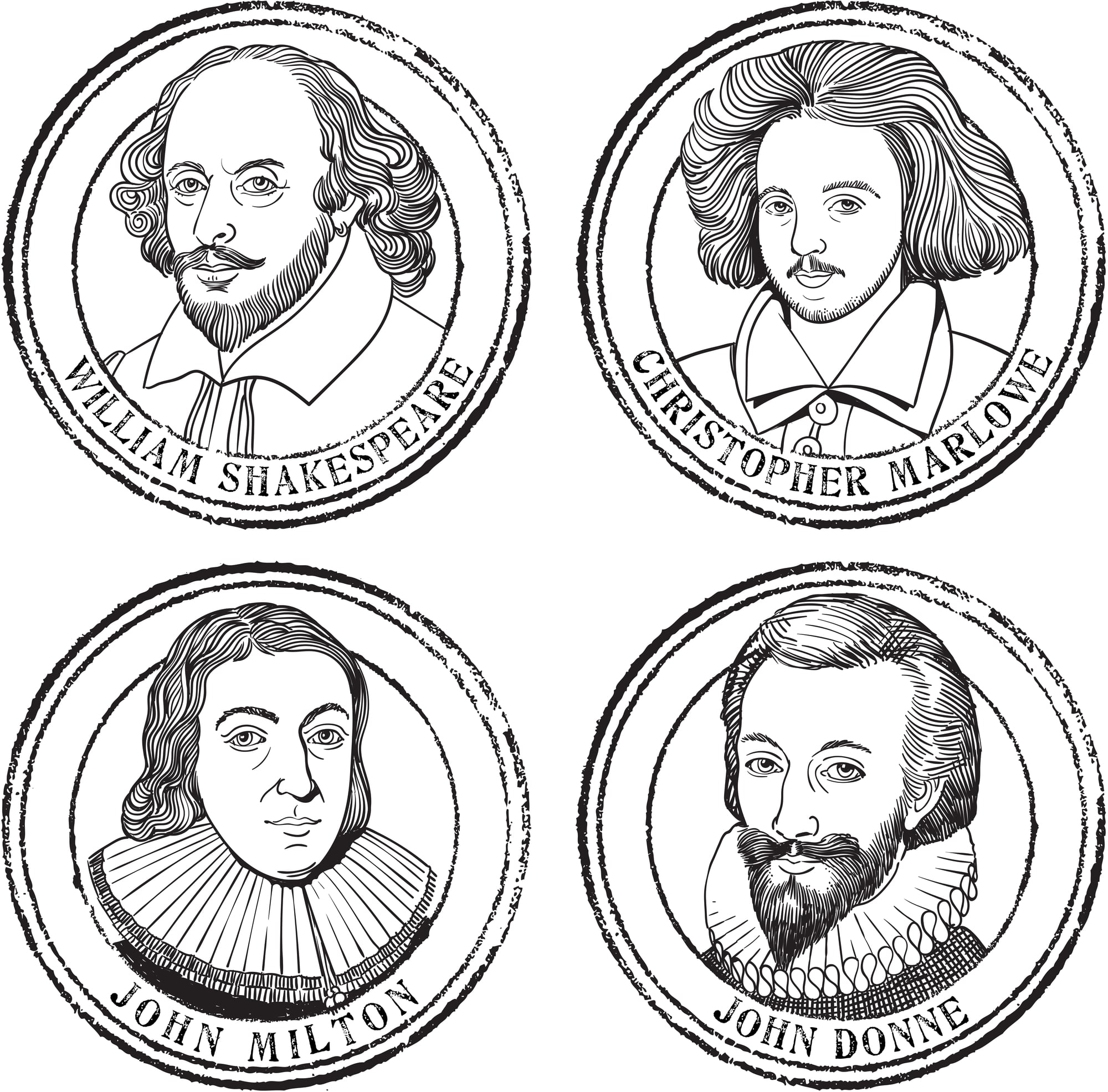
The question of who actually wrote Shakespeare’s plays took an interesting turn when a British literature professor’s final confession suggested the works were collaborative efforts involving multiple writers—including Christopher Marlowe, who supposedly faked his death in 1593.
According to the professor’s account, Marlowe continued writing under Shakespeare’s name while living in hiding.
The confession provided specific details about how the deception was maintained and why it was necessary, though scholars remain divided on its credibility.
The Missing Amber Room

Called the “Eighth Wonder of the World,” the Amber Room disappeared from a Russian palace during World War II and has never been found.
Georg Stein, a former German soldier and treasure hunter, dedicated much of his life to investigating the room’s fate, claiming to have discovered secret communications about its whereabouts.
However, Stein died under mysterious circumstances in 1987—murdered in a Bavarian forest.
In 1997, a German raid uncovered an actual amber panel from the room in the possession of a Wehrmacht soldier’s son, but this discovery did not come from a deathbed confession.
The Zodiac Killer’s Identity
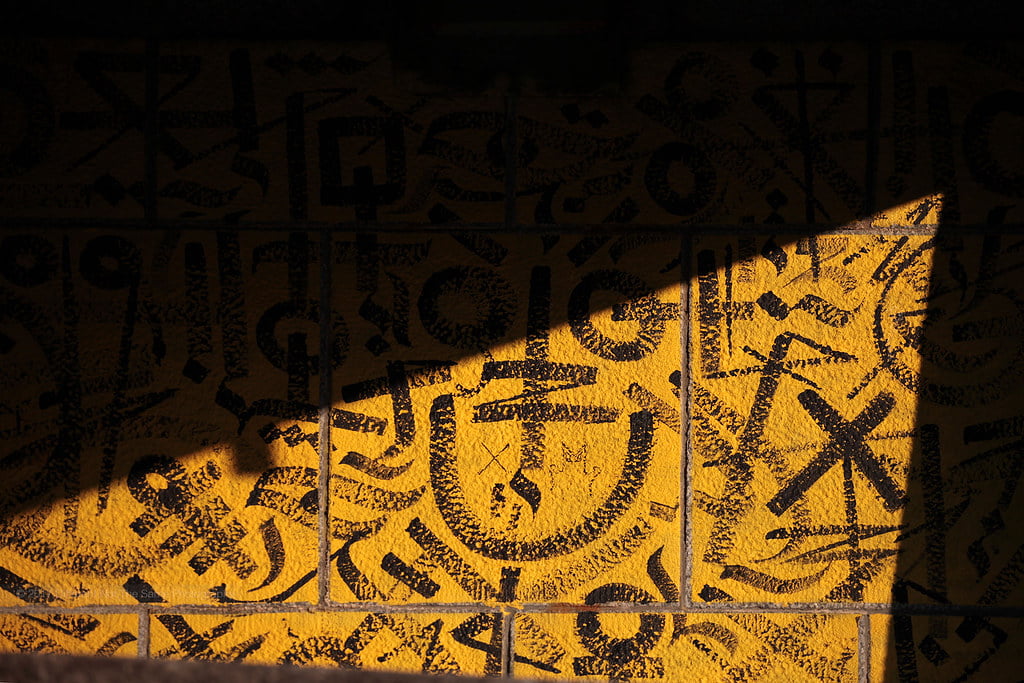
The Zodiac Killer terrorized Northern California in the late 1960s and early 1970s, taunting police with cryptic letters and ciphers.
In 2014, a dying convict named Robert Ivan Nichols reportedly confessed to being the Zodiac, providing details about the murders that had never been made public.
His account included explanations for the killer’s methods, motivations, and the meaning behind some of the unsolved ciphers—though DNA evidence has yet to definitively confirm or rule out his claims.
The Disappearance of Amelia Earhart

Amelia Earhart’s disappearance over the Pacific Ocean in 1937 has generated theories ranging from crash landings to capture by Japanese forces.
But a confession from a dying Marshall Islands fisherman in 2002 suggested a different fate: that Earhart and navigator Fred Noonan had survived their crash landing and lived for several days on a remote atoll before succumbing to their injuries.
The fisherman claimed his father had found their bodies and buried them according to local customs, providing specific details about the location that researchers are still investigating.
The Atlanta Child Murders
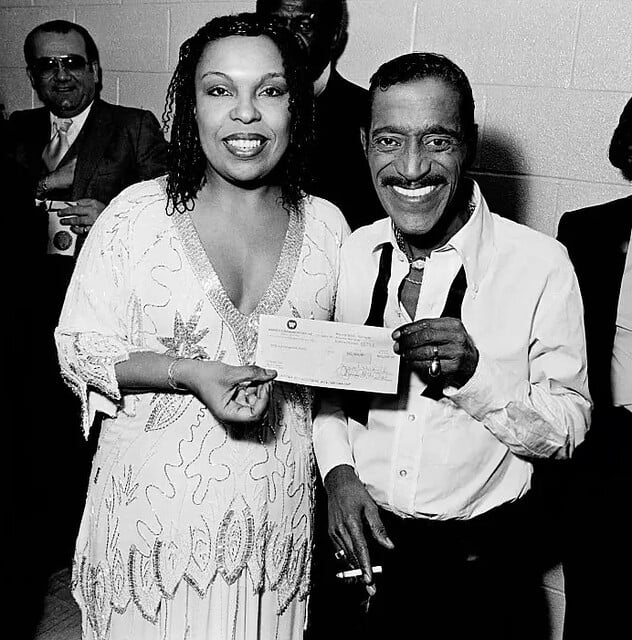
Wayne Williams was convicted in 1982 for two of the Atlanta child murders, but many of the other cases remained officially unsolved.
However, several deathbed confessions over the years have pointed to different perpetrators and suggested the killings were not all connected as originally believed.
Most notably, a former KKK member’s final confession implicated several accomplices in what he described as racially motivated killings designed to terrorize Atlanta’s Black community—a confession that has prompted renewed investigation into the cold cases.
The Black Dahlia Murder
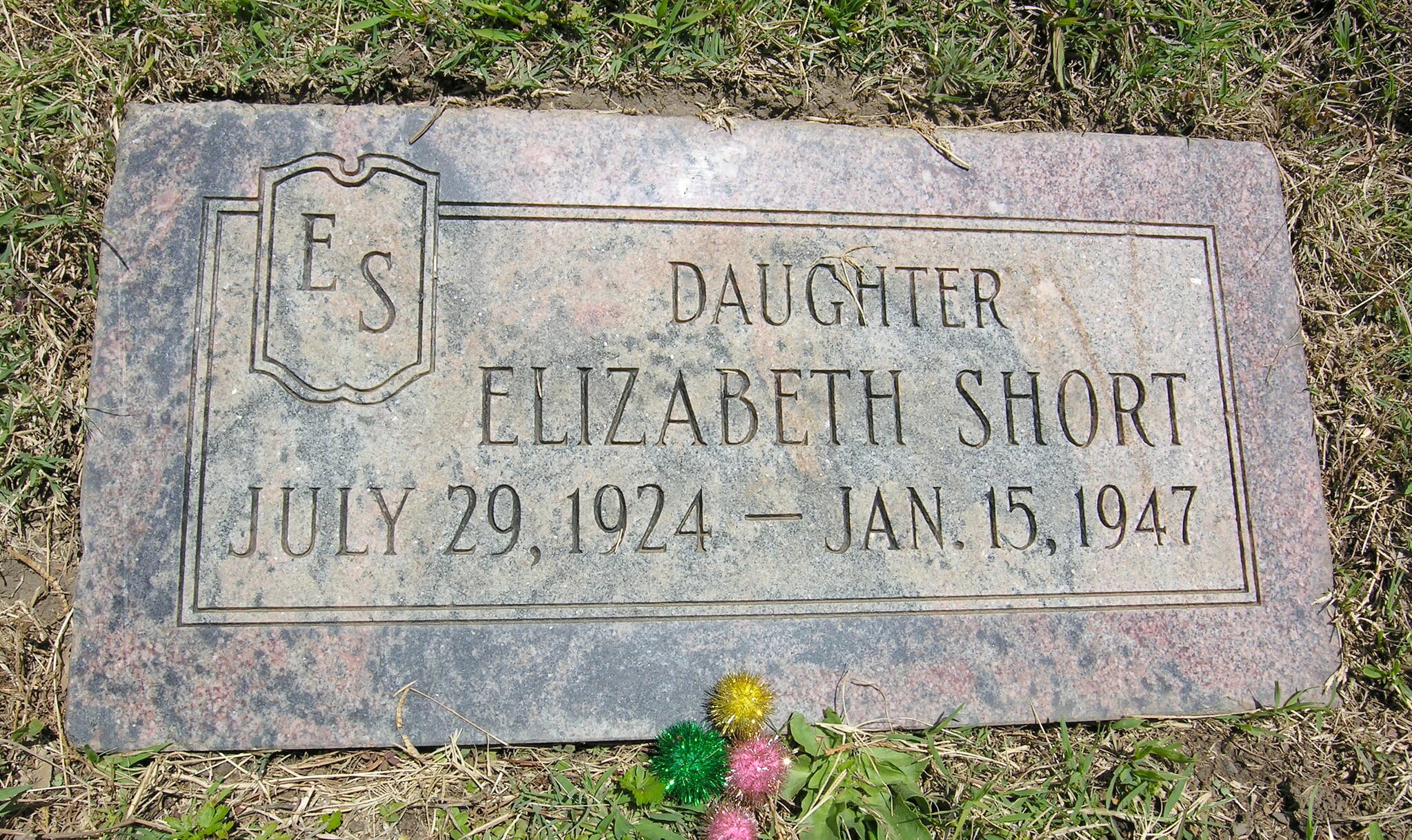
Elizabeth Short’s brutal murder in 1947 Los Angeles became one of America’s most famous unsolved cases.
Over the decades, multiple people have claimed responsibility on their deathbeds, but one confession stands out for its specific details and insider knowledge.
In 1999, Janice Knowlton claimed her father, George Knowlton, had confessed to the murder years earlier, providing details about how and why he killed Short that matched evidence never released to the public.
The Dyatlov Pass Incident
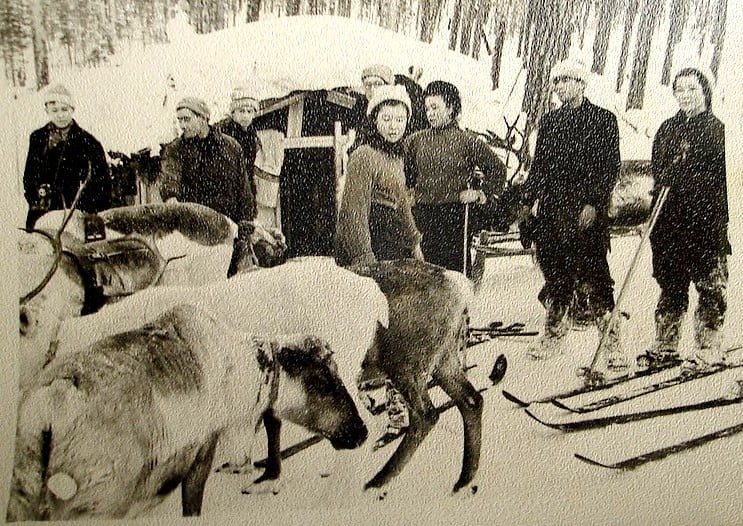
Nine Russian hikers died mysteriously in the Ural Mountains in 1959, with their tent cut open from the inside and their bodies showing unexplained injuries.
The incident remained classified for decades until a deathbed confession from a former KGB officer suggested the hikers had accidentally witnessed a secret military weapons test.
The officer described a cover-up operation designed to hide the military’s involvement and explained why the case files had been sealed for so long.
The Princes in the Tower
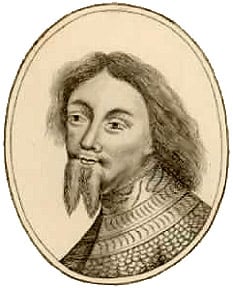
The disappearance of the two young princes in the Tower of London in 1483 has been blamed on their uncle, Richard III, but a confession attributed to Sir James Tyrrell before his execution in 1502 tells a different story.
Tyrrell allegedly admitted to murdering the princes on Richard’s orders, providing detailed accounts of how the deed was done and where the bodies were hidden.
While historians debate the confession’s authenticity, it remains one of the most direct pieces of evidence in one of history’s most enduring mysteries.
Truth in the Final Hour

These confessions remind us that history isn’t always found in official records or scholarly research. Sometimes the most important truths are carried in human hearts for decades, waiting for that final moment when secrets no longer need keeping.
Whether driven by guilt, a desire for justice, or simply the human need to be understood, these final admissions have the power to rewrite textbooks and reshape our understanding of the past—even when they leave us with more questions than answers.
More from Go2Tutors!

- The Romanov Crown Jewels and Their Tragic Fate
- 13 Historical Mysteries That Science Still Can’t Solve
- Famous Hoaxes That Fooled the World for Years
- 15 Child Stars with Tragic Adult Lives
- 16 Famous Jewelry Pieces in History
Like Go2Tutors’s content? Follow us on MSN.



